GWh, Nm³, bcm y MJ: understanding the units of measurement for biomethane

Different indicators used to describe the same form of green energy

Madrid. 13 October 2026. A biomethane plant can produce 1,000 Nm³/h, generate 90 GWh a year, or form part of a market whose capacity is measured in bcm per year. These three figures can describe the same reality from different perspectives: flow rate, energy produced and gas volume.

Understanding the units of measurement for biomethane is essential for comparing plants, interpreting energy targets or determining how much energy a given volume of gas contains.

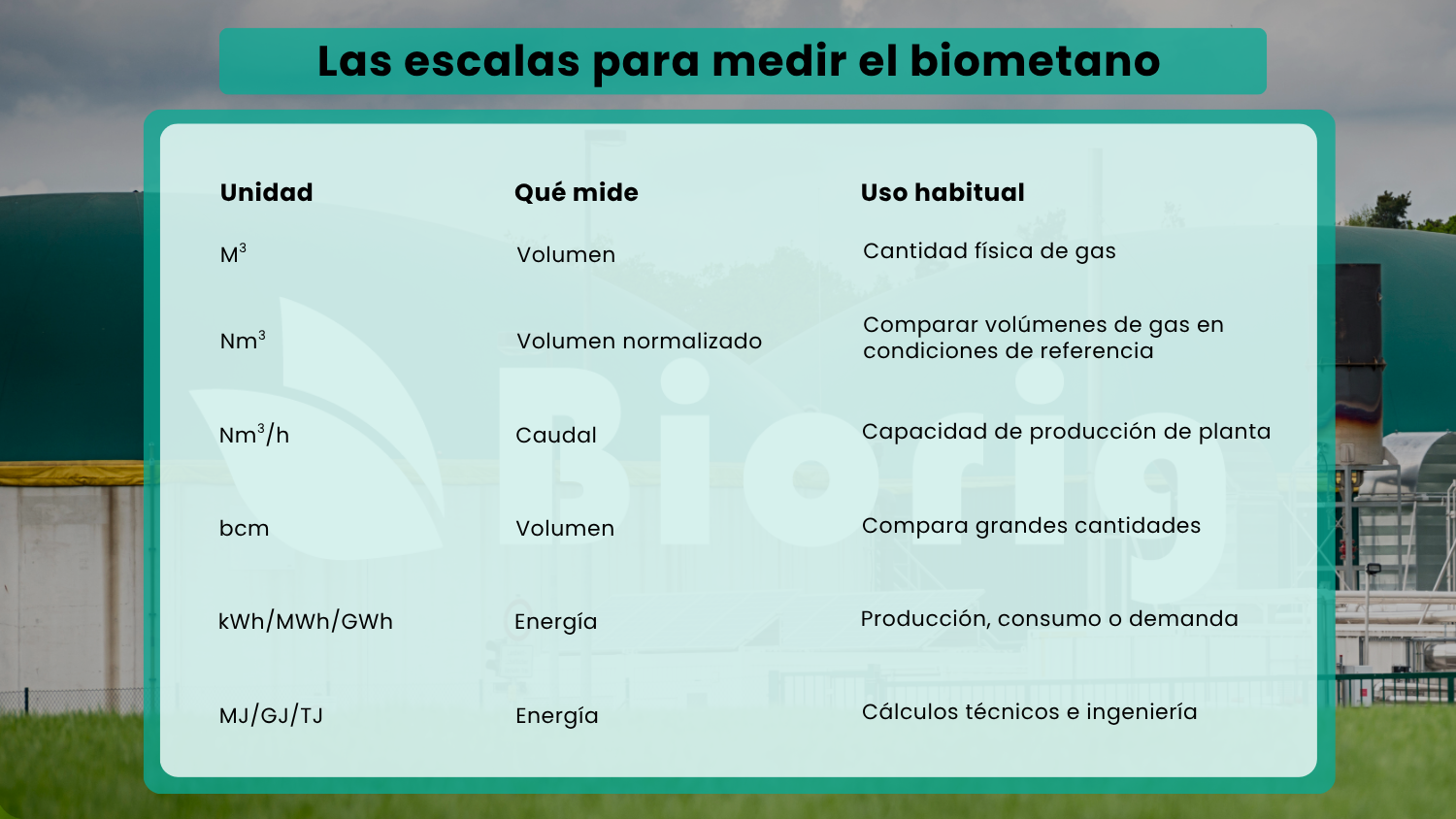
The key concept is simple: m³ and Nm³ measure volume; Nm³/h measures flow rate; kWh, MWh, GWh and TWh measure energy; MJ and GJ also measure energy; and bcm is used to express large volumes of gas.

In Europe, these units are in constant use. The European Biogas Association (EBA), for example, estimated that by 2026 the continent’s installed biomethane production capacity would stand at 8.2 bcm per year, having exceeded 8 bcm for the first time.

EscalasbiometanoOK

Volume, flow rate and energy: the fundamental difference

Before converting units, you need to know what each figure represents.

Volume answers the question: how much gas do we have? It can be expressed, for example, in cubic metres.

Flow rate answers another question: how much gas flows or is produced per unit of time? Hence units such as Nm³/h.

Energy, for its part, indicates how much energy that gas contains and can be expressed in kWh, MWh, GWh, MJ or GJ.

That is why 1,000 Nm³/h and 100 GWh/year are not directly comparable quantities. The first figure describes a rate of production; the second, the total amount of energy accumulated over the course of a year.

GWh, Nm³, bcm and MJ: how biomethane is measured
What are m³ and Nm³ in biomethane?

A cubic metre (m³) is a unit of volume. The problem is that gases expand and contract when their pressure and temperature change. One cubic metre of gas does not necessarily contain the same number of molecules under different ambient conditions. That is why reference conditions are used in the gas industry.

Nm³ stands for normal cubic metre. It expresses the volume that the gas would occupy under specified conditions of pressure and temperature. In the Spanish gas system, the reference conditions used to measure volume are 0 °C —273.15 K— and 1.01325 bar. European regulations also use 0 °C and 1.01325 bar as the reference conditions for volume in gas transactions.
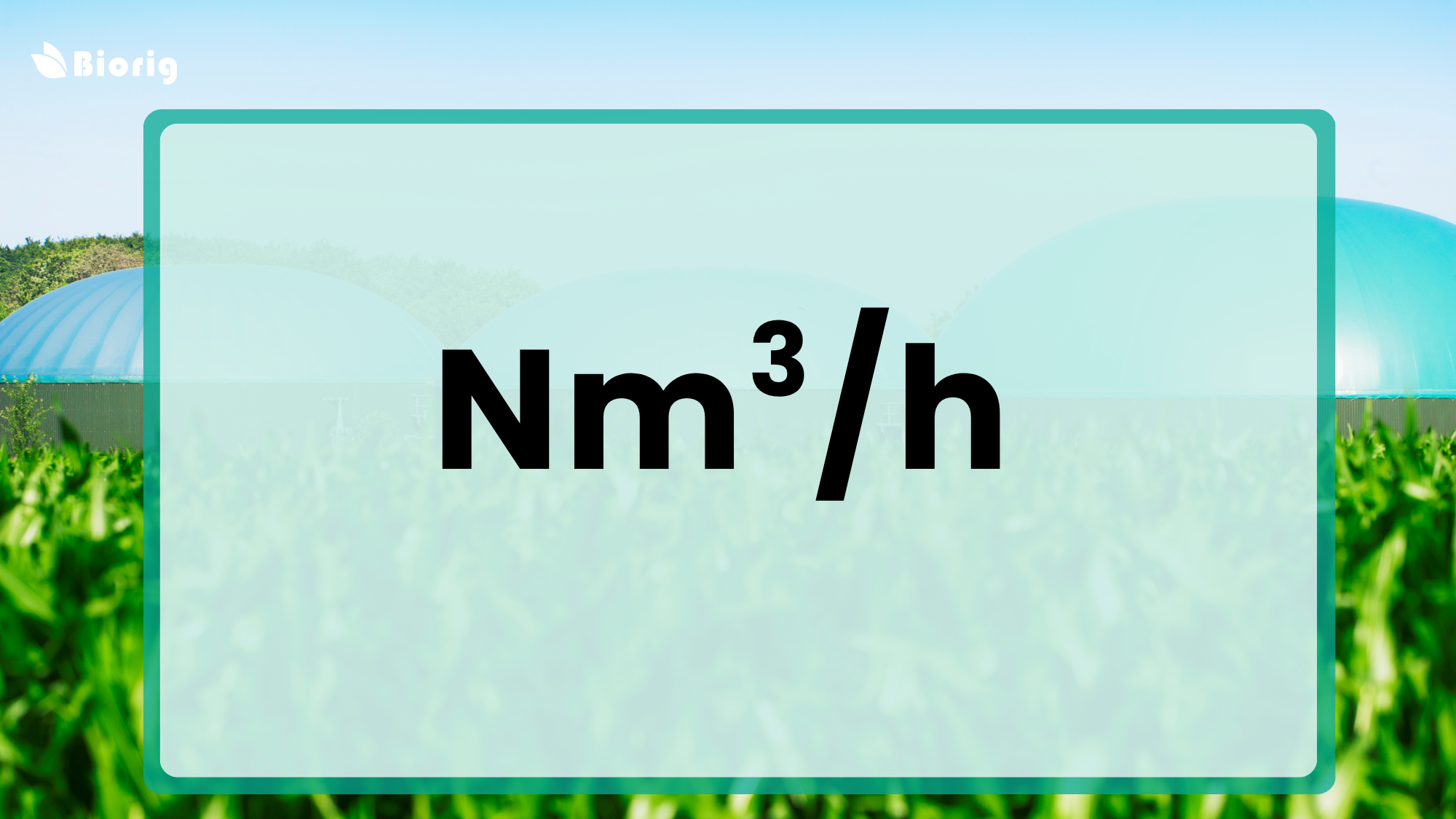
What does Nm³/h mean?

Nm³/h expresses a volumetric flow rate: the number of standard cubic metres of gas that a plant produces, transports or injects per hour.

It is one of the most commonly used units for expressing the production capacity of a biomethane plant.

To work out how many GWh those 4.38 million Nm³ represent, you also need to know the calorific value of biomethane.

The European Biogas Association uses precisely these figures to characterise European plants. In its 2025 map, it put the average size of a European plant at 483 Nm³/h.
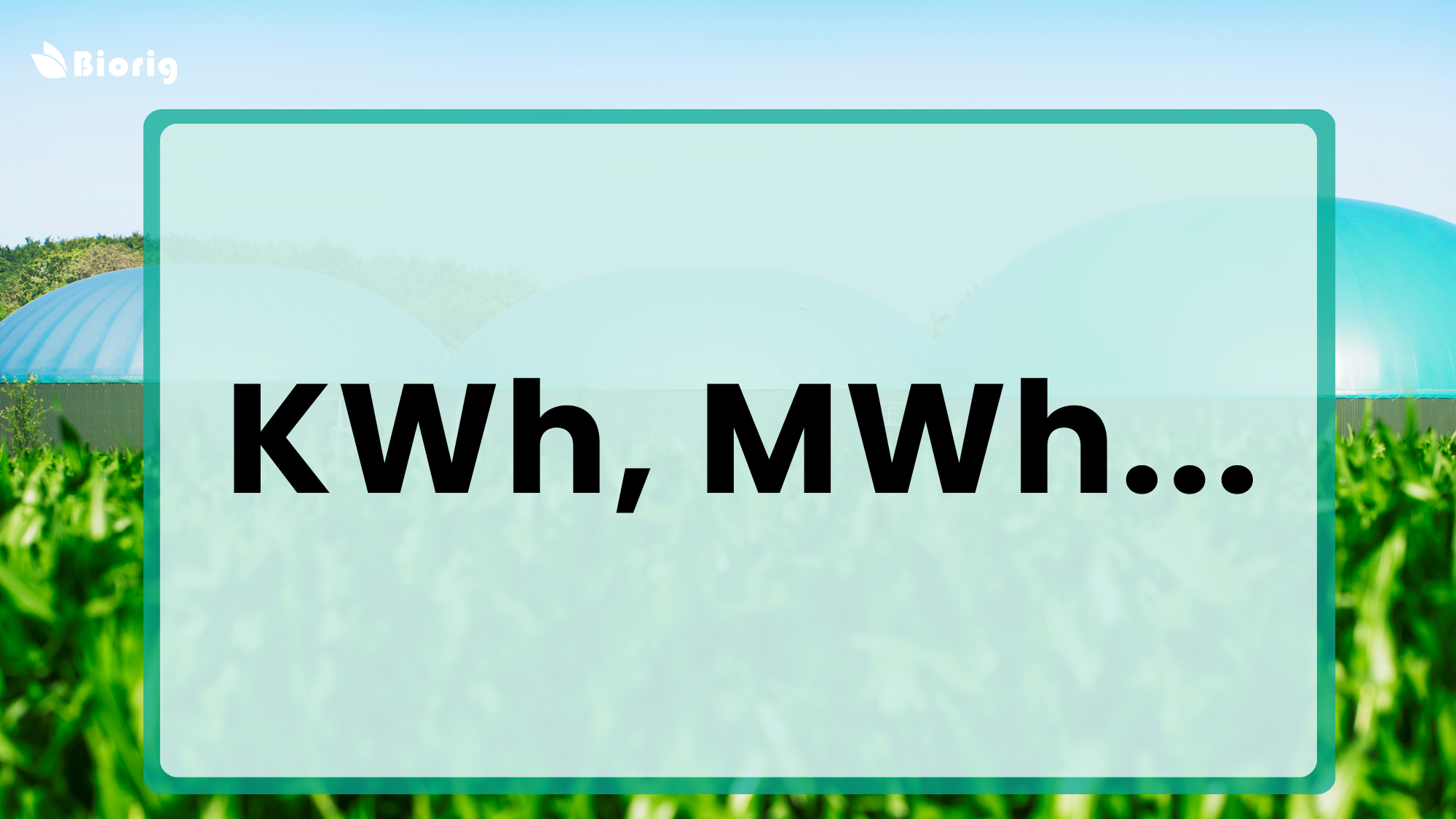
 What do kWh, MWh, GWh and TWh stand for?

These units represent energy.

The prefix changes the scale:

1 MWh = 1,000 kWh and can be used to measure industrial consumption

1 GWh = 1,000 MWh = 1,000,000 kWh and can be used to measure the output of large power stations or the consumption of large consumers

1 TWh = 1,000 GWh = 1,000,000,000 kWh; this can be used to measure the production or consumption of regions, countries and large energy portfolios

In the case of biomethane, the most common unit used to describe a plant is GWh/year. TWh/year is more useful for expressing corporate portfolios, national production figures or major energy targets.

Biorig, for example, carries out projects with a combined annual output of several TWh, whilst a single plant may generate in the region of tens or hundreds of GWh a year.

What does bcm stand for?

bcm is the international abbreviation for billion cubic metres: one billion cubic metres. Therefore:

1 bcm = 1,000,000,000 m³

It is not a unit distinct from the cubic metre: it is simply a practical way of dealing with extraordinarily large volumes.

That is why it regularly features in national and European gas statistics.

The EBA uses bcm/year to express the capacity of the European market. In 2025, it recorded approximately 7 bcm/year of installed capacity and forecast a further 7.3 bcm/year of new capacity by 2030 across the projects analysed. By the 2026 edition of its map, European installed capacity had already reached 8.2 bcm/year. European Biogas Association

What are MJ and GJ?

The joule (J) is the unit of energy in the International System of Units. The watt-hour (Wh) is another widely used way of expressing energy, particularly in the energy sector.

The following frequently appear in gas projects:

MJ: megajulio

GJ: gigajoule

TJ: terajoule

The conversion between the two systems of units is exact:

1 kWh = 3,6 MJ

1 MWh = 3,6 GJ

1 GWh = 3,6 TJ

1 TWh = 3,6 PJ

Thus, a plant producing 100 GWh per year generates an amount of energy equivalent to:

100 GWh × 3,6 = 360 TJ/año

There is no assumption about the gas involved here: we are converting two units that represent the same quantity, namely energy.

How many households can 1 GWh of biomethane supply?

The European Biogas Association’s (EBA) Energy Translator tool links biomethane capacities to everyday examples such as households supplied, LNG lorries, fertiliser production or emissions avoided. For a biomethane capacity of 1 GWh/year, the tool presented by the EBA provides, amongst other figures, energy equivalent to the annual consumption of 87 European households.

Las capturas facilitadas mueThe screenshots provided also show that the translator associates:stran también que el traductor asocia:

  • 1 GWh/year of biomethane → 87 European households per year
  • 1 GWh/year → 462 tonnes of CO₂ avoided per year
  • 1 bcm/year → 907,140 European households per year
  • 1 bcm/year → 4,832,928 tonnes of CO₂ avoided per year

These figures are very useful for communicating impacts, but they are not universal physical equivalents. They depend on the assumptions made by the tool: average household consumption, the technology being replaced, emission factors and other variables. The EBA itself presents its Energy Translator as a tool designed to link units and capacities to examples of impact.
Why is biomethane described in so many different ways?

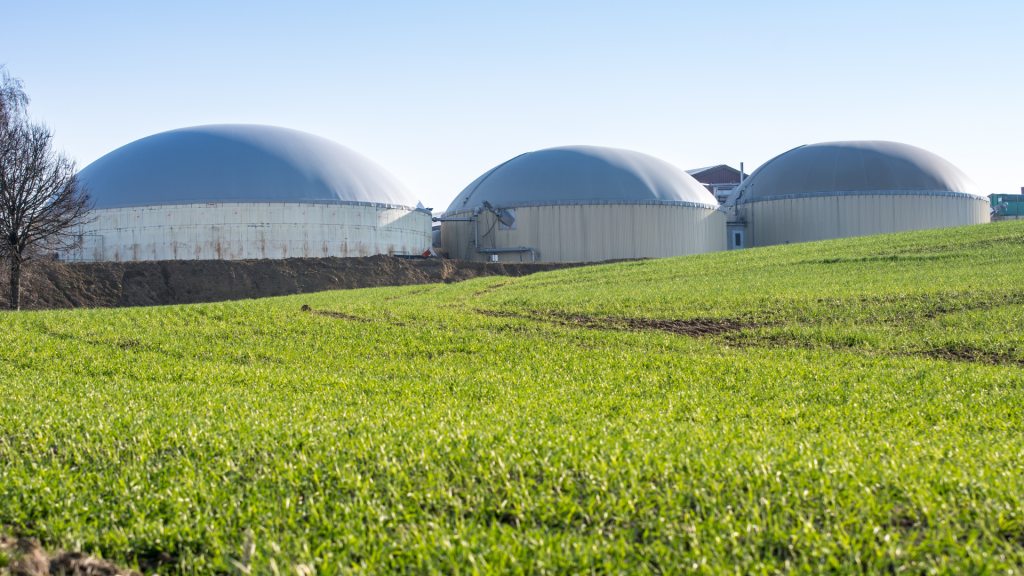
Because biomethane is simultaneously a physical gas, an industrial flow and an energy source. An engineer designing a plant needs to know how many Nm³/h will flow through a pipeline. An energy operator may need to know the MWh or GWh injected. A government may set its national targets in TWh/year. And an analysis of the European market may refer to bcm/year. No single unit is better than another. Each answers a different question. This variety is particularly relevant in a rapidly expanding European sector. The EBA’s Energy Translator allows users to convert energy units, production capacities and quantities such as kWh, GJ, bcm/year or m³/h, thereby facilitating their interpretation.

Producción

Cómo funciona una planta de biometano

Contact

We are close to you

Do you want to contact us, propose a project, learn about our services? You can reach us at any of our offices, by e-mail or telephone.
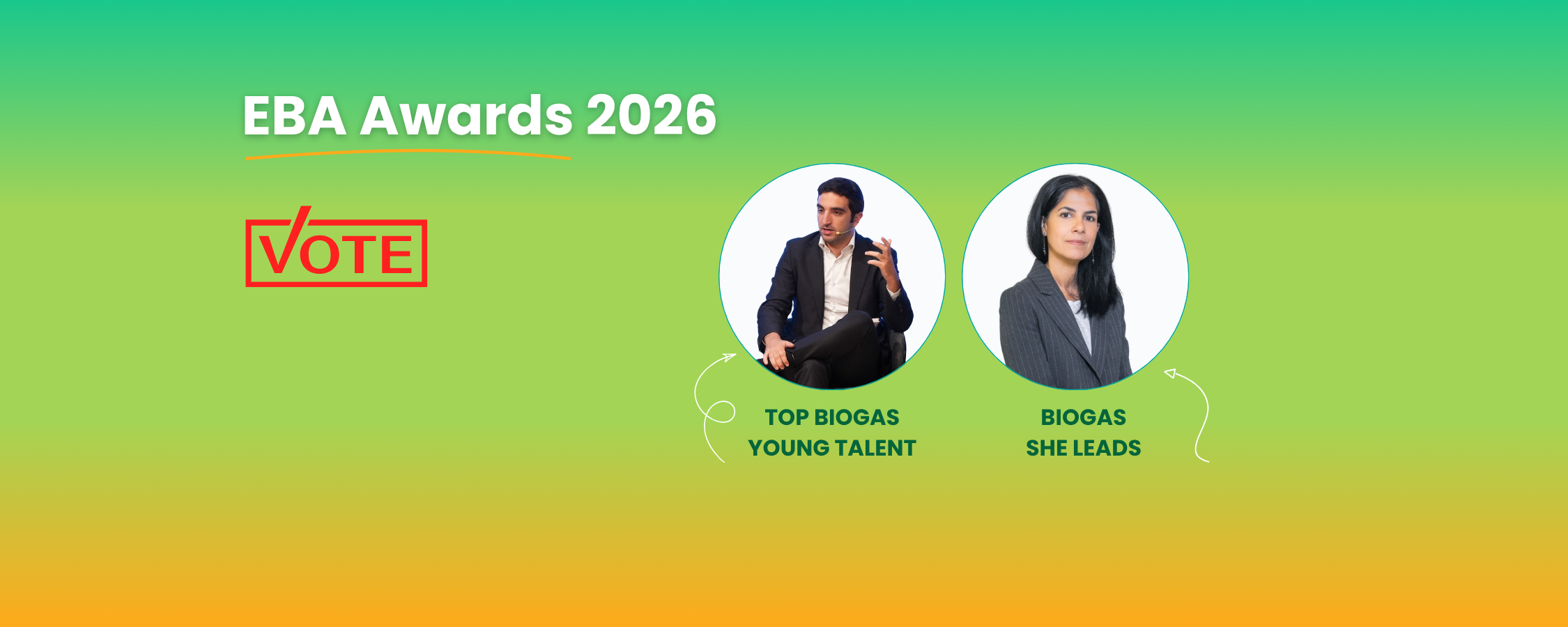
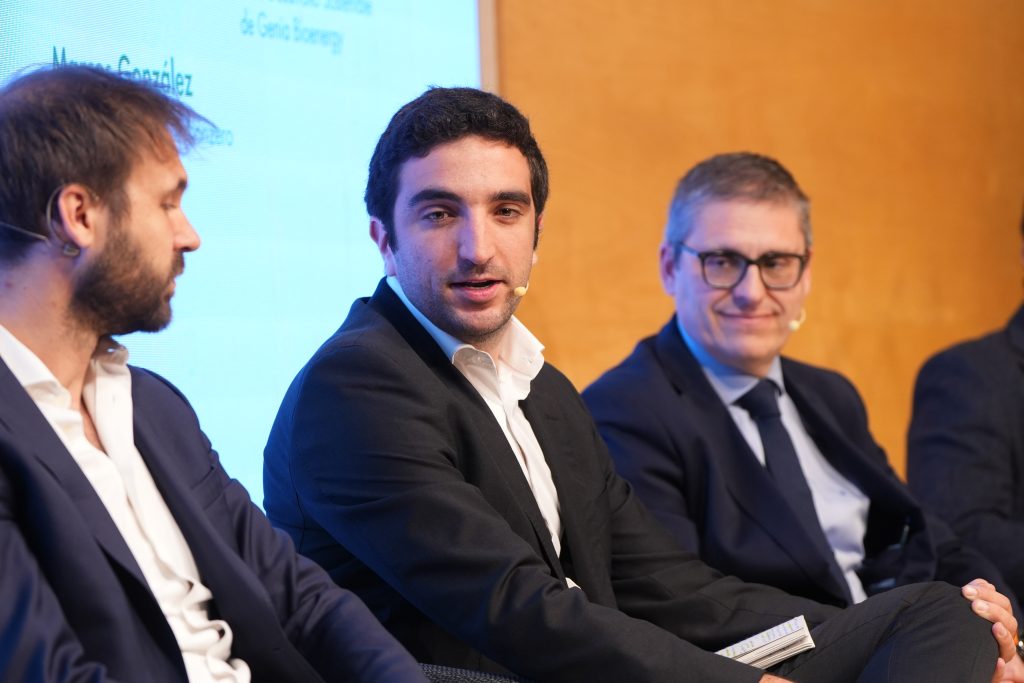
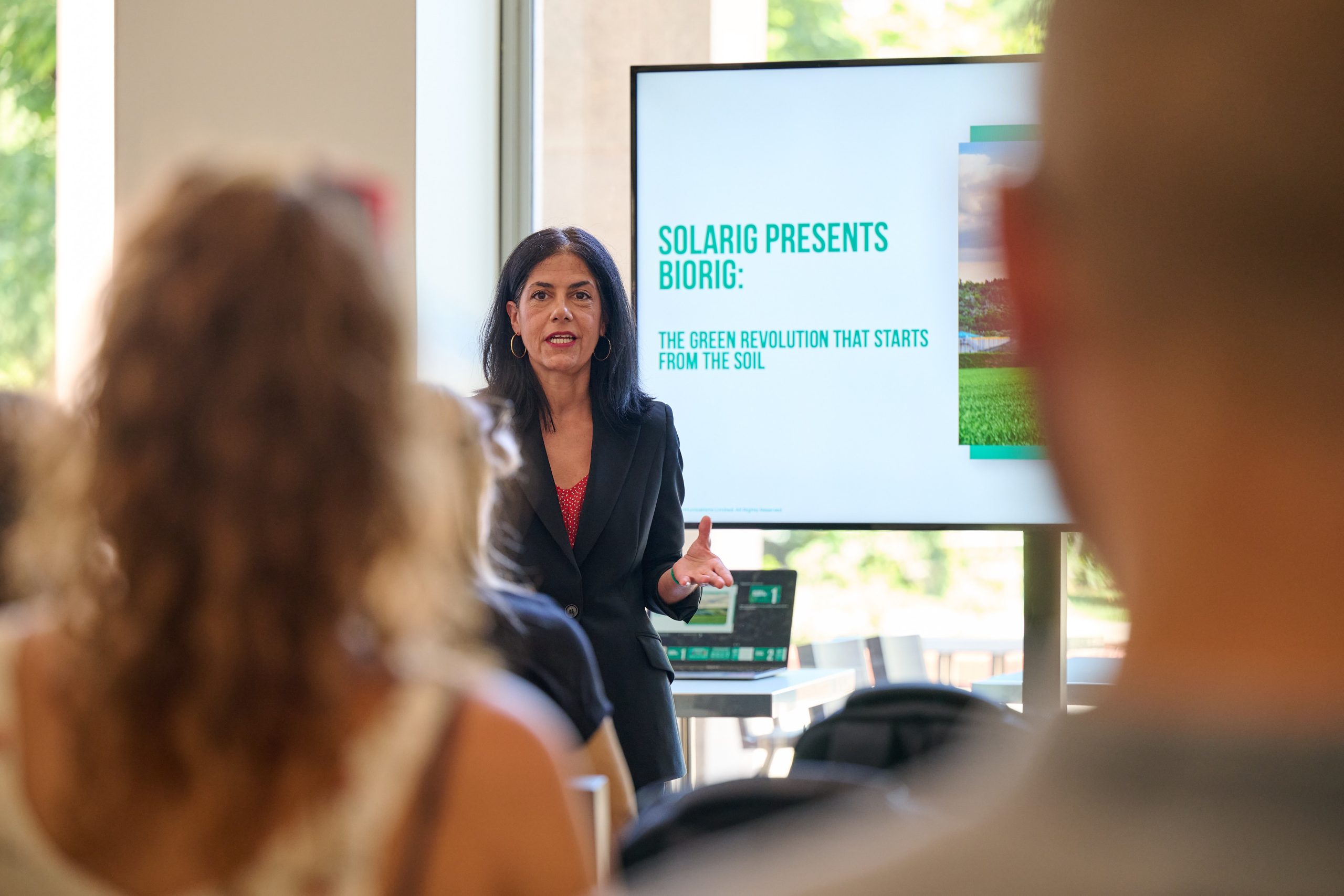
Carlos Aguilar and Cecilia Carballo, finalists in the 2026 EBA Awards

Biorig executives are in the running for the European Biogas Association’s (EBA) Young Talent and Women in Leadership awards

Madrid, 5 October 2026. Biorig has two finalists in the 2026 EBA Awards, organised by the European Biogas Association (EBA). Carlos Aguilar Aguirre, Director of Development and M&A, is in the running for the Top Biogas Young Talent Award, whilst Cecilia Carballo de la Riva, Director of Sustainability and Communications, is a finalist for the Biogas She Leads Award. Both nominations highlight their contribution to the sector’s development in complementary areas: driving new projects and integrating sustainability and local participation.

Los galardones celebran su sexta edición y se entregarán en Bruselas durante la Conferencia Europea de Biogás, en el marco de la Semana Europea del Biometano, del 12 al 16 de octubre de 2026. Estos premios reconocen a profesionales y proyectos por su aportación a la transición energética y las energías renovables. Las votaciones estarán abiertas hasta el próximo 15 de octubre.


Carlos Aguilar: a rising star set to drive the growth of biomethane in Europe

EPEGASESRENOVABLES02

Carlos Aguilar joined Biorig in 2023, coinciding with the launch of Solarig’s renewable gas platform. Since then, he has helped to develop a portfolio of more than 20 biomethane projects in Spain and has supported the company’s expansion into Italy and Poland.

His work covers key aspects involved in turning development opportunities into viable projects: the availability of raw materials, access to the grid, the processing of permits and long-term commercial viability. In her application, the EBA highlights the responsibility she has taken on from an early stage in her career and her ability to combine an international perspective with knowledge of local markets.

Aguilar also links the growth of biomethane to the creation of opportunities for younger generations in rural areas. He has highlighted its potential to attract and retain talent, opening up new career paths for young people in the agriculture and livestock sector, technicians, engineers and environmental specialists. This vision positions training and social and labour market integration as integral parts of project development, in line with Biorig’s commitment to creating quality jobs and contributing to the progress of local communities.


Cecilia Carballo: sustainability and dialogue with the local community

With over 30 years’ experience in environmental protection, climate transition and social development, Cecilia Carballo has championed the integration of sustainability into Biorig’s strategy, project development and governance. Her nomination for the women’s leadership award highlights a vision that links industrial development with environmental responsibility and engagement with rural communities.

Among the initiatives it has promoted are the ‘Green Dialogue Roundtables’, designed to enable local councils and residents to participate in monitoring the company’s commitments and identifying social and environmental initiatives. In addition, the company promotes local employment and training, reinvests in communities and supports vulnerable groups.

CECILIAITALIA

BIORIG, circular economy and energy sustainability

Biorigis Solarig’s biomethane production division. It was created with the aim of providing innovative solutions in the field of renewable gases, such as biomethane. Its activity is focused on the management of organic agro-livestock raw materials for their transformation into renewable gases and to promote the development of projects in the field of energy transition and circular economy.

Biorig is committed to a circular economy model based on the recovery and management of agricultural and livestock raw materials, commitment to the development of local communities, and the promotion of the production of renewable gases to accelerate the energy transition in the places where it operates.

Biomethane projects in Europe: Biorig’s international presence

A European green gas platform

Madrid, 4 August 2026. Biorig is developing a European biomethane infrastructure platform aimed at transforming agricultural and livestock waste into renewable energy, bioCO₂ and organic fertilisers. The company handles the development, construction and operation of the facilities, from identifying sites to liaising with farmers, livestock breeders, local authorities and local businesses.

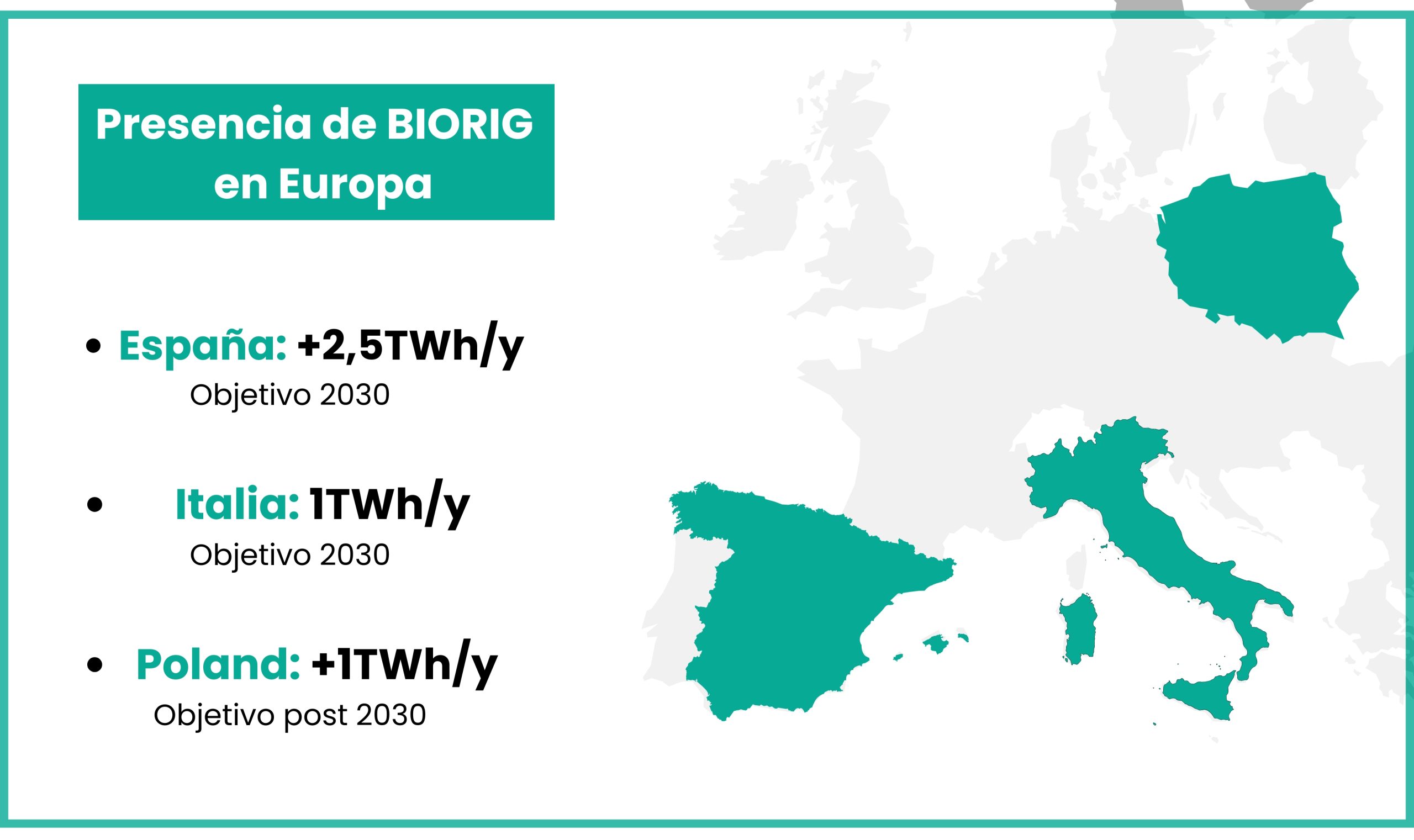
Spain is Biorig’s main market and the centre of its operations. Building on this foundation, the company has begun its international expansion into Italy and Poland, two countries with different but complementary conditions: the Italian market is more developed and has industrial experience, whilst the Polish market offers high growth potential.

Overall, Biorig has a portfolio of more than 60 projects in Spain, Italy and Poland, with an expected annual production of around 5 TWh of biomethane. This expansion forms part of Solarig’s transformation into a more industrial, competitive and global energy group, committed to the green transition, quality employment and the economic development of the regions.

Main markets

Biorig is expanding across Europe through a strategy tailored to each country. In Spain, Italy and Poland, the company is driving forward projects with local ties, aimed at recovering organic waste, producing renewable energy and generating local economic activity.

Spain

SPANISH DEVELOPEMENT

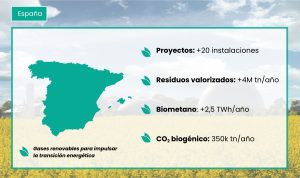
Spain is the hub of Biorig’s operations and the country in which the company has its most extensive portfolio. Its potential in the agricultural and livestock sectors enables the development of large-scale projects directly linked to the rural economy.

Context: high availability of agricultural and livestock waste and a biomethane market that is still underdeveloped.

Biorig’s plan: to consolidate its extensive project portfolio and make Spain its main production hub.

Activity: developing its own projects from the initial stages, in collaboration with farmers, livestock farmers, local authorities and local businesses.

Plant model: industrial-scale facilities, located close to the source of the waste and fuelled exclusively by agricultural and livestock raw materials.

Italy

ITALY DEVELOPEMENT

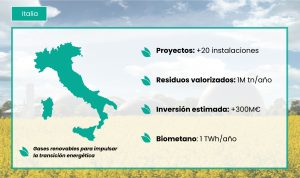
Italy enables Biorig to grow in a market characterised by industrial expertise and a specialised supply chain. The company also benefits from the presence and expertise built up by Solarig, Biorig’s parent company, over more than 15 years in the country.

Context: a more mature biomethane market, with specialist suppliers and support schemes for renewable gases.

Biorig’s plan: to accelerate its growth by capitalising on Solarig’s established presence and expertise.

Activity: combining our own projects with the incorporation of local initiatives at advanced stages of development.

Plant model: smaller-scale, more widely distributed facilities, tailored to the local availability of agricultural and livestock waste and agri-food by-products.

Poland

POLAND DEVELOPEMENT

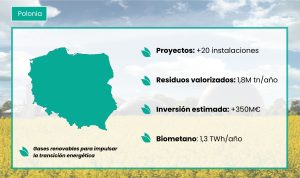
Poland offers an opportunity for long-term growth due to the scale of its agriculture and livestock sector and its need to diversify its energy supply. Biorig aims to build a portfolio there from an early stage of market development.

Context: significant potential for agriculture and livestock farming, coupled with the need to reduce dependence on imported gas.

Biorig’s plan: to build a significant portfolio in one of the European markets with the greatest growth potential.

Activity: combining new projects with the integration of established local initiatives, in collaboration with local developers and partners.

Plant model: facilities tailored to the resources of each agricultural region, designed to make use of local waste and produce biomethane for the Polish market.

Agricultural and livestock raw materials for a circular model

Biorig exclusively recycles by-products generated by the primary sector to produce renewable gases. This model enables waste to be recycled to produce energy and digestate with significant agronomic potential, which can be used to fertilise land.

As such, Biorig’s plants represent key infrastructure for promoting the circular economy in rural areas, as well as a source of investment and economic development in these regions.

Contact

We are close to you

Do you want to contact us, propose a project, learn about our services? You can reach us at any of our offices, by e-mail or telephone.
Biomethane from a scientific perspective: a safe and sustainable solution for the primary sector

How a biomethane plant works: a new episode of ‘Futuro Verde’

Madrid. 14.07.2026. Futuro Verde, Promecal’s podcast for Vive! Radio and El Día de Soria, in collaboration with Solarig, continues to bring the energy transition closer to the public through knowledge, scientific outreach and the expertise of industry professionals. Biomethane, a gas of renewable origin that serves as a substitute for fossil-based natural gas, is one of the energy sector’s key growth drivers. This is why the processes involved in producing biogas to obtain biomethane have generated considerable interest in the scientific community, whose views were featured in episode 3 of the podcast, which brought together scientists specialising in the study of this type of facility.

Given biomethane’s potential to accelerate decarbonisation in sectors that are difficult to electrify, and its contribution to optimising the management of organic waste, this renewable gas presents itself as an energy solution that helps to promote the circular economy.

With the agri-food waste produced in Castile and León, we can produce three times as much natural gas as we consume

Futuro Verde examines in detail, in collaboration with the academic community, the operation of a biomethane plant from a rigorous and scientific perspective. The discussion featured leading researchers, such as Mariano Martín, Professor of Chemical Engineering at the University of Salamanca and a member of the Royal Academy of Exact, Physical and Natural Sciences of Spain; Raúl Muñoz, a researcher at the Institute of Sustainable Processes at the University of Valladolid and professor of Environmental Technologies; and María Pilar Martínez, a mining and energy engineer with a PhD from the Polytechnic University of Madrid and currently a postdoctoral researcher at the UPM.

From Waste to Resource: The Biomethane Process

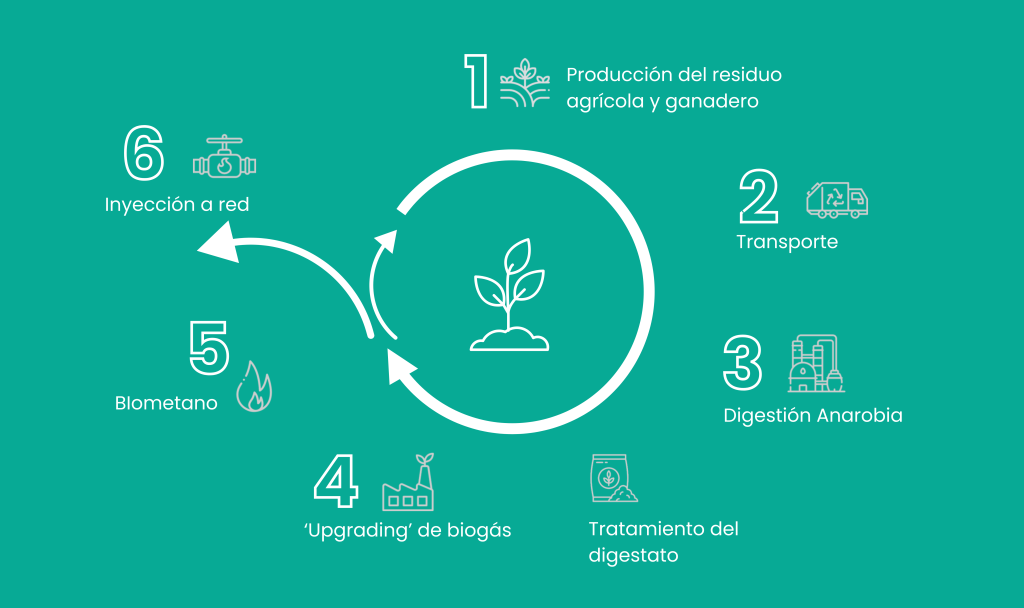
The episode provides a step-by-step analysis of how these plants operate, from the receipt of raw materials to the production of biomethane ready for injection into the grid or use as a renewable fuel.

Safety and reliability

The safety and reliability of modern biomethane plants, a technology with over 40 years of development in other European countries

Anaerobic digestion

The anaerobic digestion process by which biogas is produced from organic waste

Upgrading

The conversion of biogas into biomethane, a renewable gas with properties equivalent to those of natural gas

Green energy

The role of these infrastructures in reducing emissions and achieving energy independence

Digestate to close the cycle

Uno de los aspectos más importantes del proceso es la gestión y la recuperación del digestato, un subproducto que desempeña un papel fundamental en el modelo circular. El digestato es un acondicionador orgánico del suelo con un elevado potencial agronómico que contribuye a devolver los nutrientes al suelo, mejorar su estructura y reducir la dependencia de los fertilizantes químicos.

Biorig produces biomethane exclusively from agricultural and livestock waste (slurry, manure, and straw), which yields a digestate classified as CMC 5. The company further processes this digestate to produce an organic fertilizer certified under European CFP 3 standards, which is stabilized and sanitized and enables traceability of the nutrients used in the field.

Digestate is not dangerous; what is dangerous is failing to manage waste sensibly and professionally

An energy model based on circularity

If managed properly, biomethane plants benefit everyone.

This new episode of Futuro Verde highlights how biomethane offers a comprehensive solution: it not only generates renewable energy, but also enables efficient waste management and produces resources that benefit the local community.

A clear example of how the energy transition can go hand in hand with rural development, environmental sustainability, and the creation of long-term value.

Contact

We are close to you

Do you want to contact us, propose a project, learn about our services? You can reach us at any of our offices, by e-mail or telephone.

Biorig takes part in Warsaw Biomethane Congress to promote its investment strategy in Poland

Biorig discussed the factors that make a biomethane project a truly viable investment opportunity

CongresoPolonia

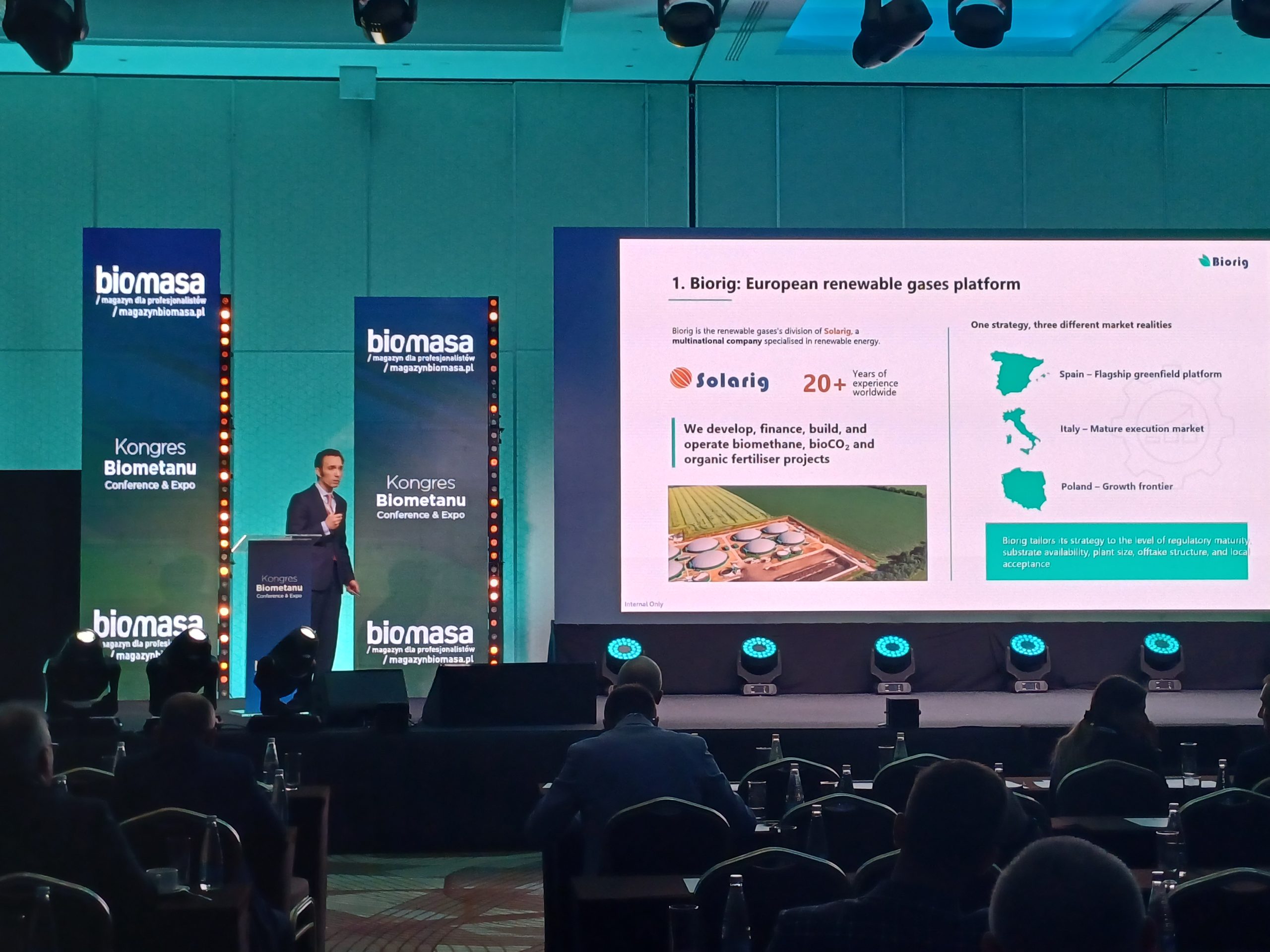
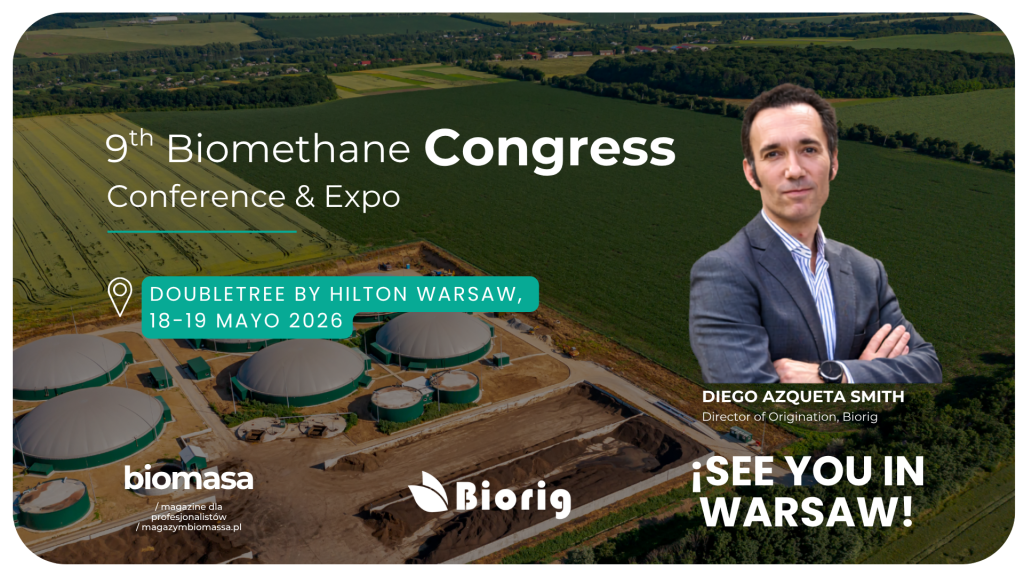
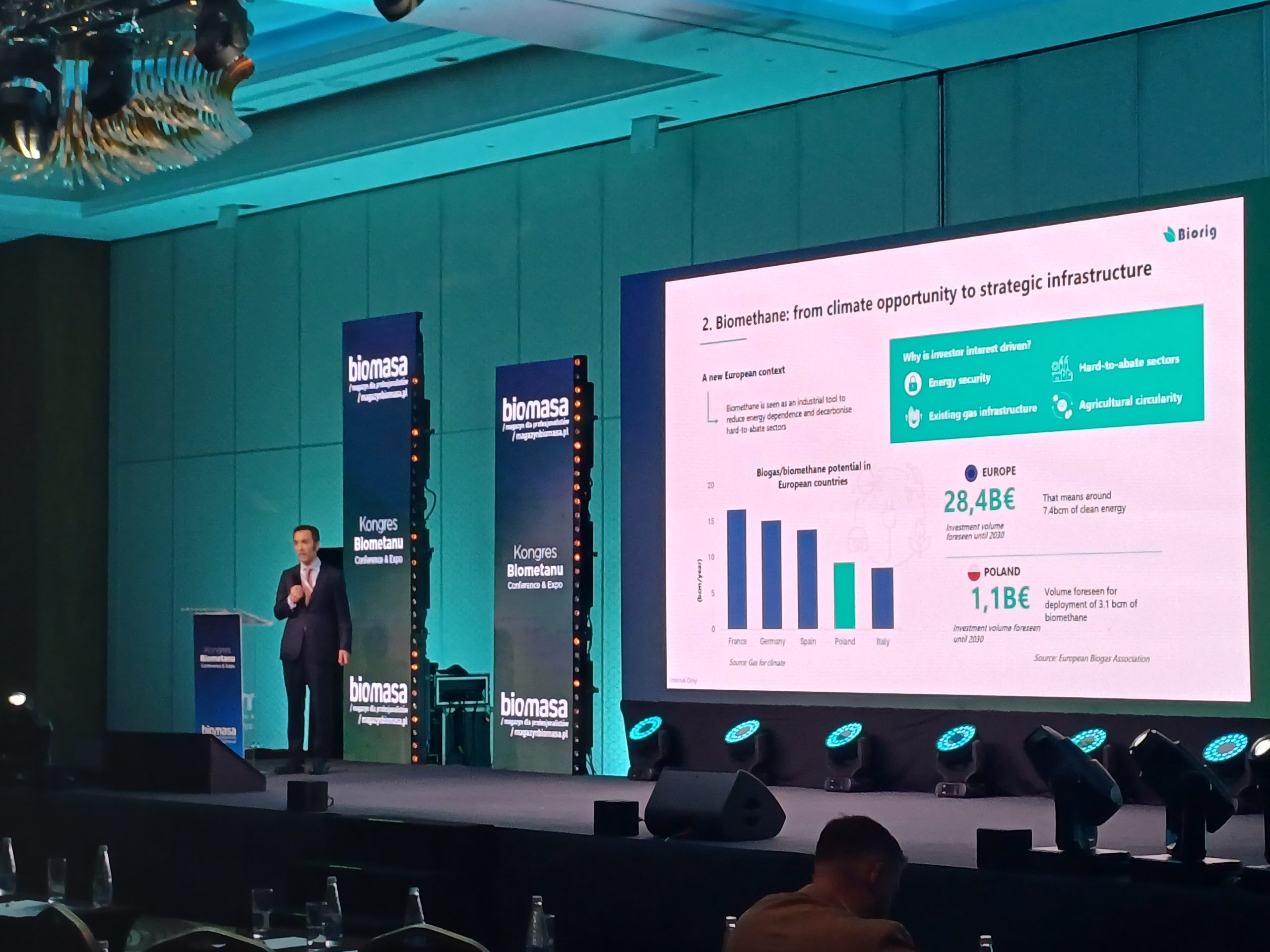
Madrid, 18-05-26. Biorig took part in the Warsaw Biomethane Congress, one of the leading events for the Polish biogas and biomethane market, which was held on 18 and 19 May at the DoubleTree by Hilton in the Polish capital.

The event, organised by the publisher of Biomasa Magazine, brought together investors, developers, biogas plant owners, operators, farmers, agri-food companies, technology suppliers, energy sector companies and representatives of the public administration. The aim was to address the main challenges facing the roll-out of biomethane in Poland: regulation, certification, grid connection, financing, procurement, market models and collaboration between local and international stakeholders.

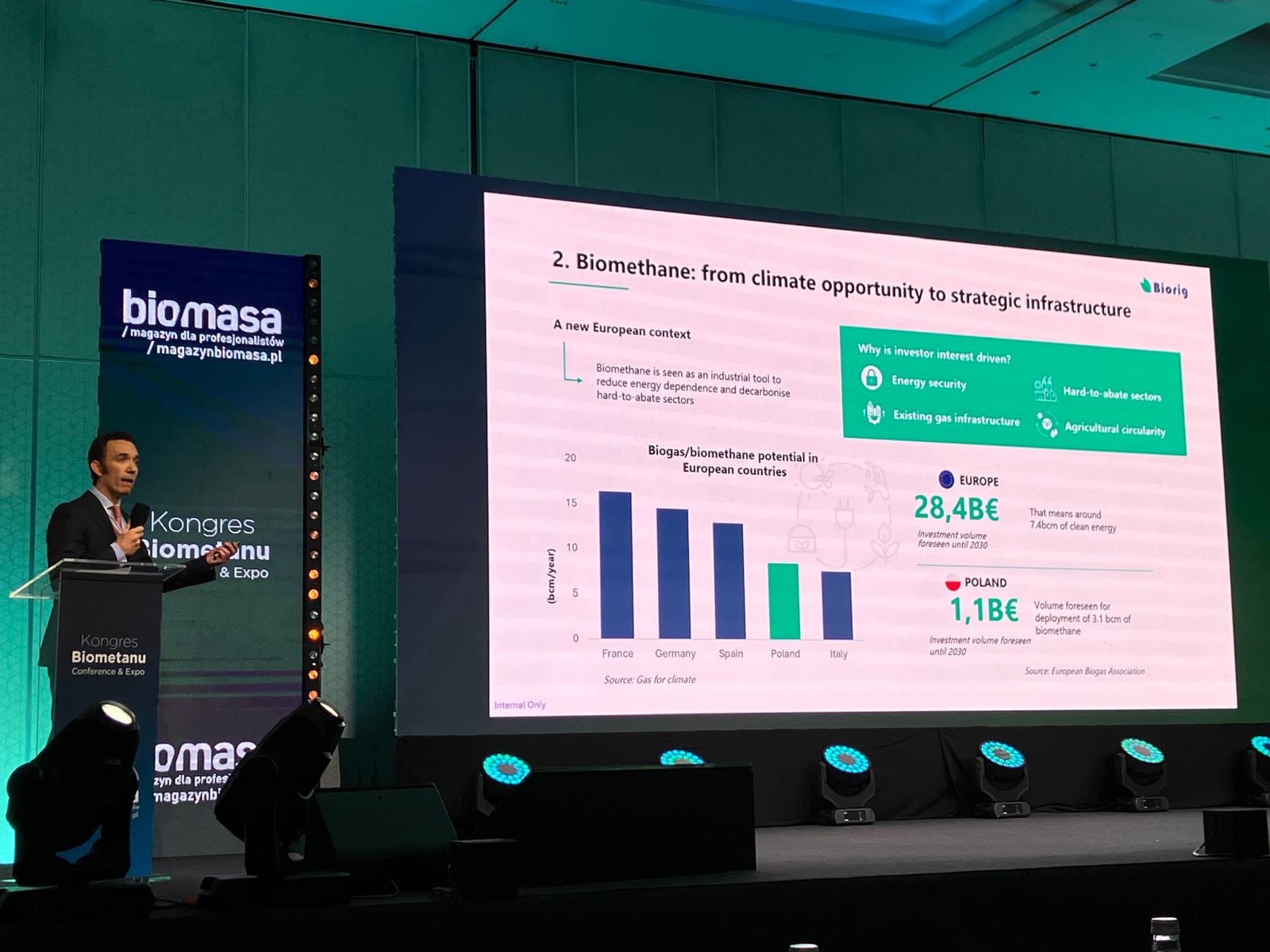
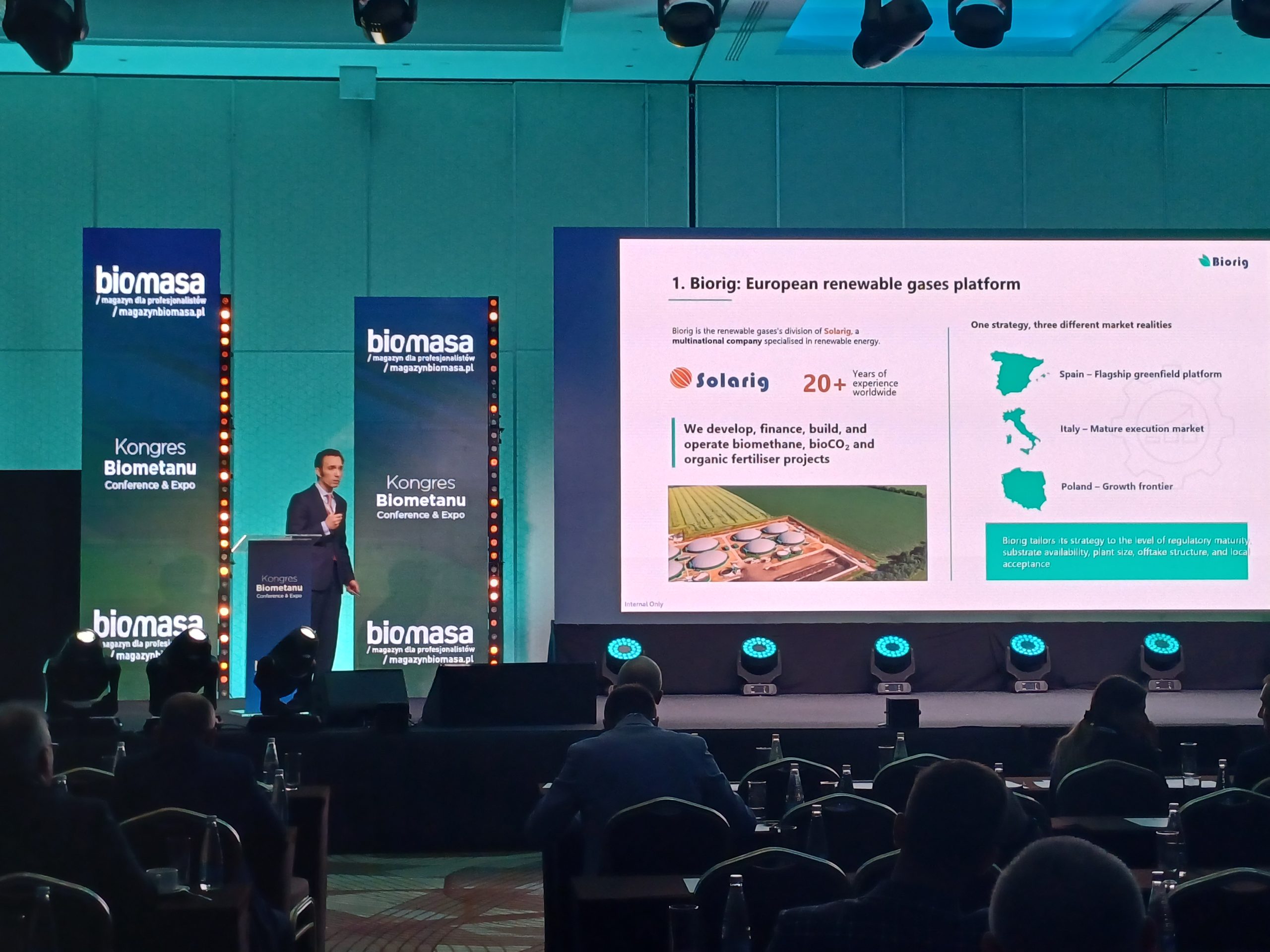
In this context, Diego Azqueta Smith, Director of International Development at Biorig, gave a presentation entitled “What does an investor look for in the biomethane sector? Criteria, valuation and best practices in partnerships: perspectives from Spain, Italy and Poland”. His presentation was part of the session dedicated to European biomethane markets and the lessons that can be drawn to accelerate the sector’s development in Poland.

During his presentation, Azqueta discussed the factors that make a biomethane project a truly viable investment opportunity. These include the availability of agricultural and livestock feedstock, regulatory certainty, the maturity of the regulatory process, grid connection, the structure of supply and sales contracts, and the presence of local partners with a genuine capacity for implementation.

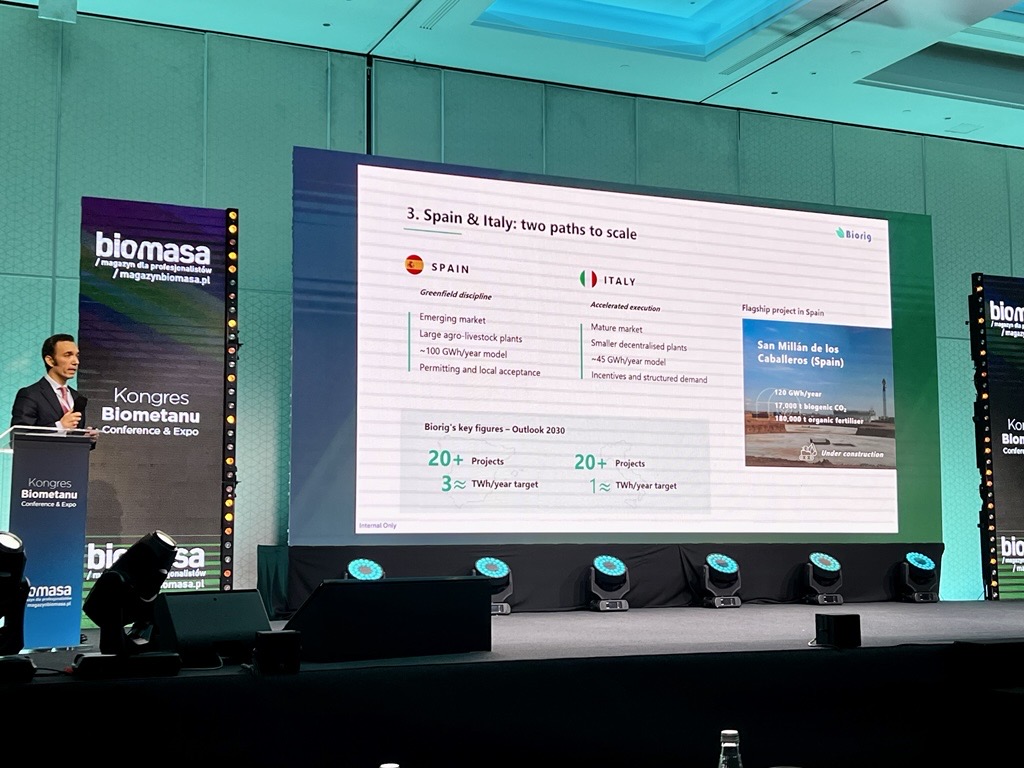
Biorig’s vision is based on a central idea: potential alone is not enough. To attract investment, projects need visibility, structure and the ability to become bankable assets. This approach is underpinned by the company’s experience in Spain, where it is developing a portfolio of over 20 projects based on larger-scale plants and agricultural and livestock raw materials, and in Italy, a more mature market with regulations and incentives that have enabled the accelerated roll-out of decentralised facilities.

Biorig in Poland

Biorig’s participation in the conference follows the company’s announcement in Poland that it plans to develop more than 20 biomethane plants in the country. This plan envisages a capacity of over 1 TWh per year of renewable energy production, with the first plant scheduled to come on stream in 2030.

Poland represents one of the main growth frontiers for biomethane in Europe. The country has a large-scale agricultural and agri-food sector, a strategic need for energy diversification, and a market that is still in its early stages. For Biorig, this context presents a clear opportunity: to transform local resources into renewable energy, organic fertilisers and industrial development in the region.

In Poland, Biorig is seeking to collaborate with developers, biogas plant owners and platforms with project portfolios at advanced stages of development or ready for construction. The company aims to provide capital, technical expertise, industrial discipline and a long-term vision to turn local projects into robust and competitive renewable energy assets.

BIORIG, circular economy and energy sustainability

Biorig is Solarig’s biomethane production division. It was created with the aim of providing innovative solutions in the field of renewable gases, such as biomethane. Its activity is focused on the management of organic agro-livestock raw materials for their transformation into renewable gases and to promote the development of projects in the field of energy transition and circular economy.
Biorig is committed to a circular economy model based on the recovery and management of agricultural and livestock raw materials, commitment to the development of local communities, and the promotion of the production of renewable gases to accelerate the energy transition in the places where it operates.

Biorig presents its new corporate video

Renewable gases for the energy transition

Madrid, 14-05-26. Biorig has released its new corporate video, a film that encapsulates the company’s identity and its approach to driving the development of renewable gases through a comprehensive, sustainable industrial model that is deeply rooted in the local community.

As Solarig’s renewable gases division, Biorig develops, builds and operates biomethane plants, utilising its own logistics and management capabilities. Its work focuses on the recovery of waste from the agricultural and livestock sectors, transforming it into valuable new resources: biomethane, biogenic CO₂ and certified organic fertilisers.

The video highlights a model based on the circular economy, which enables waste to be removed from the fields and returned to crops as EU-certified organic fertiliser (CFP 3). In this way, Biorig contributes to a more efficient and sustainable management of agricultural and livestock resources, whilst promoting the production of renewable energy.

Con más de 20 instalaciones en desarrollo en España y proyectos de biometano en Europa, Biorig avanza en una cartera orientada a la producción de 4 TWh/año de energía limpia, equivalente al consumo de un millón de hogares.

With more than 20 facilities under development in Spain and biomethane projects across Europe, Biorig is building a portfolio aimed at producing 4 TWh/year of clean energy, equivalent to the consumption of one million households.

BIORIG, circular economy and energy sustainability

Biorigis Solarig’s biomethane production division. It was created with the aim of providing innovative solutions in the field of renewable gases, such as biomethane. Its activity is focused on the management of organic agro-livestock raw materials for their transformation into renewable gases and to promote the development of projects in the field of energy transition and circular economy.
Biorig is committed to a circular economy model based on the recovery and management of agricultural and livestock raw materials, commitment to the development of local communities, and the promotion of the production of renewable gases to accelerate the energy transition in the places where it operates.

Biorig Calls for a Regulatory Framework to Accelerate Biomethane at the 4th Renewable Gases Forum

The meeting examined the role of renewable gases in the creation of a new energy market in Spain

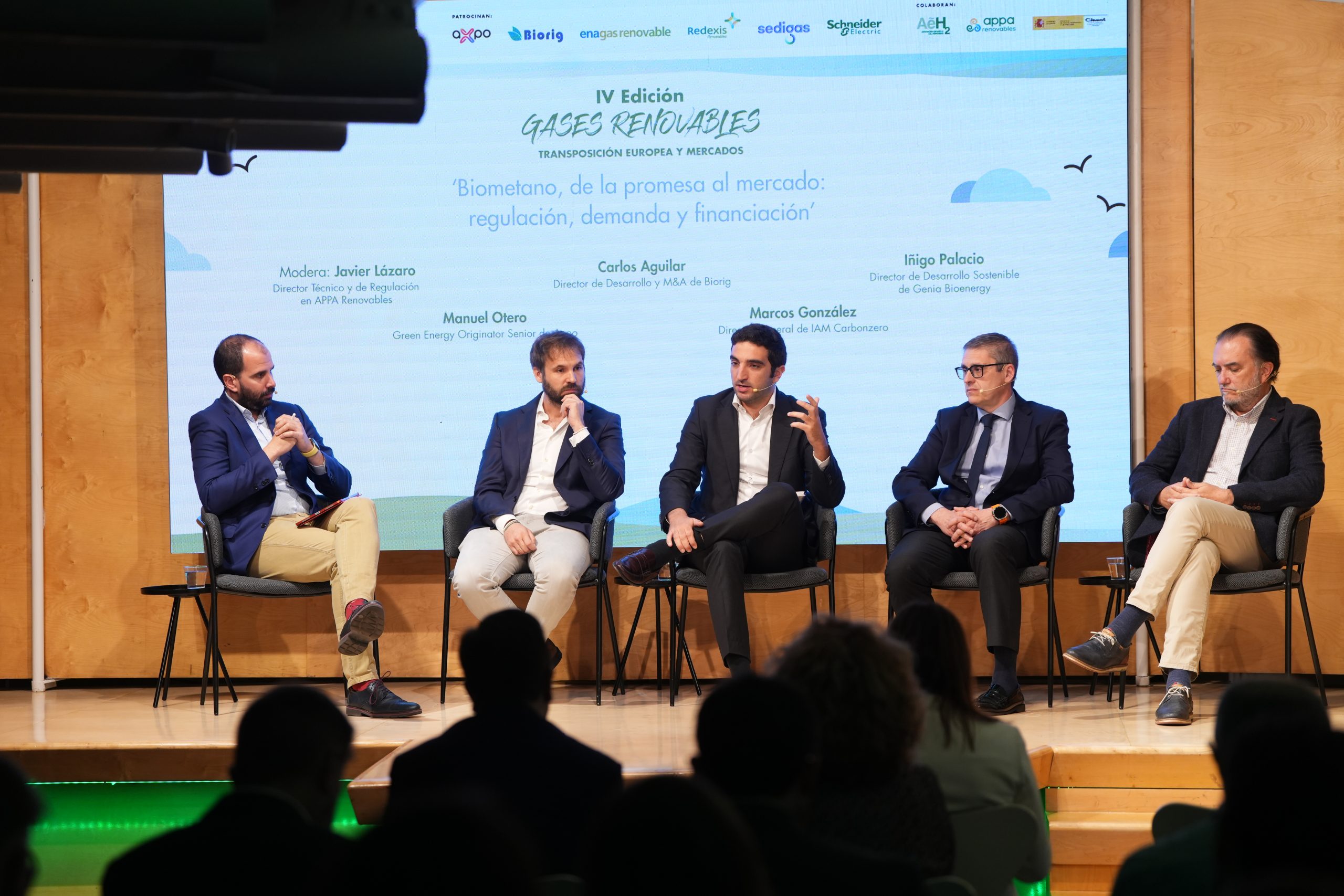
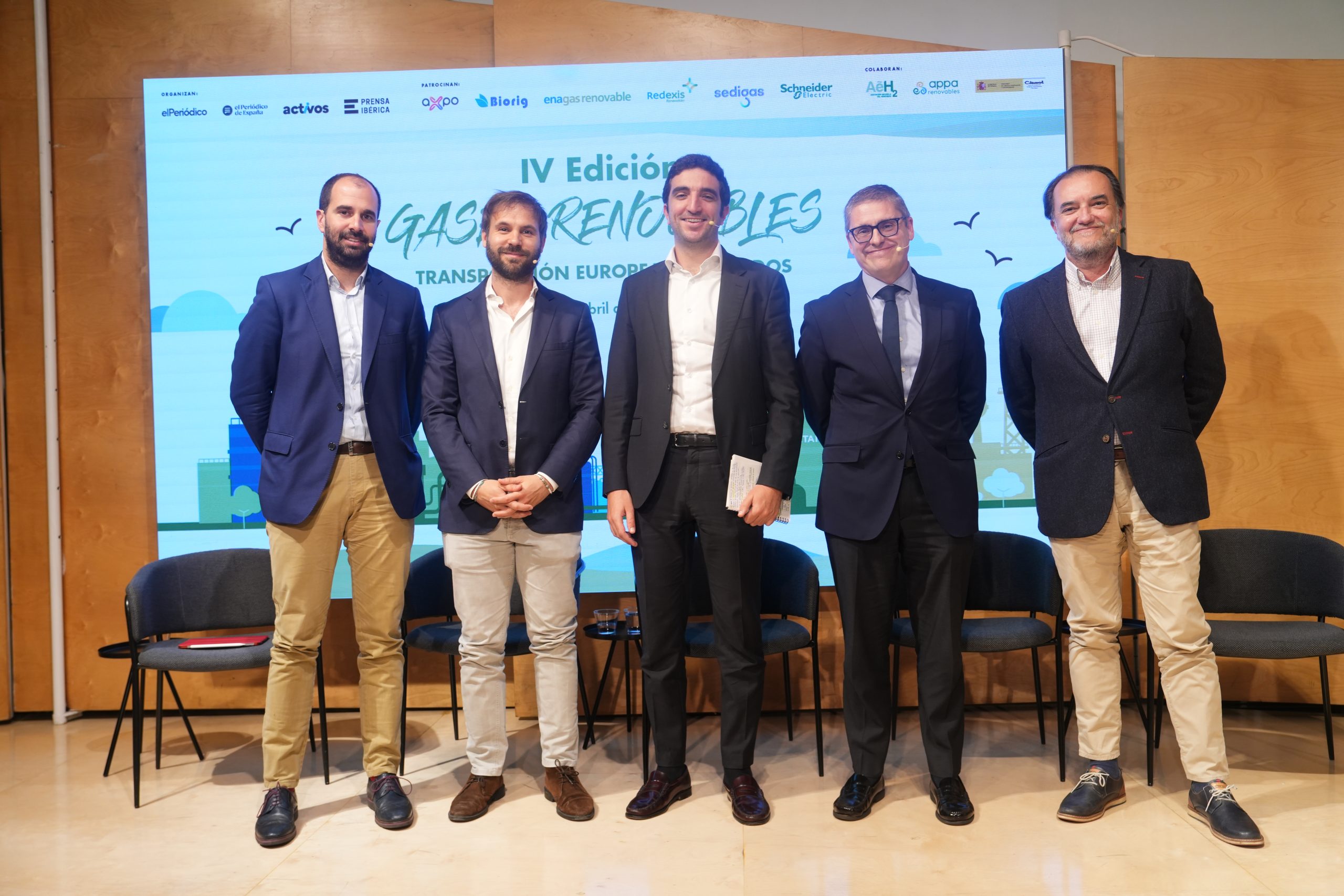
Madrid, 12-05-26. Biorig, Solarig’s renewable gases division, participated in the 4th Renewable Gases Forum, organized by EL PERIÓDICO, El Periódico de España, Activos, and Prensa Ibérica. The event, held on April 16 at the Espacio Bertelsmann in Madrid, brought together institutional representatives, energy companies, research centers, and industry associations to analyze the role of renewable gases in decarbonization and in the consolidation of a new energy market in Spain.

The event took place against a backdrop marked by the need to strengthen Europe’s energy independence, accelerate the green transition, and provide renewable solutions for sectors where electrification is not always sufficient. During the meeting, key issues for the development of renewable hydrogen and biomethane were addressed, including regulation, financing, demand, guarantees of origin, public acceptance, and access to infrastructure.

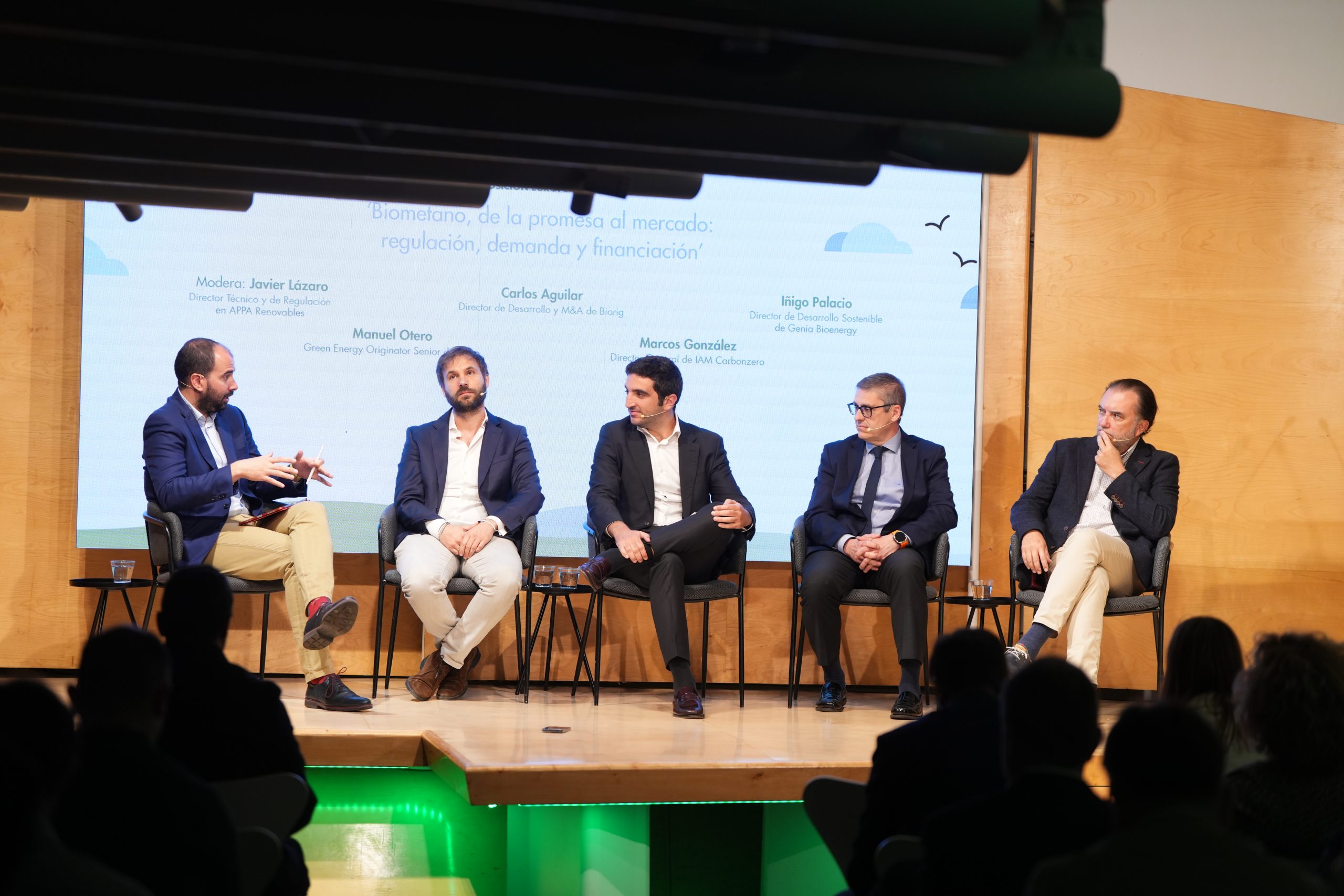
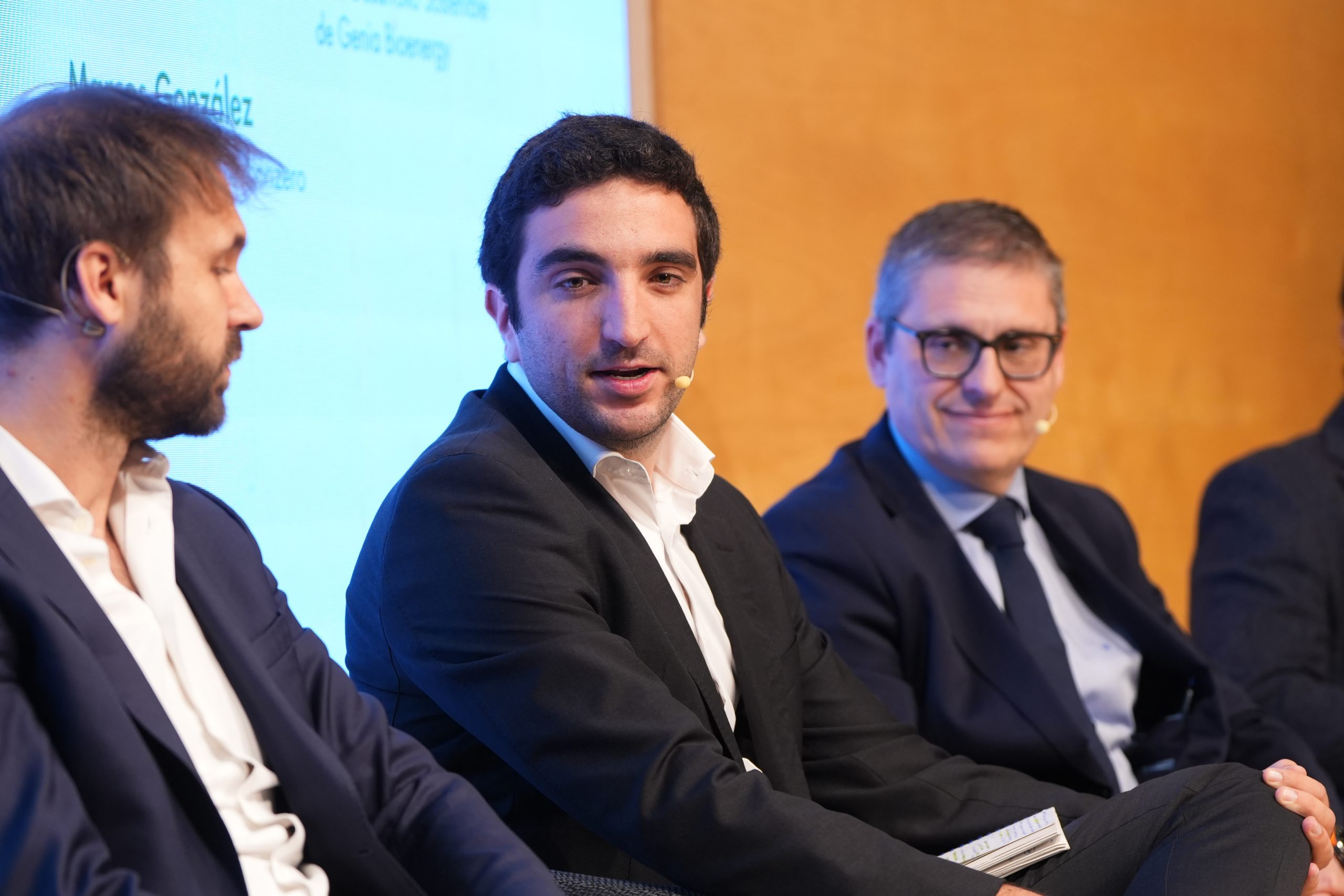
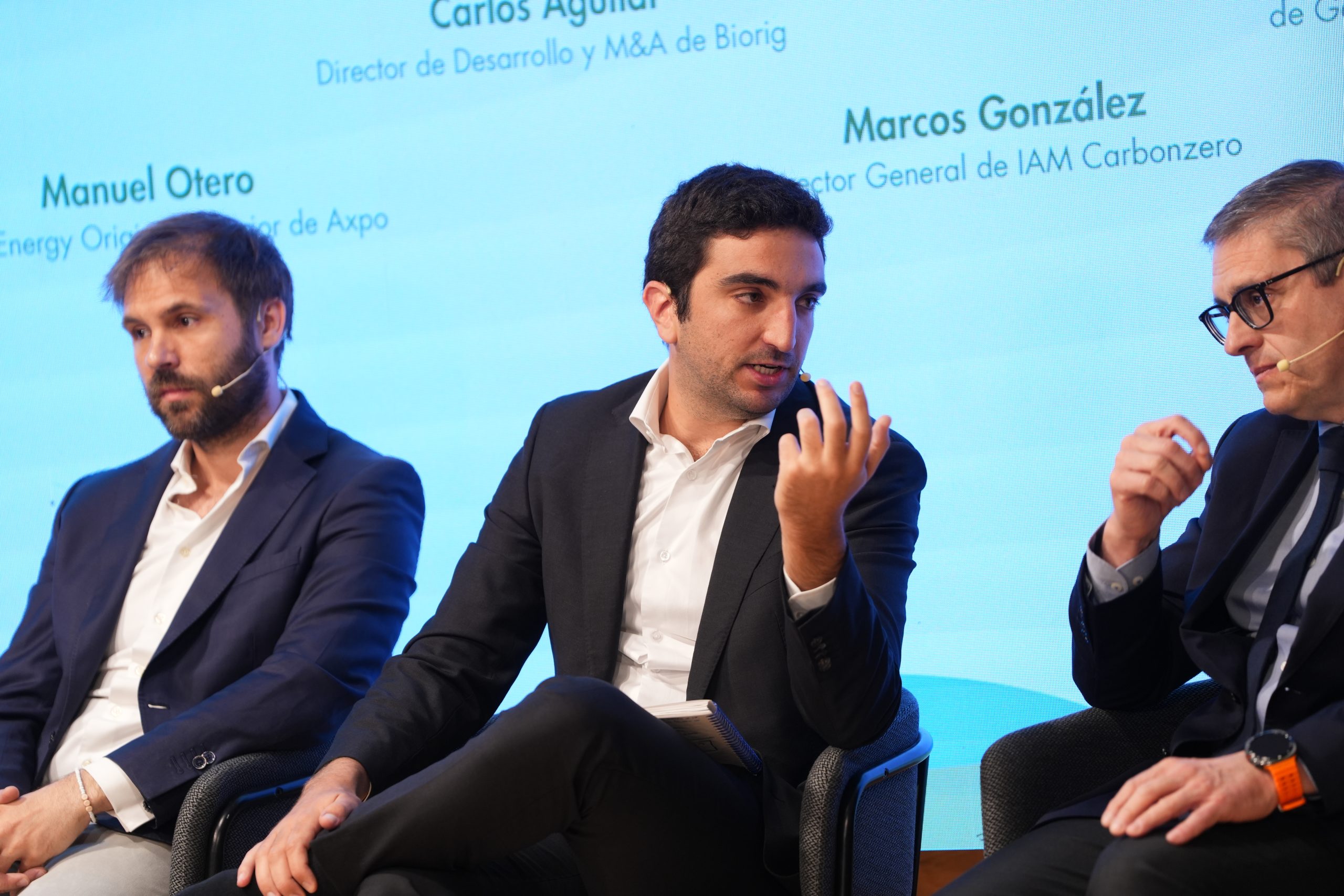
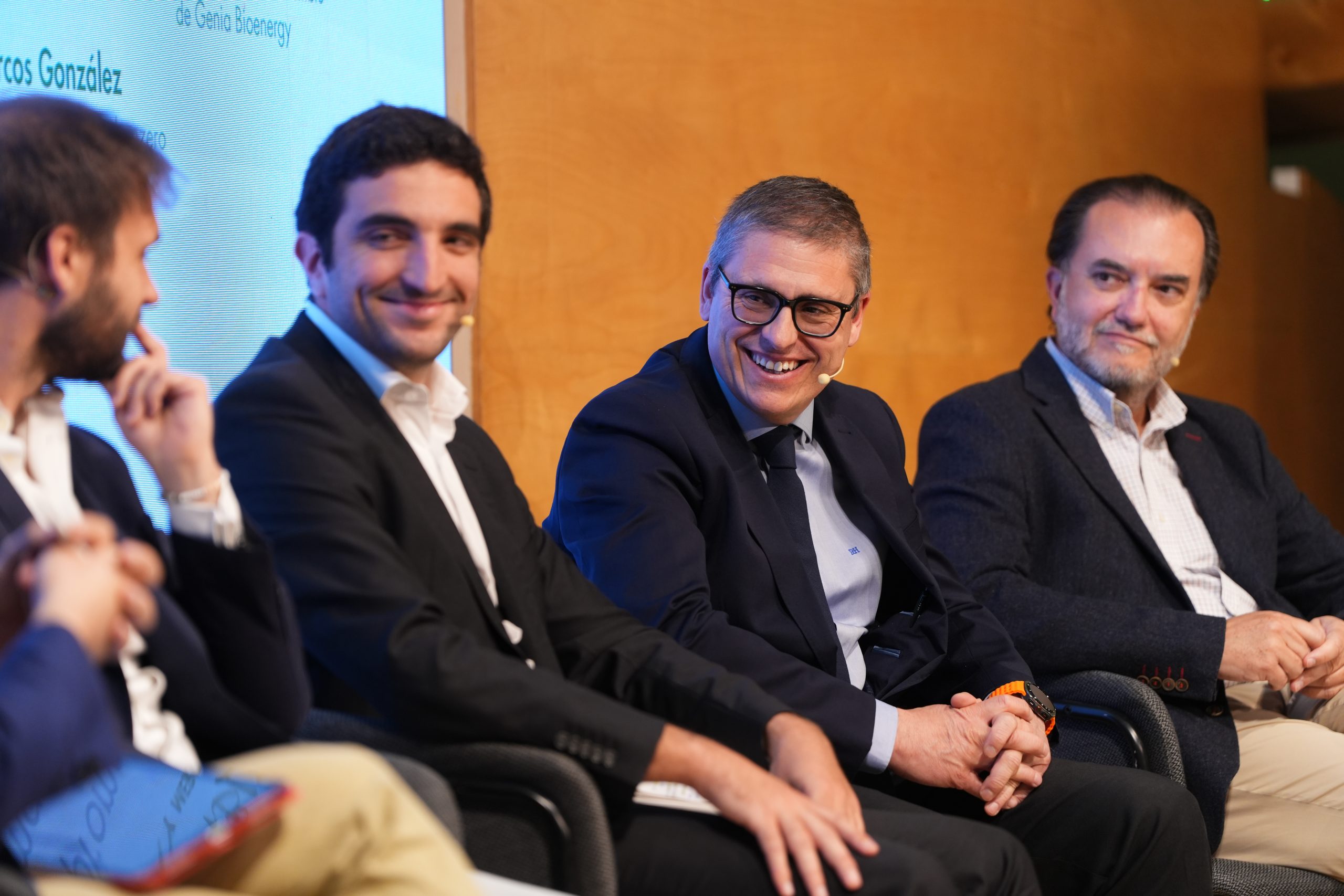
Representing Biorig, Carlos Aguilar, the company’s Director of Development and M&A, participated in the roundtable discussion “Biomethane: From Promise to Market,” moderated by Javier Lázaro, Technical and Regulatory Director at APPA Renovables. During this session, he joined representatives from Axpo, IAM Carbonzero, and Genia Bioenergy in a discussion about the main bottlenecks the sector faces in converting biomethane’s potential into connected and operational plants.

During his remarks, Aguilar provided an update on Biorig’s portfolio, which includes 24 projects currently in development, four positive environmental impact statements, and two integrated environmental permits. In this regard, he noted that the development of biomethane requires companies with sufficient technical, financial, and industrial capacity to navigate lengthy and complex administrative processes.

“A biomethane plant can take two or three years to get approved. That timeline requires financial resources that very few companies have, especially when it comes to projects that haven’t yet generated any value,” Aguilar explained during the panel discussion.

A uniform regulatory framework in Spain to accelerate the adoption of renewable gases

One of the key messages put forward by Biorig was the need to move toward a more uniform regulatory framework across the autonomous communities. The company believes that the current diversity in regulations creates uncertainty for projects and hinders industrial planning in a sector that requires scale, technical rigor, and legal certainty.

“Right now, moving from one autonomous community to another is almost like moving to a different country,” Aguilar said, referring to the importance of establishing a minimum set of common regulations that facilitate the orderly development of projects without compromising environmental, social, and technical standards.

Biorig also highlighted the need to streamline connections to the electricity and gas grids, especially in rural areas where many of these facilities are located. Biomethane plants are industrial facilities rooted in the local community, capable of transforming agricultural and livestock waste into renewable energy, biogenic CO₂, and certified organic fertilizer. However, their development requires adequate infrastructure to enable them to operate, inject renewable gas into the grid, and generate value for the energy system.

By participating in the 4th Renewable Gases Forum, Biorig is reinforcing its position as one of the key players driving the development of biomethane in Spain. The company continues to expand its portfolio of projects aimed at transforming the country’s agricultural and livestock potential into renewable energy, circular solutions, and development opportunities for local communities.

BIORIG, circular economy and energy sustainability

Biorigis Solarig’s biomethane production division. It was created with the aim of providing innovative solutions in the field of renewable gases, such as biomethane. Its activity is focused on the management of organic agro-livestock raw materials for their transformation into renewable gases and to promote the development of projects in the field of energy transition and circular economy.

Biorig is committed to a circular economy model based on the recovery and management of agricultural and livestock raw materials, commitment to the development of local communities, and the promotion of the production of renewable gases to accelerate the energy transition in the places where it operates.

Biomethane: A Sustainable Solution for 35 Million Tons of Waste in Castile and León

The livestock and scientific sectors, along with the Regional Government of Castile and León, are supporting the growth of this sector at an event organized in partnership with La Gaceta de Salamanca

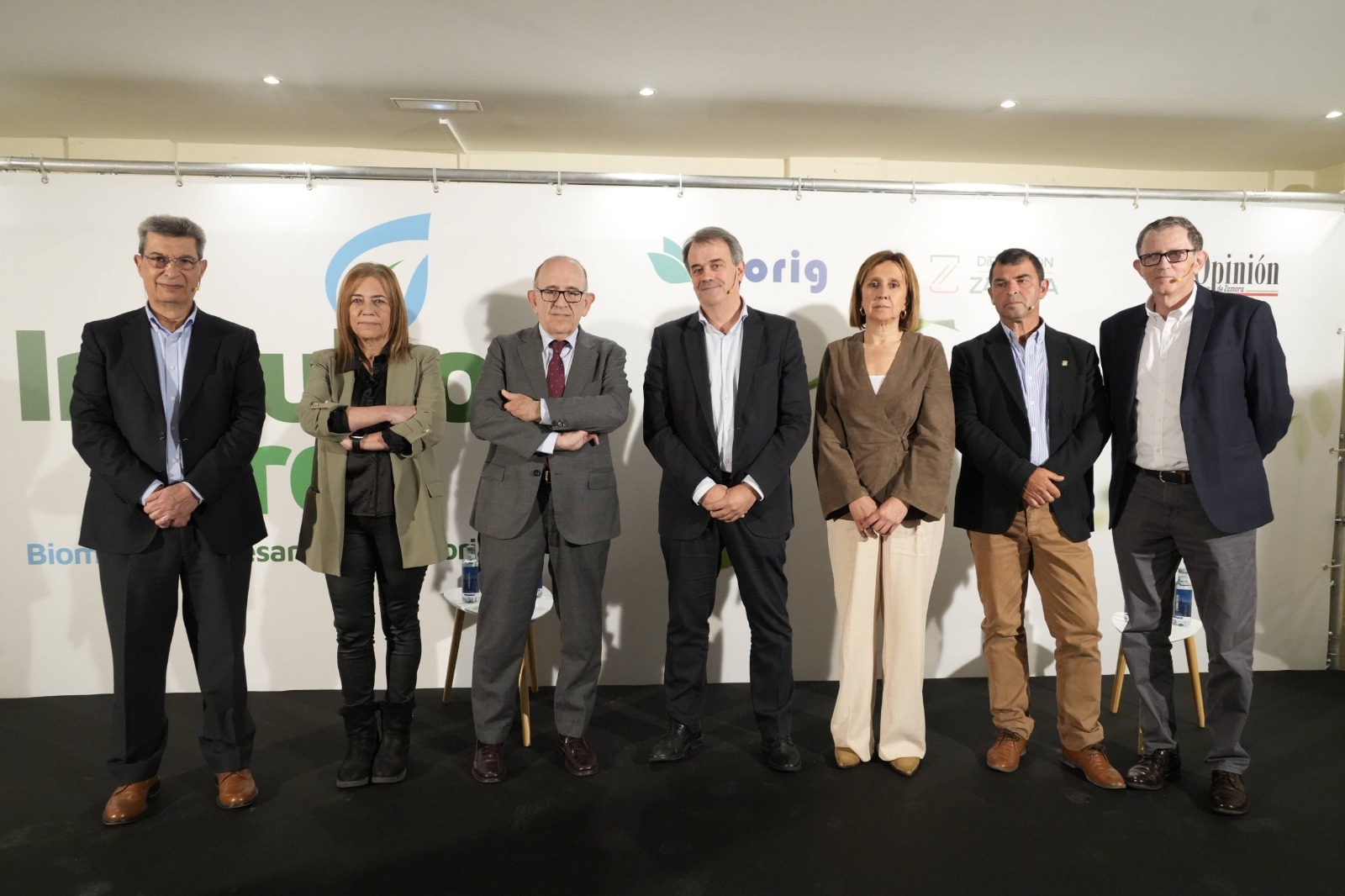
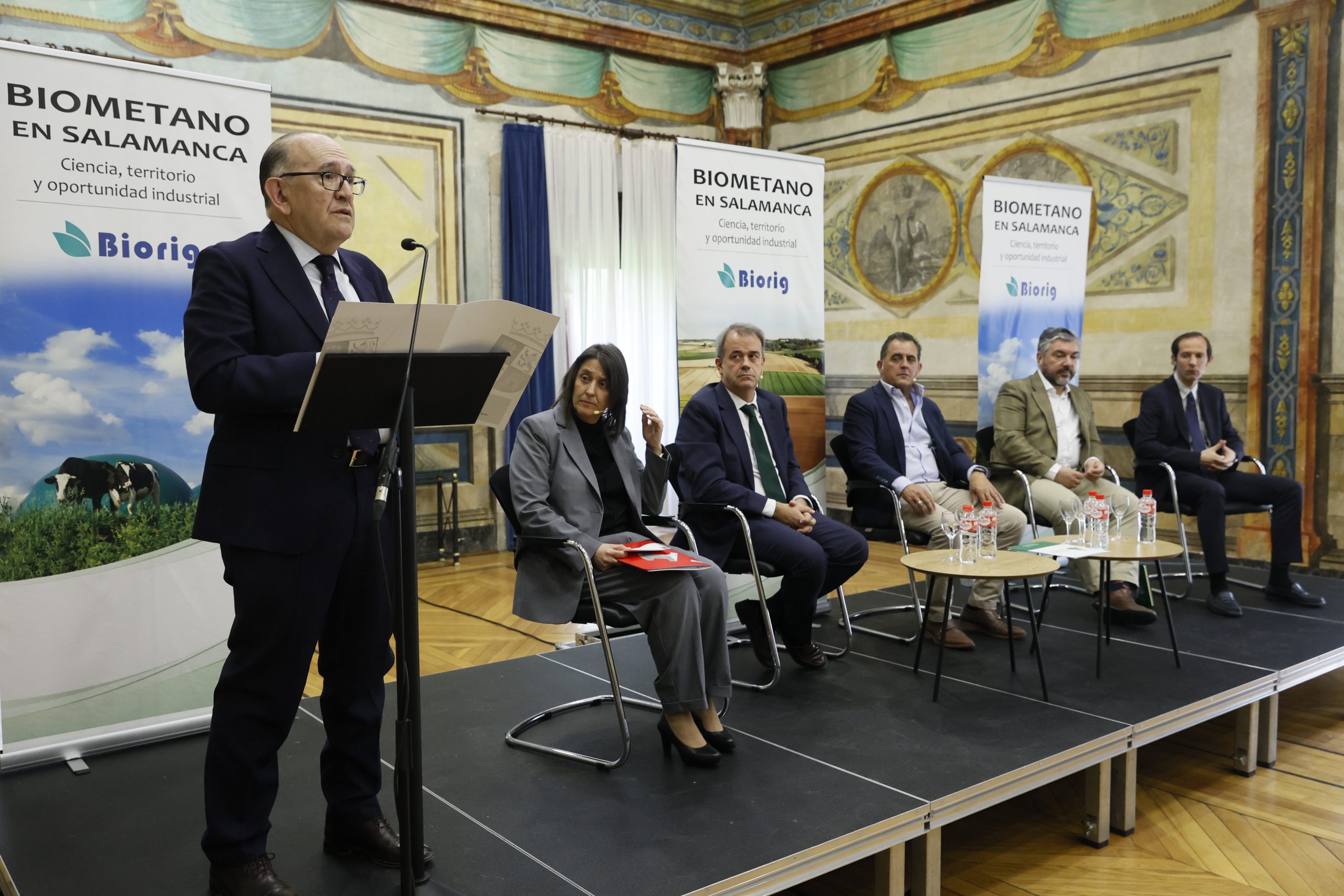
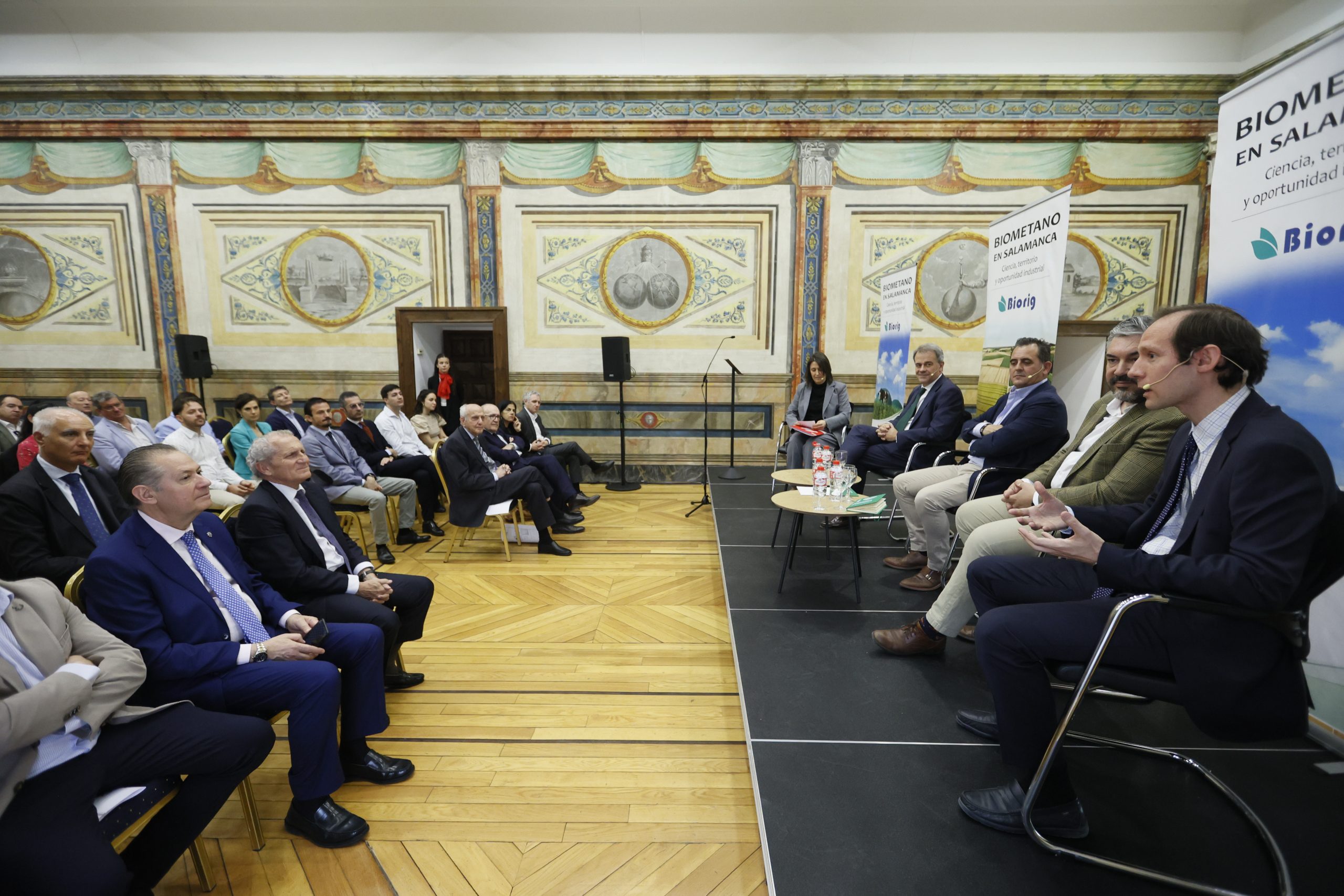
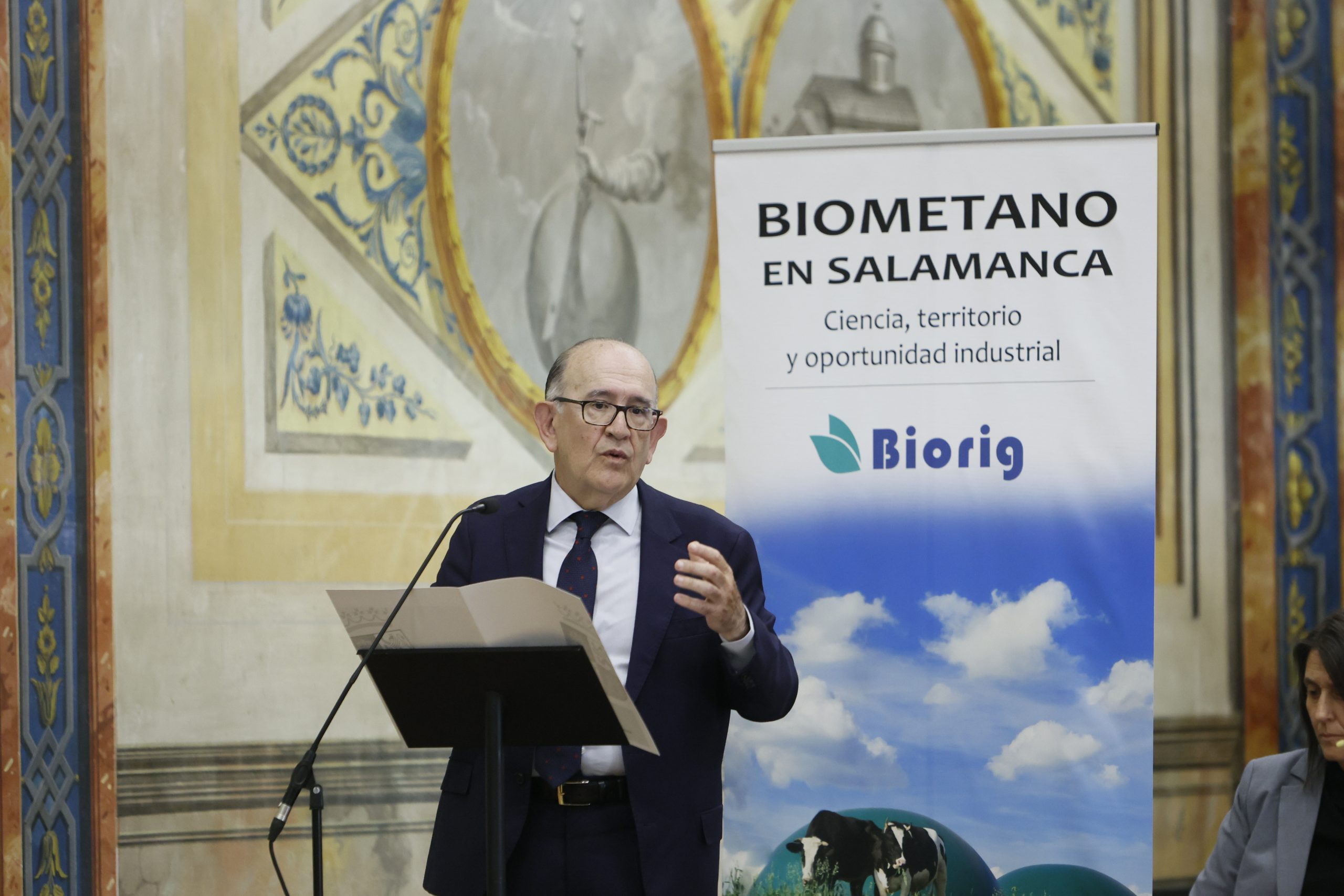
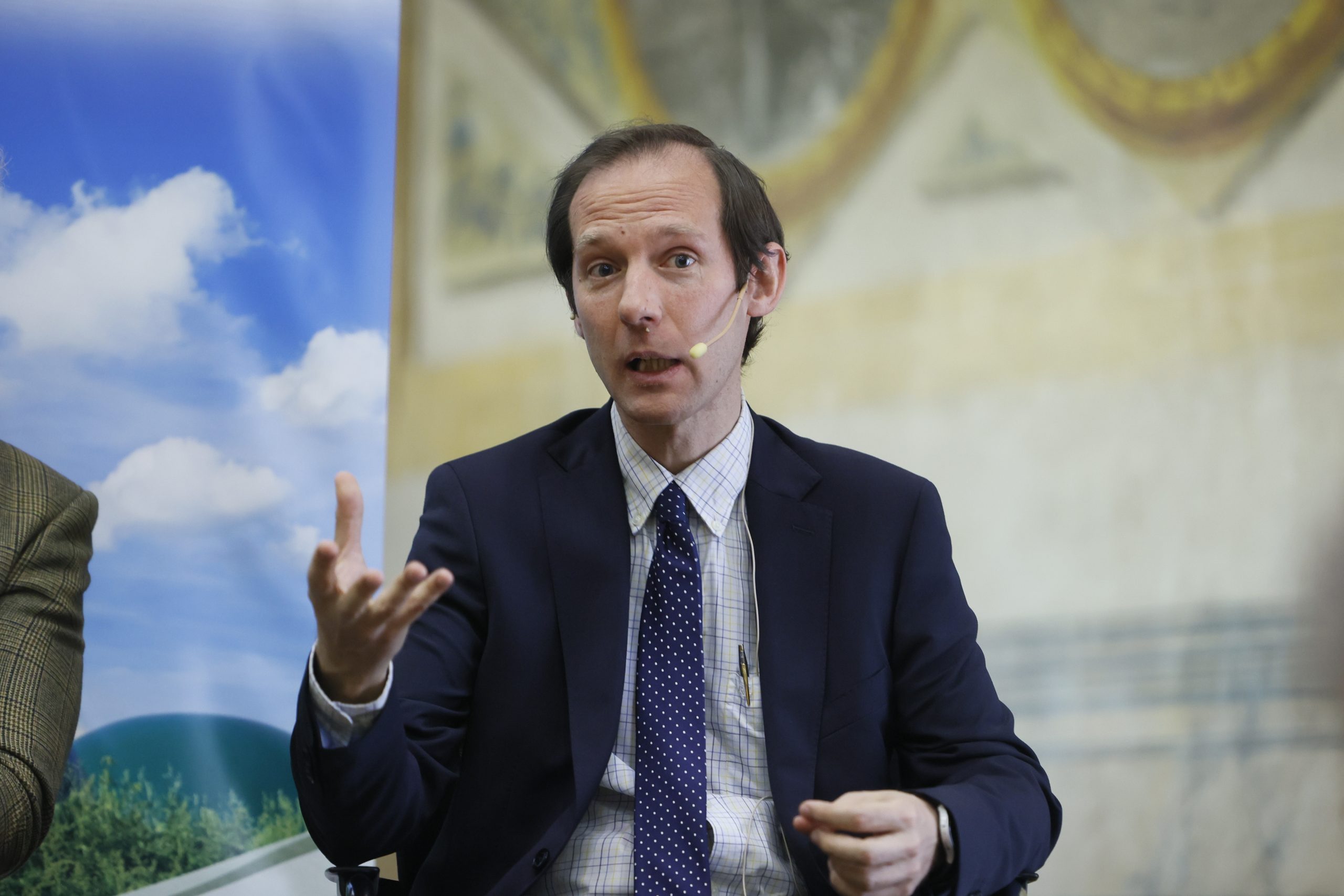
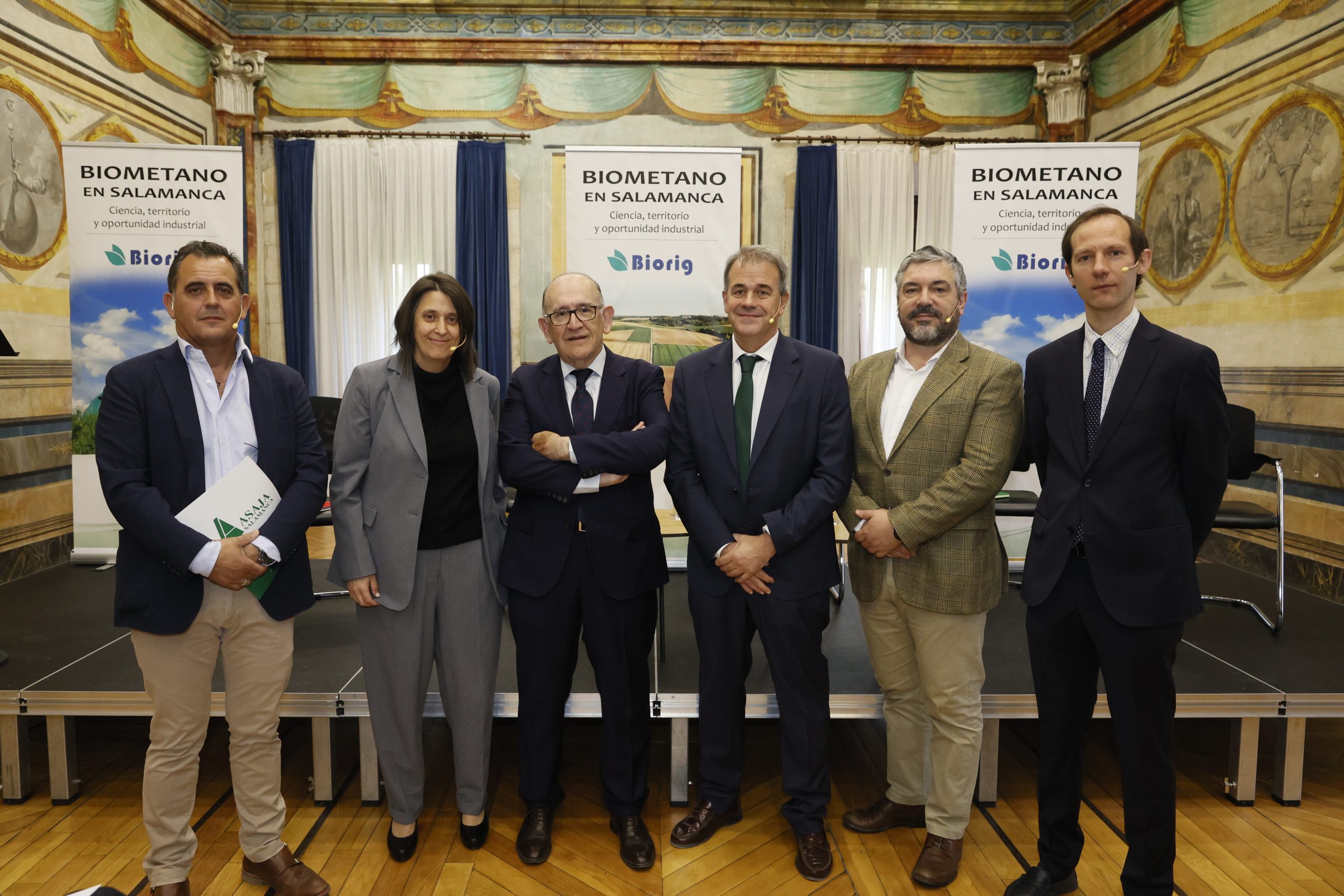
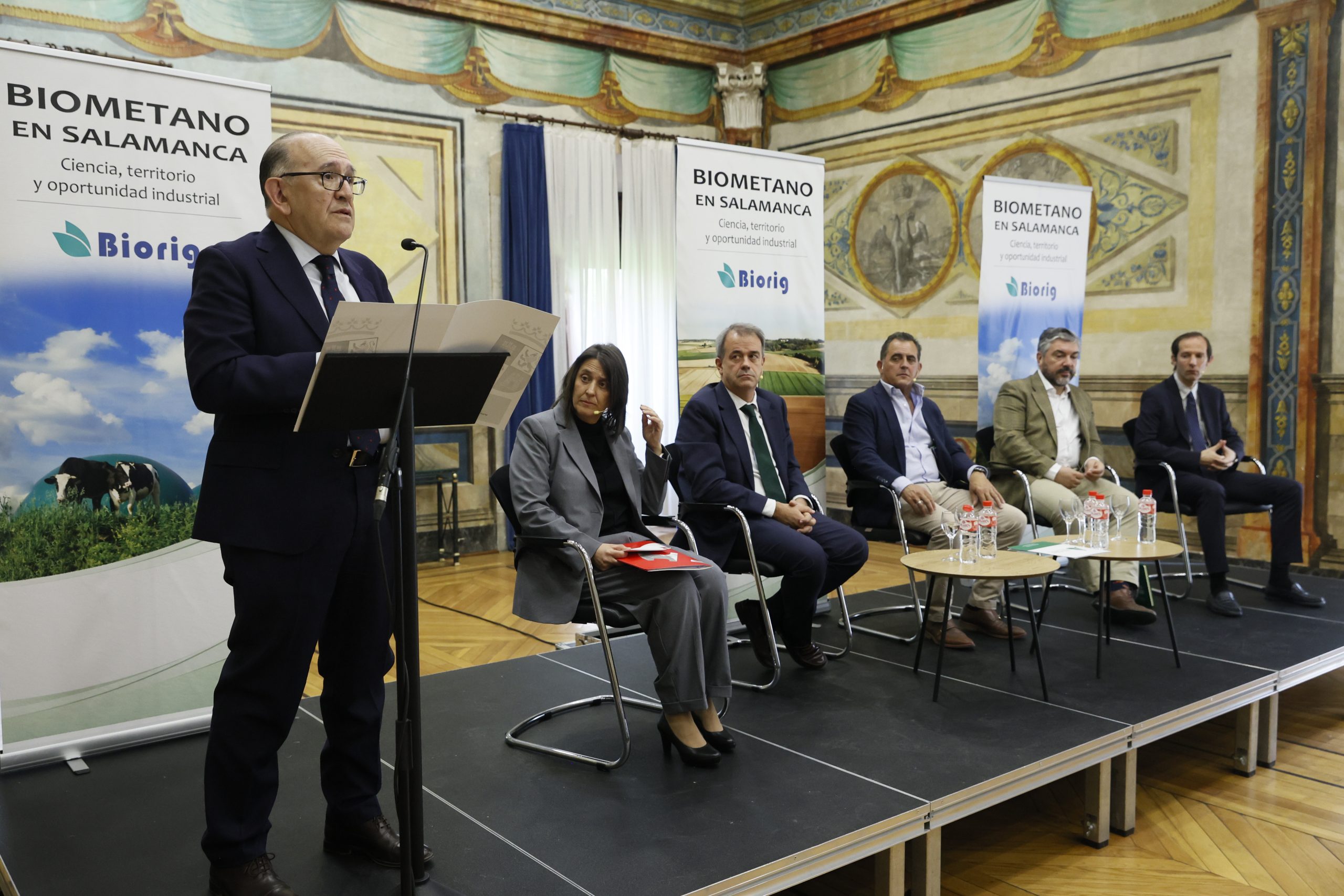
Madrid, 04-23-26. Castile and León has one of the greatest potentials in Europe for the development of biomethane. This was highlighted at the conference “Biomethane in Salamanca: Science, Territory, and Industrial Opportunity,” organized by La Gaceta de Salamanca, where government officials, the scientific community, industry representatives, and stakeholders from the agriculture and livestock sector all agreed that this technology is an effective solution for waste management and the energy transition.

The event was opened by José Manuel Jiménez, Director General of Infrastructure and Environmental Sustainability for the Regional Government of Castile and León, who stated that biomethane plants are a sustainable solution for the 35 million tons of organic waste of all kinds produced by the region.

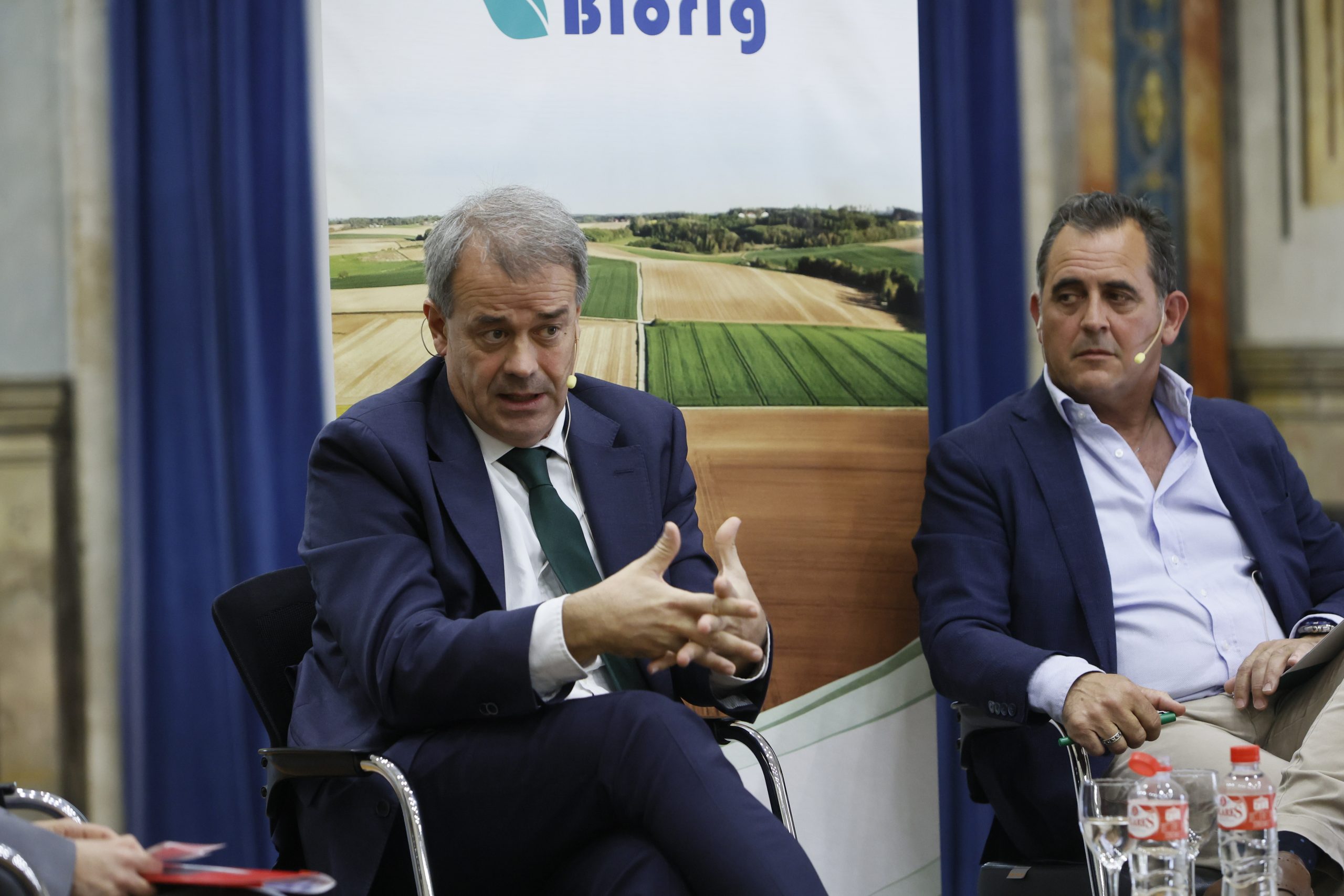
This was followed by a panel discussion moderated by Susana Magdaleno, editor-in-chief of La Gaceta, featuring representatives from the biomethane sector, the livestock industry, and academia. Participants included Manuel Alonso, CEO of Biorig; Juan Luis Delgado, president of ASAJA Salamanca; Mariano Martín, professor of Chemical Engineering at the University of Salamanca; and Pedro Palencia, director of Institutional Relations at Sedigas.

During the meeting, Biorig’s CEO, Manuel Alonso, emphasized that biomethane is an immediate solution to the community’s waste management challenges, noting that this raw material “already exists” and can be converted into renewable energy, organic fertilizers, and biogenic CO₂, without the need to increase livestock numbers or import waste.

In this regard, Alonso noted that the region could achieve an annual biomethane production of around 35 TWh, which is equivalent to more than 250 facilities similar to those developed by Biorig in Castile and León.

An environmental and energy solution based on the circular economy

In addition, Biorig’s CEO addressed some of the main public concerns associated with these facilities, such as odors and the impact on the surrounding environment. In this regard, he emphasized the importance of transparency and firsthand knowledge: “The best thing is to go and see them for yourself.” Alonso described the company’s experience with projects like the one in Castellanos de Villiquera, where residents have been able to tour operational facilities and verify that they are equipped with advanced control systems that minimize any adverse effects.

For his part, Professor Mariano Martín also highlighted the technological maturity of biomethane and the need to step up public outreach: “The technology is working, but it is our responsibility to better explain its benefits.” Along the same lines, Pedro Palencia, speaking on behalf of Sedigas, emphasized that these are safe facilities, backed by decades of experience in European countries such as Germany, France, and Italy.

Technical rigour and environmental guarantees

Speaking on behalf of the primary sector, Juan Luis Delgado highlighted the opportunity that biomethane presents for livestock farms, provided it is developed in a balanced manner. In this regard, he emphasized that it can serve as an additional source of income and an efficient solution for waste management, helping to strengthen the sector’s sustainability.

Throughout the discussion, participants emphasized the need to continue making progress in education, regulation, and collaboration among government agencies, businesses, and the public to consolidate the development of biomethane in Castile and León. As the participants agreed, this sector combines positive environmental impact, industrial development, and opportunities for rural communities.

BIORIG, circular economy and energy sustainability

Biorigis Solarig’s biomethane production division. It was created with the aim of providing innovative solutions in the field of renewable gases, such as biomethane. Its activity is focused on the management of organic agro-livestock raw materials for their transformation into renewable gases and to promote the development of projects in the field of energy transition and circular economy.

Biorig is committed to a circular economy model based on the recovery and management of agricultural and livestock raw materials, commitment to the development of local communities, and the promotion of the production of renewable gases to accelerate the energy transition in the places where it operates.

Biorig joins RETEMA and MITECO’s #DiálogosResiduos (Waste Dialogues) on the future of waste management

Manuel Alonso: “Fertilizer products must be sanitized, stabilized, and provide real agronomic value.”

Madrid, October 29, 2025. Biorig, Solarig’s renewable gases division, participated last Thursday, October 23, in the second day of the Dialogues for Progress in Waste Management, promoted by RETEMA magazine together with the Ministry for Ecological Transition and Demographic Challenge (MITECO). Biorig’s Managing Director, Manuel Alonso, participated in the panel dedicated to biowaste and highlighted the company’s recovery of raw materials from the primary sector by transforming slurry, manure, and straw into renewable energy and organic fertilizers certified under Regulation (EU) 2019/1009. The meeting, which took place at the College of Civil Engineers in Madrid, was attended by more than 250 professionals from the public and private sectors to analyze new regulatory frameworks and seek solutions that enable more efficient and circular management of all types of waste.

During the conference, three key areas were highlighted: (1) regulatory transformation towards a circular economy, (2) public-private collaboration to optimize the collection and treatment of biowaste, and (3) citizen involvement as an essential part of the system.

The voice of Biorig: commitment and action

In this context, Biorig participated in the session on biowaste alongside the Deputy Director General of Waste at MITECO, Margarita Ruiz; the Technical Advisor to the Directorate of Agricultural Production and Markets at the Ministry of Agriculture, Maria Luisa Ballesteros; the Director General of the Environment for the Government of Navarre, Ana Bretaña; and the manager of the Almanzora Levante Vélez Consortium, Marta Sánchez de Puerta, in a meeting moderated by the director of Retema, Alberto Casillas Paz.

During his speech, Manuel Alonso reaffirmed Biorig’s commitment to complying with organic fertilization and sustainable soil nutrition regulations for biomethane plants as the best formula for tackling waste management problems in the primary sector and promoting a truly circular economy.

“We cannot just dump anything on the field. The fertilizer product resulting from anaerobic digestion must be sanitized, stabilized, and provide real agronomic value (…) Biomethane development models must strictly comply with fertilizer regulations and the decree on sustainable nutrition of agricultural soils,” explained the Managing Director of Biorig.

Biorig actively participates in technical-industrial dialogue to align its developments with regulatory and market trends that demand a more sustainable use of waste. Through its model, the company facilitates not only the recovery of agricultural and livestock waste, but also the generation of organic fertilizers, biogenic CO₂, and green energy.

Challenges, opportunities, and vision for the future

During the conference, it became clear that Spain has significant potential for deploying organic waste or biowaste infrastructure, but currently faces barriers in terms of processing, territorial coordination, and access to technology.

In this regard, creating an integrated vision among the different administrations is essential to generate a clear legal framework that can be implemented throughout the territory. Similarly, streamlining project processing and promoting public-private partnerships that guarantee the viability of projects and their integration into the territory is key to changing the perception of waste from a problem to an opportunity to integrate it as a resource into a circular economy system.

BIORIG, circular economy and energy sustainability

Biorigis Solarig’s biomethane production division. It was created with the aim of providing innovative solutions in the field of renewable gases, such as biomethane. Its activity is focused on the management of organic agro-livestock raw materials for their transformation into renewable gases and to promote the development of projects in the field of energy transition and circular economy.

Biorig is committed to a circular economy model based on the recovery and management of agricultural and livestock raw materials, commitment to the development of local communities, and the promotion of the production of renewable gases to accelerate the energy transition in the places where it operates.