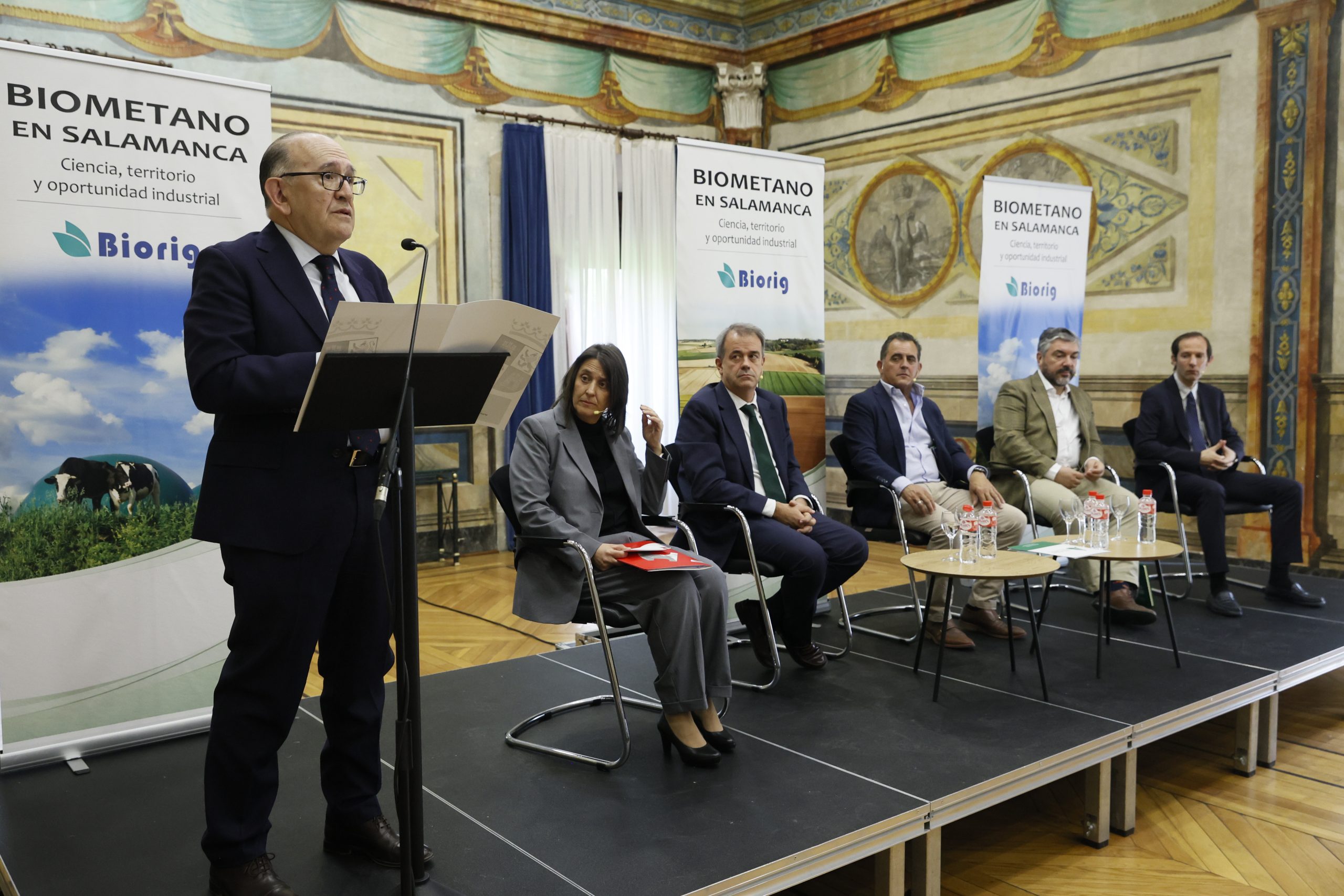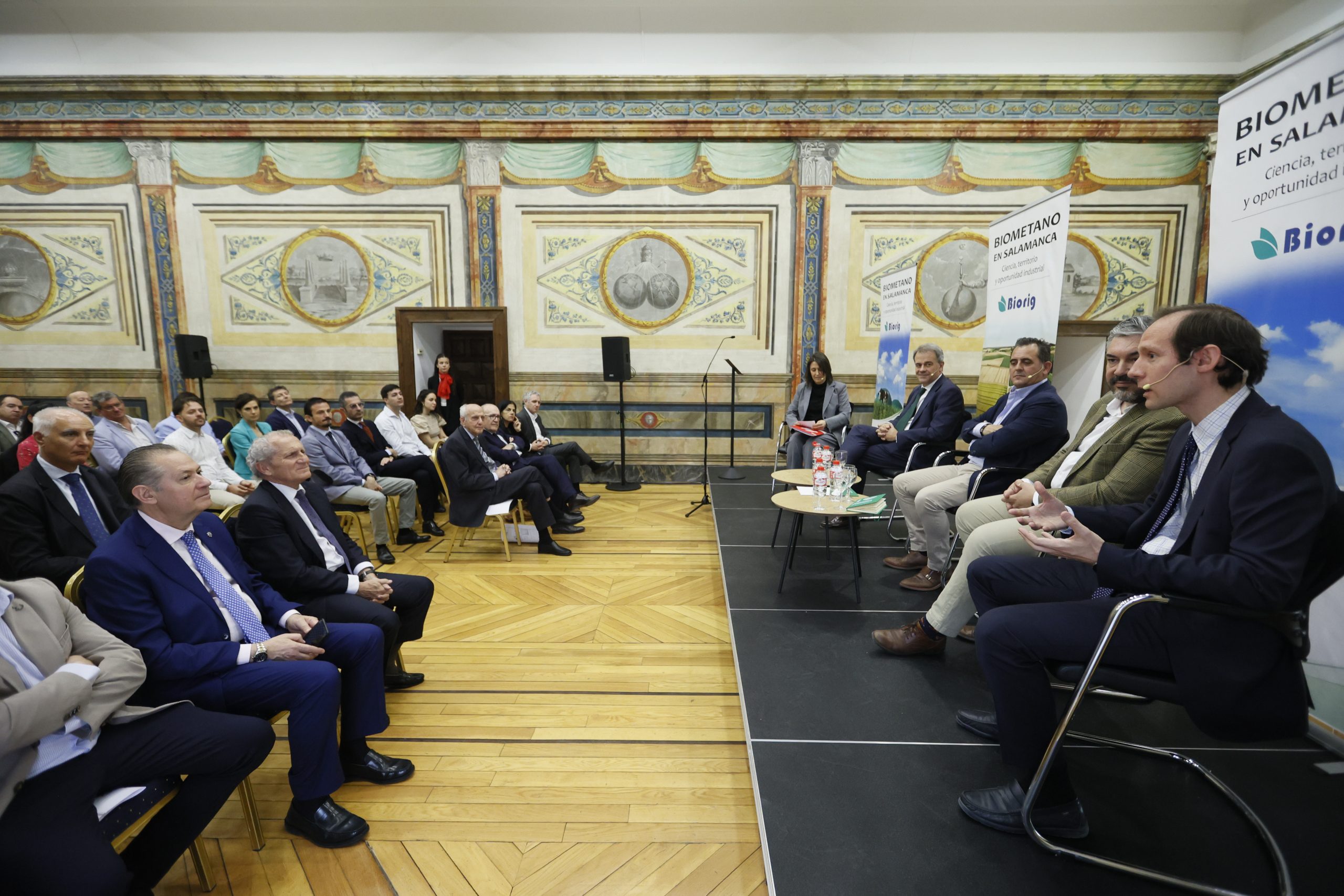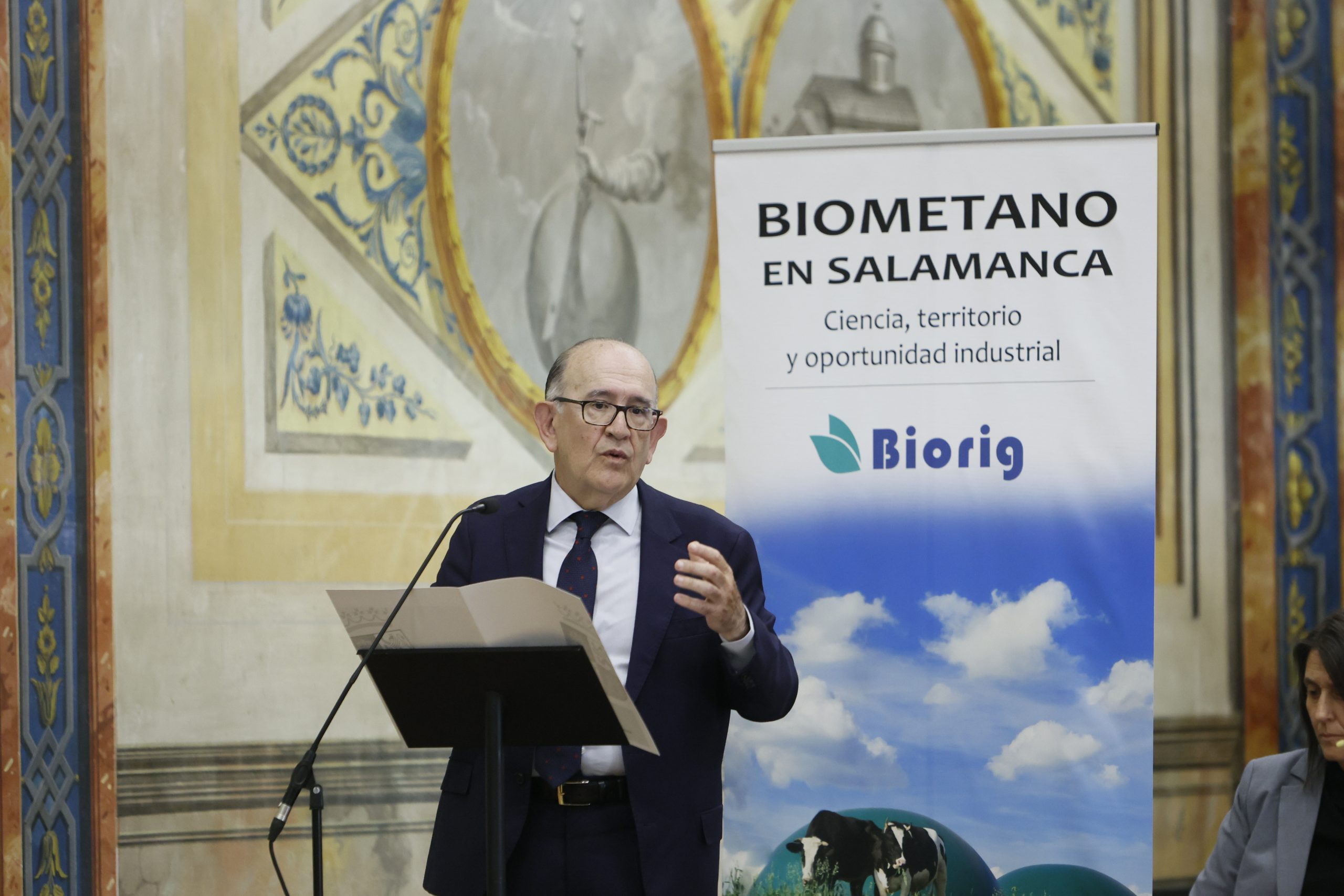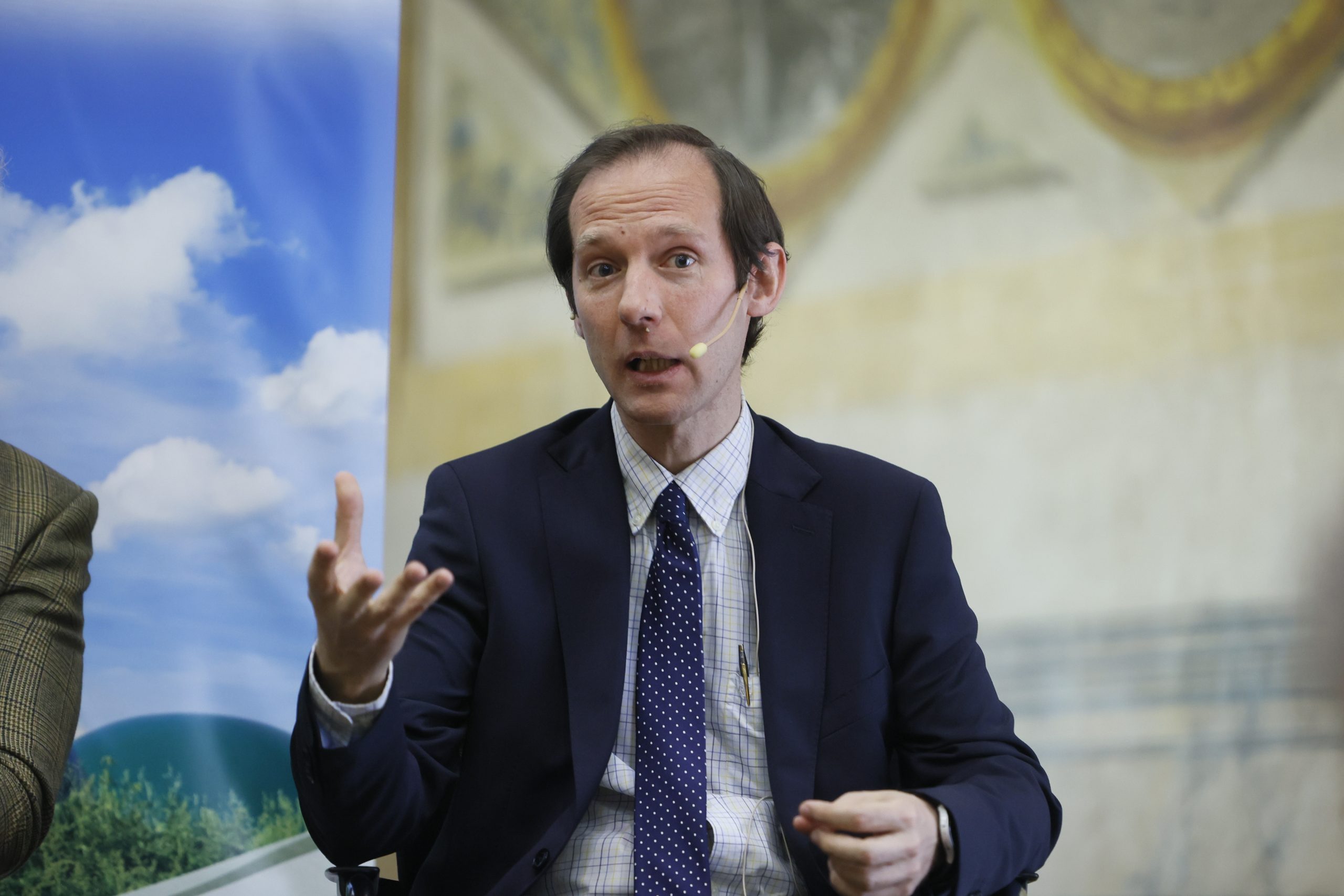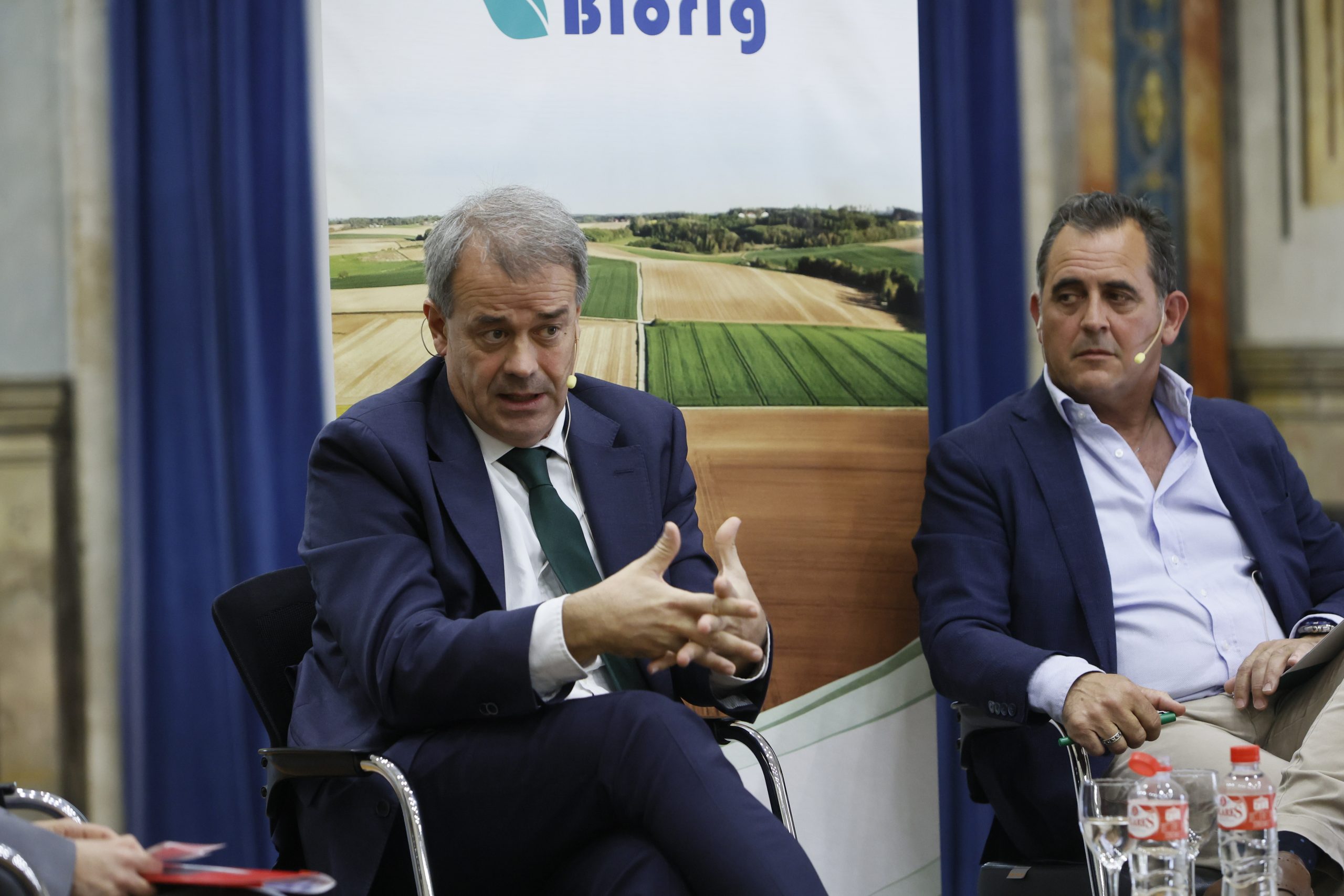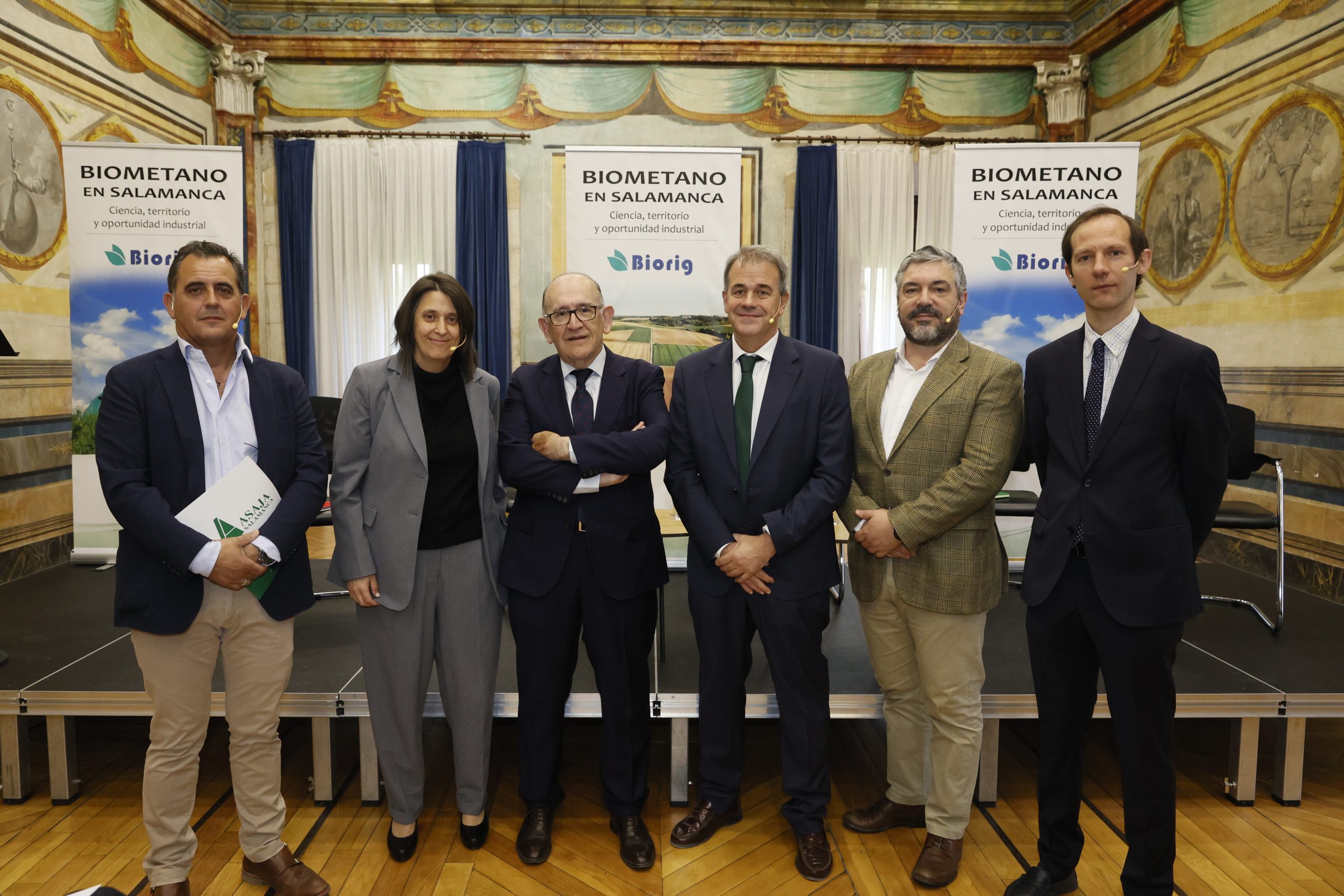
Biorig discussed the factors that make a biomethane project a truly viable investment opportunity
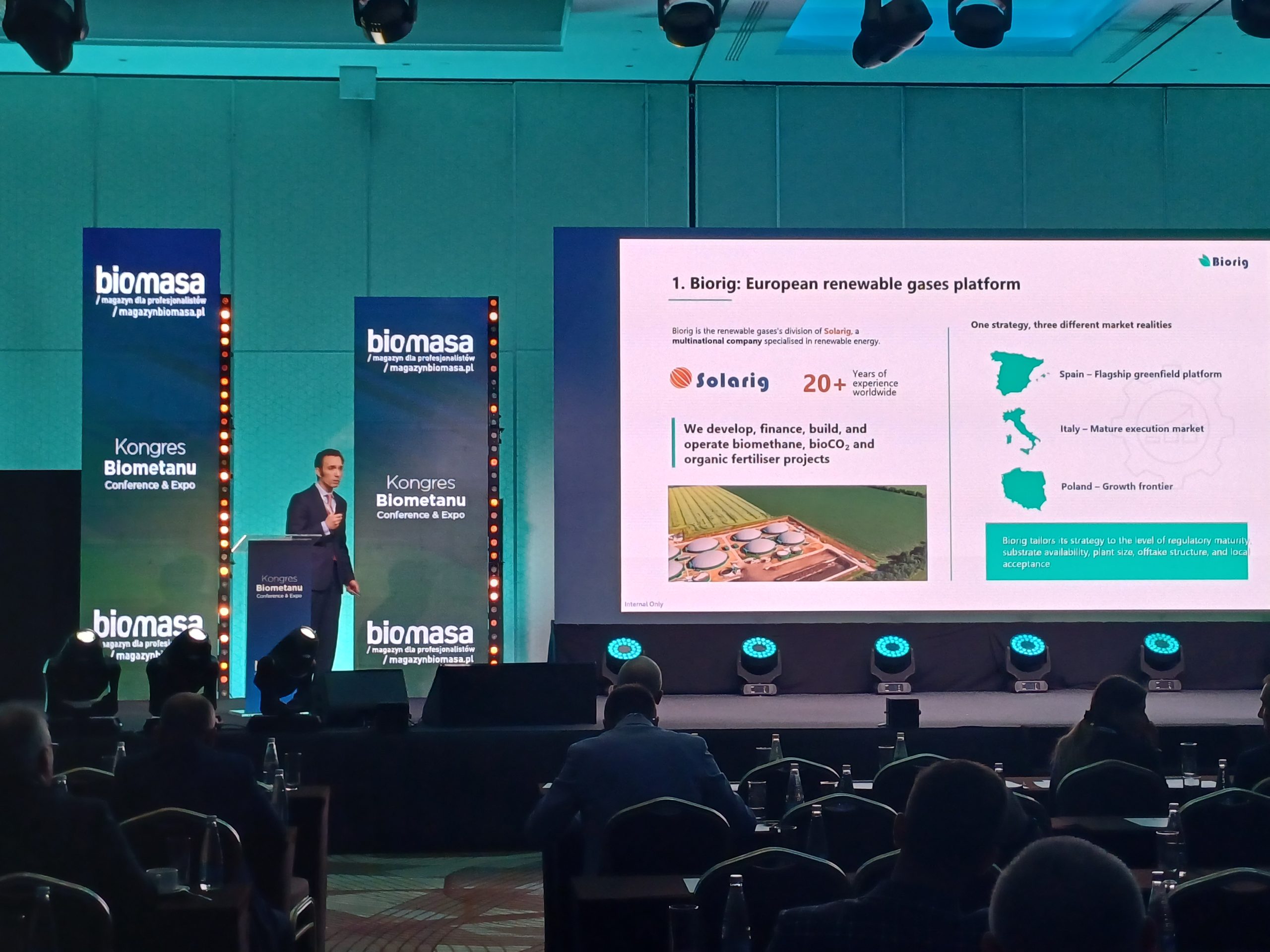
Madrid, 18-05-26. Biorig took part in the Warsaw Biomethane Congress, one of the leading events for the Polish biogas and biomethane market, which was held on 18 and 19 May at the DoubleTree by Hilton in the Polish capital.
The event, organised by the publisher of Biomasa Magazine, brought together investors, developers, biogas plant owners, operators, farmers, agri-food companies, technology suppliers, energy sector companies and representatives of the public administration. The aim was to address the main challenges facing the roll-out of biomethane in Poland: regulation, certification, grid connection, financing, procurement, market models and collaboration between local and international stakeholders.
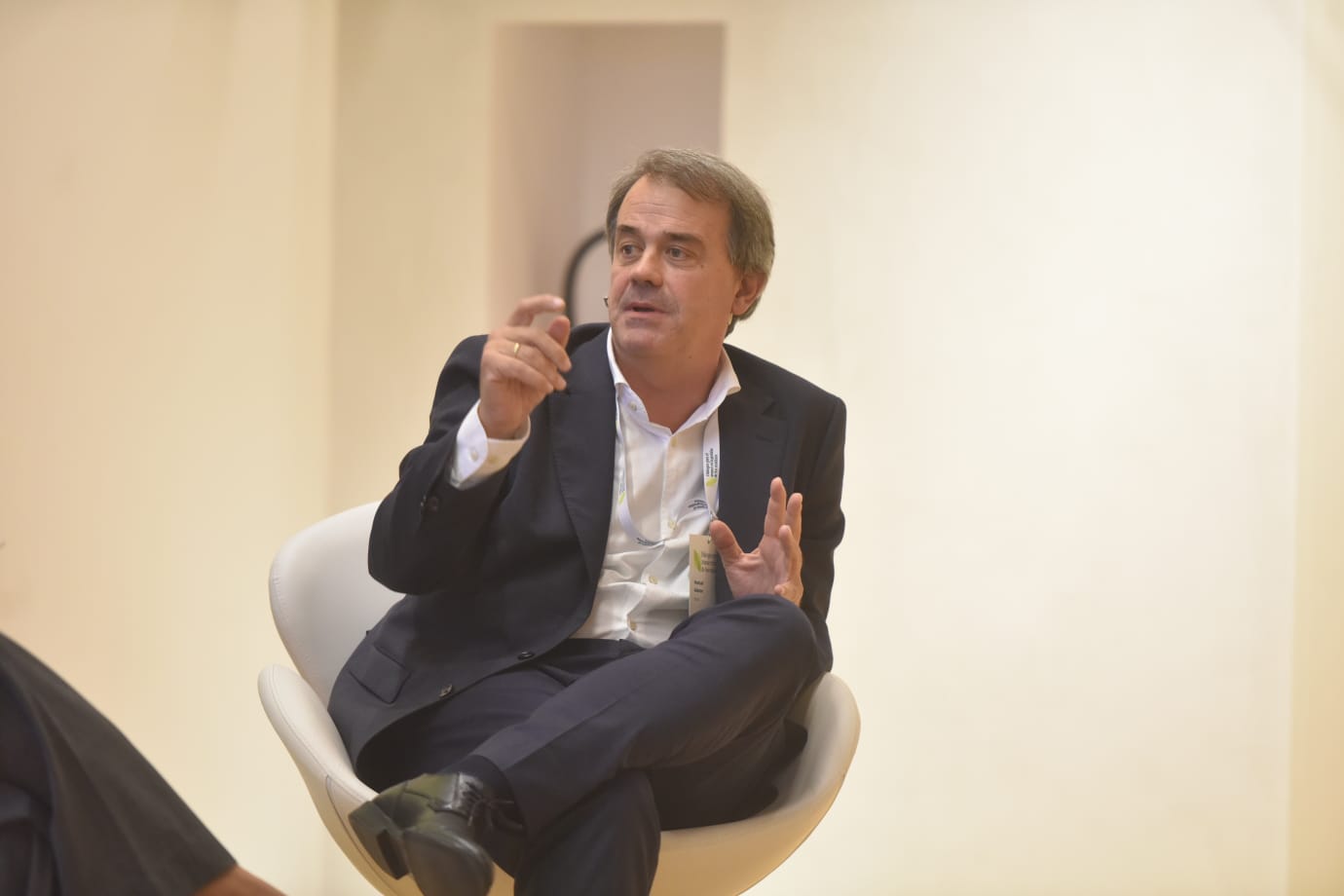
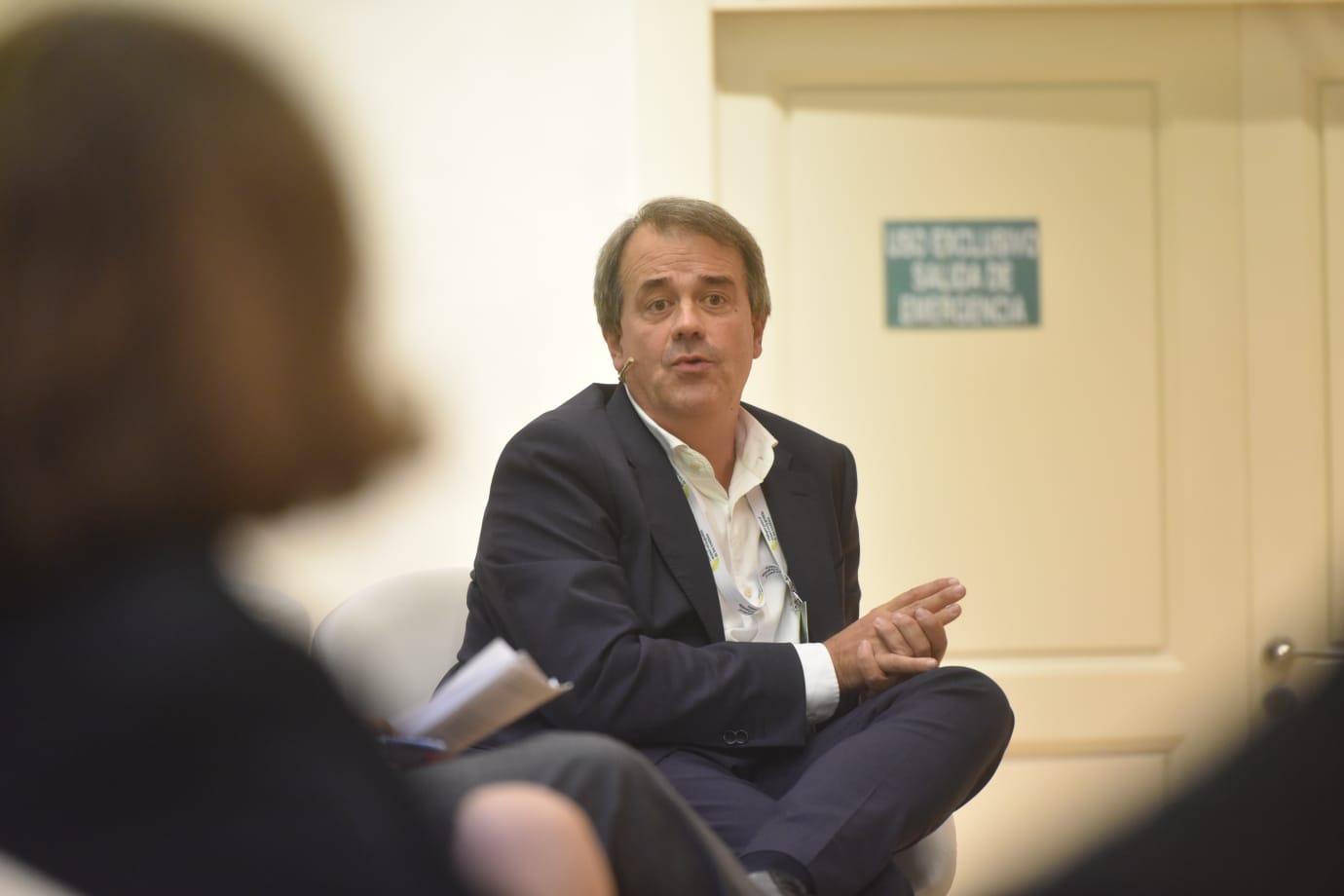
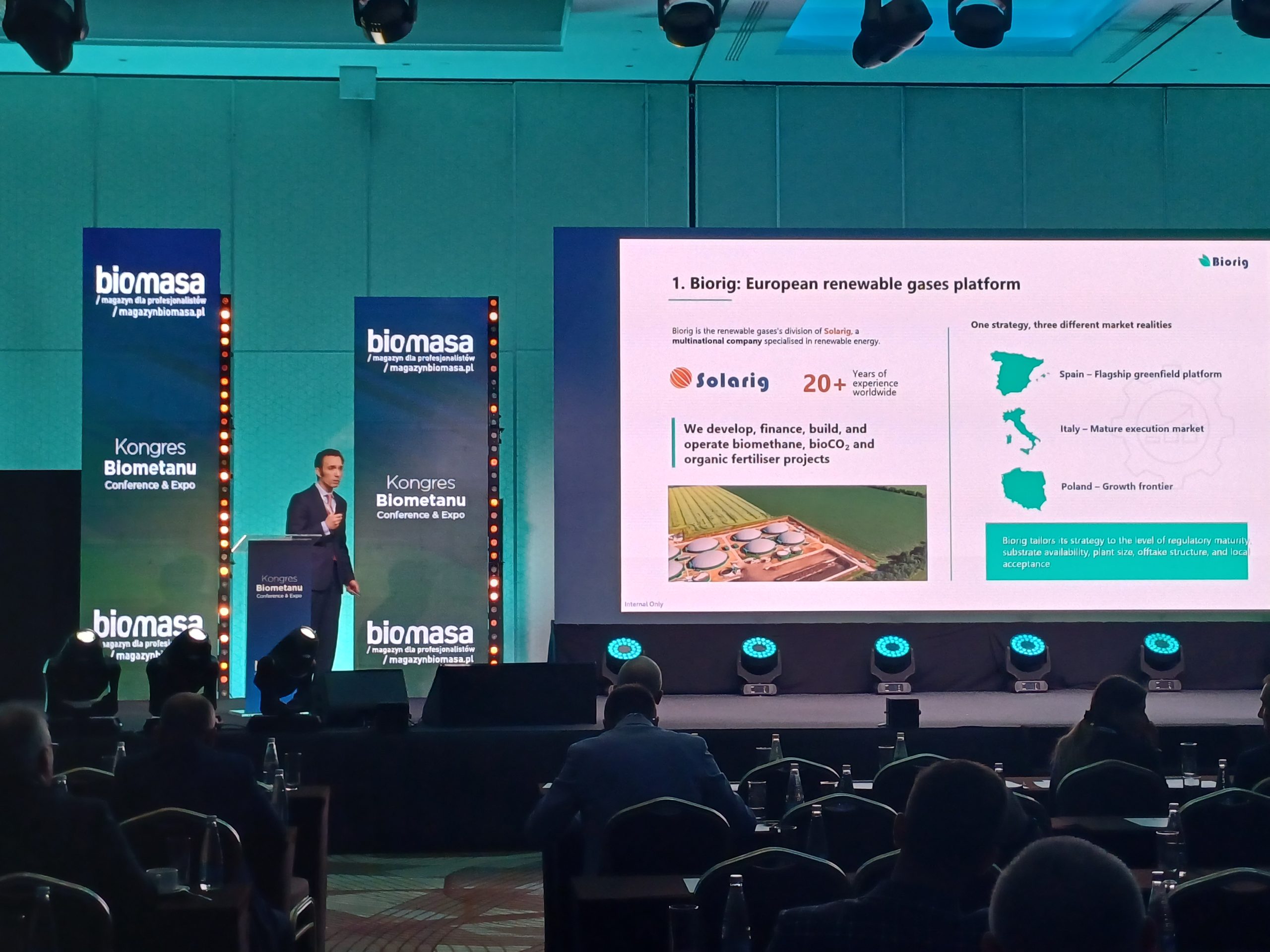
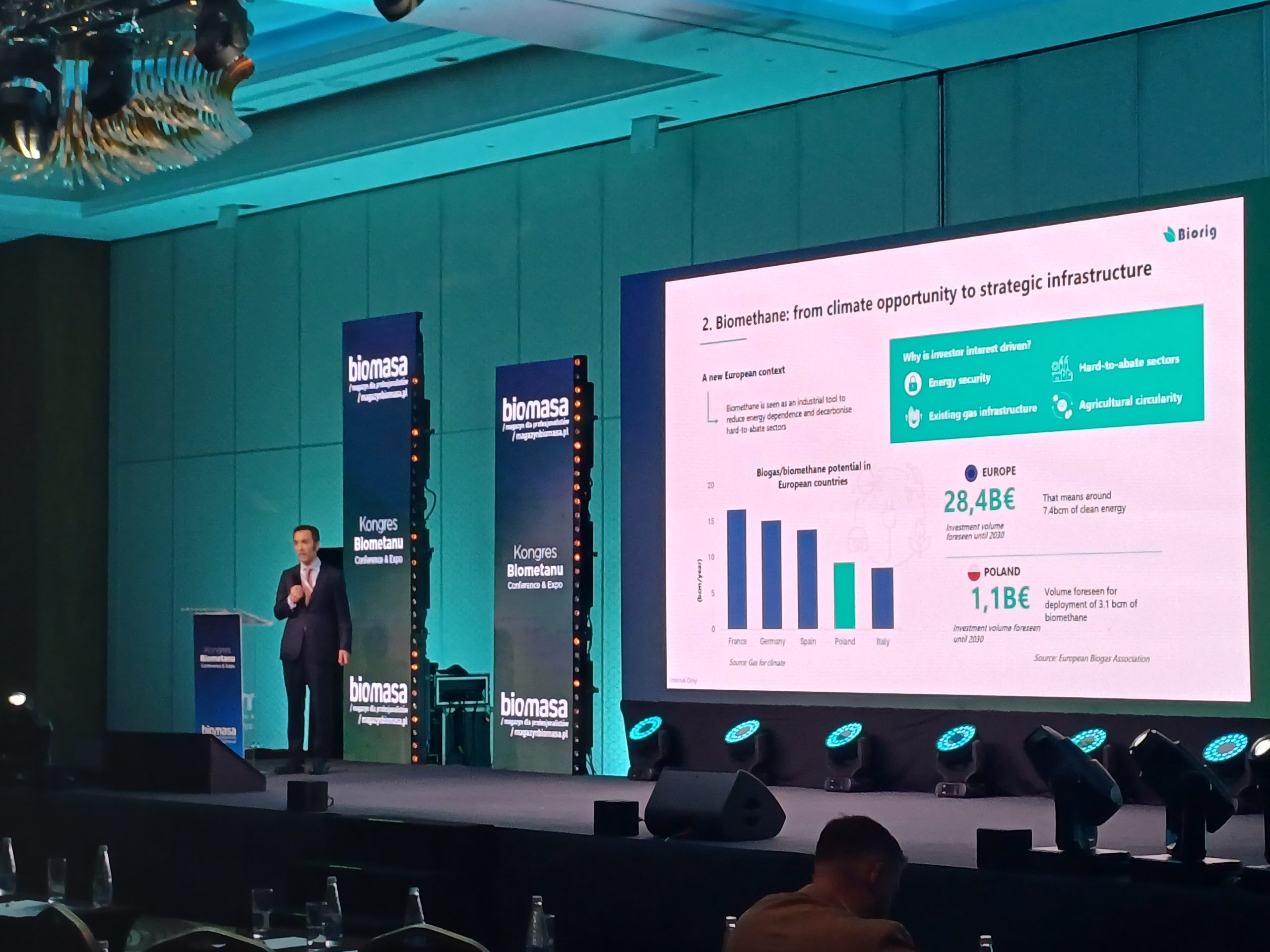
In this context, Diego Azqueta Smith, Director of International Development at Biorig, gave a presentation entitled “What does an investor look for in the biomethane sector? Criteria, valuation and best practices in partnerships: perspectives from Spain, Italy and Poland”. His presentation was part of the session dedicated to European biomethane markets and the lessons that can be drawn to accelerate the sector’s development in Poland.
During his presentation, Azqueta discussed the factors that make a biomethane project a truly viable investment opportunity. These include the availability of agricultural and livestock feedstock, regulatory certainty, the maturity of the regulatory process, grid connection, the structure of supply and sales contracts, and the presence of local partners with a genuine capacity for implementation.
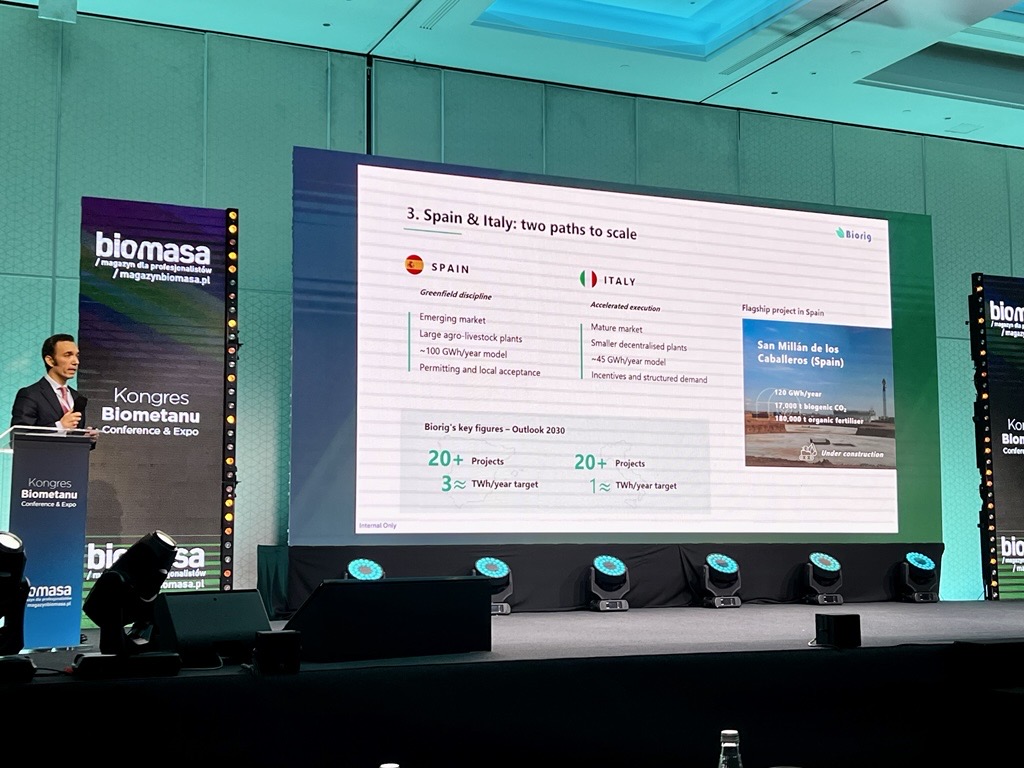
Biorig’s vision is based on a central idea: potential alone is not enough. To attract investment, projects need visibility, structure and the ability to become bankable assets. This approach is underpinned by the company’s experience in Spain, where it is developing a portfolio of over 20 projects based on larger-scale plants and agricultural and livestock raw materials, and in Italy, a more mature market with regulations and incentives that have enabled the accelerated roll-out of decentralised facilities.
Biorig in Poland
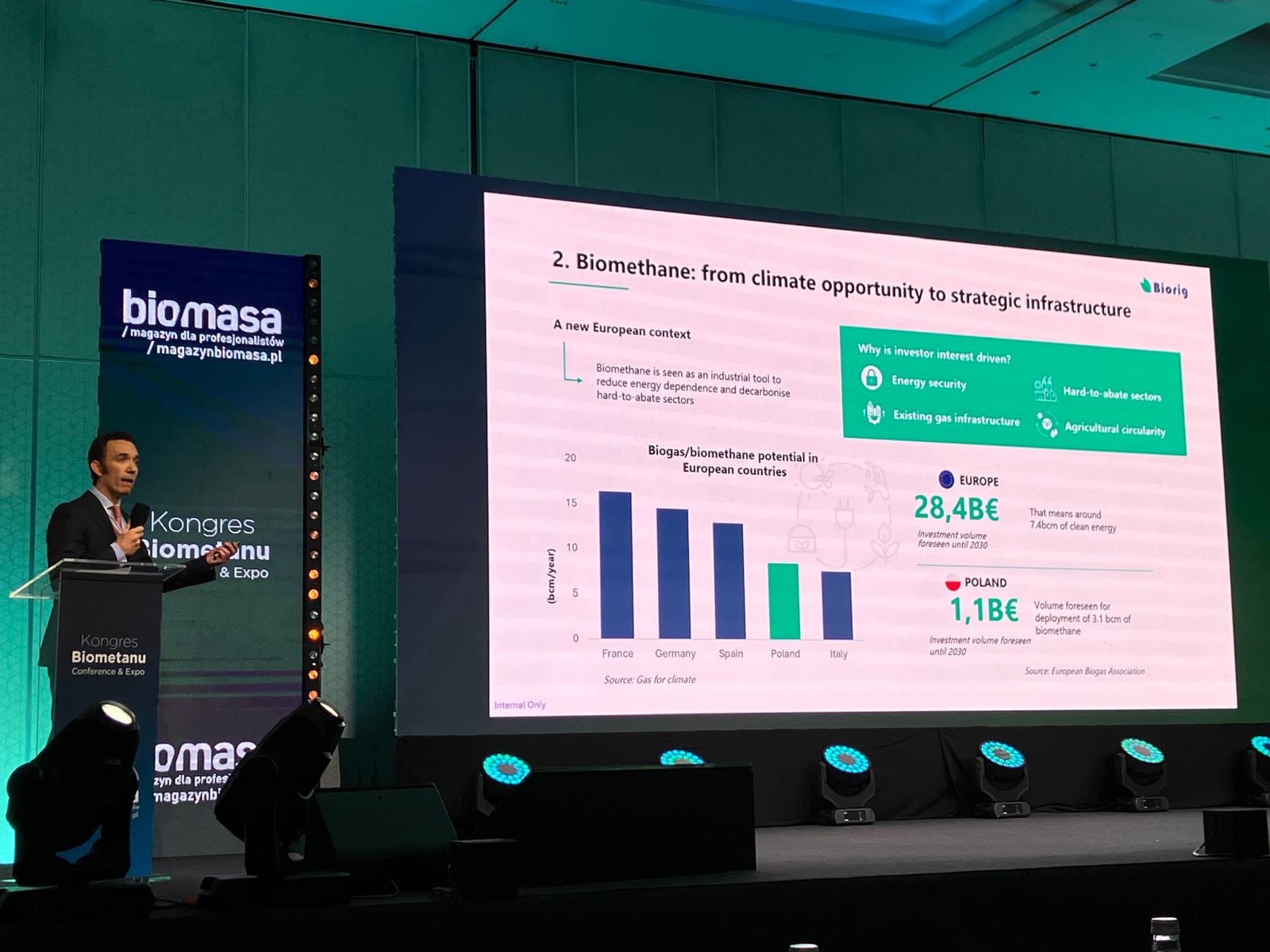
Biorig’s participation in the conference follows the company’s announcement in Poland that it plans to develop more than 20 biomethane plants in the country. This plan envisages a capacity of over 1 TWh per year of renewable energy production, with the first plant scheduled to come on stream in 2030.
Poland represents one of the main growth frontiers for biomethane in Europe. The country has a large-scale agricultural and agri-food sector, a strategic need for energy diversification, and a market that is still in its early stages. For Biorig, this context presents a clear opportunity: to transform local resources into renewable energy, organic fertilisers and industrial development in the region.
In Poland, Biorig is seeking to collaborate with developers, biogas plant owners and platforms with project portfolios at advanced stages of development or ready for construction. The company aims to provide capital, technical expertise, industrial discipline and a long-term vision to turn local projects into robust and competitive renewable energy assets.
BIORIG, circular economy and energy sustainability
Biorig is Solarig’s biomethane production division. It was created with the aim of providing innovative solutions in the field of renewable gases, such as biomethane. Its activity is focused on the management of organic agro-livestock raw materials for their transformation into renewable gases and to promote the development of projects in the field of energy transition and circular economy.
Biorig is committed to a circular economy model based on the recovery and management of agricultural and livestock raw materials, commitment to the development of local communities, and the promotion of the production of renewable gases to accelerate the energy transition in the places where it operates.
Other news
La academia, el sector agrario y la Junta de Castilla y León avalan el desarrollo del biometano en Zamora

Mitos y realidades del biometano: olores, logística o empleo rural desde una instalación operativa