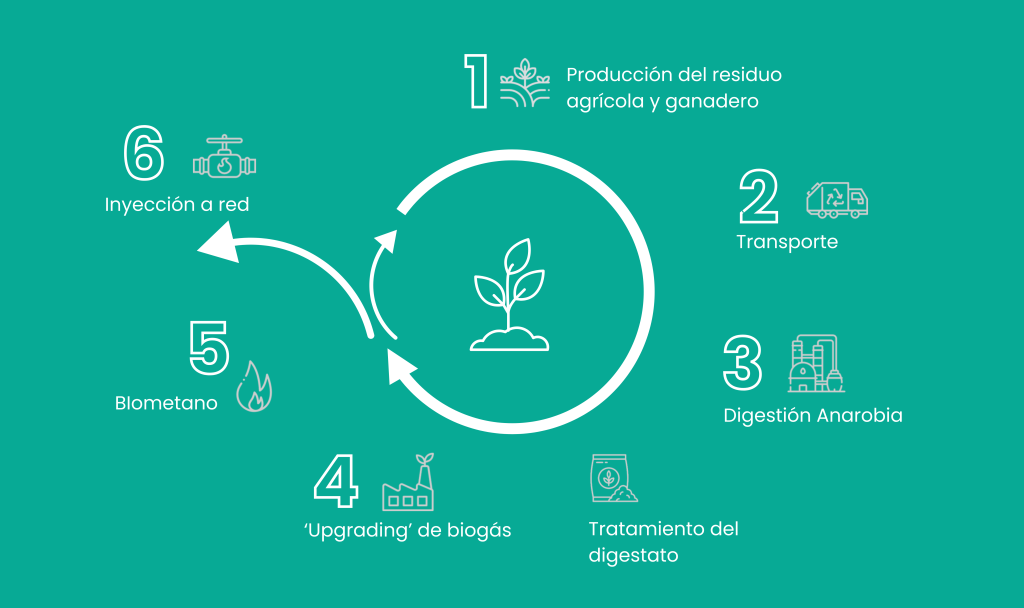
Madrid. 06.08.2026. The development of biomethane represents an opportunity to advance decarbonisation, improve the use of organic waste and generate economic activity in rural areas.
However, a biomethane plant is not developed in isolation. It becomes part of a municipality with its own history, economic dynamics, natural environment and people who understand the local reality better than anyone else.
That is why, at Biorig, we work to ensure that our relationship with local communities begins in the earliest stages of each project and continues throughout the entire lifetime of our facilities. Listening, explaining and understanding the local environment enables us to make better decisions and develop projects that are genuinely connected to the places where they are located.
How we work with local communities
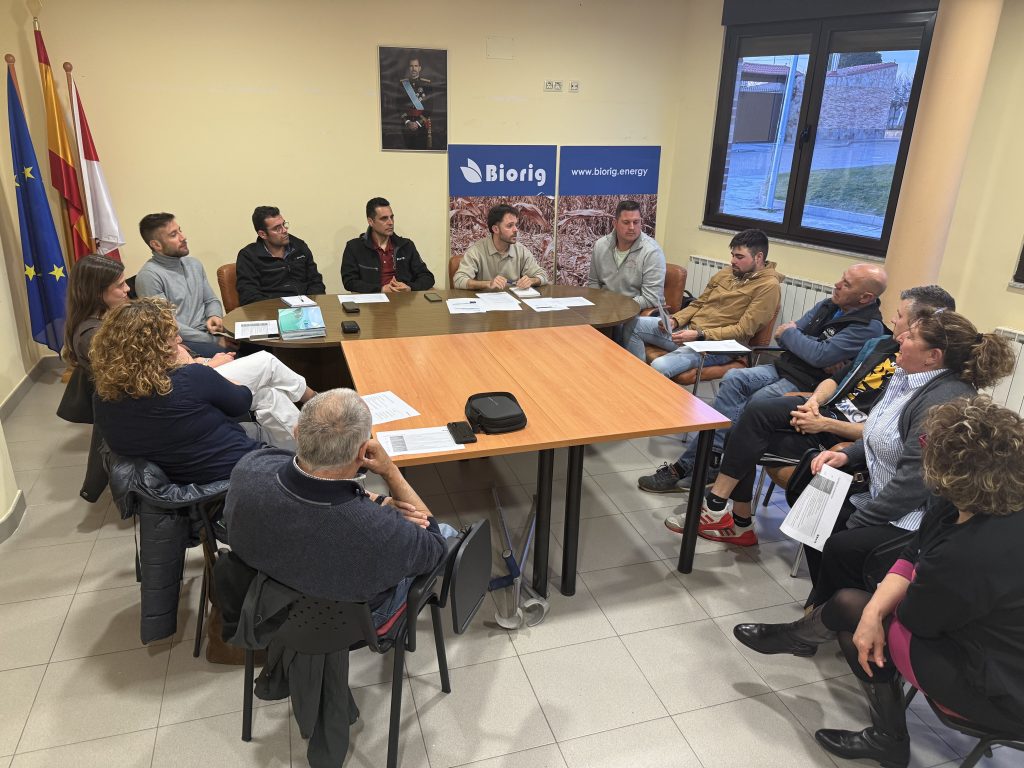
Information and active listening are part of the same process. It is not simply about presenting a project, but about maintaining an ongoing conversation throughout its construction and operation.
Territorial integration is an integral part of the way Biorig works. Each project is developed taking into account the characteristics of the municipality, maintaining continuous dialogue with its residents and adapting operational decisions to the local context.
Understanding the local area before taking action
Every municipality has its own specific characteristics. Proximity to population centres, access routes, agricultural and livestock activities, the availability of feedstock and the social context all influence the development of each project.
These factors are analysed from the earliest stages, alongside technical and environmental considerations, to understand how the future facility will interact with its surroundings. This knowledge is also built through dialogue with those who live and work in the area: local councils, residents, farmers, livestock farmers, associations, companies and other local stakeholders.
Their input helps us better understand the needs of the municipality, anticipate potential concerns and identify improvements that support the project’s integration into the local area.
Informing, listening and maintaining dialogue
Community participation should not be limited to a single stage of the permitting process.
Biorig promotes information sessions and communication channels adapted to the characteristics of each community. These forums provide an accessible way to explain how a biomethane plant works, what feedstocks it uses, how its operations are organised and which environmental controls are applied.
At the same time, they provide an opportunity to gather questions, proposals and concerns relating to issues such as logistics, access, employment and the coexistence of the facility with other activities in the municipality.
Information and active listening are part of the same process. It is not simply about presenting a project, but about maintaining an ongoing conversation throughout its construction and operation.
Making decisions adapted to the local environment
Our relationship with the local area is also reflected in the day-to-day planning of our facilities.
The organisation of transport routes, access points and schedules must take local mobility into account. Likewise, the origin of feedstocks, odour control, water management and the application of organic soil improvers are among the issues assessed in order to adapt each project to its surroundings.
Whenever possible, Biorig prioritises the use of locally sourced agricultural, livestock and plant-based waste. This helps reduce transport distances and establish stable relationships with local producers and waste managers.
Long-term coexistence requires attention not only to the major aspects of a project, but also to everyday issues that may affect life in the municipality.
The Green Dialogue Roundtable
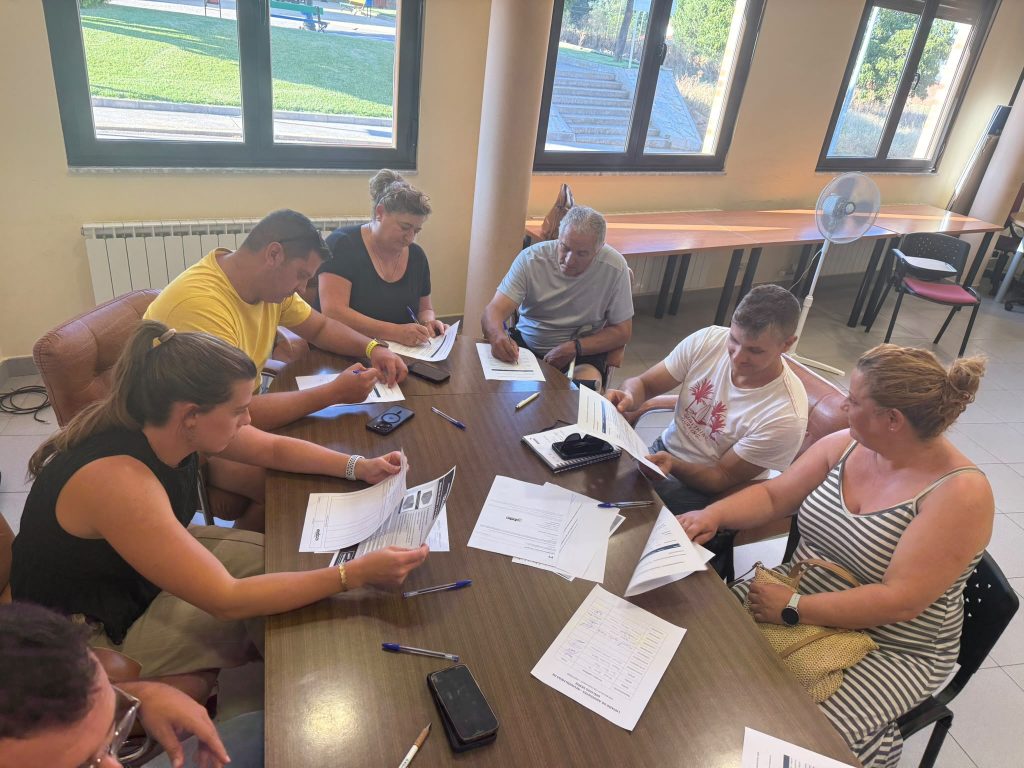
In San Millán de los Caballeros, in León, where Biorig is developing a plant for the production of biomethane, biogenic CO₂ and organic fertiliser, the company’s first Green Dialogue Roundtable has been established.
It is a permanent forum for engagement between Biorig, the local council and the municipality’s social fabric.
This initiative will be implemented across all our projects and will provide a forum for sharing information on their progress, gathering concerns and suggestions, monitoring commitments and bringing knowledge about biomethane closer to local communities.
The Roundtable includes representatives from the local council, Biorig professionals, associations and residents. This composition makes it possible to incorporate different perspectives and maintain a dialogue that reflects the local reality.
In addition, the Green Dialogue Roundtable participates in the assessment of initiatives submitted under the Community Reinvestment Programme.
Its creation represents a shift from one-off information activities towards an ongoing engagement model, providing the municipality with a stable channel through which to submit proposals and follow the progress of the project.
Community Reinvestment Programme
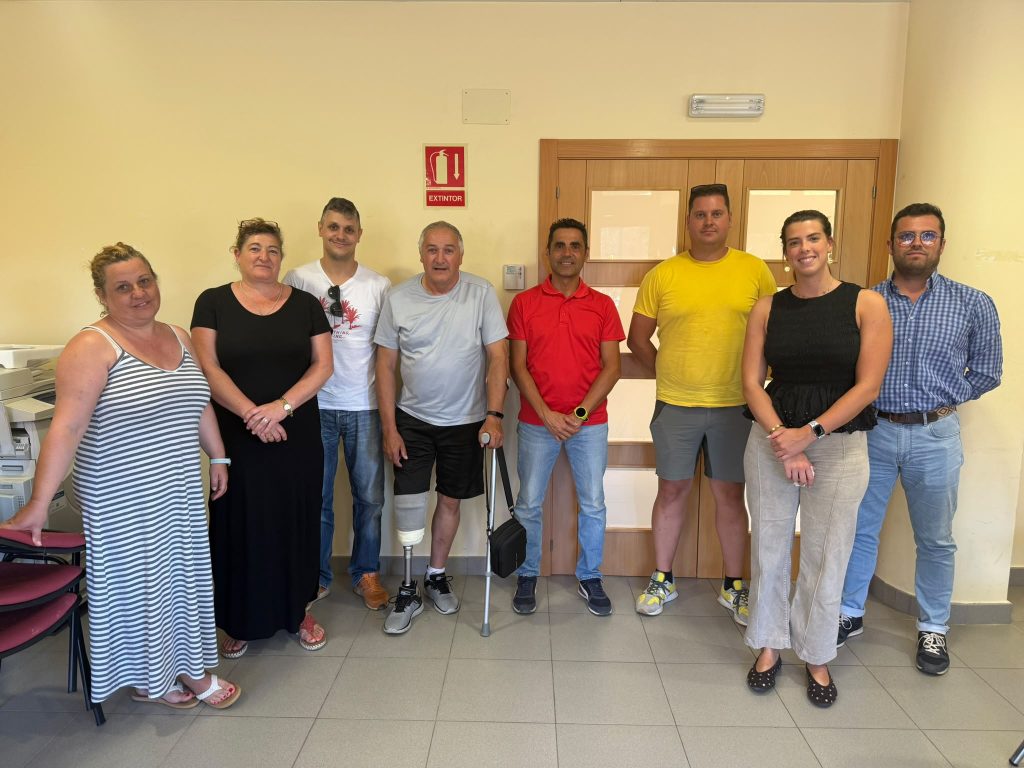
Biorig’s presence in a municipality is intended to create opportunities that go beyond the activity of the plant itself.
Through the Community Reinvestment Programme, part of the resources generated by each facility is allocated to the development of social and environmental projects that can improve the local area and respond to the needs of its residents.
Local organisations can submit initiatives related to education, children, social inclusion, employment, the environment, quality of life in rural areas, culture or heritage.
The Green Dialogue Roundtable participates in the assessment of these initiatives, incorporating the knowledge of local associations and municipal representatives. In this way, the programme supports proposals that originate within the community itself and helps ensure that the value generated by the plant is also translated into useful projects for the local area.
In San Millán de los Caballeros, this initiative will receive a total allocation of €250,000 over the lifetime of the facility.
Local employment and economic activity
The construction and operation of a biomethane plant creates opportunities for local professionals, companies and suppliers.
Biorig works to ensure that these opportunities are accessible to local people and contribute to creating a more skilled, diverse and inclusive labour market.
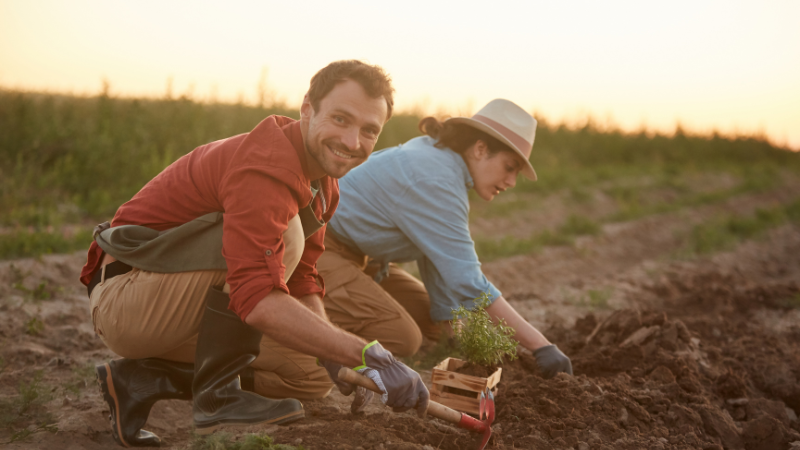
Biorig promotes local recruitment and subcontracting whenever the necessary professional profiles and services are available.
This contribution is complemented by the involvement of farmers, livestock farmers, transport companies, maintenance companies and other local suppliers.
In this way, the activity of the plant can strengthen the local economy and expand opportunities for people and businesses in the area.
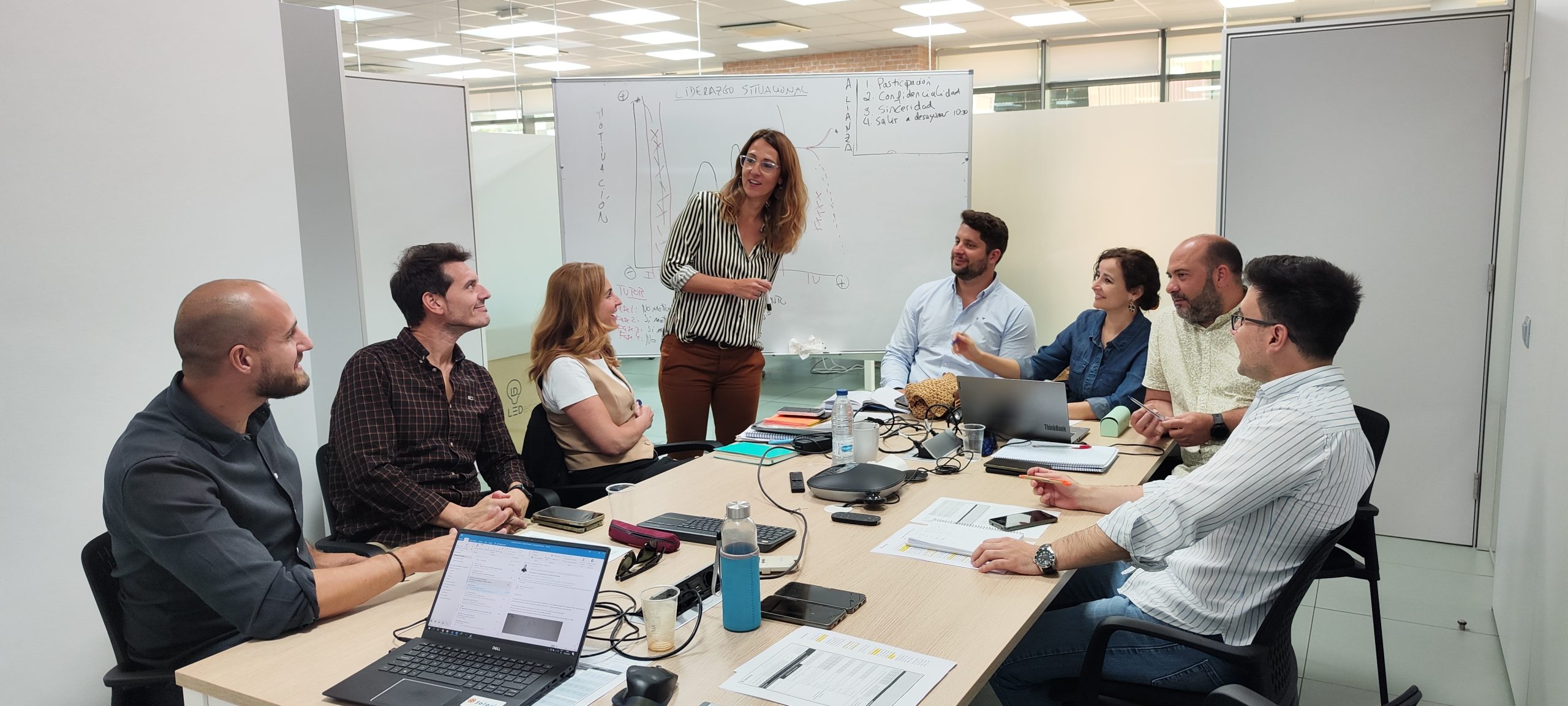
Biorig promotes training and recruitment initiatives to help people living in nearby municipalities access the professional opportunities associated with each facility.
These initiatives help bring the project closer to potential candidates, raise awareness of the professional profiles that will be required and improve the preparation of those interested in taking part in the construction and operation of the plants.
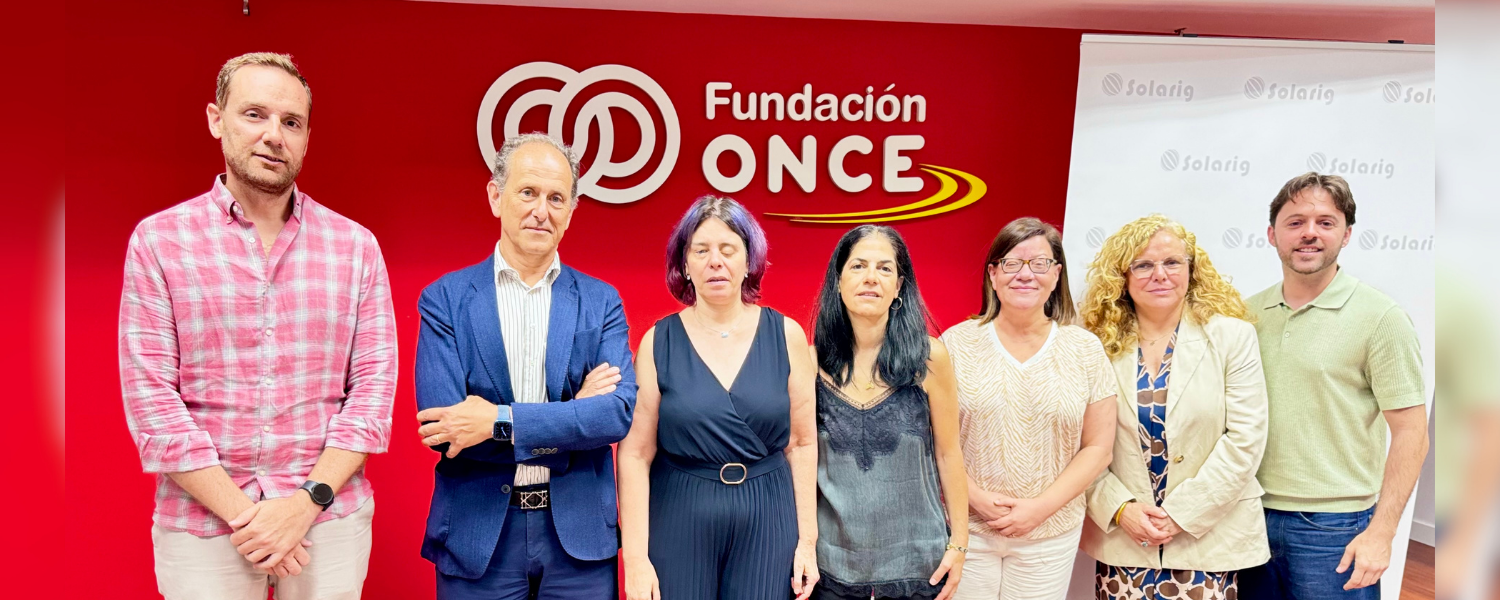
Biorig’s commitment also aims to ensure that the employment generated is more diverse and inclusive.
Our collaboration with Fundación ONCE helps bring these opportunities closer to people with disabilities and supports the inclusion of a wider range of profiles in the teams and activities associated with our projects.
In this way, job creation also becomes a tool for promoting equal opportunities and increasing the participation of different groups in the energy transition.
Sharing knowledge with new generations
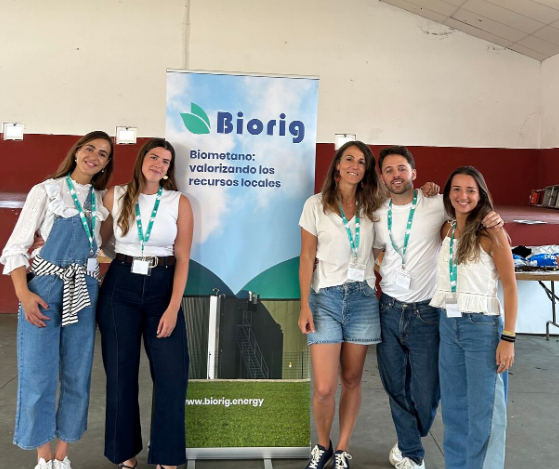
Our relationship with local communities is also built through education, community engagement and environmental awareness.
Through volunteering activities, Biorig professionals share their knowledge with children in local municipalities, introducing them to concepts related to science, sustainability and renewable energy in a practical and engaging way.
Biorig has carried out these volunteering activities in San Millán de los Caballeros and Cubo del Vino.
Through experiments, games and interactive challenges, participants were able to learn about concepts such as renewable energy, recycling, soil care, biomethane and biogenic CO₂.
The sessions featured Brian Vásquez de la Quintana and his Ciencia Attack project, an initiative that brings science and sustainability closer to participants in an accessible, practical and interactive way.
Biorig’s volunteer professionals accompanied the children throughout the activities, answered their questions and shared some of the solutions that are already being implemented to address environmental challenges.


Get in touch with us
Do you want to contact us, propose a project, learn about our services? You can reach us at any of our offices, by e-mail or telephone.