Biorig launches new website!

We developed a new site with an updated visual design and content for www.biorig.energy

Biorig, Solarig’s green gases division, inaugurates its new digital space in biorig.energy, taking another step forward in our evolution as a company and consolidating our position as a reference in the development and operation of biomethane plants.

With a renewed design and improved functionalities, the new website clearly reflects our identity and our commitment to sustainability and innovation. This redesign responds to our desire to offer a simpler, more useful and personalised digital experience, aligned with our identity and values. For its development we have had the collaboration of Prodigioso Volcán, one of the leading web design agencies in Spain, with extensive experience in strategic digital communication projects.

The result is a more modern, intuitive and accessible platform, making it easier for our visitors to access all the information about our projects, solutions and vision for the future.

New features:

  • New visual design that conveys our values of innovation, sustainability and proximity.
  • More intuitive navigation, designed to make it easier for you to find everything you need.
  • Accessibility improvements to ensure an inclusive experience for all users.
  • A space designed to reinforce our commitment to transparency, sharing in a clear and accessible way who we are, what we do and how we contribute to sustainable development.
  • New blog, in which we will publish technical and informative content on different angles of biomethane, as well as offering a detailed view of Biorig’s projects and their social impact in the communities where we operate.

Valorizating biomethane

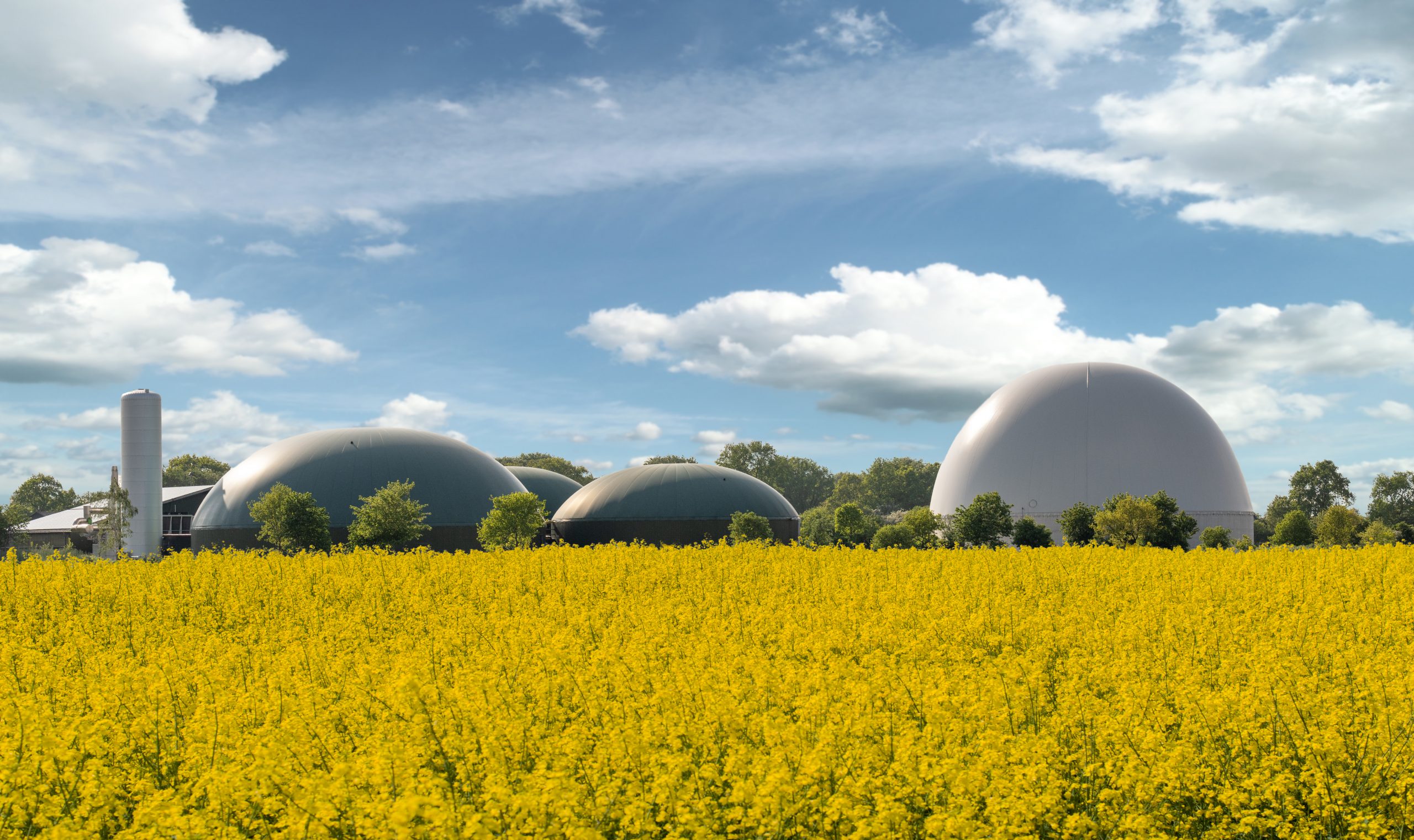
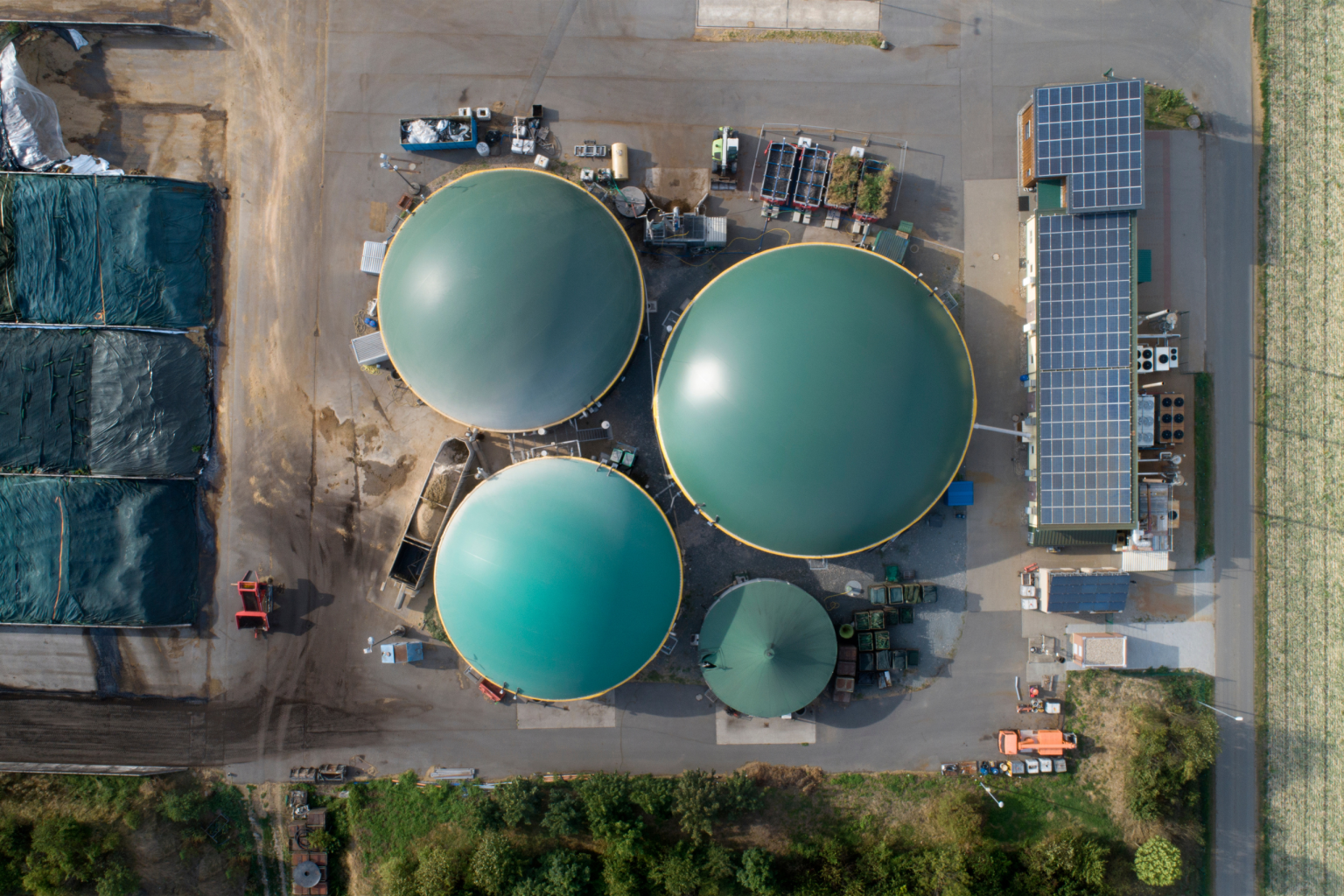
The new site will offer specific content explaining in detail the operation of biomethane installations, a renewable gas of biological origin with characteristics identical to fossil natural gas. This technology contributes to the implementation of circular economy models and the development of agricultural and livestock farming communities.

Cecilia Carballo, General Manager of Sustainability and Communication at Solarig, said: “This new website is not only a window into our work, but also an invitation to build a more sustainable energy future together. We believe in the need to act transparently and in collaboration with the local communities where we operate, and this website brings us closer to this milestone.”

BIORIG, circular economy and energy sustainability

Biorig is Solarig’s biomethane production division. It was created to provide innovative solutions in the area of renewable gases and CO2 capture. Its activity is focused on the management of organic waste for its transformation into gases of renewable origin and to promote the development of projects within the framework of the energy transition and the circular economy.

Biorig defends the opportunity that biomethane represents in the Energy Forum of El Español – Castilla y León

The company analyzes together with Sedigás, the Junta de Castilla y León and Redexis the deployment of these energy infrastructures in the community.

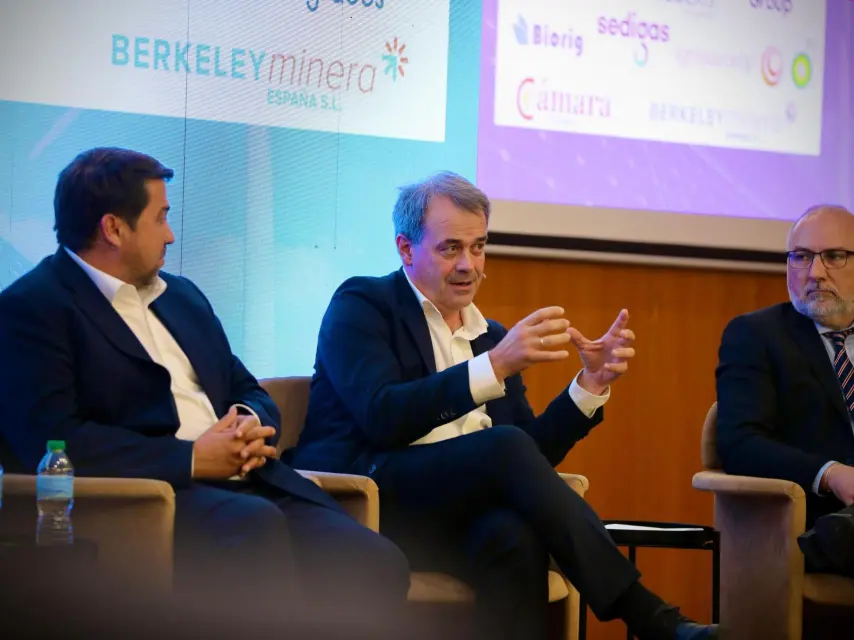
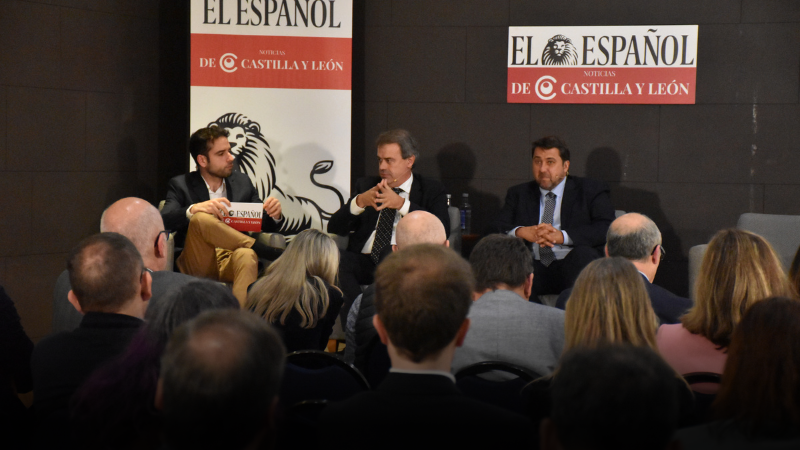
On Thursday, April 10, Biorig participated in the III Energy Forum of El Español Castilla y León, under the title “Clean energy in Castilla y León: a model of success and sustainability”. In this event, the advances and challenges in wind, solar, nuclear, hydrogen and biomethane energy were analyzed, with a focus on the territory and its transformative capacity.

The general manager of Biorig, Manuel Alonso, took part in the round table dedicated to “Biogas and biomethane: the boost of green gases in Castilla y León”, sharing space with José Manuel Jiménez Blázquez, general manager of Infrastructures and Environmental Sustainability of the Junta; Joan Batalla, president of Sedigás; and Federico Medina, director of Redexis central area; in a meeting moderated by the editor of El Español-Castilla y León, Ángel Pisano.

During his speech, Manuel Alonso presented the agro-livestock development model that characterizes Biorig, which promotes more than 20 plants distributed in rural environments aimed at transforming livestock waste into renewable energy, organic fertilizers and biogenic CO₂.

The general manager of Biorig emphasized that the legal requirements and the guarantee requested from biomethane facilities in Spain “are at the highest European standards”.

These facilities prevent agricultural and livestock wastes from ending up dumped in the fields without sanitization, as they have been up to now, so Manuel defended that Castilla y León “cannot afford to let this opportunity slip away”.

In addition, he gave several European examples, such as Denmark or the Veneto region, with population densities 10 times higher than those of Castilla y León and with hundreds of plants in operation. “There is a concern for managing waste in those places and that implies that the development of these plants are integrated into society and are seen as a normal thing,” he pointed out.

BIORIG, circular economy and energy sustainability

Biorig is Solarig’s biomethane production division. It was created to provide innovative solutions in the area of renewable gases and CO2 capture. Its activity is focused on the management of organic waste for its transformation into gases of renewable origin and to promote the development of projects within the framework of the energy transition and the circular economy.

El Día de Soria: Biomethane, an Opportunity for the Growth of a Greener and More Sustainable Economy

We highlight, on the occasion of the International Clean Energy Day, the great opportunity that Soria has thanks to biomethane

By Carlos Aguilar, Director of Renewable Gases at Biorig

On the occasion of the International Clean Energy Day taking place this week, I would like to highlight that the province of Soria has a great opportunity. Biomethane, a gas of renewable origin, is one of the best alternatives to promote a greener and more sustainable economy, encourage job creation, and increase the wealth of the territories. As a sustainable substitute for fossil gas, biomethane contributes to reducing the impact of climate change, boosts energy independence, and improves the management and traceability of agricultural and livestock raw materials. A key aspect is that biomethane facilitates the removal of slurry and manure from the fields, something particularly sensitive in Soria, where 10% of the territory has been declared at risk due to water contamination.

This technology has been implemented for over 40 years, mainly in countries such as France or Germany (with more than 1,000 and nearly 11,000 biogas and biomethane plants, respectively), and is now emerging as a strategic option in Spain. It is important to highlight that this energy source is key to achieving the decarbonisation targets set in the Integrated National Energy and Climate Plan (PNIEC). The aim is to reduce polluting emissions by 32% compared to 1990 levels by 2030.

At the same time, this renewable gas constitutes an essential activity to accelerate the economic growth of Castilla y León. Spain has the potential to develop 163 TWh of biomethane per year, enough to supply 29.5 million households, although the installed capacity currently stands at just 0.315 TWh in 2024, according to the Spanish Gas Association (SEDIGAS) and the GASNAM association. This goal implies increasing the production of renewable gas exponentially. Castilla y León plays a crucial role in this challenge, as it holds the potential to produce 23% of the biomethane in Spain.

From local resources to green energy.

I am convinced that biomethane will improve the energy mix of Castilla y León, but above all, it will drive the sustainable development of the agricultural and livestock sector. The promotion of biomethane contributes to a proper and orderly management of waste, much of which nowadays ends up being dumped in the fields without prior sanitisation. At Biorig, a company with roots in Soria, we develop our facilities with deep respect for communities and the environment.

In this regard, we only recover manure, slurry, and agricultural waste. The use of the most cutting-edge technological solutions, the type of raw materials used, together with the implementation of the most demanding health and safety regulations, ensure that our facilities do not emit odours to the outside. Furthermore, the plants operate under a zero-discharge model following the concept of a circular economy, and zero water consumption, as we use the liquid content of the slurry and have systems for reusing rainwater.

Organic fertilisation of agricultural soils.

The plants we design transform agricultural and livestock raw materials into odourless fertiliser products certified under European Union Regulation 1009/2019, as well as by the Ministry of Agriculture. In this way, the primary sector will benefit from these organic amendments and will have an alternative for fertilising the fields. This verified product undergoes 40 days at 40 degrees, and more than 20 days at temperatures above 50 degrees to ensure its sanitisation and stabilisation before being used in the field.

A more sustainable future for new generations.

To promote a more sustainable future in Soria, it is necessary for new generations to have opportunities. The push for the energy transition through biomethane paves the way for young people in the agricultural and livestock sector, technicians, students, engineers, environmental scientists, or innovative companies committed to technological and sustainable development. Moreover, this includes everything from specialised training in university degrees or master’s programmes, to the creation of new business opportunities focused on the renewable energy and gas sector.

Biomethane can be one of the cornerstones of a new green economy in the 21st century. Its development creates employment, stimulates the local economy, helps tackle the demographic challenge, and ensures a cleaner environment. It is not just an energy alternative; it is a sustainable project for our future.

El Español: Spain, facing the opportunity to replicate the success of renewable energy with green gases

Biomethane is an efficient solution for the correct management of agricultural and livestock wastes.

By Manuel Alonso, General Manager of Biorig.

The European Union has made courageous progress in the energy transition, with wind and solar energy playing a leading role. Spain, in particular, has led the way in the deployment of renewable electricity, with more than 50% of its generation coming from clean sources. However, electrification is not enough to achieve total decarbonization of the economy.

It is in this context that green gases, such as biomethane, are presented as an essential energy source to decarbonize sectors that are difficult to electrify, such as industry and heavy transport. At the European level, biomethane has established itself as a sustainable alternative to natural gas, as it has the capacity to be stored, distributed and used according to demand, i.e. it has the same properties as fossil molecules, but contributes to the decarbonization of the economy.

In countries such as Denmark and Germany, this technology plays a key role in energy supply, representing in some cases up to 20% of the gas consumed. France has more than 700 production plants and Germany leads European production with more than 11,000 biogas and biomethane plants, while Spain has only 11 operational plants.

The European Union has set an ambitious target of reaching an annual production of 35 billion cubic meters of biomethane by 2030 as part of the REPowerEU plan. This represents a five-fold increase in the currently installed capacity, which last year reached 6.4 million cubic meters, according to the European Biogas Association (EBA).

Spain is set to be a key player in achieving these goals. According to SEDIGAS estimates, our country has the capacity to produce 163 TWh per year from renewable gas, enough to cover practically half of the demand for a year, which Enagás estimated at 311.7 TWh last year.

Decarbonization and environmental solution

In addition to its importance in the decarbonization of the economy, biomethane is an efficient solution for the correct management of agricultural and livestock waste. Spain generates millions of tons of slurry, manure and agricultural waste every year, which, if not managed correctly, can be an environmental problem.

The production of biomethane makes it possible to valorize this waste, reducing its impact on soils and groundwater, while helping farmers and livestock farmers to better manage this waste, much of which today ends up deposited in the fields without sanitization.

Anaerobic digestion, the process by which the biogas from which biomethane is obtained is extracted from agro-livestock raw materials, not only produces the green molecule to be injected into the grid, but also generates the so-called digestate. This by-product, once treated, becomes a high quality organic fertilizer, which represents a real alternative to chemical fertilizers and is in line with EU guidelines, as it reduces dependence on imported products.

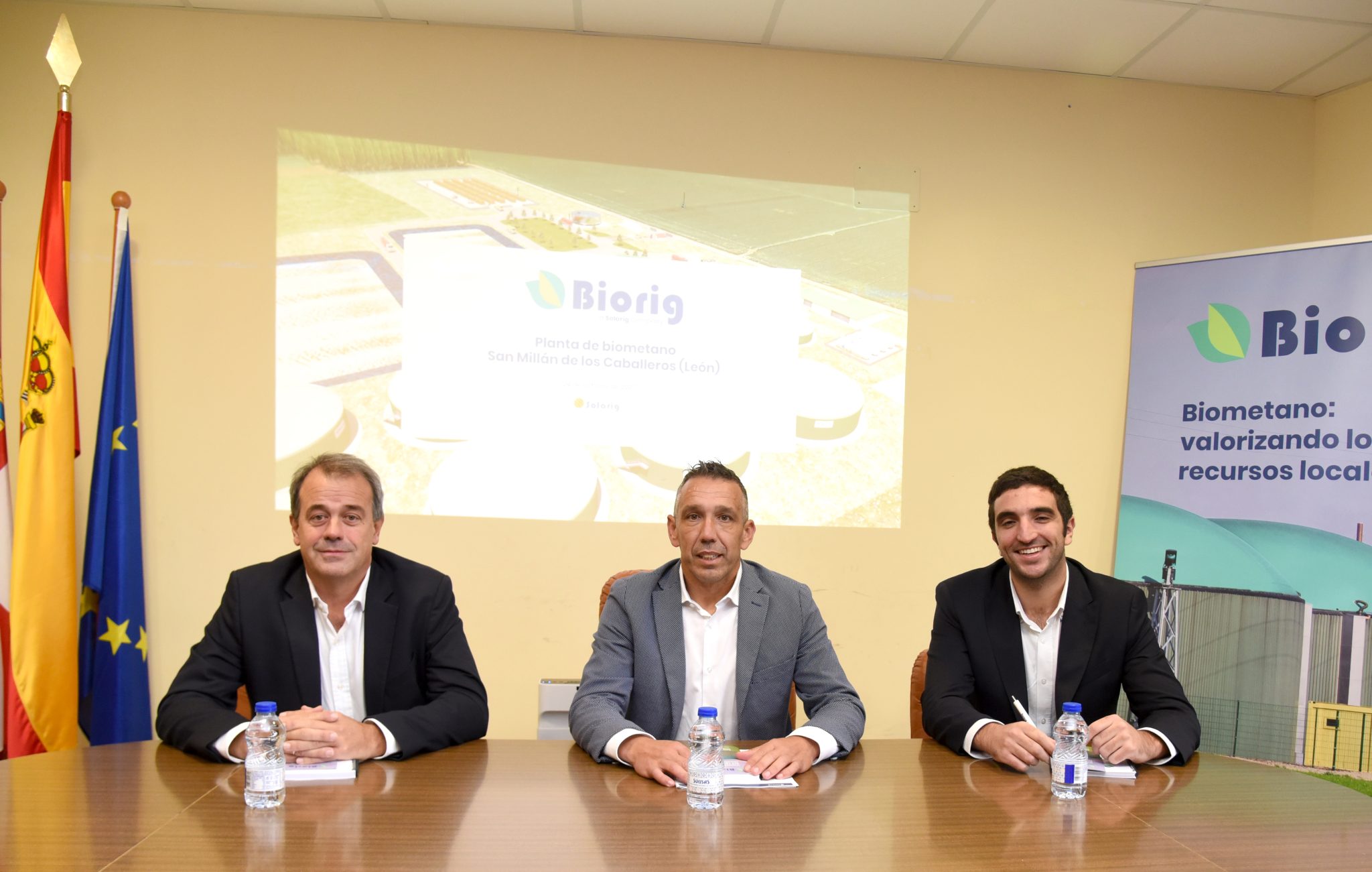
At Biorig, a company from Castilla y León, we are developing more than 20 biomethane facilities, 10 of which are located in 6 provinces of Castilla y León. We are sure that these plants, besides having a positive impact on the environment, will contribute to create more wealth in the territories, quality employment, economic development and will boost the agricultural and livestock sector.

We design proximity ecosystems where we collect local agricultural and livestock waste, treat it, and produce new sustainable fertilizers for agricultural soils, promoting the circular economy, the traceability of field manure and avoiding the dumping of thousands of tons of unsanitized waste per year.

In this regard, we only use agricultural raw materials (slurry, manure and straw, mainly corn stover) from nearby farms, ensuring efficient waste management and minimizing the logistical footprint. This approach allows us to improve traceability and always generate a positive impact on local communities.

The organic fertilizer we produce from digestate is solid, odorless and approved through EU Regulation 2019/1009. Its application in agriculture not only avoids the use of chemicals, but also improves soil structure and maintains its fertility for a longer period of time.

In addition, the use of advanced technologies and compliance with strict environmental regulations ensure that our plants do not emit odors, consume water or generate waste.

A strategic opportunity for Spain

Biomethane is not only a solution to the climate crisis, but also an opportunity for economic and social development. To take advantage of it, it is essential to establish incentives that favor demand, guaranteeing competitive prices compared to fossil gas. It also requires a robust regulatory framework, clear roadmaps to streamline procedures and permits, and to help boost investment in new infrastructure.

Without these measures, we run the risk of biomethane investments migrating to other countries, losing a key tool for our energy transition. The development of renewable electricity in Spain is a success story, and now it is time to repeat the milestone with renewable gases. We have the resources and the know-how to lead this sector; now is the time to take the plunge and turn the opportunity into a reality.

Cinco Días: Spain Needs Greater Ambition in Biomethane to Accelerate the Energy Transition

A robust regulatory framework, clear roadmaps, and institutional support are needed to enable society to understand the benefits of this technology.

By Cecilia Carballo, Chief Sustainability and Communication Officer at Solarig.

The energy transition in Spain is progressing with determination, but it continues without taking advantage of an essential element for a decarbonised energy mix: biomethane. This gas of organic and renewable origin, similar to fossil-based natural gas as it is easily storable and injectable into the current gas network, has already had more than four decades of development in the EU. In this regard, the 11 plants currently installed in Spain pale in comparison to Germany’s 11,000 biogas and biomethane facilities and France’s more than 700 biomethane plants.

Although Spain is at the bottom in the deployment of this green industry, it has ample capacity to position itself as one of the leading producers in the European Union. This is affirmed by the Spanish Gas Association (Sedigas), which estimates that the country has the capacity to produce 160 TWh per year (that is, we currently have enough raw material to cover around 50% of national natural gas demand with renewable energy).

To take advantage of the opportunity presented to us, Spain needs to deploy a robust roadmap for biomethane that would not only allow us to move towards energy autonomy today, but would also enable us to maintain and improve another strategic sector, such as the primary sector. A key sector to meet the objectives of demographic challenge, job creation, and vital alternatives in many autonomous communities linked to this economic activity.

We are talking about a mature, competitive, and easy-to-implement technology, with tradition and roots in the countries around us. ccording to data from the National Statistics Institute (INE), we generate more than 100 million tonnes of waste per year and, with a significant percentage of it, we can feed this new green sector. Thanks to biomethane plants, we are in a position to provide an efficient response, based on the concept of circular economy, to waste management, one of the major environmental problems in our society. At the same time, biomethane will be able to guarantee a local and secure supply of energy in the form of gas, something that gains special relevance in the current context, with the EU drastically reducing its imports from Russia.

One of the keys to unlocking our potential is to be clear about where we are heading. The Ministry for the Ecological Transition launched its Biogas Roadmap in March 2022, just after the invasion began, with objectives that, although well-intentioned, quickly became outdated with the change in the energy paradigm. More recently, in its latest update in September 2024, the Integrated National Energy and Climate Plan (PNIEC) set the goal of producing 20 TWh of biogas in 2030, of which approximately 12 TWh will correspond to biomethane, according to the Spanish Biogas Association (AEBIG). This would mean that, in the best-case scenario, we will multiply current biomethane production (which in 2024 stood at around 0.315 TWh) by 38, but we will have only taken advantage of 7.5% of the potential Spain holds to generate this renewable gas.

Rome wasn’t built in a day, and the targets set by the PNIEC are perfectly achievable if there is an effort to organise, promote, and facilitate growth, which is expected to be exponential in the coming years and will likely continue in the decades ahead. In this regard, the Ministry for the Ecological Transition and the Demographic Challenge has set out which port we want to reach, but updated roadmaps are still lacking to clarify how we are to get there.

To take advantage of the opportunity presented to us, Spain needs to deploy a robust roadmap for biomethane that would not only allow us to move towards energy autonomy today, but would also enable us to maintain and improve another strategic sector, such as the primary sector. A key sector to meet the objectives of demographic challenge, job creation, and vital alternatives in many autonomous communities linked to this economic activity.

We are talking about a mature, competitive, and easy-to-implement technology, with tradition and roots in the countries around us. ccording to data from the National Statistics Institute (INE), we generate more than 100 million tonnes of waste per year and, with a significant percentage of it, we can feed this new green sector. Thanks to biomethane plants, we are in a position to provide an efficient response, based on the concept of circular economy, to waste management, one of the major environmental problems in our society. At the same time, biomethane will be able to guarantee a local and secure supply of energy in the form of gas, something that gains special relevance in the current context, with the EU drastically reducing its imports from Russia.

One of the keys to unlocking our potential is to be clear about where we are heading. The Ministry for the Ecological Transition launched its Biogas Roadmap in March 2022, just after the invasion began, with objectives that, although well-intentioned, quickly became outdated with the change in the energy paradigm. More recently, in its latest update in September 2024, the Integrated National Energy and Climate Plan (PNIEC) set the goal of producing 20 TWh of biogas in 2030, of which approximately 12 TWh will correspond to biomethane, according to the Spanish Biogas Association (AEBIG). This would mean that, in the best-case scenario, we will multiply current biomethane production (which in 2024 stood at around 0.315 TWh) by 38, but we will have only taken advantage of 7.5% of the potential Spain holds to generate this renewable gas.

Rome wasn’t built in a day, and the targets set by the PNIEC are perfectly achievable if there is an effort to organise, promote, and facilitate growth, which is expected to be exponential in the coming years and will likely continue in the decades ahead. In this regard, the Ministry for the Ecological Transition and the Demographic Challenge has set out which port we want to reach, but updated roadmaps are still lacking to clarify how we are to get there.

A robust regulatory framework

Harmonisation and alignment between regulatory frameworks are needed. For projects to become a reality in an orderly manner and respond to territorial needs and opportunities, it is essential that the different administrations and public bodies design specific plans for the deployment of this green industry. Only with these guidelines will we be able to have homogeneous criteria, ensure that investment reaches where it is most needed, and streamline administrative procedures. Furthermore, for progress to be supported on solid foundations, it would be necessary to add the importance of guiding aid towards demand, establishing incentives for fossil gas consumption to be replaced by biomethane, and the existence of financing lines for these projects.

Countries like Italy, whose dependence on fossil-based natural gas in the energy mix has made the search for energy alternatives imperative, are a good example that with the determined support of the administration, it is possible for a sector like biomethane to flourish. In 2018, the country had 7 operational plants, and within six years it already has 133; of which 101 were connected in 2024, according to the European Biogas Association (EBA).

In addition to the regulatory framework, it is vital that biomethane plans are developed in harmony with the communities in which they are implemented. The significant presence of facilities in agricultural and livestock areas in Spain offers solutions to an already existing economic activity, as it simplifies waste logistics and contributes to territorial cohesion. In this regard, it is relevant to advance in social licence, collaborate with communities, develop employment plans to settle the local population, and commit to being part of the solution to environmental problems, such as groundwater contamination by nitrates. In this way, working closely with the agricultural and livestock production network already located in these areas, it will be possible to build a necessary framework for action that promotes best practices to ensure the integration of biomethane in the territories.

In short, we need a robust regulatory framework, clear roadmaps, and institutional support that enables society to understand the great benefits of a technology that will undoubtedly play a key role in the coming years. We must take advantage of the great potential Spain has to provide a renewable response to sectors that are difficult to electrify, decarbonise energy-intensive industries or residential consumption; as well as to generate quality employment and offer development alternatives in depopulated areas. I trust that we will do so, but it will be easier to seize an opportunity like the one biomethane offers us if society as a whole shares the same direction.

Economic revitalisation and local development

The production of biomethane helps to drive local economic development by creating stable, skilled jobs, improving the dynamism of the agricultural and livestock sector, and enhancing waste management. It has a direct impact on the development of rural communities, where most of the raw materials needed for its production are generated.

The great potential of biomethane

It is estimated that the development of biomethane in Spain could generate more than 62,000 jobs in total.

Green jobs

Our commitment to municipalities is reflected in the creation of local, high-quality, skilled jobs, both direct and indirect.

Values

Biomethane plants, essential infrastructure

Biorig’s facilities are essential and strategic infrastructure for the development of the regions where they are located. We reach solid agreements that reflect the interests of the various stakeholders, promoting sustainability and benefits for all parties.

Energy independence

We work towards the energy independence of the communities in which we operate, both at national and local level, and from the volatile prices of polluting fuels. We promote the local production and use of biomethane, replacing imported fossil natural gas. Sustainable energy sources are key to meeting the European Union’s decarbonisation targets for 2050.

Community health

Our plants form a symbiotic relationship with communities, integrating our projects from development through to operation. Prior to the start of each project, we carry out an environmental impact study to ensure proper implementation in the area, with respect to flora, fauna, and economic and social factors.

Zero discharge and zero water use

Biorig’s facilities are developed under a zero discharge and zero water use concept, making use of rainwater and treated wastewater.

Lower nitrate risk in aquifers

By transforming the resulting waste into controlled organic fertilisers, we facilitate waste planning and reduce the risk of nitrate contamination.

Odour elimination and health

The facilities also incorporate odour elimination technology, addressing odours from the gas, the waste, and the resulting fertiliser.

Improved air quality

We reduce emissions in the areas where our plants are located and improve air quality thanks to better waste management.

Local sourcing

The sourcing of waste is carried out within a maximum radius of 30 to 40 kilometres, ensuring minimal impact on nearby towns.

Agricultural and livestock waste – locally sourced

The plants will not manage municipal solid waste, sludge or agri-industrial waste, among others. We focus on the recovery of current, locally sourced agricultural and livestock waste.

Biomethane Plants: Maximum Environmental and Health Safety

At Biorig, we are firmly committed to ensuring that our plants operate under the highest standards of safety and health. We design our facilities to be safe, sustainable, and environmentally friendly, incorporating state-of-the-art technology that ensures continuous monitoring and precise control of all production processes. The safety and health of our processes and plants are our priority.

We don’t release harmful or unhealthy gases

Our facilities will not emit harmful gases or those detrimental to the environment. Biorig’s plants are equipped with high-power monitoring, filtration, and desulphurisation systems, and a design that prevents any risk of leaks. The facility has waterproof foundations, storage, and hermetically sealed tanks. Specifically, the storage of the digestate, already hygienised and odourless, will be done in a covered and completely secure lagoon.

Continuous Monitoring and Soil Quality Control

We have cutting-edge technology to carry out continuous monitoring 24 hours a day, seven days a week. Specialised sensors and piezometers will monitor soil quality and condition, preventing any leakage and ensuring that processes are entirely safe. Without the strict application of safety measures, the competent authorities will not approve the necessary environmental permits for the construction or commissioning of the plant.

Fire Protection and Safety

To guarantee the safety of the facilities, we implement advanced smoke detection systems, a network of hydrants, fire extinguishers, and sprinklers in enclosed areas, as well as a comprehensive fire plan developed together with local media and institutions. Infrared sensor technology and remote sensing equipment installed allow us to act quickly and efficiently in the event of any incident.

Environmental Performance Inspections

Our plants will undergo annual public inspections to assess their environmental performance, in addition to our internal audits and specific review processes for each of the tools we use. This strengthens our commitment to local communities, ensuring that we operate under the strictest regulations and with complete transparency.

At Biorig, we integrate cutting-edge technology and responsible practices to lead a model of sustainable production. We are convinced that safety, innovation, and respect for the environment are the foundation of a cleaner and safer future.

We still have time

24 October – International Day Against Climate Change

Climate change is the greatest environmental and economic challenge facing humanity. In short, it involves the disruption of the Earth’s climate patterns, rising temperatures, and changes to ecosystems. It is mainly caused by the emission of carbon dioxide and other greenhouse gases from industries, the burning of fossil fuels, and deforestation. Although we are aware of the problem, the energy transition is emerging as one of the best solutions to fight it: clean, renewable energy used efficiently, along with reforestation and reduced consumption. There’s still time.

How does it impact ecosystems?

Here are five examples from five countries where Solarig operates, showing the effects and consequences of climate change:

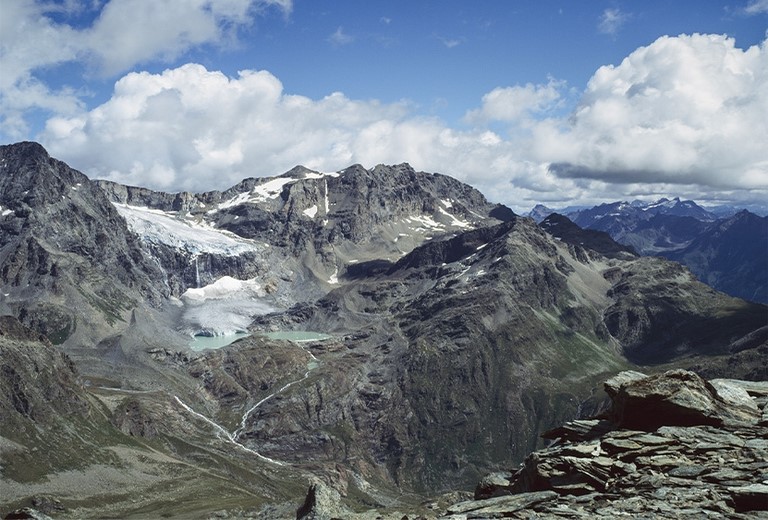
Glacier – Monte Perdido, Spain

It is estimated that the Monte Perdido glacier, located within the Ordesa and Monte Perdido National Park in the Pyrenees, loses around 1 metre of ice thickness each year. In 2019, it measured 35 metres thick. Of the 2,000 hectares of glacier mass thought to have covered the area in 1850, 90% has already disappeared. Today, the glacier covers just 37 hectares — over ten less than in 1981.

Credit: Sergio Padura y Ánchel Belmonte

Monte Perdido Glacier (1899)
Monte Perdido Glacier (2019)

Sea – City of Venice, Italy

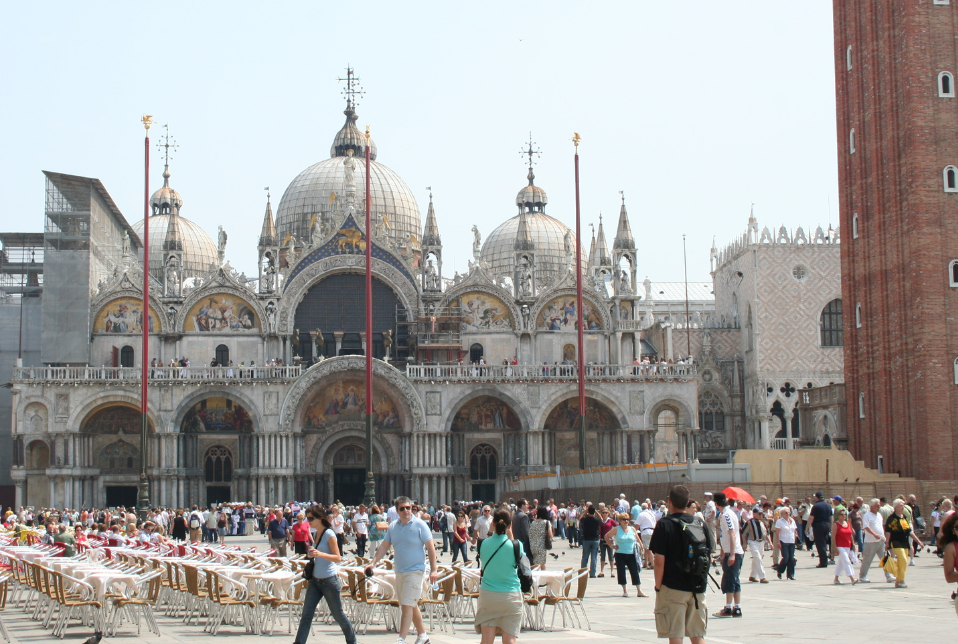
Venice, the iconic Italian city built on a group of islands in a lagoon, is facing serious threats from climate change — especially rising sea levels. Moreover, climate change has intensified storms and weather events that raise water levels, causing increasingly frequent and destructive flooding.

Credits: Milenio – AP

St Mark’s Square, Venice (2019)
St Mark’s Square, Venice (1989)

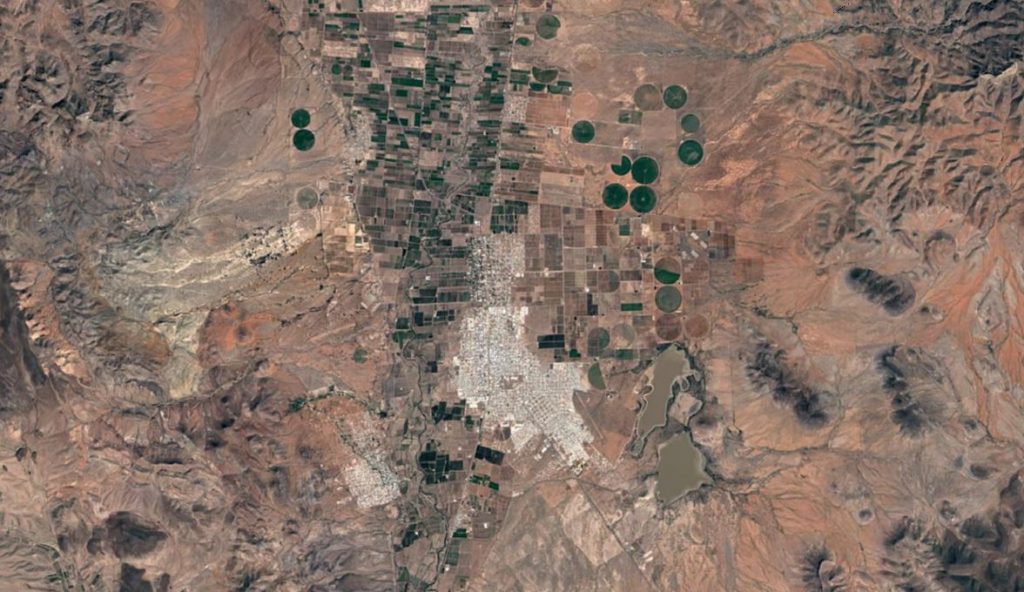
Agriculture – Chihuahua, Mexico

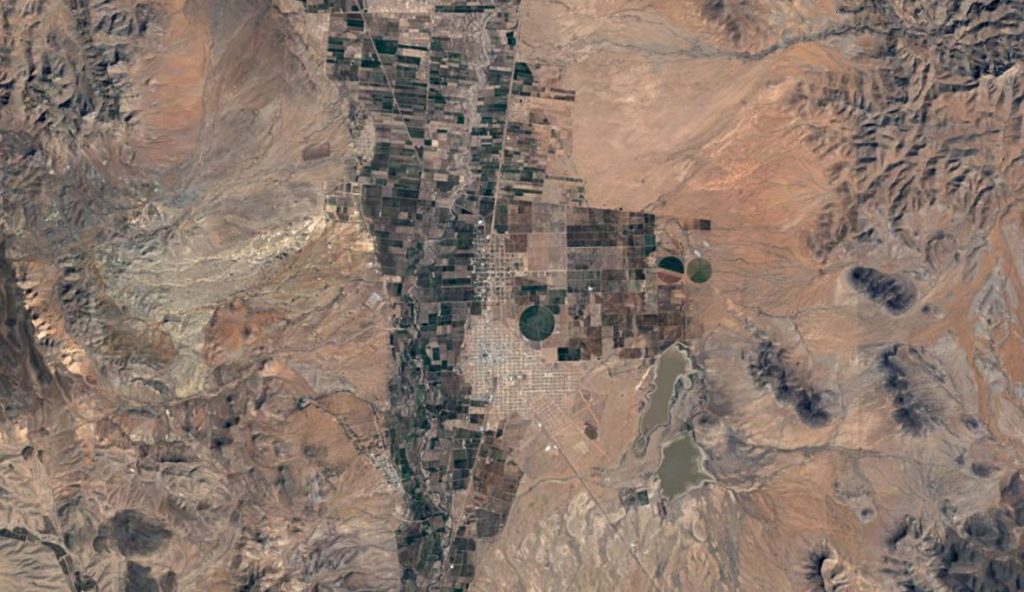
Located in north-central Mexico, this desert region has a rich agricultural history built around the fertile alluvial plains of the San Miguel River. However, beyond the effects of climate change, intensive irrigation, overgrazing, and invasive plant species are threatening the region’s ecosystems.

Credits: Google Earth

Chihuahua, México (1986)
Chihuahua, México (2022)

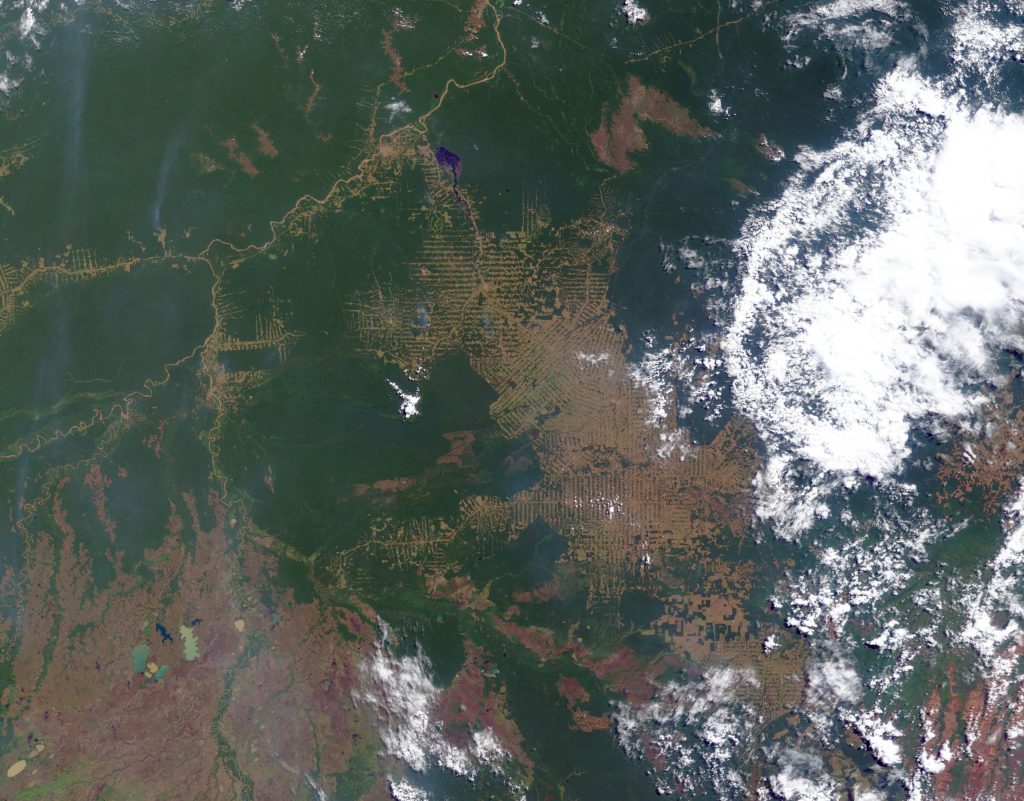
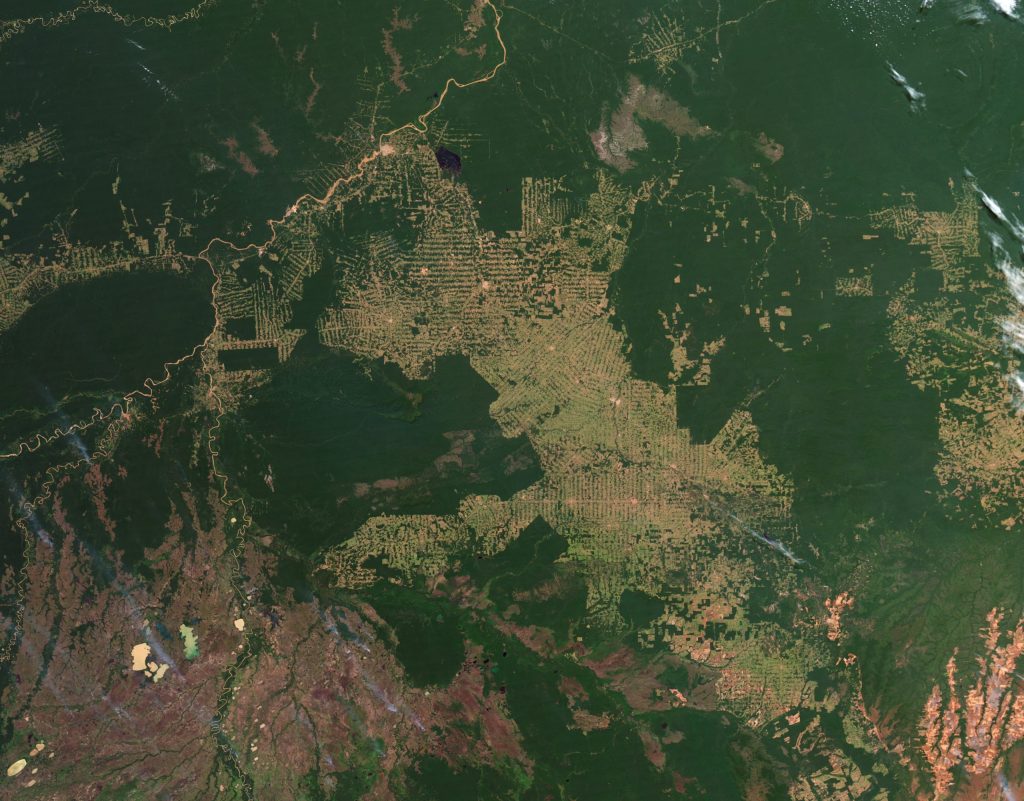
Forest – Rondônia, Amazon, Brazil

The state of Rondônia, in western Brazil, once home to 208,000 square kilometres of forest, has become one of the most deforested areas of the Amazon. This pattern follows one of the most common deforestation routes — known as “fishbone” patterns — where legal and illegal roads cut into remote parts of the rainforest, allowing more land to be farmed and cleared, gradually spreading in this distinctive formation.

Credits: Nasa

Amazon (2000)
Amazon (2012)

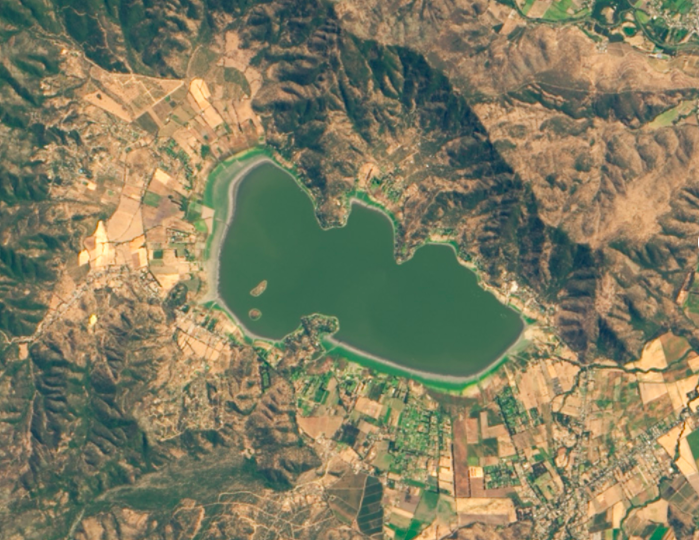
Rivers and Lakes – Lake Aculeo, Chile

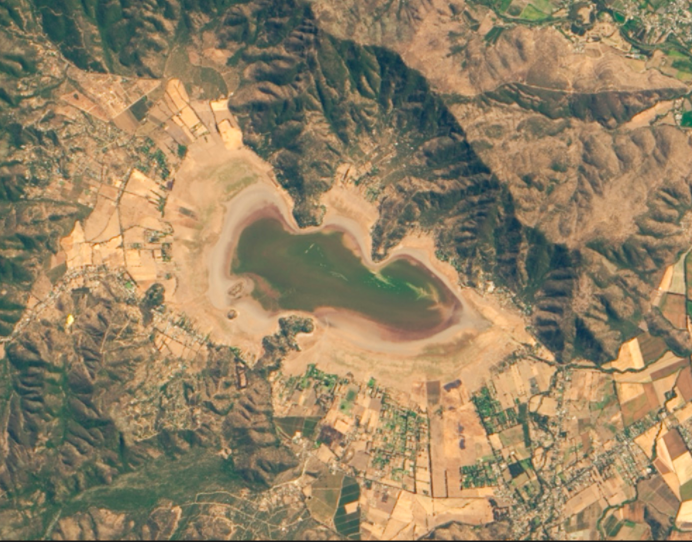
A decline in regional rainfall, combined with a prolonged megadrought in central Chile, caused the complete drying up of Lake Aculeo. The disappearance of this body of water has not only impacted local farmers, ecosystems, and biodiversity, but also severely affected the local economy. After drying up completely in 2018, the lake began to refill in 2023.

Lake Aculeo (2014)
Lake Aculeo (2019)

Energy Transition and Climate Change

The energy transition is key to fighting climate change. It involves shifting to clean and renewable energy sources, reducing dependence on fossil fuels — the main emitters of greenhouse gases. This shift enables a significant reduction in carbon dioxide and other greenhouse gas emissions (methane, nitrous oxide, fluorinated gases), which is essential for limiting global warming.

At Solarig, we develop the infrastructure needed to achieve this energy transition, while also promoting technological innovation, the creation of green jobs, and improvements in energy efficiency. In doing so, we help build a more sustainable and resilient development model in the face of climate impacts.

Podcast: Green Future – Green Gases: Biomethane

Solarig and Grupo Promecal join forces to create educational spaces around one of today’s greatest societal challenges: climate change and the keys to the energy transition.

Hosted by journalist Nuria Zaragoza, the 8 episodes of “Green Future” aim to connect a broad audience with key topics related to our business and values — from energy transition, renewable electricity, and sustainable fuels to green talent, climate change, green gases, innovation, new rural development, and our connection with local communities.

In Episode 6, we discuss renewable gases and the importance of biomethane for optimizing waste management and promoting the circular economy. The episode features insights from Alfonso García, researcher at the University of Valladolid and biogas expert, who explains what biomethane is; Julio César Gutiérrez, communications director at SEDIGAS, who analyzes Spain’s delay in biogas production; Luis Puchades, president of AEBIG, who explores the development of biogas and future challenges; Juan Francisco Barcones, technical secretary of ASAJA in Soria, who highlights the opportunities biomethane brings to the primary sector; Miguel Ángel Ortiz, president of Aporso, who assesses how this technology helps add value to the livestock and farming sector; And Carlos Aguilar Aguirre, director of renewable gases at Biorig, who outlines the company’s plan to provide solutions in the field of renewable gases and CO₂ capture.

Enjoy other episodes at the following link: