The livestock and scientific sectors, along with the Regional Government of Castile and León, are supporting the growth of this sector at an event organized in partnership with La Gaceta de Salamanca
Madrid, 04-23-26. Castile and León has one of the greatest potentials in Europe for the development of biomethane. This was highlighted at the conference “Biomethane in Salamanca: Science, Territory, and Industrial Opportunity,” organized by La Gaceta de Salamanca, where government officials, the scientific community, industry representatives, and stakeholders from the agriculture and livestock sector all agreed that this technology is an effective solution for waste management and the energy transition.
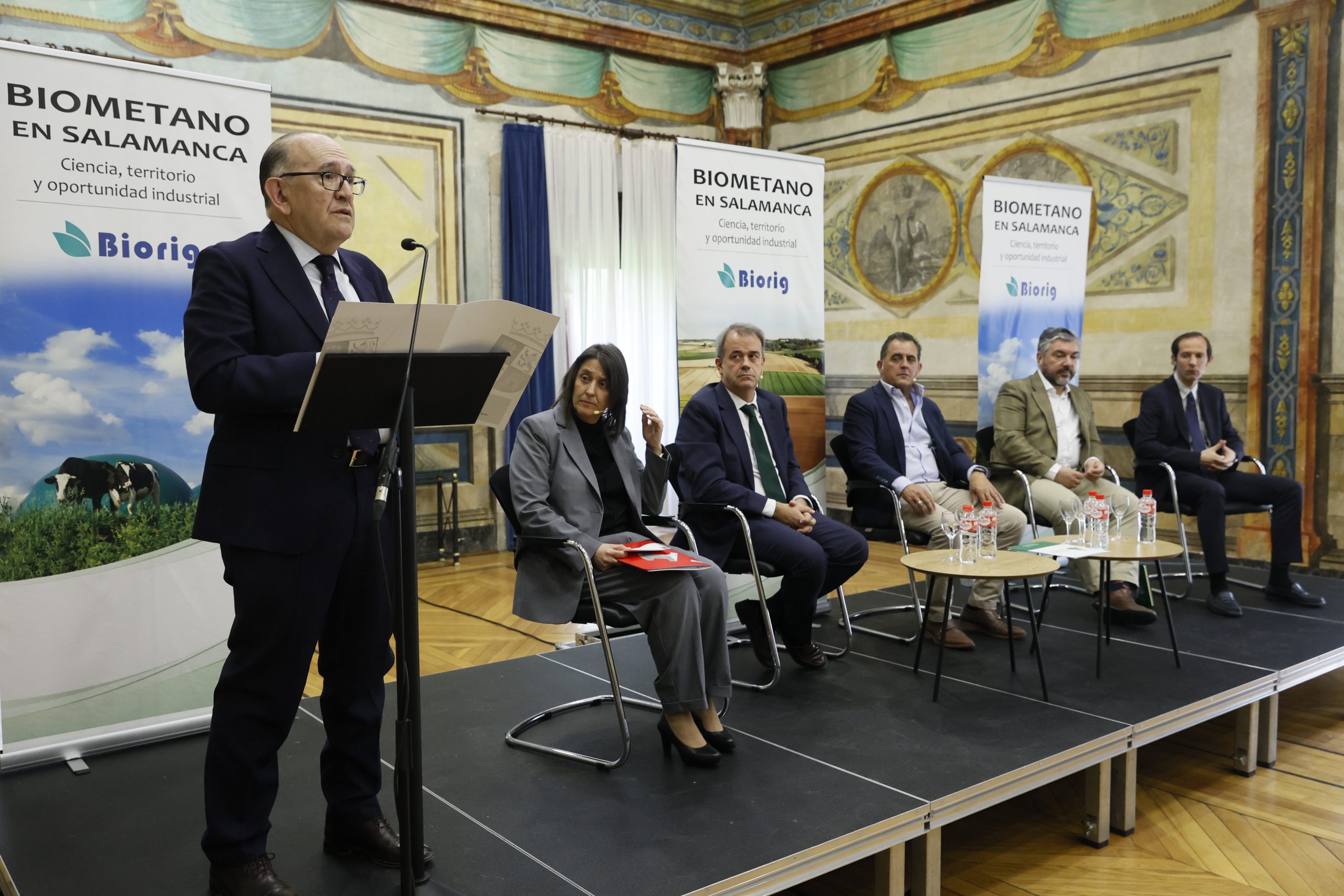
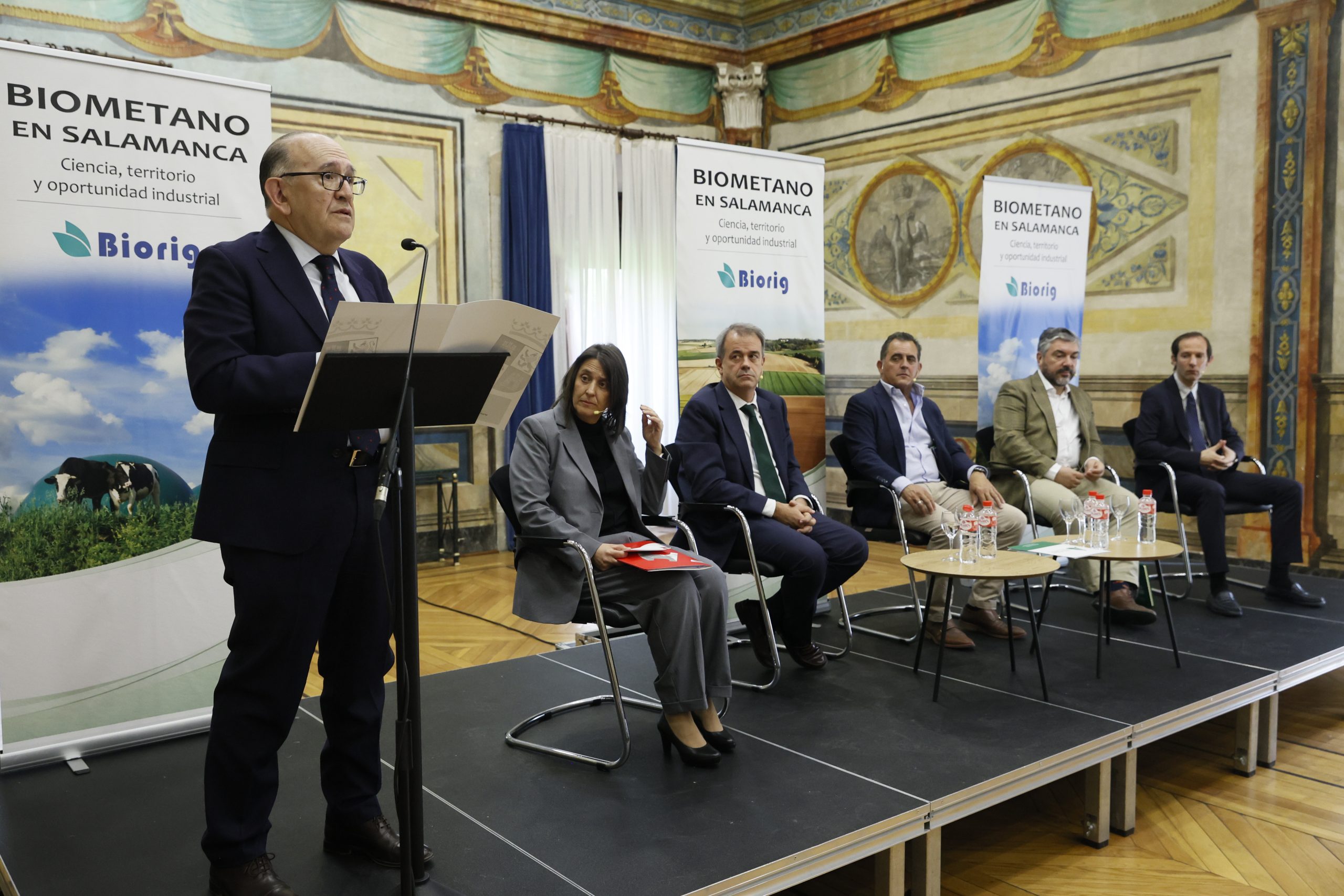
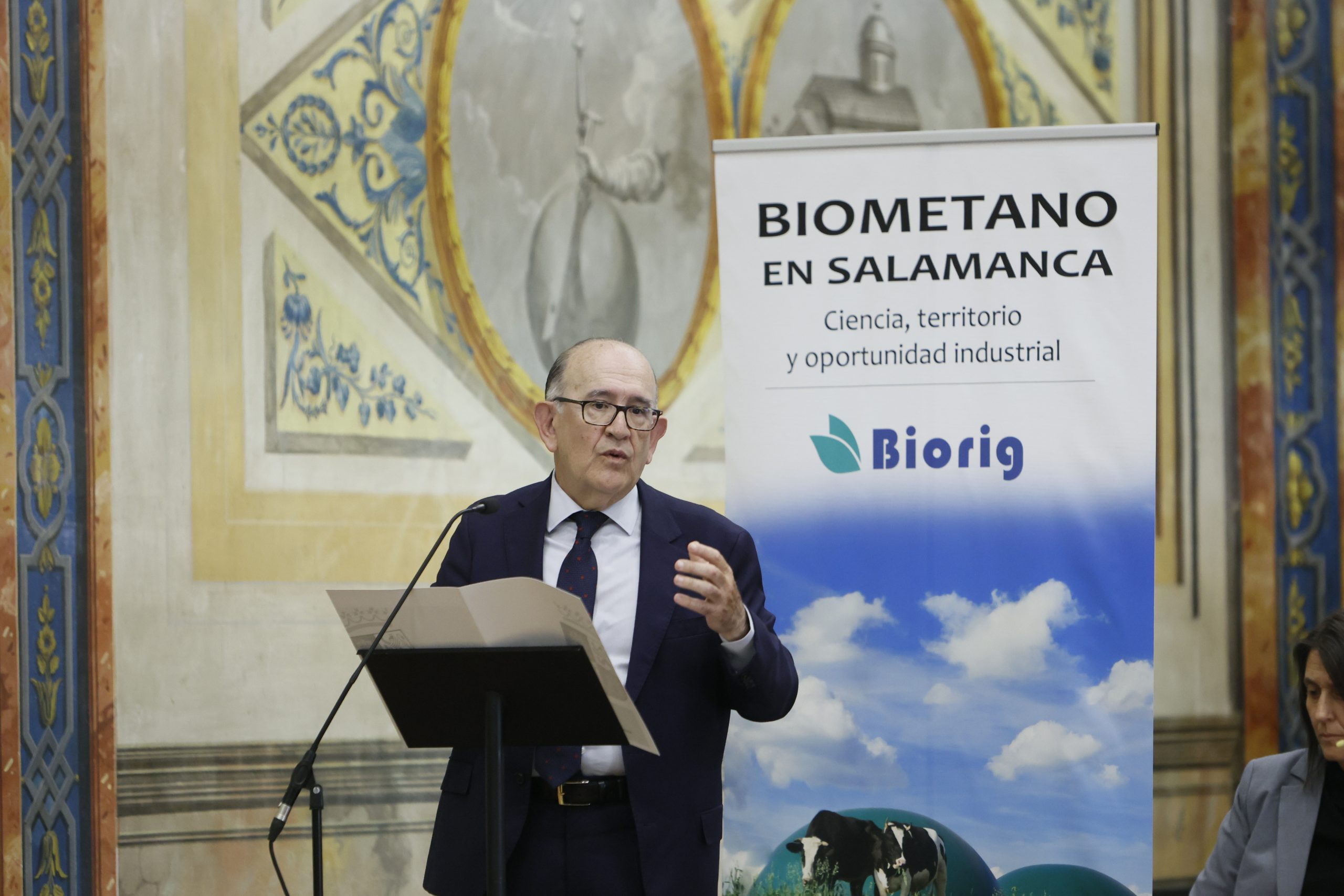
The event was opened by José Manuel Jiménez, Director General of Infrastructure and Environmental Sustainability for the Regional Government of Castile and León, who stated that biomethane plants are a sustainable solution for the 35 million tons of organic waste of all kinds produced by the region.
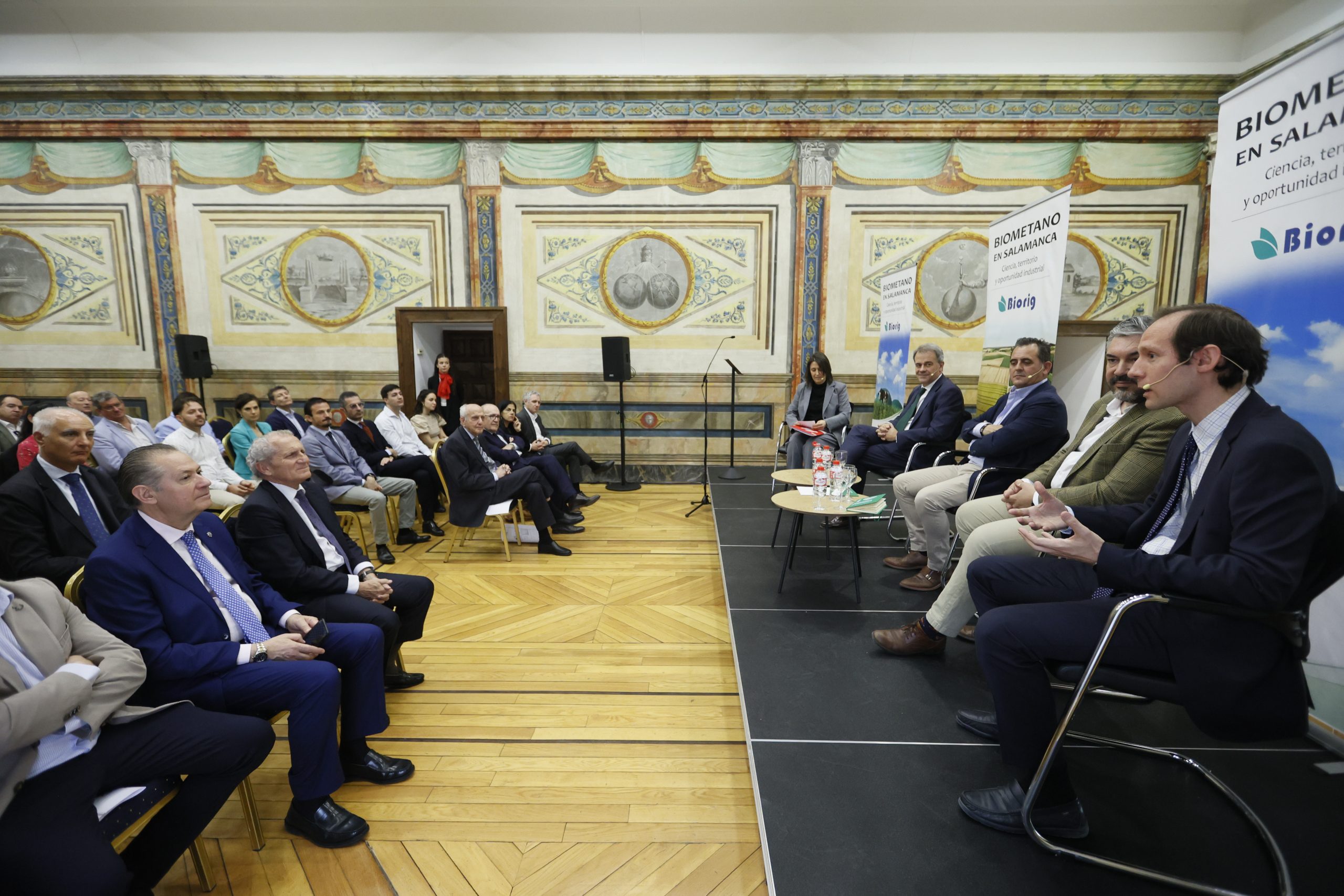
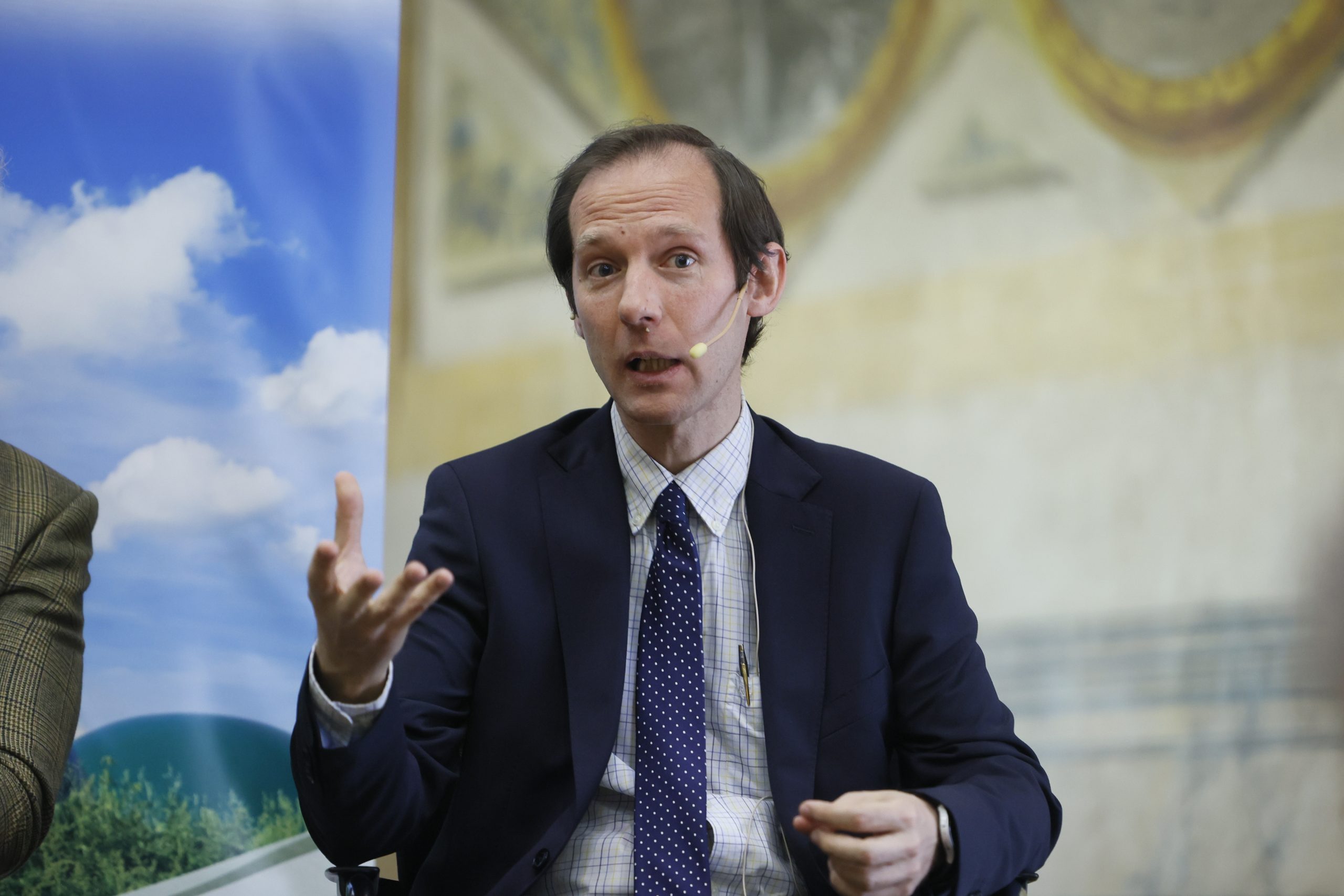
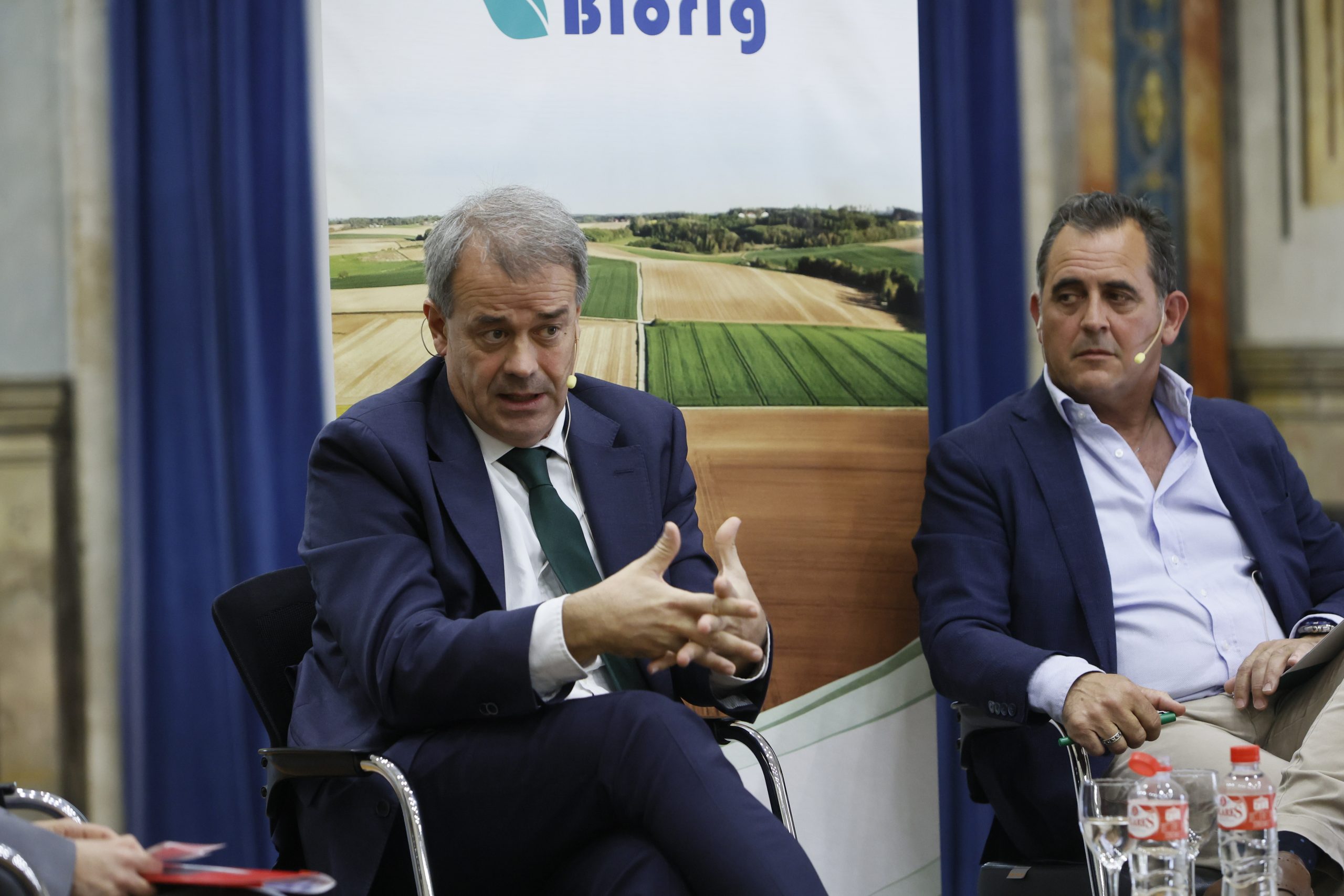
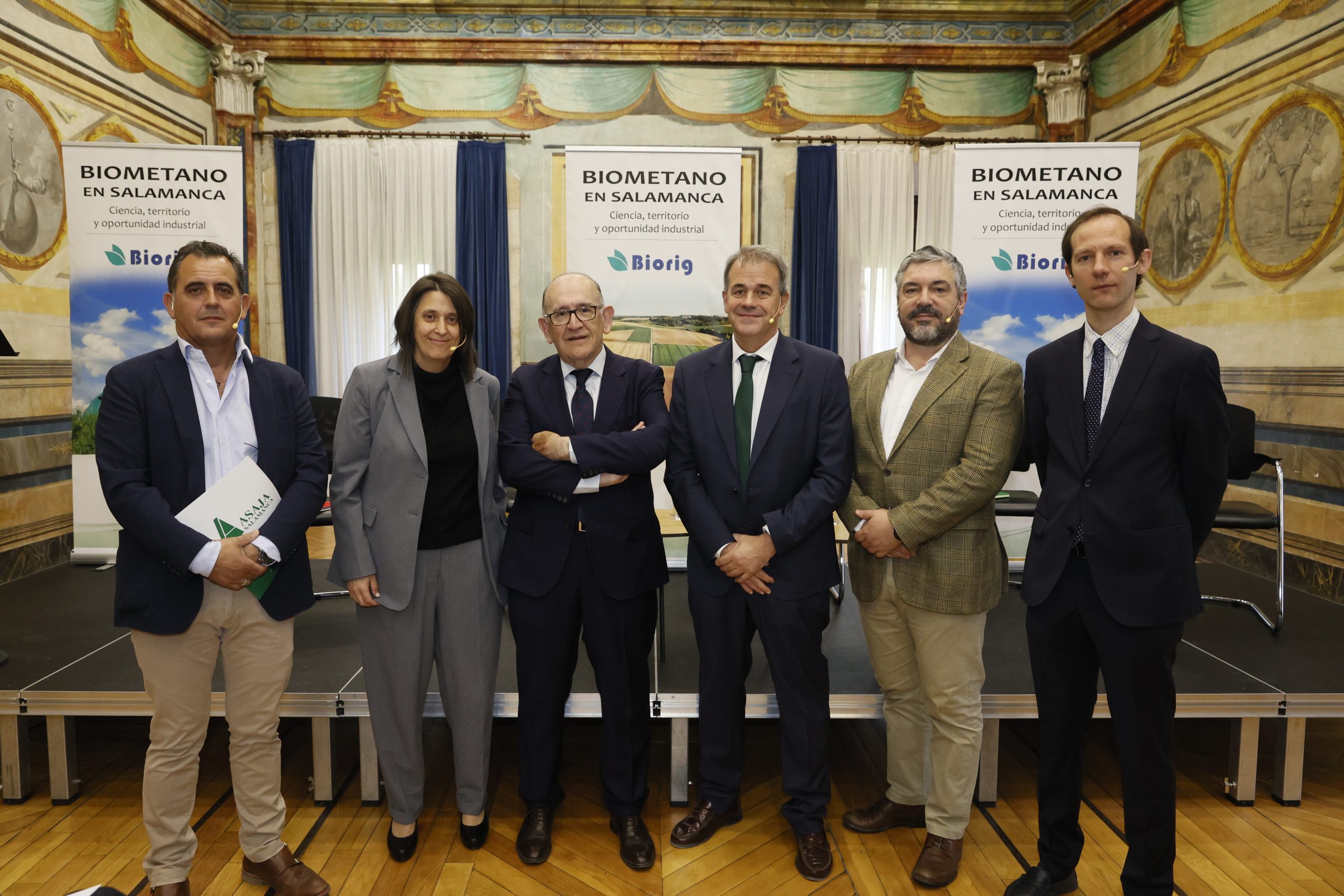
This was followed by a panel discussion moderated by Susana Magdaleno, editor-in-chief of La Gaceta, featuring representatives from the biomethane sector, the livestock industry, and academia. Participants included Manuel Alonso, CEO of Biorig; Juan Luis Delgado, president of ASAJA Salamanca; Mariano Martín, professor of Chemical Engineering at the University of Salamanca; and Pedro Palencia, director of Institutional Relations at Sedigas.
During the meeting, Biorig’s CEO, Manuel Alonso, emphasized that biomethane is an immediate solution to the community’s waste management challenges, noting that this raw material “already exists” and can be converted into renewable energy, organic fertilizers, and biogenic CO₂, without the need to increase livestock numbers or import waste.
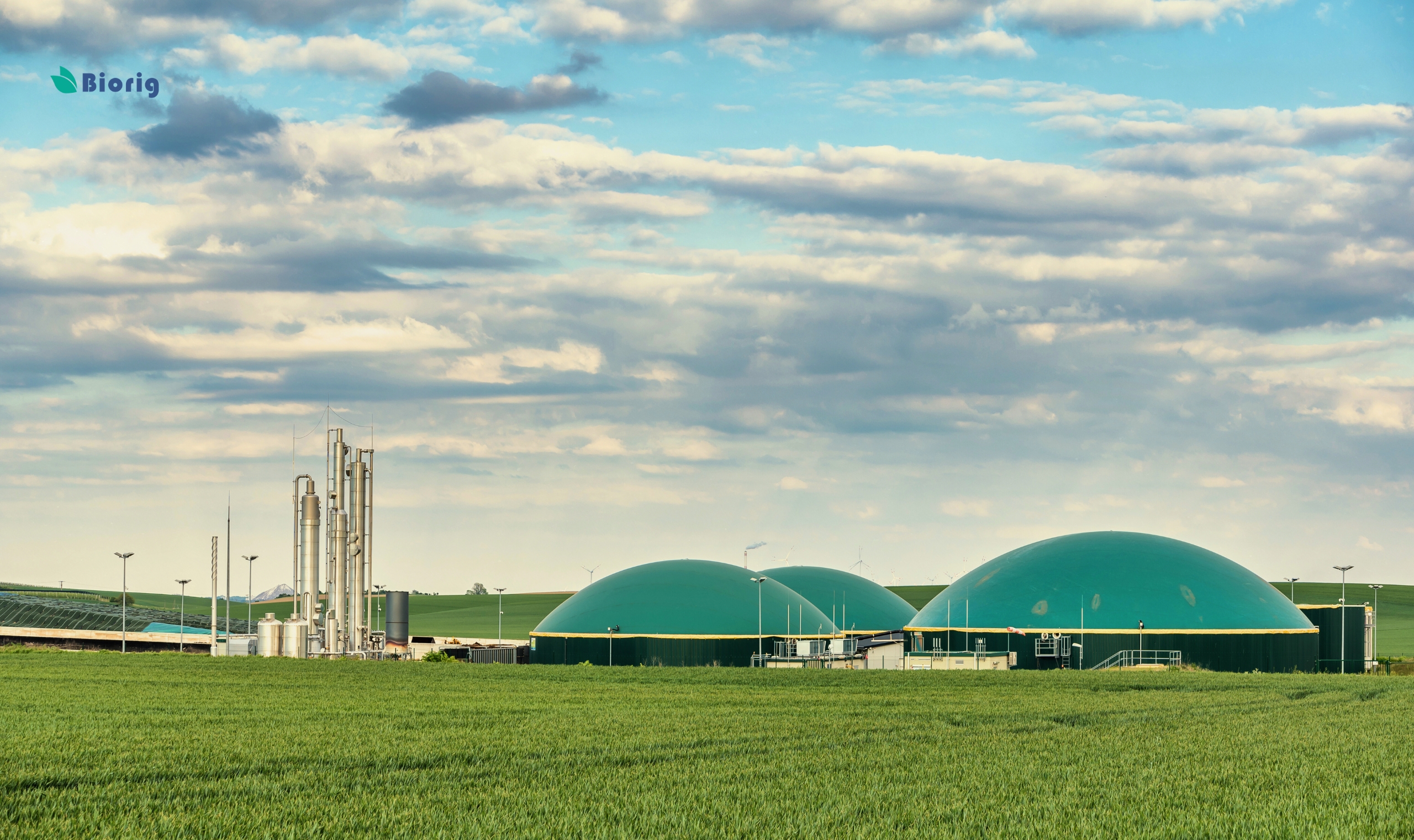
In this regard, Alonso noted that the region could achieve an annual biomethane production of around 35 TWh, which is equivalent to more than 250 facilities similar to those developed by Biorig in Castile and León.
An environmental and energy solution based on the circular economy
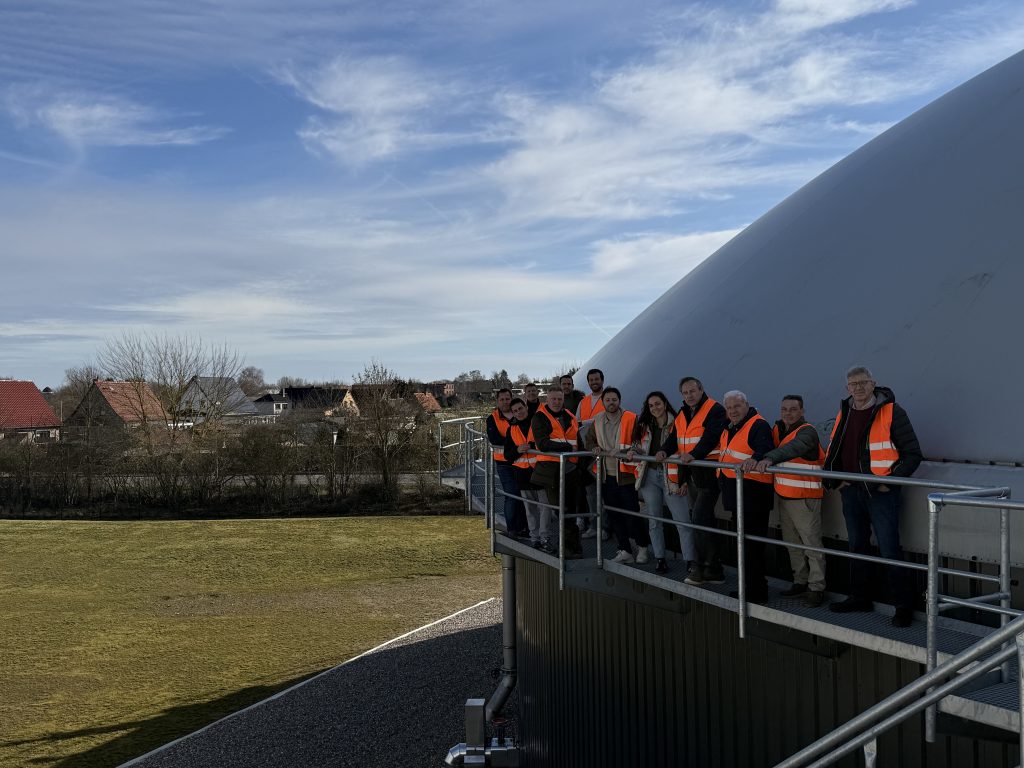
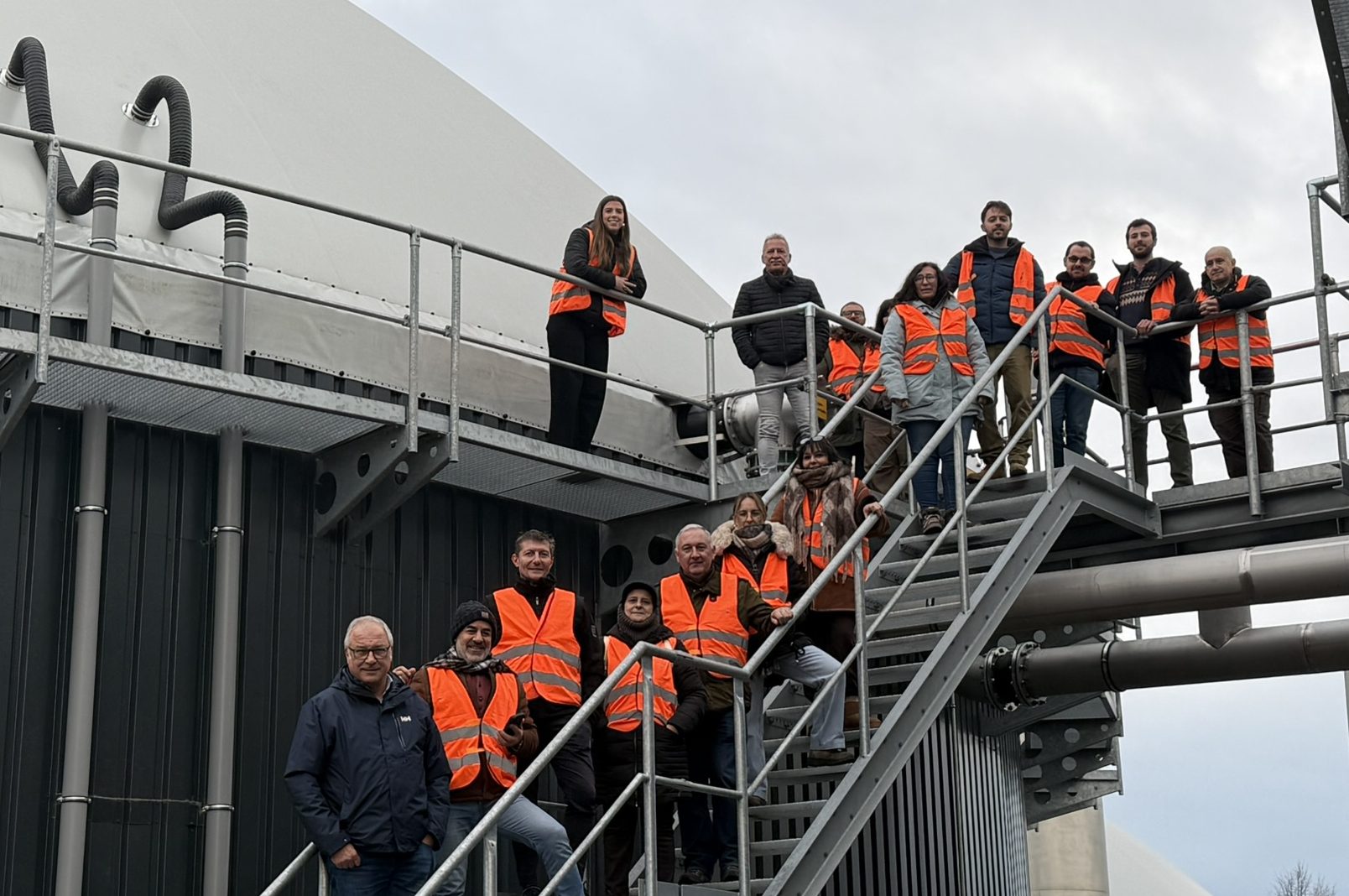
In addition, Biorig’s CEO addressed some of the main public concerns associated with these facilities, such as odors and the impact on the surrounding environment. In this regard, he emphasized the importance of transparency and firsthand knowledge: “The best thing is to go and see them for yourself.” Alonso described the company’s experience with projects like the one in Castellanos de Villiquera, where residents have been able to tour operational facilities and verify that they are equipped with advanced control systems that minimize any adverse effects.
For his part, Professor Mariano Martín also highlighted the technological maturity of biomethane and the need to step up public outreach: “The technology is working, but it is our responsibility to better explain its benefits.” Along the same lines, Pedro Palencia, speaking on behalf of Sedigas, emphasized that these are safe facilities, backed by decades of experience in European countries such as Germany, France, and Italy.
Technical rigour and environmental guarantees
Speaking on behalf of the primary sector, Juan Luis Delgado highlighted the opportunity that biomethane presents for livestock farms, provided it is developed in a balanced manner. In this regard, he emphasized that it can serve as an additional source of income and an efficient solution for waste management, helping to strengthen the sector’s sustainability.
Throughout the discussion, participants emphasized the need to continue making progress in education, regulation, and collaboration among government agencies, businesses, and the public to consolidate the development of biomethane in Castile and León. As the participants agreed, this sector combines positive environmental impact, industrial development, and opportunities for rural communities.
BIORIG, circular economy and energy sustainability
Biorigis Solarig’s biomethane production division. It was created with the aim of providing innovative solutions in the field of renewable gases, such as biomethane. Its activity is focused on the management of organic agro-livestock raw materials for their transformation into renewable gases and to promote the development of projects in the field of energy transition and circular economy.
Biorig is committed to a circular economy model based on the recovery and management of agricultural and livestock raw materials, commitment to the development of local communities, and the promotion of the production of renewable gases to accelerate the energy transition in the places where it operates.
Other news
La academia, el sector agrario y la Junta de Castilla y León avalan el desarrollo del biometano en Zamora

Mitos y realidades del biometano: olores, logística o empleo rural desde una instalación operativa