


An energy vector with more than 40 years of development on the continent

Madrid, 07-21-25. Biomethane is one of the key energy carriers for the complete decarbonization of the economy in the coming years, despite the fact that it is already an established technology with more than 40 years of development throughout Europe.
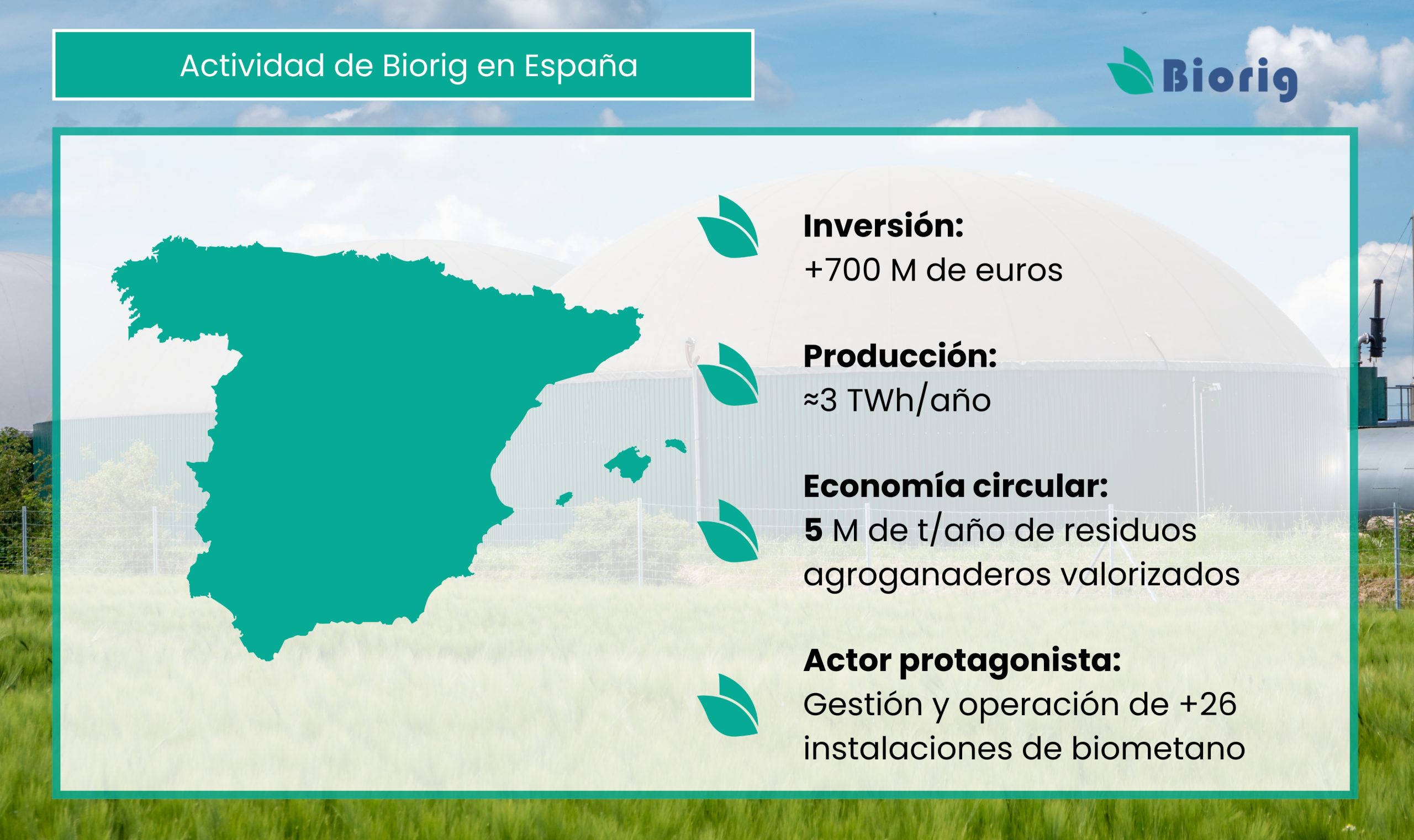
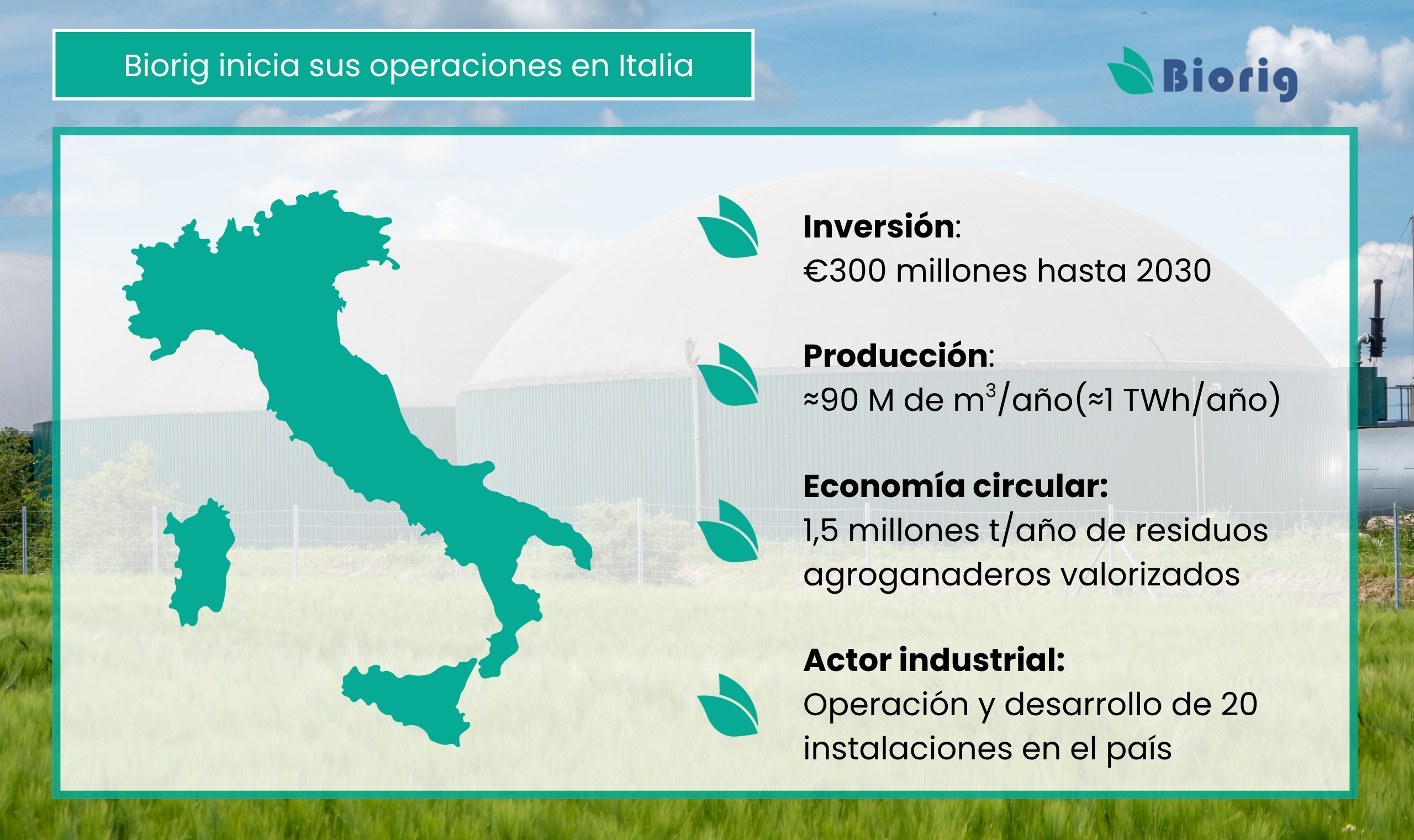
By the end of 2024, the continent had 1,678 facilities with the capacity to inject this renewable molecule into the gas grid, with countries such as France and Germany reaching 760 and 260, respectively. Despite this development, which, according to estimates by the European Biogas Association (EBA), will continue to maintain a significant momentum in the coming years, its development has been asymmetrical. Some countries, such as Spain, have lagged behind in the deployment of biomethane and only had 15 operational facilities at the end of last year, while others, such as Italy, have made great strides in the development of facilities and have added more than 120 installations in less than 7 years.
European countries are increasingly expanding their efforts to extend the share of biomethane in the energy mix. The European Commission has set a target of producing 35 billion cubic meters (bcm) of biomethane by 2030, the equivalent of 350 TWh; in other words, almost the equivalent of France’s annual natural gas consumption will have to be decarbonized in the EU over the next 5 years to meet the targets set.
 France and Germany are the countries with the most biomethane facilities in Europe, with 760 and 260 operating plants, respectively.