Circular economy

The circular economy of biomethane: from farm to field and without waste or smells.

Agro-livestock waste management, green energy generation and organic fertilization

How does biomethane contribute to the circular economy?

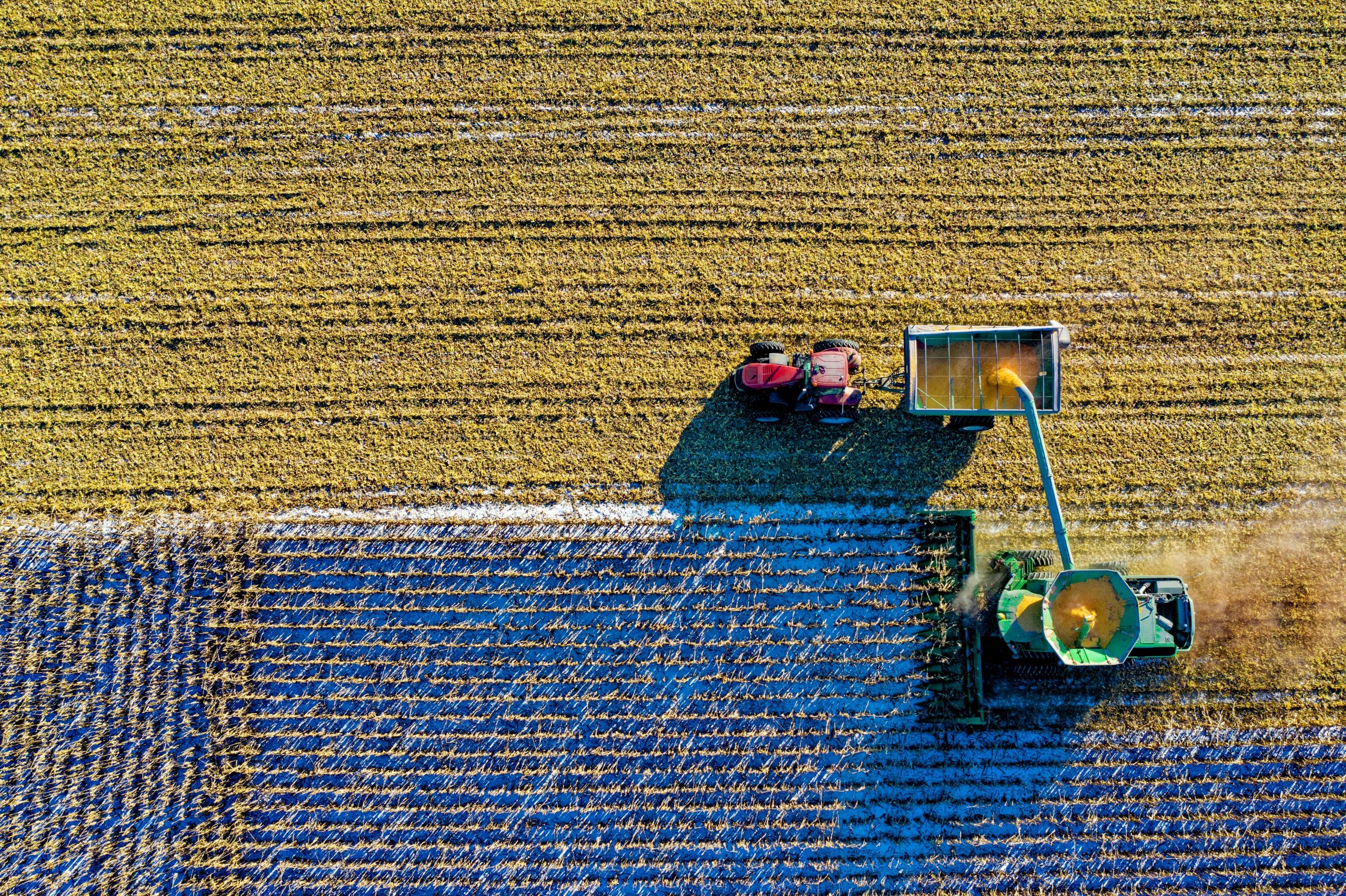
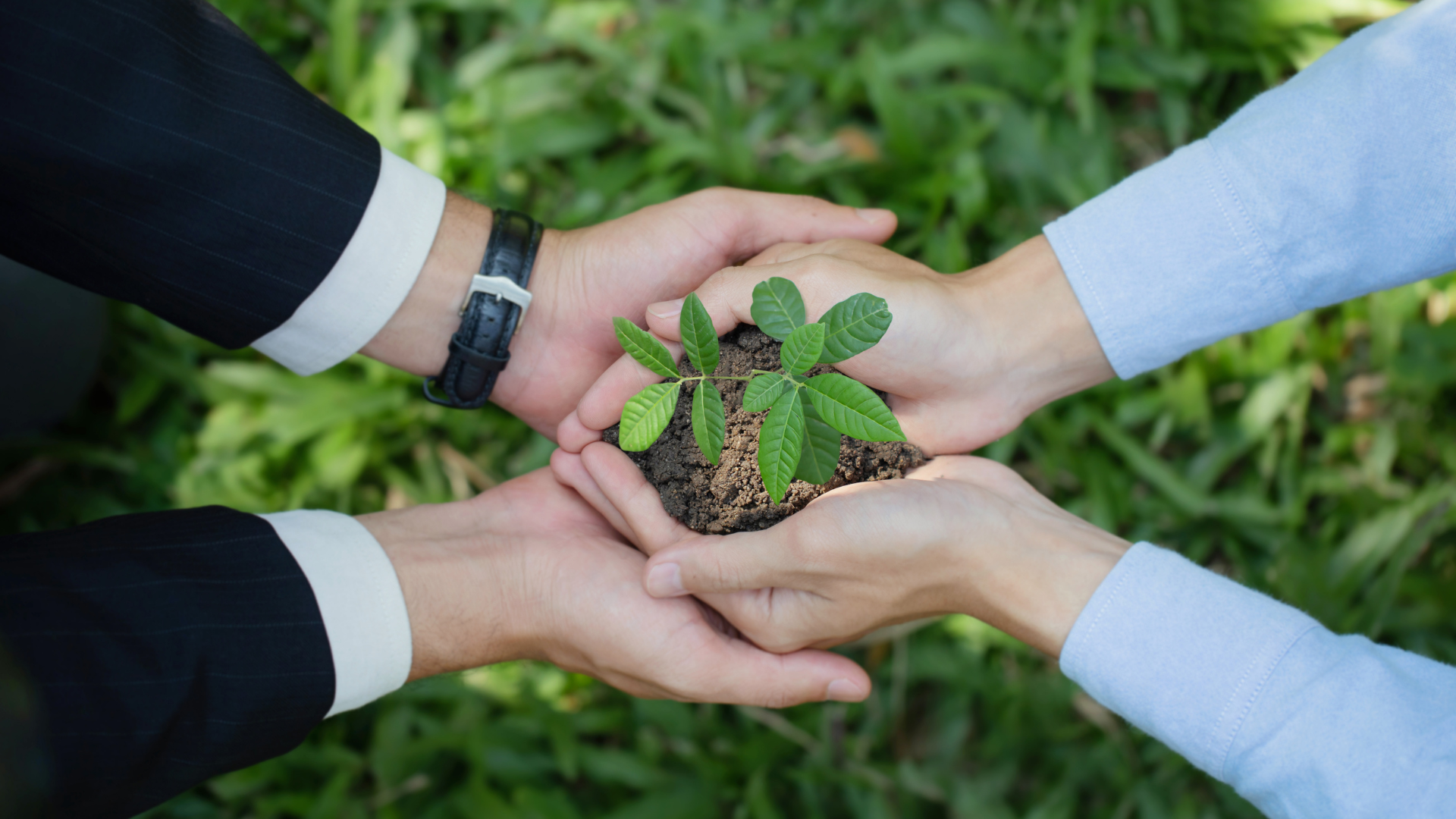
Biomethane is an outstanding example of the circular economy, as it enables the recovery of organic waste by transforming it into renewable energy and other high value-added products. This closed production cycle minimises environmental impact and maximises the efficient use of resources, as in addition to green gas, it generates an EU-certified organic fertiliser that is returned to crops.
Characteristics of the circular economy

Life-cycle extension of products
01 Life-cycle extension of products Through the reuse, repair, renovation and recovery of existing materials and products, the aim is to keep resources in use for as long as possible.
Waste reduction
02 Waste reduction By minimising the generation of waste, the pressure on the environment is reduced, contributing to the protection of ecosystems and biodiversity.
Greenhouse gas emission reductions
03 Greenhouse gas emission reductions Resource efficiency and waste reduction help to limit pollutant emissions, contributing to the fight against climate change.
Boosting sustainable economic growth
04 Boosting sustainable economic growth The circular economy promotes innovation, green job creation and the development of new business models, strengthening competitiveness and economic resilience.

Biomethane and circular economy

Biomethane production with a holistic approach that reflects Biorig’s commitment to environmental sustainability, transforming waste into valuable resources. 

Greenhouse gas reduction

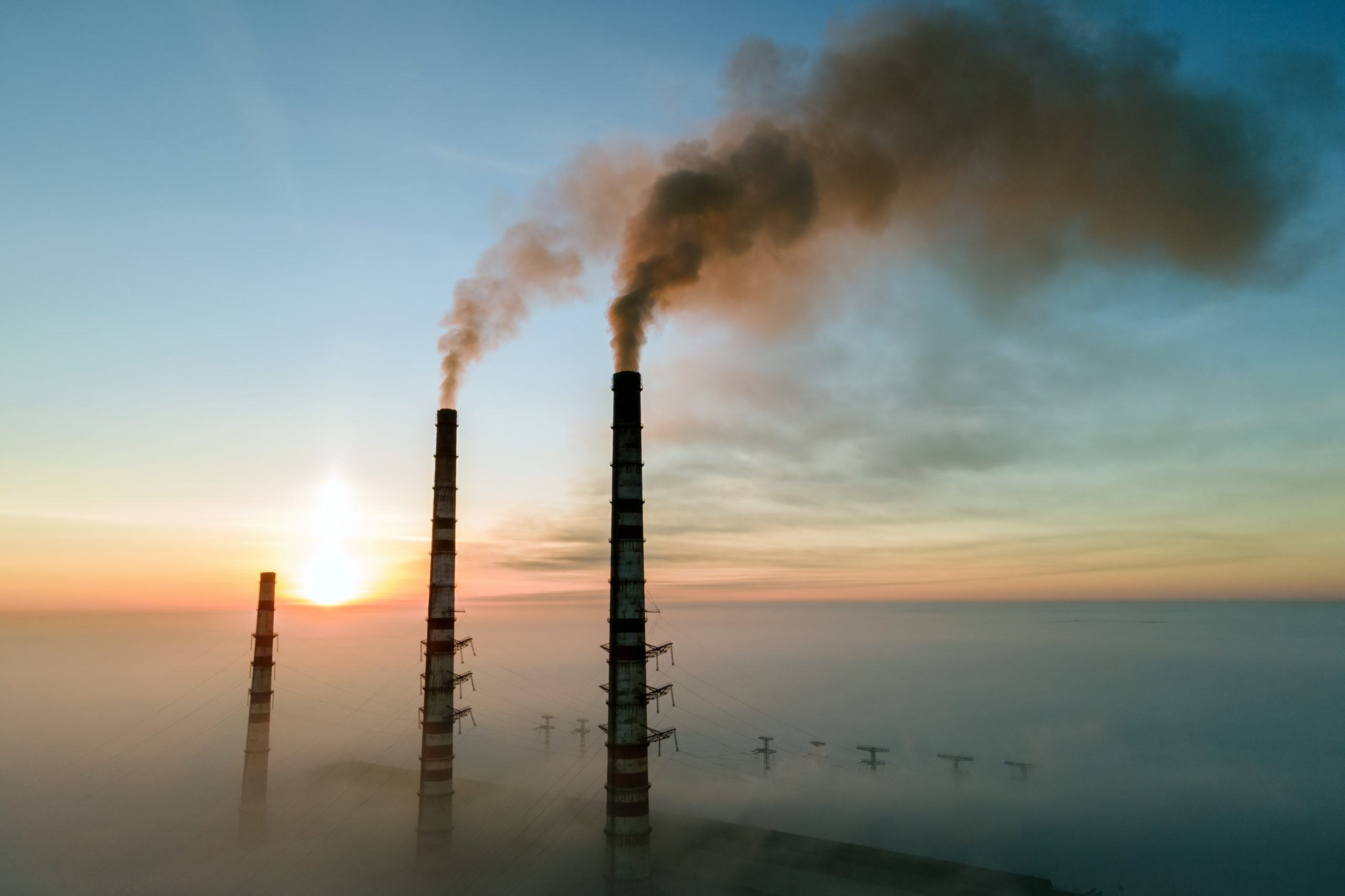
The production of biomethane from the anaerobic decomposition of organic matter helps to reduce greenhouse gas emissions by capturing methane that would otherwise be released into the atmosphere. 

Capture of biogenic CO₂

During the production process, biogenic CO₂, essential for the agri-food industry and the manufacture of green methanol and sustainable aviation fuels (SAF), is separated and captured. 

Organic fertiliser production

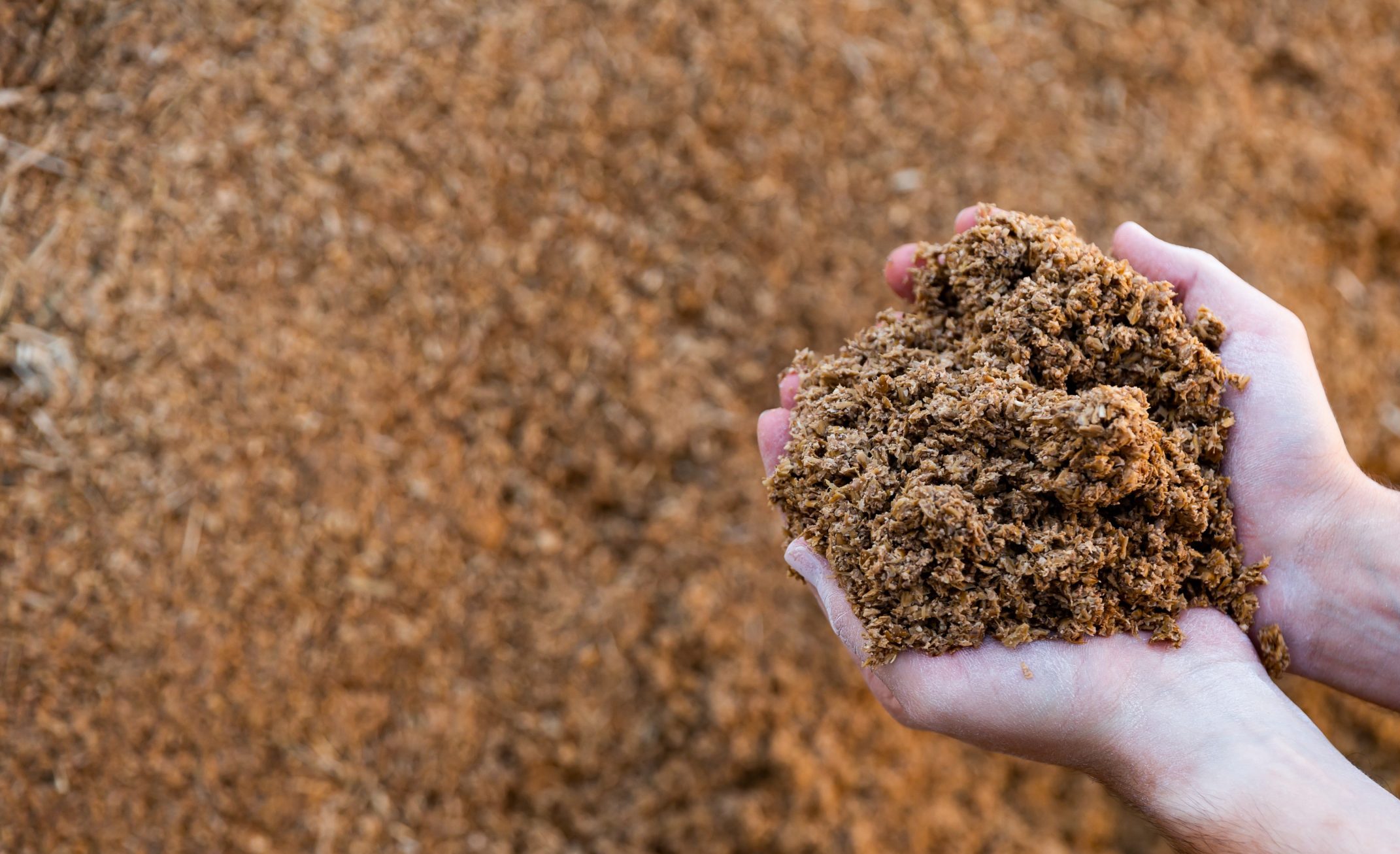
The digestate resulting from the anaerobic digestion process is sanitised and treated into high quality organic fertiliser, meeting the sustainable fertiliser requirements of EU Directive 2019/1009. 

Circular management without odours

 The plant has technical and technological measures to reduce emissions as much as possible, with hermetic logistics systems, olfactometry studies and systems for capturing and preventing gas leaks. 

Maximum safety in production

High safety standards and advanced technology guarantee process control 

Great distance from urban centres

Our facilities are located at a sufficient distance from urban centres to prevent any type of odour nuisance, even in the most adverse weather conditions. Furthermore, the routes are designed in such a way as to avoid travelling through urban centres whenever possible.

Odour prevention in logistics

Our model only processes slurry, straw and manure. In order to avoid odour emissions from these raw materials, we work with our own logistics system with sealed and sealed trucks for slurry and manure, which ensures that odours are contained. In addition, the routes are designed in such a way as to avoid driving through urban areas wherever possible. 

Watertight and enclosed storage

Once at the plant, the waste is deposited in areas that have been fitted out and isolated for its introduction into the production process. In the case of manure, it will be stored in closed spaces so that it can be used in the production of biomethane within a maximum period of four days, while slurry will be stored in sealed silos. 

Controlled decomposition controlada

In the anaerobic digestion process, renewable gases are obtained in a closed environment and purified to obtain biomethane by decomposing the waste. Thanks to this process, we prevent this agricultural and livestock waste from deteriorating in the open air, thus avoiding the proliferation of odours in the vicinity.    

Control and measurement systems

The facilities are equipped with the latest technology to monitor and detect any gas leakage to the outside. In addition, the plants meet the strictest environmental requirements, which ensure that the impact of the plant on the surrounding municipalities is minimal.

Contact

We are close to you

Do you want to contact us, propose a project, learn about our services? Find us at any of our offices, by e-mail or telephone.