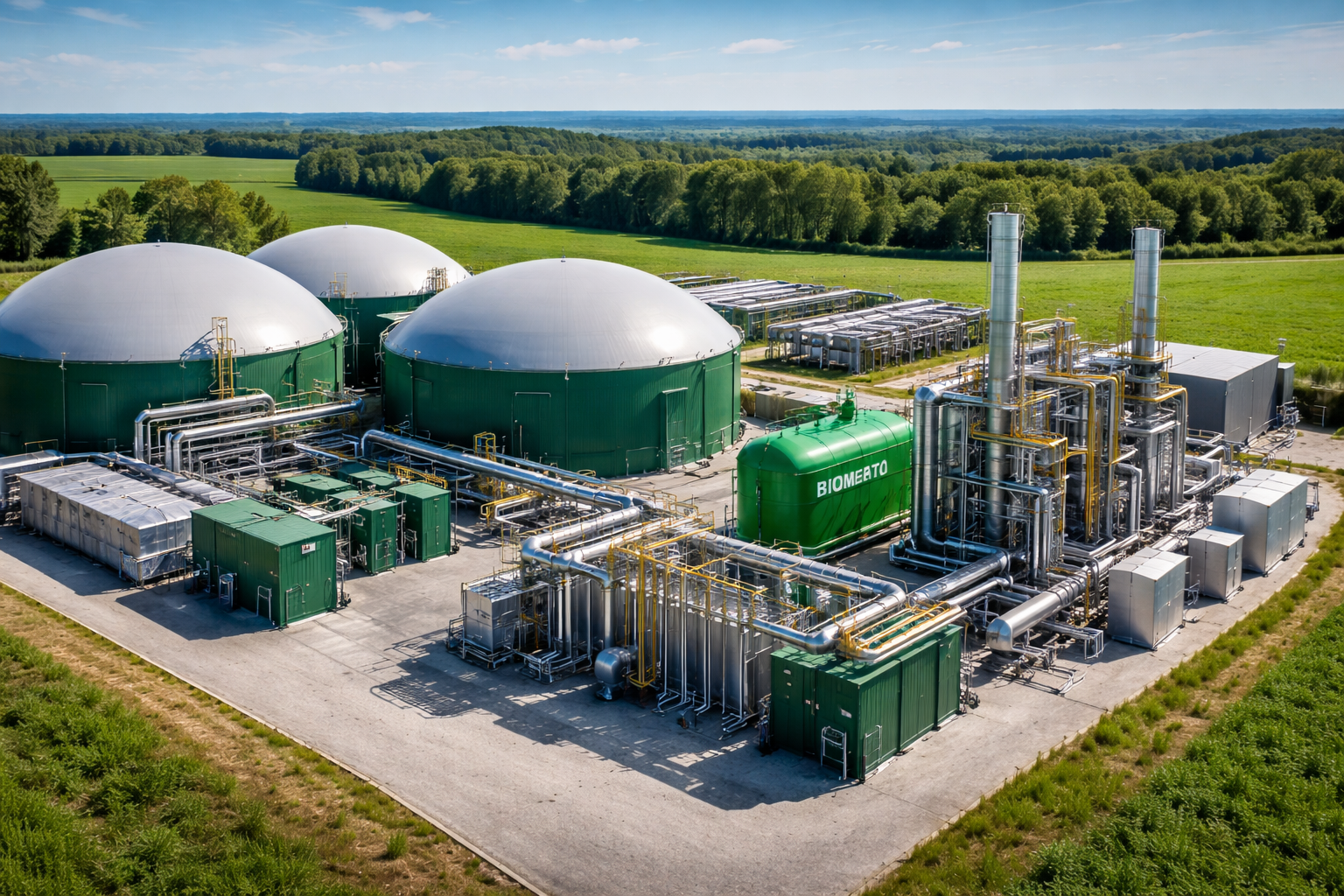
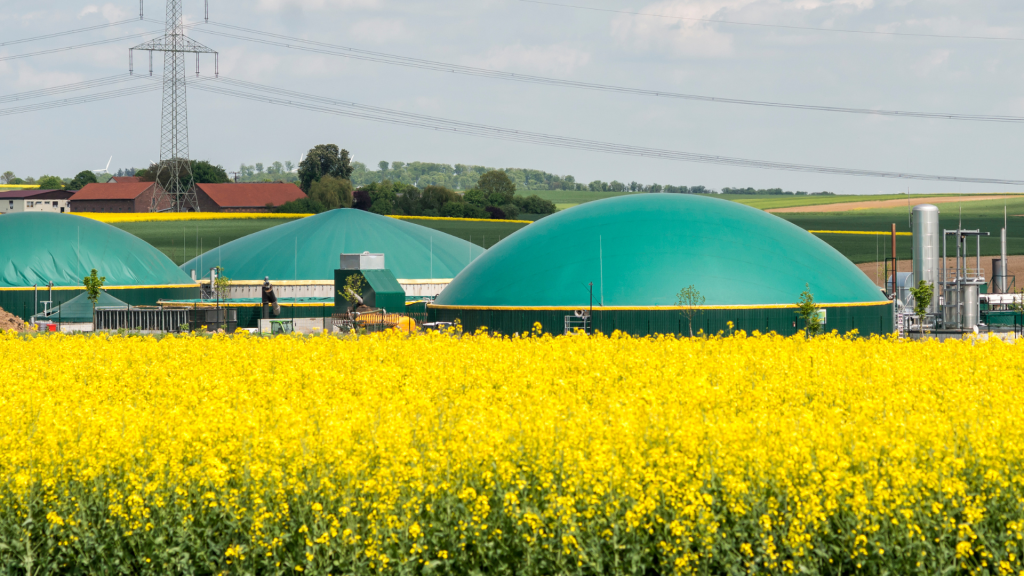
From methane to biomethane: a solution to an urgent climate challenge

Methane is responsible for one-third of current global warmin
Madrid, 28-01-26. Every 28 January, International CO₂ Emissions Reduction Day is celebrated. However, there is still one major omission from the climate debate: methane. This gas has a global warming potential more than 80 times greater than CO₂ in the short term and, according to the United Nations, is responsible for around a third of current global warming. Taking action on methane is not only necessary: it is the fastest and most effective way to slow global warming in this critical decade.

The latest report, An Eye on Methane 2025, published by the United Nations Environment Programme, clearly defines it: reducing methane emissions is the climate’s ‘emergency brake’. Unlike CO₂, which remains in the atmosphere for centuries, methane has a much shorter atmospheric lifetime. This means that reducing its emissions generates almost immediate climate benefits. The report also highlights that mature, available and low-cost solutions exist to achieve this, especially in sectors where emissions are diffuse and avoidable.

A structural problem affecting the countryside

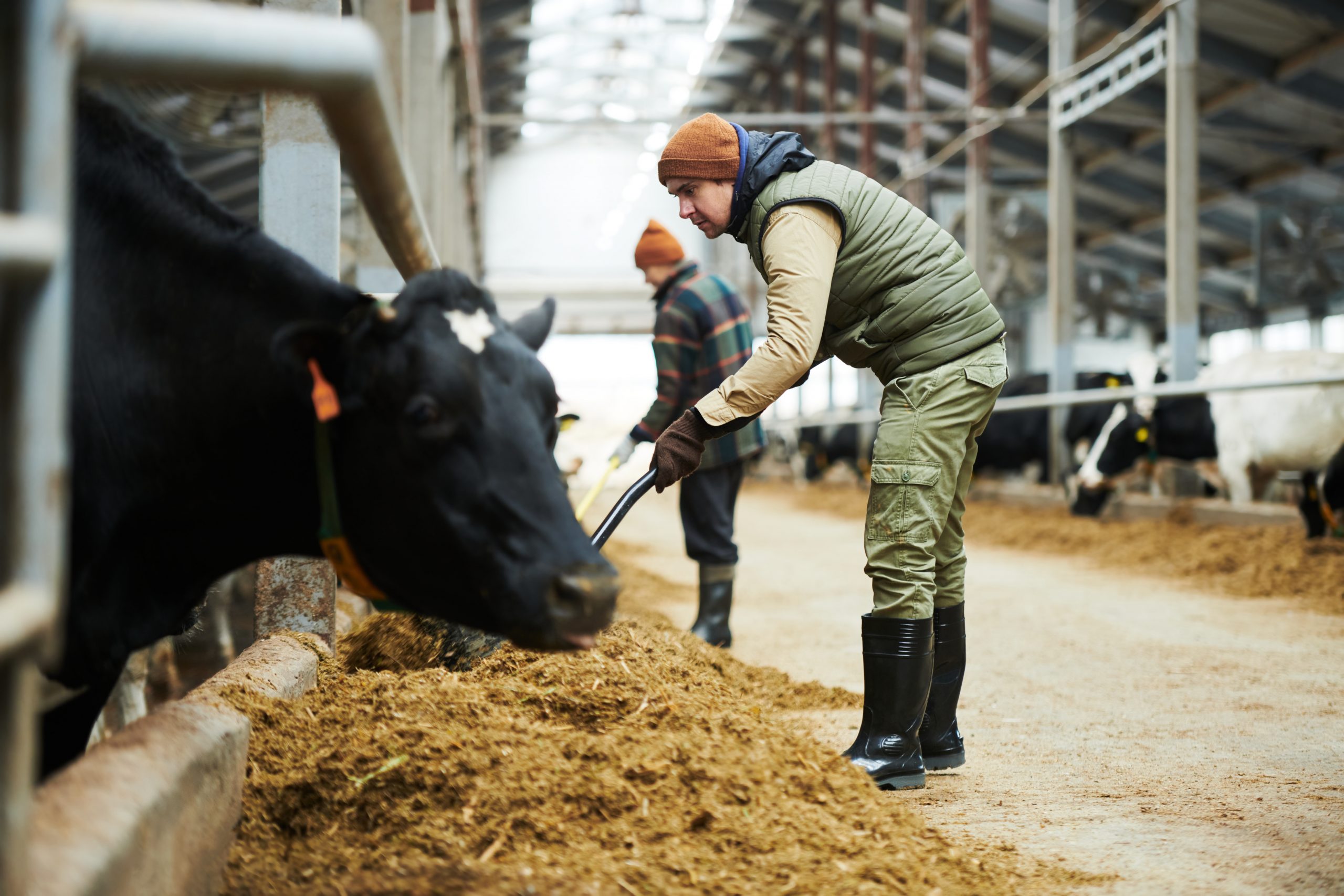
In this context, the agricultural and livestock sector is currently the main source of methane emissions both globally and in Spain, where there are nearly 270 million head of cattle. According to the latest data from the National Statistics Institute (INE), in 2024 the sector was the leading source of methane emissions, with 904,558.7 tonnes of methane released into the atmosphere. A large part of these emissions come from the uncontrolled decomposition of slurry, manure and other organic waste, which constantly release methane without any energy recovery and with a direct impact on the climate.

Direct emissions of methane into the atmosphere are 80 times more harmful than CO2

Farmers and livestock breeders operate under increasingly stringent regulations and with limited resources, making this a structural and systemic challenge for all societies. Every year, millions of tonnes of agricultural and livestock waste are generated, which must be managed in a context of greater environmental, regulatory and social pressure. Addressing this challenge requires collective, technologically mature and environmentally effective solutions.

From diffuse emission to energy resource

From a climate perspective, methane emissions associated with traditional waste management are a cause for alarm. From an energy perspective, they represent a key opportunity. The methane that is currently emitted unchecked is, in fact, renewable energy that is being lost.

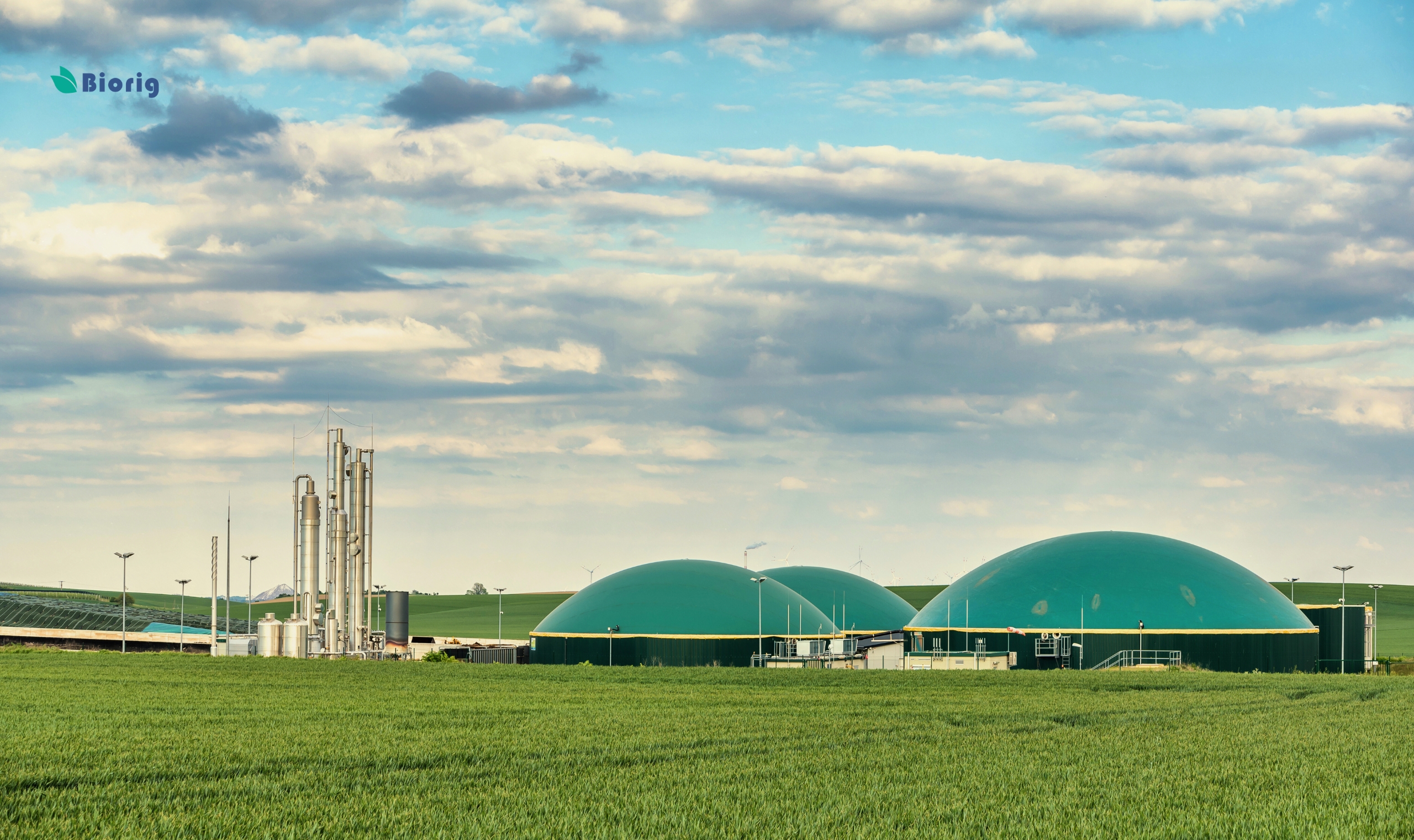
This is where anaerobic digestion and biomethane establish themselves as an immediate and proven solution. Anaerobic digestion is a technology that has been developed in Europe for decades, based on a controlled biological process, in the absence of oxygen, which transforms organic waste into biogas — composed mainly of methane — and into a stabilised digested material.

Applied to slurry, manure and agricultural waste, this technology captures methane before it is emitted into the atmosphere, significantly reducing emissions associated with its management, minimising odours and transforming problematic waste into two key resources: renewable energy and organic fertiliser.

The Biorig model: immediate, local and circular management

At Biorig, we tackle this challenge from an integrated, local industrial perspective. We exclusively manage agricultural and livestock waste (slurry, manure and straw), avoiding prolonged storage and diffuse methane emissions. The captured biogas—with an approximate composition of 55% methane—is transformed into biomethane, a locally produced renewable gas that is injected into the network and made available to households and industries.

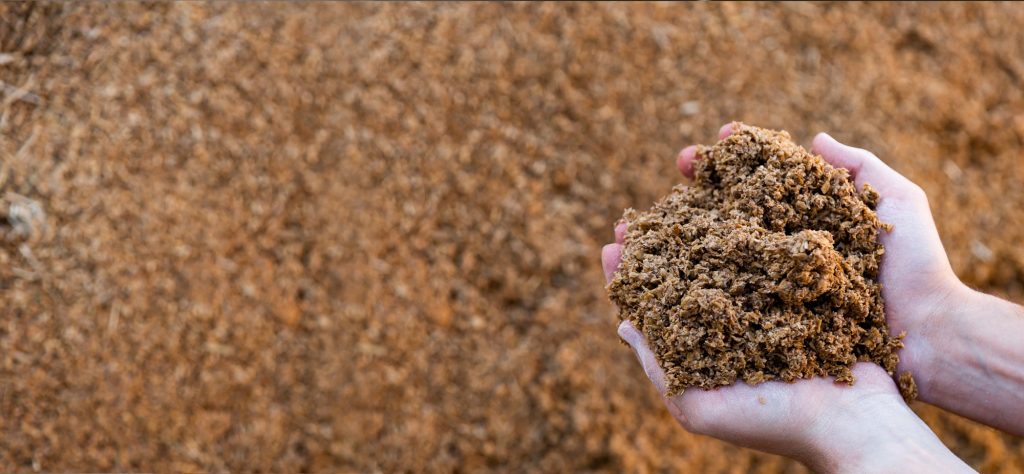
But the process does not end there. The resulting digestate undergoes additional treatments that allow it to be transformed into certified organic fertilisers in accordance with Regulation (EU) 2019/1009. These products are returned to the field with traceability, known composition and regulatory compliance, facilitating more orderly nutrient management and contributing to compliance with regulations on sustainable soil nutrition.

This closes the nutrient cycle, improves soil fertility, reduces emissions associated with the manufacture of conventional fertilisers and returns value to the land. It is an approach that is fully aligned with the principles of the circular economy and sustainable intensification.

A strategic part of the energy transition

Beyond waste management, biomethane plays a strategic role in the energy transition. It is a renewable, storable and manageable energy source, compatible with existing gas infrastructure and particularly relevant for decarbonising applications that are difficult to electrify, such as certain industrial processes and heavy transport.

Curbing methane emissions, optimising waste management in the primary sector and generating value in rural areas is not a promise for the future. It is a reality available today.

With mature technology, dialogue with the region and a stable regulatory framework that provides certainty, Spain has the opportunity to turn one of its main environmental challenges into a lever for sustainability, quality employment and rural development. Taking action on methane means taking action on climate change. And doing so now makes all the difference.

Contact

We are close to you

Do you want to contact us, propose a project, learn about our services? You can reach us at any of our offices, by e-mail or telephone.

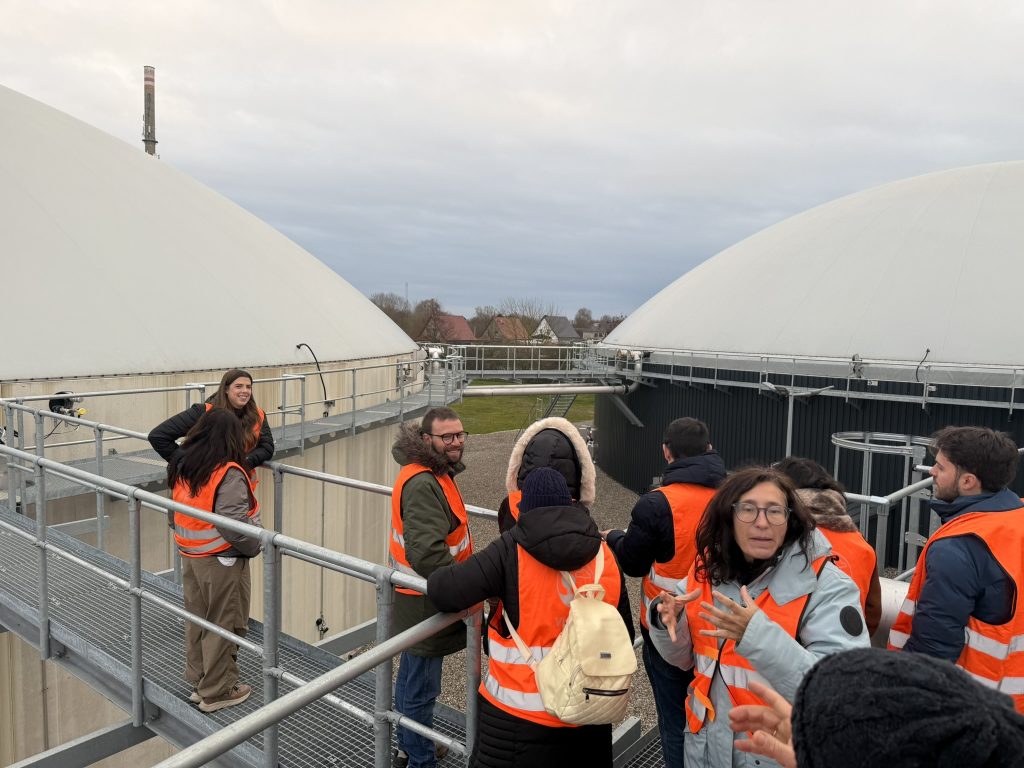
Biorig visits biomethane plants in Germany with residents from Zamora and Navarra located just 100 metres from homes

First-hand insight into the Güstrow and Friedland facilities in northeastern Germany

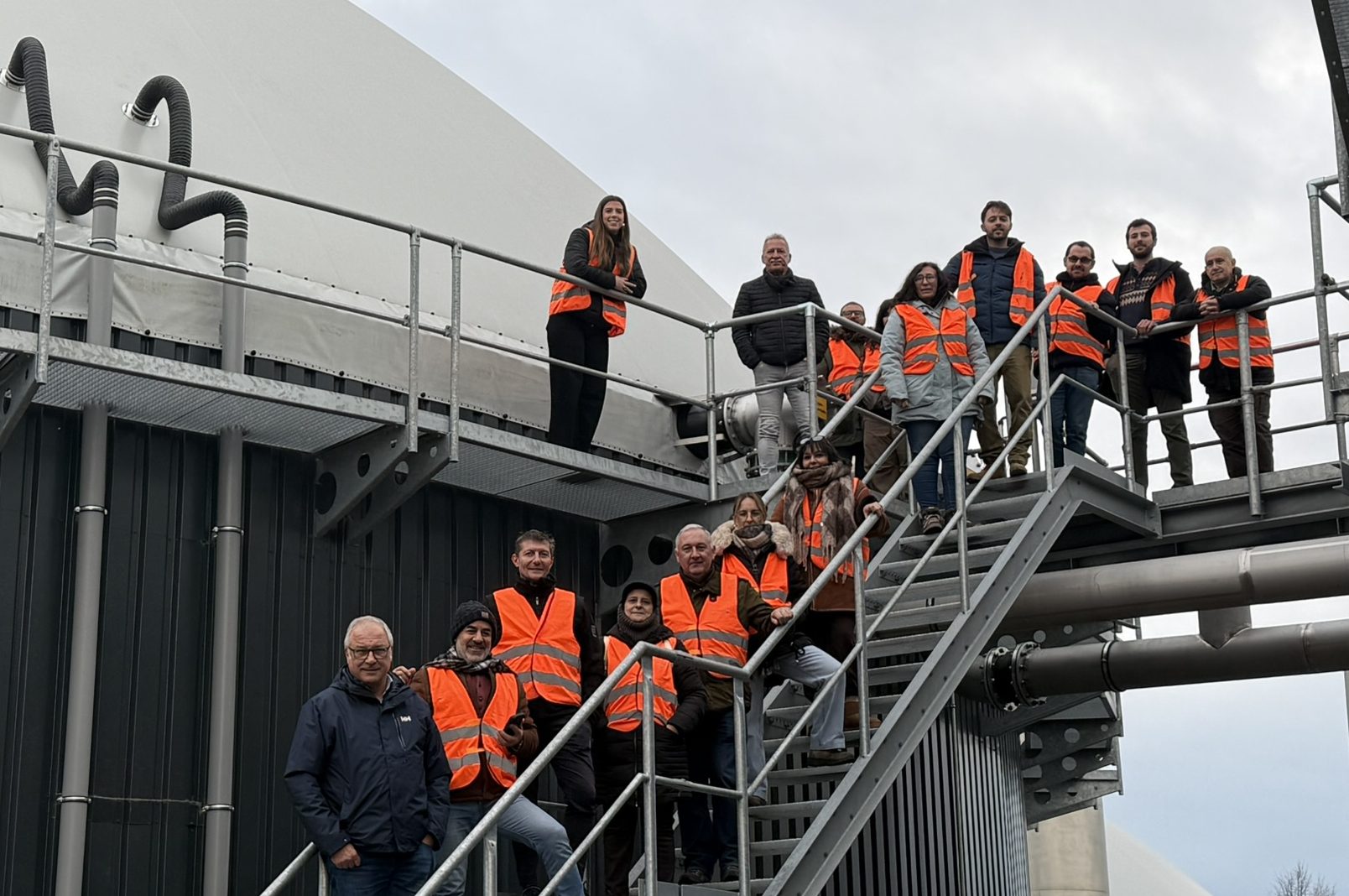
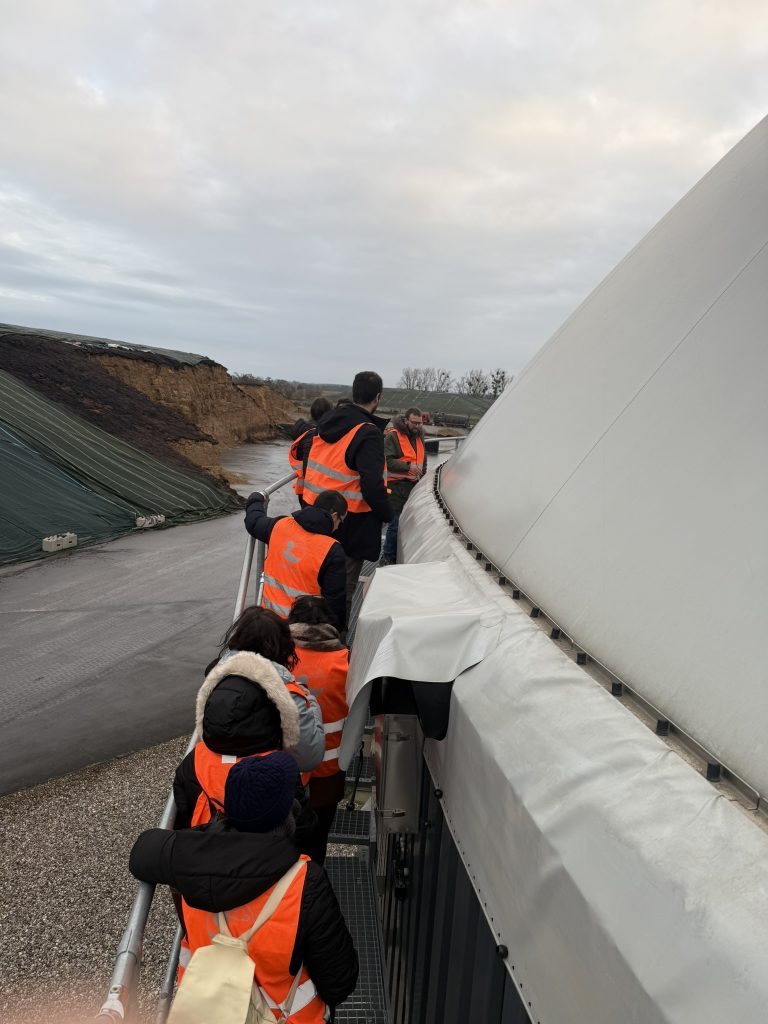
Madrid, 21-01-26. Understanding a technology on paper can never replace seeing it in operation. With this premise in mind, Biorig organised a visit to Germany together with residents and municipal representatives from Zamora and Navarra, with the aim of showing on the ground how some of the most advanced biogas and biomethane plants in Europe operate, how they are integrated into their surroundings and what real impact they have on rural development. The trip made it possible to verify first-hand that these facilities not only coexist with local populations, but also form an active part of a fully consolidated circular economy model.

Germany is one of Europe’s leading countries in the deployment of biogas and biomethane, with more than 11,000 biogas plants in operation and over 260 biomethane production facilities. This journey began decades ago and has positioned these infrastructures today as key components of the energy, agricultural and territorial system. In this context, the Spanish delegation visited two emblematic facilities: Güstrow and Friedland, both owned by EnviTec Biogas, recognised for their scale, technology and social integration.

The first stop was Güstrow, in the northeast of the country, one of the largest biomethane plants in Europe. Located less than one kilometre from the urban centre, this facility processes around 290,000 tonnes per year of agricultural and livestock waste — exclusively manure, poultry litter and maize silage — and produces approximately 289 GWh of renewable energy annually. This amount would be sufficient to supply more than 100,000 households, three times the population of the municipality of Güstrow itself.

The plant stands out for its technological diversification. In addition to injecting biomethane into the gas grid, it produces bio-LNG for heavy transport, electricity and heat, as well as up to 18,000 tonnes per year of liquefied biogenic CO₂ of food-grade quality, destined for industrial sectors such as food and chemicals. All of this takes place within a perfectly organised complex, with differentiated circuits, environmental control and an operational design aimed at minimising any impact on the surrounding area.

One of the aspects that attracted the most attention during the visit was the management of digestate, the organic fertiliser resulting from the process. This by-product, hygienised, stabilised and odourless, is stored outdoors without causing any nuisance and is subsequently spread over approximately 40,000 hectares of nearby farmland. More than 50 local farmers take part in this circular model, supplying manure and receiving in return a fertiliser with higher agronomic quality and easier assimilation by crops.

Travel to Germany with Envitec

Friedland: renewable energy just metres from homes

Biomethane housing Germany

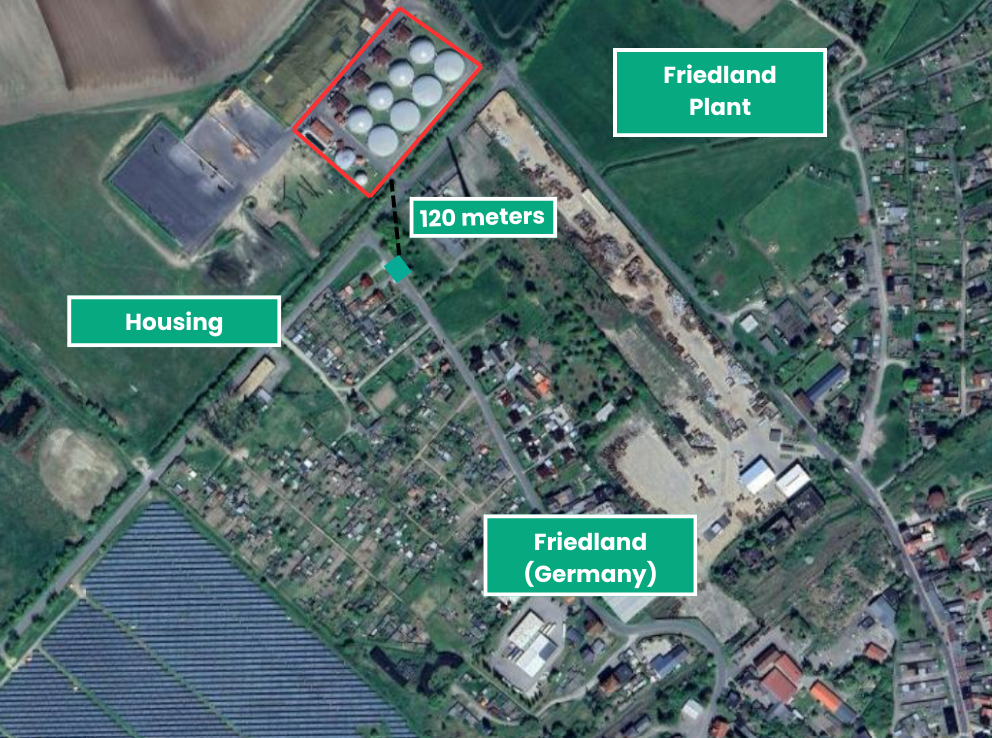
The visit continued in Friedland, a biogas plant that clearly illustrates the coexistence between this type of facility and the urban environment. In this case, the nearest homes are located just 100 metres from the plant. Far from generating opposition, the facility has been operating since 2007 without any significant incidents, supplying the town through a district heating network that uses renewable gas to provide heat directly to households.

Friedland processes around 145,000 tonnes of manure and slurry annually, a particularly relevant feedstock in the Spanish context. The poultry litter storage building was one of the key points of the visit: fully enclosed and equipped with a powerful biofilter that renews the air every half hour, it allowed visitors to remain inside without perceiving any odour.

This experience was especially revealing for municipal representatives. Pedro González, Mayor of Vezdemarbán (Zamora), summed it up as follows: “I came without prejudice to see the plant, mainly to check what smells there were and what impact it might have. I was very surprised to see that houses are right next to the plant. We are inside the facility and there is absolutely no smell at all; we are just a few metres from the poultry litter storage and there is no odour — everything is properly prepared.”

Mature and standardised technology

Both facilities provide a clear understanding of the biomethane production process. It begins with the collection of agricultural and livestock waste and its introduction into closed digesters, where anaerobic digestion takes place under controlled conditions, generally mesophilic, at around 40°C. This process, in addition to producing biogas, significantly reduces odour emissions thanks to the degradation of sulphur compounds.

“We are inside the plant and there is absolutely no smell at all.”

The resulting biogas then undergoes a purification or upgrading process, removing CO₂ and impurities to obtain biomethane with natural gas quality. In projects such as those developed by Biorig in Spain, this process is complemented by a thermal treatment of the feedstock, which guarantees full sanitisation of the materials and enables the valorisation of digestate as a fertiliser in accordance with European Regulation 2019/1009.

The feedstocks used in Güstrow and Friedland — manure, poultry litter, slurry and maize silage — are similar to those planned for Biorig’s projects in Spain. At no point are sewage sludge, municipal waste or oils used, further reinforcing the integration of these plants into the local agri-livestock ecosystem.

Perceptions change with experience

For Itziar Malón, Mayor of Rada (Navarra), the visit was conclusive: “These are very well organised plants, everything is very clean and orderly, each raw material has its own space. We came here to see what technology is used in Germany (…) the plant has been operating since 2007 with zero problems, so I feel reassured.”
Her testimony reflects how direct knowledge and transparency help to dismantle fears and misconceptions.

During the tour, participants were able to confirm that odours are restricted exclusively to very specific waste-handling areas and never extend outside the facilities. They also observed the landscape integration of the plants, their normalisation within the territory and their role as local industries generating skilled employment.

Knowledge and transparency as the basis for development

The visit to Germany forms part of Biorig’s strategy to promote knowledge and transparency among its different stakeholders. Showing real, consolidated and fully operational examples helps to contextualise the projects the company is developing in Spain and to explain, with data and proven experience, how these facilities work.

In regions such as Castilla y León, where Biorig is promoting a development plan for ten biomethane plants, these types of informative initiatives are key to explaining the role of this infrastructure in decarbonisation, the efficient management of agricultural and livestock waste and the strengthening of the primary sector. Germany demonstrates that biomethane is not a future promise, but an industrial reality compatible with everyday life, rural development and long-term sustainability.

Contact

We are close to you

Do you want to contact us, propose a project, learn about our services? You can reach us at any of our offices, by e-mail or telephone.
Anaerobic digestion of livestock waste: soil improvement and biomethane

Antonio Morán Palao, Professor of Chemical, Environmental and Bioprocess Engineering. I4 Institute. University of León

The process reduces organic matter content, odours, and pollution potential.

Experience shows that anaerobic digestion is safe, even in rural areas.

Madrid, 14 January 2026. Biomethane is one of the key energy vectors for achieving the full decarbonisation of the economy in the coming years, despite being a well-established technology with more than 40 years of development across Europe.

Anaerobic digestion (AD) is a biological process that takes place in the absence of oxygen, in which microbial communities break down organic matter and produce biogas (mainly CH₄ and CO₂) and digestate (solid and liquid fractions). The process is carried out in closed reactors (digesters), which are fed with previously homogenised waste and, where necessary, diluted. Under controlled operating conditions — such as temperature, mixing and other parameters — organic matter is progressively degraded through successive stages until the two final products (biogas and digestate) are generated.

A plant does not generate odours or significant nuisance when it is properly designed and operated.

In agri-livestock systems, and from a waste management perspective, the objective of the process is to reduce organic matter content, odours, pathogen loads and pollution potential, transforming raw waste into a more stable and manageable by-product. In addition, it provides further benefits, such as reducing fugitive methane emissions associated with storage, and enabling the production of biogas that can be used to generate heat, electricity and fuels [1]. Digestate is managed as a valorisable material, typically through agricultural application or subsequent composting, depending on its quality and compliance with applicable waste and fertiliser regulations.

Fundamentals and synergies of co-digestion

Co-digestion, which consists of mixing manure/slurry with agri-food waste (plant residues, dairy by-products, fats, etc.), improves the C/N balance and process stability and increases the amount of methane obtained compared to mono-digestion with manure [2]. Many studies confirm the potential of co-digestion of livestock waste with other agricultural or food industry waste, showing significant increases in biogas production yield under controlled proportions [2], [3].

At the microbiological level, optimising operating parameters (such as temperature, organic loading rate, hydraulic retention time, etc.) helps maintain robust methanogenic communities and mitigates potential inhibitions (for example, ammonia inhibition) [4].

Safe treatment with no local impact. Digestate: organic fertiliser for soil improvement.

One of the most relevant aspects is that anaerobic digestion (AD) plants do not generate odours or significant nuisance when they are properly designed and operated. This is achieved through closed systems for waste reception and digestion, preventing the release of gases; in some cases, air treatment in loading areas can be implemented using biofilters; and through controlled management of the digestate, which is discharged in a stabilised state and without active fermentation. These measures allow the facility to coexist with agricultural activities and nearby populations without health risks or negative impacts. Experience across Europe (including Spain) demonstrates that anaerobic digestion is a well-established and safe practice, even in densely populated rural areas.

There are measures that allow facilities to coexist with agricultural activities and nearby populations without health risks or negative impacts.

The product of anaerobic digestion (digestate) is a nutrient-rich material (N, P, K) containing stabilised organic matter that improves soil structure, water retention and biological activity. Its application helps reduce the use of mineral fertilisers and close nutrient cycles. The European regulatory framework (the Nitrates Directive and the Fertilising Products Regulation – FPR) sets quality requirements, contaminant limits and application practices, enabling the harmonised marketing of digestates as CE-marked products when the relevant conditions are met [5], [6].

From biogas to biomethane: upgrading technologies

Raw biogas contains CO₂, water vapour, and in some cases small amounts of H₂S, as well as trace compounds that limit its direct use; upgrading removes these components to achieve biomethane qualities comparable to natural gas. Commercial technologies include water scrubbing, chemical scrubbing with amines, pressure swing adsorption (PSA) and membrane systems, as well as cryogenic options and biological pathways (hydrogen-based methanation) [10].

For grid injection or use in transport, Europe applies EN 16723-1, which defines quality specifications (for example, limits for CO₂, H₂S, siloxanes and oxygen) and testing methods at the gas network entry point. These standards—also adopted in Spain as UNE-EN 16723-1:2017—ensure safety and compatibility with existing infrastructure [11].

Strategic role of biomethane in the future

Biomethane can play a strategic role in the energy transition as a complement to electrification, particularly in decarbonising uses that are difficult to electrify (medium- and high-temperature industrial heat, certain district heating networks and part of the transport sector). As it is interchangeable with natural gas, it enables the use of existing infrastructure: it can be injected into gas networks and used in boilers, industry and cogeneration with limited modifications.

In addition, biomethane supports the circular economy, transforming manure/slurry, sewage sludge, the organic fraction of waste and agri-industrial by-products into energy, while reducing emissions associated with their management—provided that leakages and the supply chain are properly controlled. It also strengthens energy security, as it is a local and storable resource, particularly relevant in the current context of fully imported natural gas. At EU level, the target is 35 bcm per year by 2030 [12], with 1,678 plants operating by mid-2025, while in Spain the objective is to increase production from ≥10 TWh to 20 TWh by 2030.

Antonio Morán Palao is a Professor of Chemical, Environmental and Bioprocess Engineering at the University of León.

References:

  1. U.S. Environmental Protection Agency (EPA). How Does Anaerobic Digestion Work? (AgSTAR) [Internet]. Last updated: 15 Dec 2025 [cited 22 Dec 2025]. Available from: https://www.epa.gov/agstar/how-does-anaerobic-digestion-work
  2. Frankowski J, Czekała W. Agricultural Plant Residues as Potential Co-Substrates for Biogas Production. Energies. 2023;16(11):4396. doi:10.3390/en16114396. Available from: https://www.mdpi.com/1996-1073/16/11/4396
  3. Sharmin S, Meeroff DE, Ferdinand L, Bloetscher F, Lashaki MJ. Assessing the Effects of Anaerobic Co-Digestion with FOG and Food Waste Residuals on Biogas Production. Journal of Environmental Protection. 2025;16:148–179. doi:10.4236/jep.2025.162008. Available from: https://doi.org/10.4236/jep.2025.162008
  4. Ahlberg-Eliasson K, Westerholm M, Isaksson S, Schnürer A. Anaerobic Digestion of Animal Manure and Influence of Organic Loading Rate and Temperature on Process Performance, Microbiology, and Methane Emission From Digestates. Frontiers in Energy Research. 2021;9:740314. doi:10.3389/fenrg.2021.740314. Available from: https://www.frontiersin.org/journals/energy-research/articles/10.3389/fenrg.2021.740314/full
  5. European Union. Council Directive 91/676/EEC of 12 December 1991 concerning the protection of waters against pollution caused by nitrates from agricultural sources (Nitrates Directive) [Internet]. Available from: https://eur-lex.europa.eu/eli/dir/1991/676/oj/eng
  6. European Compost Network (ECN). Fertilising Products Regulation [Internet]. [cited 22 Dec 2025]. Available from: https://www.compostnetwork.info/policy/from-waste/fertilising-products-regulation/
  7. Decorte M, Papa G, Pasteris M, Sever L, Gaffuri C, Cancian G, et al. Exploring digestate’s contribution to healthy soils. Brussels: European Biogas Association; 2024. Available from: https://www.europeanbiogas.eu/wp-content/uploads/2024/03/Exploring-digestate-contribution-to-health…
  8. Francisco López AF, Lago Rodríguez T, Faraji Abdolmaleki S, Galera Martínez M, Bello Bugallo PM. From Biogas to Biomethane: An In-Depth Review of Upgrading Technologies That Enhance Sustainability and Reduce Greenhouse Gas Emissions. Applied Sciences. 2024;14(6):2342. doi:10.3390/app14062342. Available from: https://www.mdpi.com/2076-3417/14/6/2342
  9. Pesta G, Hansemann E, Bochmann G, Drosg B, Gabauer W. Implementation of anaerobic digestion facilities in the food and beverage industry. IEA Bioenergy Task 37; 2025. Available from: https://www.ieabioenergy.com/wp-content/uploads/2025/03/IEA-Bioenergy-Task-37-Food-and-Beverage_202…
  10. Swinbourn A, et al. Advanced biomethane production: A techno-economic and life-cycle assessment. ChemSusChem. 2024;17:e202400779. doi:10.1002/cssc.202400779. Available from: https://doi.org/10.1002/cssc.202400779
  11. Asociación Española de Normalización (UNE). UNE-EN 16723-1:2017. Gas natural y biometano… Parte 1: Especificaciones para la inyección de biometano en la red de gas natural. Available from: https://www.une.org/encuentra-tu-norma/busca-tu-norma/norma?c=N0058455
  12. European Commission. (2022, May 18). Key documents: REPowerEU. European Commission. Available from: https://commission.europa.eu/publications/key-documents-repowereu_en
Contact

We are close to you

Do you want to contact us, propose a project, learn about our services? You can reach us at any of our offices, by e-mail or telephone.