An energy vector with more than 40 years of development on the continent

Madrid, 07-21-25. Biomethane is one of the key energy carriers for the complete decarbonization of the economy in the coming years, despite the fact that it is already an established technology with more than 40 years of development throughout Europe.
By the end of 2024, the continent had 1,678 facilities with the capacity to inject this renewable molecule into the gas grid, with countries such as France and Germany reaching 760 and 260, respectively. Despite this development, which, according to estimates by the European Biogas Association (EBA), will continue to maintain a significant momentum in the coming years, its development has been asymmetrical. Some countries, such as Spain, have lagged behind in the deployment of biomethane and only had 15 operational facilities at the end of last year, while others, such as Italy, have made great strides in the development of facilities and have added more than 120 installations in less than 7 years.
European countries are increasingly expanding their efforts to extend the share of biomethane in the energy mix. The European Commission has set a target of producing 35 billion cubic meters (bcm) of biomethane by 2030, the equivalent of 350 TWh; in other words, almost the equivalent of France’s annual natural gas consumption will have to be decarbonized in the EU over the next 5 years to meet the targets set.
Biomethane development success stories
Anaerobic digestion, the process of degrading organic matter in the absence of oxygen to obtain gases, has been well known for millennia. However, it is only relatively recently that it has begun to be used on a commercial scale.
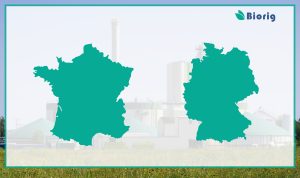 France and Germany are the countries with the most biomethane facilities in Europe, with 760 and 260 operating plants, respectively.
France
France clearly leads the development of biomethane in Europe in terms of the number of plants: it has more than 760 operational installations in 2025, compared with 675 in 2024 and 477 in 2022, reflecting a 59% growth in three years. This places it at the forefront of the continent in terms of infrastructure, although its average plant size and installed capacity (approximately 16.7 TWh/year or 1.67 bcm/year in 2025) are moderate compared to other countries. The maturity of the sector and the high number of plants show a very advanced development compared to the rest of Europe.
Germany
Germany ranks second in Europe by number of plants, with some 260 installations in 2025, a figure that has remained stable since 2022. Its installed capacity is remarkable, around 13.8 TWh/year or 1.38 bcm/year, with plants generally larger than the French and a well-connected grid. Germany developed this sector more than 40 years ago, which gives it a solid technical and regulatory base, although it is currently growing more slowly than emerging markets such as Italy or Spain. Its sector is one of the most robust in terms of total production, but less dynamic in terms of new installations, pending clarity on incentives.
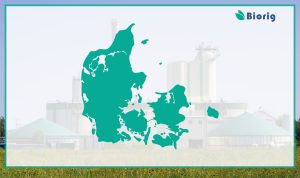
Denmark stands out for a highly efficient and ambitious model: it already produces nearly 50% of its national gas consumption from biomethane and its commitment to biomethane is remarkable with planned investments of more than 3.14 billion euros and an estimated additional capacity of 10.3 TWh/year by the end of 2030, according to the EBA. Denmark combines relatively large – with an average production of 136 GWh/year or 1,468 Nm³/hour – and modern plants with high integration into the gas grid. This example shows how a small but well-organized country can achieve levels of fossil gas substitution well above the European average.
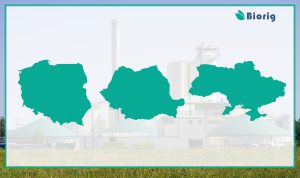
In Poland and Eastern Europe, the biomethane sector is still in its early stages, with a few dozen plants and a reduced production compared to the potential. In Poland, investments of more than €1.09 billion are planned, with an expected capacity growth of 3.1 TWh/year, according to the EBA. This region shows enormous potential due to its abundant biomass and its current dependence on fossil sources such as coal, which makes biomethane a strategic option yet to be exploited.
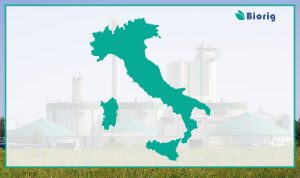
Italy is one of the most dynamic and fastest growing markets in Europe. It has grown from less than 10 plants in 2018 to more than 137 in 2025, with a 315% growth in three years. Its current production is around 9.25 TWh per year, with a clear roadmap to reach 55 TWh by 2030. Italy has strong incentive mechanisms in place, supported by European funds (PNRR). This rapid development responds to the need to reduce a strong dependence on natural gas, which still covers more than 40% of its energy mix.
Spain, despite being the country with the third largest biomethane potential in Europe (around 163 TWh per year), shows a still incipient development, with only 15 operational plants. Currently, its production is residual compared to leading countries, although hundreds of projects are estimated to be under development. The lack of incentives and administrative barriers have slowed its growth, despite its enormous potential to cover almost 50% of the national gas demand. Spain is starting to move with new investments and policies, but is still far from exploiting its capacity.
Benefits of Biomethane
The biomethane is a renewable gas that is produced from biogas through a purification or upgrading. This technology is a sustainable soloution with more than 40 years of development in Europe.

One of the main benefits of biomethane we produce is that, in addition to having an ecological footprint, we also negative in carbon emissionsemissions, it has a composition that is virtually identical to fossil-based natural gas. of fossil origin. This reduces dependence on new infrastructure, as the molecules can be transported through the gas network. already existing.

Biomethane has multiple uses in different sectors. This ranges from its use for heating homes, to its use as a fuel in activities with consumption that is difficult to electrifiablesuch as heavy transport or large industry.

Establecemos nuestra sede fiscal en los municipios donde operamos, contribuyendo con el pago de impuestos a las localidades en las que nos instalamos. in additionwe cocommit ourselves to to train the residents of these rural areas to become part of the staff of the plants. plantswhich contributes to boosting the local economy, generating new opportunities opportunities, and to fix the population in areas at risk of of depopulation.

We collaborate to establish a circular economy model in the rural environments where we operate. we are installed at .we set up. We assist in the correct collection of waste, generate a renewable gas and return an EU-approved organic fertilizer amendment to the crops., which is is a real alternative for crop fertilization.
Biorig en España
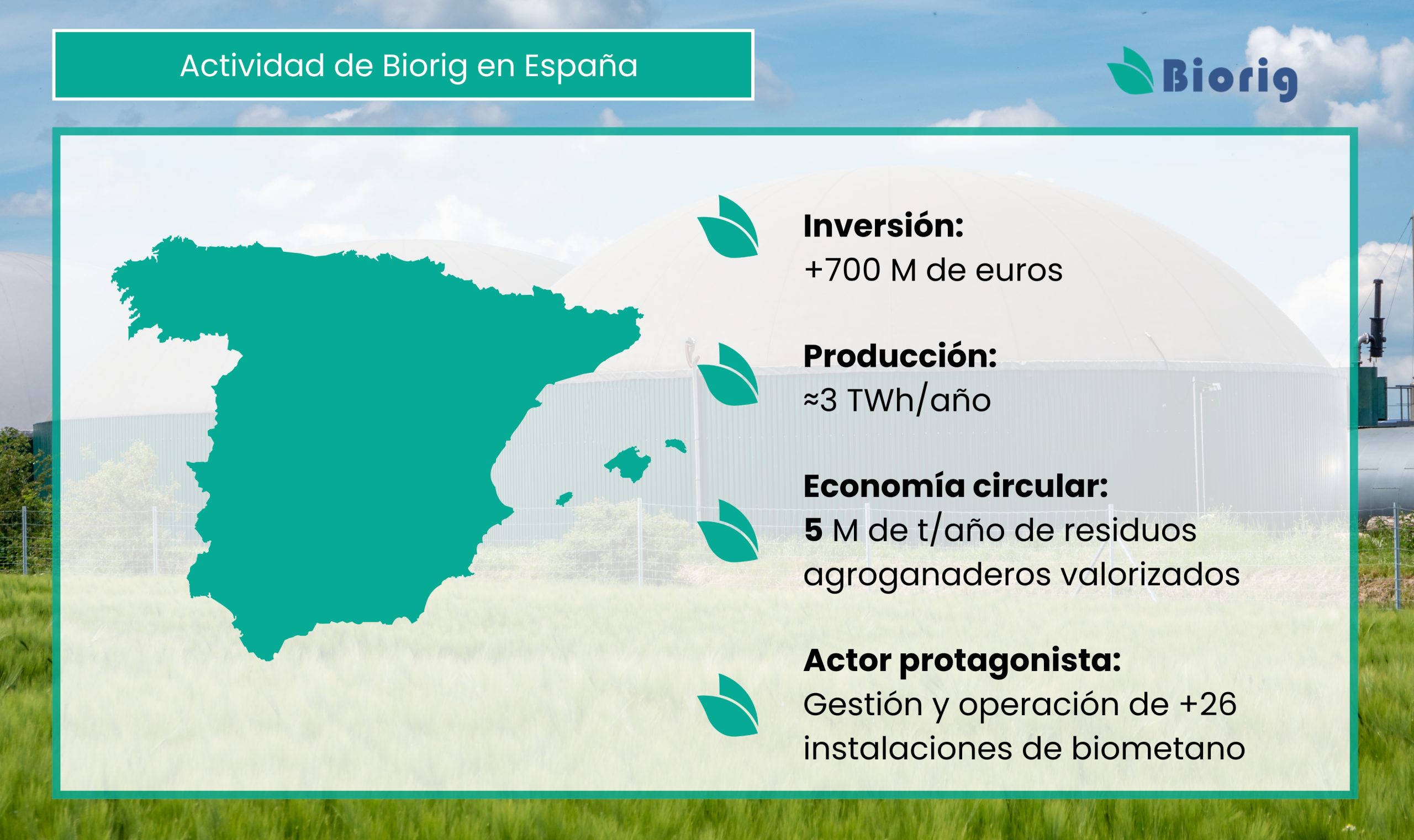
Spain is Biorig’s main market and the core of its current activity. The company is developing more than 26 projects at different stages of development, with an expected production capacity of approximately 3 TWh/year of biomethane, which will make it one of the main producers of this renewable gas in the country.
In addition, Biorig’s facilities will lead the production of biogenic CO₂ with a capacity of 350,000 tons per year, to be accompanied by nearly 5 million tons of CFP 3 certified organic fertilizer generated at its facilities.
Thus, Biorig reinforces its commitment to the circular economy and sustainability in rural environments. Its differential model is based on the exclusive use of agricultural and livestock waste (slurry, manure and crop residues), avoiding urban waste and minimizing odor emissions to ensure a positive impact on the territory.
Biorig in Italy
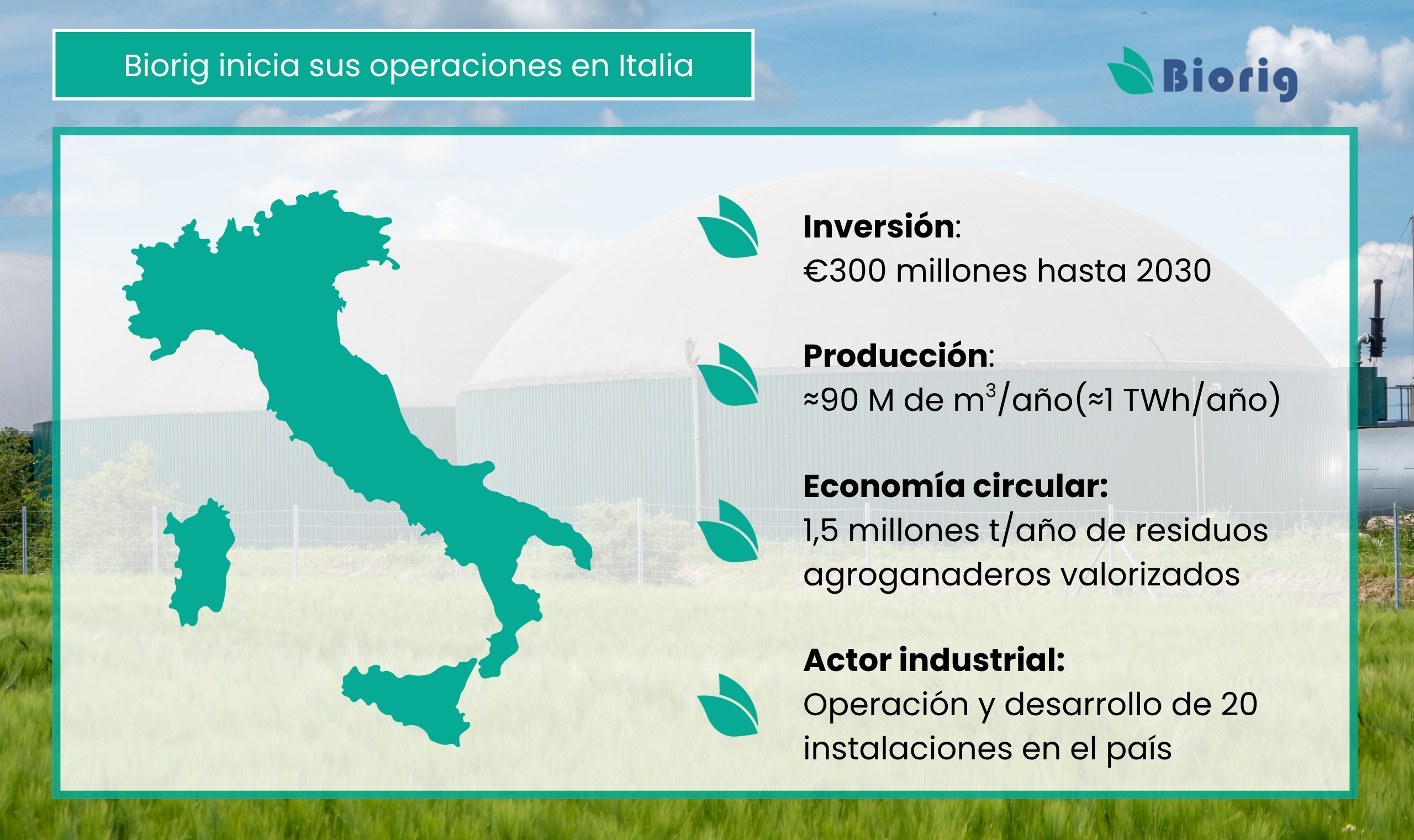
Italy is Biorig’s first major international market. The company will have around 20 biomethane plants in operation by the end of 2030, with an estimated annual production of 1 TWh/year, enough to cover the energy needs of between 360,000 Italian households.
Biorig arrives in Italy backed by Solarig’s more than 15 years of experience in the country, where it has already developed more than 1 GW in solar projects and has a consolidated local team.
Other articles of interest

Biorig impulsa la producción de biometano en Italia con una inversión de más de €300M hasta 2030

Italia demuestra que España puede convertirse en referente europeo en biometano

CO₂ biogénico
La captura de dióxido de carbono (CO₂) es una de las grandes ventajas de las instalaciones de biometano
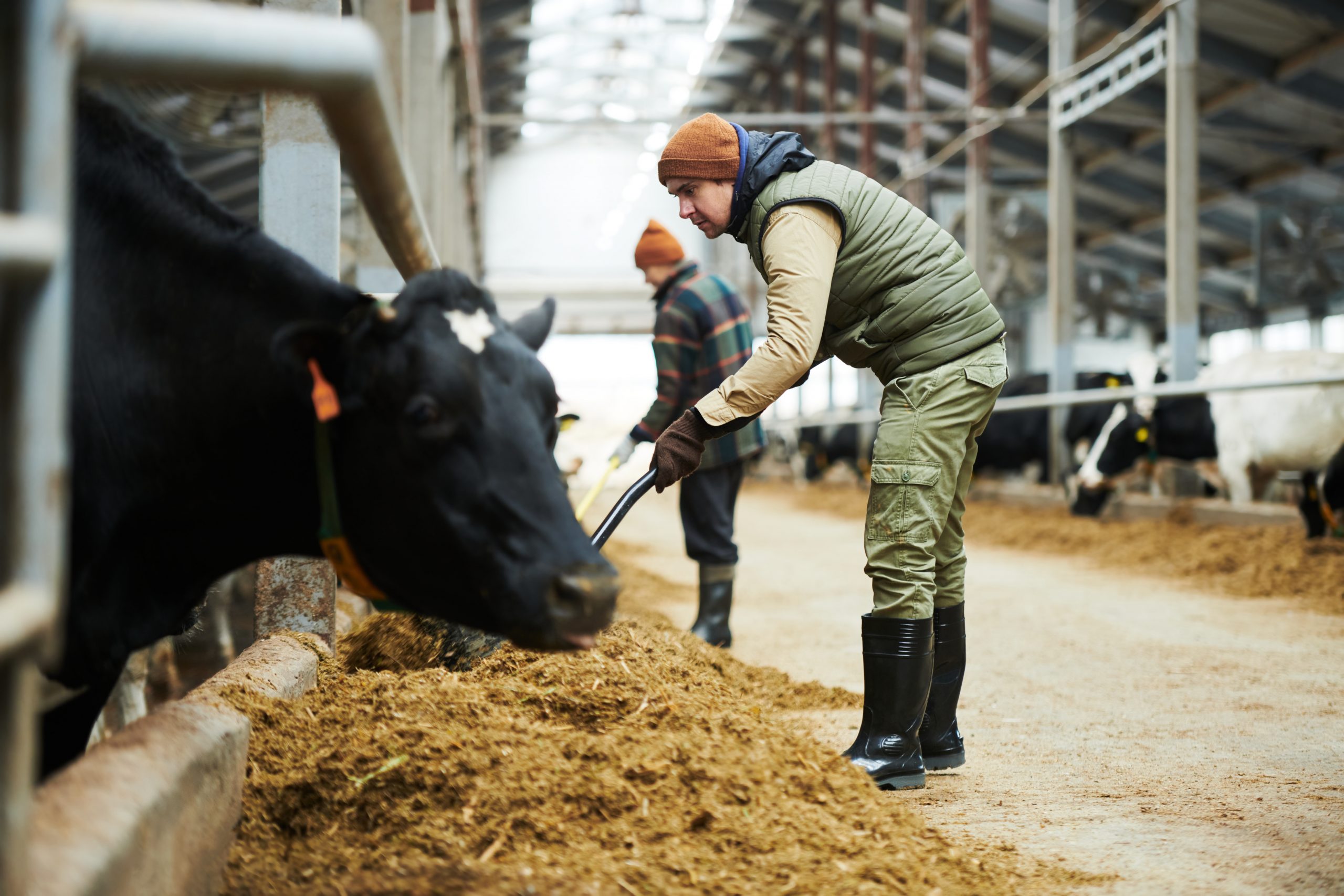
¿Es posible reciclar los residuos ganaderos?
Conmemoramos el Día Internacional del Reciclaje remarcando la importancia de gestionar de manera correcta los residuos del sector primario


We are close to you
Do you want to contact us, propose a project, learn about our services? You can reach us at any of our offices, by e-mail or telephone.