What is green energy, and why is it key to the future of energy?

The cornerstone of the energy transition

Madrid. 19.05.26. Green energy is the cornerstone of the energy transition and one of the main ways to reduce emissions, improve energy independence and move towards a more sustainable model.

Against a backdrop characterised by the need to decarbonise the economy and reduce dependence on external sources, green energy is emerging as a strategic solution for ensuring a more secure and competitive energy supply that is aligned with European climate targets. Its development makes it possible not only to replace fossil fuels, but also to transform the way in which energy resources are produced, managed and consumed.

An energy model in transition

Green energy is energy generated from natural and renewable sources, that is, resources that are continuously replenished and are not depleted through use.

This type of energy significantly reduces environmental impact, particularly in terms of greenhouse gas emissions, and is emerging as a genuine alternative to the traditional energy system.

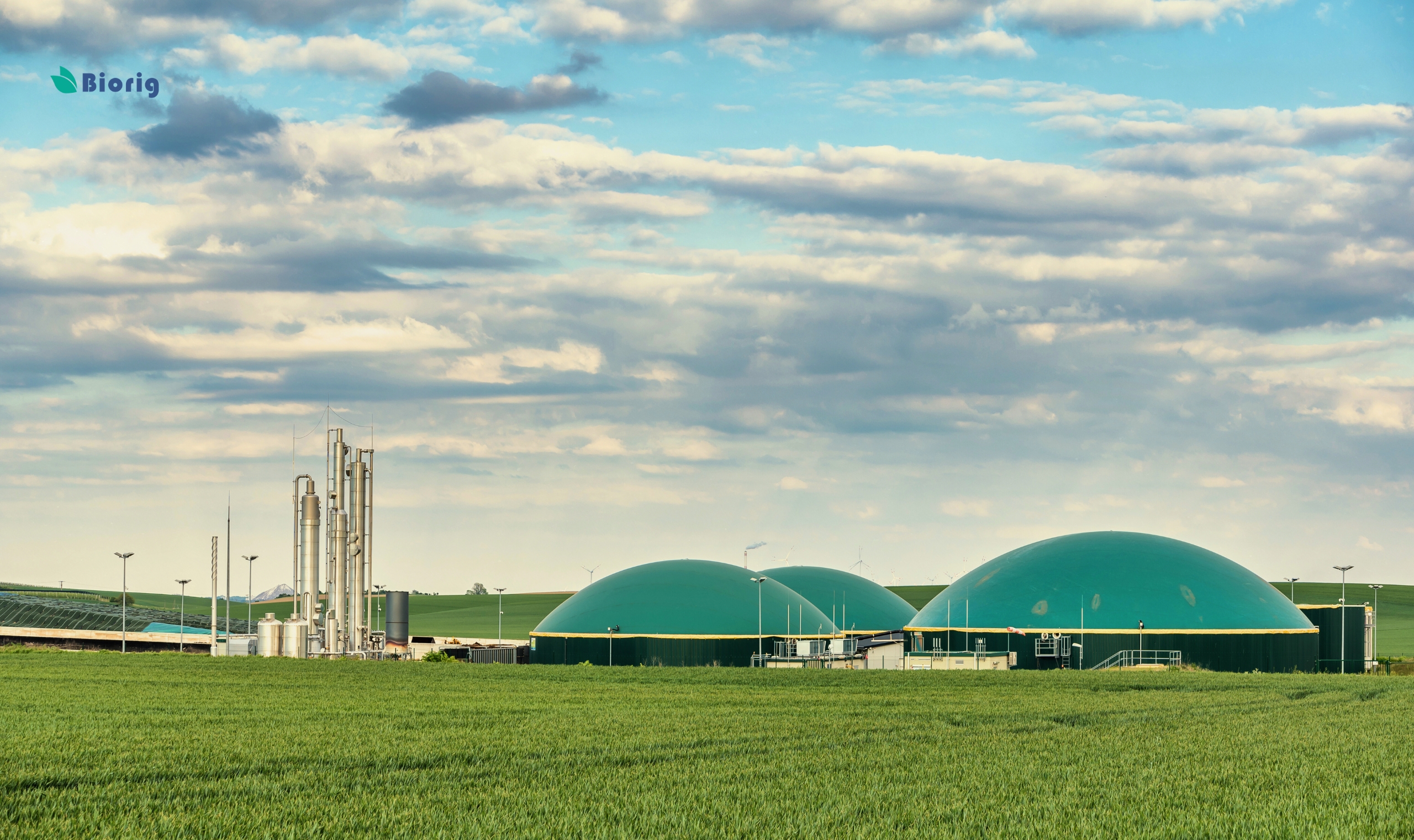
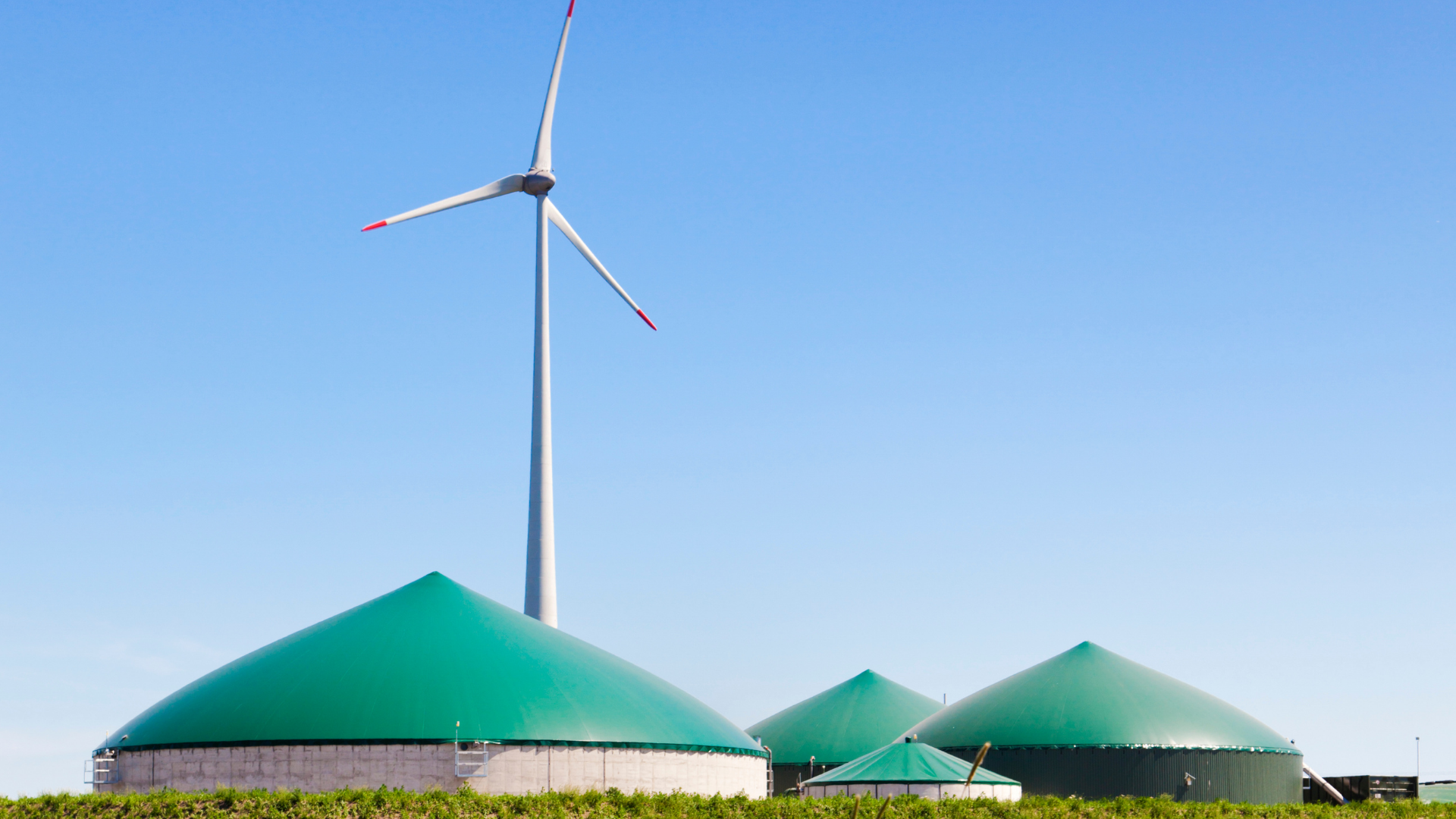
This concept encompasses technologies such as solar, wind and hydro power, as well as solutions based on waste recovery, such as biogas and biomethane.

Why is it becoming increasingly important?

The push for green energy is a response to a number of challenges affecting both the global and local levels. On the one hand, there is the need to reduce emissions and make progress towards decarbonisation targets. On the other, there is the importance of reducing dependence on foreign energy sources and making use of resources available within the country itself.

Added to this is the need to build a more stable energy system, capable of responding to market fluctuations and ensuring long-term supply.

Key aspects of green energy

Beyond electricity

There are solutions that enable the decarbonisation of sectors where electrification is challenging, such as industry and heavy transport. In this context, renewable gases play a key role, as they allow existing infrastructure to be utilised and organic waste to be converted into usable energy.

Environmental, economic and regional impact

Green energy not only reduces emissions, it also creates economic opportunities. It drives new industries and promotes development in the regions where it is implemented. Furthermore, its roll-out helps to revitalise rural areas, create local jobs and improve resource management, linking sustainability with economic growth.

Towards a more sustainable energy system

The energy transition is not simply a matter of swapping one energy source for another, but of transforming the way we understand energy. In this process, green energy enables us to move towards a model that is more efficient, more independent and better suited to today’s challenges.

The shift towards a new energy model

In this context, the development of sustainable energy solutions is key to moving towards a more efficient and resilient model.

At Biorig, we are working to drive this transformation by developing renewable gas projects that enable green energy to be integrated into the existing system, thereby reducing emissions and making the most of the resources available in the region. In this way, we are helping to accelerate the transition towards a more sustainable and efficient energy system.
Contact

We are close to you

Do you want to contact us, propose a project, learn about our services? You can reach us at any of our offices, by e-mail or telephone.
Biorig takes part in Warsaw Biomethane Congress to promote its investment strategy in Poland

Biorig discussed the factors that make a biomethane project a truly viable investment opportunity

CongresoPolonia

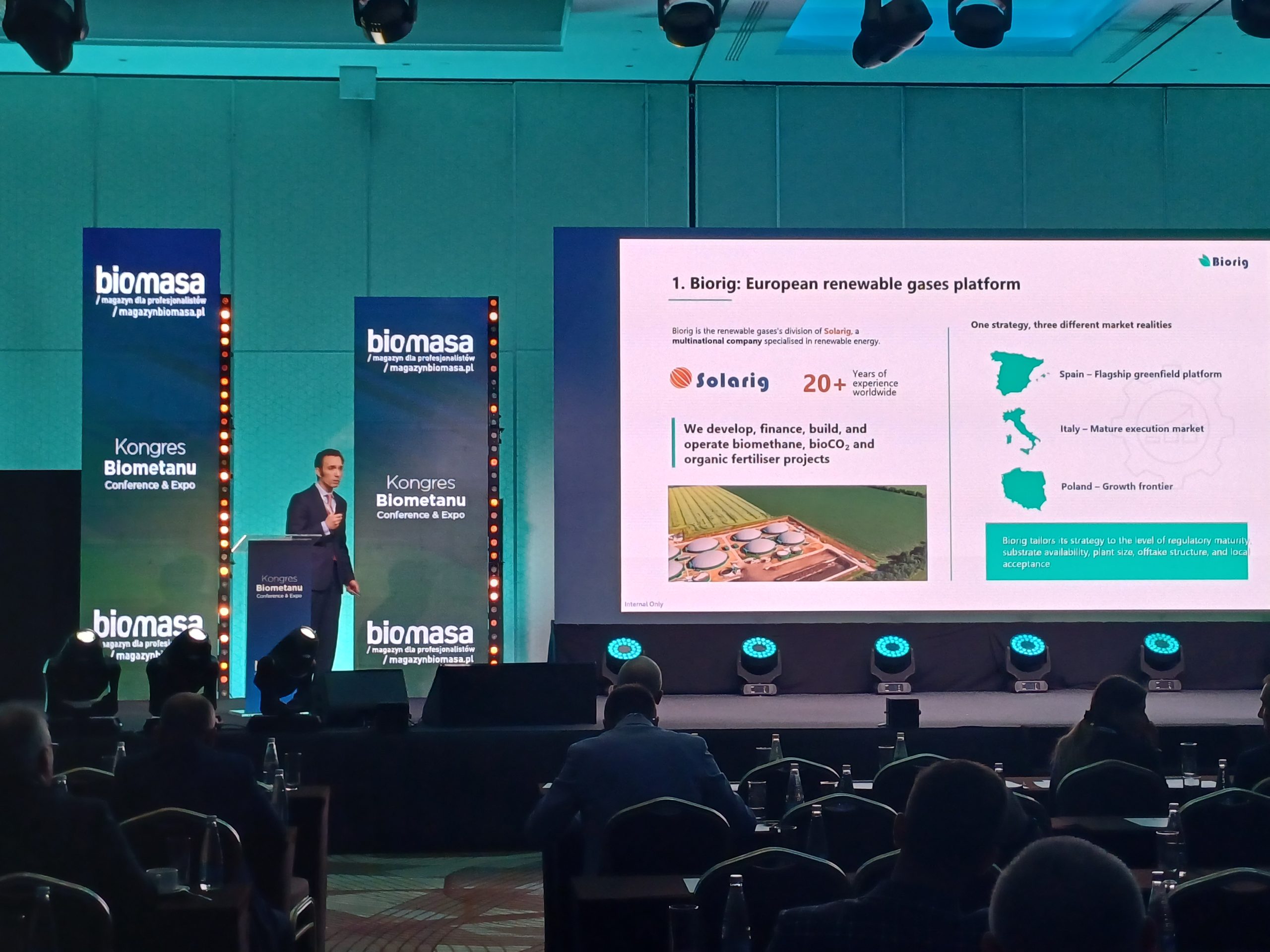
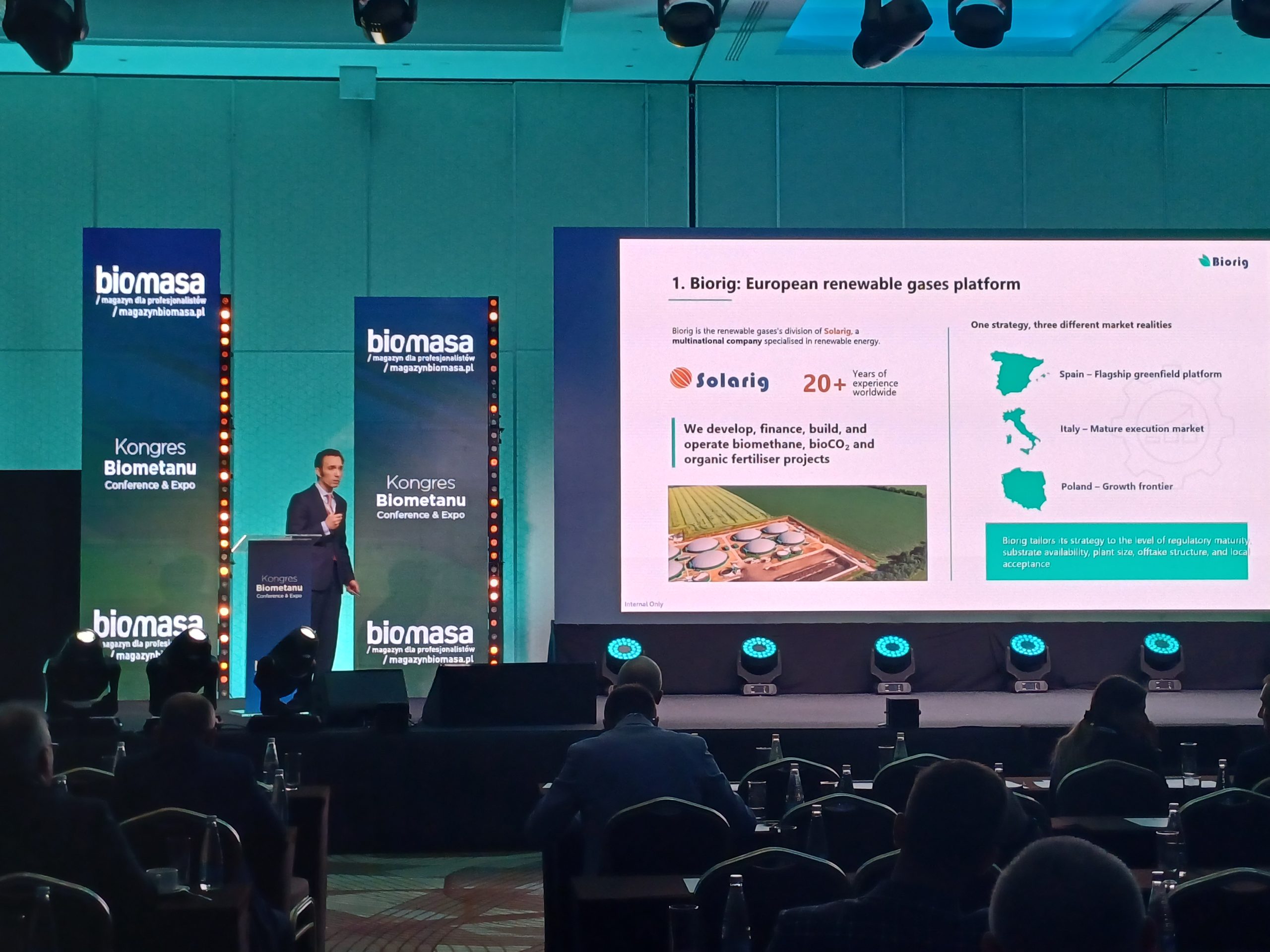
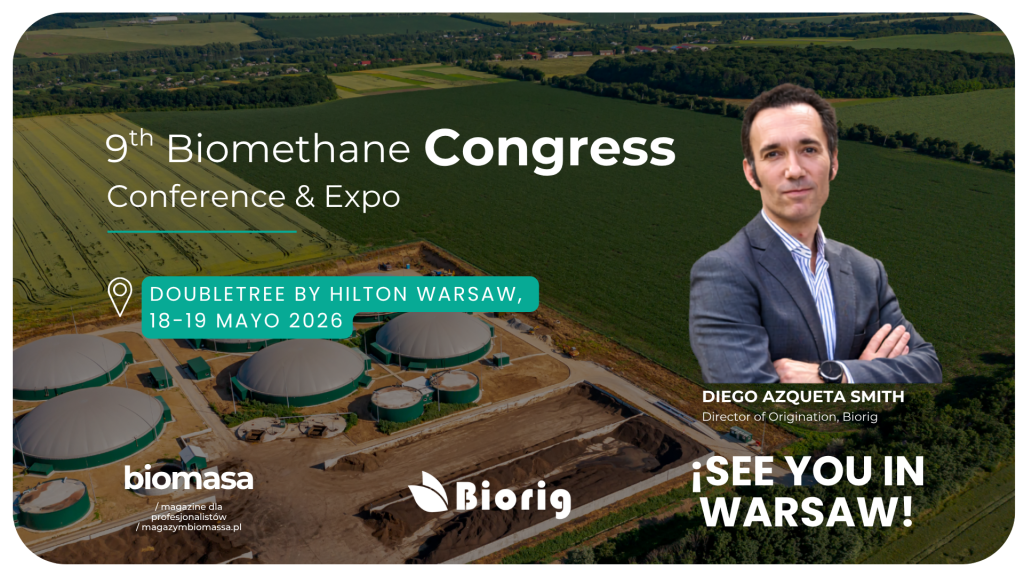
Madrid, 18-05-26. Biorig took part in the Warsaw Biomethane Congress, one of the leading events for the Polish biogas and biomethane market, which was held on 18 and 19 May at the DoubleTree by Hilton in the Polish capital.

The event, organised by the publisher of Biomasa Magazine, brought together investors, developers, biogas plant owners, operators, farmers, agri-food companies, technology suppliers, energy sector companies and representatives of the public administration. The aim was to address the main challenges facing the roll-out of biomethane in Poland: regulation, certification, grid connection, financing, procurement, market models and collaboration between local and international stakeholders.

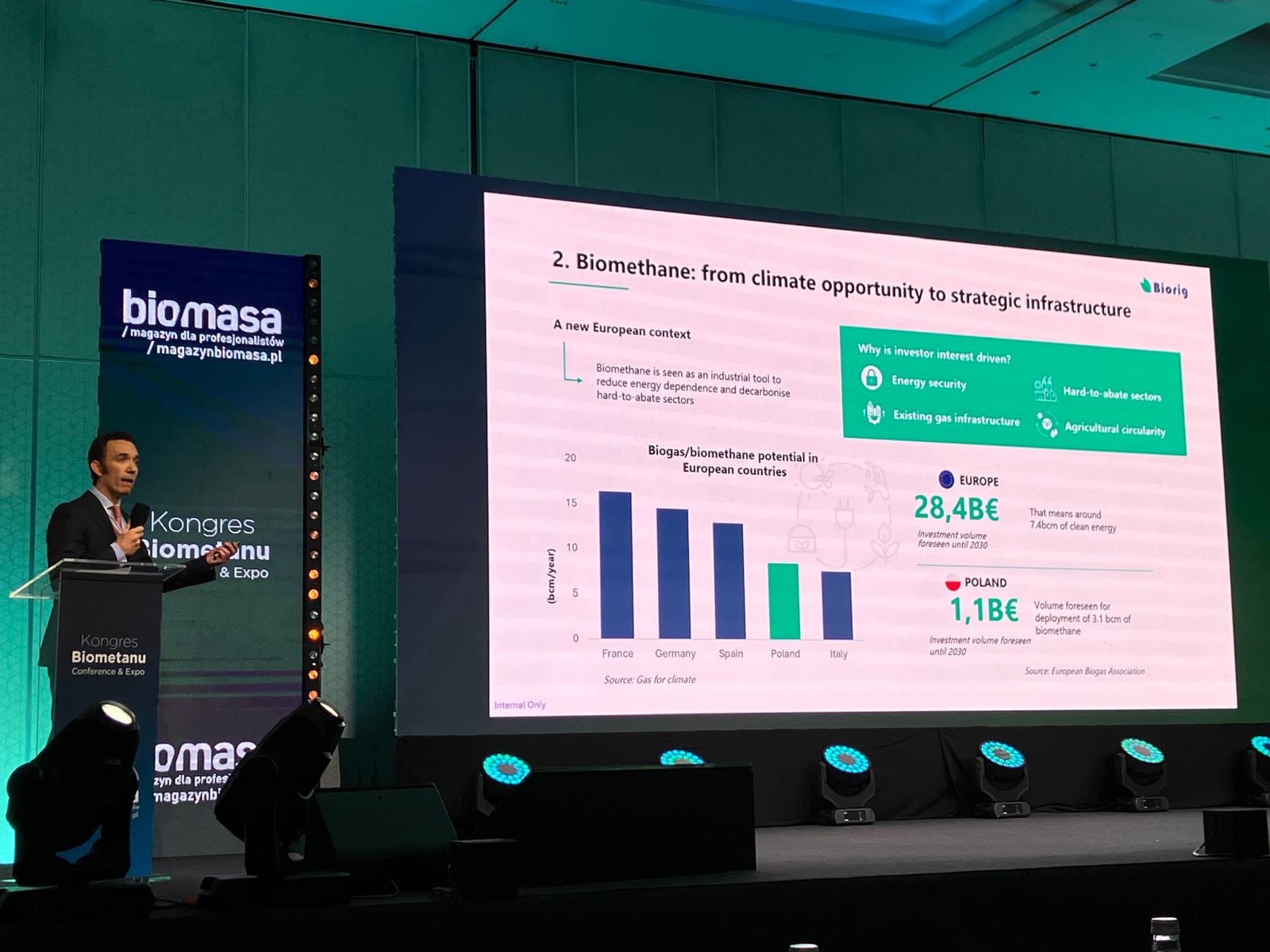
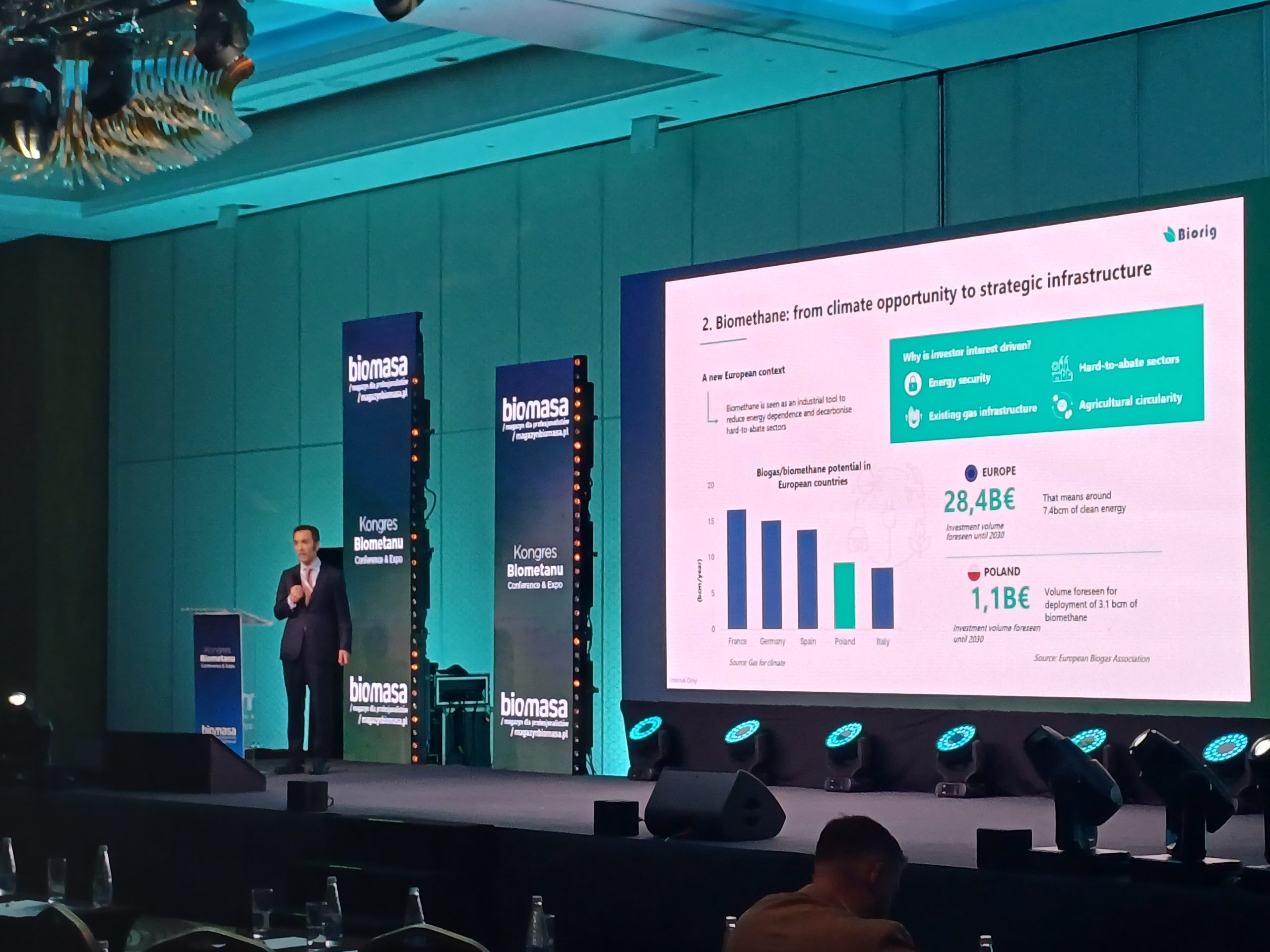
In this context, Diego Azqueta Smith, Director of International Development at Biorig, gave a presentation entitled “What does an investor look for in the biomethane sector? Criteria, valuation and best practices in partnerships: perspectives from Spain, Italy and Poland”. His presentation was part of the session dedicated to European biomethane markets and the lessons that can be drawn to accelerate the sector’s development in Poland.

During his presentation, Azqueta discussed the factors that make a biomethane project a truly viable investment opportunity. These include the availability of agricultural and livestock feedstock, regulatory certainty, the maturity of the regulatory process, grid connection, the structure of supply and sales contracts, and the presence of local partners with a genuine capacity for implementation.

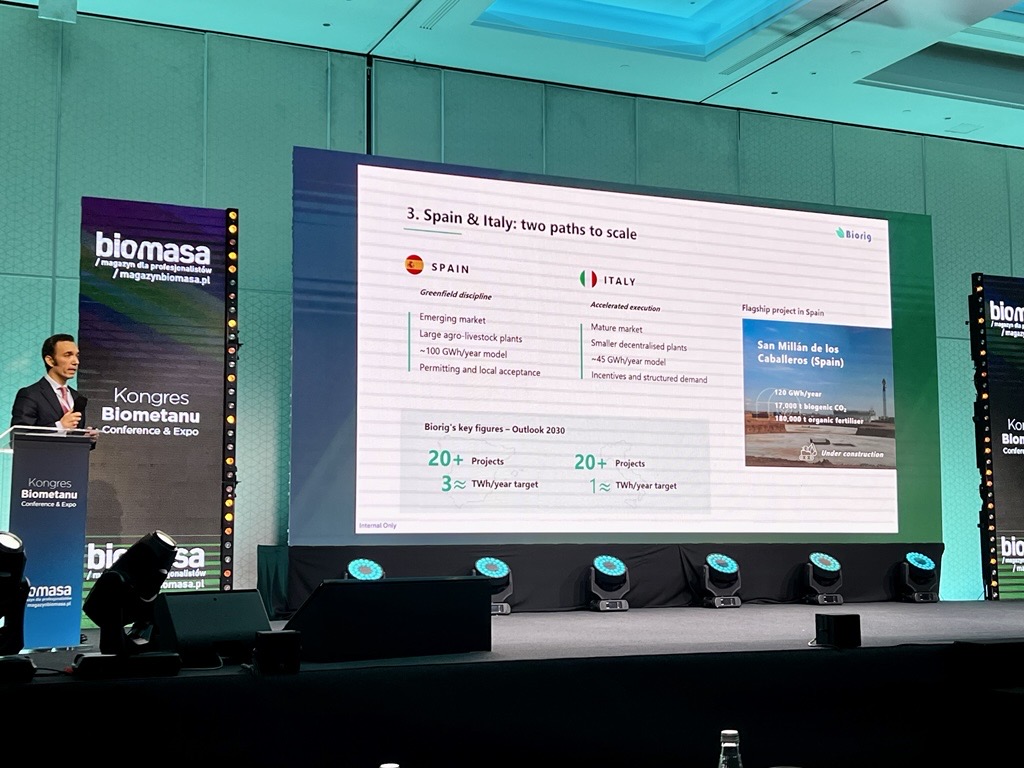
Biorig’s vision is based on a central idea: potential alone is not enough. To attract investment, projects need visibility, structure and the ability to become bankable assets. This approach is underpinned by the company’s experience in Spain, where it is developing a portfolio of over 20 projects based on larger-scale plants and agricultural and livestock raw materials, and in Italy, a more mature market with regulations and incentives that have enabled the accelerated roll-out of decentralised facilities.

Biorig in Poland

Biorig’s participation in the conference follows the company’s announcement in Poland that it plans to develop more than 20 biomethane plants in the country. This plan envisages a capacity of over 1 TWh per year of renewable energy production, with the first plant scheduled to come on stream in 2030.

Poland represents one of the main growth frontiers for biomethane in Europe. The country has a large-scale agricultural and agri-food sector, a strategic need for energy diversification, and a market that is still in its early stages. For Biorig, this context presents a clear opportunity: to transform local resources into renewable energy, organic fertilisers and industrial development in the region.

In Poland, Biorig is seeking to collaborate with developers, biogas plant owners and platforms with project portfolios at advanced stages of development or ready for construction. The company aims to provide capital, technical expertise, industrial discipline and a long-term vision to turn local projects into robust and competitive renewable energy assets.

BIORIG, circular economy and energy sustainability

Biorig is Solarig’s biomethane production division. It was created with the aim of providing innovative solutions in the field of renewable gases, such as biomethane. Its activity is focused on the management of organic agro-livestock raw materials for their transformation into renewable gases and to promote the development of projects in the field of energy transition and circular economy.

Biorig is committed to a circular economy model based on the recovery and management of agricultural and livestock raw materials, commitment to the development of local communities, and the promotion of the production of renewable gases to accelerate the energy transition in the places where it operates.

Biorig presents its new corporate video

Renewable gases for the energy transition

Madrid, 14-05-26. Biorig has released its new corporate video, a film that encapsulates the company’s identity and its approach to driving the development of renewable gases through a comprehensive, sustainable industrial model that is deeply rooted in the local community.

As Solarig’s renewable gases division, Biorig develops, builds and operates biomethane plants, utilising its own logistics and management capabilities. Its work focuses on the recovery of waste from the agricultural and livestock sectors, transforming it into valuable new resources: biomethane, biogenic CO₂ and certified organic fertilisers.

The video highlights a model based on the circular economy, which enables waste to be removed from the fields and returned to crops as EU-certified organic fertiliser (CFP 3). In this way, Biorig contributes to a more efficient and sustainable management of agricultural and livestock resources, whilst promoting the production of renewable energy.

Con más de 20 instalaciones en desarrollo en España y proyectos de biometano en Europa, Biorig avanza en una cartera orientada a la producción de 4 TWh/año de energía limpia, equivalente al consumo de un millón de hogares.

With more than 20 facilities under development in Spain and biomethane projects across Europe, Biorig is building a portfolio aimed at producing 4 TWh/year of clean energy, equivalent to the consumption of one million households.

BIORIG, circular economy and energy sustainability

Biorigis Solarig’s biomethane production division. It was created with the aim of providing innovative solutions in the field of renewable gases, such as biomethane. Its activity is focused on the management of organic agro-livestock raw materials for their transformation into renewable gases and to promote the development of projects in the field of energy transition and circular economy.

Biorig is committed to a circular economy model based on the recovery and management of agricultural and livestock raw materials, commitment to the development of local communities, and the promotion of the production of renewable gases to accelerate the energy transition in the places where it operates.

Biorig Calls for a Regulatory Framework to Accelerate Biomethane at the 4th Renewable Gases Forum

The meeting examined the role of renewable gases in the creation of a new energy market in Spain

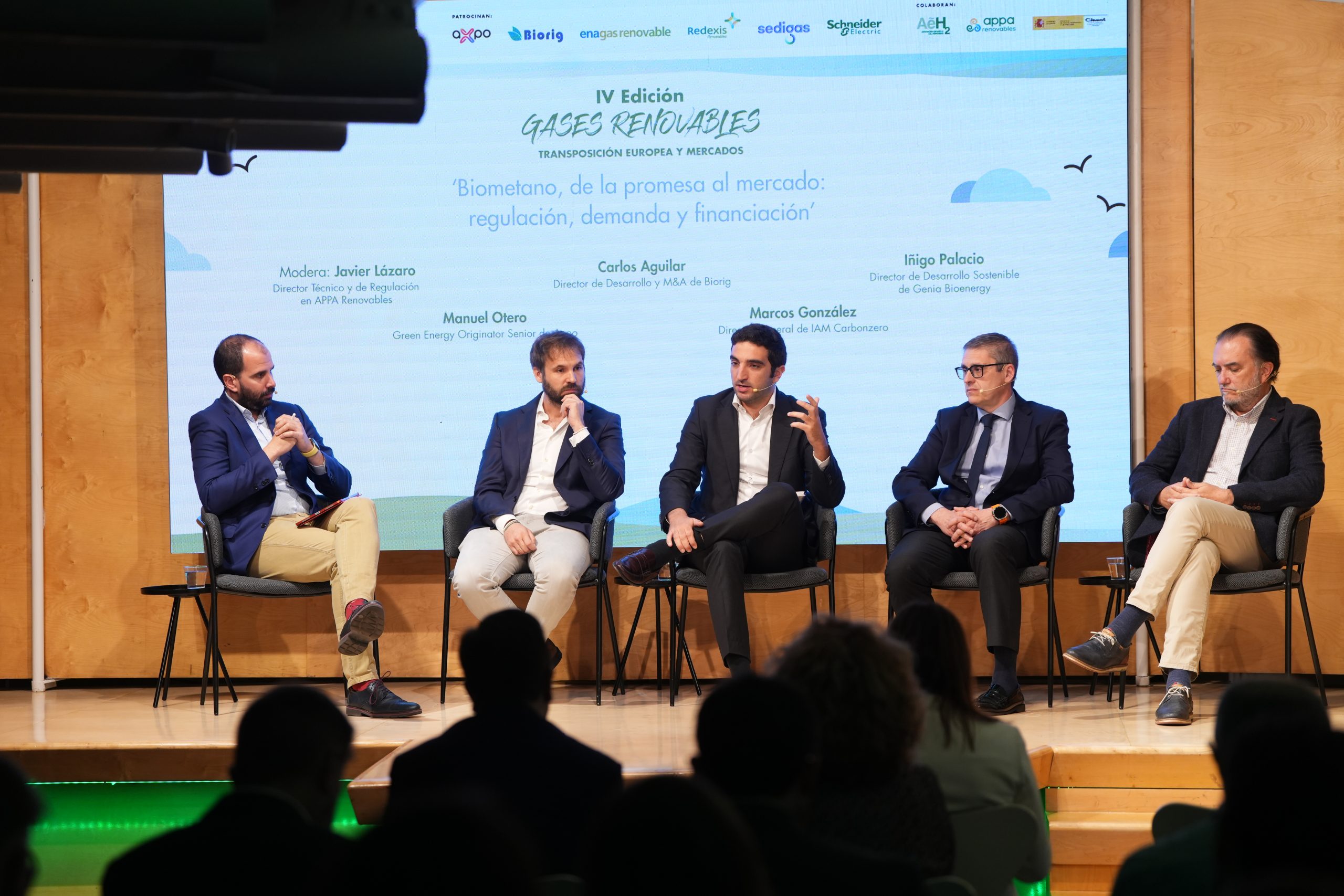
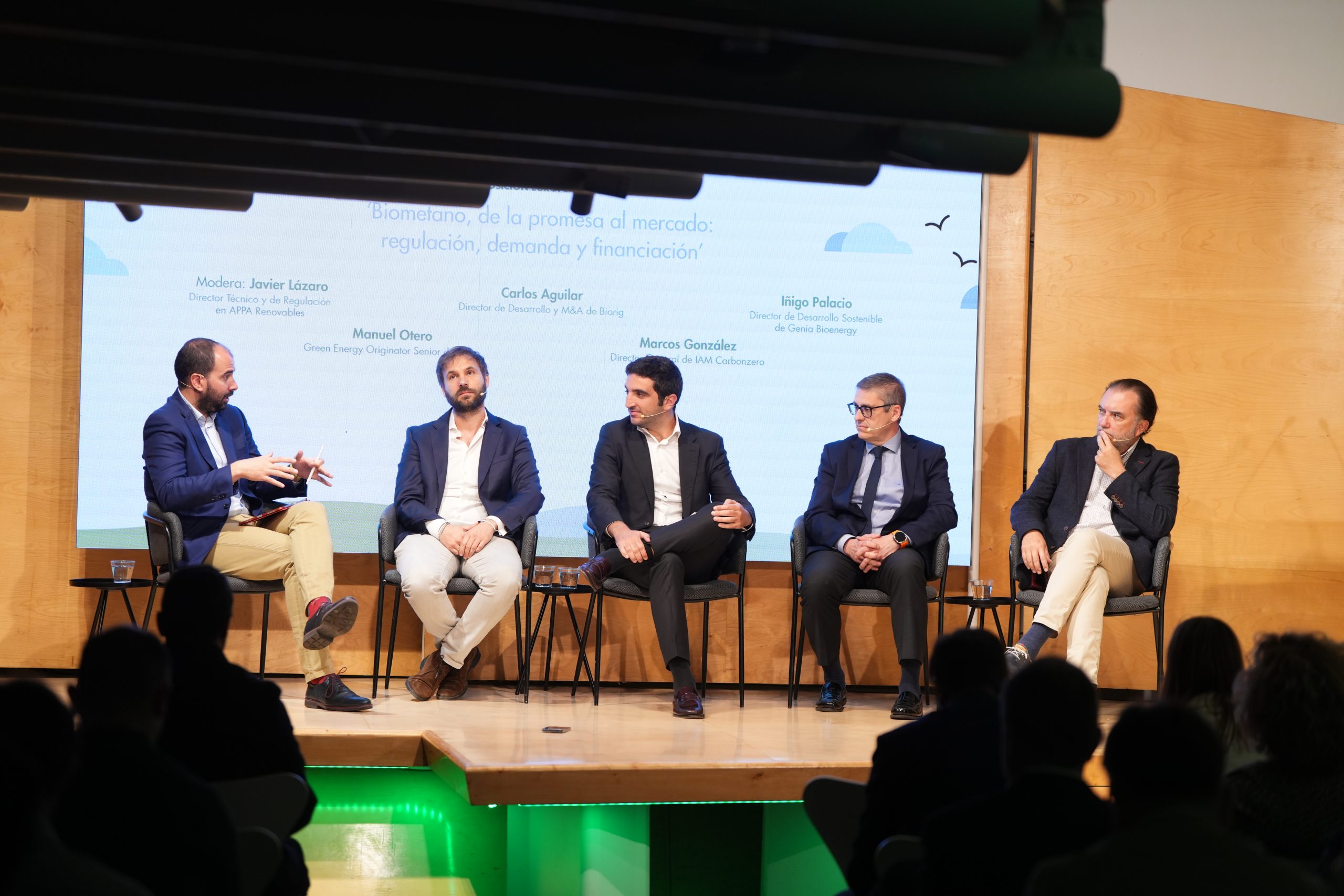
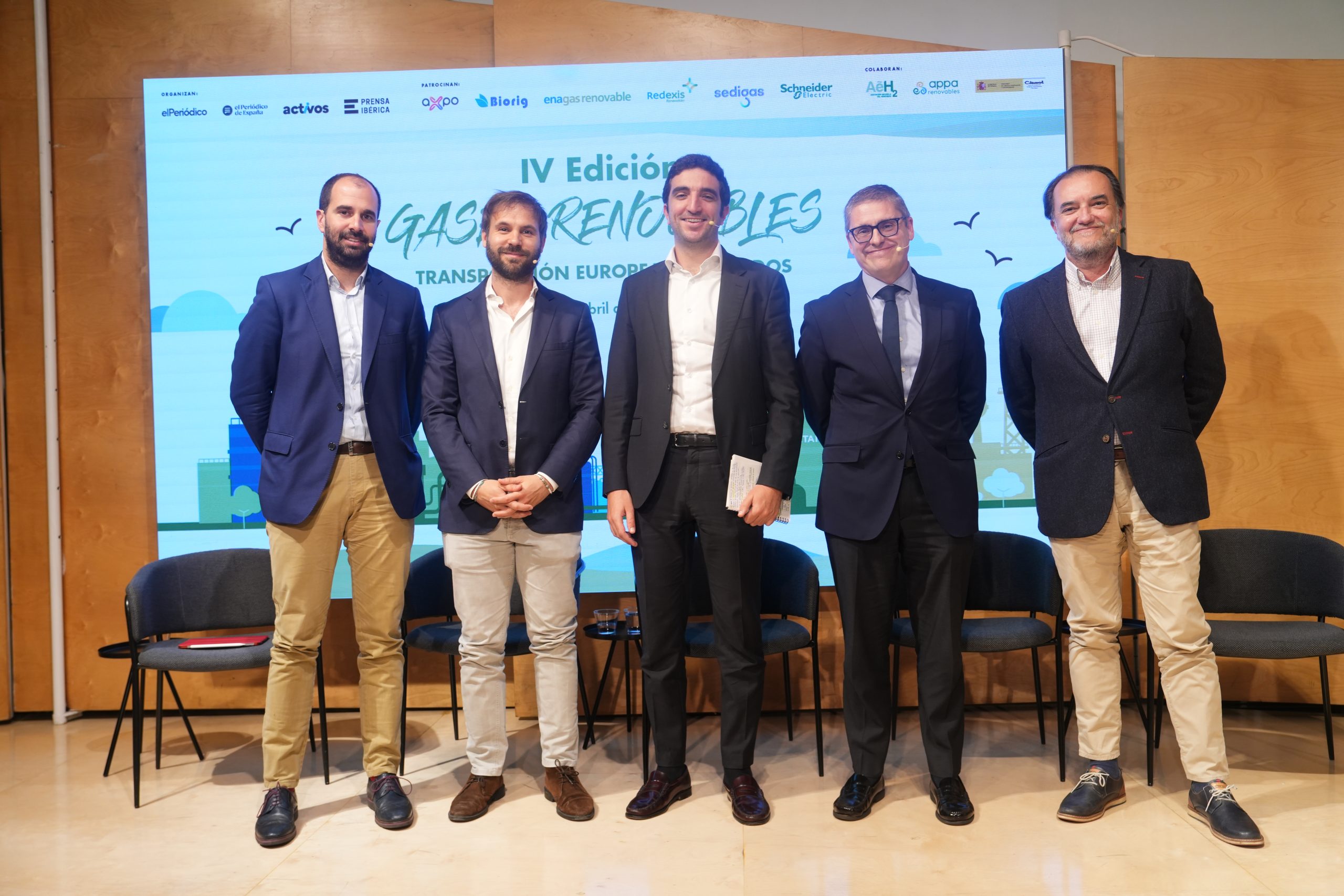
Madrid, 12-05-26. Biorig, Solarig’s renewable gases division, participated in the 4th Renewable Gases Forum, organized by EL PERIÓDICO, El Periódico de España, Activos, and Prensa Ibérica. The event, held on April 16 at the Espacio Bertelsmann in Madrid, brought together institutional representatives, energy companies, research centers, and industry associations to analyze the role of renewable gases in decarbonization and in the consolidation of a new energy market in Spain.

The event took place against a backdrop marked by the need to strengthen Europe’s energy independence, accelerate the green transition, and provide renewable solutions for sectors where electrification is not always sufficient. During the meeting, key issues for the development of renewable hydrogen and biomethane were addressed, including regulation, financing, demand, guarantees of origin, public acceptance, and access to infrastructure.

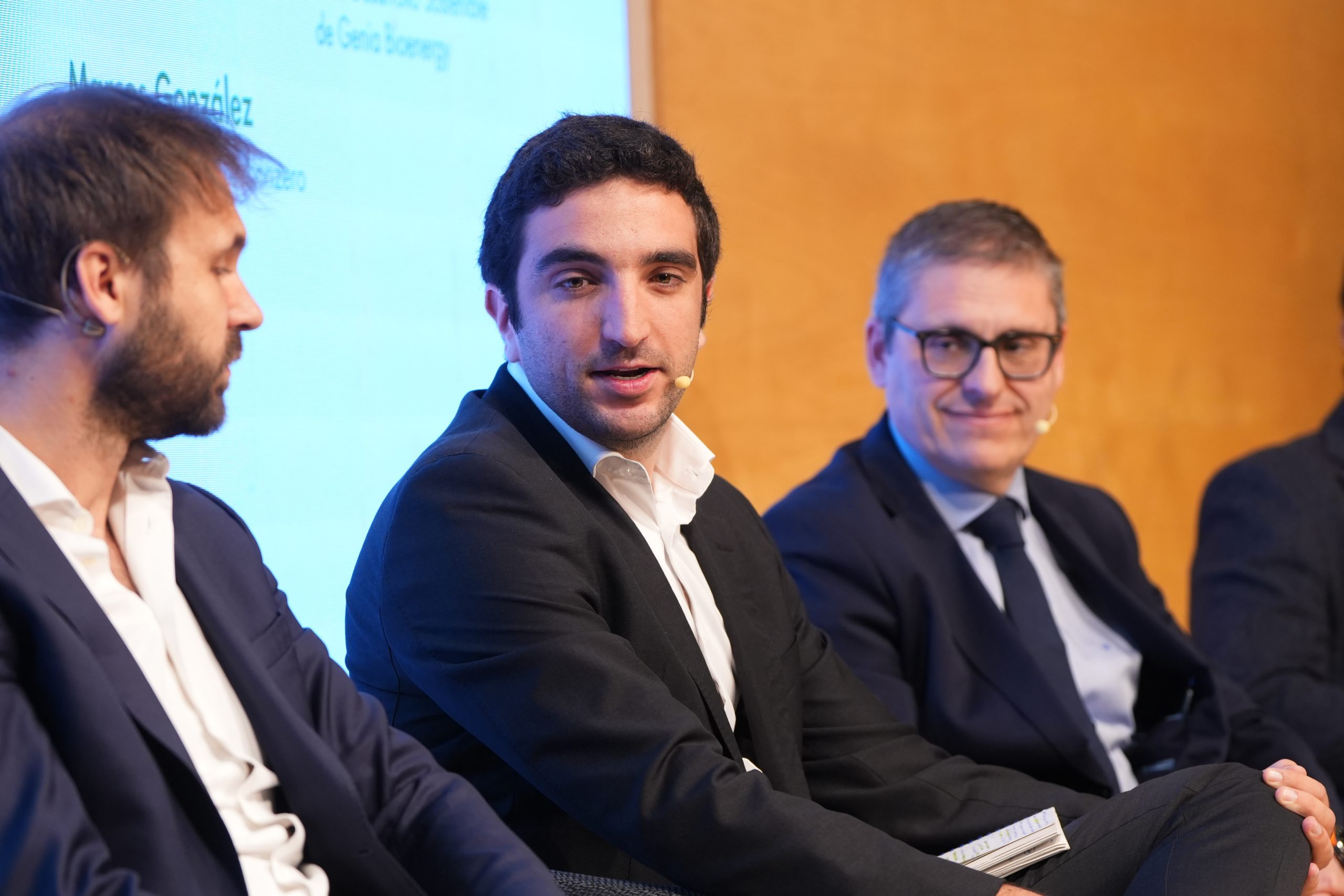
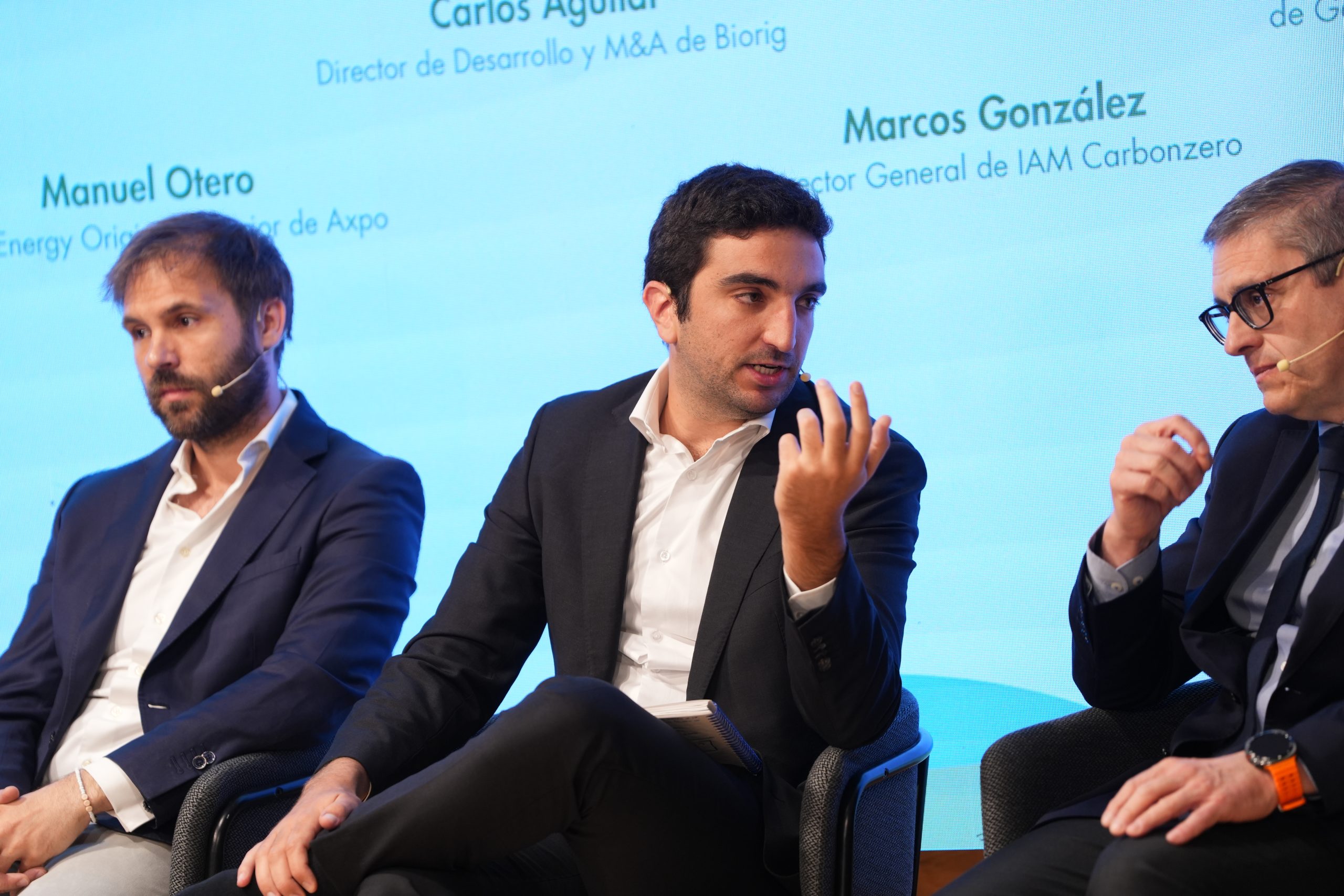
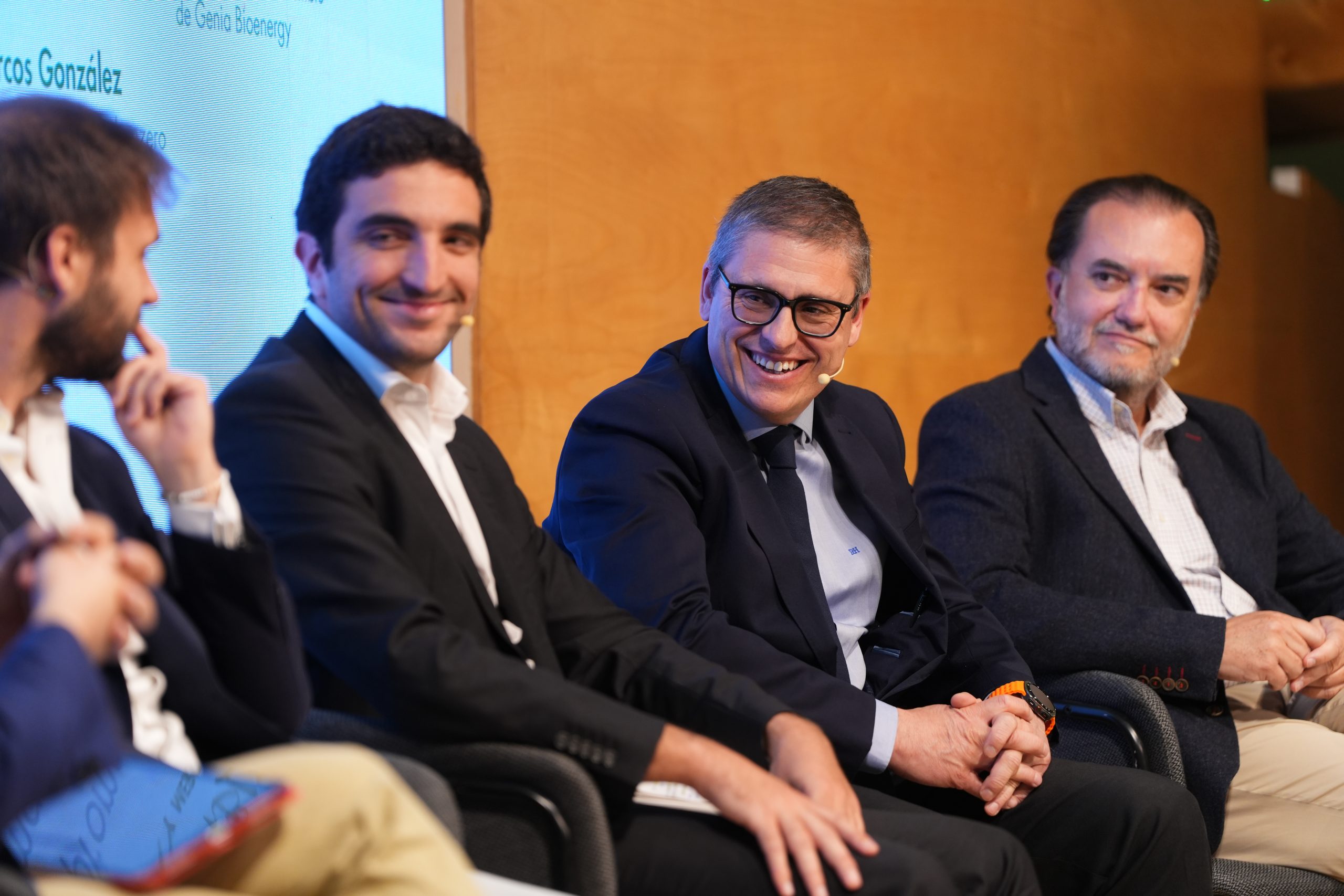
Representing Biorig, Carlos Aguilar, the company’s Director of Development and M&A, participated in the roundtable discussion “Biomethane: From Promise to Market,” moderated by Javier Lázaro, Technical and Regulatory Director at APPA Renovables. During this session, he joined representatives from Axpo, IAM Carbonzero, and Genia Bioenergy in a discussion about the main bottlenecks the sector faces in converting biomethane’s potential into connected and operational plants.

During his remarks, Aguilar provided an update on Biorig’s portfolio, which includes 24 projects currently in development, four positive environmental impact statements, and two integrated environmental permits. In this regard, he noted that the development of biomethane requires companies with sufficient technical, financial, and industrial capacity to navigate lengthy and complex administrative processes.

“A biomethane plant can take two or three years to get approved. That timeline requires financial resources that very few companies have, especially when it comes to projects that haven’t yet generated any value,” Aguilar explained during the panel discussion.

A uniform regulatory framework in Spain to accelerate the adoption of renewable gases

One of the key messages put forward by Biorig was the need to move toward a more uniform regulatory framework across the autonomous communities. The company believes that the current diversity in regulations creates uncertainty for projects and hinders industrial planning in a sector that requires scale, technical rigor, and legal certainty.

“Right now, moving from one autonomous community to another is almost like moving to a different country,” Aguilar said, referring to the importance of establishing a minimum set of common regulations that facilitate the orderly development of projects without compromising environmental, social, and technical standards.

Biorig also highlighted the need to streamline connections to the electricity and gas grids, especially in rural areas where many of these facilities are located. Biomethane plants are industrial facilities rooted in the local community, capable of transforming agricultural and livestock waste into renewable energy, biogenic CO₂, and certified organic fertilizer. However, their development requires adequate infrastructure to enable them to operate, inject renewable gas into the grid, and generate value for the energy system.

By participating in the 4th Renewable Gases Forum, Biorig is reinforcing its position as one of the key players driving the development of biomethane in Spain. The company continues to expand its portfolio of projects aimed at transforming the country’s agricultural and livestock potential into renewable energy, circular solutions, and development opportunities for local communities.

BIORIG, circular economy and energy sustainability

Biorigis Solarig’s biomethane production division. It was created with the aim of providing innovative solutions in the field of renewable gases, such as biomethane. Its activity is focused on the management of organic agro-livestock raw materials for their transformation into renewable gases and to promote the development of projects in the field of energy transition and circular economy.

Biorig is committed to a circular economy model based on the recovery and management of agricultural and livestock raw materials, commitment to the development of local communities, and the promotion of the production of renewable gases to accelerate the energy transition in the places where it operates.