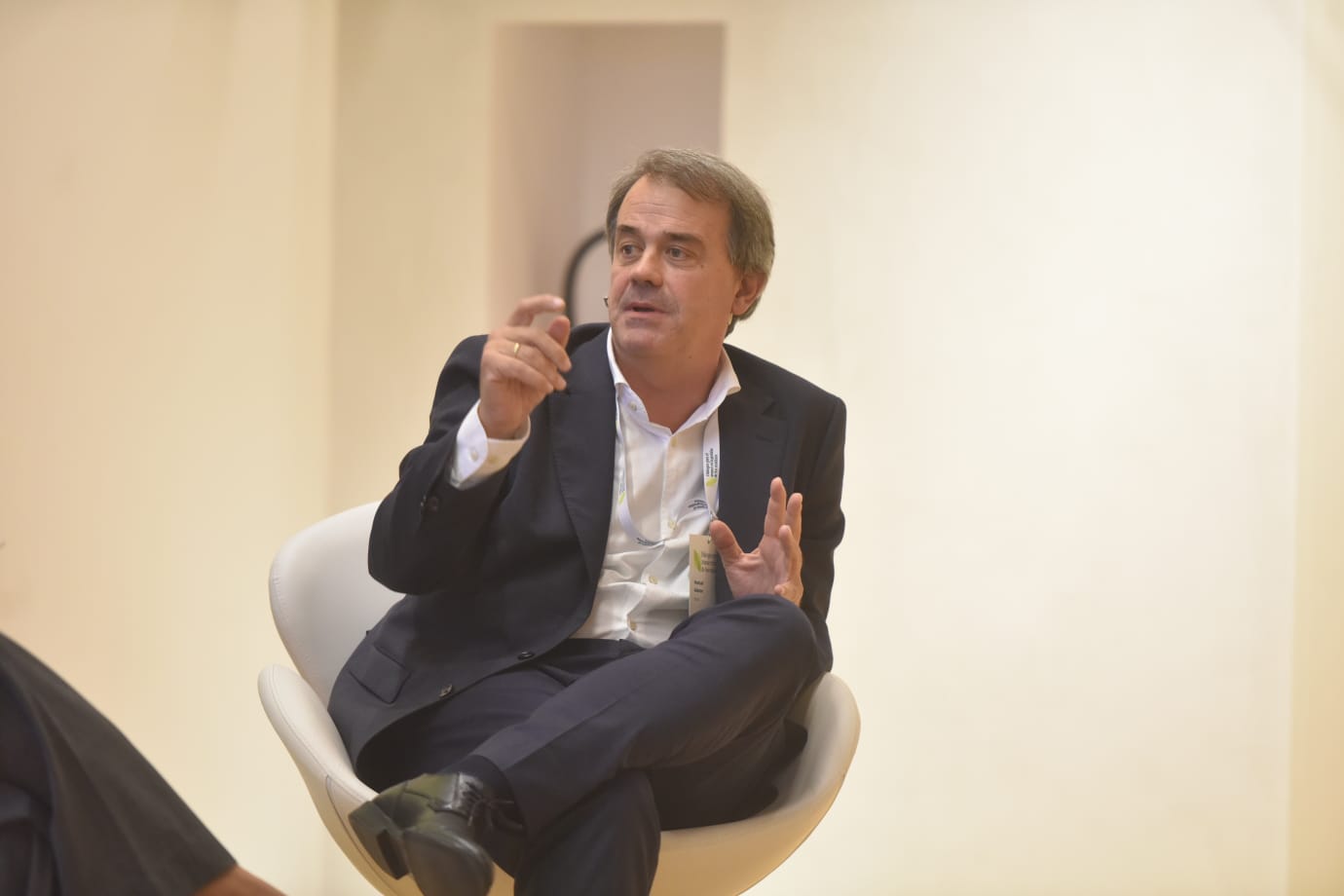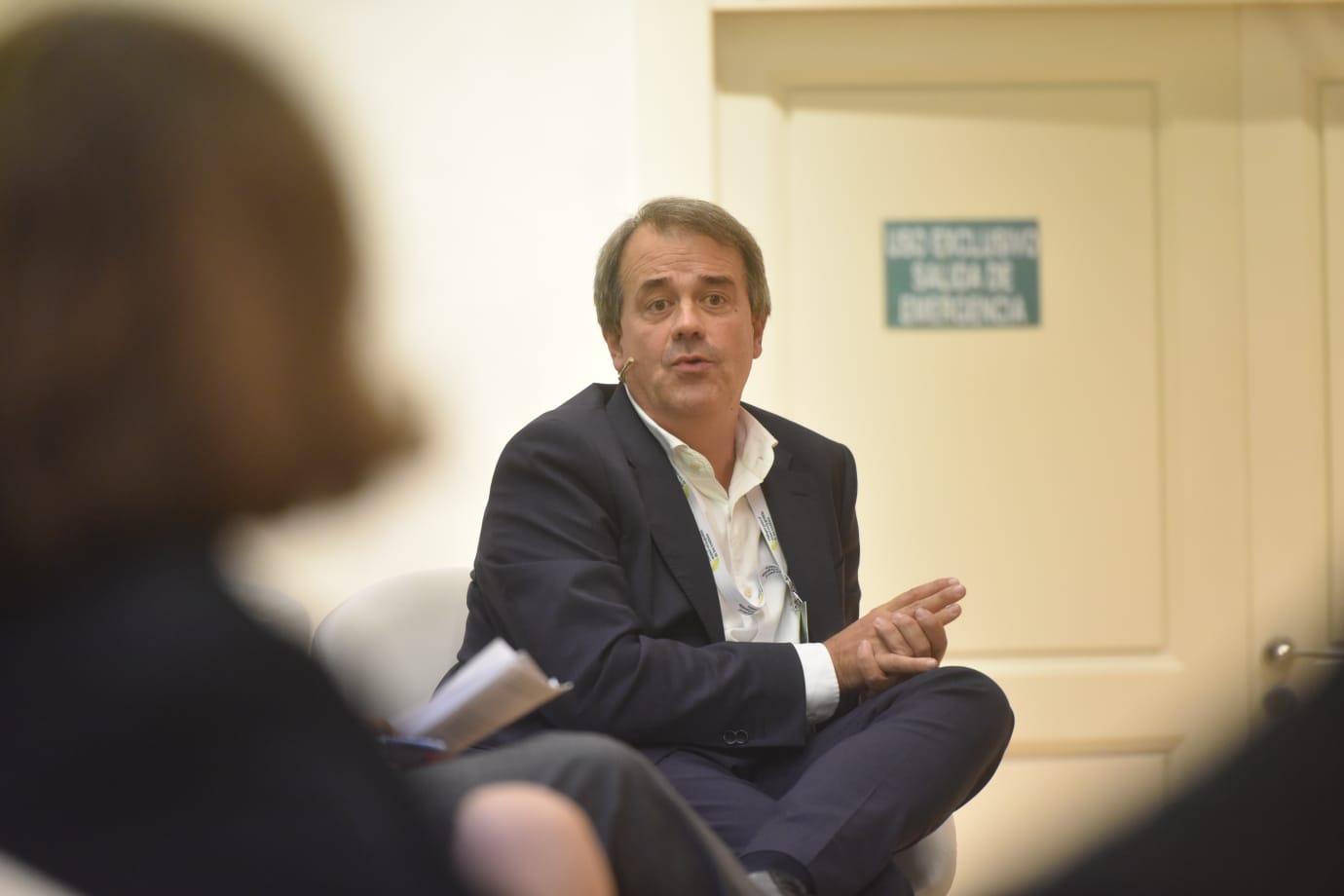



Manuel Alonso: “Fertilizer products must be sanitized, stabilized, and provide real agronomic value.”
Madrid, October 29, 2025. Biorig, Solarig’s renewable gases division, participated last Thursday, October 23, in the second day of the Dialogues for Progress in Waste Management, promoted by RETEMA magazine together with the Ministry for Ecological Transition and Demographic Challenge (MITECO). Biorig’s Managing Director, Manuel Alonso, participated in the panel dedicated to biowaste and highlighted the company’s recovery of raw materials from the primary sector by transforming slurry, manure, and straw into renewable energy and organic fertilizers certified under Regulation (EU) 2019/1009. The meeting, which took place at the College of Civil Engineers in Madrid, was attended by more than 250 professionals from the public and private sectors to analyze new regulatory frameworks and seek solutions that enable more efficient and circular management of all types of waste.
During the conference, three key areas were highlighted: (1) regulatory transformation towards a circular economy, (2) public-private collaboration to optimize the collection and treatment of biowaste, and (3) citizen involvement as an essential part of the system.
The voice of Biorig: commitment and action
In this context, Biorig participated in the session on biowaste alongside the Deputy Director General of Waste at MITECO, Margarita Ruiz; the Technical Advisor to the Directorate of Agricultural Production and Markets at the Ministry of Agriculture, Maria Luisa Ballesteros; the Director General of the Environment for the Government of Navarre, Ana Bretaña; and the manager of the Almanzora Levante Vélez Consortium, Marta Sánchez de Puerta, in a meeting moderated by the director of Retema, Alberto Casillas Paz.
During his speech, Manuel Alonso reaffirmed Biorig’s commitment to complying with organic fertilization and sustainable soil nutrition regulations for biomethane plants as the best formula for tackling waste management problems in the primary sector and promoting a truly circular economy.
“We cannot just dump anything on the field. The fertilizer product resulting from anaerobic digestion must be sanitized, stabilized, and provide real agronomic value (…) Biomethane development models must strictly comply with fertilizer regulations and the decree on sustainable nutrition of agricultural soils,” explained the Managing Director of Biorig.
Biorig actively participates in technical-industrial dialogue to align its developments with regulatory and market trends that demand a more sustainable use of waste. Through its model, the company facilitates not only the recovery of agricultural and livestock waste, but also the generation of organic fertilizers, biogenic CO₂, and green energy.