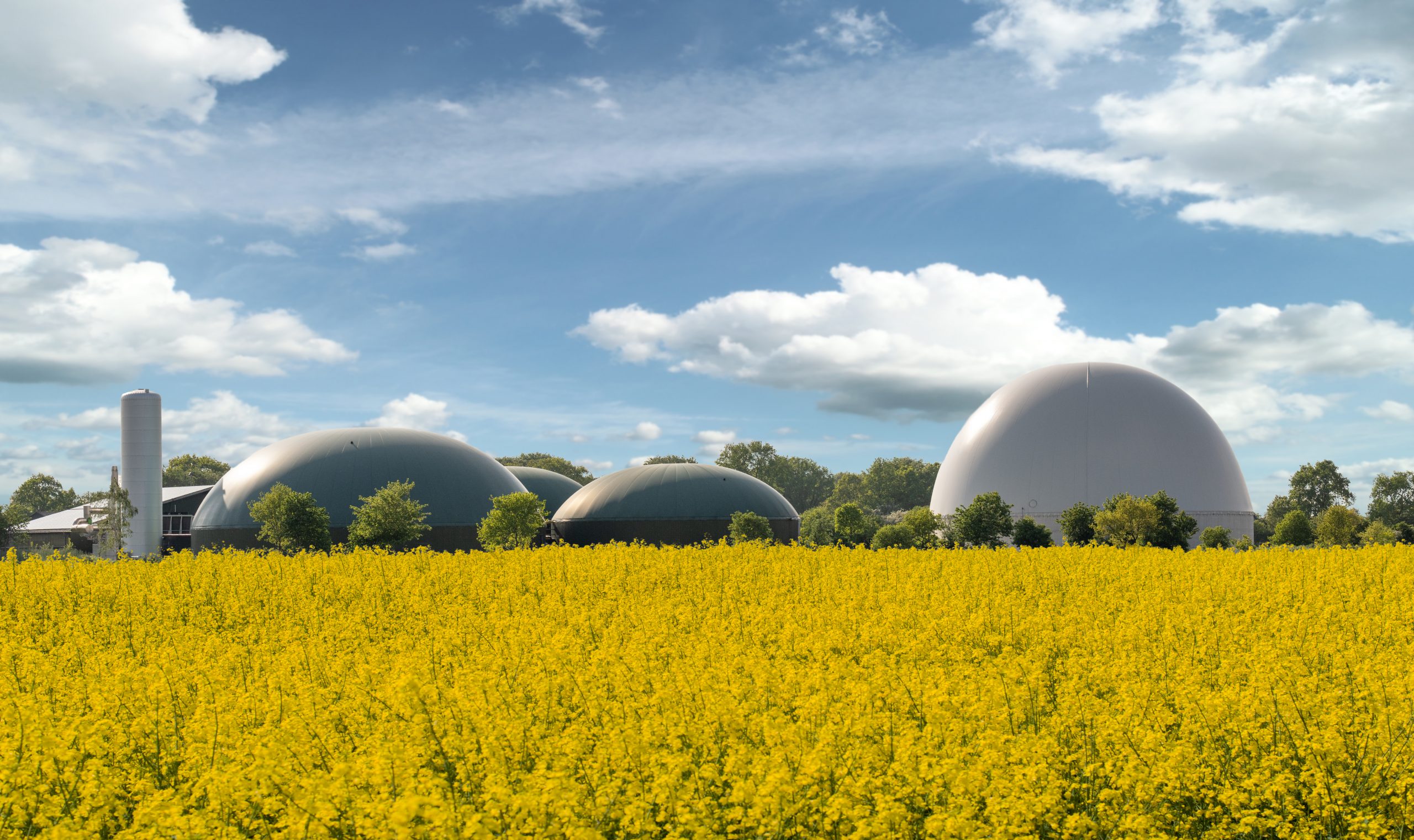




We highlight, on the occasion of the International Clean Energy Day, the great opportunity that Soria has thanks to biomethane
By Carlos Aguilar, Director of Renewable Gases at Biorig
On the occasion of the International Clean Energy Day taking place this week, I would like to highlight that the province of Soria has a great opportunity. Biomethane, a gas of renewable origin, is one of the best alternatives to promote a greener and more sustainable economy, encourage job creation, and increase the wealth of the territories. As a sustainable substitute for fossil gas, biomethane contributes to reducing the impact of climate change, boosts energy independence, and improves the management and traceability of agricultural and livestock raw materials. A key aspect is that biomethane facilitates the removal of slurry and manure from the fields, something particularly sensitive in Soria, where 10% of the territory has been declared at risk due to water contamination.
This technology has been implemented for over 40 years, mainly in countries such as France or Germany (with more than 1,000 and nearly 11,000 biogas and biomethane plants, respectively), and is now emerging as a strategic option in Spain. It is important to highlight that this energy source is key to achieving the decarbonisation targets set in the Integrated National Energy and Climate Plan (PNIEC). The aim is to reduce polluting emissions by 32% compared to 1990 levels by 2030.
At the same time, this renewable gas constitutes an essential activity to accelerate the economic growth of Castilla y León. Spain has the potential to develop 163 TWh of biomethane per year, enough to supply 29.5 million households, although the installed capacity currently stands at just 0.315 TWh in 2024, according to the Spanish Gas Association (SEDIGAS) and the GASNAM association. This goal implies increasing the production of renewable gas exponentially. Castilla y León plays a crucial role in this challenge, as it holds the potential to produce 23% of the biomethane in Spain.
From local resources to green energy.
I am convinced that biomethane will improve the energy mix of Castilla y León, but above all, it will drive the sustainable development of the agricultural and livestock sector. The promotion of biomethane contributes to a proper and orderly management of waste, much of which nowadays ends up being dumped in the fields without prior sanitisation. At Biorig, a company with roots in Soria, we develop our facilities with deep respect for communities and the environment.
In this regard, we only recover manure, slurry, and agricultural waste. The use of the most cutting-edge technological solutions, the type of raw materials used, together with the implementation of the most demanding health and safety regulations, ensure that our facilities do not emit odours to the outside. Furthermore, the plants operate under a zero-discharge model following the concept of a circular economy, and zero water consumption, as we use the liquid content of the slurry and have systems for reusing rainwater.
Organic fertilisation of agricultural soils.
The plants we design transform agricultural and livestock raw materials into odourless fertiliser products certified under European Union Regulation 1009/2019, as well as by the Ministry of Agriculture. In this way, the primary sector will benefit from these organic amendments and will have an alternative for fertilising the fields. This verified product undergoes 40 days at 40 degrees, and more than 20 days at temperatures above 50 degrees to ensure its sanitisation and stabilisation before being used in the field.
A more sustainable future for new generations.
To promote a more sustainable future in Soria, it is necessary for new generations to have opportunities. The push for the energy transition through biomethane paves the way for young people in the agricultural and livestock sector, technicians, students, engineers, environmental scientists, or innovative companies committed to technological and sustainable development. Moreover, this includes everything from specialised training in university degrees or master’s programmes, to the creation of new business opportunities focused on the renewable energy and gas sector.
Biomethane can be one of the cornerstones of a new green economy in the 21st century. Its development creates employment, stimulates the local economy, helps tackle the demographic challenge, and ensures a cleaner environment. It is not just an energy alternative; it is a sustainable project for our future.