Biorig joins the inclusive team of C.D. Numancia de Soria

This agreement reinforces our strong commitment to diversity and inclusion, core values that are part of our company’s DNA.

Soria, 26-05-25. At Biorig we are proud to announce our collaboration as official sponsor of the inclusive team of C.D. Numancia de Soria. This agreement reinforces our firm commitment to diversity and inclusion, fundamental values that are part of our company’s DNA.

A fairer, more inclusive sports model


Formed by around 15 players, the C.D. Numancia inclusive team actively participates in inclusive soccer tournaments at national and regional level, promoting a model of sport that is committed to equity, respect and participation of all people, regardless of their abilities.

Recently, the team was proclaimed champion of the Pradoviejo Inclusive Football Tournament, winning 1-0 in a thrilling final against Deportivo Alavés. Throughout the tournament, the Numantinos stood out for their collective effort and competitive spirit, drawing against Eibar (0-0), beating Real Sociedad (1-0) and beating Logroñés (2-1), without defeat.

“The value this team has is immense,” says Carlos Monagas, coach of the inclusive team. “This is totally different from what I have experienced in my years as a soccer player. Among themselves they are very considerate of the help, and we have learned this through training. I’m very happy with this team.

Beyond competition: companionship and values

The players of the inclusive team of C.D. Numancia not only compete, they also represent a philosophy of life. In the tournament ‘The difference makes us equal’, organized by the Real Federación de Castilla y León de Fútbol in Guardo (Palencia), the team finished in a meritorious third position, showing a high level against rivals such as Real Valladolid or C.D. Mirandés.

Francisco Javier Cacho, the team’s defender, sums it up simply: “Not all teams are the same, some only play to win. We play to have fun and be together”. On his role in the ‘Valores Vida x Vida’ tournament, in which they finished undefeated and won the title against Alavés, he adds: “I felt pretty good playing defense, I did pretty well and we were able to win”.
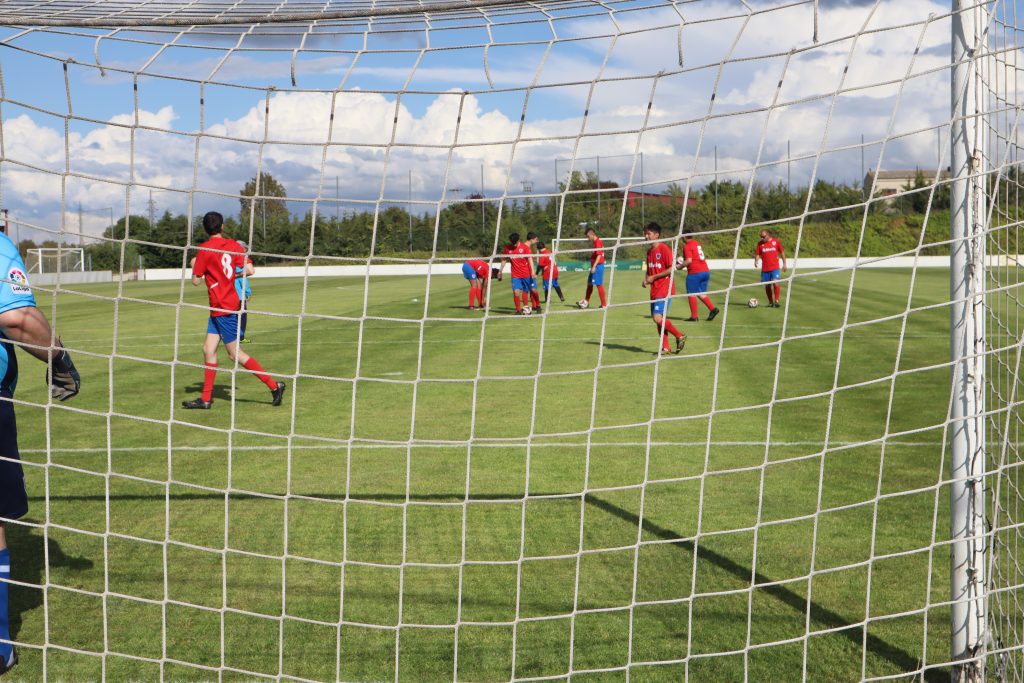
Luz Andrea, the team’s midfielder, also emphasizes the collaborative spirit: “In our team, the most important thing is that we are all together and play as a team. For his part, striker Ali Elkien sums up the soul of the project: “We are all good and we can all play soccer.

Commitment to sustainability and the environment

This sponsorship is also part of our social responsibility policy, linked to the Sustainable Development Goals, particularly SDG 13: Climate Action. In collaboration with C.D. Numancia, we will promote sustainability initiatives both in the ‘Los Pajaritos’ stadium and in the facilities of its sports city. These actions seek to reduce the environmental footprint of sports activities and raise awareness of the importance of caring for the environment.

This alliance with C.D. Numancia Inclusivo encourages us to continue building a fairer, more diverse and sustainable future. Because at Biorig we believe that true progress is measured by the ability to include everyone.

BIORIG, circular economy and energy sustainability

Biorig is Solarig’s biomethane production division. It was created to provide innovative solutions in the area of renewable gases and CO2 capture. Its activity is focused on the management of organic waste for its transformation into gases of renewable origin and to promote the development of projects within the framework of the energy transition and the circular economy.

Is it possible to recycle livestock waste?

A key element for the circular economy

Madrid, 16-05-25. Biomethane is key to decarbonize sectors that are difficult to electrify, and it is also essential to efficiently manage the waste we generate. This Saturday, on the occasion of World Recycling Day, we share some relevant data to understand why it is so important to properly treat agricultural and livestock waste.

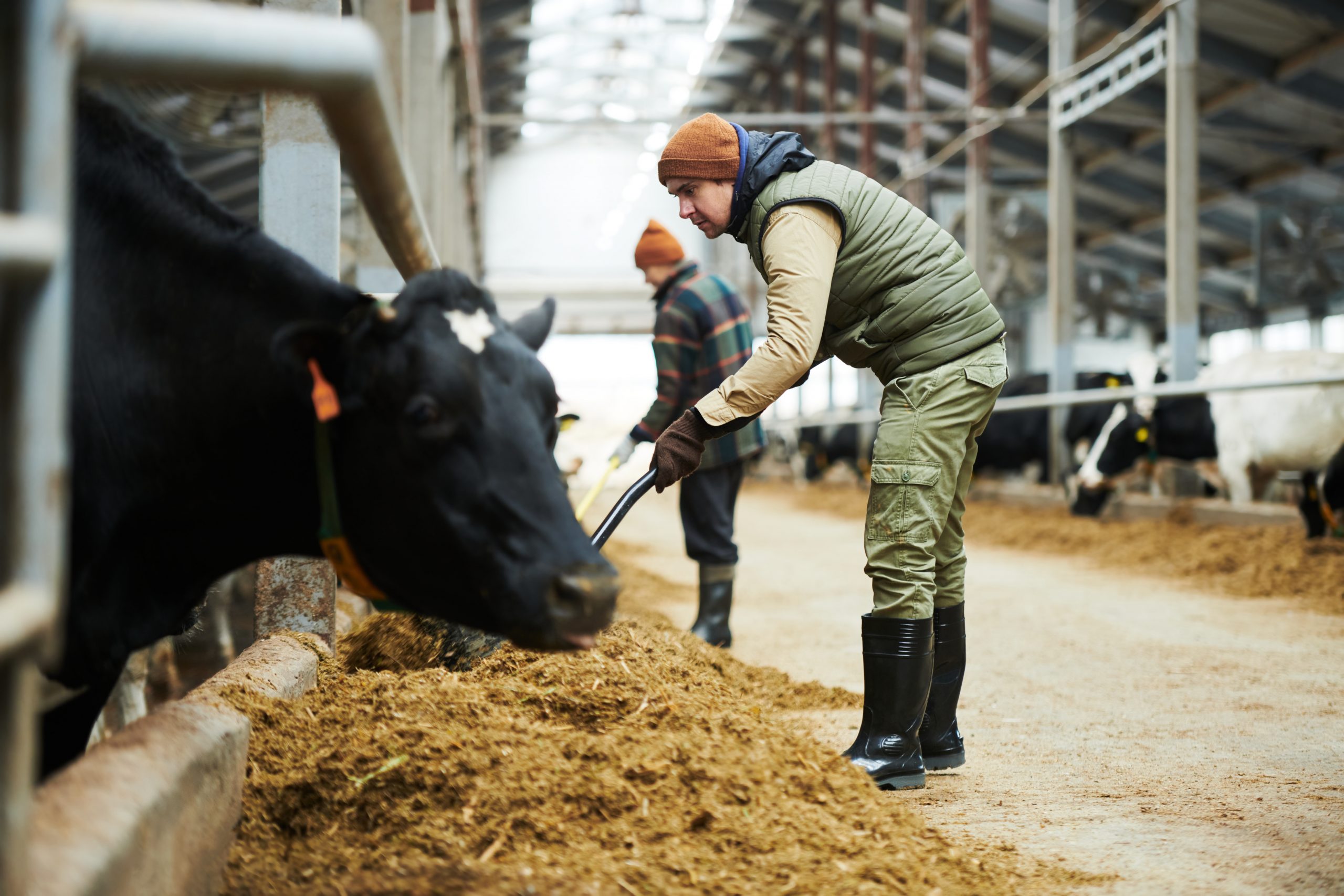
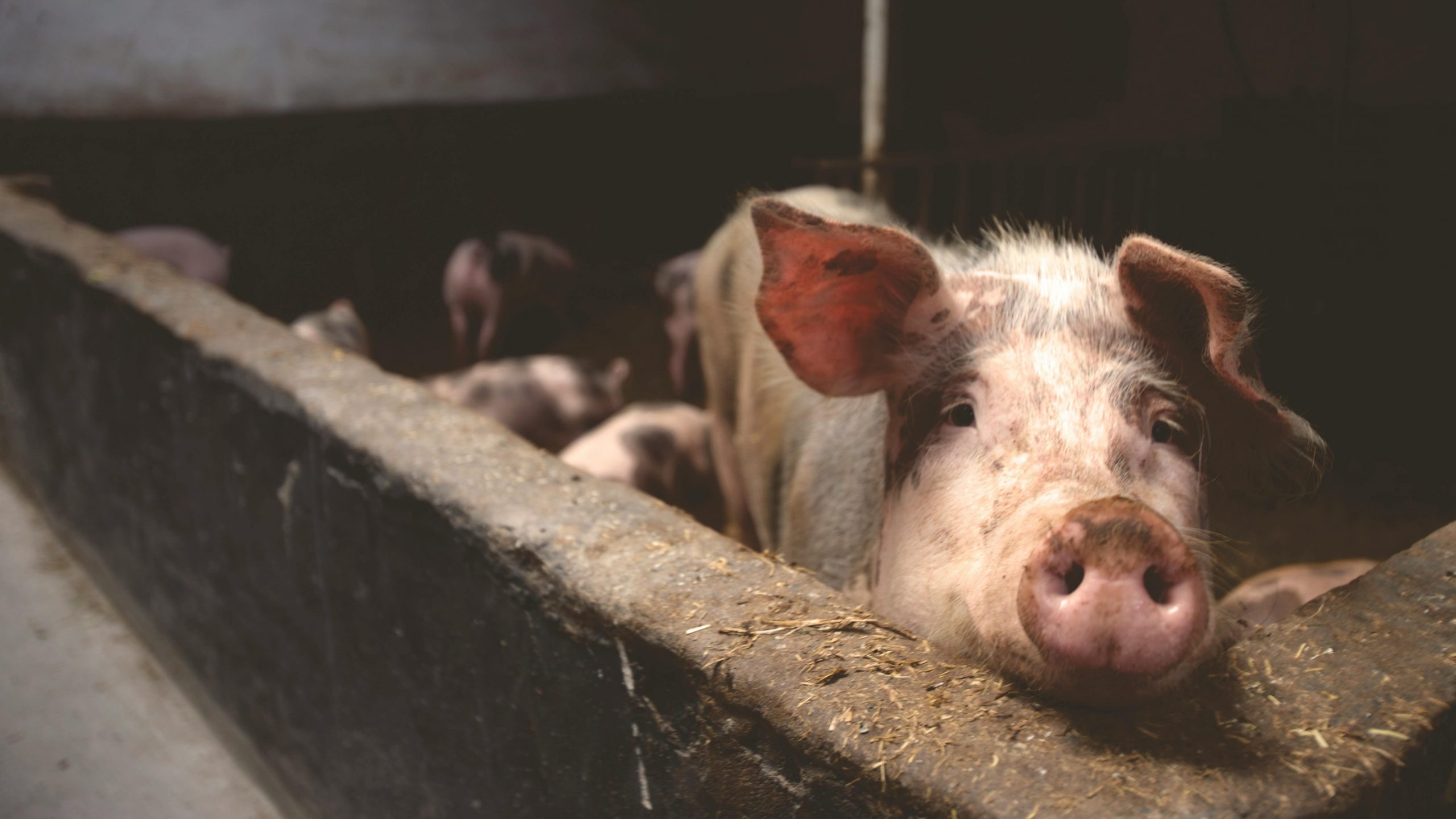
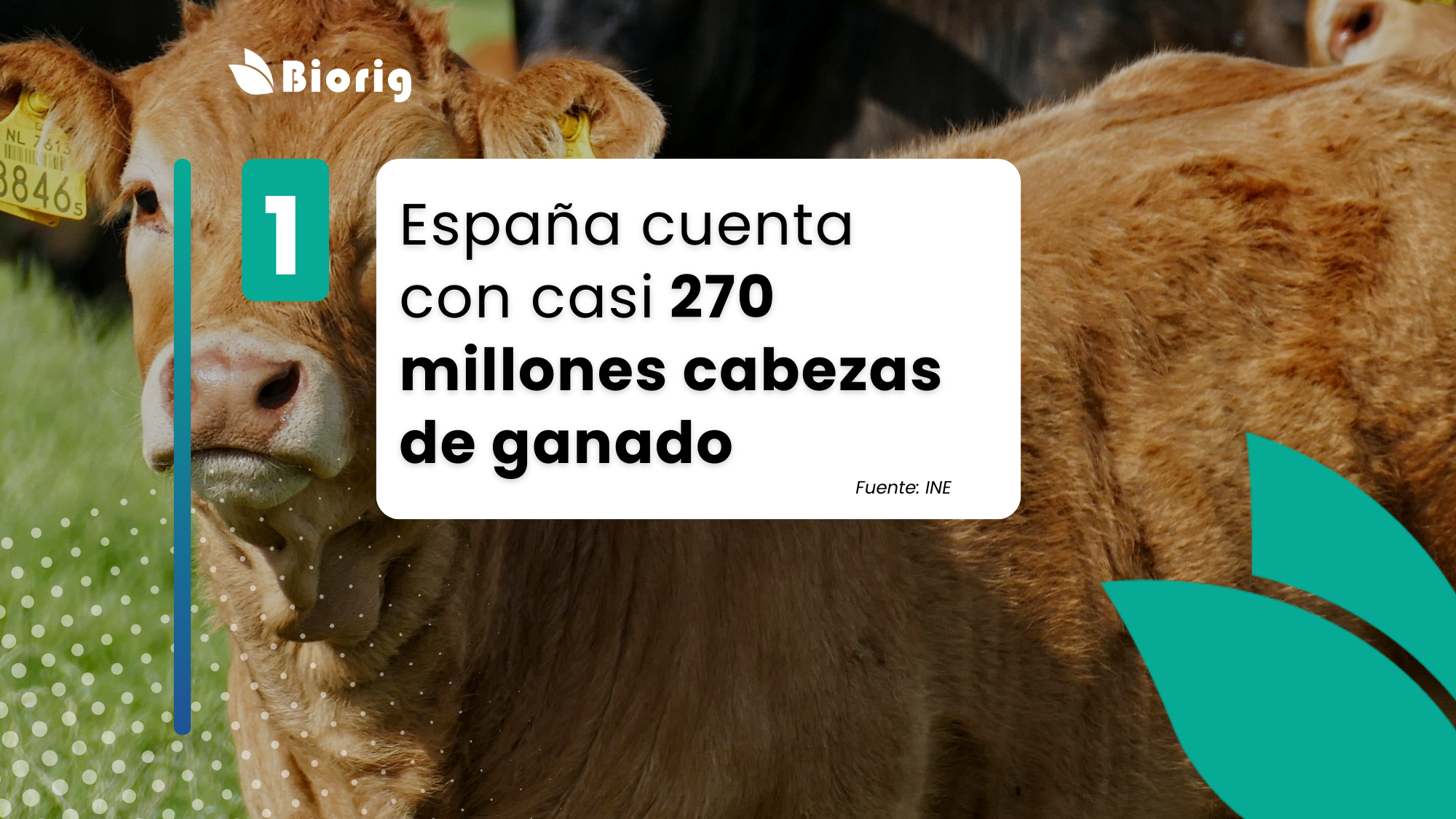
Spain has almost 270 million head of cattle, according to the INE.

This figure includes poultry, swine, cattle and sheep… each of which produces tons of waste each year. The management of their waste is becoming increasingly complex due to more stringent environmental regulations and the saturation of agricultural areas where it was traditionally applied as fertilizer.

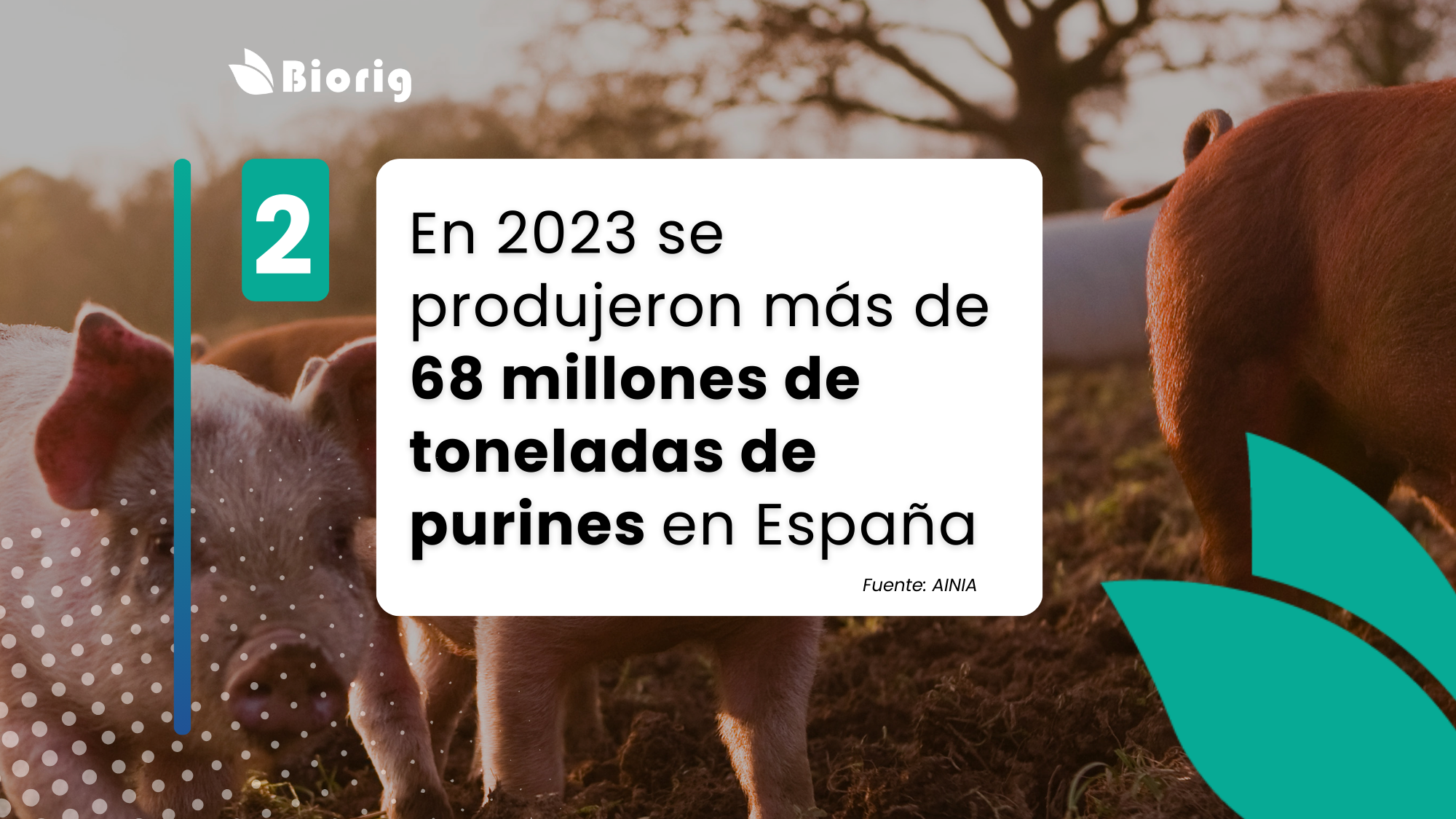
In 2023, more than 68 million tons of slurry were produced in Spain.

Of this amount, 6.9 million cannot be used as fertilizer, due to legal restrictions or lack of available agricultural land, according to AINIA. By 2035, the figure is expected to reach 79 million tons, of which about 10% (7.9 million tons) will not be usable, generating a serious environmental and logistical problem.

Many regions in Spain already face environmental problems resulting from the accumulation of waste.

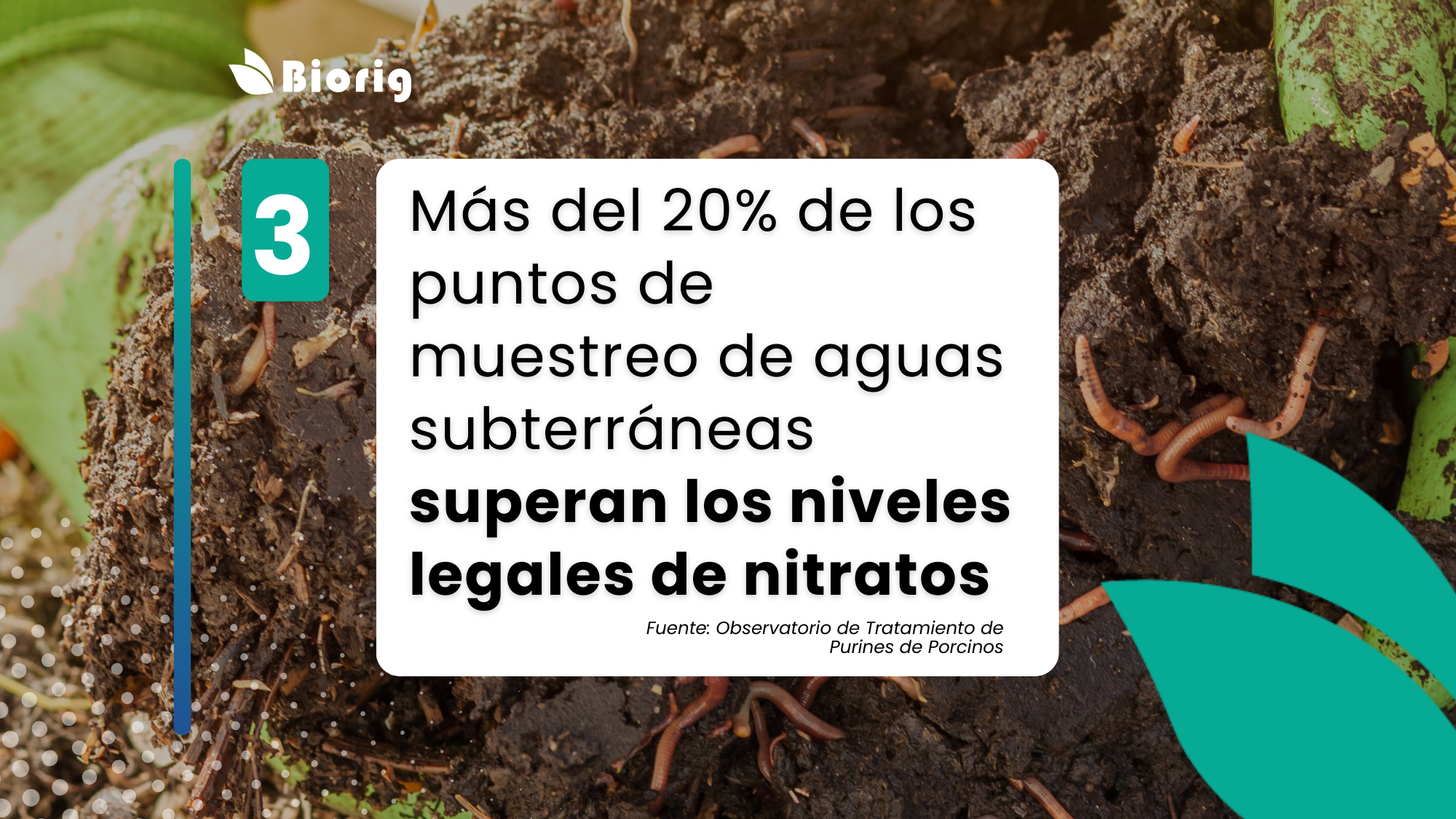
Regions such as Aragón, Castilla-La Mancha and Castilla y León have particularly high levels of nitrate contamination in their soils and groundwater. These regions have a high density of livestock farms and, at the same time, a limited capacity of agricultural soils to absorb them, which means that large volumes of waste cannot be managed locally. More than 20% of groundwater sampling points exceed legal nitrate levels, according to the Pig Slurry Treatment Observatory.

¿Cómo contribuye Biorig a esta transformación?

En Biorig trabajamos con una misión clara: transformar residuos en energía y oportunidad. Our activity is focused on the valorization of agricultural and livestock waste.

Anaerobic digestion technology

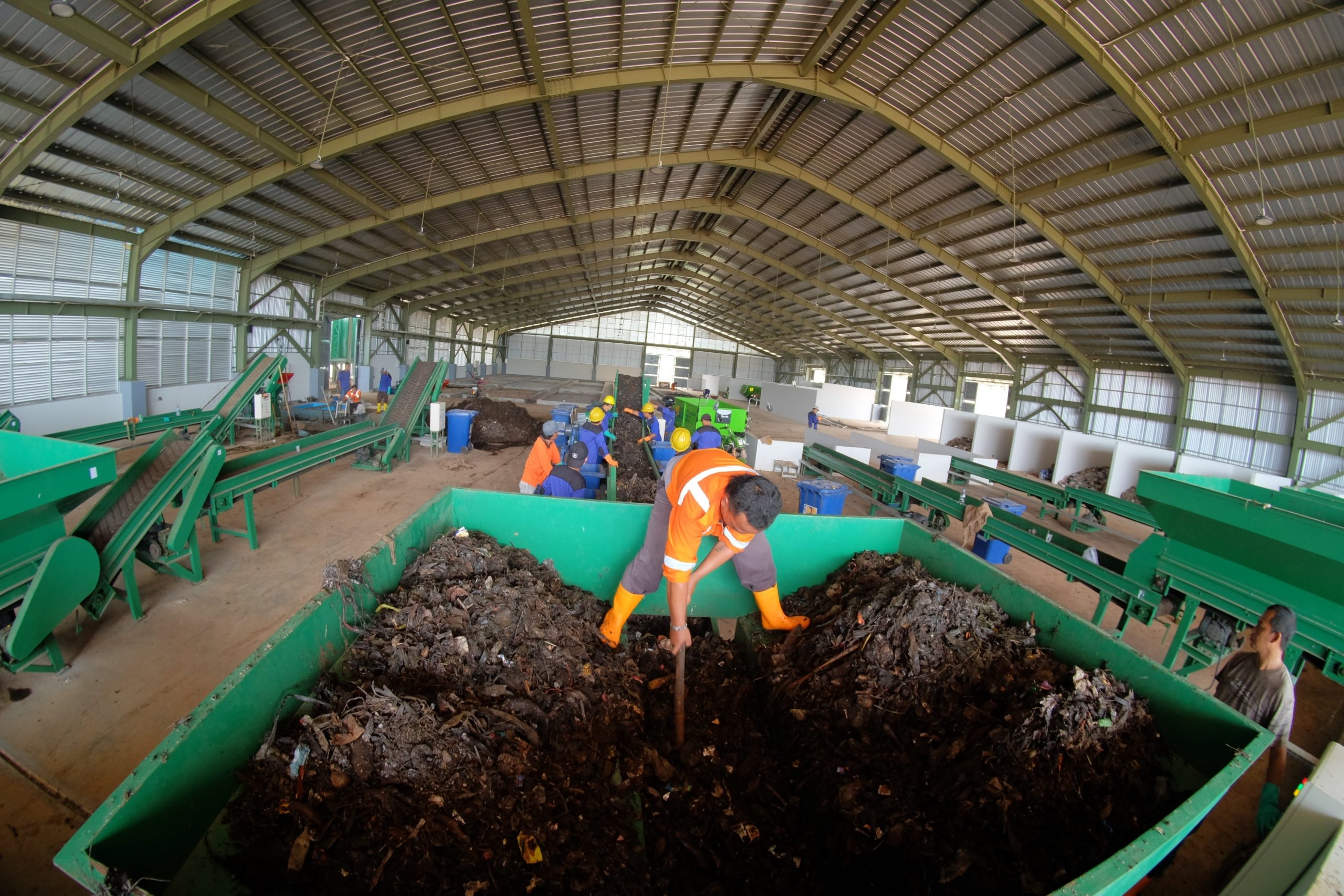
At our facilities we decompose the organic matter of agricultural and livestock waste under controlled conditions to generate biogas, which is subsequently purified and converted into biomethane.

Closing of the agricultural and livestock cycle

We return more stable and sanitized fertilizers to the field and reduce the environmental impact of livestock farms.

 Collaboration with farmers and cooperatives

We provide management solutions that comply with current regulations, add value and reduce costs in the medium term.

Renewable energy generation

We generate energy that replaces fossil fuels, drives the energy transition and enables agricultural and livestock producers to actively participate in the circular economy.

Contact

Estamos cerca de ti

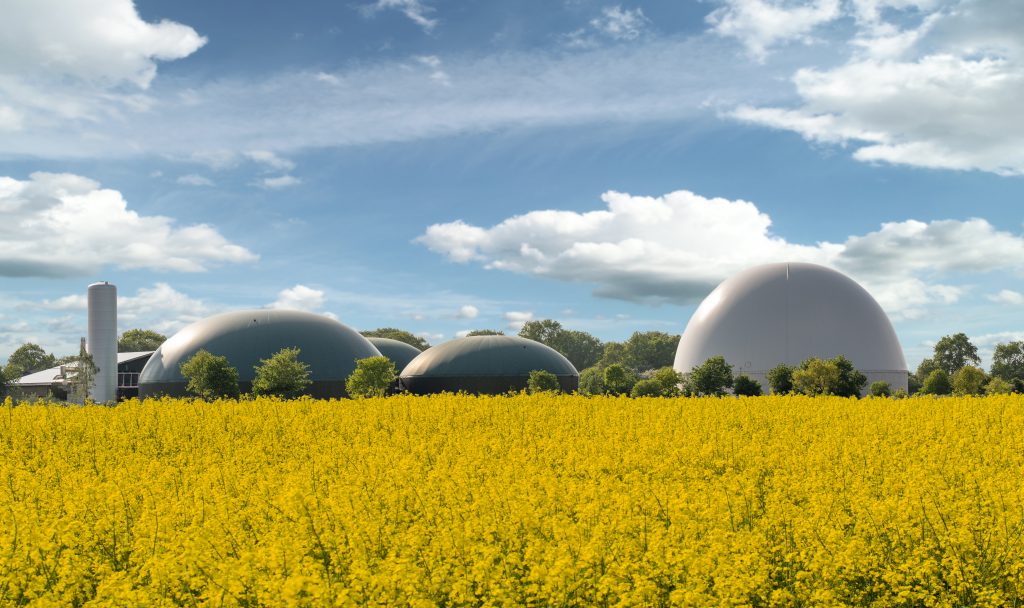
Faced with this challenge, the energy sector has an effective and proven tool: energy recovery through biogas and biomethane plants.

The academy, the agricultural sector and the Junta de Castilla y León endorse the development of biomethane in Zamora

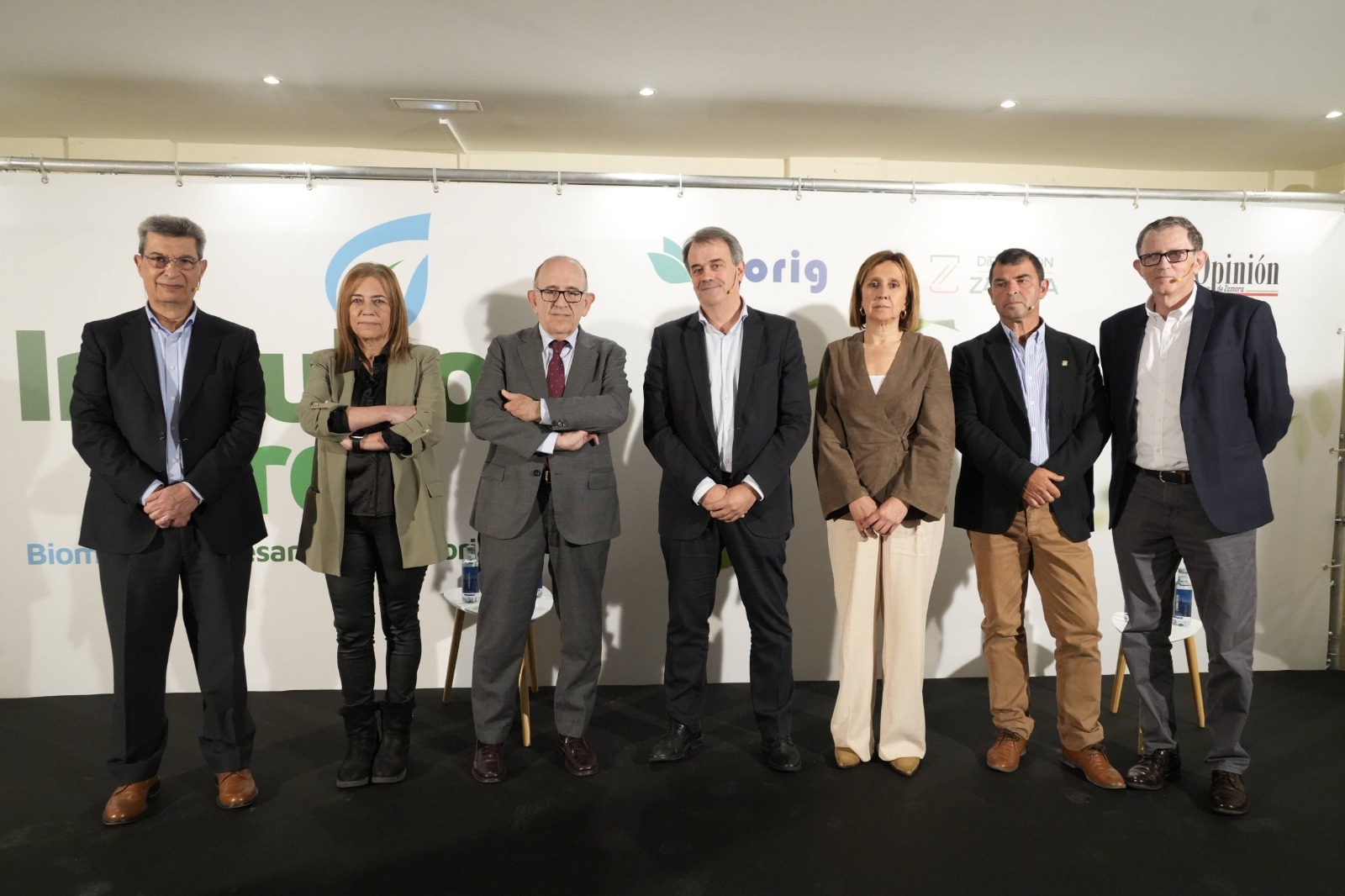
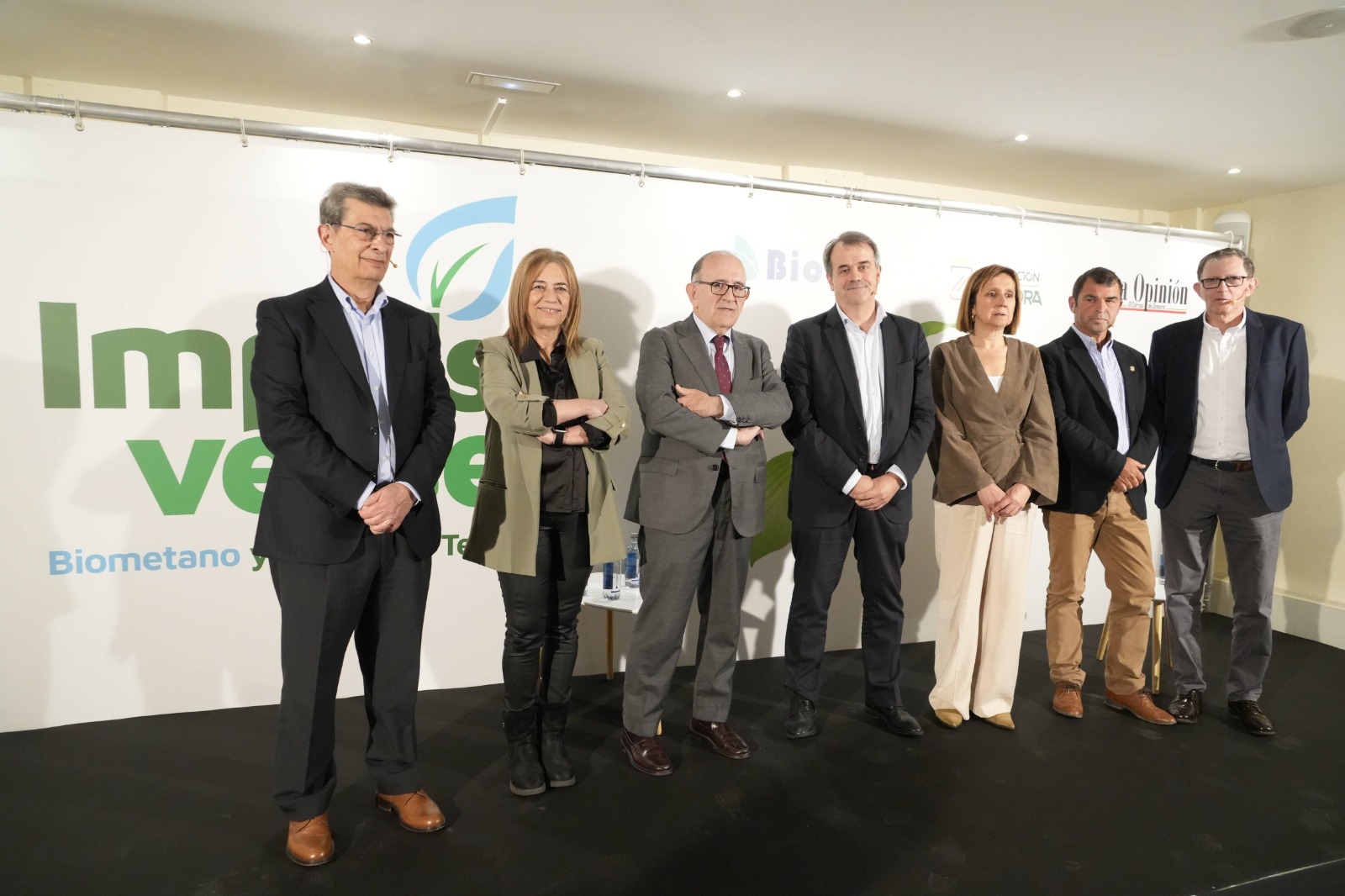
Members of Asaja Zamora, Aebig, the University of León and Biorig discuss the challenges in the deployment of biomethane in a forum of ‘La Opinión – El Correo de Zamora’.

Zamora se consolida como un territorio clave en la transición energética gracias al impulso del biometano. El foro “Impulso verde: biometano y desarrollo territorial”, organizado por La Opinión – El Correo de Zamora con el patrocinio de Biorig y la Diputación de Zamora; reunió el pasado miércoles 7 de abril a actores fundamentales del sector agrario, la comunidad científica y las empresas y asociaciones del sector del biometano para poner de manifiesto la oportunidad que representa el desarrollo del biometano en Zamora y Castilla y León.

Antonio Medina, presidente de Asaja Zamora; Francisco Repullo, presidente de honor de la Asociación Española del Biogás (Aebig); Antonio Morán, catedrático de la Universidad de León; y Manuel Alonso, director general de Biorig, expusieron sus opiniones sobre esta tecnología tras la intervención de José Manuel Jiménez, director general de Infraestructuras y Sostenibilidad Ambiental, quien defendió que Castilla y León puede sustituir más del 50% del gas natural fósil que se importa del exterior gracias al biometano.

A call to action from the energy sector

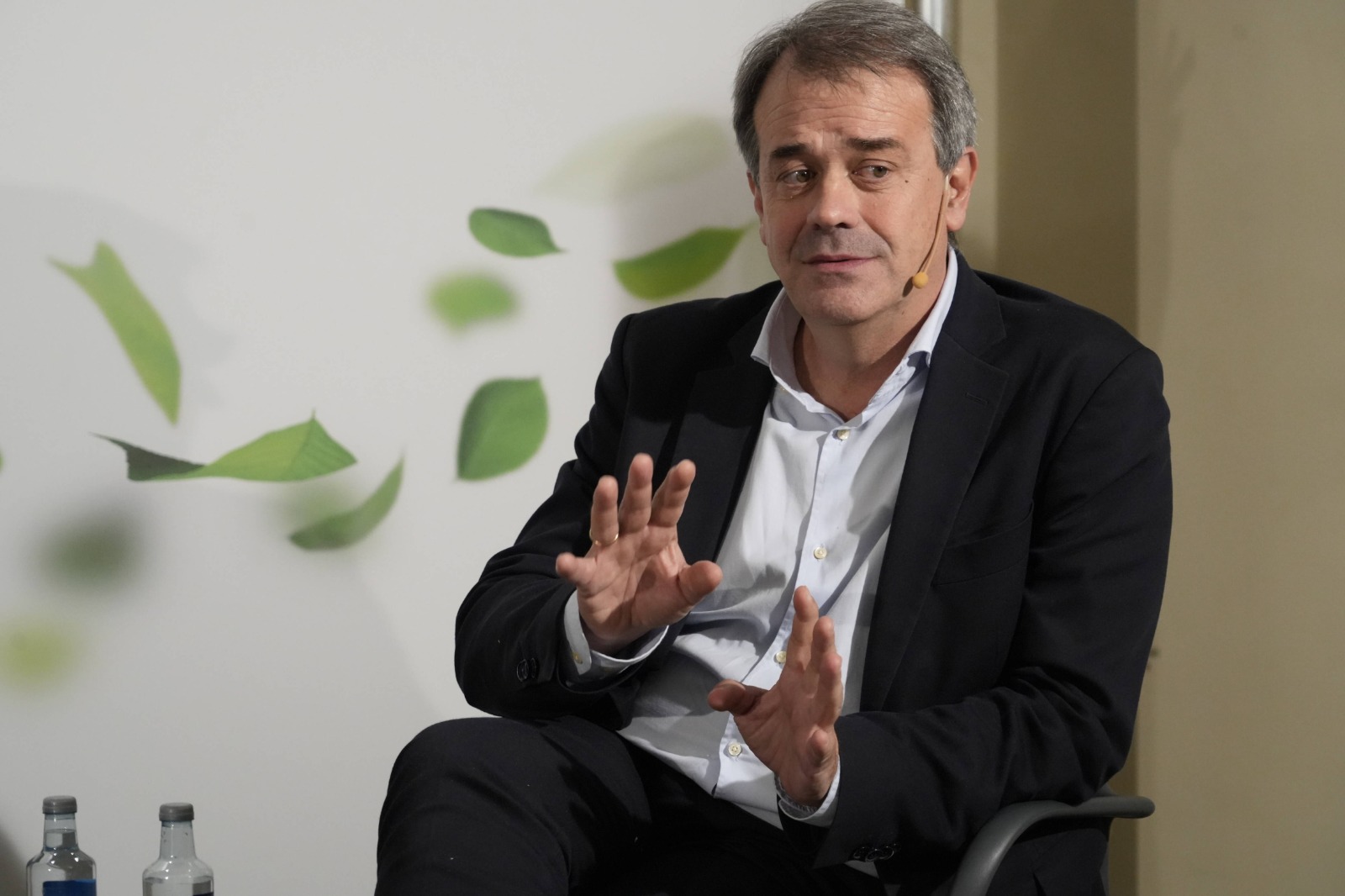
Manuel Alonso, CEO of Biorig, conveyed a strong message during his speech, in line with the principles of sustainability and circular economy defended by the company: “We must be aware of the need to manage waste and achieve energy diversification”.

In a context marked by climate urgency and the need for energy autonomy, biomethane is positioned as a clean, efficient alternative capable of generating wealth in the areas that need it most. According to estimates by the Junta de Castilla y León, around 35 million tons of agricultural and livestock waste are produced annually in the region, compared to 1 million tons of urban waste, the management of which must be optimized to comply with increasingly restrictive environmental criteria and the improvement of agricultural soils.

Castilla y León: leadership in renewable energy and biomethane potential
José Manuel Jiménez, general director of Infrastructures and Environmental Sustainability of the Junta de Castilla y León, participated in the conference, highlighting that the community already produces 90% of its electricity from renewable sources. He also pointed out that biomethane would make it possible to replace more than 50% of the fossil natural gas currently consumed, with an estimated investment of 2,500 million euros.

A plural and complementary panel


The forum brought together key representatives of knowledge, production and innovation. The panel discussion, moderated by journalist Verónica de Castro. This multidisciplinary panel discussed the need to create a stable regulatory environment, to foster public confidence and to strengthen the dialogue between developers, administrations and the local population.

Both the public and business sectors stressed the importance of acting seriously, with technical rigor and transparency. The commitment to renewable gases, and in particular biomethane, requires solid projects, well communicated and oriented to generate a positive impact on the territory.

Biorig’s commitment with Zamora
At Biorig we believe in a decentralized energy model and in the need to integrate all actors in the transformation process. Our participation in this forum reinforces the company’s commitment to sustainability, the creation of rural employment and the intelligent valorization of local resources.

The future of energy involves circular, fair and collaborative solutions. In Zamora, this transition has already begun.

BIORIG, circular economy and energy sustainability

Biorig is Solarig’s biomethane production division. It was created to provide innovative solutions in the area of renewable gases and CO2 capture. Its activity is focused on the management of organic waste for its transformation into gases of renewable origin and to promote the development of projects within the framework of the energy transition and the circular economy.