
24 October – International Day Against Climate Change
Climate change is the greatest environmental and economic challenge facing humanity. In short, it involves the disruption of the Earth’s climate patterns, rising temperatures, and changes to ecosystems. It is mainly caused by the emission of carbon dioxide and other greenhouse gases from industries, the burning of fossil fuels, and deforestation. Although we are aware of the problem, the energy transition is emerging as one of the best solutions to fight it: clean, renewable energy used efficiently, along with reforestation and reduced consumption. There’s still time.
How does it impact ecosystems?
Here are five examples from five countries where Solarig operates, showing the effects and consequences of climate change:
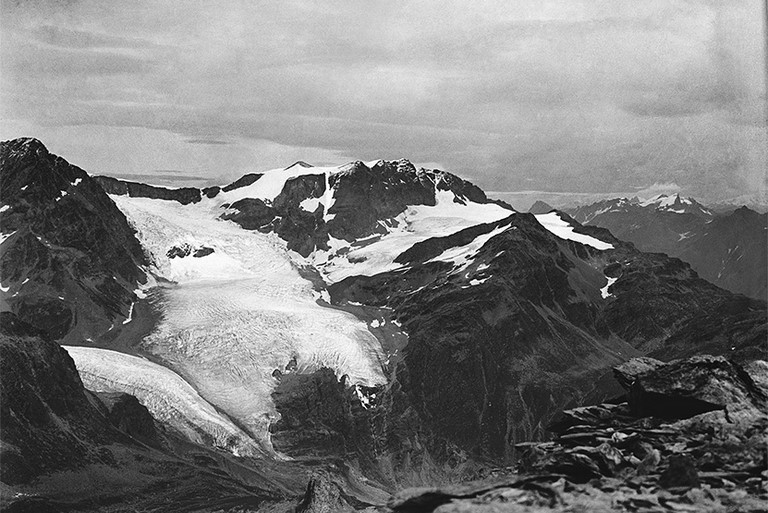
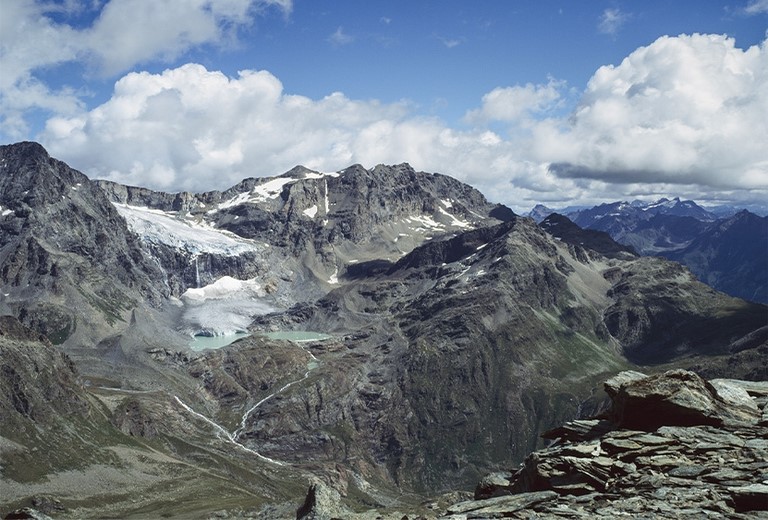
Glacier – Monte Perdido, Spain
It is estimated that the Monte Perdido glacier, located within the Ordesa and Monte Perdido National Park in the Pyrenees, loses around 1 metre of ice thickness each year. In 2019, it measured 35 metres thick. Of the 2,000 hectares of glacier mass thought to have covered the area in 1850, 90% has already disappeared. Today, the glacier covers just 37 hectares — over ten less than in 1981.
Credit: Sergio Padura y Ánchel Belmonte
Sea – City of Venice, Italy
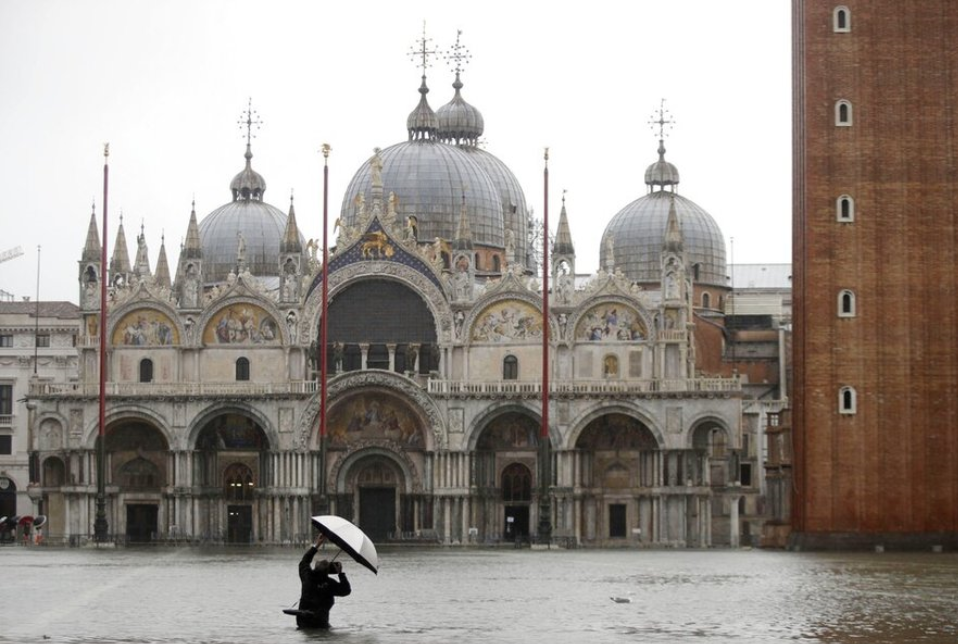
Venice, the iconic Italian city built on a group of islands in a lagoon, is facing serious threats from climate change — especially rising sea levels. Moreover, climate change has intensified storms and weather events that raise water levels, causing increasingly frequent and destructive flooding.
Credits: Milenio – AP

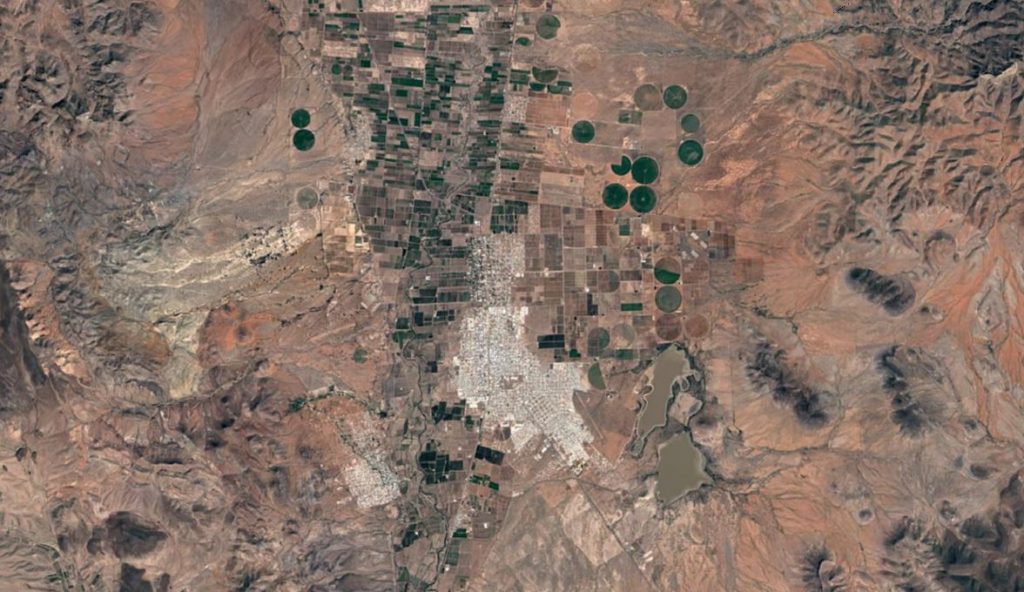
Agriculture – Chihuahua, Mexico
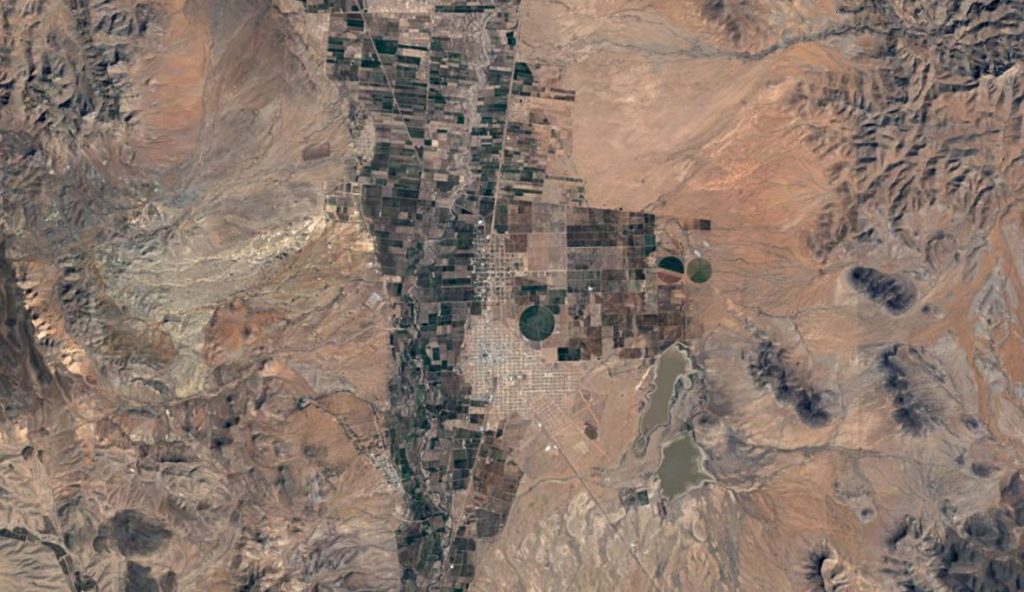
Located in north-central Mexico, this desert region has a rich agricultural history built around the fertile alluvial plains of the San Miguel River. However, beyond the effects of climate change, intensive irrigation, overgrazing, and invasive plant species are threatening the region’s ecosystems.
Credits: Google Earth
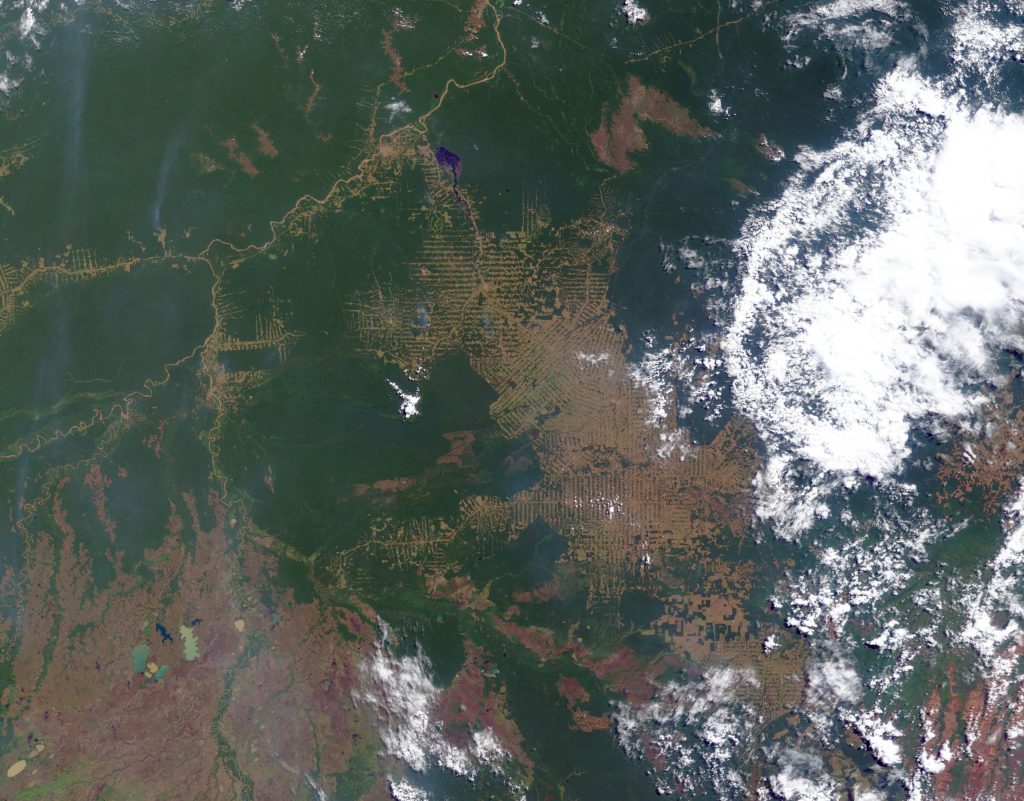
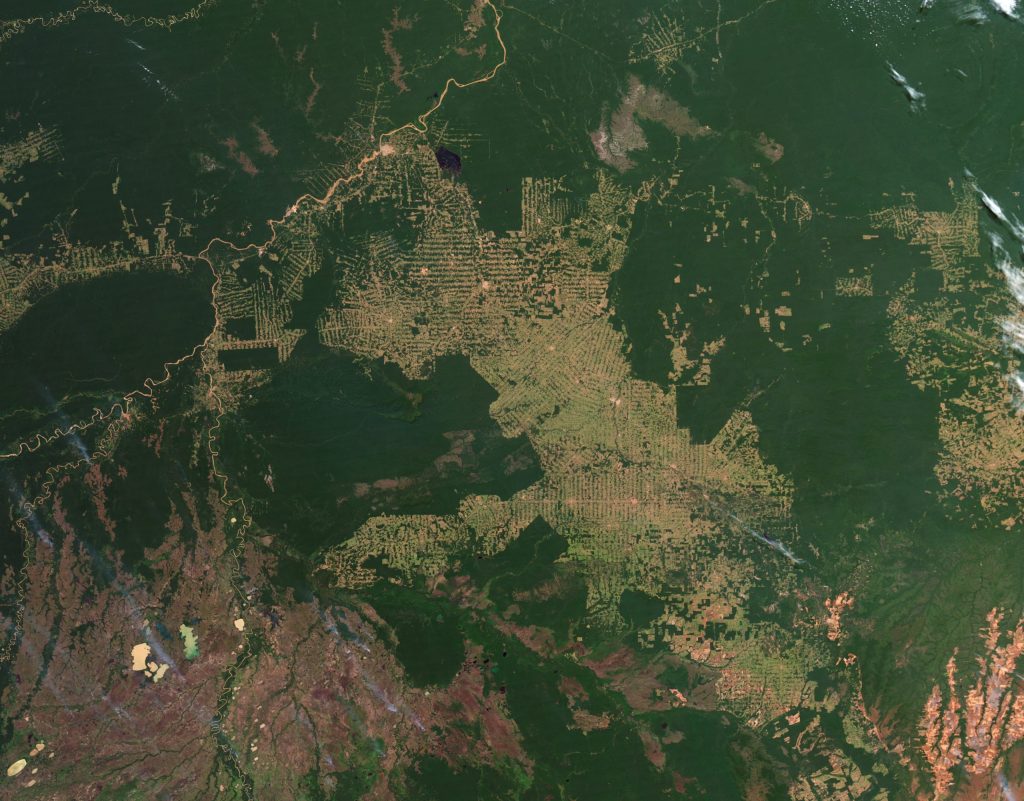
Forest – Rondônia, Amazon, Brazil
The state of Rondônia, in western Brazil, once home to 208,000 square kilometres of forest, has become one of the most deforested areas of the Amazon. This pattern follows one of the most common deforestation routes — known as “fishbone” patterns — where legal and illegal roads cut into remote parts of the rainforest, allowing more land to be farmed and cleared, gradually spreading in this distinctive formation.
Credits: Nasa
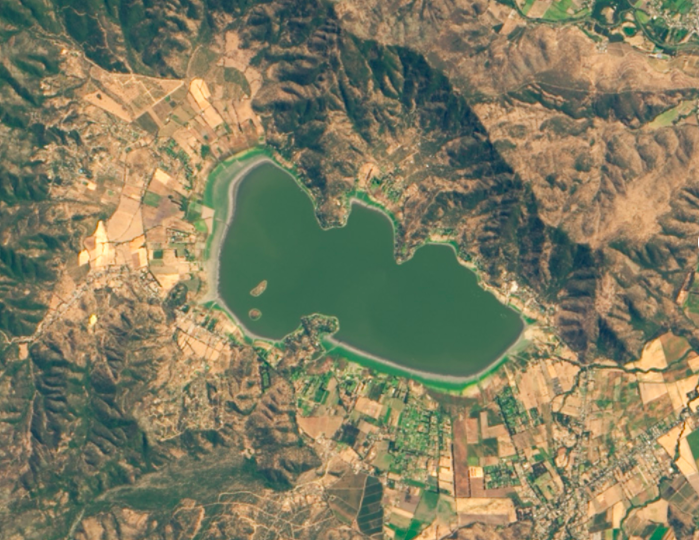
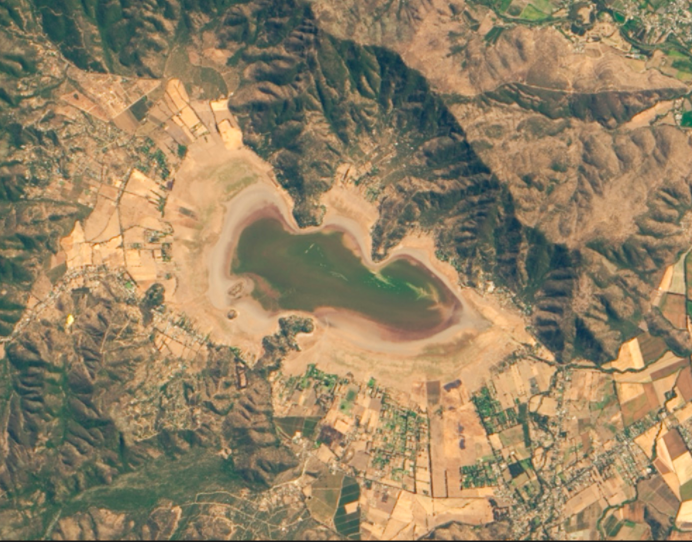
Rivers and Lakes – Lake Aculeo, Chile
A decline in regional rainfall, combined with a prolonged megadrought in central Chile, caused the complete drying up of Lake Aculeo. The disappearance of this body of water has not only impacted local farmers, ecosystems, and biodiversity, but also severely affected the local economy. After drying up completely in 2018, the lake began to refill in 2023.
Energy Transition and Climate Change
The energy transition is key to fighting climate change. It involves shifting to clean and renewable energy sources, reducing dependence on fossil fuels — the main emitters of greenhouse gases. This shift enables a significant reduction in carbon dioxide and other greenhouse gas emissions (methane, nitrous oxide, fluorinated gases), which is essential for limiting global warming.
At Solarig, we develop the infrastructure needed to achieve this energy transition, while also promoting technological innovation, the creation of green jobs, and improvements in energy efficiency. In doing so, we help build a more sustainable and resilient development model in the face of climate impacts.
Other news
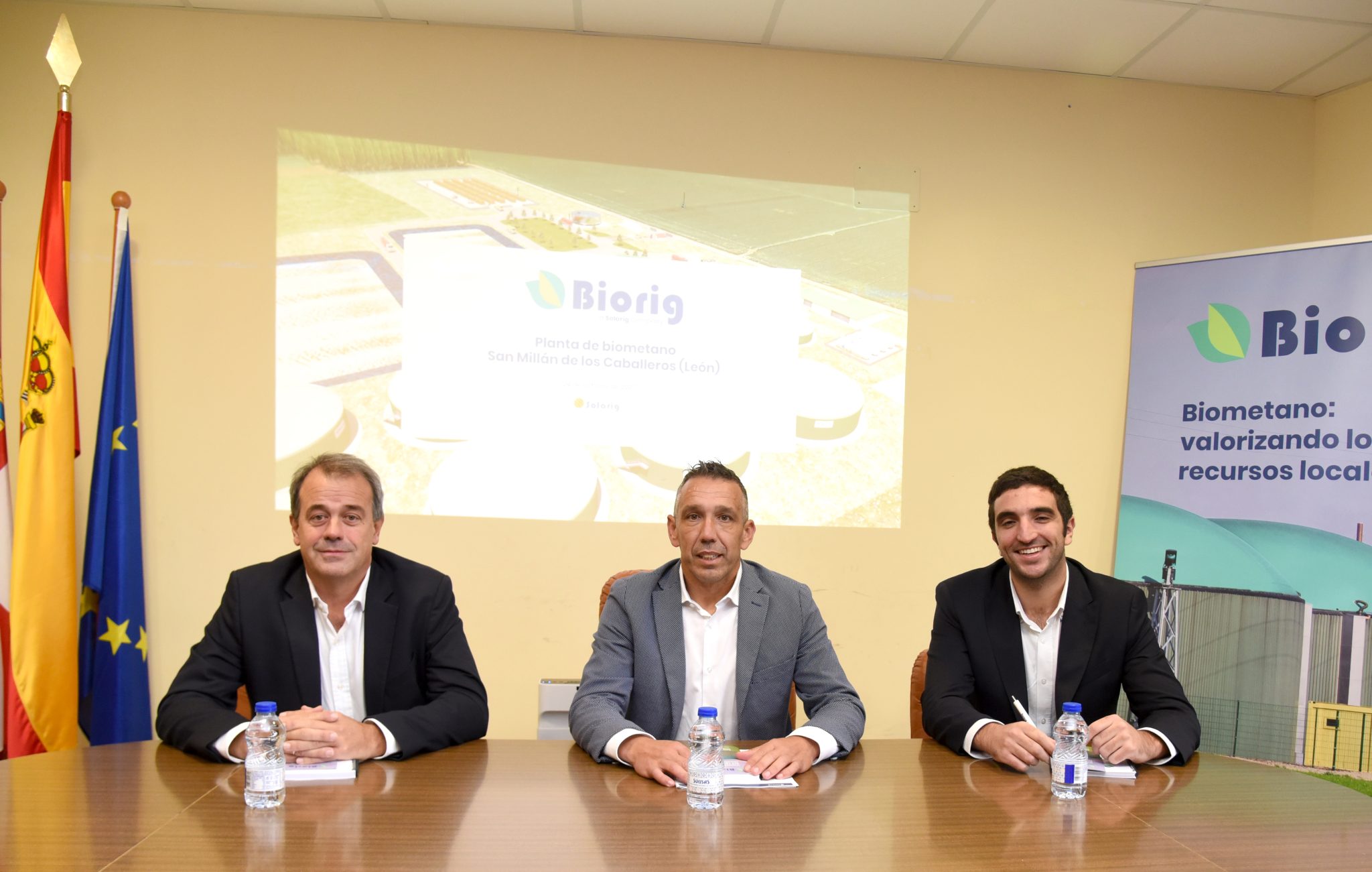
Biorig construirá una planta de biometano en León de 90 GWh/año
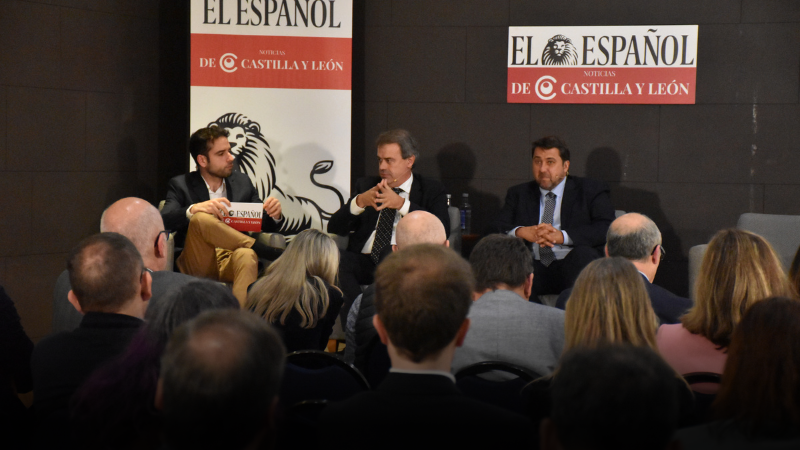
Biorig forma parte del Foro de la Energía de El Español

Biorig interviene en “El Biogás: una alternativa a los purines en la Economía Circular”
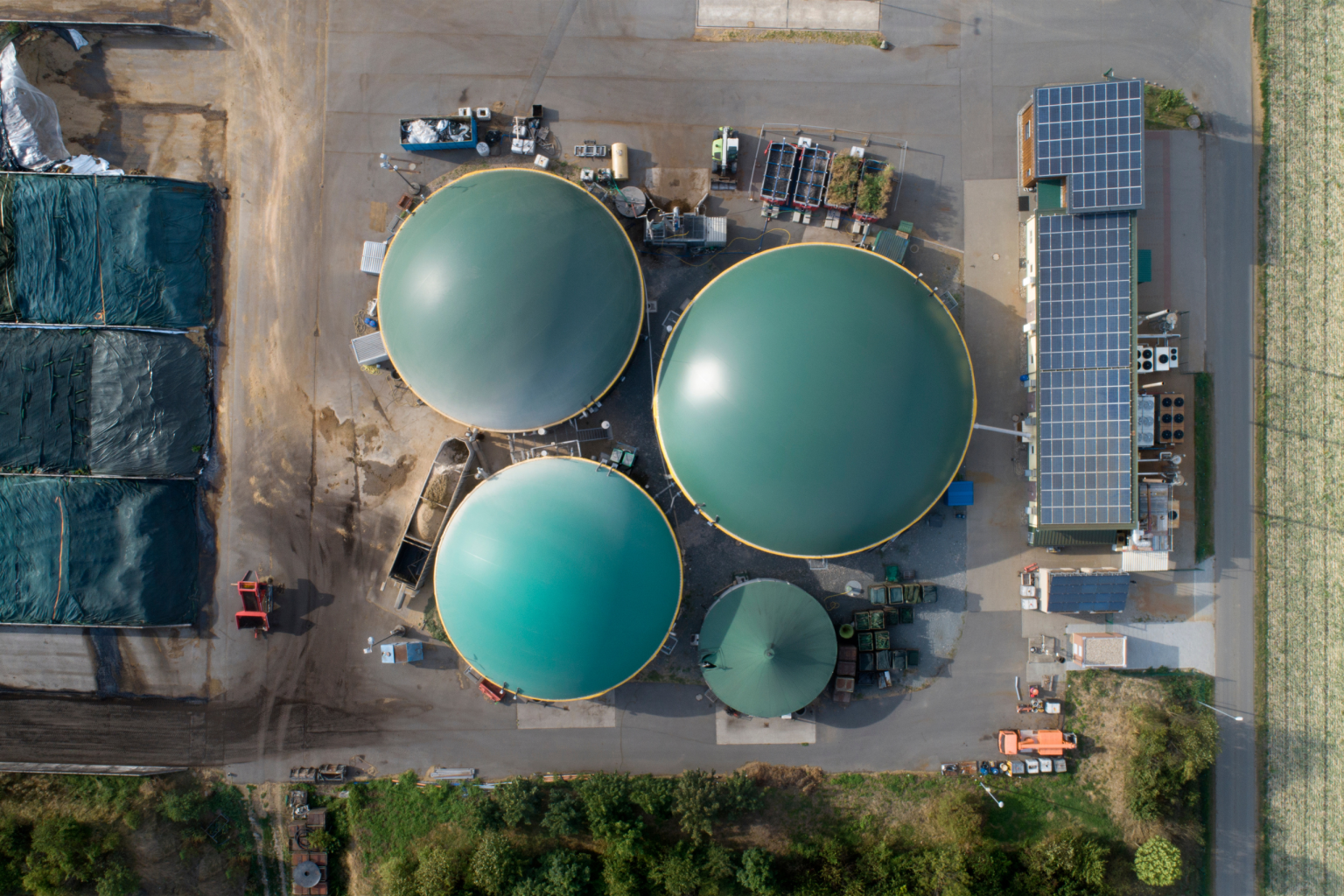
Biorig invertirá 250 millones de euros para construir 10 instalaciones de producción de biometano en Castilla y León

Biorig participa en el foro «Transición Energética y Economía Circular» de KREAB

Biorig participa en la 103ª edición de la Feria de Maquinaria Agrícola de Valencia de Don Juan (León)

Podcast: Futuro verde – Gases verdes: biometano
Aún estamos a tiempo

Cinco Días: España necesita una mayor ambición en biometano para acelerar la transición energética

El Día de Soria: Biometano, una oportunidad para el crecimiento de una economía más verde y sostenible

El Español: España, ante la oportunidad de replicar el éxito de la energía renovable con los gases verdes
