The challenge of decarbonizing heavy-duty transportation
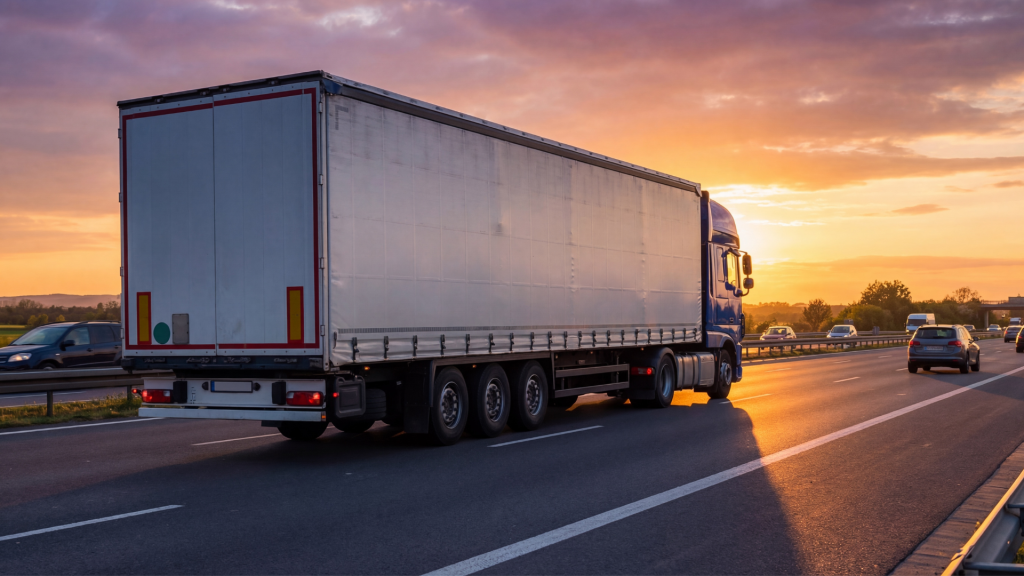
Soria. XX, 2026. Decarbonizing heavy-duty transportation is one of the major challenges of the energy transition. Sectors such as road transport, public transportation, and maritime transport require large amounts of energy, and currently rely primarily on fossil fuels due to the difficulty of electrifying them.
In the European Union, transportation accounts for more than 30% of CO2 emissions, with road and maritime transport responsible for nearly 90% of these emissions. This context, coupled with the difficulty of electrifying these transportation systems in the medium term, highlights the need for effective, rapidly deployable solutions that can reduce the carbon footprint of heavy-duty transportation.
The need for solutions available today
Although technologies such as electrification and renewable hydrogen are set to play a significant role in the future, their deployment in heavy-duty transportation still faces technical, economic, and infrastructure challenges.
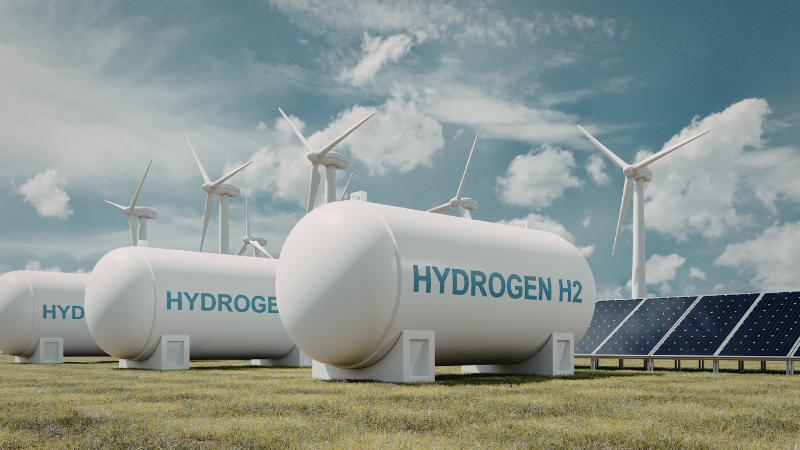
Renewable hydrogen enables the decarbonization of long-haul heavy-duty transportation thanks to its high energy density and refueling times comparable to those of diesel. However, its deployment depends on an infrastructure that is still limited and a value chain that is still developing, with high costs and challenges associated with its storage and transportation.
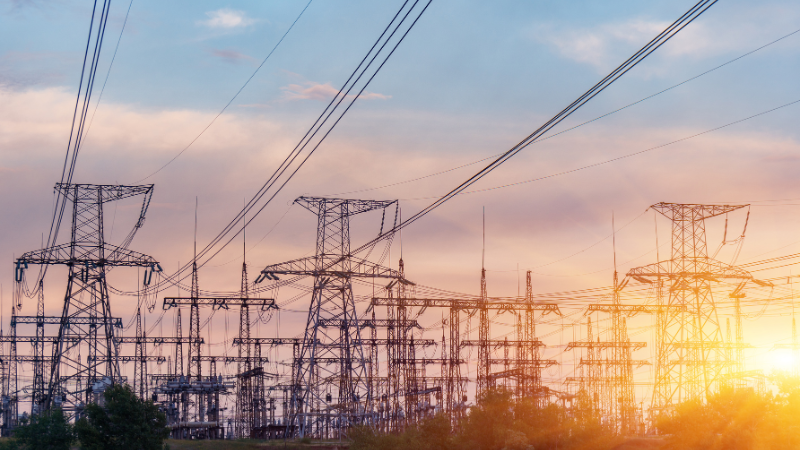
Electrification offers the greatest potential for reducing emissions in heavy-duty transportation, particularly on short- and medium-distance routes, thanks to its high energy efficiency. However, it requires significant investment in the power grid and charging infrastructure, and faces limitations in terms of range and charging times for long-distance operations; as a result, its implementation is expected to take place over the long term.
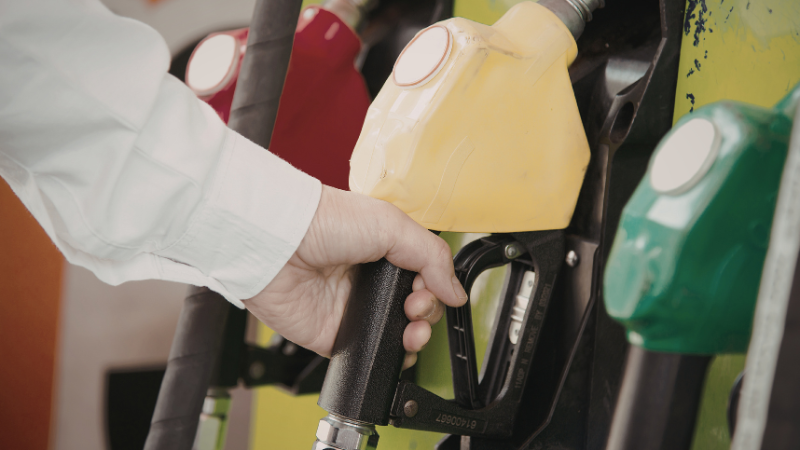
Liquid biofuels help reduce emissions by leveraging existing infrastructure and vehicles, facilitating an immediate transition without significant technological changes. However, their availability is limited, and crops are sometimes grown specifically for this purpose, which increases their carbon footprint; furthermore, many heavy-duty vehicles are not equipped with engines capable of running on these fuels.
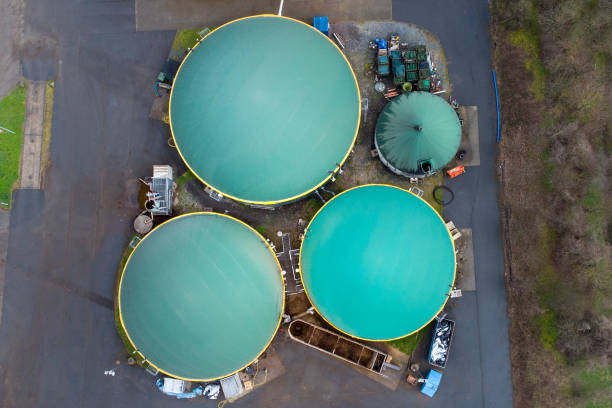
Biomethane and e-methane enable the decarbonization of heavy-duty transportation using existing gas infrastructure, with mature and fully operational technologies. Their main advantage is that they offer an immediate and manageable solution for both land and marine vehicles.
Biomethane in transportation: an immediate solution
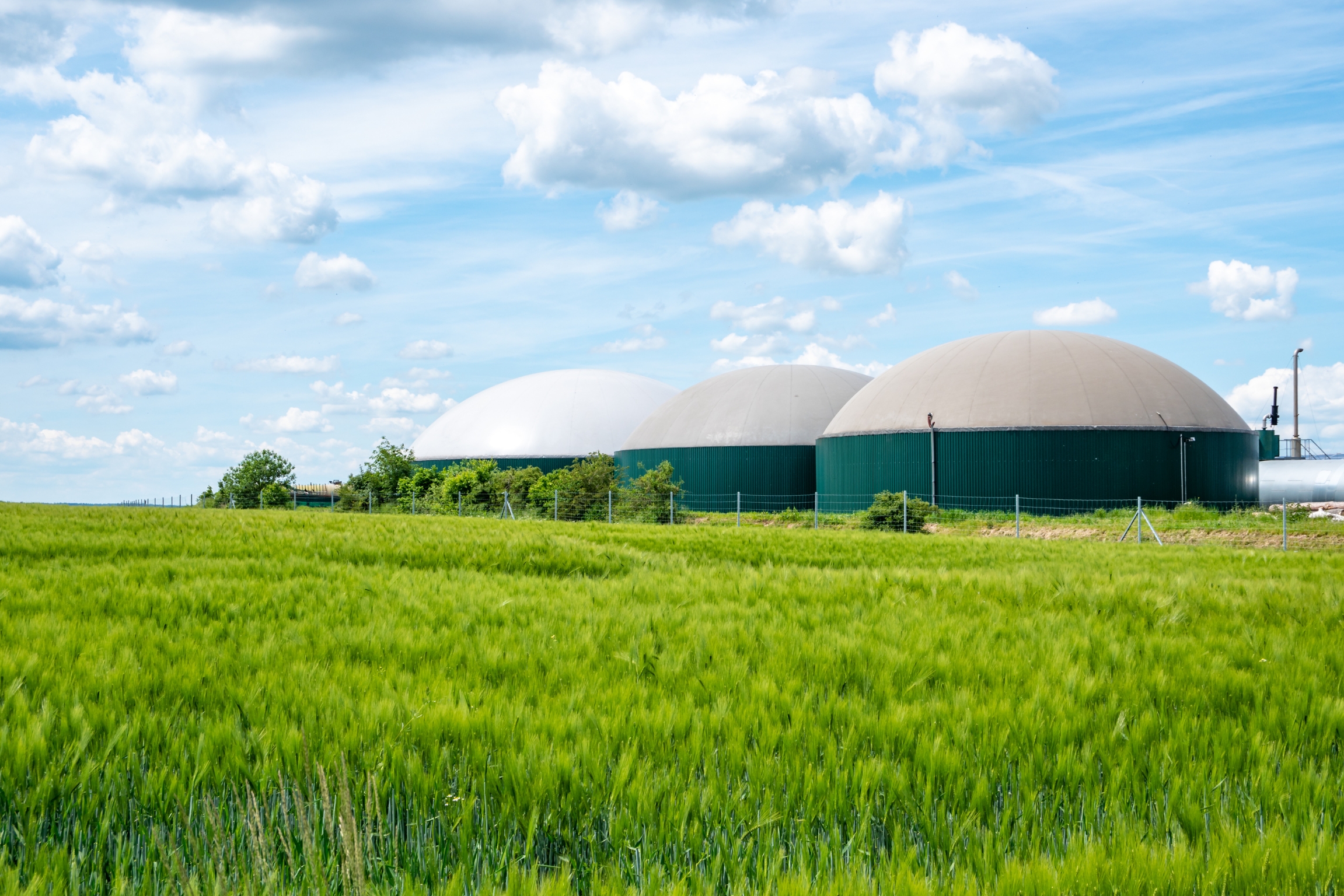
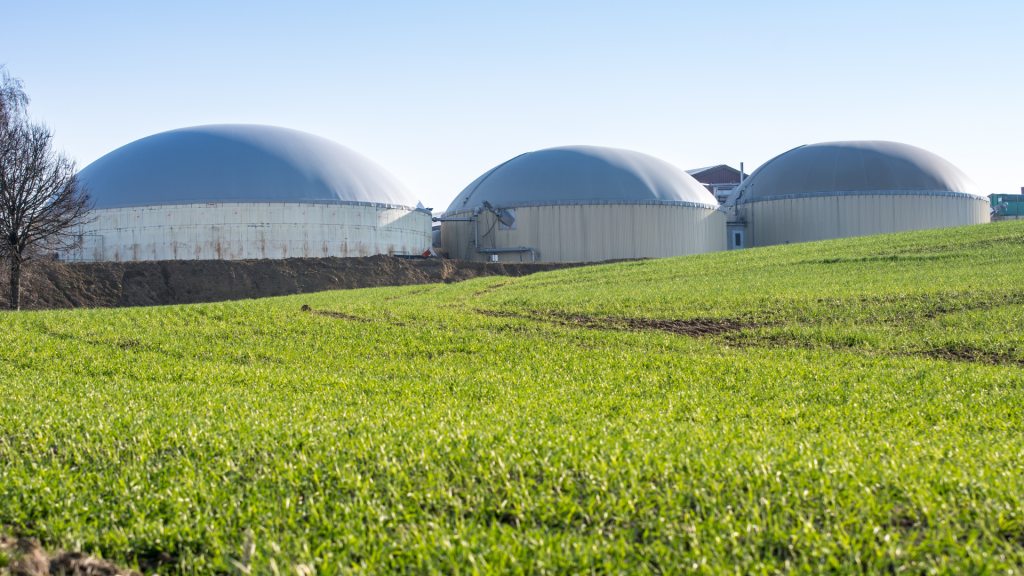
Biomethane is emerging as one of the leading solutions for immediately decarbonizing heavy-duty transportation. It is a renewable gas produced from organic waste that can be used as a direct substitute for natural gas.
Its main advantage is that it can be used in existing vehicles and infrastructure, which facilitates rapid implementation without the need for significant additional investment. This makes it a particularly effective option for sectors such as freight transport and urban transit.
In addition, the use of biomethane in trucks and buses significantly reduces greenhouse gas emissions, helping to advance toward more sustainable mobility models.

Where can biomethane be used in transportation?
Biomethane is already being used in various sectors of heavy-duty transportation, demonstrating its technical and operational viability. Its ability to integrate into existing systems makes it possible to reduce emissions right from the start.


Road transport: trucks
El biometano permite descarbonizar el transporte de mercancías de larga distancia sin alterar la operativa de las flotas, reduciendo emisiones desde el primer momento.

Transporte público: autobuses
En el ámbito urbano, el biometano se utiliza en autobuses que mejoran la calidad del aire y reducen la huella de carbono del transporte público.

Transporte marítimo
El biometano ofrece potencial en el transporte marítimo, uno de los sectores con mayores emisiones y menor disponibilidad de soluciones inmediatas.
Biomethane: Key to Rapid Decarbonization
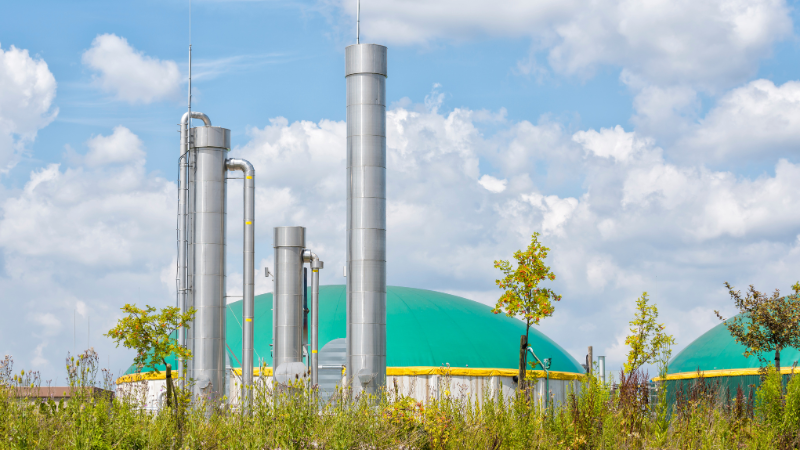
Various studies across Europe indicate that biomethane is one of the solutions with the greatest potential for rapidly and broadly decarbonizing transportation. It can achieve emission reductions comparable to or even greater than those of other alternatives, with the advantage of being able to be deployed immediately.
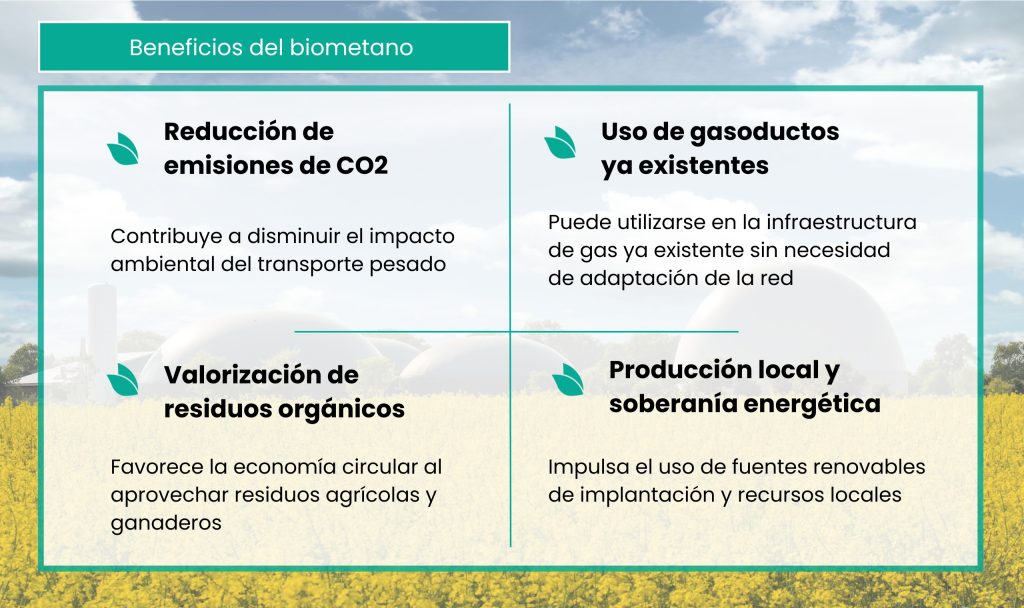
A solution available to get started today
Decarbonizing heavy-duty transportation requires combining long-term solutions with alternatives that can be implemented immediately. In this context, biomethane represents a realistic, efficient, and readily available option.
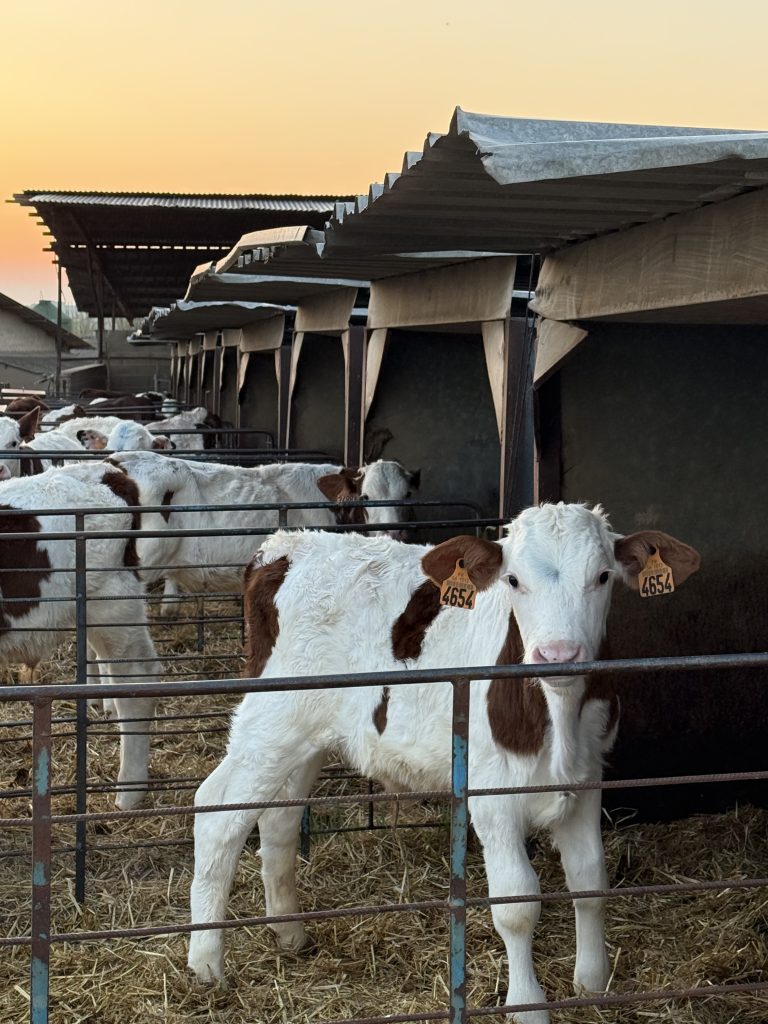
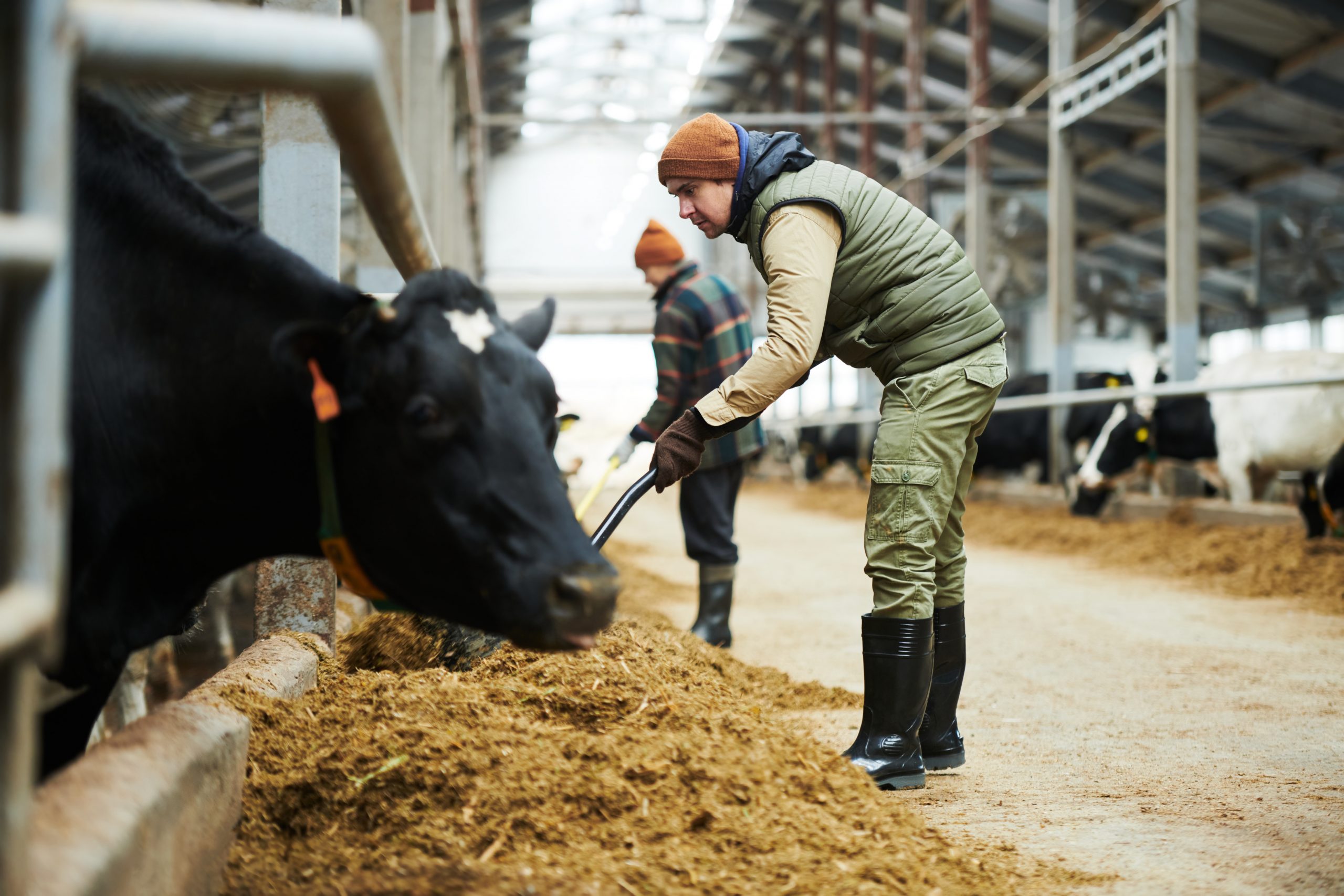
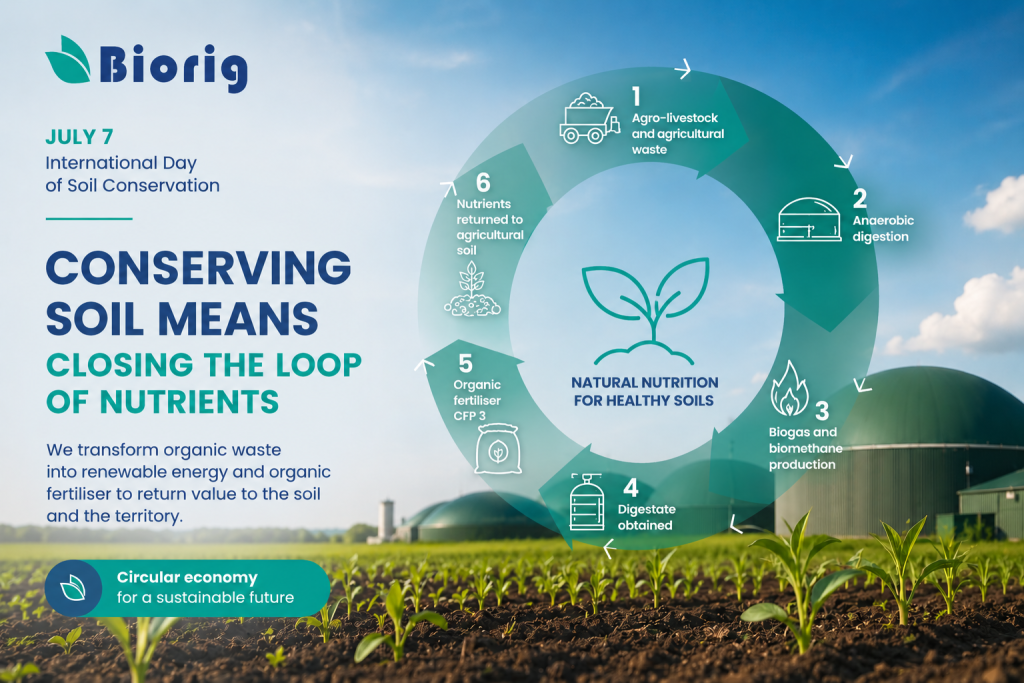
At Biorig, we work to convert organic waste—particularly from agriculture and livestock—into biomethane as a source of renewable energy, promoting the circular economy, creating value in rural areas, and strengthening energy independence.
Otros artículos del blog

Cinco Días: España necesita una mayor ambición en biometano para acelerar la transición energética

El Día de Soria: Biometano, una oportunidad para el crecimiento de una economía más verde y sostenible

El Español: España, ante la oportunidad de replicar el éxito de la energía renovable con los gases verdes
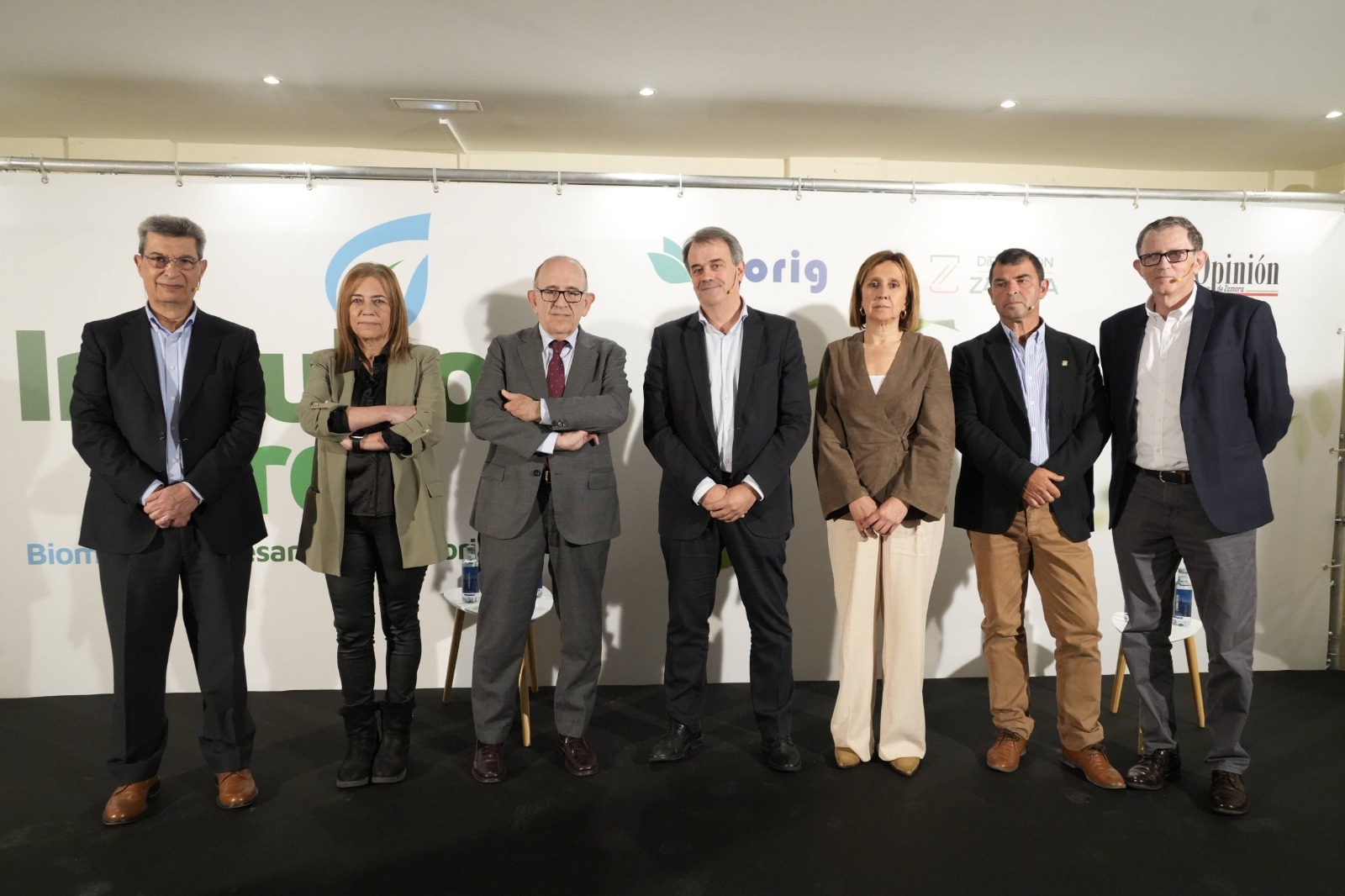
La academia, el sector agrario y la Junta de Castilla y León avalan el desarrollo del biometano en Zamora


Estamos cerca de ti
Do you want to contact us, propose a project, learn about our services? You can reach us at any of our offices, by e-mail or telephone.