

Biogas and biomethane: keys to a sustainable future
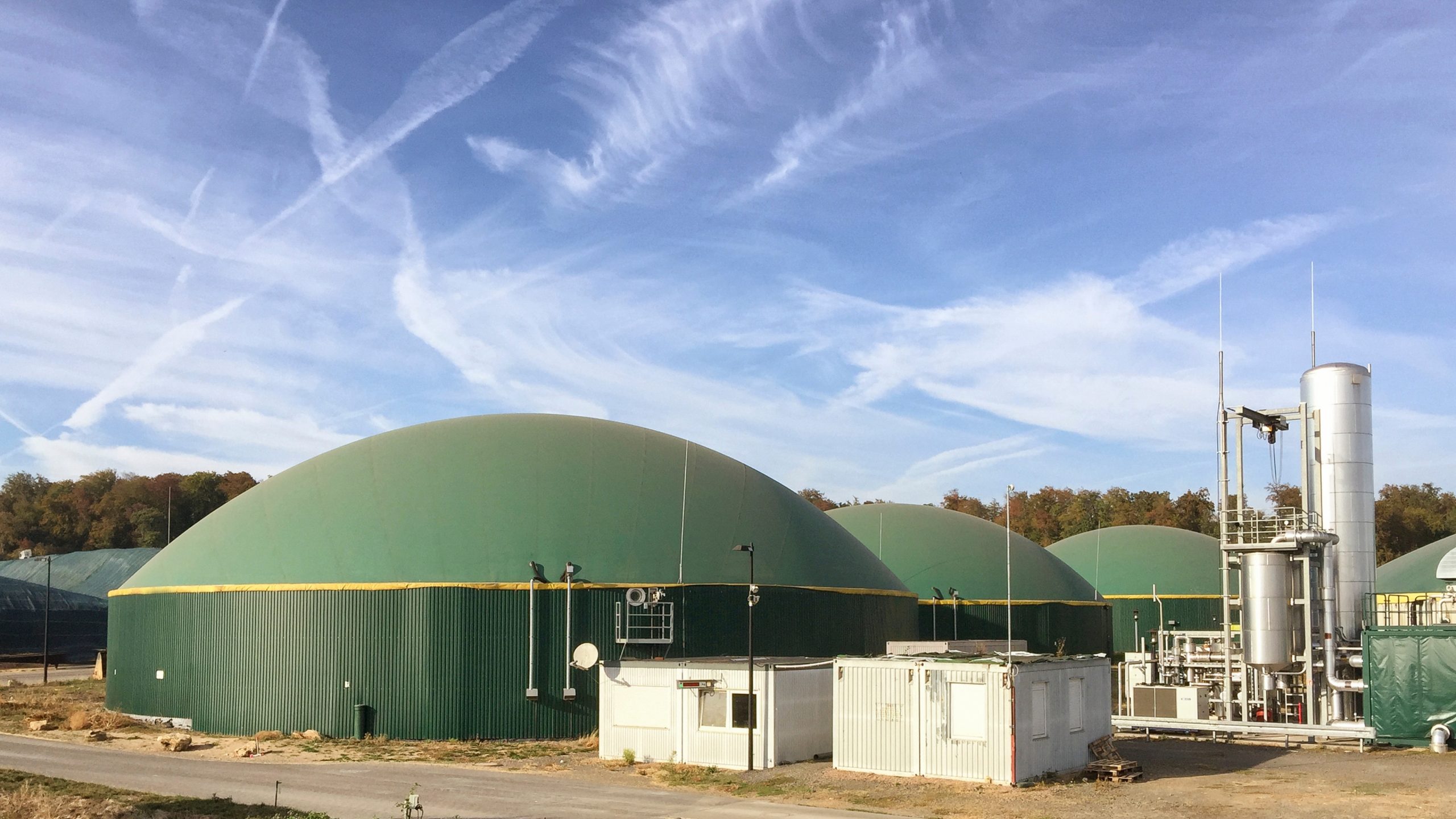
Madrid, 06-04-25. The transition to a more sustainable energy model requires renewable energy sources that reduce dependence on fossil fuels. Biogas and biomethane, renewable technologies with more than 40 years of development in Europe, are positioned as key solutions within the circular economy, transforming organic waste into clean and usable energy.
Although both are renewable gases and can be obtained by anaerobic digestion processes, the characteristics and uses of these molecules are different from each other. Biogas is produced by the controlled decomposition in an oxygen-free environment (anaerobic digestion) of organic waste. This gas is composed of 55% methane (CH4) and 45% ‘off-gas’, 98% of which is composed of CO2.
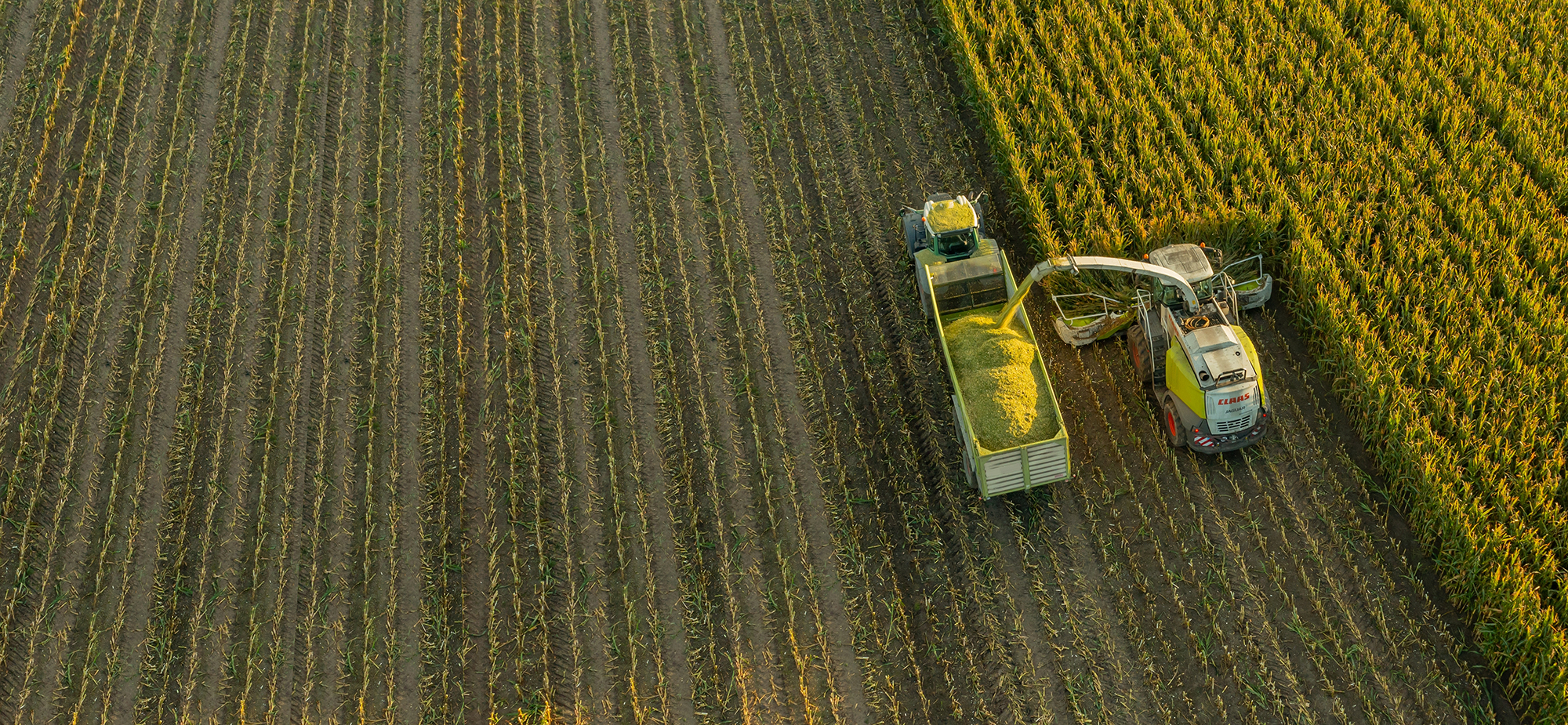
At Biorig we promote the production of biogas from agricultural and livestock waste – slurry, straw and manure – which is purified to obtain two separate streams with biomethane and biogenic CO2, key renewable energies for the decarbonization of the planet.

How is biogas transformed into biomethane?
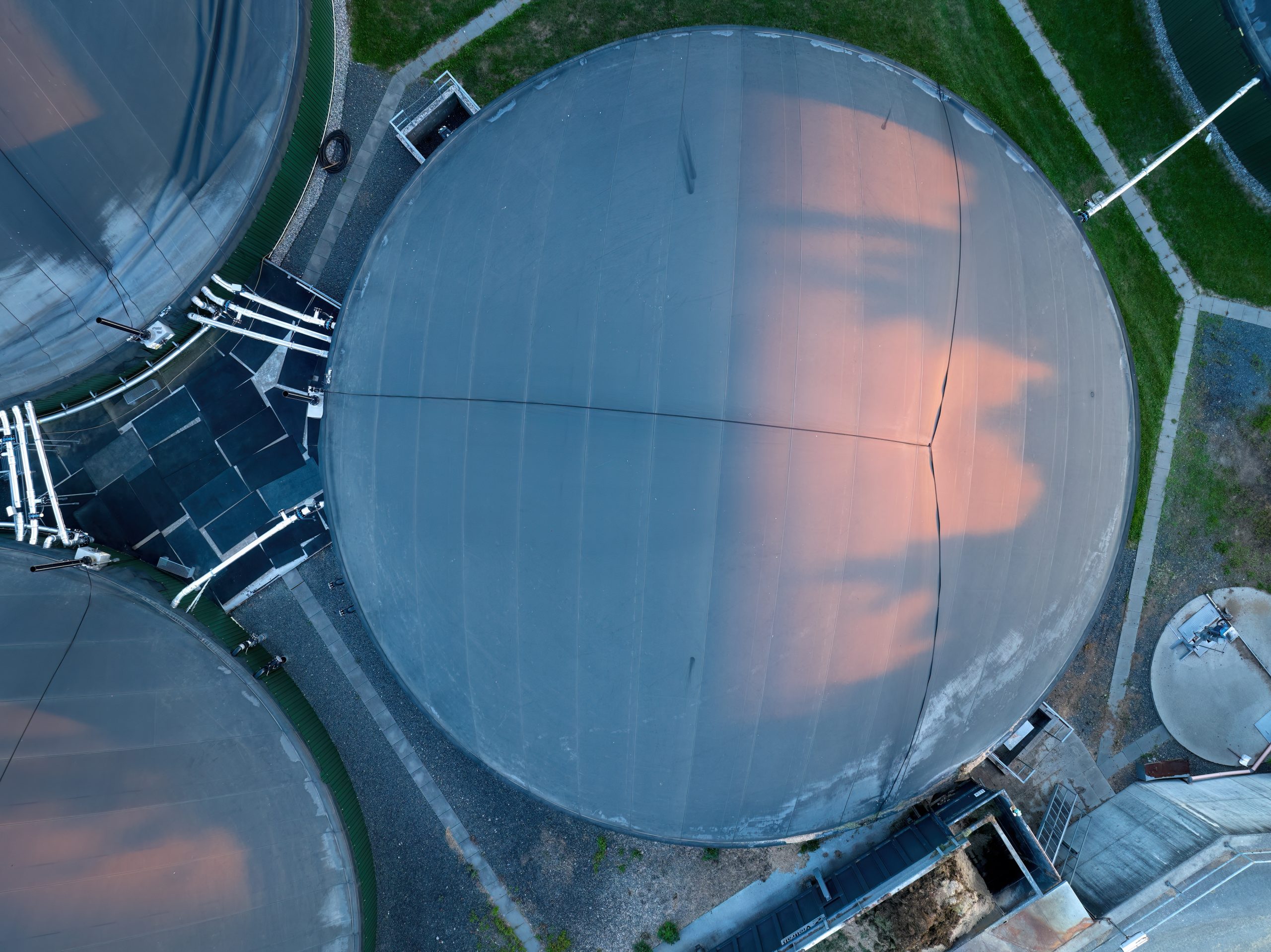
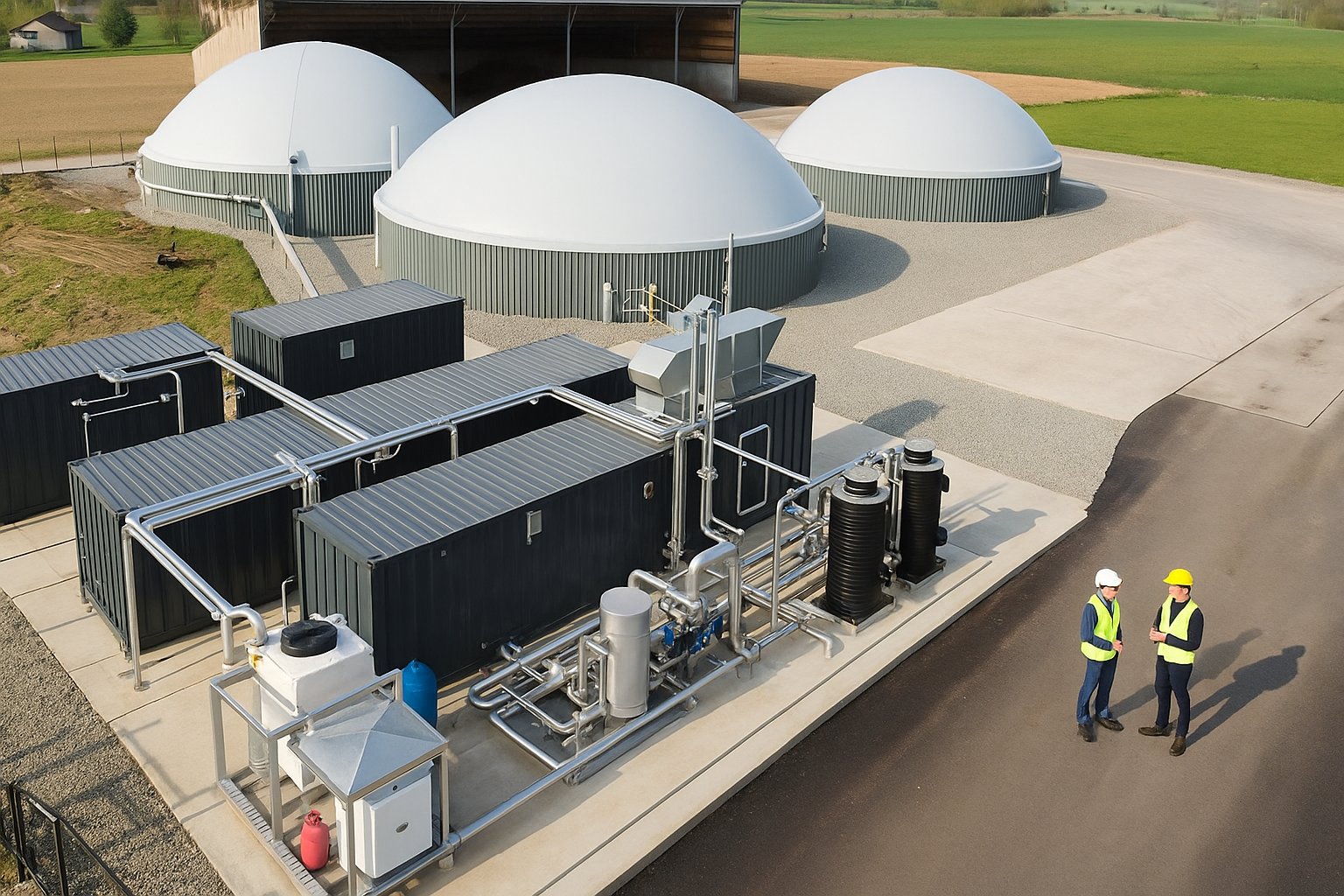
Más de la mitad del biogás (el 55%) es metano (CH4), por lo que para su separación e inyección a la red de gas se necesita purificar el biogás mediante un proceso llamado upgrading.

Benefits of Biomethane
El biometano es un gas renovable que se produce a partir de biogás mediante un proceso de purificación o ‘upgrading’. Esta tecnología es una solución energética sostenible con más de 40 años de desarrollo en Europa.
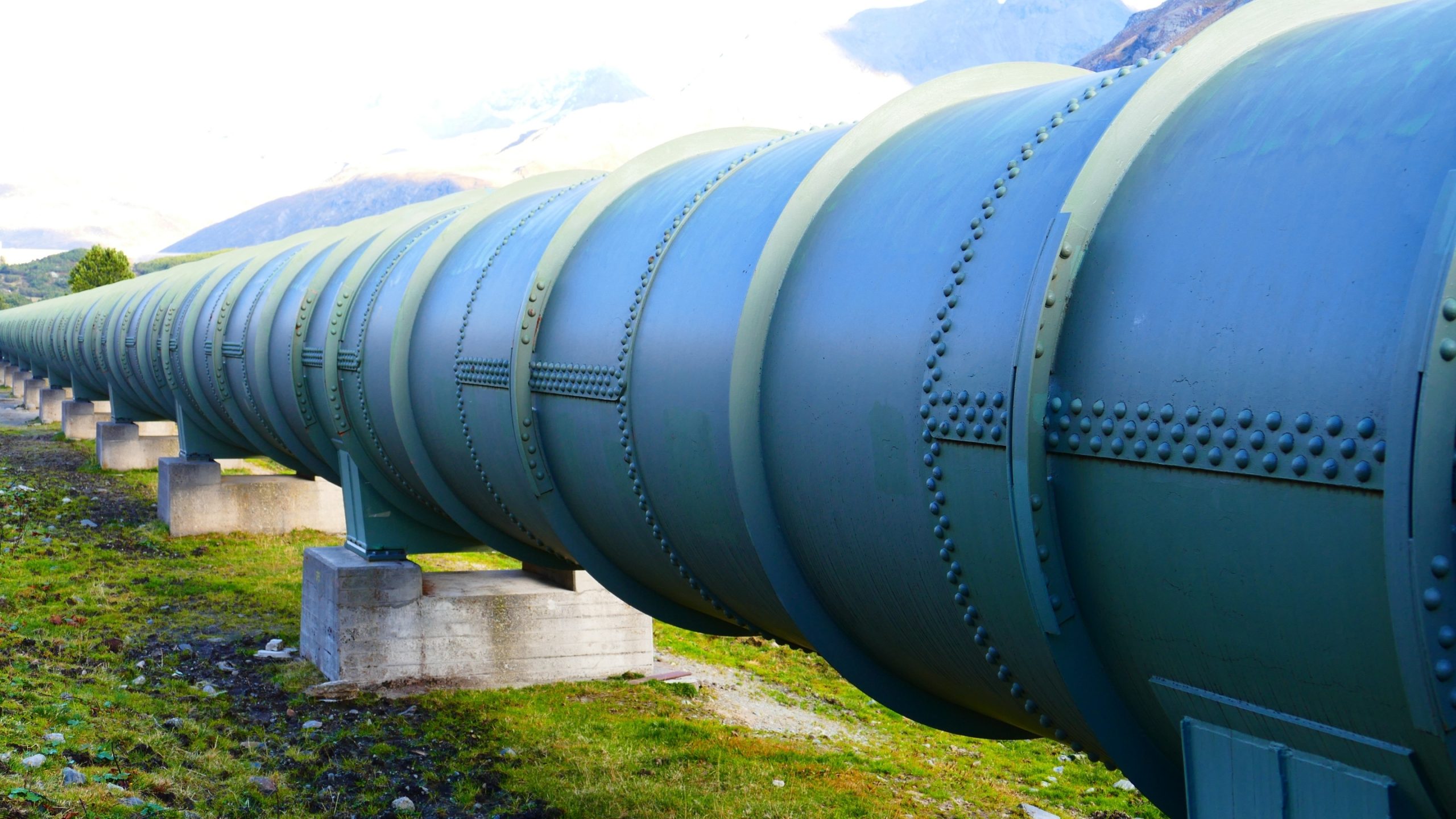
One of the main benefits of biomethane we produce is that, in addition to having an ecological footprint, we also negative in carbon emissionsemissions, it has a composition that is virtually identical to fossil-based natural gas. of fossil origin. This reduces dependence on new infrastructure, as the molecules can be transported through the gas network. already existing.
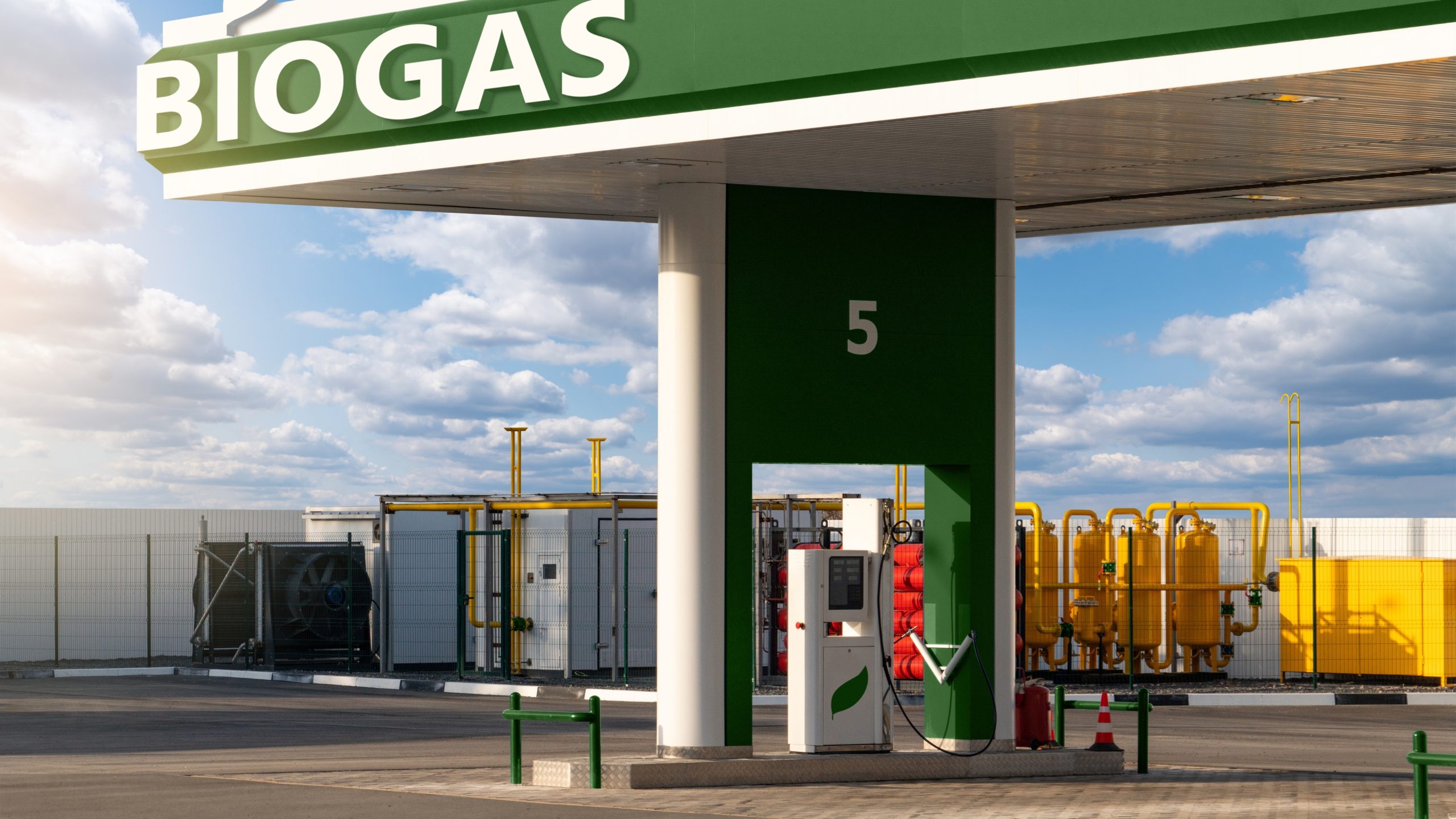
Biomethane has multiple uses in different sectors. This ranges from its use for heating homes, to its use as a fuel in activities with consumption that is difficult to electrifiablesuch as heavy transport or large industry.

We establish our tax headquarters in the municipalities where we operate, contributing with the payment of taxes to the localities where we are located. In addition, we are committed to training the residents of these rural areas to become part of the plants’ workforce, which contributes to boosting the local economy, generating new opportunities, and fixing the population in areas at risk of depopulation.

We collaborate to establish a circular economy model in the rural environments where we operate. we are installed at .we set up. We assist in the correct collection of waste, generate a renewable gas and return an EU-approved organic fertilizer amendment to the crops., which is is a real alternative for crop fertilization.
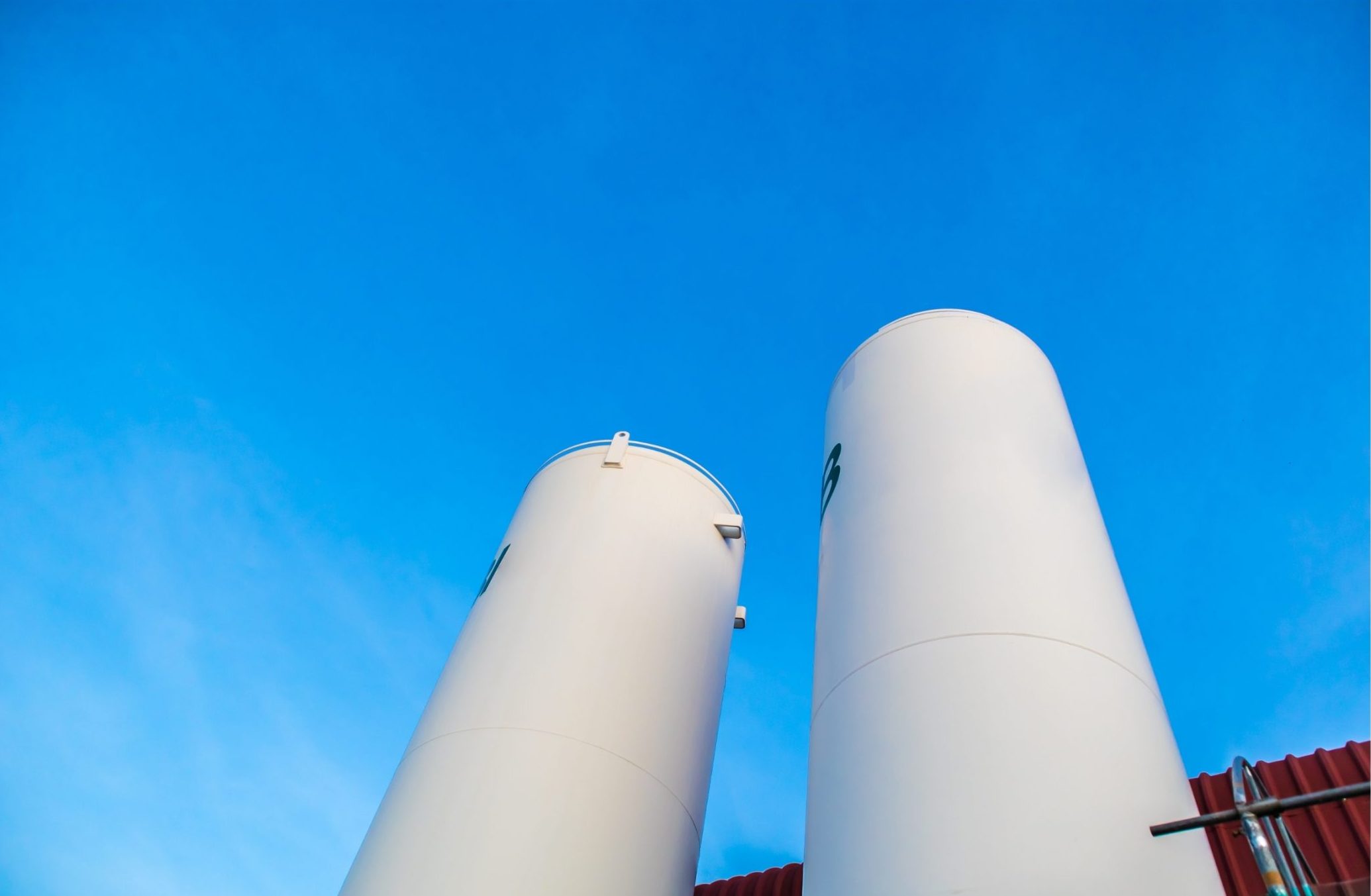
The biomethane plants produce energy with ‘zero kilometer’ and locally produced inputs, which, in addition to contributing to the reduction of greenhouse gas emissions, reduces dependence on fossil natural gas from abroad.
Other articles of interest

CO₂ biogénico
La captura de dióxido de carbono (CO₂) es una de las grandes ventajas de las instalaciones de biometano

¿Qué es el biometano?
El biometano, gas de origen renovable clave para la transición y la independencia energética.
Nuestra actividad
Desarrollamos y operamos instalaciones de producción de biometano, captura de bioCO₂ y fertilizantes orgánicos.
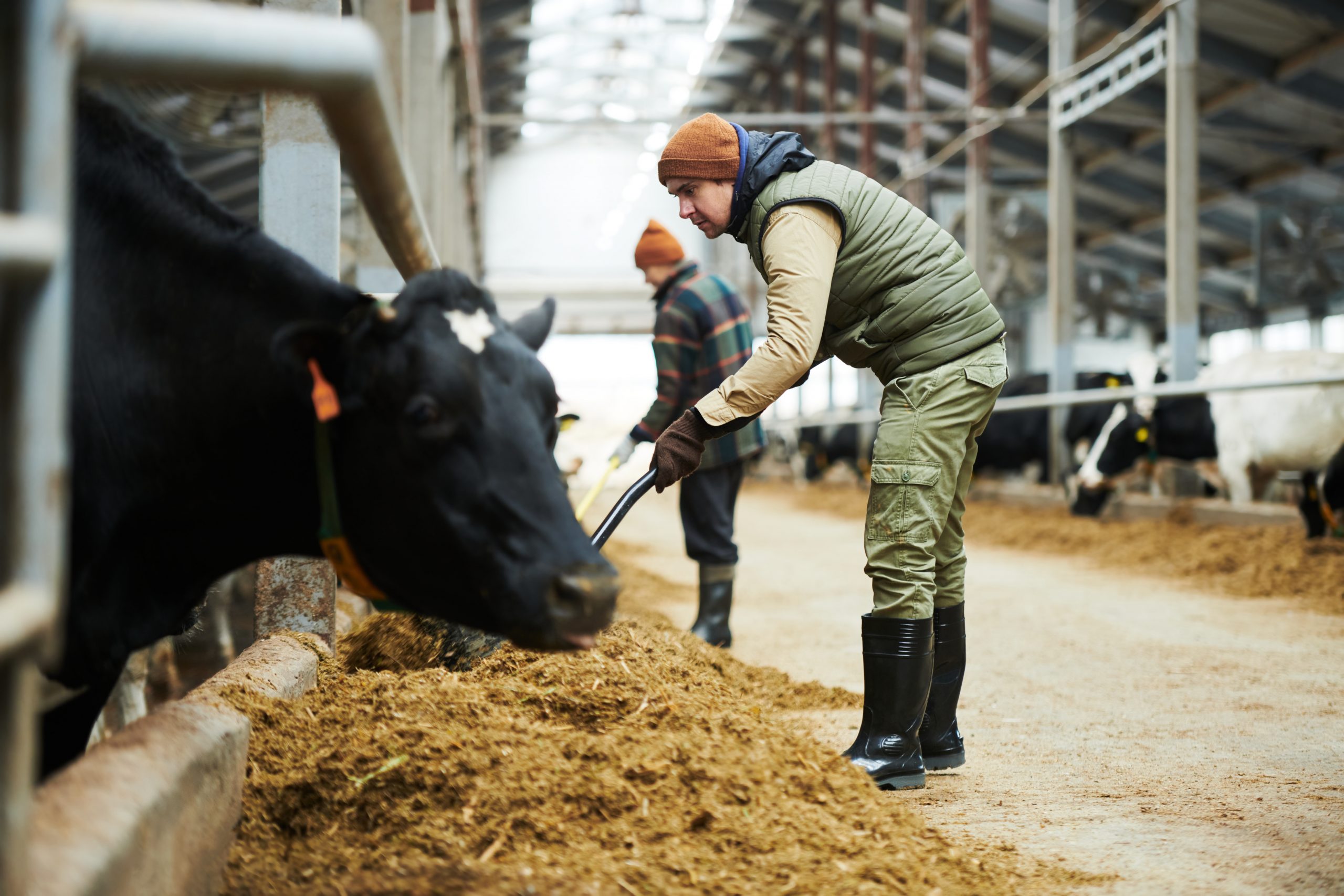
¿Es posible reciclar los residuos ganaderos?
Conmemoramos el Día Internacional del Reciclaje remarcando la importancia de gestionar de manera correcta los residuos del sector primario


We are close to you
Do you want to contact us, propose a project, learn about our services? You can reach us at any of our offices, by e-mail or telephone.