Different indicators used to describe the same form of green energy
Madrid. 13 October 2026. A biomethane plant can produce 1,000 Nm³/h, generate 90 GWh a year, or form part of a market whose capacity is measured in bcm per year. These three figures can describe the same reality from different perspectives: flow rate, energy produced and gas volume.
Understanding the units of measurement for biomethane is essential for comparing plants, interpreting energy targets or determining how much energy a given volume of gas contains.
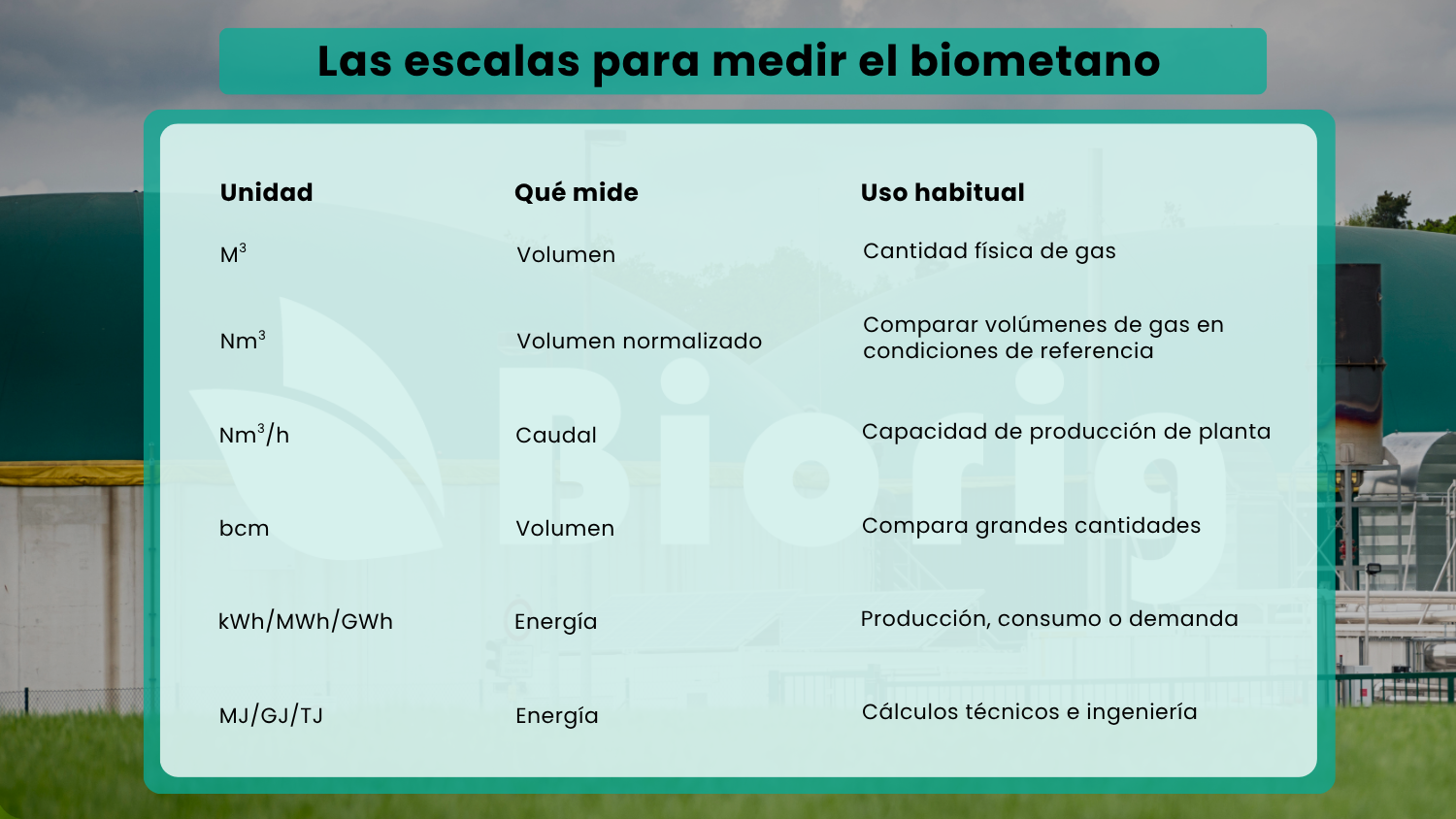
The key concept is simple: m³ and Nm³ measure volume; Nm³/h measures flow rate; kWh, MWh, GWh and TWh measure energy; MJ and GJ also measure energy; and bcm is used to express large volumes of gas.
In Europe, these units are in constant use. The European Biogas Association (EBA), for example, estimated that by 2026 the continent’s installed biomethane production capacity would stand at 8.2 bcm per year, having exceeded 8 bcm for the first time.
Volume, flow rate and energy: the fundamental difference
Before converting units, you need to know what each figure represents.
Volume answers the question: how much gas do we have? It can be expressed, for example, in cubic metres.
Flow rate answers another question: how much gas flows or is produced per unit of time? Hence units such as Nm³/h.
Energy, for its part, indicates how much energy that gas contains and can be expressed in kWh, MWh, GWh, MJ or GJ.
That is why 1,000 Nm³/h and 100 GWh/year are not directly comparable quantities. The first figure describes a rate of production; the second, the total amount of energy accumulated over the course of a year.
GWh, Nm³, bcm and MJ: how biomethane is measured
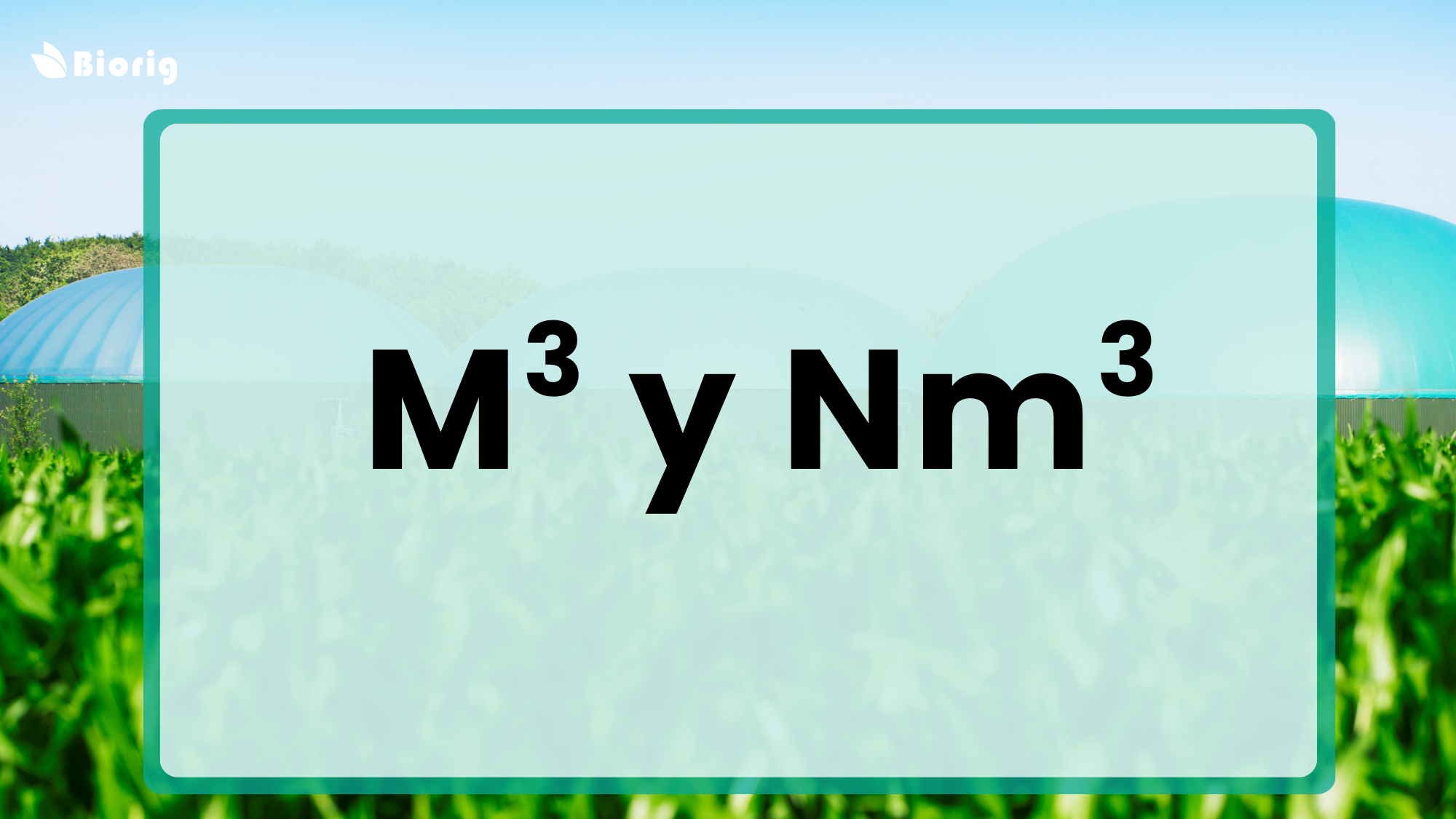
A cubic metre (m³) is a unit of volume. The problem is that gases expand and contract when their pressure and temperature change. One cubic metre of gas does not necessarily contain the same number of molecules under different ambient conditions. That is why reference conditions are used in the gas industry.
Nm³ stands for normal cubic metre. It expresses the volume that the gas would occupy under specified conditions of pressure and temperature. In the Spanish gas system, the reference conditions used to measure volume are 0 °C —273.15 K— and 1.01325 bar. European regulations also use 0 °C and 1.01325 bar as the reference conditions for volume in gas transactions.
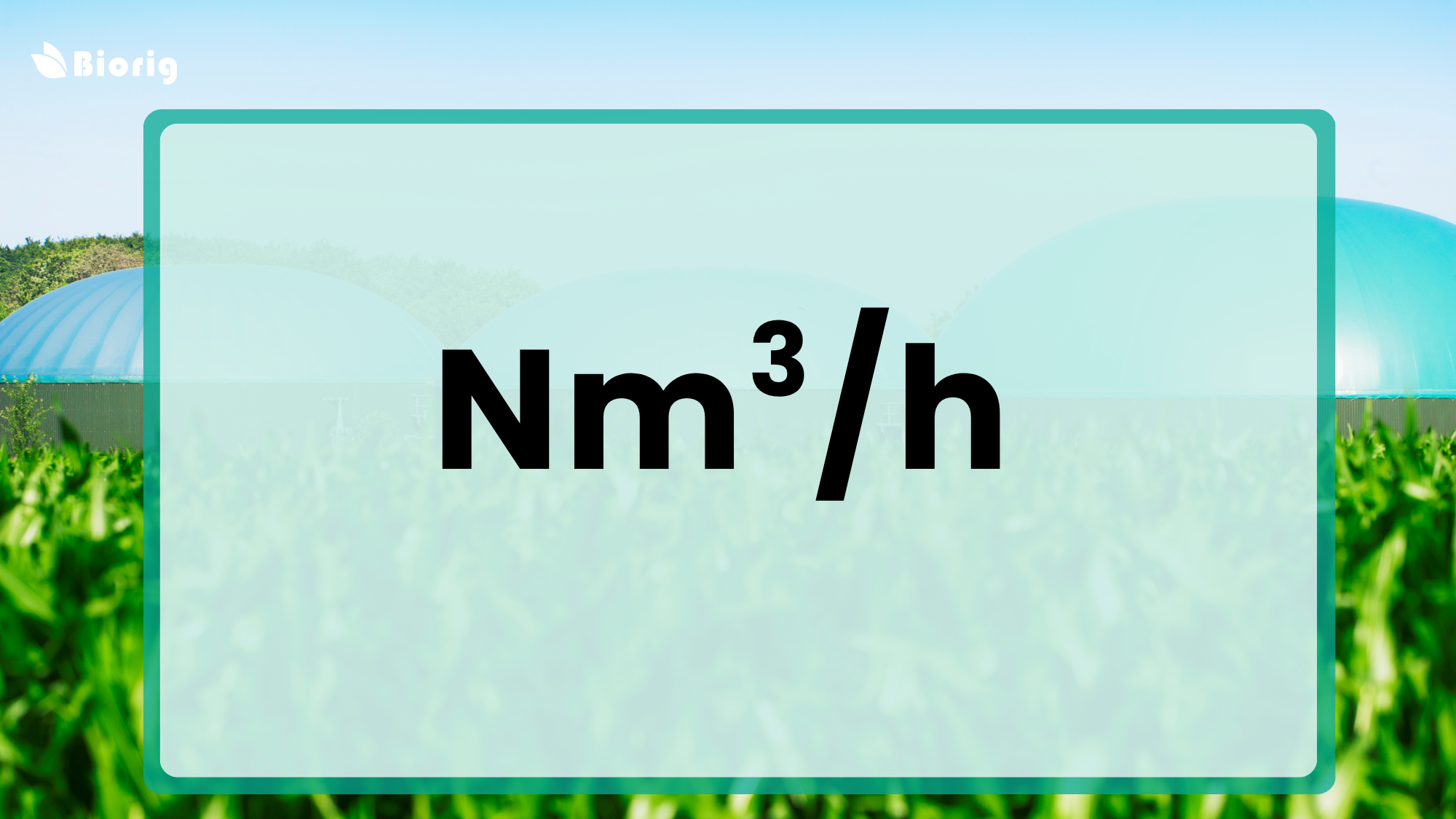
Nm³/h expresses a volumetric flow rate: the number of standard cubic metres of gas that a plant produces, transports or injects per hour.
It is one of the most commonly used units for expressing the production capacity of a biomethane plant.
To work out how many GWh those 4.38 million Nm³ represent, you also need to know the calorific value of biomethane.
The European Biogas Association uses precisely these figures to characterise European plants. In its 2025 map, it put the average size of a European plant at 483 Nm³/h.
These units represent energy.
The prefix changes the scale:
1 MWh = 1,000 kWh and can be used to measure industrial consumption
1 GWh = 1,000 MWh = 1,000,000 kWh and can be used to measure the output of large power stations or the consumption of large consumers
1 TWh = 1,000 GWh = 1,000,000,000 kWh; this can be used to measure the production or consumption of regions, countries and large energy portfolios
In the case of biomethane, the most common unit used to describe a plant is GWh/year. TWh/year is more useful for expressing corporate portfolios, national production figures or major energy targets.
Biorig, for example, carries out projects with a combined annual output of several TWh, whilst a single plant may generate in the region of tens or hundreds of GWh a year.

bcm is the international abbreviation for billion cubic metres: one billion cubic metres. Therefore:
1 bcm = 1,000,000,000 m³
It is not a unit distinct from the cubic metre: it is simply a practical way of dealing with extraordinarily large volumes.
That is why it regularly features in national and European gas statistics.
The EBA uses bcm/year to express the capacity of the European market. In 2025, it recorded approximately 7 bcm/year of installed capacity and forecast a further 7.3 bcm/year of new capacity by 2030 across the projects analysed. By the 2026 edition of its map, European installed capacity had already reached 8.2 bcm/year. European Biogas Association

The joule (J) is the unit of energy in the International System of Units. The watt-hour (Wh) is another widely used way of expressing energy, particularly in the energy sector.
The following frequently appear in gas projects:
MJ: megajulio
GJ: gigajoule
TJ: terajoule
The conversion between the two systems of units is exact:
1 kWh = 3,6 MJ
1 MWh = 3,6 GJ
1 GWh = 3,6 TJ
1 TWh = 3,6 PJ
Thus, a plant producing 100 GWh per year generates an amount of energy equivalent to:
100 GWh × 3,6 = 360 TJ/año
There is no assumption about the gas involved here: we are converting two units that represent the same quantity, namely energy.
How many households can 1 GWh of biomethane supply?
The European Biogas Association’s (EBA) Energy Translator tool links biomethane capacities to everyday examples such as households supplied, LNG lorries, fertiliser production or emissions avoided. For a biomethane capacity of 1 GWh/year, the tool presented by the EBA provides, amongst other figures, energy equivalent to the annual consumption of 87 European households.
Las capturas facilitadas mueThe screenshots provided also show that the translator associates:stran también que el traductor asocia:
- 1 GWh/year of biomethane → 87 European households per year
- 1 GWh/year → 462 tonnes of CO₂ avoided per year
- 1 bcm/year → 907,140 European households per year
- 1 bcm/year → 4,832,928 tonnes of CO₂ avoided per year
These figures are very useful for communicating impacts, but they are not universal physical equivalents. They depend on the assumptions made by the tool: average household consumption, the technology being replaced, emission factors and other variables. The EBA itself presents its Energy Translator as a tool designed to link units and capacities to examples of impact.
Why is biomethane described in so many different ways?
Because biomethane is simultaneously a physical gas, an industrial flow and an energy source. An engineer designing a plant needs to know how many Nm³/h will flow through a pipeline. An energy operator may need to know the MWh or GWh injected. A government may set its national targets in TWh/year. And an analysis of the European market may refer to bcm/year. No single unit is better than another. Each answers a different question. This variety is particularly relevant in a rapidly expanding European sector. The EBA’s Energy Translator allows users to convert energy units, production capacities and quantities such as kWh, GJ, bcm/year or m³/h, thereby facilitating their interpretation.
Cómo funciona una planta de biometano
Otros artículos de interés

Cinco Días: España necesita una mayor ambición en biometano para acelerar la transición energética

El Día de Soria: Biometano, una oportunidad para el crecimiento de una economía más verde y sostenible

El Español: España, ante la oportunidad de replicar el éxito de la energía renovable con los gases verdes
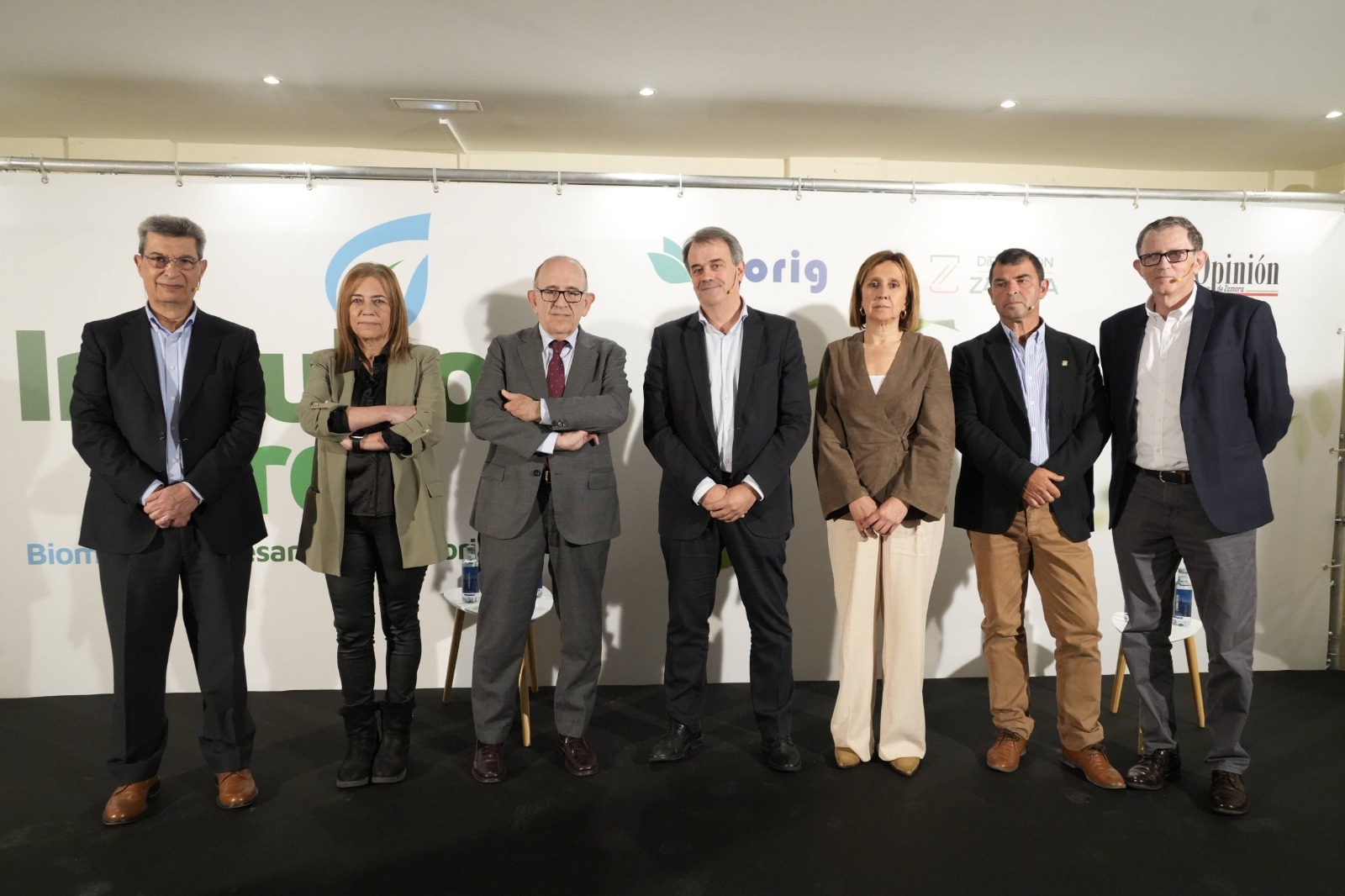
La academia, el sector agrario y la Junta de Castilla y León avalan el desarrollo del biometano en Zamora


We are close to you
Do you want to contact us, propose a project, learn about our services? You can reach us at any of our offices, by e-mail or telephone.