
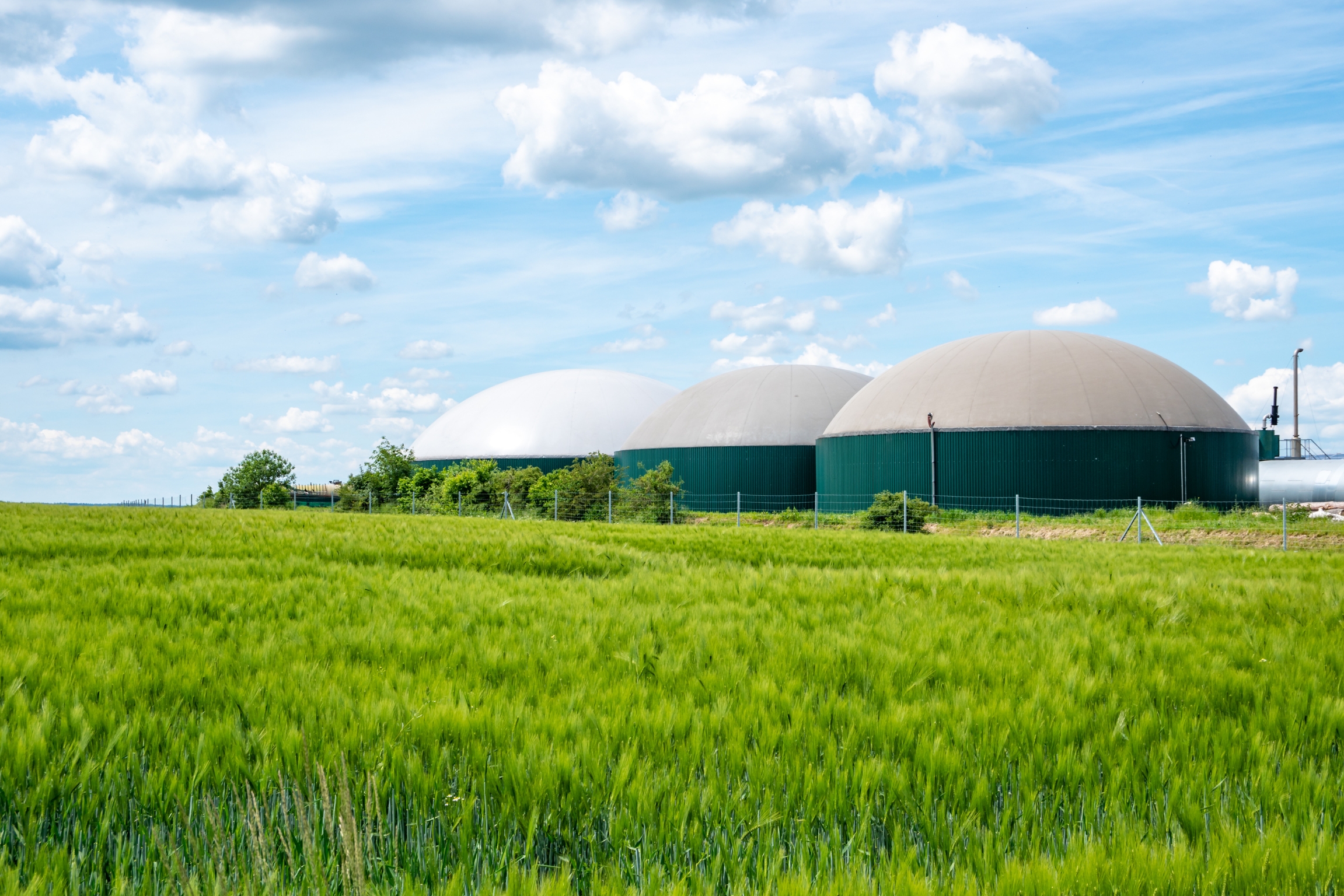
How a biomethane plant works: a new episode of ‘Futuro Verde’
Madrid. 14.07.2026. Futuro Verde, Promecal’s podcast for Vive! Radio and El Día de Soria, in collaboration with Solarig, continues to bring the energy transition closer to the public through knowledge, scientific outreach and the expertise of industry professionals. Biomethane, a gas of renewable origin that serves as a substitute for fossil-based natural gas, is one of the energy sector’s key growth drivers. This is why the processes involved in producing biogas to obtain biomethane have generated considerable interest in the scientific community, whose views were featured in episode 3 of the podcast, which brought together scientists specialising in the study of this type of facility.
Given biomethane’s potential to accelerate decarbonisation in sectors that are difficult to electrify, and its contribution to optimising the management of organic waste, this renewable gas presents itself as an energy solution that helps to promote the circular economy.
With the agri-food waste produced in Castile and León, we can produce three times as much natural gas as we consume
Futuro Verde examines in detail, in collaboration with the academic community, the operation of a biomethane plant from a rigorous and scientific perspective. The discussion featured leading researchers, such as Mariano Martín, Professor of Chemical Engineering at the University of Salamanca and a member of the Royal Academy of Exact, Physical and Natural Sciences of Spain; Raúl Muñoz, a researcher at the Institute of Sustainable Processes at the University of Valladolid and professor of Environmental Technologies; and María Pilar Martínez, a mining and energy engineer with a PhD from the Polytechnic University of Madrid and currently a postdoctoral researcher at the UPM.
From Waste to Resource: The Biomethane Process
The episode provides a step-by-step analysis of how these plants operate, from the receipt of raw materials to the production of biomethane ready for injection into the grid or use as a renewable fuel.
The safety and reliability of modern biomethane plants, a technology with over 40 years of development in other European countries
The anaerobic digestion process by which biogas is produced from organic waste
The conversion of biogas into biomethane, a renewable gas with properties equivalent to those of natural gas
The role of these infrastructures in reducing emissions and achieving energy independence
Digestate to close the cycle
Uno de los aspectos más importantes del proceso es la gestión y la recuperación del digestato, un subproducto que desempeña un papel fundamental en el modelo circular. El digestato es un acondicionador orgánico del suelo con un elevado potencial agronómico que contribuye a devolver los nutrientes al suelo, mejorar su estructura y reducir la dependencia de los fertilizantes químicos.
Biorig produces biomethane exclusively from agricultural and livestock waste (slurry, manure, and straw), which yields a digestate classified as CMC 5. The company further processes this digestate to produce an organic fertilizer certified under European CFP 3 standards, which is stabilized and sanitized and enables traceability of the nutrients used in the field.
Digestate is not dangerous; what is dangerous is failing to manage waste sensibly and professionally
An energy model based on circularity
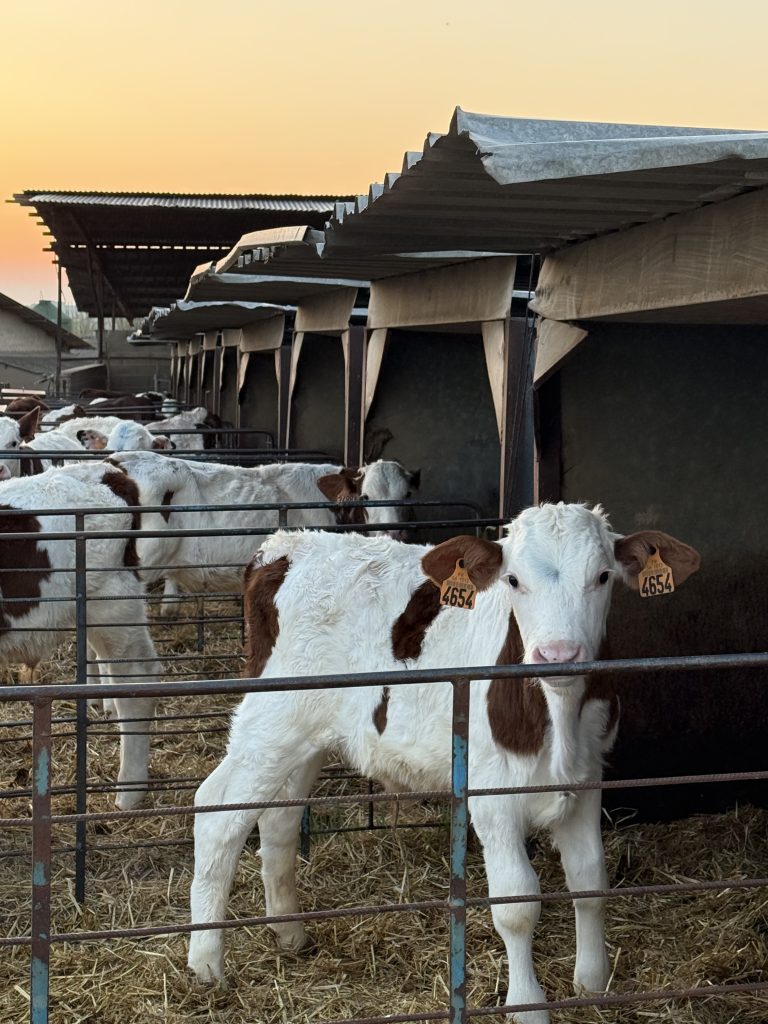
If managed properly, biomethane plants benefit everyone.
This new episode of Futuro Verde highlights how biomethane offers a comprehensive solution: it not only generates renewable energy, but also enables efficient waste management and produces resources that benefit the local community.
A clear example of how the energy transition can go hand in hand with rural development, environmental sustainability, and the creation of long-term value.
Other blog posts

¿Qué es el biometano?
El biometano, gas de origen renovable clave para la transición y la independencia energética.
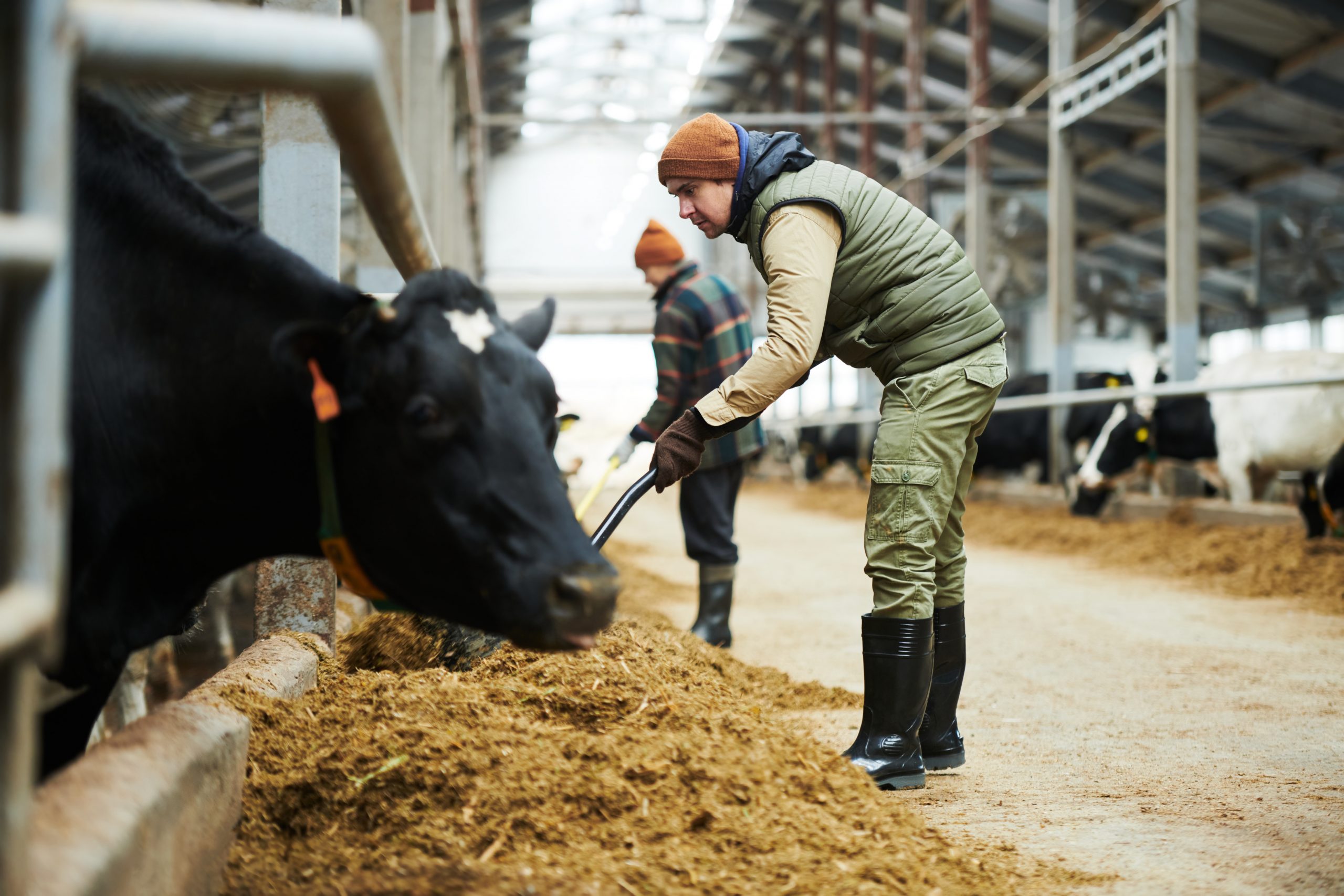
¿Es posible reciclar los residuos ganaderos?
Conmemoramos el Día Internacional del Reciclaje remarcando la importancia de gestionar de manera correcta los residuos del sector primario

¿Qué diferencia al biogás del biometano?


We are close to you
Do you want to contact us, propose a project, learn about our services? You can reach us at any of our offices, by e-mail or telephone.