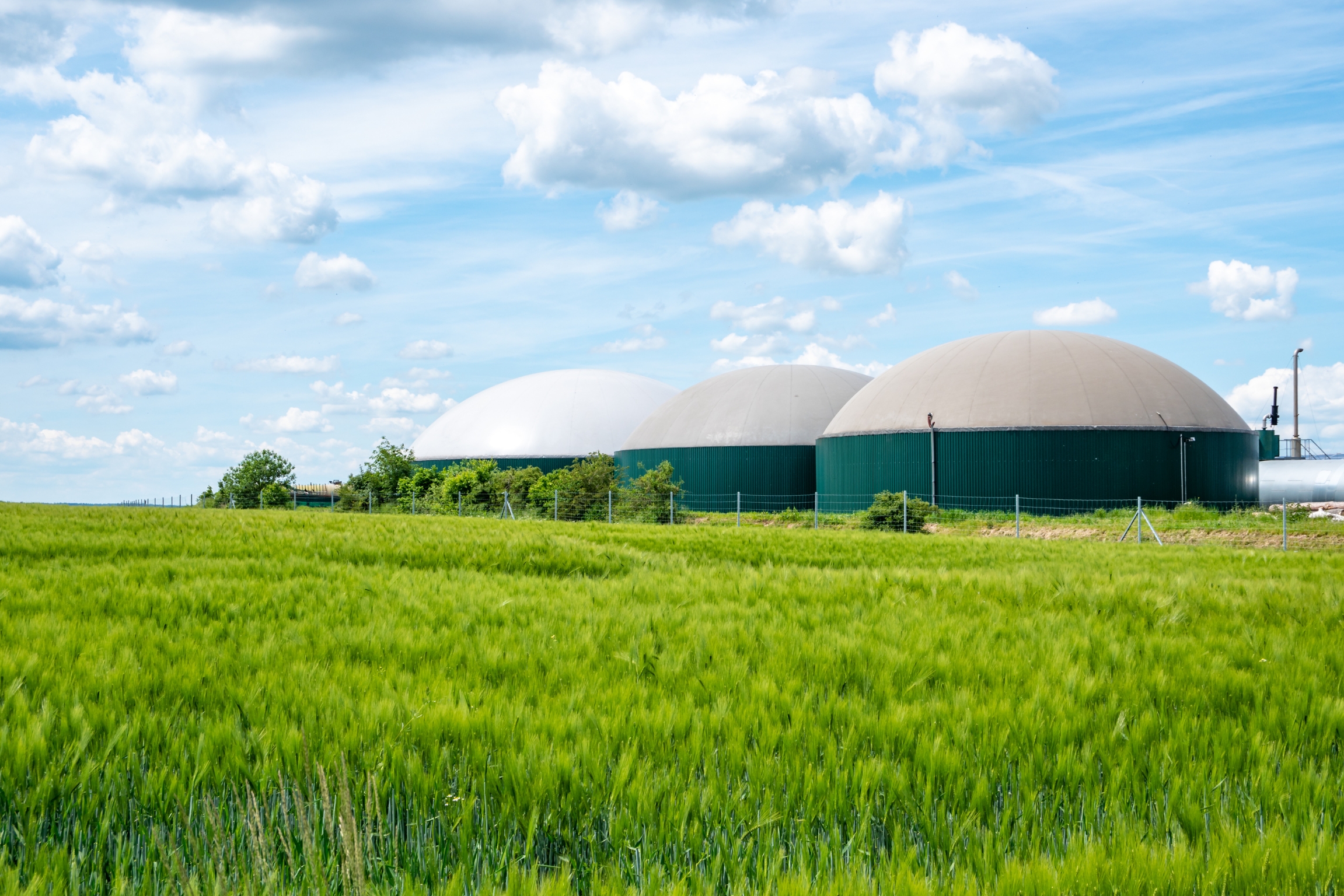




How a biomethane plant works: a new episode of ‘Futuro Verde’
Madrid. 14.07.2026. Futuro Verde, Promecal’s podcast for Vive! Radio and El Día de Soria, in collaboration with Solarig, continues to bring the energy transition closer to the public through knowledge, scientific outreach and the expertise of industry professionals. Biomethane, a gas of renewable origin that serves as a substitute for fossil-based natural gas, is one of the energy sector’s key growth drivers. This is why the processes involved in producing biogas to obtain biomethane have generated considerable interest in the scientific community, whose views were featured in episode 3 of the podcast, which brought together scientists specialising in the study of this type of facility.
Given biomethane’s potential to accelerate decarbonisation in sectors that are difficult to electrify, and its contribution to optimising the management of organic waste, this renewable gas presents itself as an energy solution that helps to promote the circular economy.
With the agri-food waste produced in Castile and León, we can produce three times as much natural gas as we consume
Futuro Verde examines in detail, in collaboration with the academic community, the operation of a biomethane plant from a rigorous and scientific perspective. The discussion featured leading researchers, such as Mariano Martín, Professor of Chemical Engineering at the University of Salamanca and a member of the Royal Academy of Exact, Physical and Natural Sciences of Spain; Raúl Muñoz, a researcher at the Institute of Sustainable Processes at the University of Valladolid and professor of Environmental Technologies; and María Pilar Martínez, a mining and energy engineer with a PhD from the Polytechnic University of Madrid and currently a postdoctoral researcher at the UPM.