Biorig takes part in Warsaw Biomethane Congress to promote its investment strategy in Poland

Biorig discussed the factors that make a biomethane project a truly viable investment opportunity
CongresoPolonia

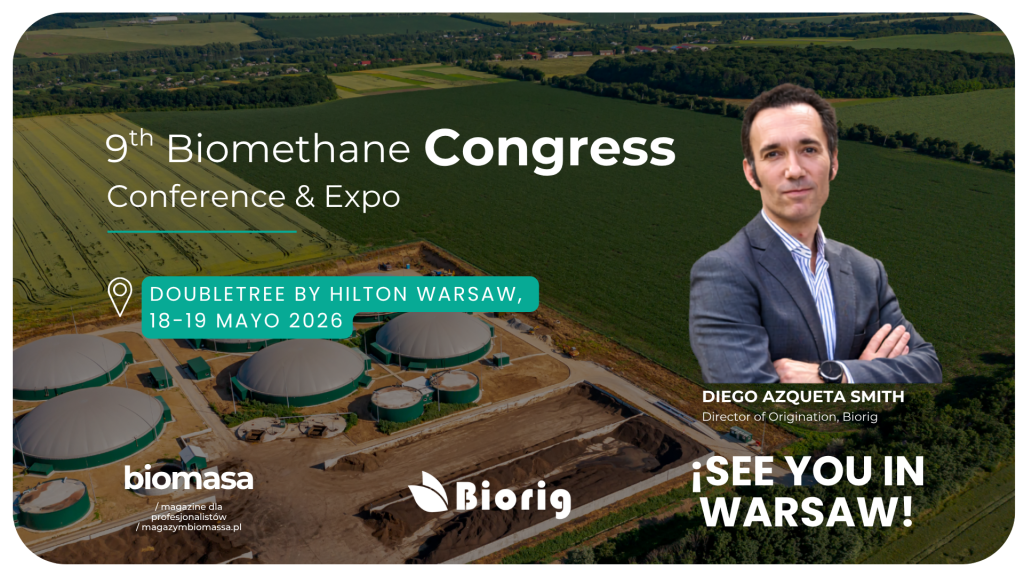
Madrid, 18-05-26. Biorig took part in the Warsaw Biomethane Congress, one of the leading events for the Polish biogas and biomethane market, which was held on 18 and 19 May at the DoubleTree by Hilton in the Polish capital.

The event, organised by the publisher of Biomasa Magazine, brought together investors, developers, biogas plant owners, operators, farmers, agri-food companies, technology suppliers, energy sector companies and representatives of the public administration. The aim was to address the main challenges facing the roll-out of biomethane in Poland: regulation, certification, grid connection, financing, procurement, market models and collaboration between local and international stakeholders.

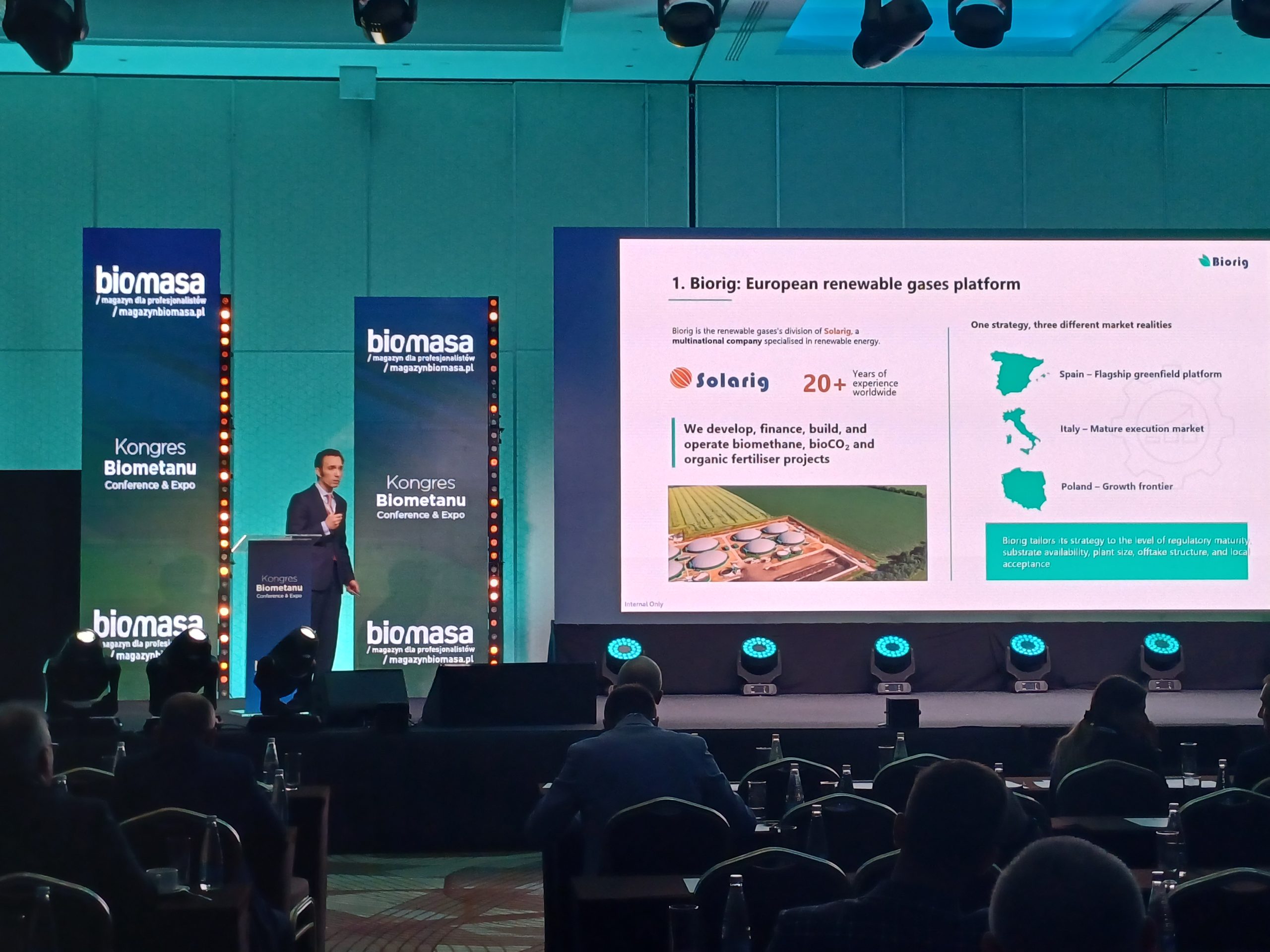
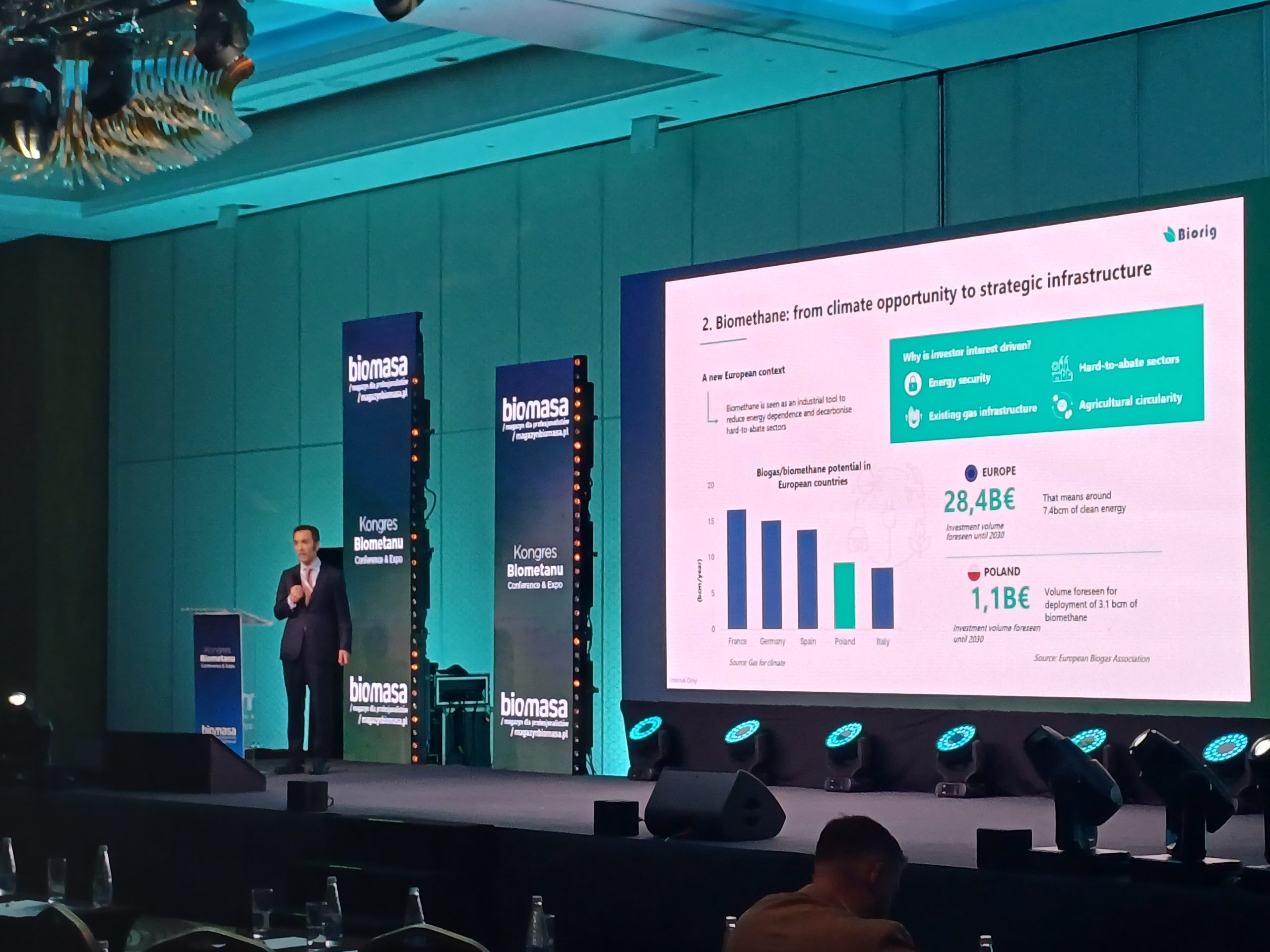
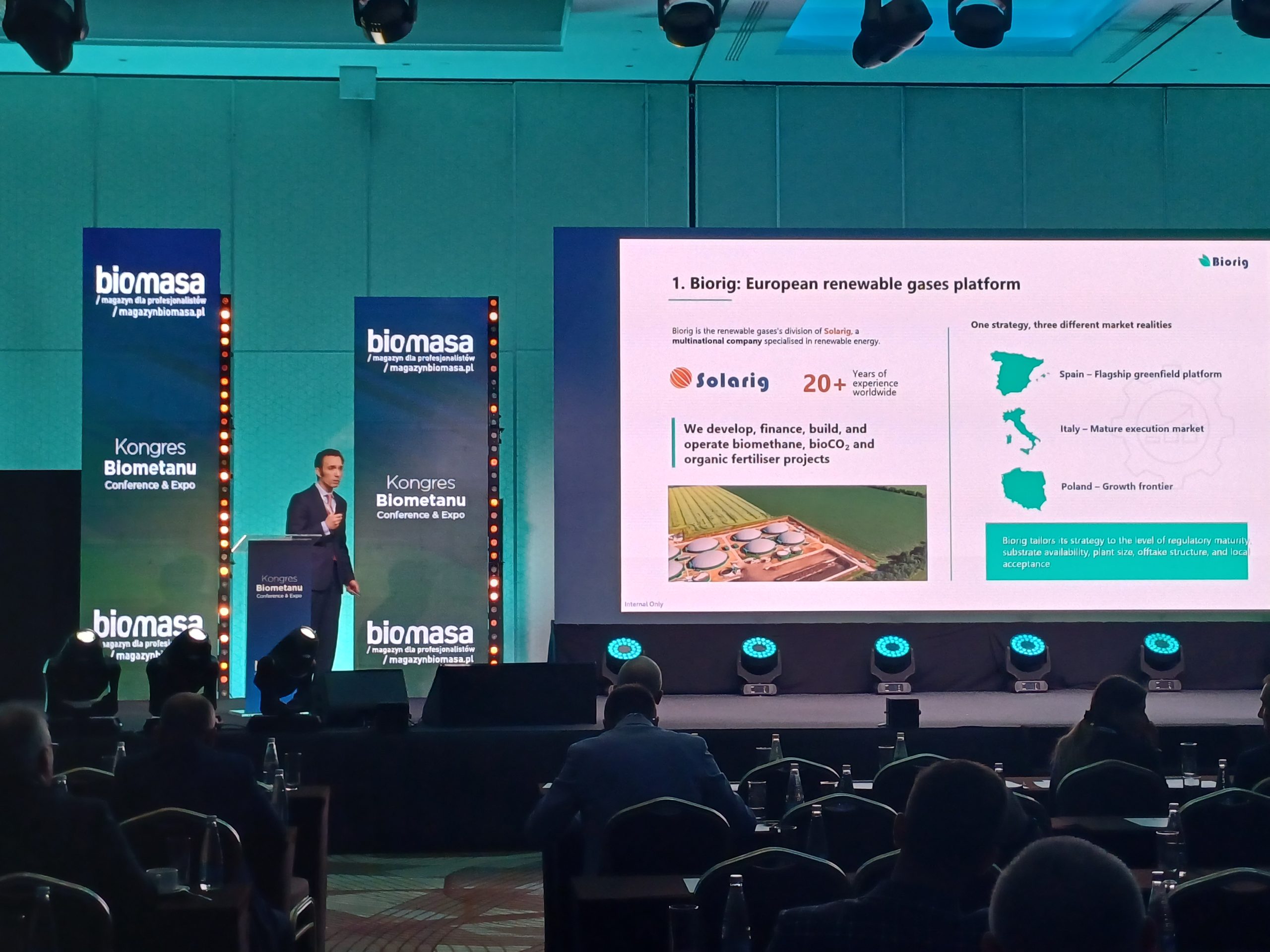
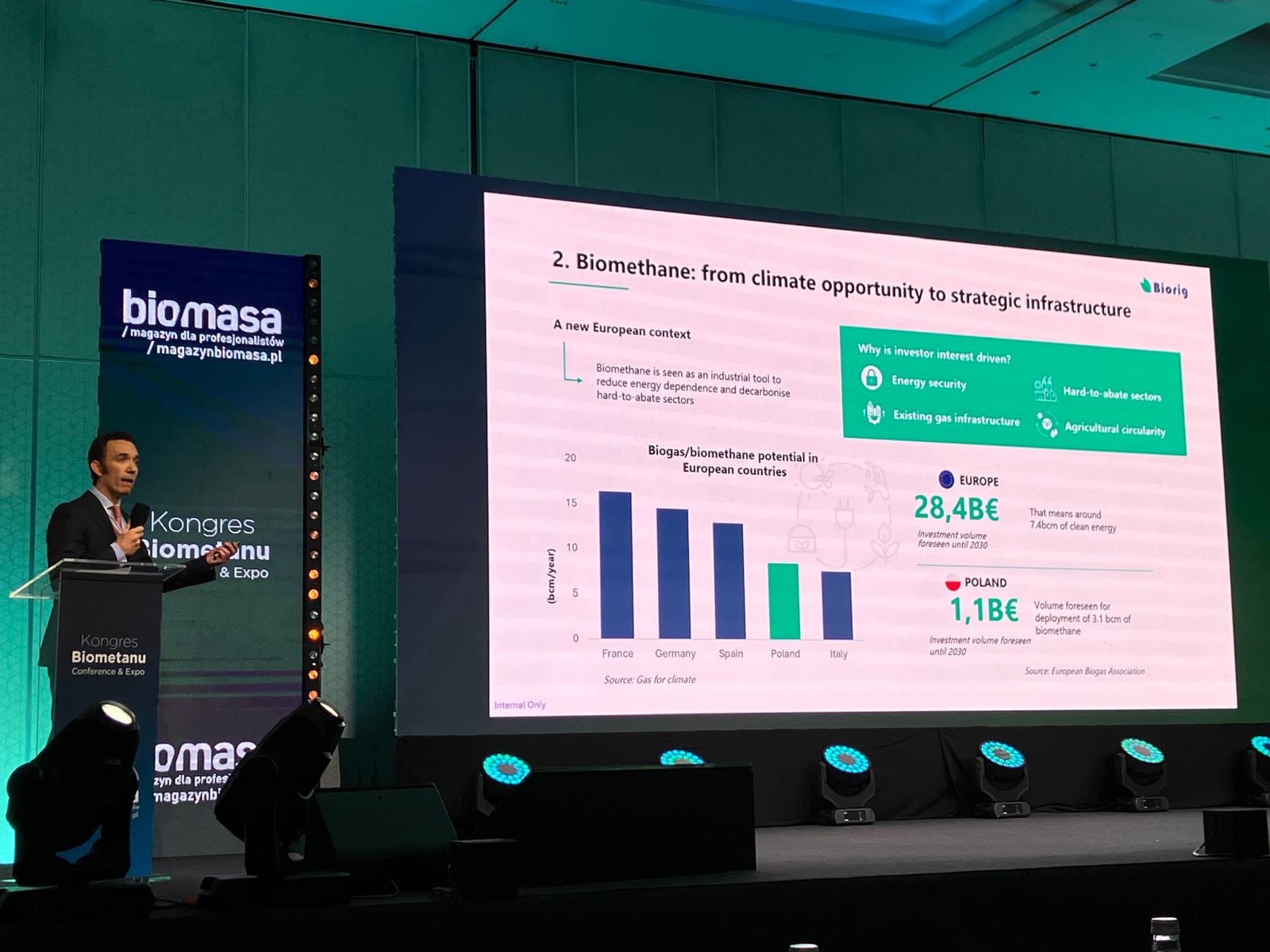
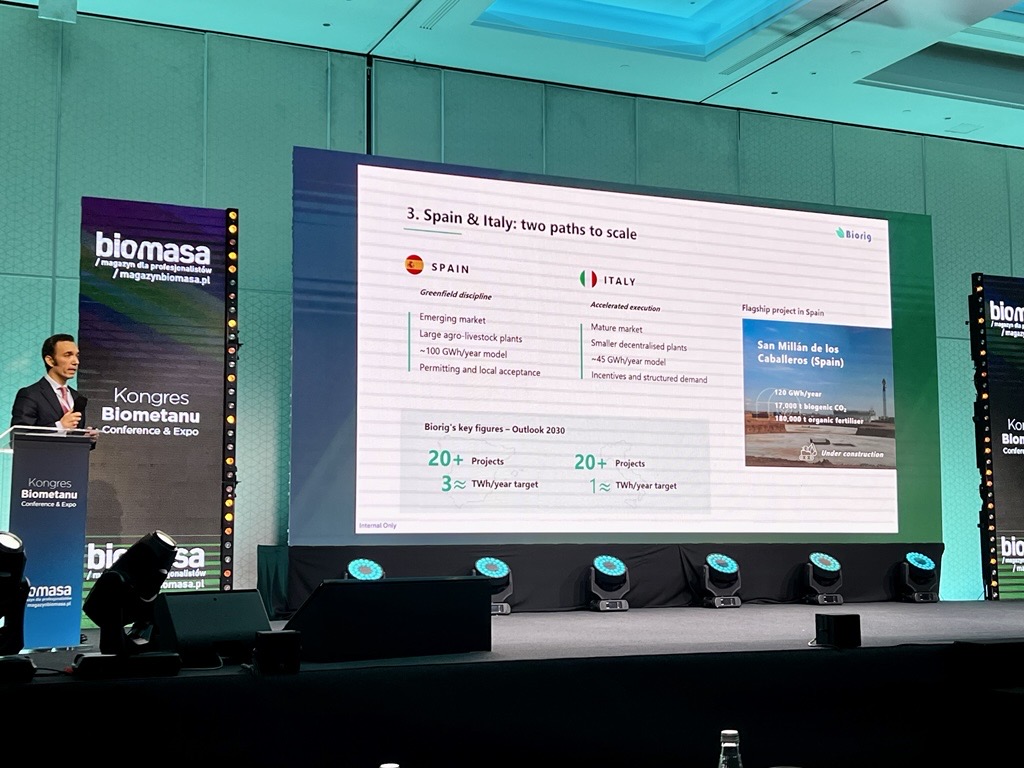
In this context, Diego Azqueta Smith, Director of International Development at Biorig, gave a presentation entitled “What does an investor look for in the biomethane sector? Criteria, valuation and best practices in partnerships: perspectives from Spain, Italy and Poland”. His presentation was part of the session dedicated to European biomethane markets and the lessons that can be drawn to accelerate the sector’s development in Poland.

During his presentation, Azqueta discussed the factors that make a biomethane project a truly viable investment opportunity. These include the availability of agricultural and livestock feedstock, regulatory certainty, the maturity of the regulatory process, grid connection, the structure of supply and sales contracts, and the presence of local partners with a genuine capacity for implementation.

Biorig’s vision is based on a central idea: potential alone is not enough. To attract investment, projects need visibility, structure and the ability to become bankable assets. This approach is underpinned by the company’s experience in Spain, where it is developing a portfolio of over 20 projects based on larger-scale plants and agricultural and livestock raw materials, and in Italy, a more mature market with regulations and incentives that have enabled the accelerated roll-out of decentralised facilities.
Biorig in Poland

Biorig’s participation in the conference follows the company’s announcement in Poland that it plans to develop more than 20 biomethane plants in the country. This plan envisages a capacity of over 1 TWh per year of renewable energy production, with the first plant scheduled to come on stream in 2030.

Poland represents one of the main growth frontiers for biomethane in Europe. The country has a large-scale agricultural and agri-food sector, a strategic need for energy diversification, and a market that is still in its early stages. For Biorig, this context presents a clear opportunity: to transform local resources into renewable energy, organic fertilisers and industrial development in the region.

In Poland, Biorig is seeking to collaborate with developers, biogas plant owners and platforms with project portfolios at advanced stages of development or ready for construction. The company aims to provide capital, technical expertise, industrial discipline and a long-term vision to turn local projects into robust and competitive renewable energy assets.

BIORIG, circular economy and energy sustainability

Biorig is Solarig’s biomethane production division. It was created with the aim of providing innovative solutions in the field of renewable gases, such as biomethane. Its activity is focused on the management of organic agro-livestock raw materials for their transformation into renewable gases and to promote the development of projects in the field of energy transition and circular economy.

Biorig is committed to a circular economy model based on the recovery and management of agricultural and livestock raw materials, commitment to the development of local communities, and the promotion of the production of renewable gases to accelerate the energy transition in the places where it operates.

Biorig Calls for a Regulatory Framework to Accelerate Biomethane at the 4th Renewable Gases Forum

The meeting examined the role of renewable gases in the creation of a new energy market in Spain

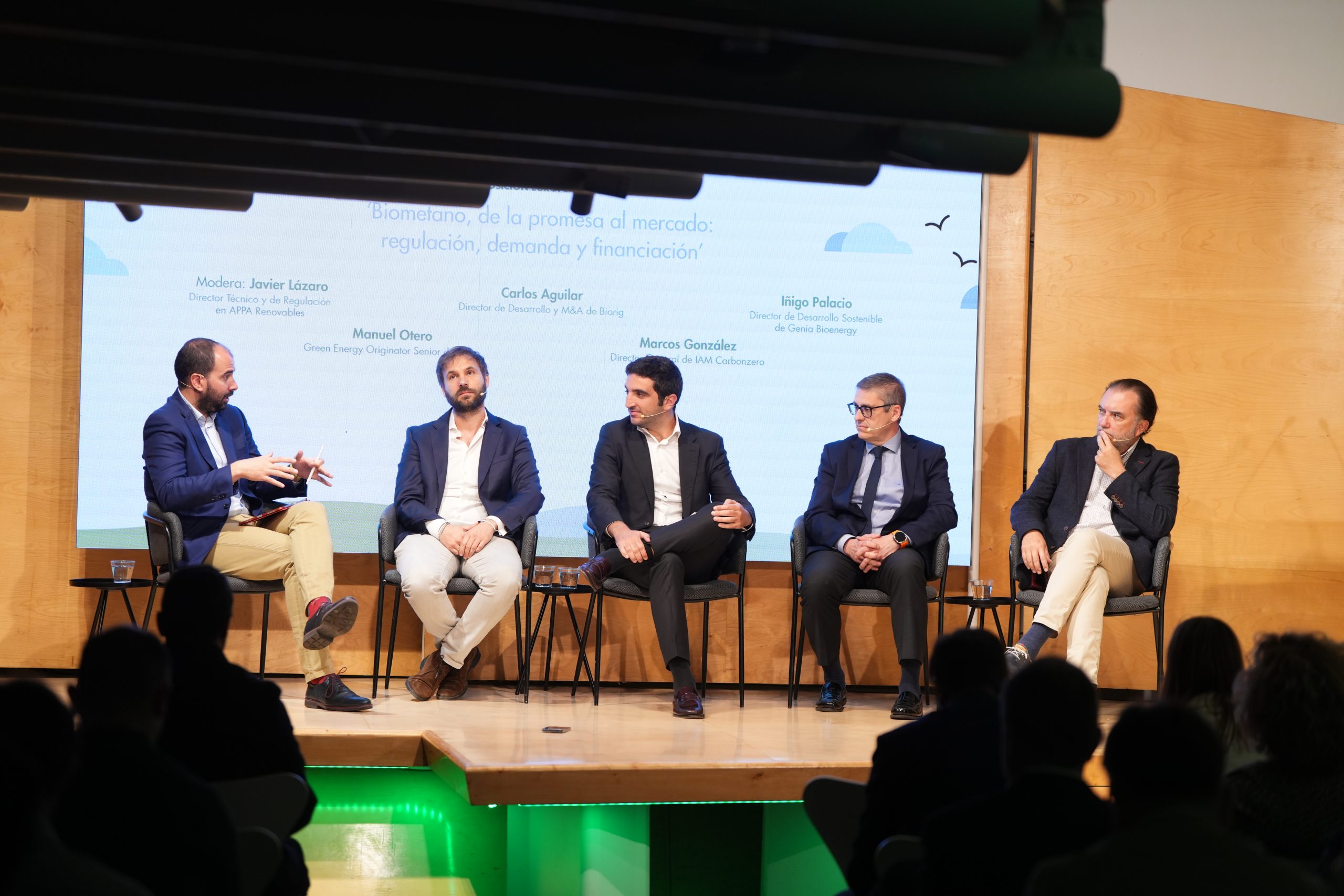
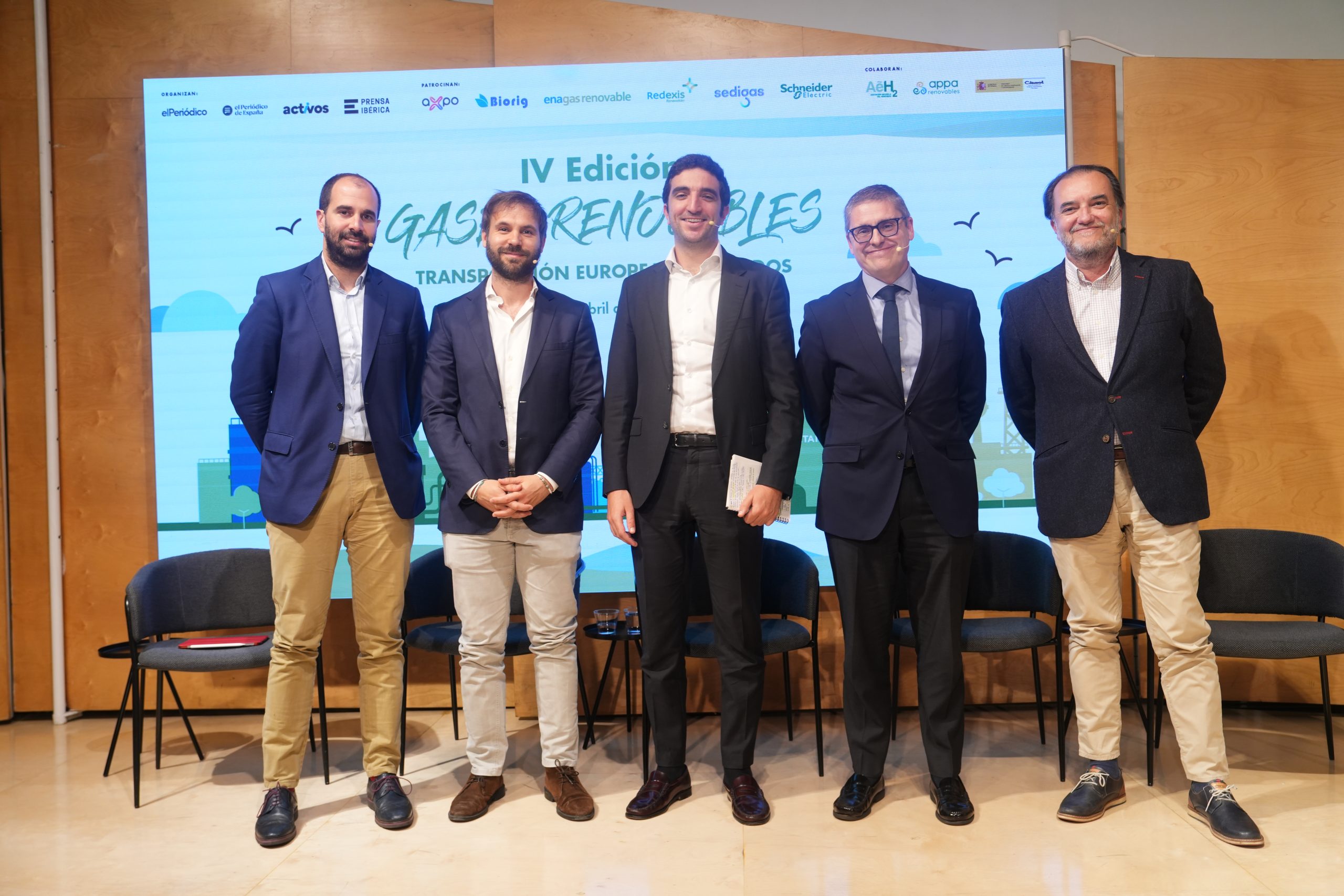
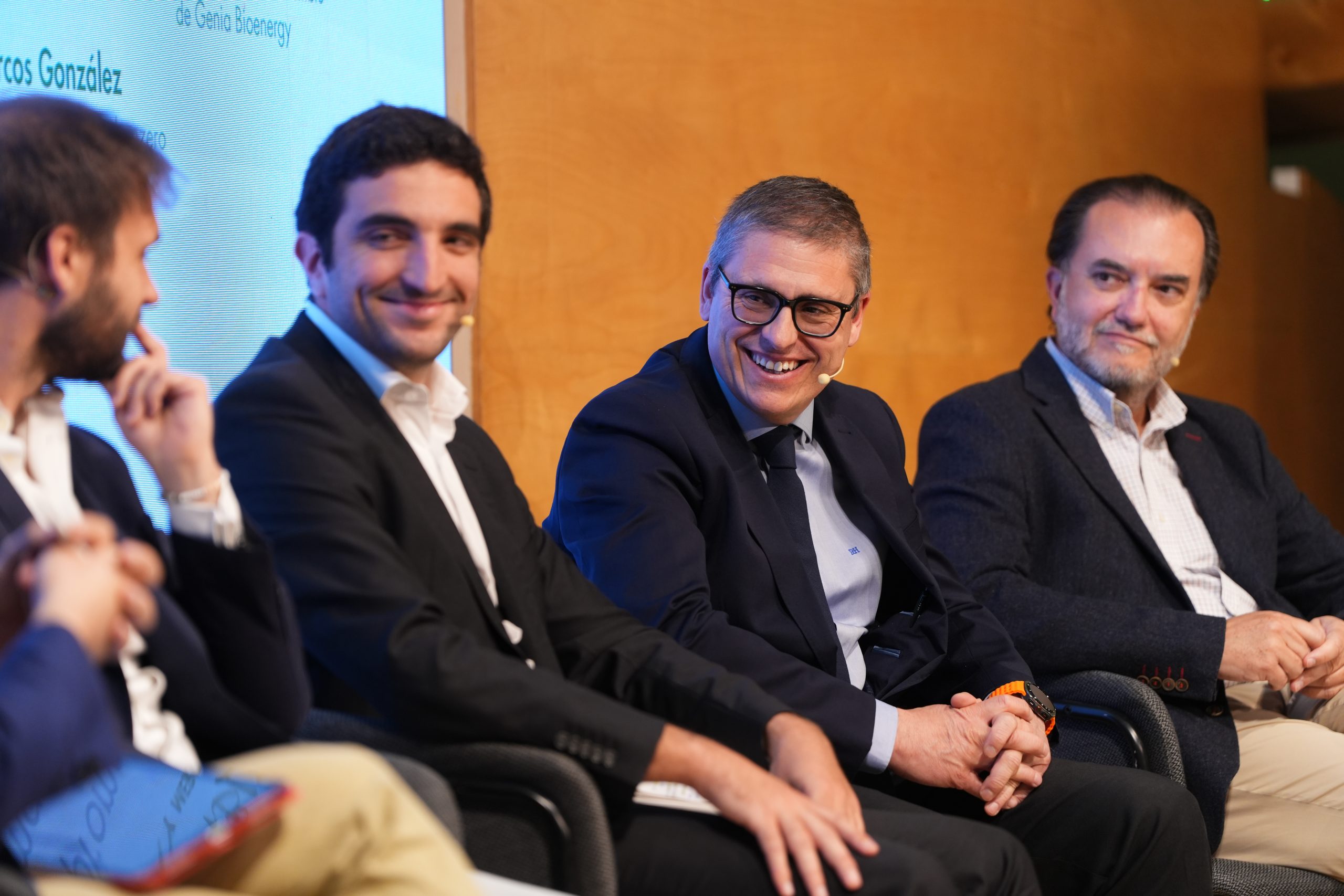
Madrid, 12-05-26. Biorig, Solarig’s renewable gases division, participated in the 4th Renewable Gases Forum, organized by EL PERIÓDICO, El Periódico de España, Activos, and Prensa Ibérica. The event, held on April 16 at the Espacio Bertelsmann in Madrid, brought together institutional representatives, energy companies, research centers, and industry associations to analyze the role of renewable gases in decarbonization and in the consolidation of a new energy market in Spain.

The event took place against a backdrop marked by the need to strengthen Europe’s energy independence, accelerate the green transition, and provide renewable solutions for sectors where electrification is not always sufficient. During the meeting, key issues for the development of renewable hydrogen and biomethane were addressed, including regulation, financing, demand, guarantees of origin, public acceptance, and access to infrastructure.

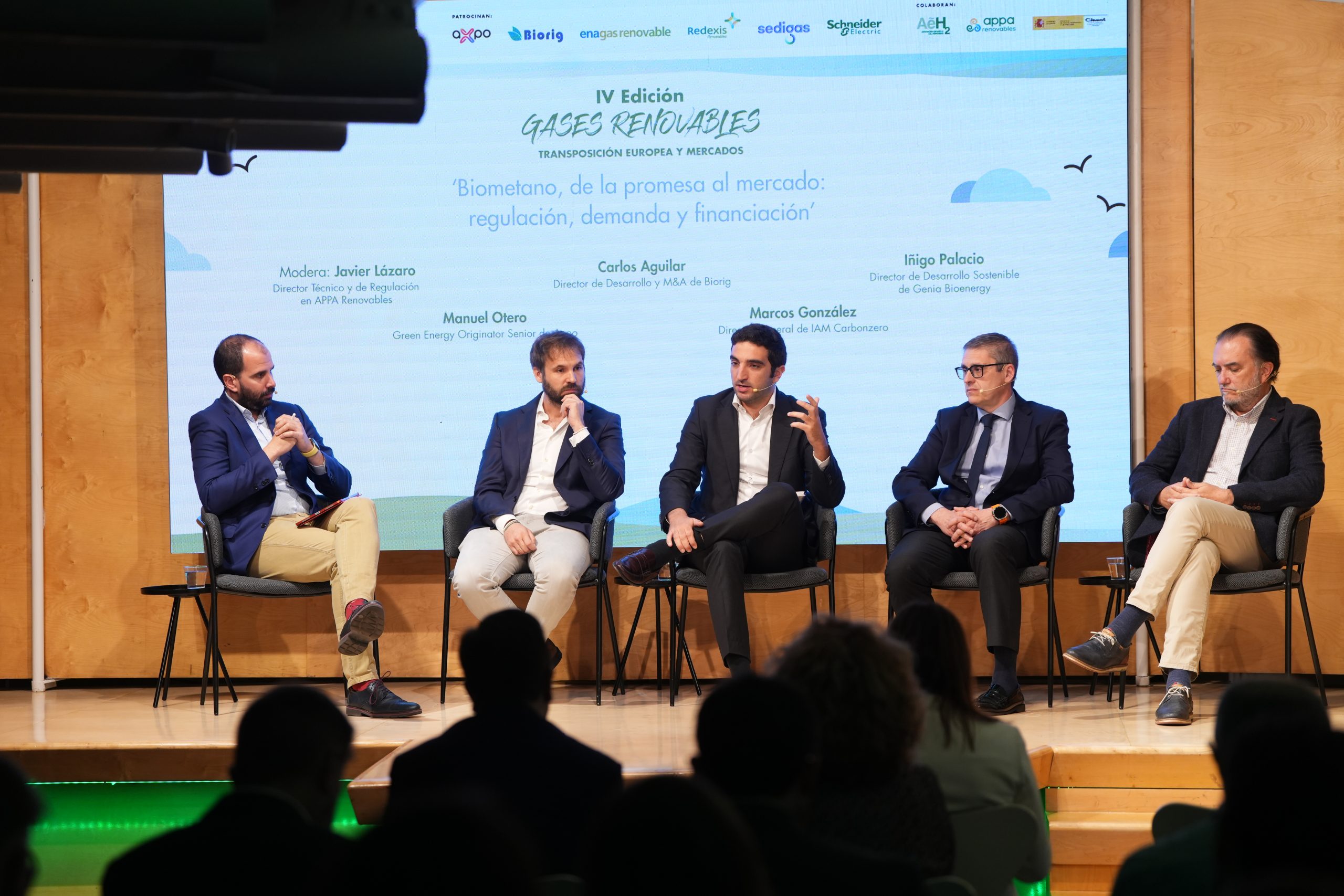
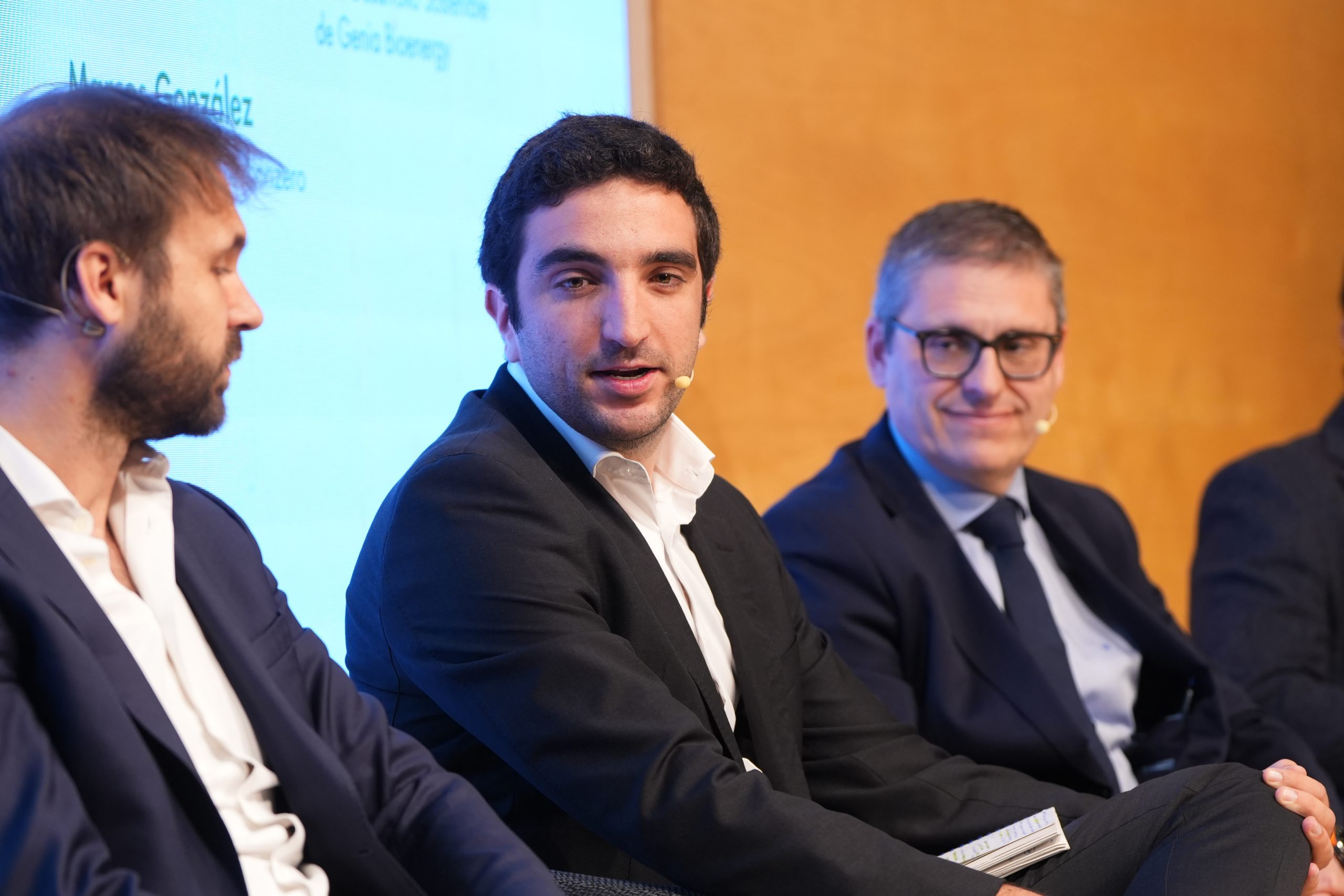
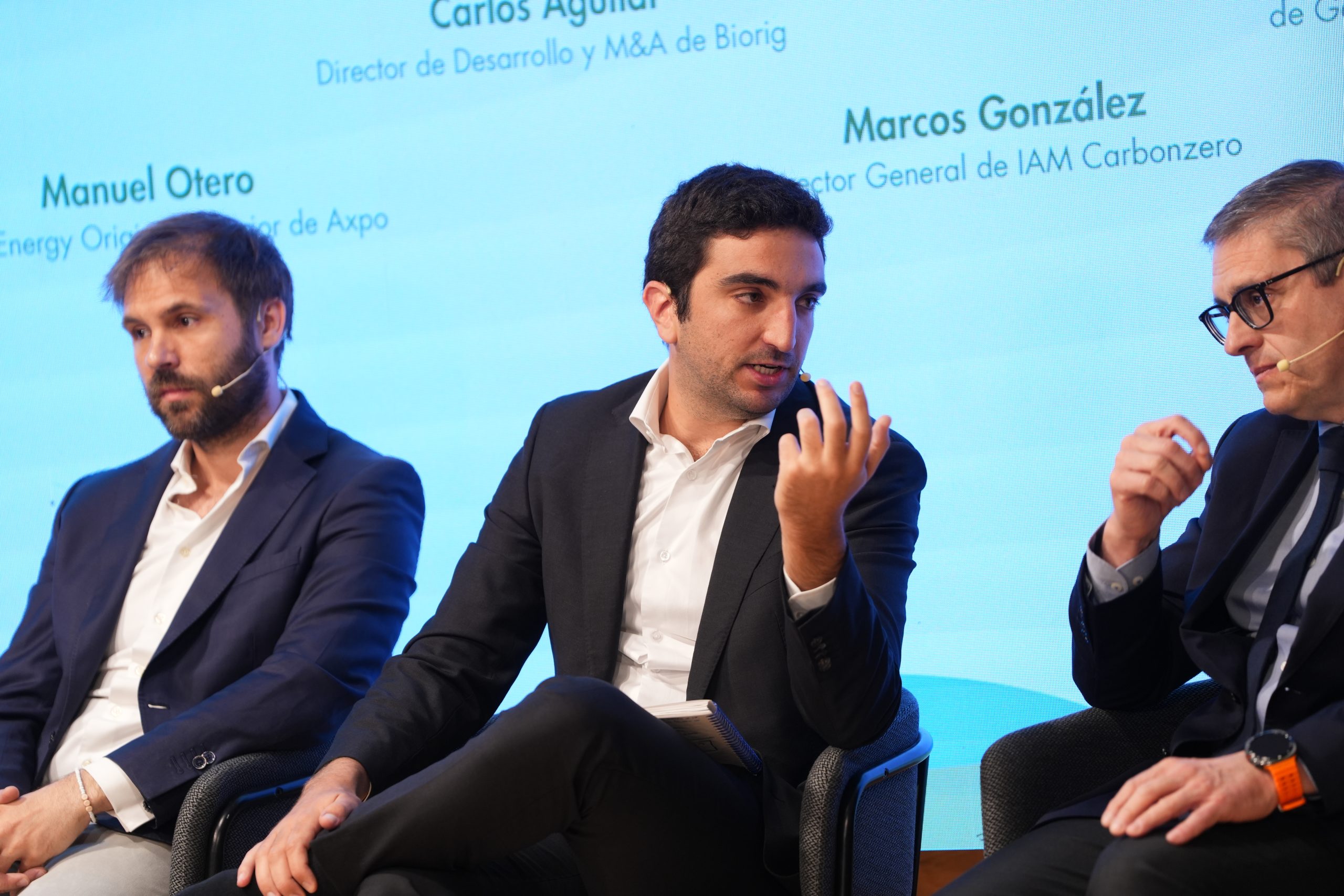
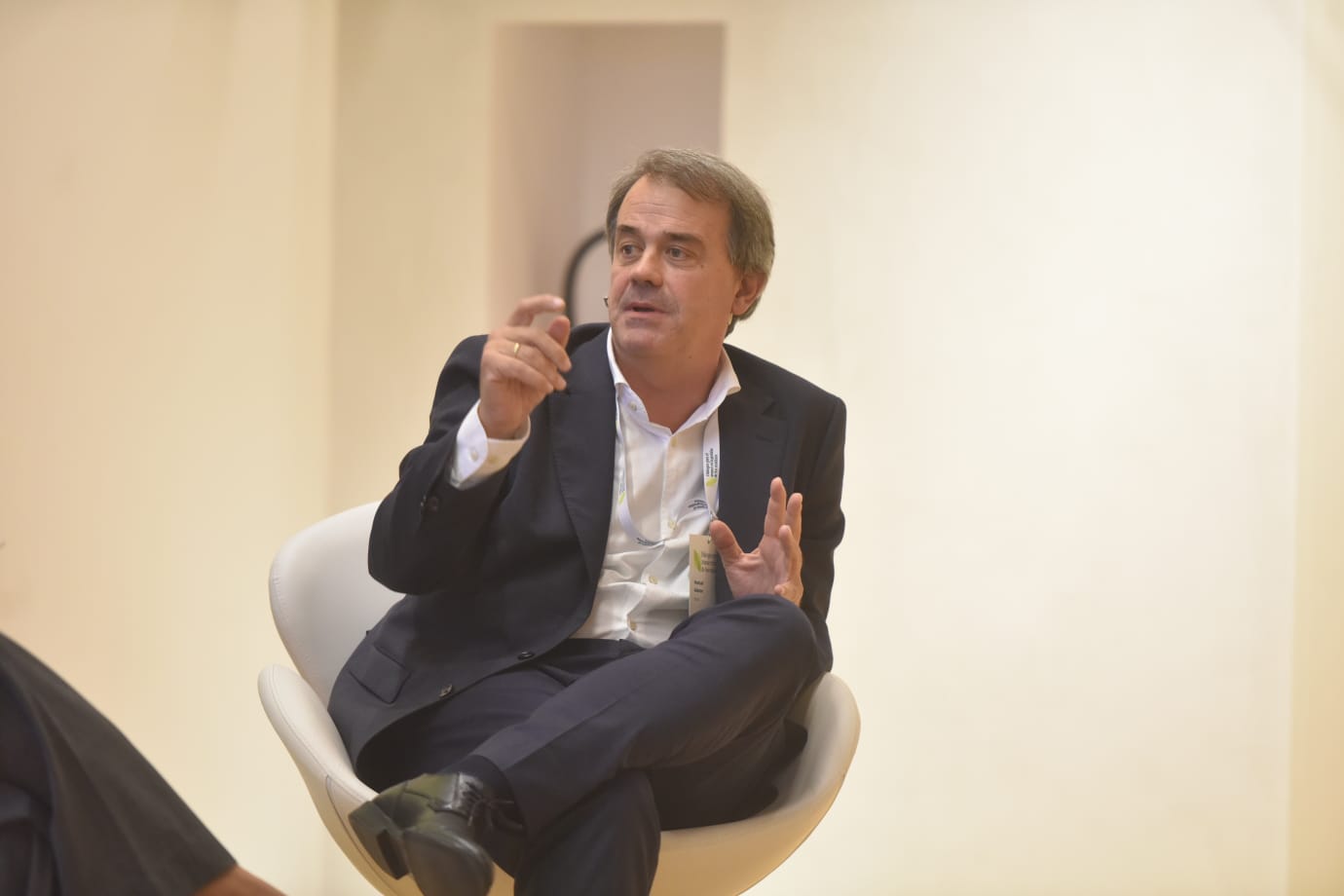
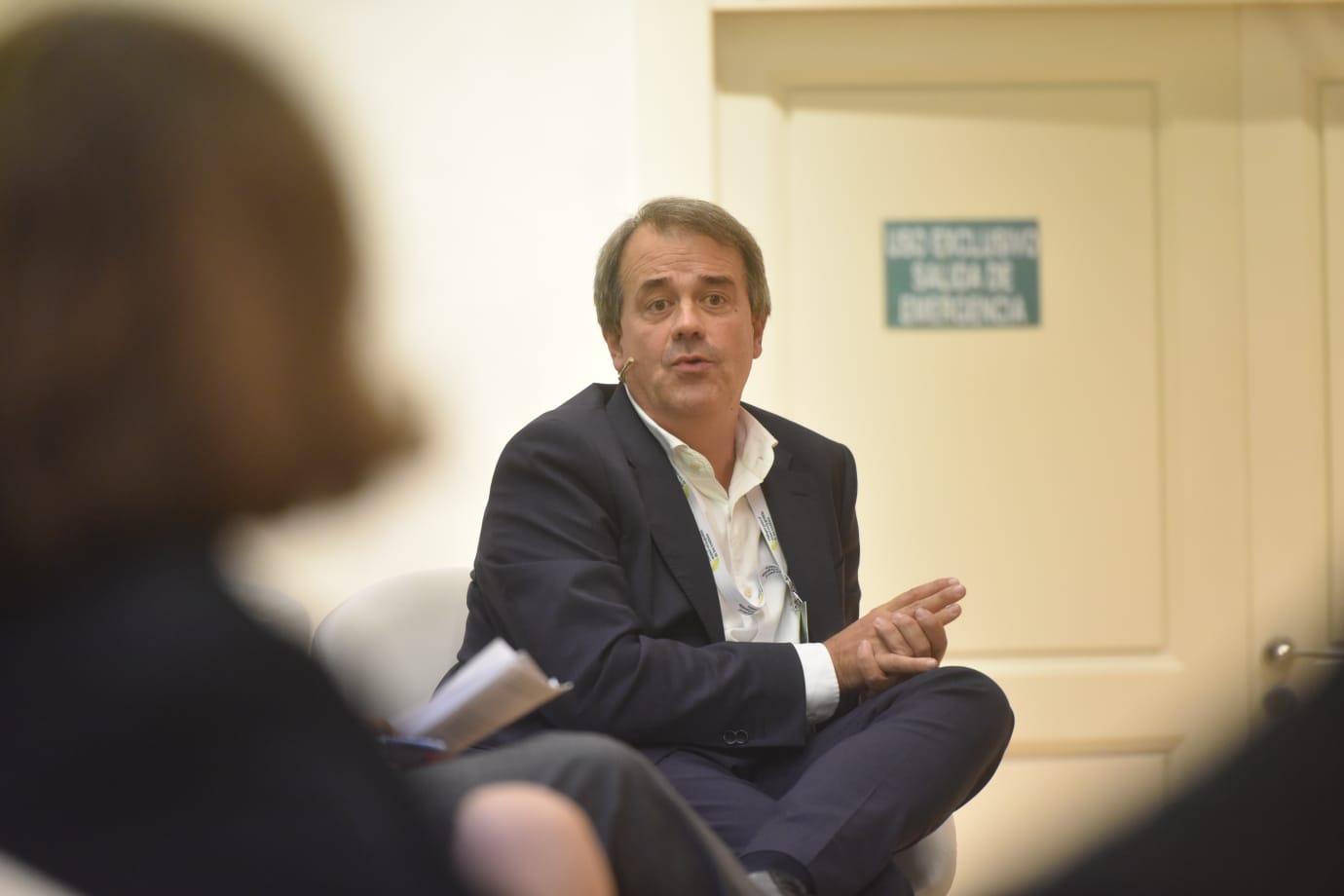
Representing Biorig, Carlos Aguilar, the company’s Director of Development and M&A, participated in the roundtable discussion “Biomethane: From Promise to Market,” moderated by Javier Lázaro, Technical and Regulatory Director at APPA Renovables. During this session, he joined representatives from Axpo, IAM Carbonzero, and Genia Bioenergy in a discussion about the main bottlenecks the sector faces in converting biomethane’s potential into connected and operational plants.

During his remarks, Aguilar provided an update on Biorig’s portfolio, which includes 24 projects currently in development, four positive environmental impact statements, and two integrated environmental permits. In this regard, he noted that the development of biomethane requires companies with sufficient technical, financial, and industrial capacity to navigate lengthy and complex administrative processes.

“A biomethane plant can take two or three years to get approved. That timeline requires financial resources that very few companies have, especially when it comes to projects that haven’t yet generated any value,” Aguilar explained during the panel discussion.

A uniform regulatory framework in Spain to accelerate the adoption of renewable gases

One of the key messages put forward by Biorig was the need to move toward a more uniform regulatory framework across the autonomous communities. The company believes that the current diversity in regulations creates uncertainty for projects and hinders industrial planning in a sector that requires scale, technical rigor, and legal certainty.

“Right now, moving from one autonomous community to another is almost like moving to a different country,” Aguilar said, referring to the importance of establishing a minimum set of common regulations that facilitate the orderly development of projects without compromising environmental, social, and technical standards.

Biorig also highlighted the need to streamline connections to the electricity and gas grids, especially in rural areas where many of these facilities are located. Biomethane plants are industrial facilities rooted in the local community, capable of transforming agricultural and livestock waste into renewable energy, biogenic CO₂, and certified organic fertilizer. However, their development requires adequate infrastructure to enable them to operate, inject renewable gas into the grid, and generate value for the energy system.

By participating in the 4th Renewable Gases Forum, Biorig is reinforcing its position as one of the key players driving the development of biomethane in Spain. The company continues to expand its portfolio of projects aimed at transforming the country’s agricultural and livestock potential into renewable energy, circular solutions, and development opportunities for local communities.

BIORIG, circular economy and energy sustainability

Biorigis Solarig’s biomethane production division. It was created with the aim of providing innovative solutions in the field of renewable gases, such as biomethane. Its activity is focused on the management of organic agro-livestock raw materials for their transformation into renewable gases and to promote the development of projects in the field of energy transition and circular economy.

Biorig is committed to a circular economy model based on the recovery and management of agricultural and livestock raw materials, commitment to the development of local communities, and the promotion of the production of renewable gases to accelerate the energy transition in the places where it operates.

Biomethane: A Sustainable Solution for 35 Million Tons of Waste in Castile and León

The livestock and scientific sectors, along with the Regional Government of Castile and León, are supporting the growth of this sector at an event organized in partnership with La Gaceta de Salamanca

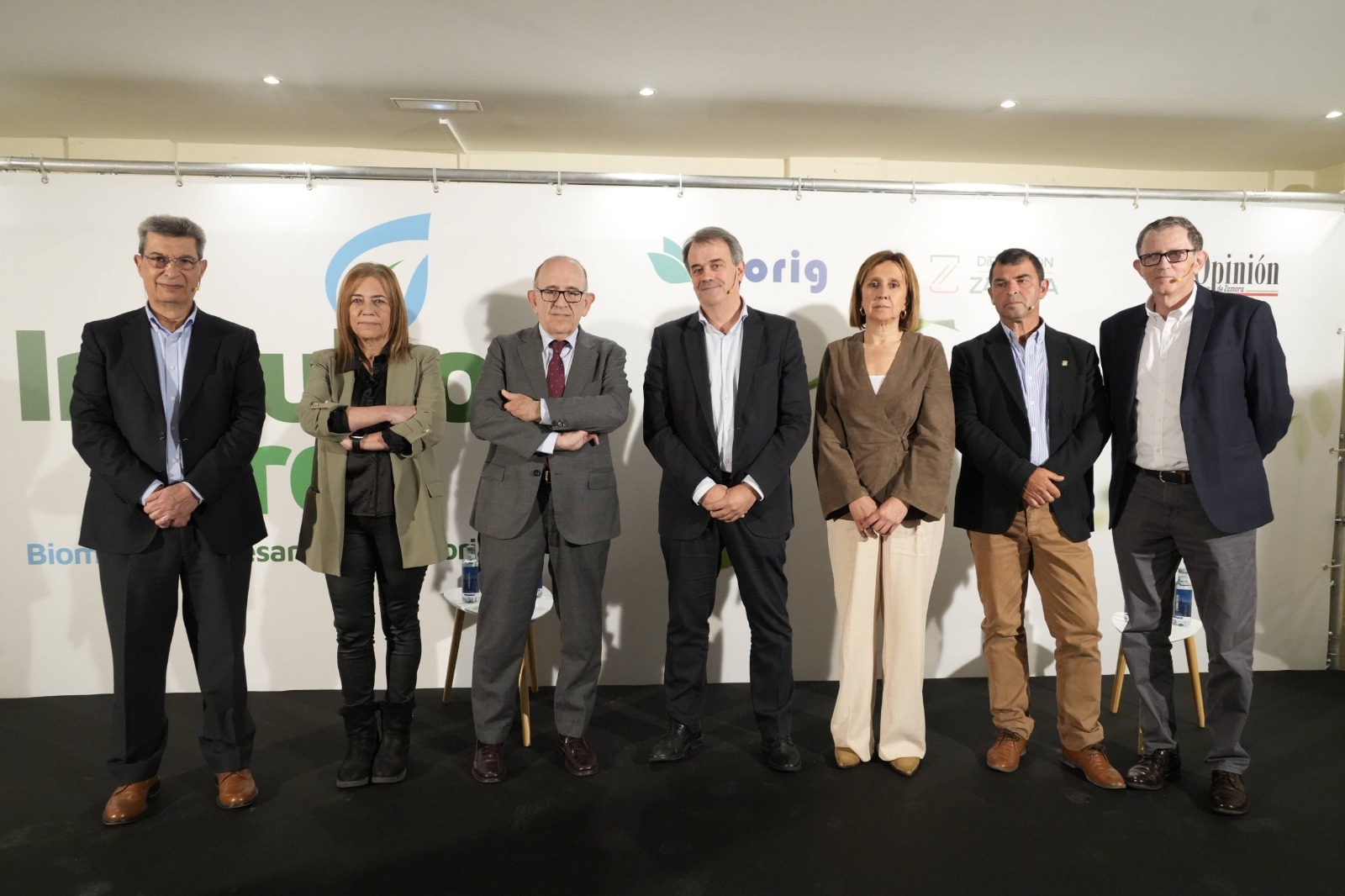
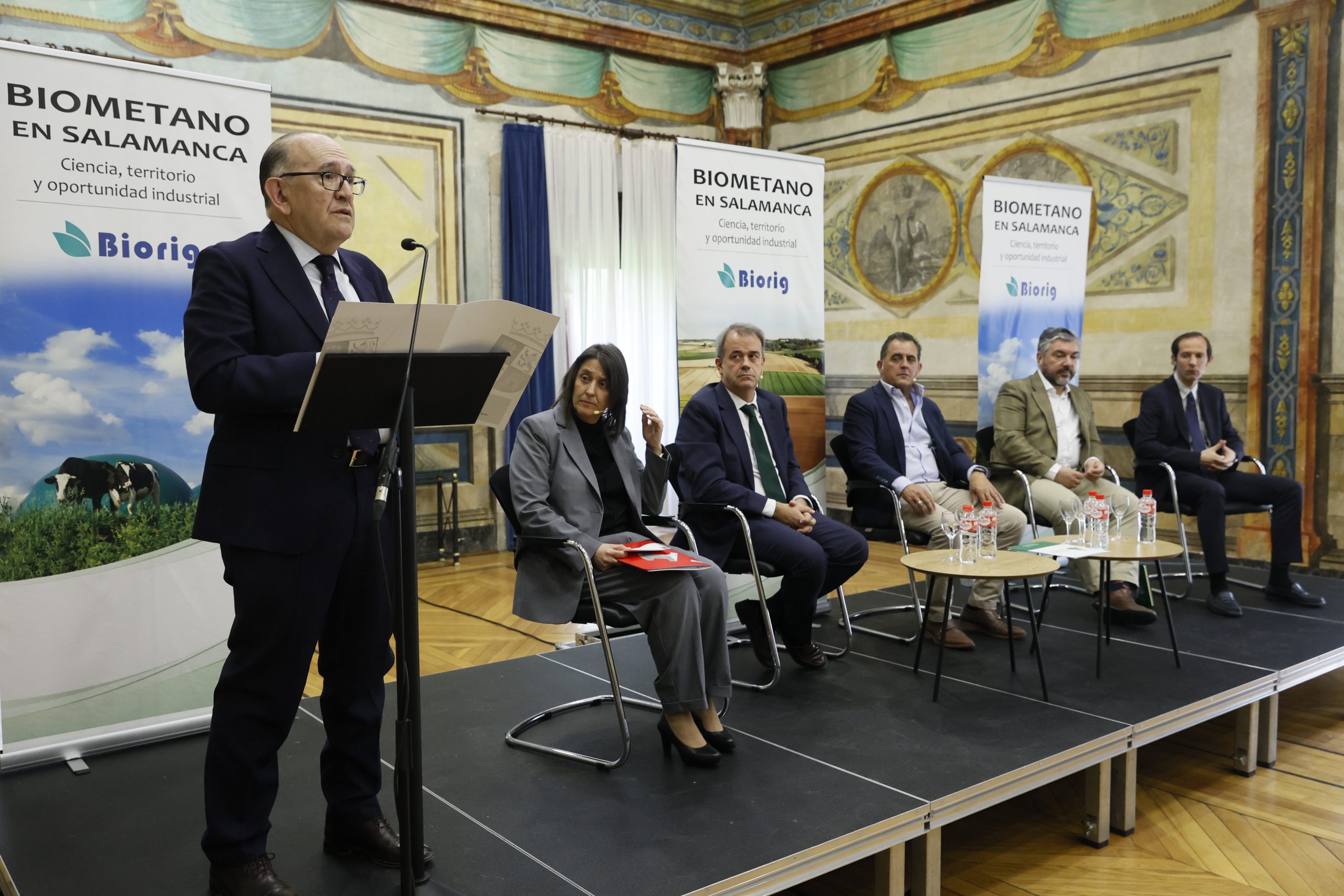
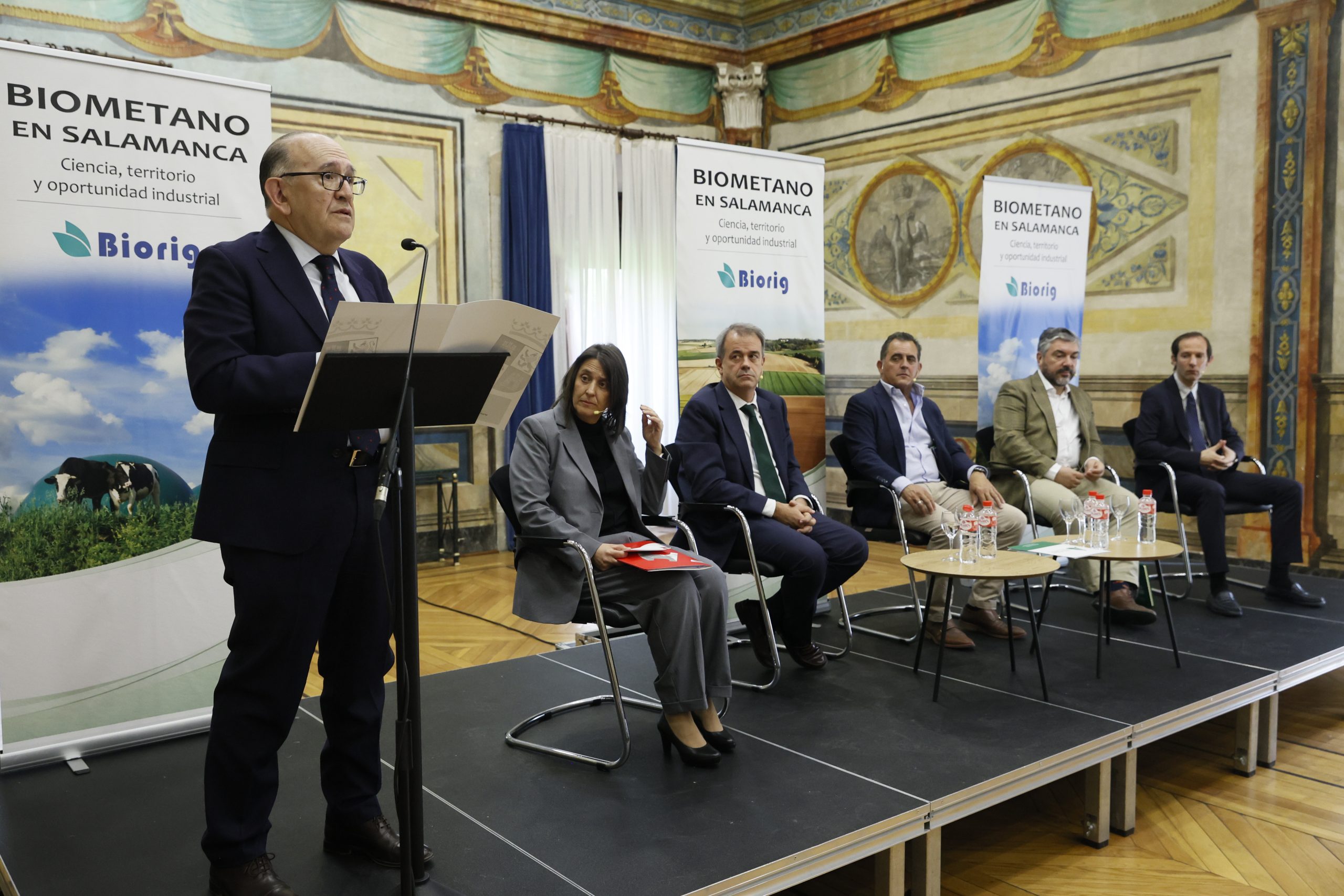
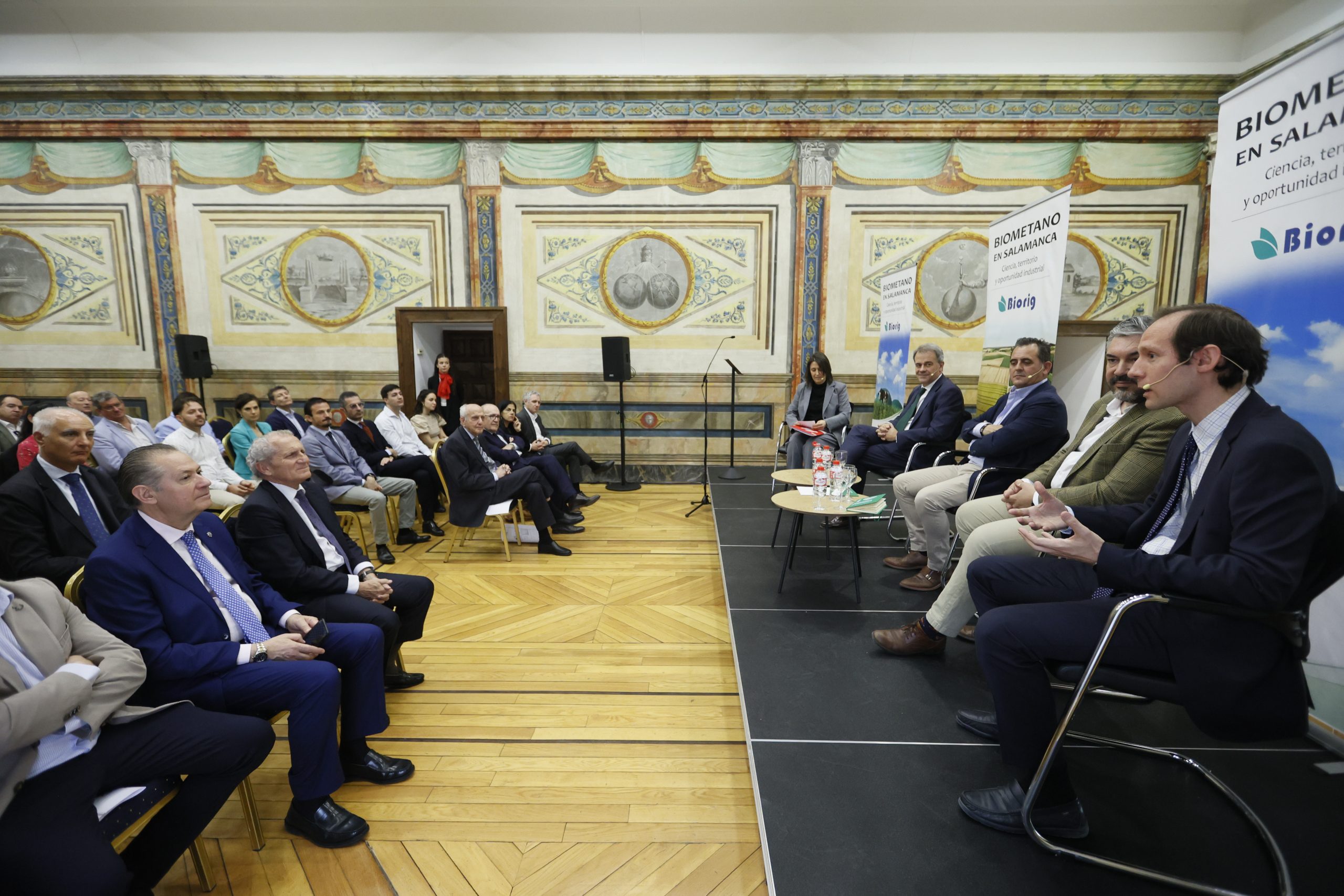
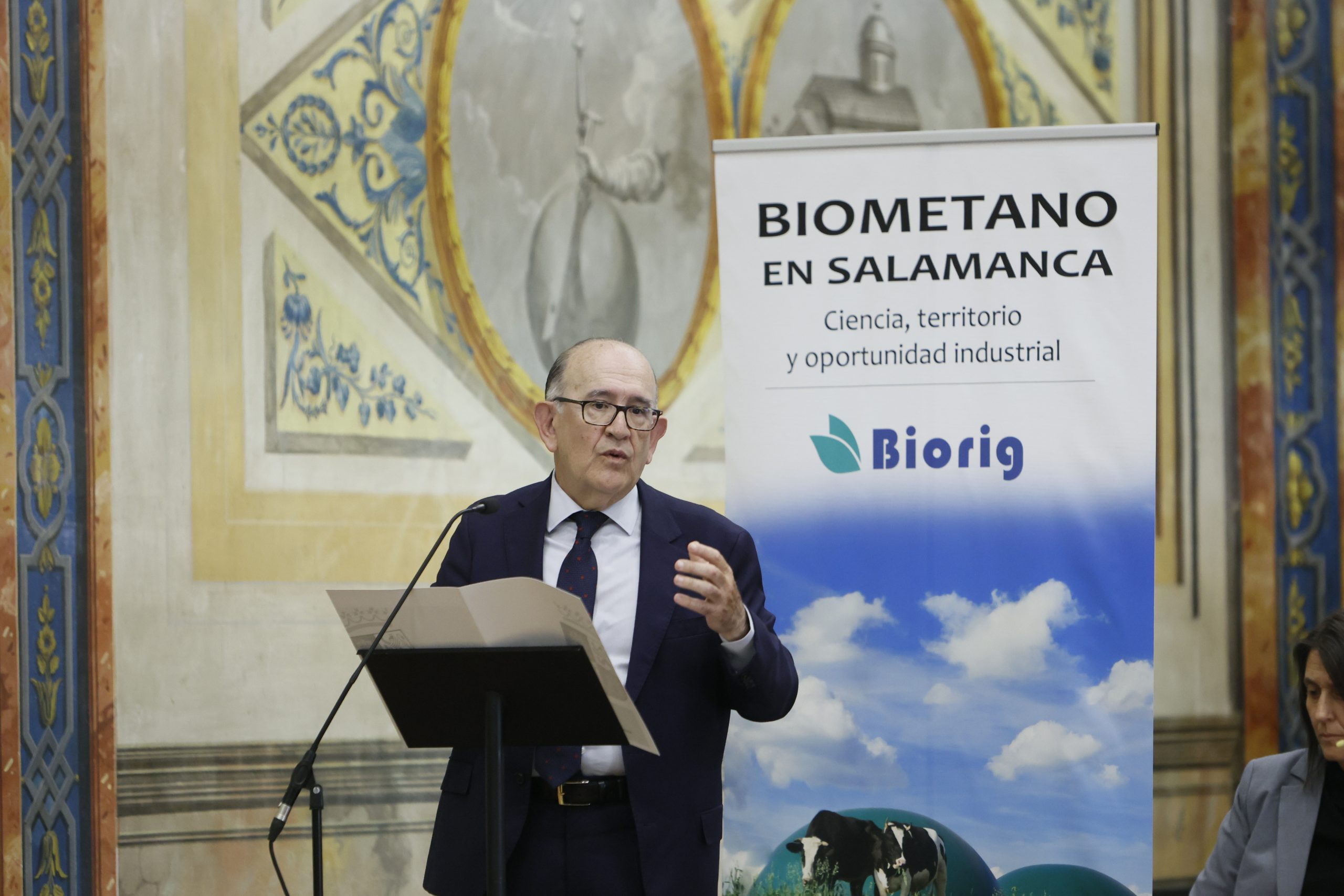
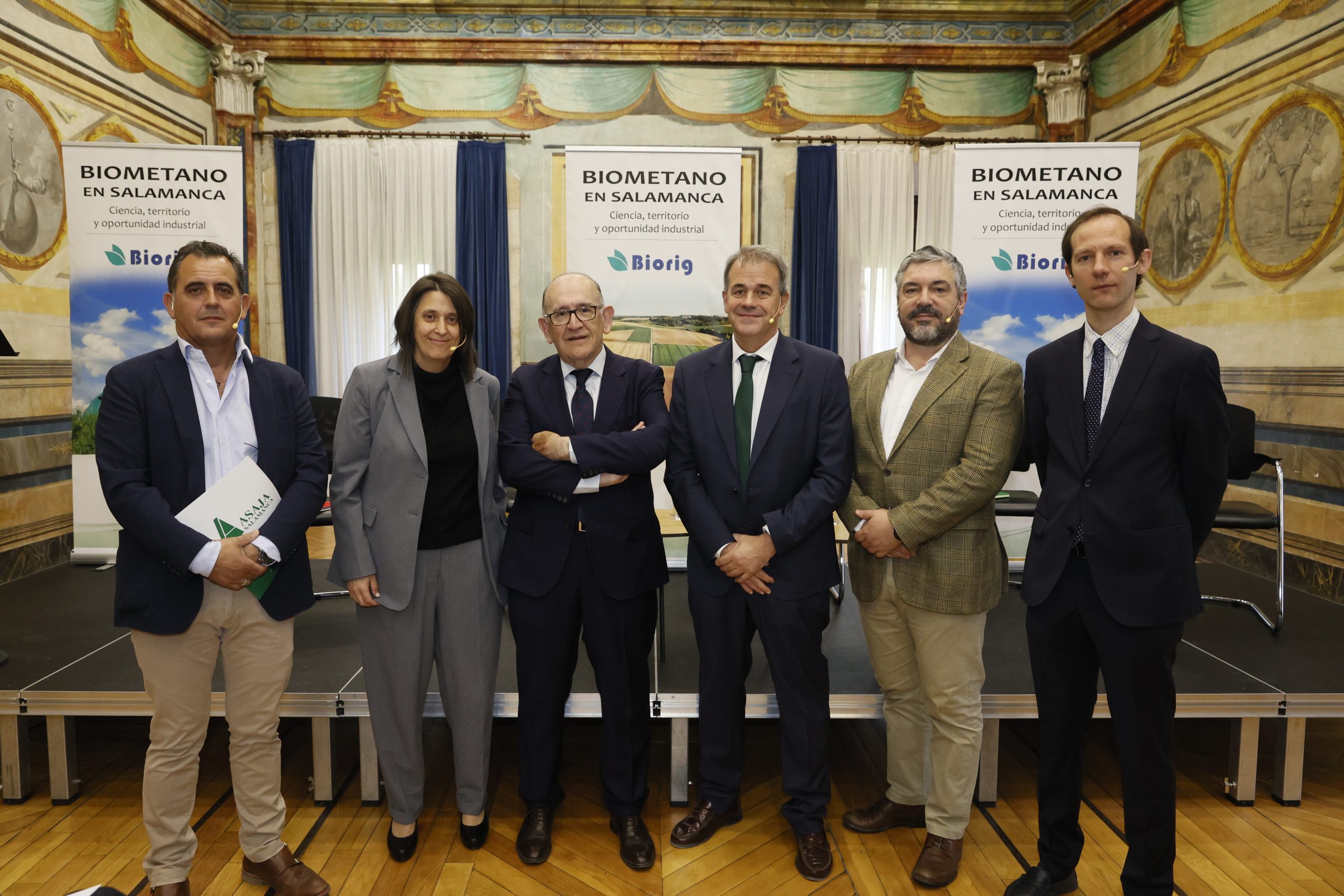
Madrid, 04-23-26. Castile and León has one of the greatest potentials in Europe for the development of biomethane. This was highlighted at the conference “Biomethane in Salamanca: Science, Territory, and Industrial Opportunity,” organized by La Gaceta de Salamanca, where government officials, the scientific community, industry representatives, and stakeholders from the agriculture and livestock sector all agreed that this technology is an effective solution for waste management and the energy transition.

The event was opened by José Manuel Jiménez, Director General of Infrastructure and Environmental Sustainability for the Regional Government of Castile and León, who stated that biomethane plants are a sustainable solution for the 35 million tons of organic waste of all kinds produced by the region.

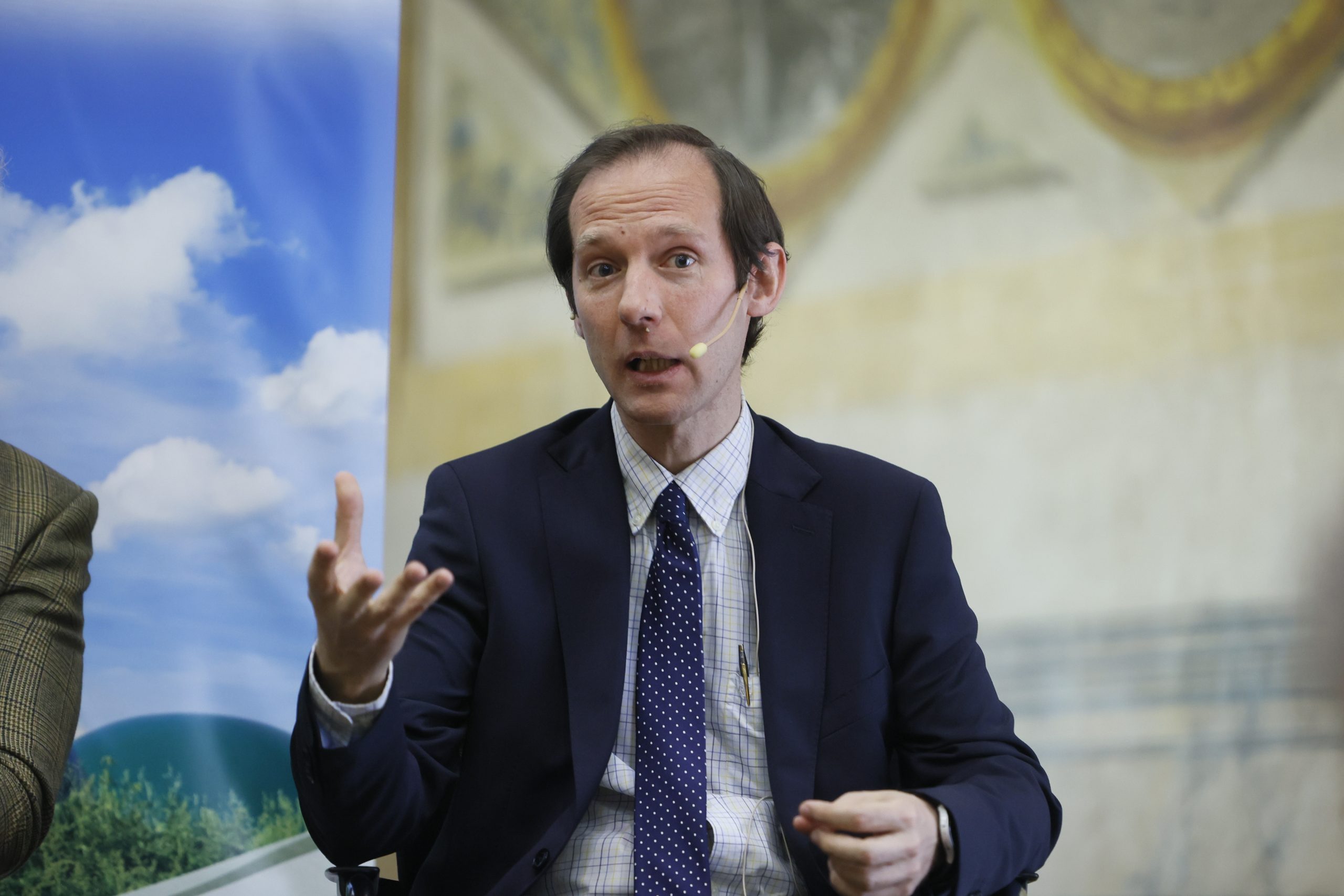
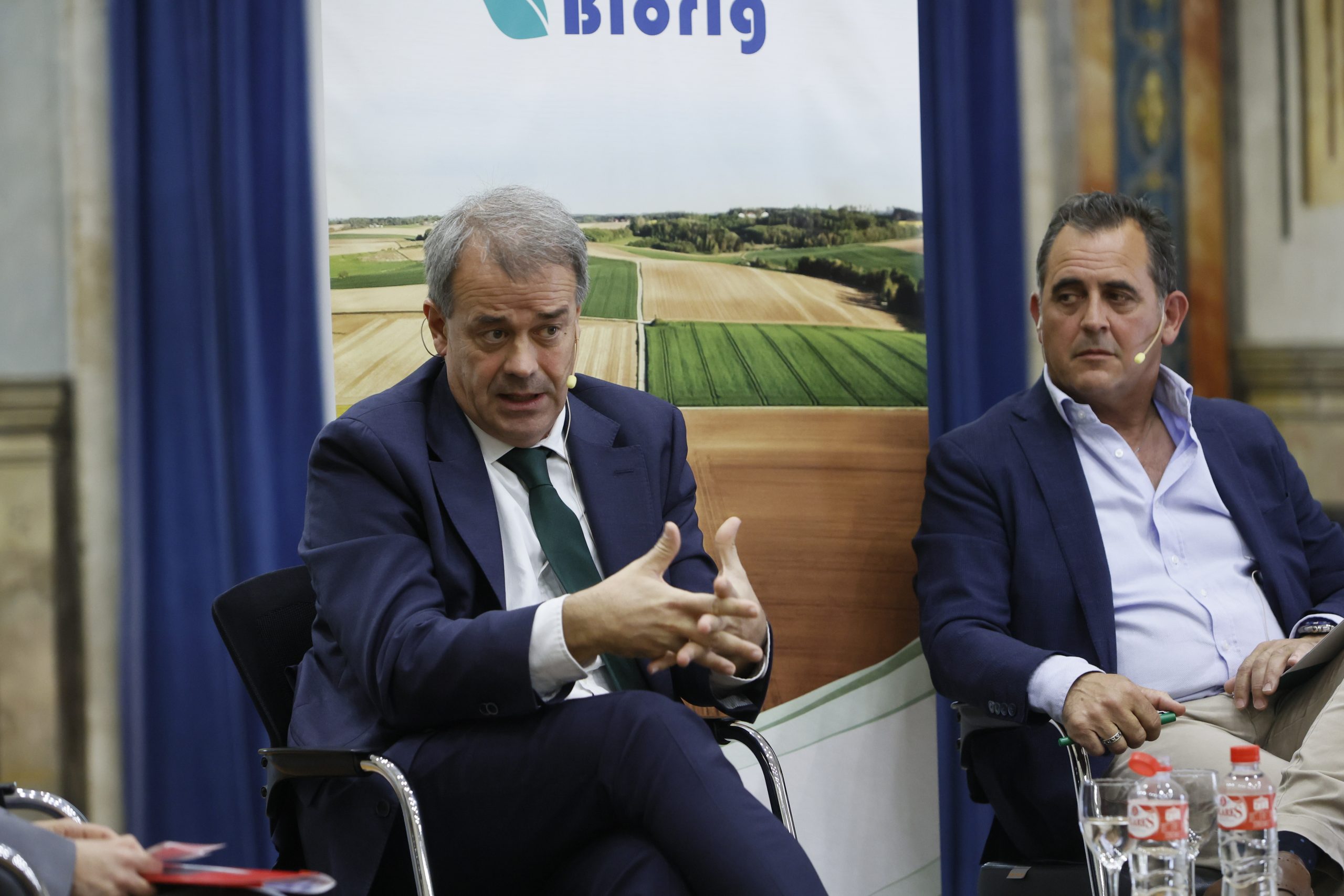
This was followed by a panel discussion moderated by Susana Magdaleno, editor-in-chief of La Gaceta, featuring representatives from the biomethane sector, the livestock industry, and academia. Participants included Manuel Alonso, CEO of Biorig; Juan Luis Delgado, president of ASAJA Salamanca; Mariano Martín, professor of Chemical Engineering at the University of Salamanca; and Pedro Palencia, director of Institutional Relations at Sedigas.

During the meeting, Biorig’s CEO, Manuel Alonso, emphasized that biomethane is an immediate solution to the community’s waste management challenges, noting that this raw material “already exists” and can be converted into renewable energy, organic fertilizers, and biogenic CO₂, without the need to increase livestock numbers or import waste.

In this regard, Alonso noted that the region could achieve an annual biomethane production of around 35 TWh, which is equivalent to more than 250 facilities similar to those developed by Biorig in Castile and León.

An environmental and energy solution based on the circular economy

In addition, Biorig’s CEO addressed some of the main public concerns associated with these facilities, such as odors and the impact on the surrounding environment. In this regard, he emphasized the importance of transparency and firsthand knowledge: “The best thing is to go and see them for yourself.” Alonso described the company’s experience with projects like the one in Castellanos de Villiquera, where residents have been able to tour operational facilities and verify that they are equipped with advanced control systems that minimize any adverse effects.

For his part, Professor Mariano Martín also highlighted the technological maturity of biomethane and the need to step up public outreach: “The technology is working, but it is our responsibility to better explain its benefits.” Along the same lines, Pedro Palencia, speaking on behalf of Sedigas, emphasized that these are safe facilities, backed by decades of experience in European countries such as Germany, France, and Italy.

Technical rigour and environmental guarantees

Speaking on behalf of the primary sector, Juan Luis Delgado highlighted the opportunity that biomethane presents for livestock farms, provided it is developed in a balanced manner. In this regard, he emphasized that it can serve as an additional source of income and an efficient solution for waste management, helping to strengthen the sector’s sustainability.

Throughout the discussion, participants emphasized the need to continue making progress in education, regulation, and collaboration among government agencies, businesses, and the public to consolidate the development of biomethane in Castile and León. As the participants agreed, this sector combines positive environmental impact, industrial development, and opportunities for rural communities.

BIORIG, circular economy and energy sustainability

Biorigis Solarig’s biomethane production division. It was created with the aim of providing innovative solutions in the field of renewable gases, such as biomethane. Its activity is focused on the management of organic agro-livestock raw materials for their transformation into renewable gases and to promote the development of projects in the field of energy transition and circular economy.

Biorig is committed to a circular economy model based on the recovery and management of agricultural and livestock raw materials, commitment to the development of local communities, and the promotion of the production of renewable gases to accelerate the energy transition in the places where it operates.

Biorig joins RETEMA and MITECO’s #DiálogosResiduos (Waste Dialogues) on the future of waste management

Manuel Alonso: “Fertilizer products must be sanitized, stabilized, and provide real agronomic value.”

Madrid, October 29, 2025. Biorig, Solarig’s renewable gases division, participated last Thursday, October 23, in the second day of the Dialogues for Progress in Waste Management, promoted by RETEMA magazine together with the Ministry for Ecological Transition and Demographic Challenge (MITECO). Biorig’s Managing Director, Manuel Alonso, participated in the panel dedicated to biowaste and highlighted the company’s recovery of raw materials from the primary sector by transforming slurry, manure, and straw into renewable energy and organic fertilizers certified under Regulation (EU) 2019/1009. The meeting, which took place at the College of Civil Engineers in Madrid, was attended by more than 250 professionals from the public and private sectors to analyze new regulatory frameworks and seek solutions that enable more efficient and circular management of all types of waste.

During the conference, three key areas were highlighted: (1) regulatory transformation towards a circular economy, (2) public-private collaboration to optimize the collection and treatment of biowaste, and (3) citizen involvement as an essential part of the system.

The voice of Biorig: commitment and action

In this context, Biorig participated in the session on biowaste alongside the Deputy Director General of Waste at MITECO, Margarita Ruiz; the Technical Advisor to the Directorate of Agricultural Production and Markets at the Ministry of Agriculture, Maria Luisa Ballesteros; the Director General of the Environment for the Government of Navarre, Ana Bretaña; and the manager of the Almanzora Levante Vélez Consortium, Marta Sánchez de Puerta, in a meeting moderated by the director of Retema, Alberto Casillas Paz.

During his speech, Manuel Alonso reaffirmed Biorig’s commitment to complying with organic fertilization and sustainable soil nutrition regulations for biomethane plants as the best formula for tackling waste management problems in the primary sector and promoting a truly circular economy.

“We cannot just dump anything on the field. The fertilizer product resulting from anaerobic digestion must be sanitized, stabilized, and provide real agronomic value (…) Biomethane development models must strictly comply with fertilizer regulations and the decree on sustainable nutrition of agricultural soils,” explained the Managing Director of Biorig.

Biorig actively participates in technical-industrial dialogue to align its developments with regulatory and market trends that demand a more sustainable use of waste. Through its model, the company facilitates not only the recovery of agricultural and livestock waste, but also the generation of organic fertilizers, biogenic CO₂, and green energy.

Challenges, opportunities, and vision for the future

During the conference, it became clear that Spain has significant potential for deploying organic waste or biowaste infrastructure, but currently faces barriers in terms of processing, territorial coordination, and access to technology.

In this regard, creating an integrated vision among the different administrations is essential to generate a clear legal framework that can be implemented throughout the territory. Similarly, streamlining project processing and promoting public-private partnerships that guarantee the viability of projects and their integration into the territory is key to changing the perception of waste from a problem to an opportunity to integrate it as a resource into a circular economy system.

BIORIG, circular economy and energy sustainability

Biorigis Solarig’s biomethane production division. It was created with the aim of providing innovative solutions in the field of renewable gases, such as biomethane. Its activity is focused on the management of organic agro-livestock raw materials for their transformation into renewable gases and to promote the development of projects in the field of energy transition and circular economy.

Biorig is committed to a circular economy model based on the recovery and management of agricultural and livestock raw materials, commitment to the development of local communities, and the promotion of the production of renewable gases to accelerate the energy transition in the places where it operates.