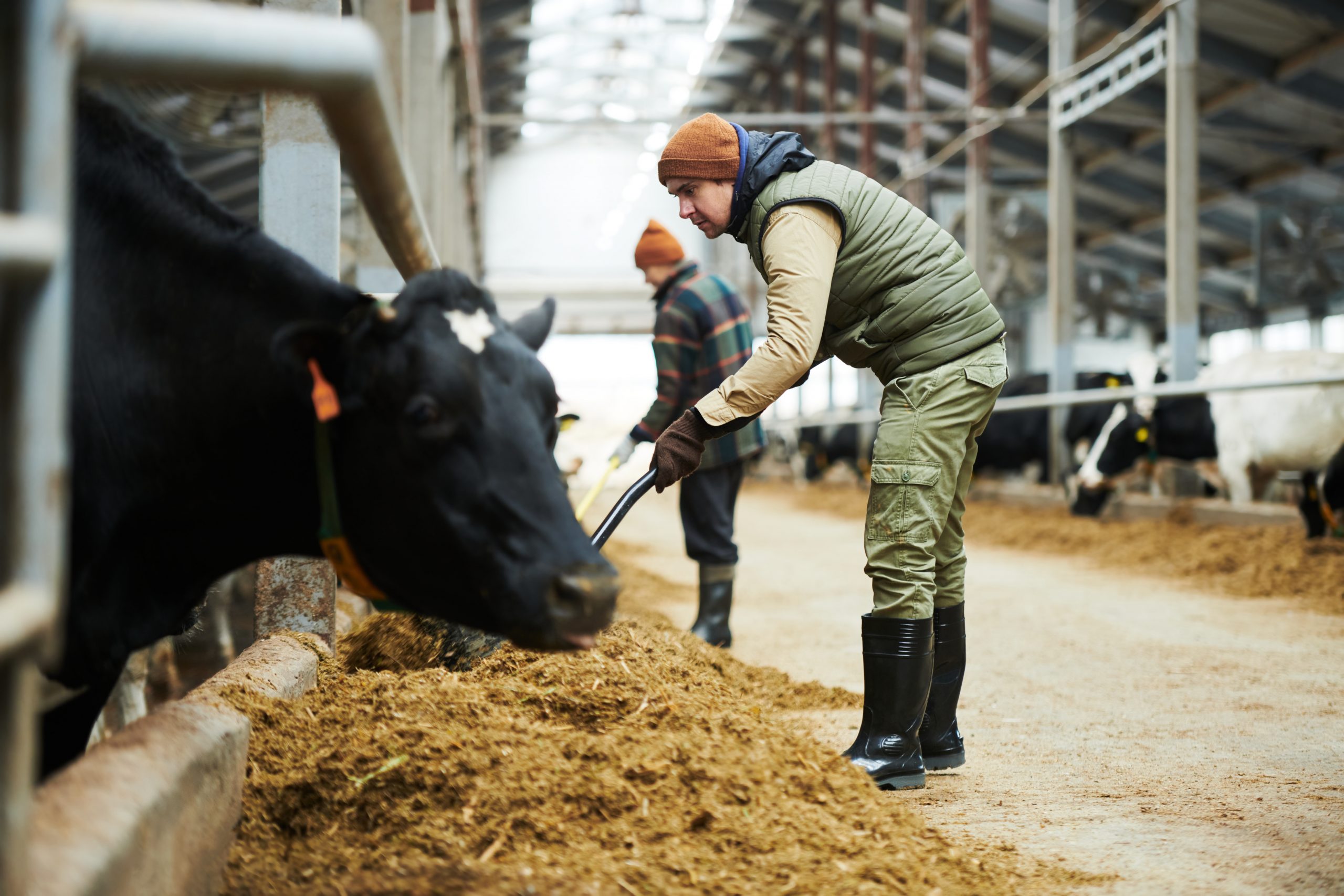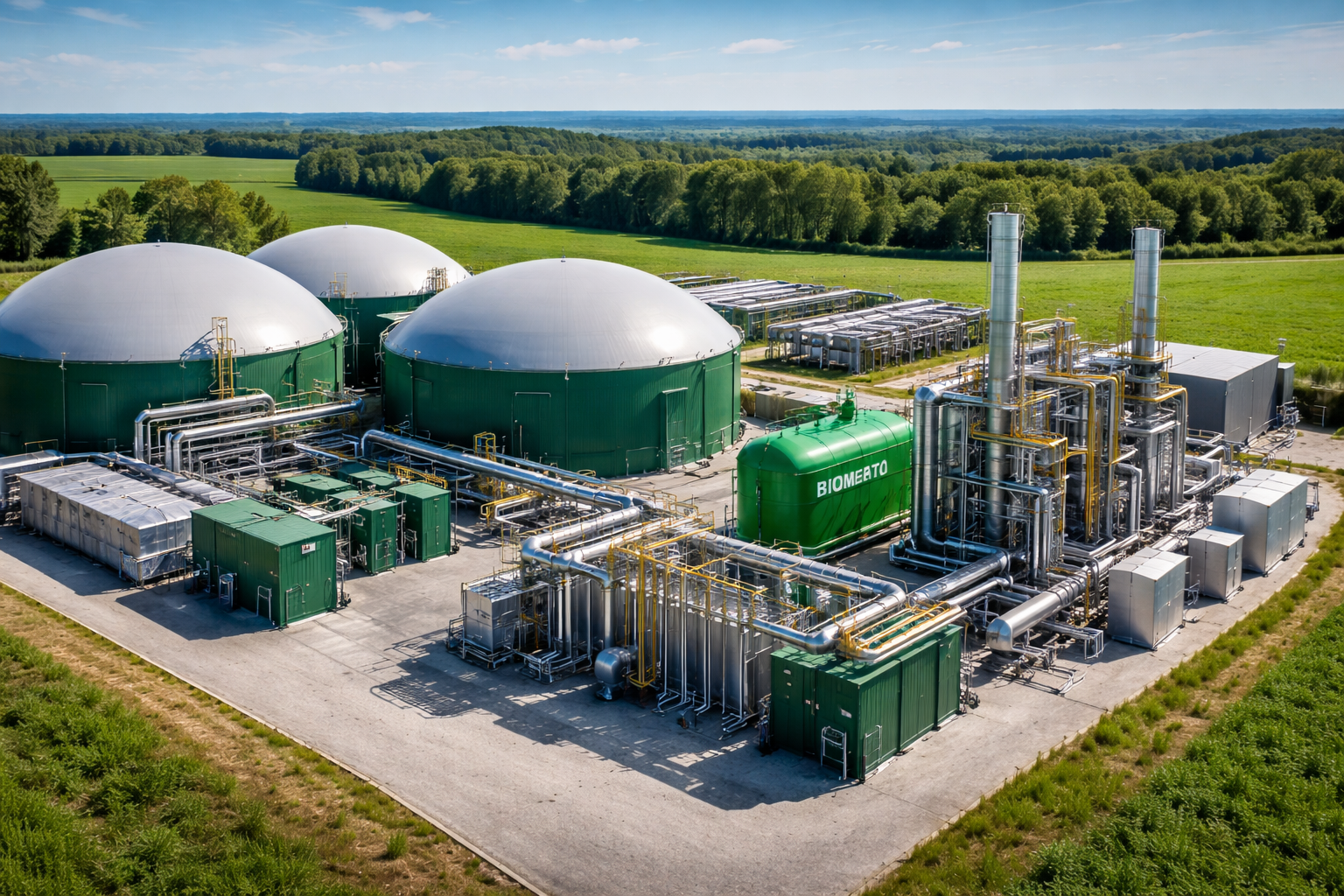




The process reduces organic matter content, odours, and pollution potential.

Experience shows that anaerobic digestion is safe, even in rural areas.
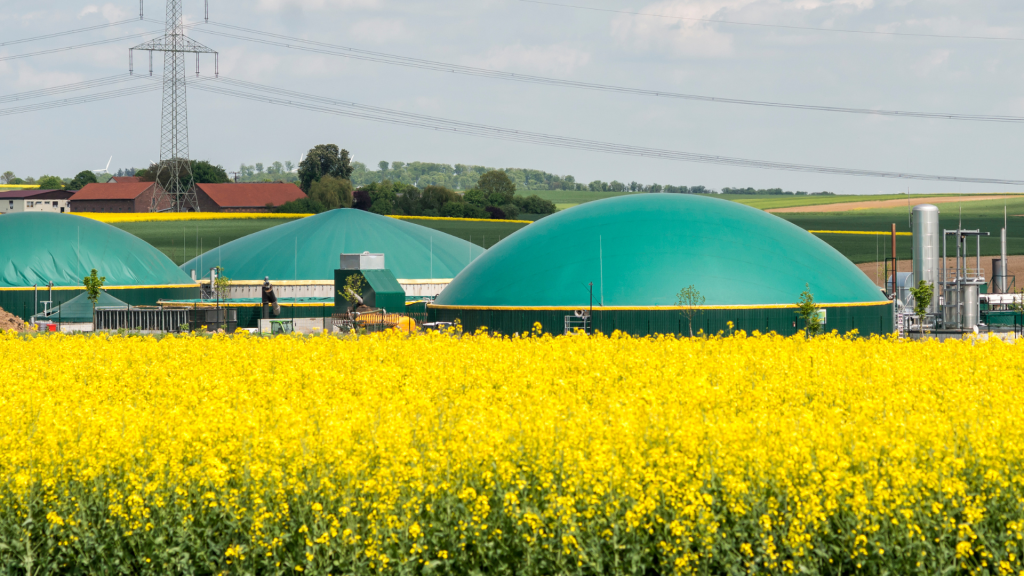
Madrid, 14 January 2026. Biomethane is one of the key energy vectors for achieving the full decarbonisation of the economy in the coming years, despite being a well-established technology with more than 40 years of development across Europe.
Anaerobic digestion (AD) is a biological process that takes place in the absence of oxygen, in which microbial communities break down organic matter and produce biogas (mainly CH₄ and CO₂) and digestate (solid and liquid fractions). The process is carried out in closed reactors (digesters), which are fed with previously homogenised waste and, where necessary, diluted. Under controlled operating conditions — such as temperature, mixing and other parameters — organic matter is progressively degraded through successive stages until the two final products (biogas and digestate) are generated.
A plant does not generate odours or significant nuisance when it is properly designed and operated.
In agri-livestock systems, and from a waste management perspective, the objective of the process is to reduce organic matter content, odours, pathogen loads and pollution potential, transforming raw waste into a more stable and manageable by-product. In addition, it provides further benefits, such as reducing fugitive methane emissions associated with storage, and enabling the production of biogas that can be used to generate heat, electricity and fuels [1]. Digestate is managed as a valorisable material, typically through agricultural application or subsequent composting, depending on its quality and compliance with applicable waste and fertiliser regulations.
Fundamentals and synergies of co-digestion
Co-digestion, which consists of mixing manure/slurry with agri-food waste (plant residues, dairy by-products, fats, etc.), improves the C/N balance and process stability and increases the amount of methane obtained compared to mono-digestion with manure [2]. Many studies confirm the potential of co-digestion of livestock waste with other agricultural or food industry waste, showing significant increases in biogas production yield under controlled proportions [2], [3].
At the microbiological level, optimising operating parameters (such as temperature, organic loading rate, hydraulic retention time, etc.) helps maintain robust methanogenic communities and mitigates potential inhibitions (for example, ammonia inhibition) [4].
Safe treatment with no local impact. Digestate: organic fertiliser for soil improvement.
One of the most relevant aspects is that anaerobic digestion (AD) plants do not generate odours or significant nuisance when they are properly designed and operated. This is achieved through closed systems for waste reception and digestion, preventing the release of gases; in some cases, air treatment in loading areas can be implemented using biofilters; and through controlled management of the digestate, which is discharged in a stabilised state and without active fermentation. These measures allow the facility to coexist with agricultural activities and nearby populations without health risks or negative impacts. Experience across Europe (including Spain) demonstrates that anaerobic digestion is a well-established and safe practice, even in densely populated rural areas.
There are measures that allow facilities to coexist with agricultural activities and nearby populations without health risks or negative impacts.
The product of anaerobic digestion (digestate) is a nutrient-rich material (N, P, K) containing stabilised organic matter that improves soil structure, water retention and biological activity. Its application helps reduce the use of mineral fertilisers and close nutrient cycles. The European regulatory framework (the Nitrates Directive and the Fertilising Products Regulation – FPR) sets quality requirements, contaminant limits and application practices, enabling the harmonised marketing of digestates as CE-marked products when the relevant conditions are met [5], [6].
From biogas to biomethane: upgrading technologies
Raw biogas contains CO₂, water vapour, and in some cases small amounts of H₂S, as well as trace compounds that limit its direct use; upgrading removes these components to achieve biomethane qualities comparable to natural gas. Commercial technologies include water scrubbing, chemical scrubbing with amines, pressure swing adsorption (PSA) and membrane systems, as well as cryogenic options and biological pathways (hydrogen-based methanation) [10].
For grid injection or use in transport, Europe applies EN 16723-1, which defines quality specifications (for example, limits for CO₂, H₂S, siloxanes and oxygen) and testing methods at the gas network entry point. These standards—also adopted in Spain as UNE-EN 16723-1:2017—ensure safety and compatibility with existing infrastructure [11].
Strategic role of biomethane in the future
Biomethane can play a strategic role in the energy transition as a complement to electrification, particularly in decarbonising uses that are difficult to electrify (medium- and high-temperature industrial heat, certain district heating networks and part of the transport sector). As it is interchangeable with natural gas, it enables the use of existing infrastructure: it can be injected into gas networks and used in boilers, industry and cogeneration with limited modifications.
In addition, biomethane supports the circular economy, transforming manure/slurry, sewage sludge, the organic fraction of waste and agri-industrial by-products into energy, while reducing emissions associated with their management—provided that leakages and the supply chain are properly controlled. It also strengthens energy security, as it is a local and storable resource, particularly relevant in the current context of fully imported natural gas. At EU level, the target is 35 bcm per year by 2030 [12], with 1,678 plants operating by mid-2025, while in Spain the objective is to increase production from ≥10 TWh to 20 TWh by 2030.
Antonio Morán Palao is a Professor of Chemical, Environmental and Bioprocess Engineering at the University of León.
References:
- U.S. Environmental Protection Agency (EPA). How Does Anaerobic Digestion Work? (AgSTAR) [Internet]. Last updated: 15 Dec 2025 [cited 22 Dec 2025]. Available from: https://www.epa.gov/agstar/how-does-anaerobic-digestion-work
- Frankowski J, Czekała W. Agricultural Plant Residues as Potential Co-Substrates for Biogas Production. Energies. 2023;16(11):4396. doi:10.3390/en16114396. Available from: https://www.mdpi.com/1996-1073/16/11/4396
- Sharmin S, Meeroff DE, Ferdinand L, Bloetscher F, Lashaki MJ. Assessing the Effects of Anaerobic Co-Digestion with FOG and Food Waste Residuals on Biogas Production. Journal of Environmental Protection. 2025;16:148–179. doi:10.4236/jep.2025.162008. Available from: https://doi.org/10.4236/jep.2025.162008
- Ahlberg-Eliasson K, Westerholm M, Isaksson S, Schnürer A. Anaerobic Digestion of Animal Manure and Influence of Organic Loading Rate and Temperature on Process Performance, Microbiology, and Methane Emission From Digestates. Frontiers in Energy Research. 2021;9:740314. doi:10.3389/fenrg.2021.740314. Available from: https://www.frontiersin.org/journals/energy-research/articles/10.3389/fenrg.2021.740314/full
- European Union. Council Directive 91/676/EEC of 12 December 1991 concerning the protection of waters against pollution caused by nitrates from agricultural sources (Nitrates Directive) [Internet]. Available from: https://eur-lex.europa.eu/eli/dir/1991/676/oj/eng
- European Compost Network (ECN). Fertilising Products Regulation [Internet]. [cited 22 Dec 2025]. Available from: https://www.compostnetwork.info/policy/from-waste/fertilising-products-regulation/
- Decorte M, Papa G, Pasteris M, Sever L, Gaffuri C, Cancian G, et al. Exploring digestate’s contribution to healthy soils. Brussels: European Biogas Association; 2024. Available from: https://www.europeanbiogas.eu/wp-content/uploads/2024/03/Exploring-digestate-contribution-to-health…
- Francisco López AF, Lago Rodríguez T, Faraji Abdolmaleki S, Galera Martínez M, Bello Bugallo PM. From Biogas to Biomethane: An In-Depth Review of Upgrading Technologies That Enhance Sustainability and Reduce Greenhouse Gas Emissions. Applied Sciences. 2024;14(6):2342. doi:10.3390/app14062342. Available from: https://www.mdpi.com/2076-3417/14/6/2342
- Pesta G, Hansemann E, Bochmann G, Drosg B, Gabauer W. Implementation of anaerobic digestion facilities in the food and beverage industry. IEA Bioenergy Task 37; 2025. Available from: https://www.ieabioenergy.com/wp-content/uploads/2025/03/IEA-Bioenergy-Task-37-Food-and-Beverage_202…
- Swinbourn A, et al. Advanced biomethane production: A techno-economic and life-cycle assessment. ChemSusChem. 2024;17:e202400779. doi:10.1002/cssc.202400779. Available from: https://doi.org/10.1002/cssc.202400779
- Asociación Española de Normalización (UNE). UNE-EN 16723-1:2017. Gas natural y biometano… Parte 1: Especificaciones para la inyección de biometano en la red de gas natural. Available from: https://www.une.org/encuentra-tu-norma/busca-tu-norma/norma?c=N0058455
- European Commission. (2022, May 18). Key documents: REPowerEU. European Commission. Available from: https://commission.europa.eu/publications/key-documents-repowereu_en