Biorig Calls for a Regulatory Framework to Accelerate Biomethane at the 4th Renewable Gases Forum

The meeting examined the role of renewable gases in the creation of a new energy market in Spain

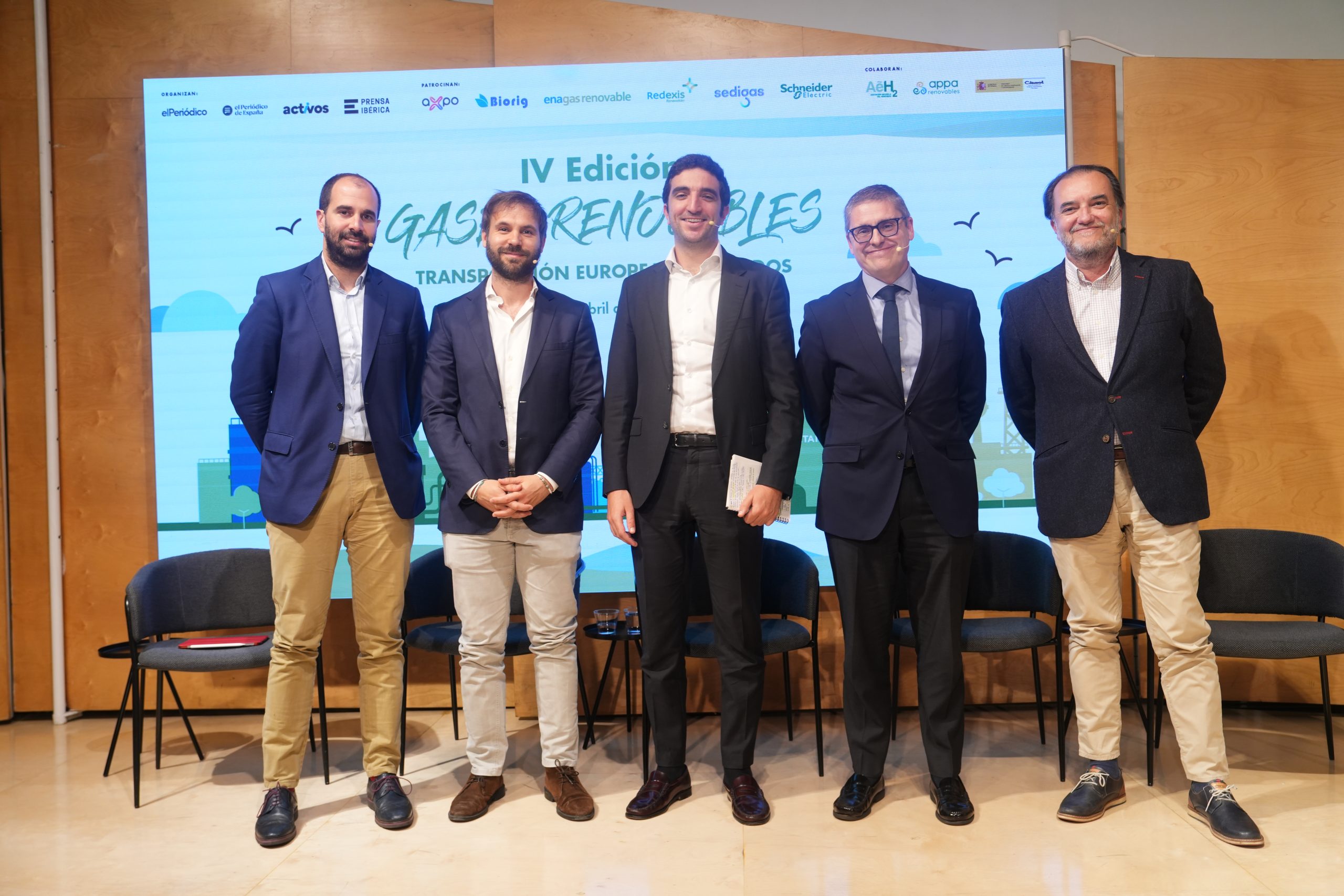
Madrid, 12-05-26. Biorig, Solarig’s renewable gases division, participated in the 4th Renewable Gases Forum, organized by EL PERIÓDICO, El Periódico de España, Activos, and Prensa Ibérica. The event, held on April 16 at the Espacio Bertelsmann in Madrid, brought together institutional representatives, energy companies, research centers, and industry associations to analyze the role of renewable gases in decarbonization and in the consolidation of a new energy market in Spain.

The event took place against a backdrop marked by the need to strengthen Europe’s energy independence, accelerate the green transition, and provide renewable solutions for sectors where electrification is not always sufficient. During the meeting, key issues for the development of renewable hydrogen and biomethane were addressed, including regulation, financing, demand, guarantees of origin, public acceptance, and access to infrastructure.

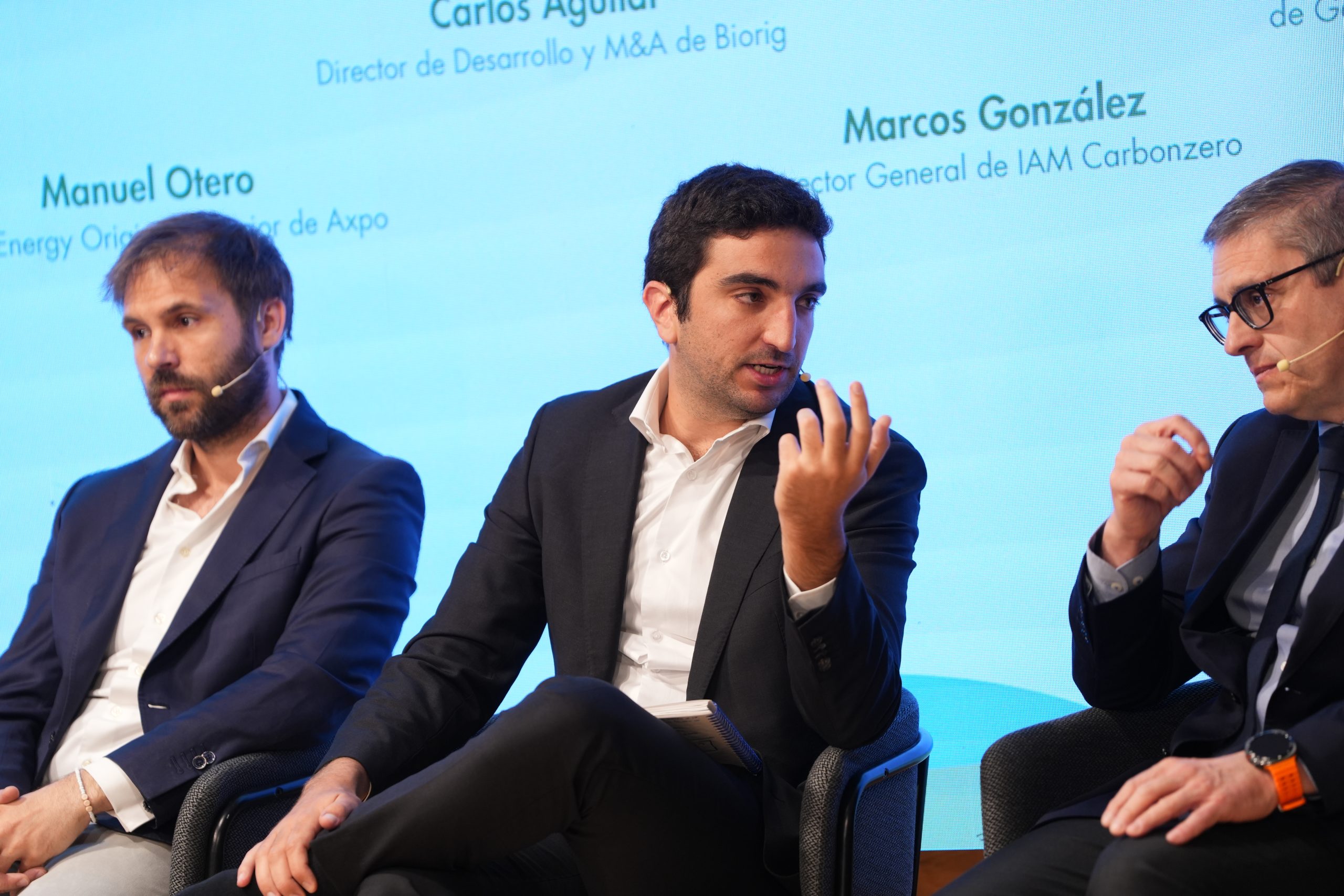
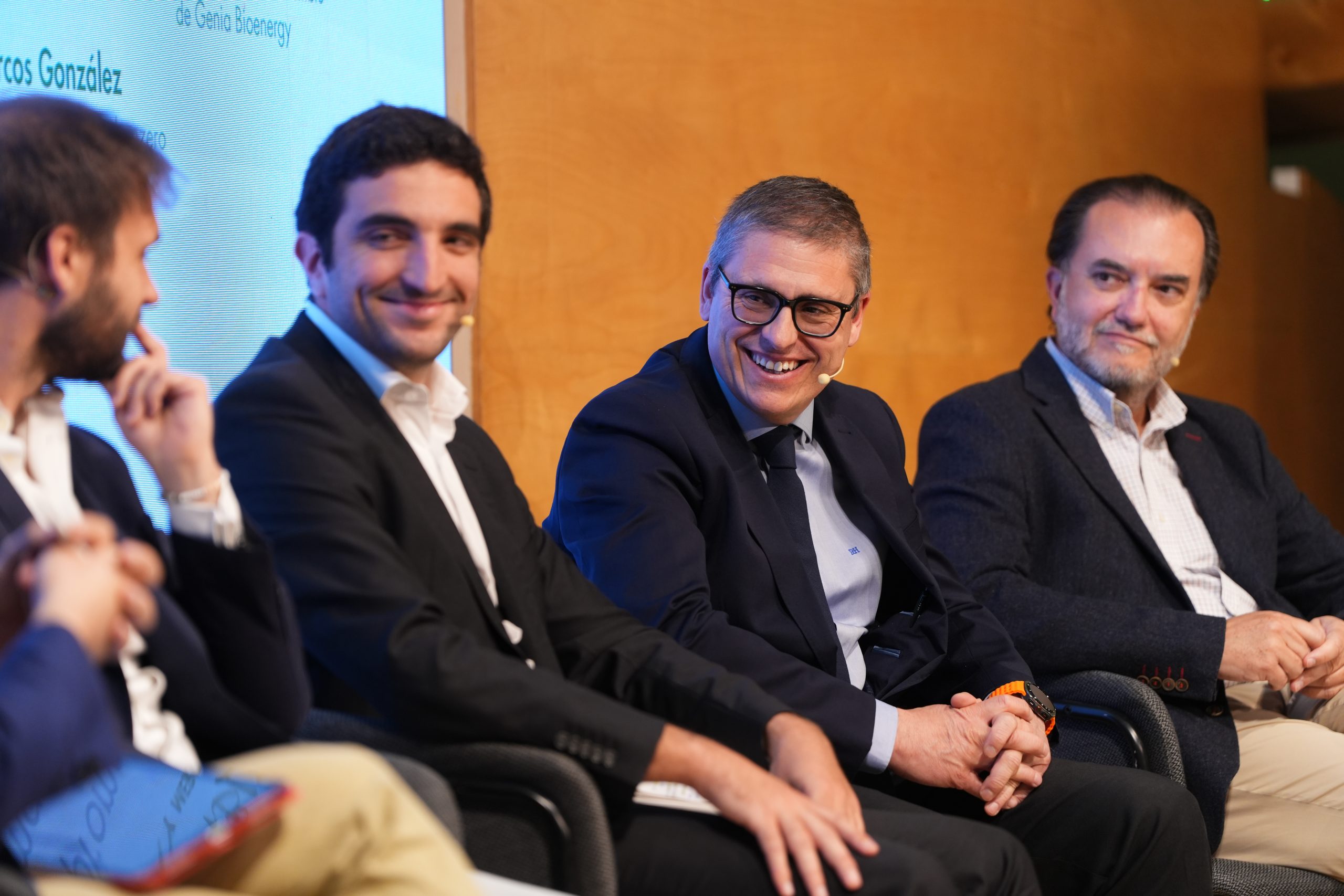
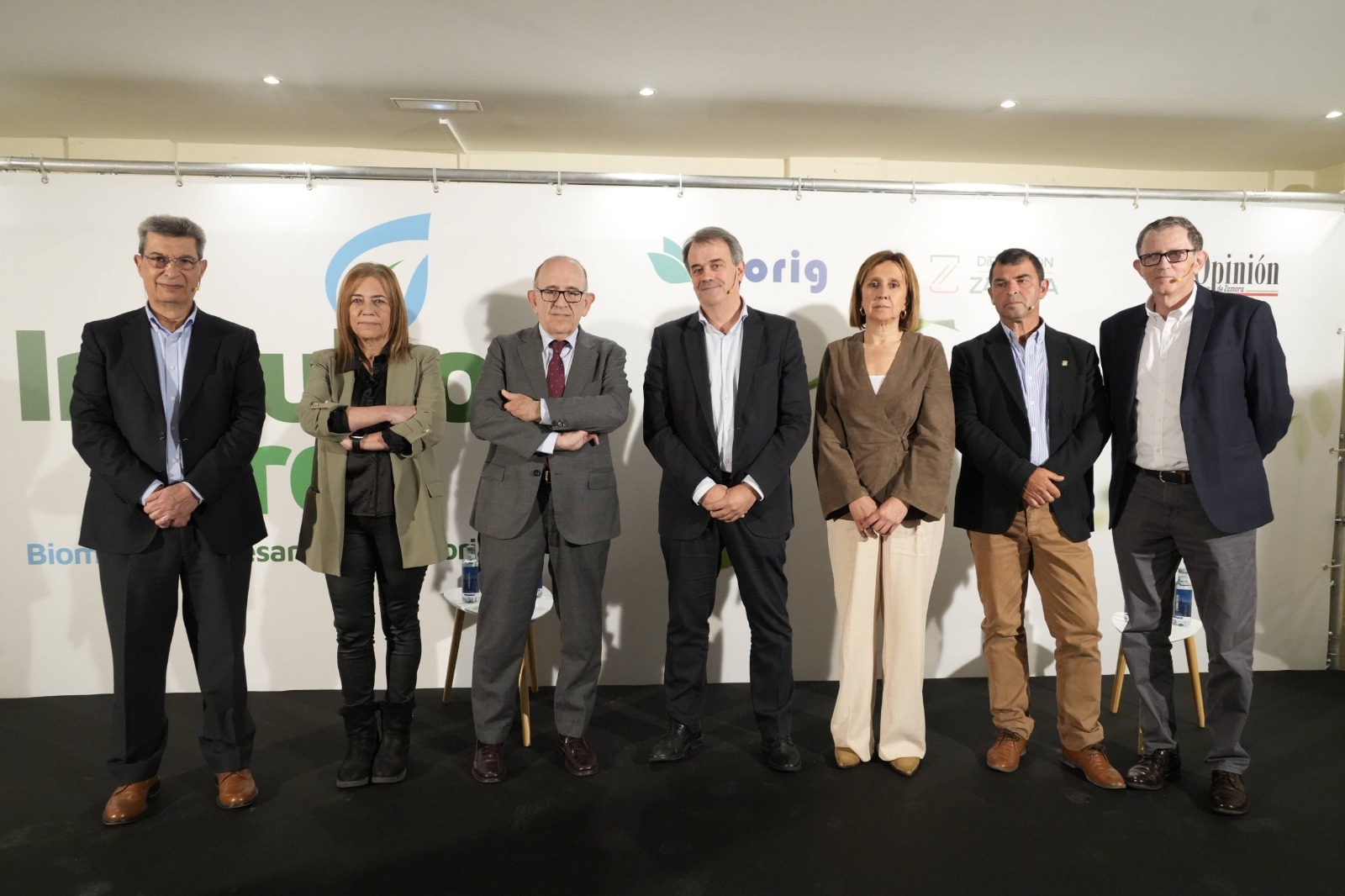
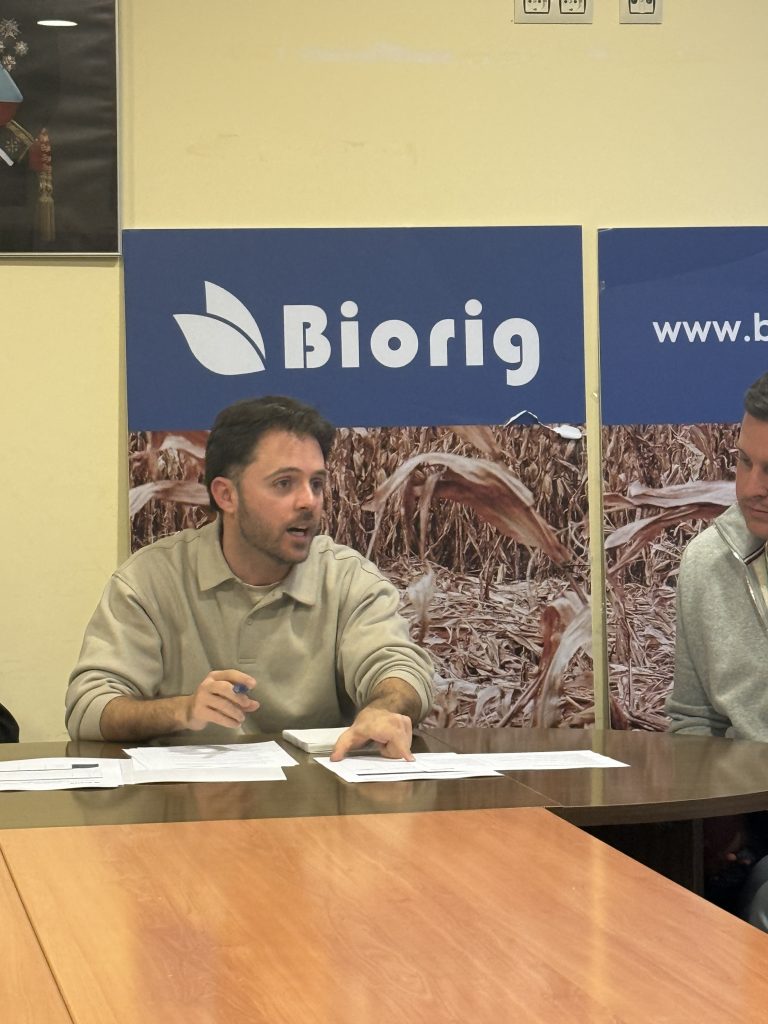
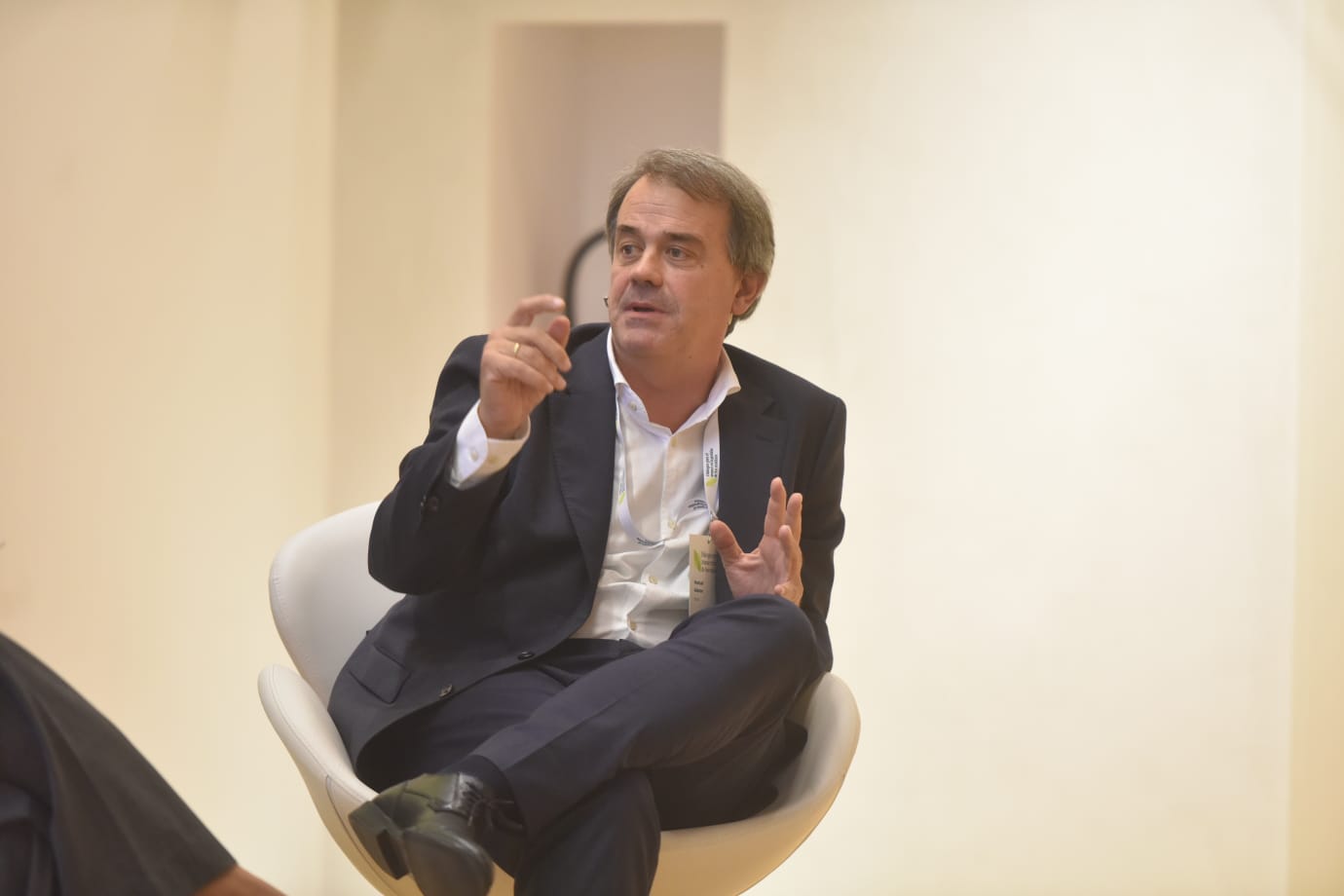
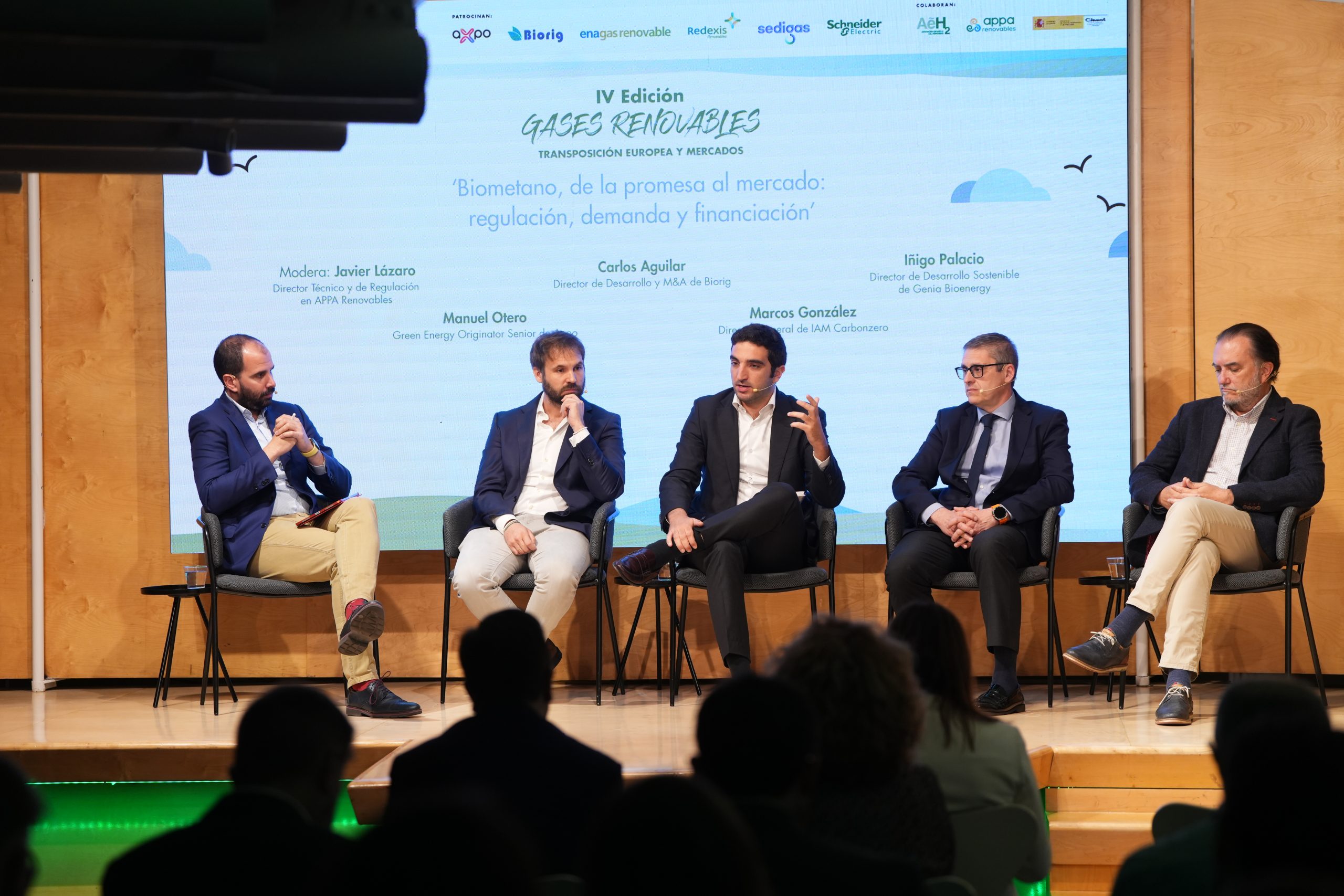
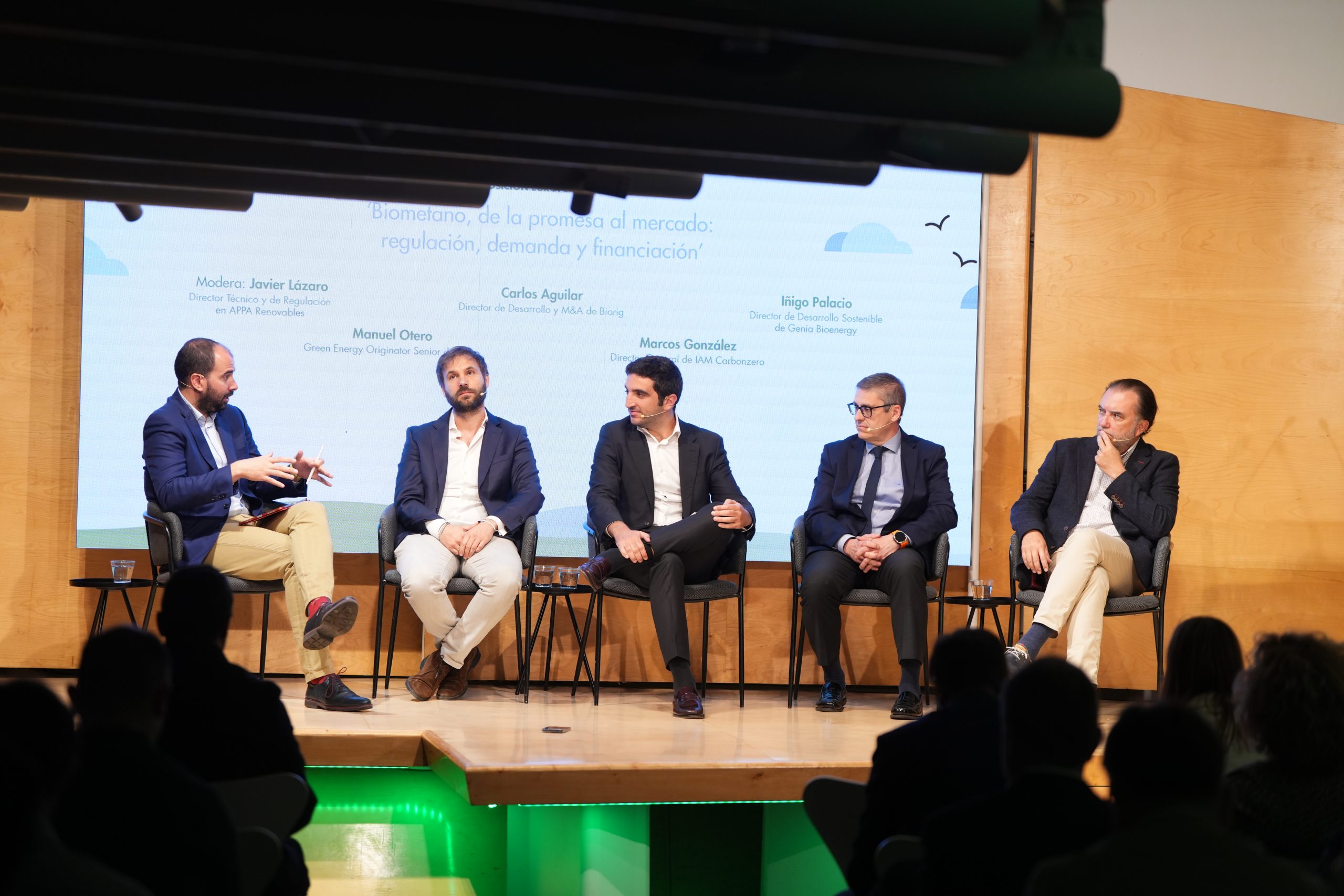
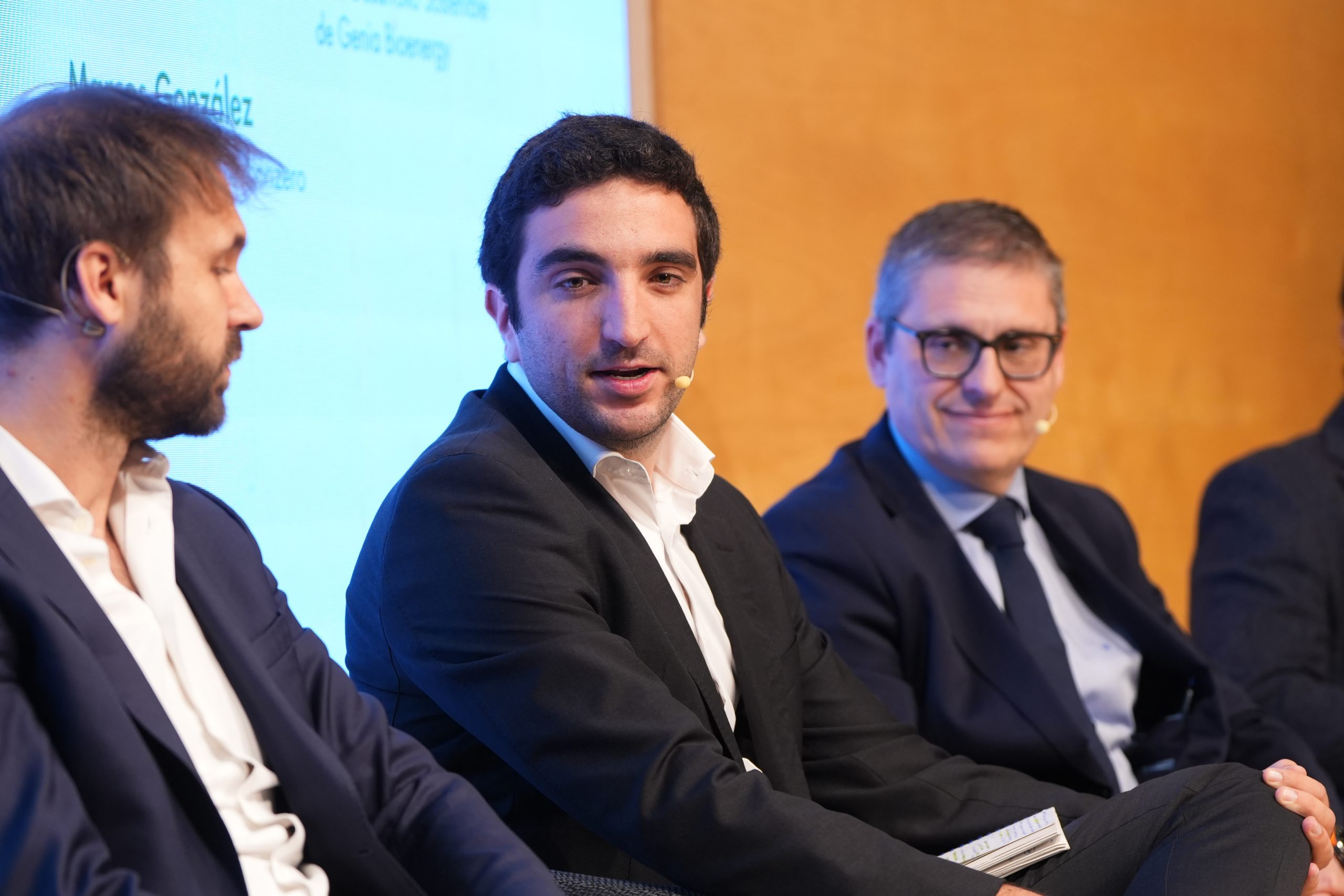
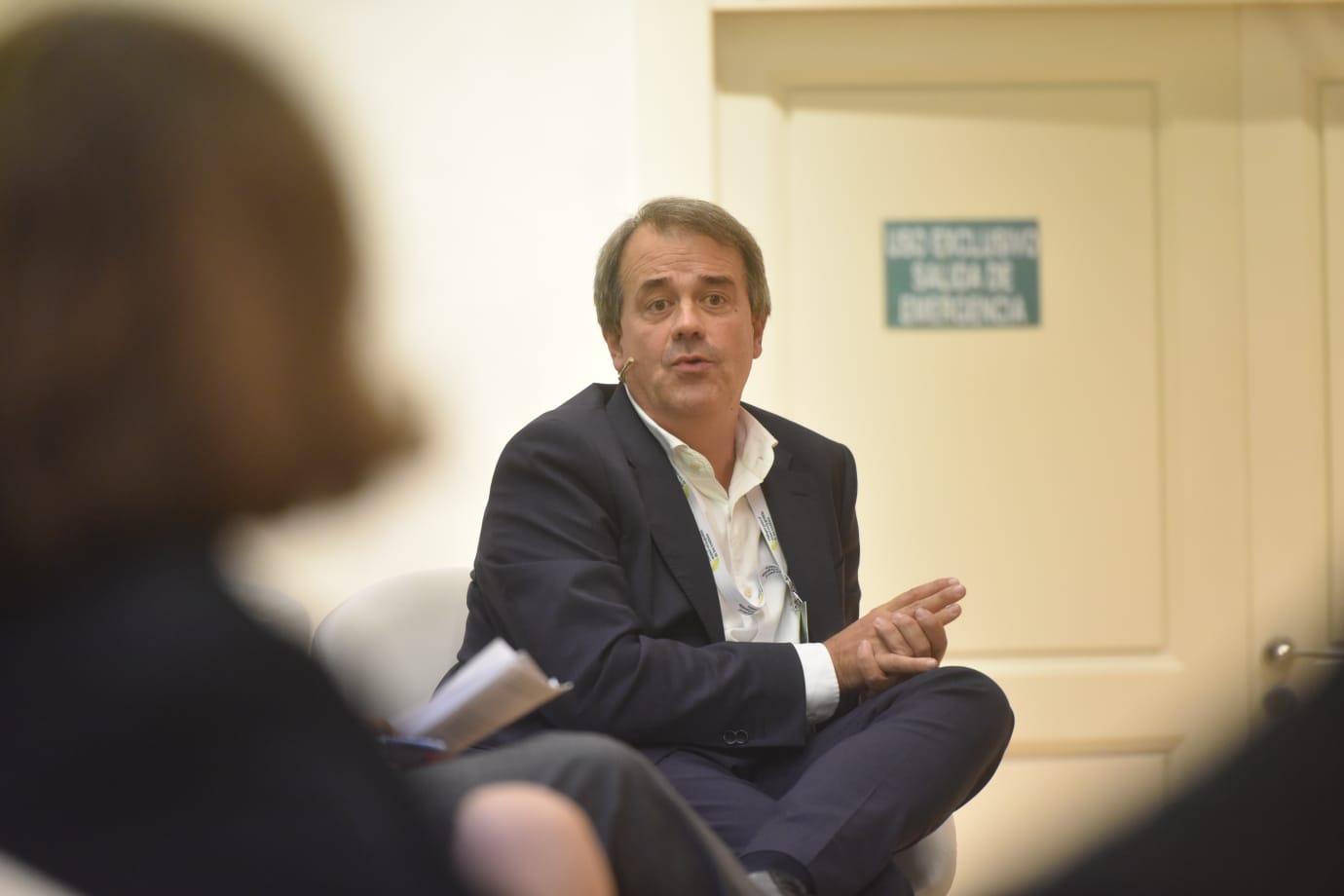
Representing Biorig, Carlos Aguilar, the company’s Director of Development and M&A, participated in the roundtable discussion “Biomethane: From Promise to Market,” moderated by Javier Lázaro, Technical and Regulatory Director at APPA Renovables. During this session, he joined representatives from Axpo, IAM Carbonzero, and Genia Bioenergy in a discussion about the main bottlenecks the sector faces in converting biomethane’s potential into connected and operational plants.

During his remarks, Aguilar provided an update on Biorig’s portfolio, which includes 24 projects currently in development, four positive environmental impact statements, and two integrated environmental permits. In this regard, he noted that the development of biomethane requires companies with sufficient technical, financial, and industrial capacity to navigate lengthy and complex administrative processes.

“A biomethane plant can take two or three years to get approved. That timeline requires financial resources that very few companies have, especially when it comes to projects that haven’t yet generated any value,” Aguilar explained during the panel discussion.
A uniform regulatory framework in Spain to accelerate the adoption of renewable gases

One of the key messages put forward by Biorig was the need to move toward a more uniform regulatory framework across the autonomous communities. The company believes that the current diversity in regulations creates uncertainty for projects and hinders industrial planning in a sector that requires scale, technical rigor, and legal certainty.

“Right now, moving from one autonomous community to another is almost like moving to a different country,” Aguilar said, referring to the importance of establishing a minimum set of common regulations that facilitate the orderly development of projects without compromising environmental, social, and technical standards.

Biorig also highlighted the need to streamline connections to the electricity and gas grids, especially in rural areas where many of these facilities are located. Biomethane plants are industrial facilities rooted in the local community, capable of transforming agricultural and livestock waste into renewable energy, biogenic CO₂, and certified organic fertilizer. However, their development requires adequate infrastructure to enable them to operate, inject renewable gas into the grid, and generate value for the energy system.

By participating in the 4th Renewable Gases Forum, Biorig is reinforcing its position as one of the key players driving the development of biomethane in Spain. The company continues to expand its portfolio of projects aimed at transforming the country’s agricultural and livestock potential into renewable energy, circular solutions, and development opportunities for local communities.

BIORIG, circular economy and energy sustainability

Biorigis Solarig’s biomethane production division. It was created with the aim of providing innovative solutions in the field of renewable gases, such as biomethane. Its activity is focused on the management of organic agro-livestock raw materials for their transformation into renewable gases and to promote the development of projects in the field of energy transition and circular economy.

Biorig is committed to a circular economy model based on the recovery and management of agricultural and livestock raw materials, commitment to the development of local communities, and the promotion of the production of renewable gases to accelerate the energy transition in the places where it operates.

Biomethane: A Sustainable Solution for 35 Million Tons of Waste in Castile and León

The livestock and scientific sectors, along with the Regional Government of Castile and León, are supporting the growth of this sector at an event organized in partnership with La Gaceta de Salamanca

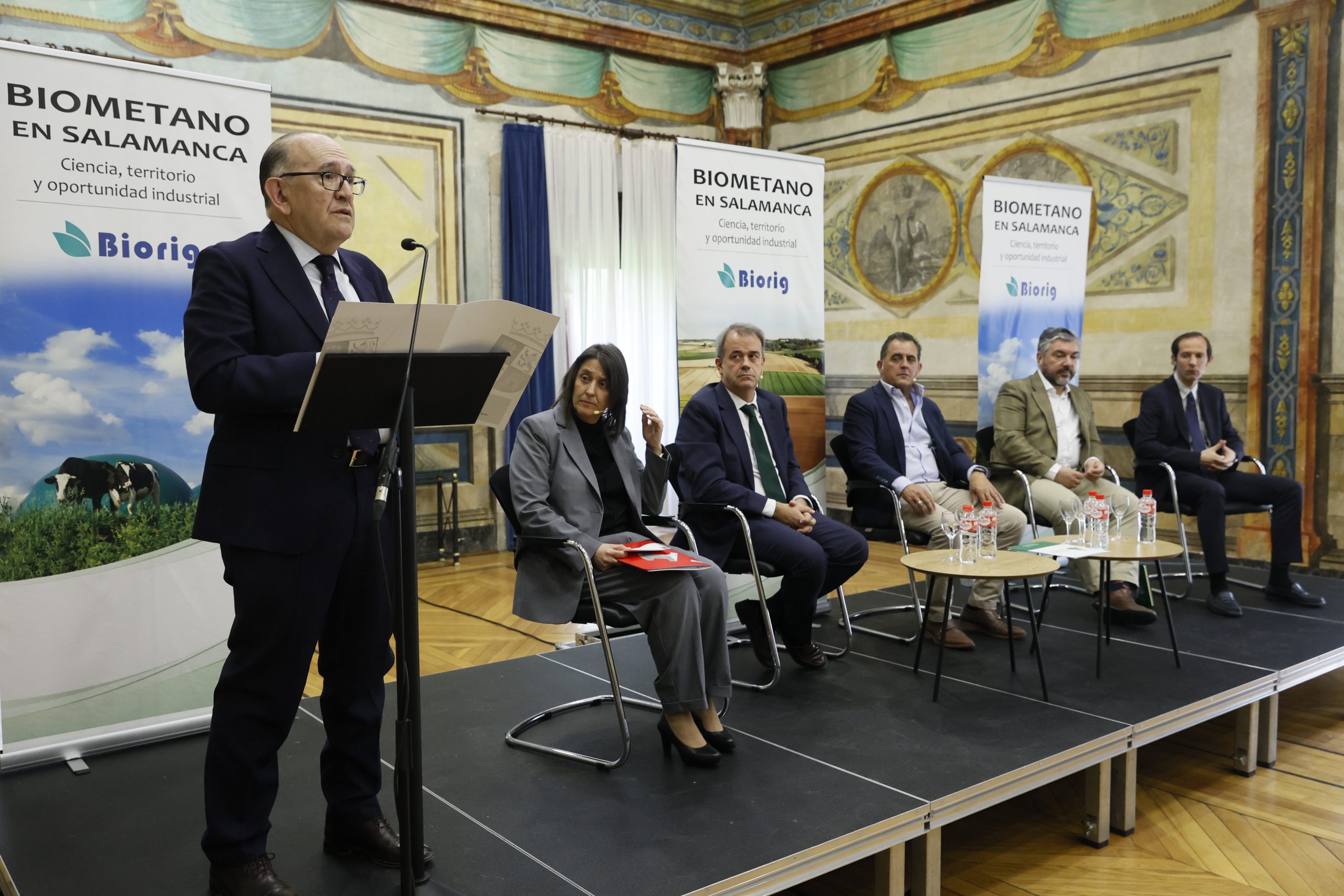
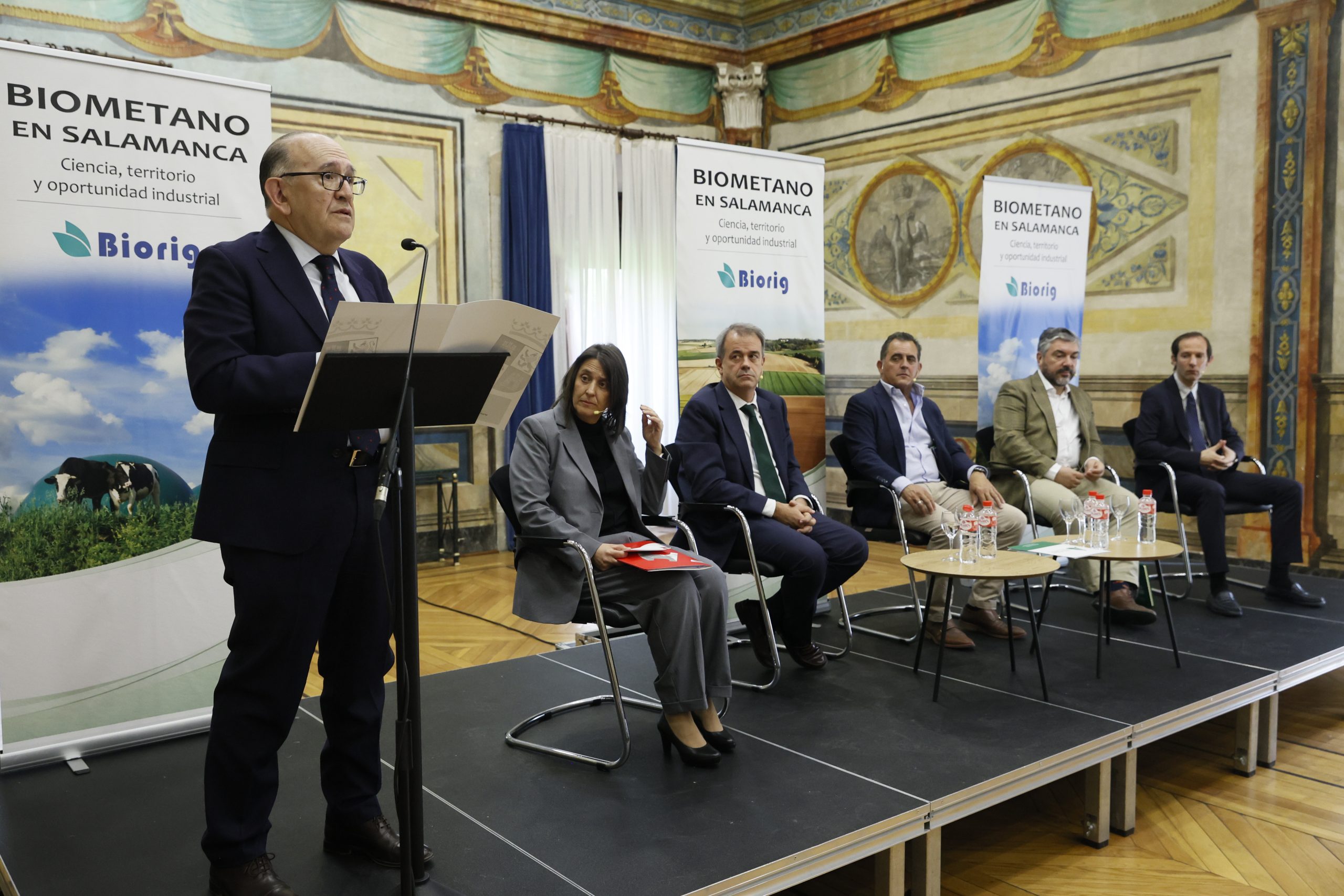
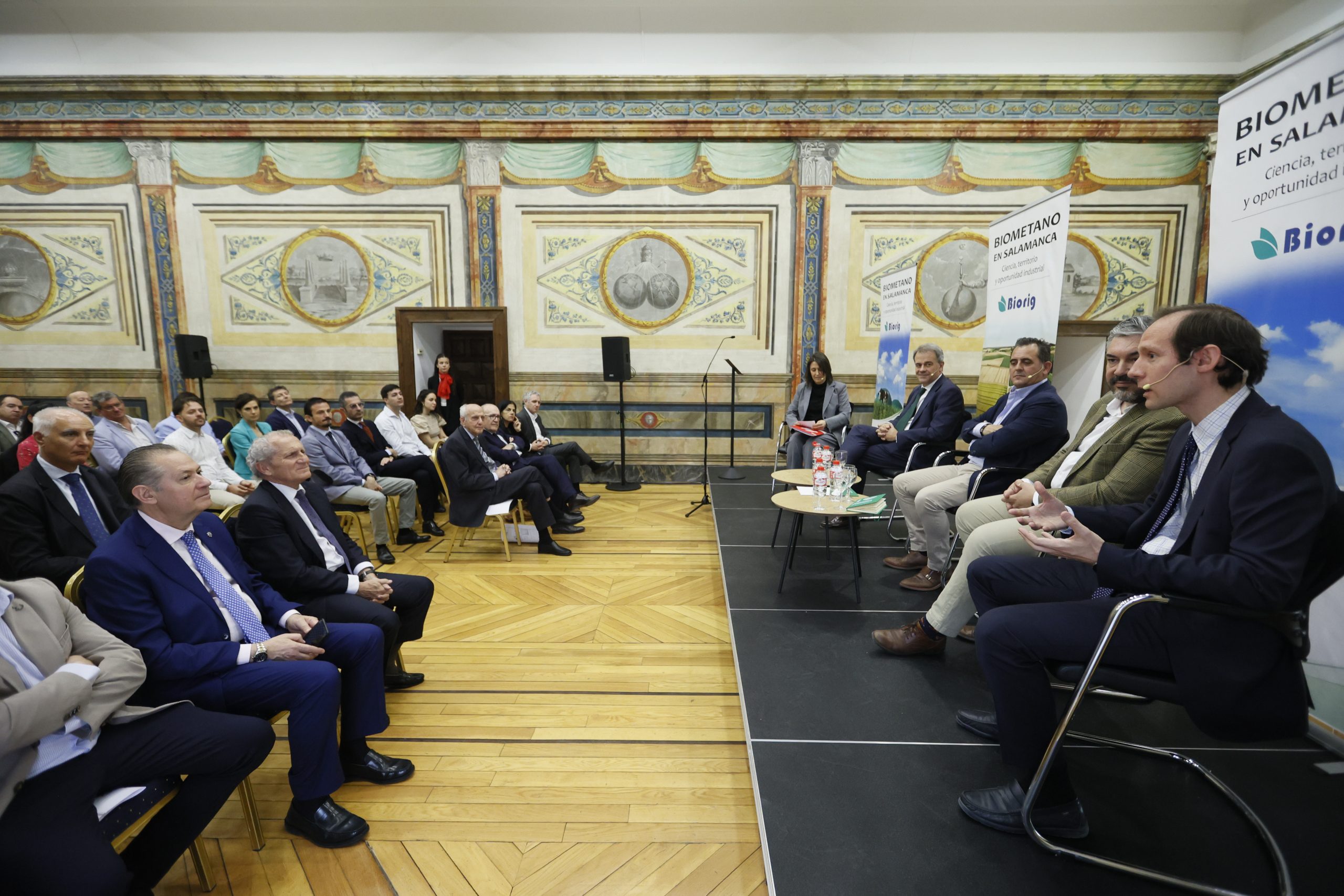
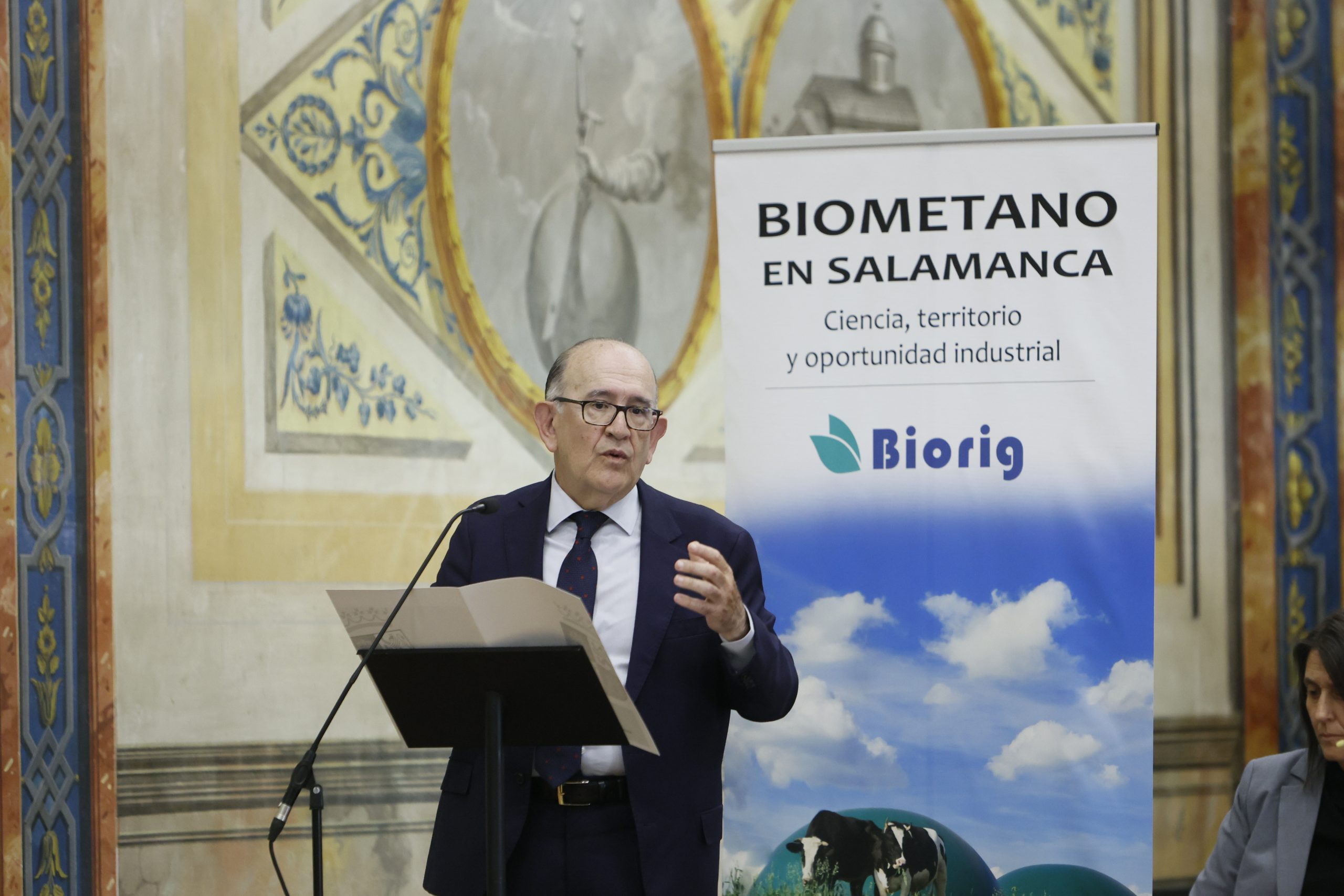
Madrid, 04-23-26. Castile and León has one of the greatest potentials in Europe for the development of biomethane. This was highlighted at the conference “Biomethane in Salamanca: Science, Territory, and Industrial Opportunity,” organized by La Gaceta de Salamanca, where government officials, the scientific community, industry representatives, and stakeholders from the agriculture and livestock sector all agreed that this technology is an effective solution for waste management and the energy transition.

The event was opened by José Manuel Jiménez, Director General of Infrastructure and Environmental Sustainability for the Regional Government of Castile and León, who stated that biomethane plants are a sustainable solution for the 35 million tons of organic waste of all kinds produced by the region.

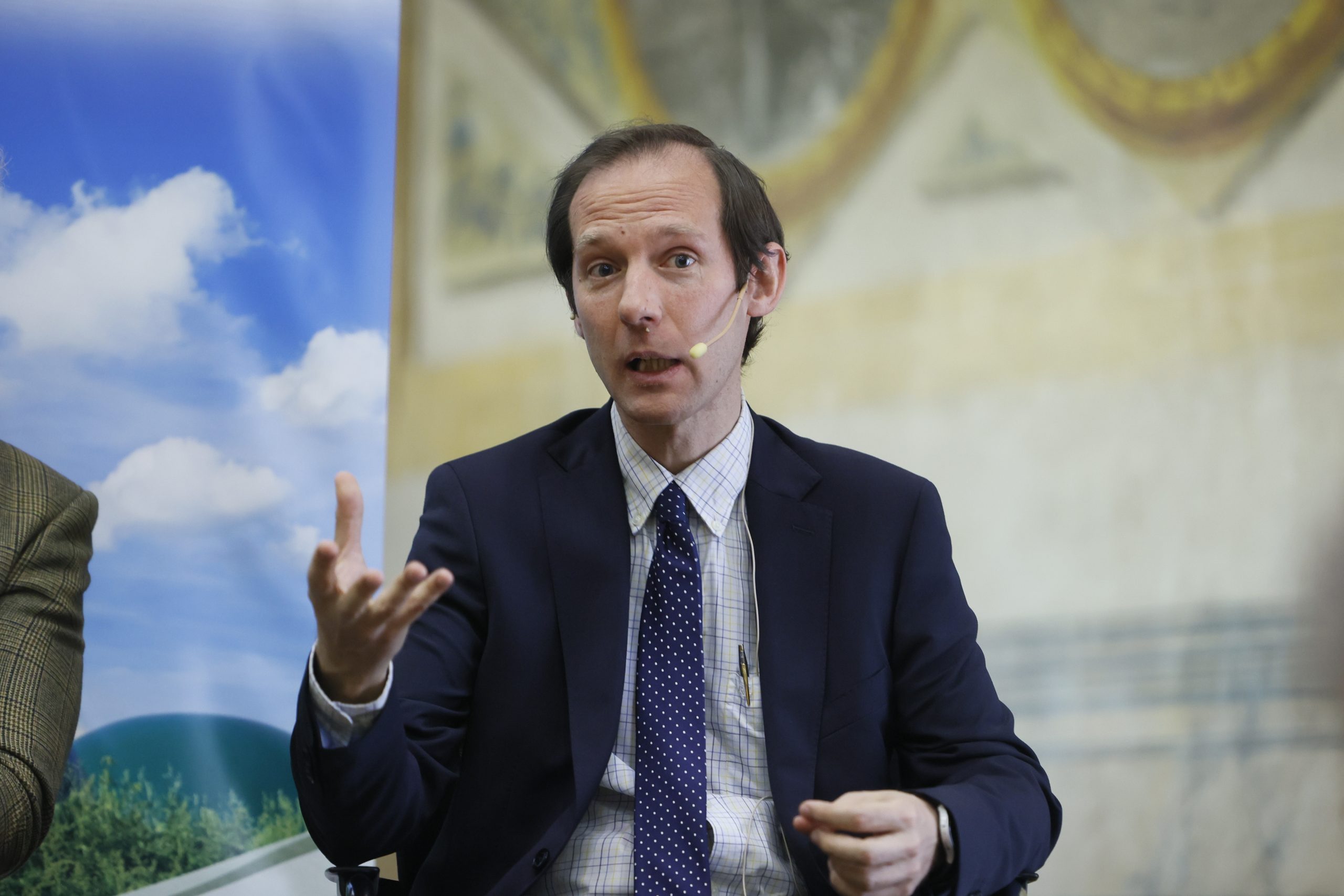
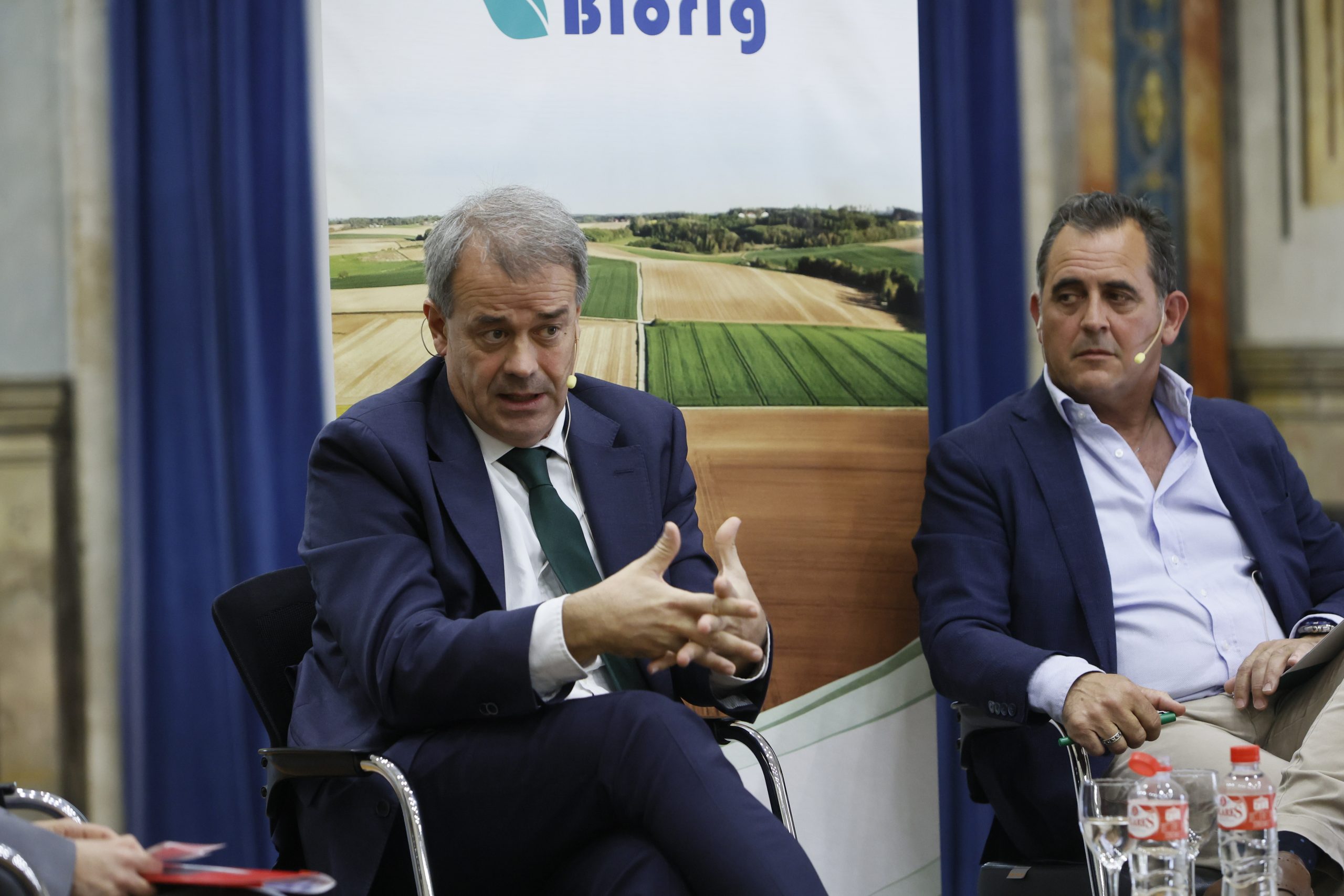
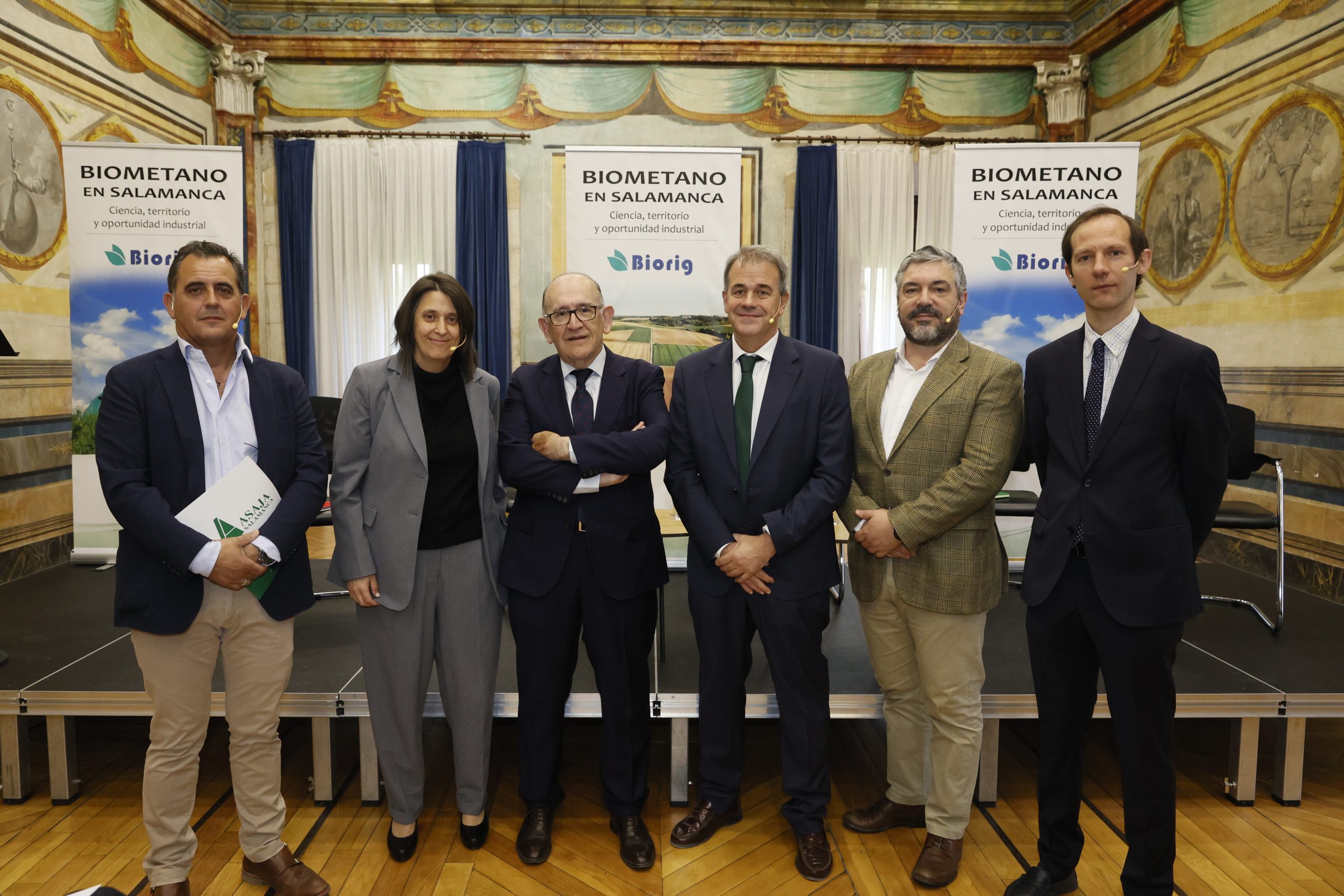
This was followed by a panel discussion moderated by Susana Magdaleno, editor-in-chief of La Gaceta, featuring representatives from the biomethane sector, the livestock industry, and academia. Participants included Manuel Alonso, CEO of Biorig; Juan Luis Delgado, president of ASAJA Salamanca; Mariano Martín, professor of Chemical Engineering at the University of Salamanca; and Pedro Palencia, director of Institutional Relations at Sedigas.

During the meeting, Biorig’s CEO, Manuel Alonso, emphasized that biomethane is an immediate solution to the community’s waste management challenges, noting that this raw material “already exists” and can be converted into renewable energy, organic fertilizers, and biogenic CO₂, without the need to increase livestock numbers or import waste.

In this regard, Alonso noted that the region could achieve an annual biomethane production of around 35 TWh, which is equivalent to more than 250 facilities similar to those developed by Biorig in Castile and León.

An environmental and energy solution based on the circular economy

In addition, Biorig’s CEO addressed some of the main public concerns associated with these facilities, such as odors and the impact on the surrounding environment. In this regard, he emphasized the importance of transparency and firsthand knowledge: “The best thing is to go and see them for yourself.” Alonso described the company’s experience with projects like the one in Castellanos de Villiquera, where residents have been able to tour operational facilities and verify that they are equipped with advanced control systems that minimize any adverse effects.

For his part, Professor Mariano Martín also highlighted the technological maturity of biomethane and the need to step up public outreach: “The technology is working, but it is our responsibility to better explain its benefits.” Along the same lines, Pedro Palencia, speaking on behalf of Sedigas, emphasized that these are safe facilities, backed by decades of experience in European countries such as Germany, France, and Italy.
Technical rigour and environmental guarantees

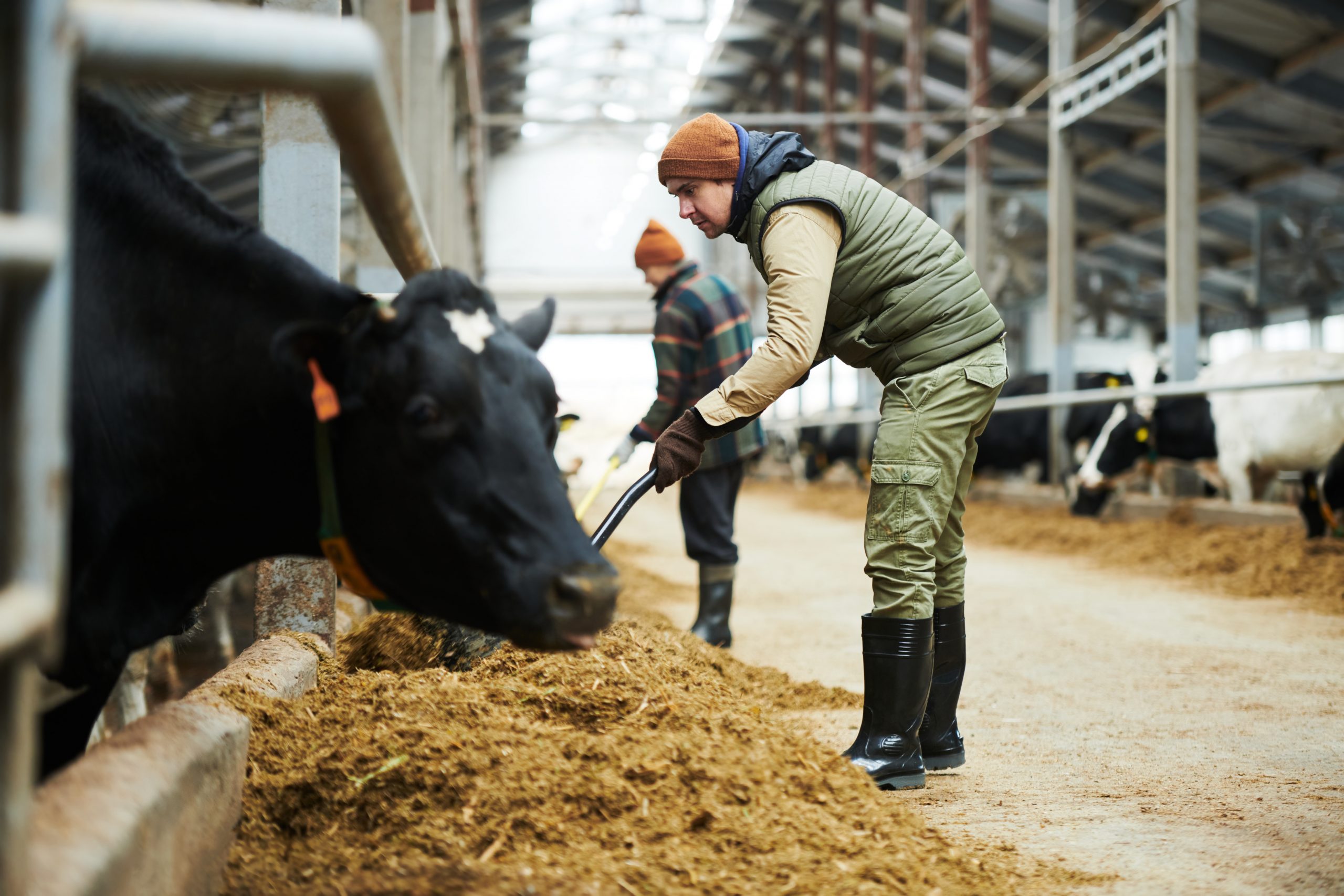
Speaking on behalf of the primary sector, Juan Luis Delgado highlighted the opportunity that biomethane presents for livestock farms, provided it is developed in a balanced manner. In this regard, he emphasized that it can serve as an additional source of income and an efficient solution for waste management, helping to strengthen the sector’s sustainability.

Throughout the discussion, participants emphasized the need to continue making progress in education, regulation, and collaboration among government agencies, businesses, and the public to consolidate the development of biomethane in Castile and León. As the participants agreed, this sector combines positive environmental impact, industrial development, and opportunities for rural communities.

BIORIG, circular economy and energy sustainability

Biorigis Solarig’s biomethane production division. It was created with the aim of providing innovative solutions in the field of renewable gases, such as biomethane. Its activity is focused on the management of organic agro-livestock raw materials for their transformation into renewable gases and to promote the development of projects in the field of energy transition and circular economy.

Biorig is committed to a circular economy model based on the recovery and management of agricultural and livestock raw materials, commitment to the development of local communities, and the promotion of the production of renewable gases to accelerate the energy transition in the places where it operates.

Myths and facts of biomethane: odors, logistics, and rural employment from the perspective of an operational facility

Here’s how a biomethane plant with over 20 years of operational experience works

Madrid. 06.04.26. Biomethane is a renewable energy source produced from organic waste. This technology, which has been in development for over 40 years in other European countries, will have only about 15 operational facilities by early 2025, according to the latest data collected by the European Biogas Association (EBA). Given this reality, information and outreach regarding the technology are vital to unlocking biomethane’s full potential—both from an energy perspective and in terms of waste management and the social and economic development of rural areas.

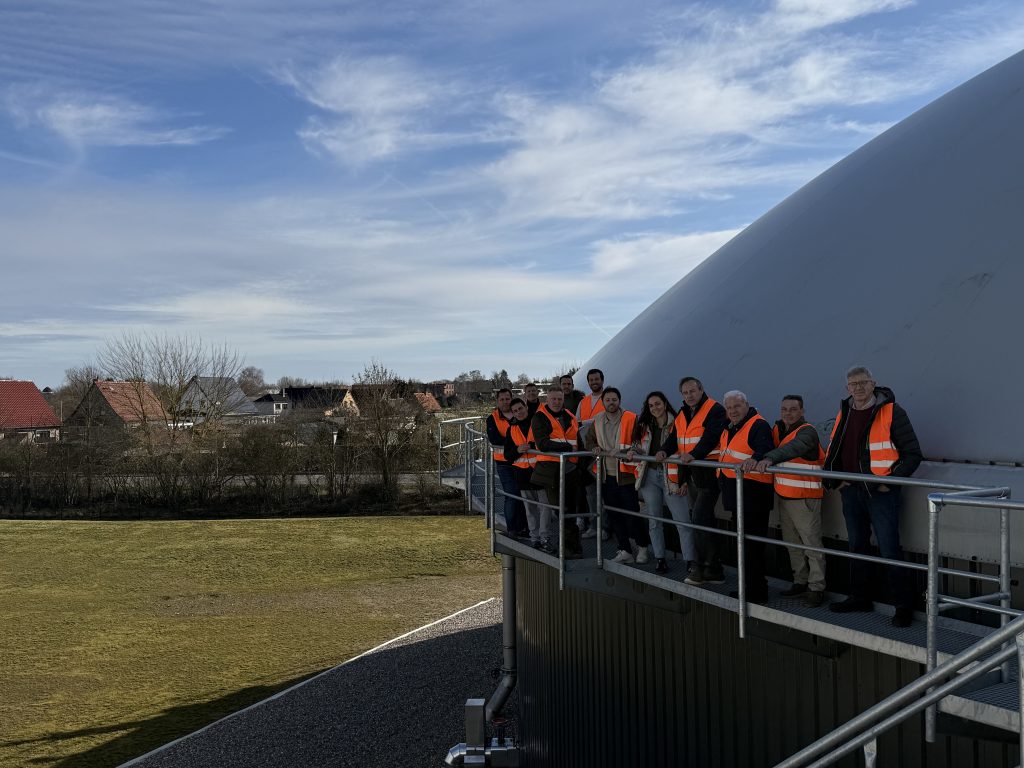
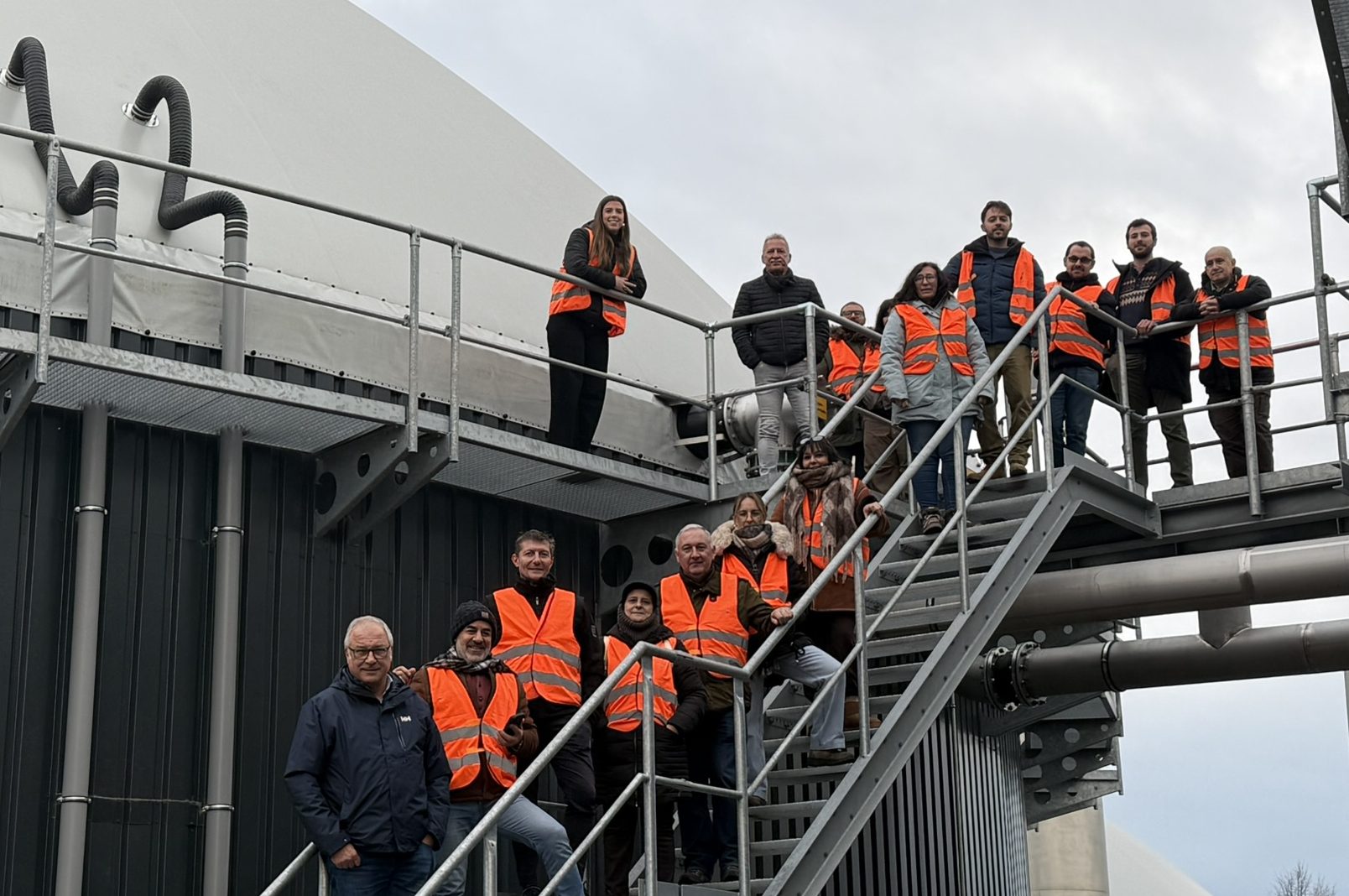
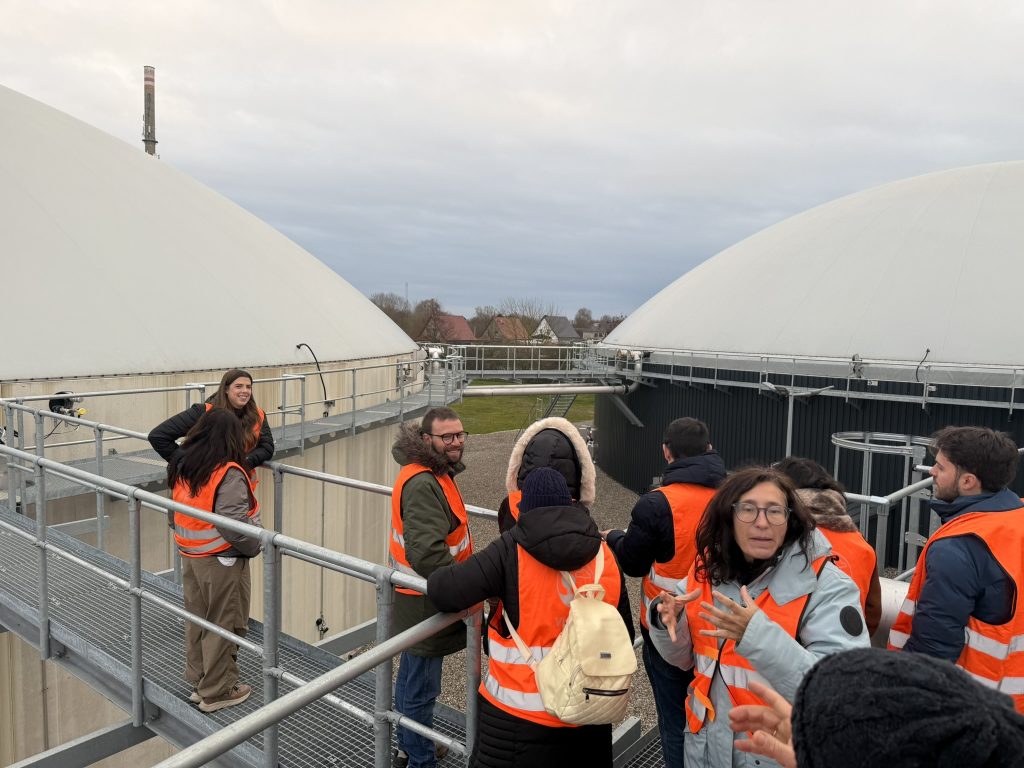
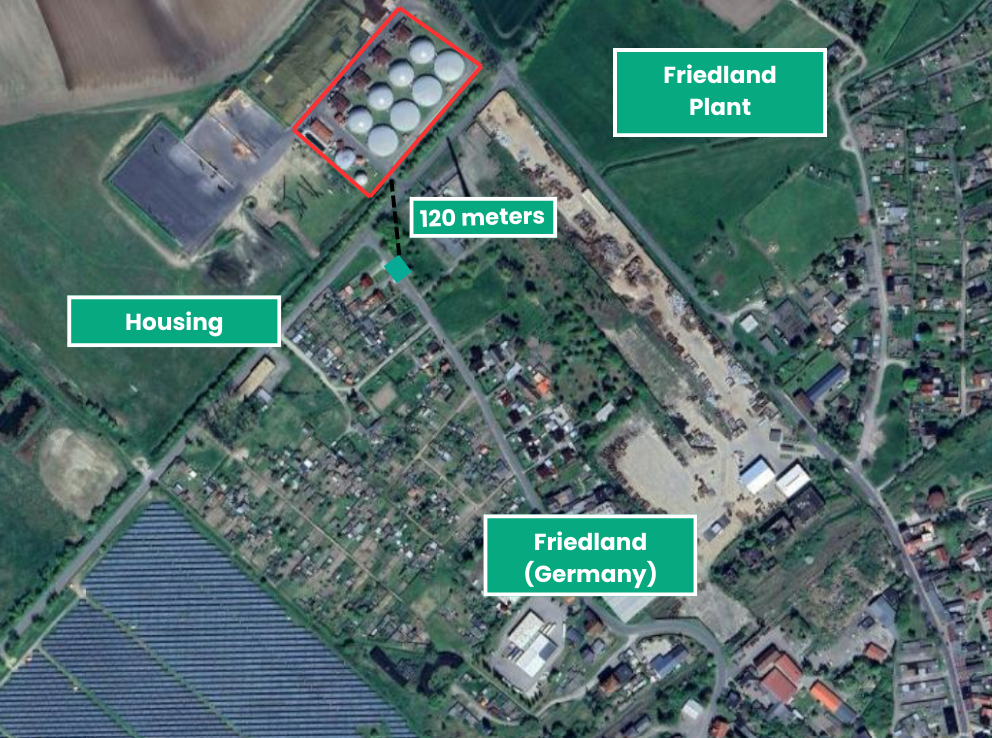
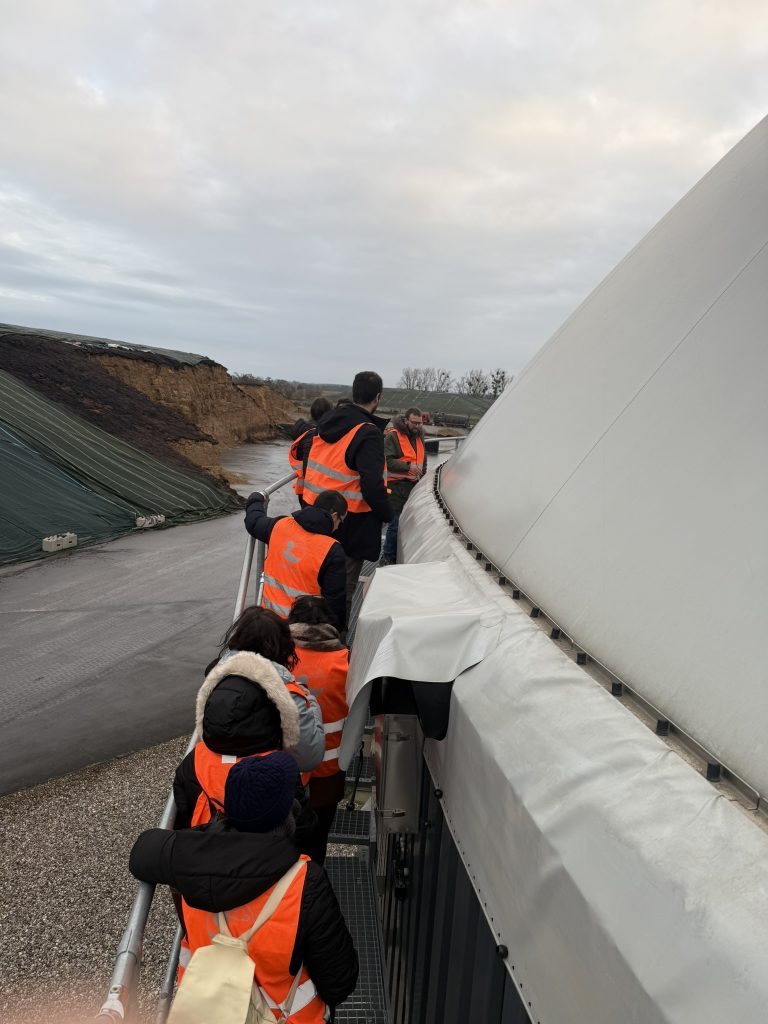
To this end, Biorig organized a trip to Friedland (Germany) with residents of Castellanos de Villiquera (Salamanca) to demonstrate how an operational biomethane plant works and how it integrates into the surrounding environment. The plant, owned by EnviTec Biogás, processes approximately 145,000 tons of exclusively agricultural and livestock waste (slurry, manure, chicken manure, and crop residues). Friedland has been in operation since 2007 and is located just 100 meters from residential areas, coexisting normally with a population of nearly 7,000 residents.

The model is similar to that of Biorig, which recycles raw materials from the primary sector: specifically, slurry, manure, and straw. In this way, the plants operated by the company provide a solution for improving the management of these local waste streams at existing farms; combined with the use of the latest technologies and best available techniques, this ensures that the operation of these facilities does not cause any inconvenience to the nearby population.

Myths and Realities of Biomethane

“Biomethane plants smell”

❌ MYTH: Storage and processing are contained and treated using biofilters. If managed properly, there are no odor emissions to the outside.

“Biomethane can decarbonize natural gas consumption”

✅ FACT: It is equivalent to natural gas and can be injected into the existing network, enabling the decarbonization of industry, transportation, and heating without the need for new infrastructure.

“The proximity to municipalities is problematic”

❌ MYTH: There are plants located just 100 meters from residential areas that are operating normally. The key lies in process management and control.

“The logistics of biomethane cause inconvenience”

❌ MYTH: Waste management already has its own logistics system, which is being replaced by that of biomethane plants. It organizes and optimizes existing flows in the agriculture and livestock sector.

“Plants always handle sludge or hazardous waste”

❌ MYTH: Facilities like Biorig’s process existing, locally sourced agricultural and livestock waste: specifically, slurry, manure, and straw.

“Digestate is liquid and has a strong odor”

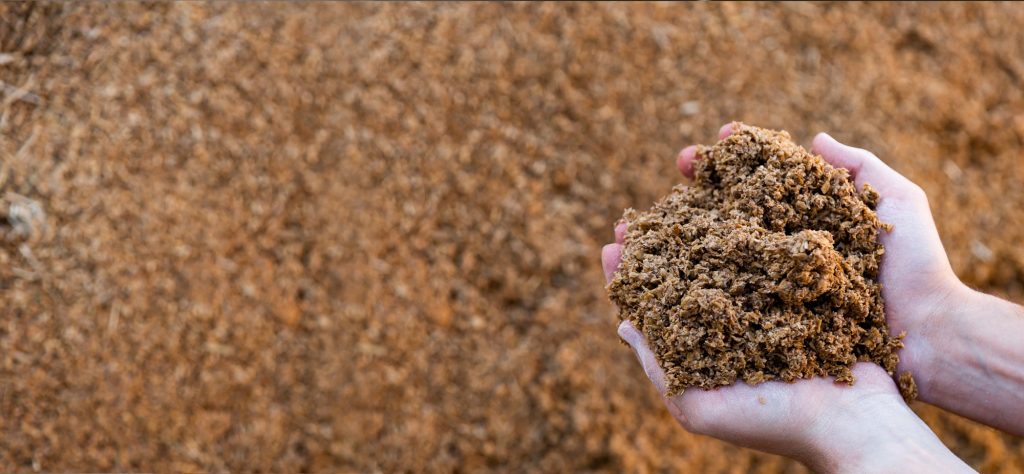
❌ MYTH: After spending more than 60 days in the process at high temperatures, the digested material loses the gases that cause odors. It is stable, odorless, and resembles damp soil; in the case of Biorig, it is used as organic fertilizer.

“El biometano genera empleo rural”

✅ FACT: It creates direct and indirect jobs and boosts the local economy. The Friedland plant employs about 20 people in both direct and indirect roles, most of whom are residents of the municipality.

“Plants contaminate aquifers”

❌ MYTH: The facilities are sealed and monitored, allowing for greater control than the current system for managing agricultural and livestock waste. In addition, it regulates the flow of nutrients through waste collection and the delivery of certified organic fertilizers.

Know to Decide

The visit to Germany with residents of Castellanos de Villiquera (Salamanca) is part of Biorig’s strategy to promote understanding and transparency among its various stakeholders. Showcasing real, established, and fully operational examples helps put the company’s projects in Spain into context and explains, using data and proven experience, how these facilities work.

Biorig promotes a circular economy model based on the recovery of agricultural and livestock waste, the production of renewable gas, and the development of the regions where it operates. In regions such as Castile and León, where Biorig is implementing a development plan for ten biomethane plants, these types of outreach initiatives are key to explaining the role of such infrastructure in decarbonization, the efficient management of agricultural and livestock waste, and the strengthening of the primary sector.

Contact

We are close to you

Do you want to contact us, propose a project, learn about our services? You can reach us at any of our offices, by e-mail or telephone.

Biorig establishes the first Green Dialogue Roundtable in San Millán de los Caballeros (León)

It will have €250,000 to reinvest in environmental and sociocultural projects in the municipality.

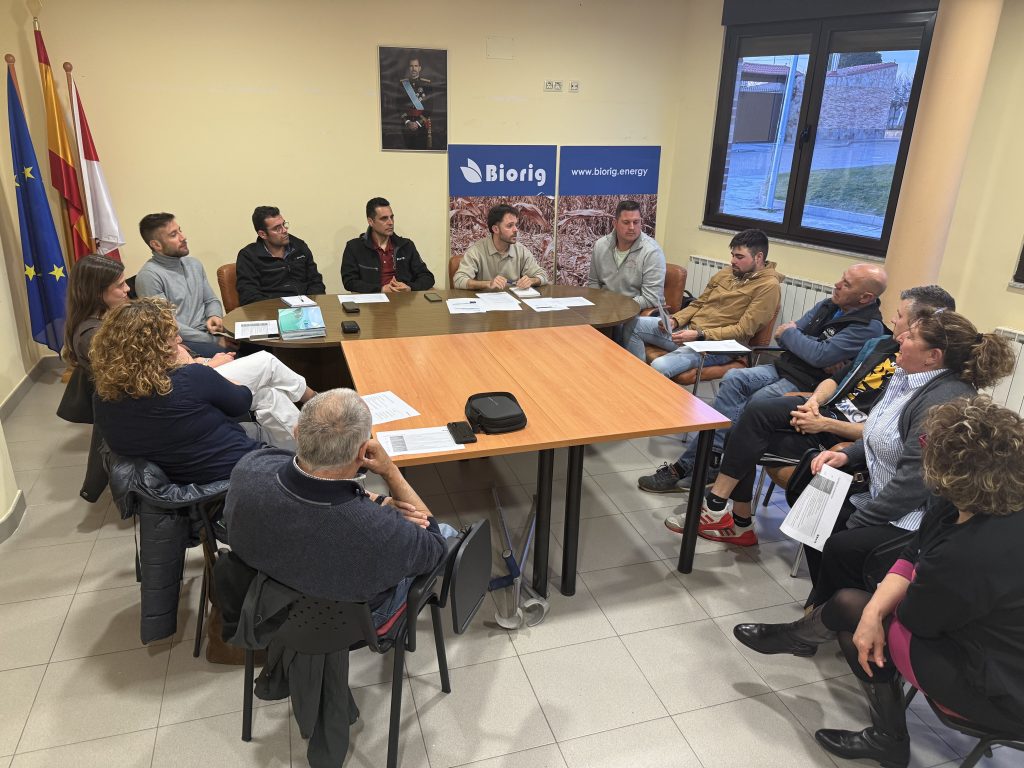
Madrid. 11.03.26. San Millán de los Caballeros (León) has celebrated the establishment of the first Green Dialogue Table promoted by Biorig, coinciding with the start of construction work on the biomethane plant in the municipality. This new participatory body is set up as a permanent forum for meeting and monitoring between the company, the City Council, and the local social fabric, with the aim of ensuring transparency, channeling proposals, and strengthening the project’s social license. In addition to its role in dialogue and oversight, the Roundtable will manage a budget of €250,000 contributed by Biorig to finance environmental and sociocultural initiatives that will be defined and voted on in the municipality itself.

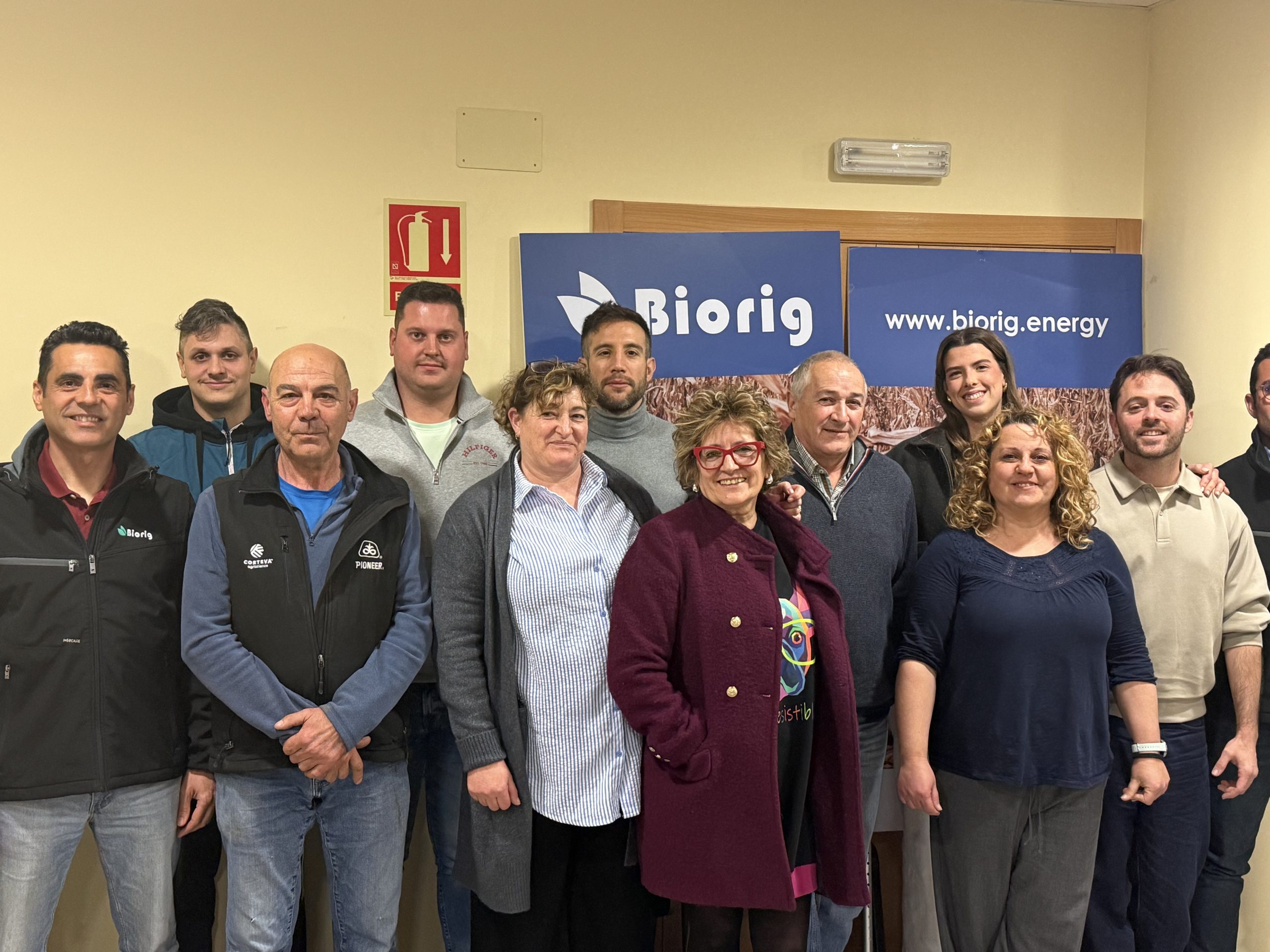
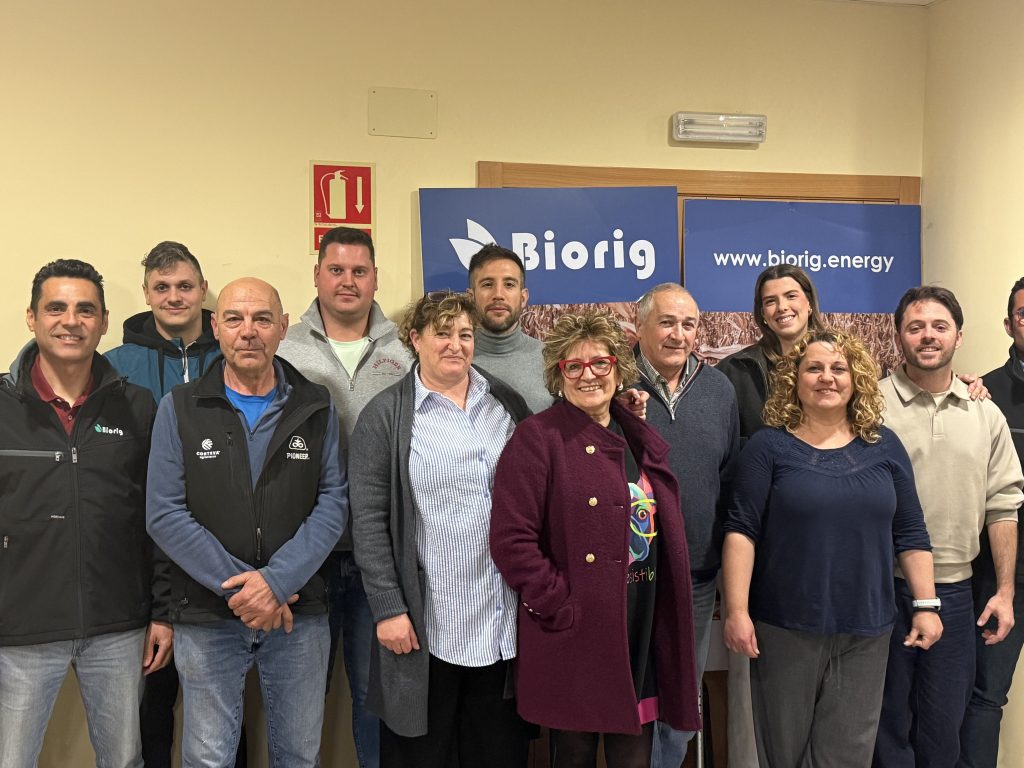
Fourteen representatives participated in the session, held at the end of February. Among the members of the Green Dialogue Committee were representatives from the City Council, the Villanoble Association of San Millán de los Caballeros, independent residents of the municipality, and professionals from Biorig’s EPC, Development, Logistics, and ESG departments. With this first meeting, a stable participatory body has been formally established that will accompany the project throughout its operational life.

A permanent space for informing, listening, and agreeing

The Green Dialogue Table is an instrument included in Biorig’s internal social management procedure. It is configured as a consultative, participatory, and monitoring body that has three main functions: to ensure transparency regarding the plant’s operations, to channel questions or proposals from neighbors, and to evaluate community reinvestment projects.

Helena Amigo, Project Manager at Biorig and member of the Committee, explained that the Committee will allow residents to convey any questions or ideas they may have about social projects, as well as any issues relating to the operation of the plant. “We believe that this Dialogue Committee is very important, and above all, we believe that being able to deal directly with residents on a regular basis sets us apart,” she said.

The Green Dialogue Table will be a group that meets at least twice a year and will keep minutes, follow up on agreements, and evaluate social, environmental, and economic impacts.

Representation and decision-making

One of the distinguishing features of this committee is its diverse composition. In addition to the City Council and the company, local associations and individual residents are also represented, ensuring diversity and balance.

The mayor of San Millán de los Caballeros, Alberto García, particularly appreciated this approach. The initiative, he said, “not only has the support of the City Council, but also of the cultural association and independent residents, who will have a say in the matter.” In his opinion, this formula broadens participation beyond traditional institutional channels and allows the entire municipality to be involved in decisions related to the project.

The previous experience of dialogue was also highlighted by representatives of the associative network. Luis Artero, member of the Villanoble Association and participant in the Round Table, emphasized the willingness shown by the company since the beginning of the project, stressing that technical explanations have been repeated as many times as necessary to resolve doubts.

This educational and outreach component is key to Biorig’s new industrial projects in rural areas, where accurate and accessible information is essential for the proper development of all phases of the biomethane plant life cycle.

250,000 euros for projects decided upon in the municipality

The Green Dialogue Committee will also be responsible for evaluating and selecting community reinvestment projects financed by Biorig. The Green Dialogue Committee of San Millán de los Caballeros will have a budget of €250,000 allocated by the company for disbursement throughout the plant’s useful life.

The initiatives funded allow funds to reach each resident directly through programs and proposals defined by the municipality itself.

Initiatives may be linked to sociocultural, educational, or environmental areas and must meet objective criteria for social impact, technical feasibility, and implementation capacity. Evaluation will be carried out using a transparent scoring system agreed upon by the members of the Committee.

The mayor emphasized that this model represents a different approach to the traditional one-off financial contribution, as it allows for the financing of activities that “directly reach each resident” through specific programs and proposals defined by the municipality itself.

Energy transition with territorial roots

MESADIALOGOVERDE

The establishment of the Committee in San Millán marks the beginning of a model that Biorig will gradually roll out across all its projects. A model that combines technical rigor, citizen participation, and a commitment to local economic development.

At a time when Solarig—Biorig’s parent company—is moving towards becoming a more industrial, competitive, and global energy company, instruments such as the Green Dialogue Table reinforce its commitment to an ecological transition that generates quality employment and economic revitalization in the region.

San Millán de los Caballeros thus becomes the first municipality to formally activate this structured dialogue space, integrating a permanent mechanism for information, monitoring, and shared decision-making from the outset of the project.

Contact

We are close to you

Do you want to contact us, propose a project, learn about our services? You can reach us at any of our offices, by e-mail or telephone.

From methane to biomethane: a solution to an urgent climate challenge

Methane is responsible for one-third of current global warmin

Madrid, 28-01-26. Every 28 January, International CO₂ Emissions Reduction Day is celebrated. However, there is still one major omission from the climate debate: methane. This gas has a global warming potential more than 80 times greater than CO₂ in the short term and, according to the United Nations, is responsible for around a third of current global warming. Taking action on methane is not only necessary: it is the fastest and most effective way to slow global warming in this critical decade.

The latest report, An Eye on Methane 2025, published by the United Nations Environment Programme, clearly defines it: reducing methane emissions is the climate’s ‘emergency brake’. Unlike CO₂, which remains in the atmosphere for centuries, methane has a much shorter atmospheric lifetime. This means that reducing its emissions generates almost immediate climate benefits. The report also highlights that mature, available and low-cost solutions exist to achieve this, especially in sectors where emissions are diffuse and avoidable.

A structural problem affecting the countryside

In this context, the agricultural and livestock sector is currently the main source of methane emissions both globally and in Spain, where there are nearly 270 million head of cattle. According to the latest data from the National Statistics Institute (INE), in 2024 the sector was the leading source of methane emissions, with 904,558.7 tonnes of methane released into the atmosphere. A large part of these emissions come from the uncontrolled decomposition of slurry, manure and other organic waste, which constantly release methane without any energy recovery and with a direct impact on the climate.

Direct emissions of methane into the atmosphere are 80 times more harmful than CO2

Farmers and livestock breeders operate under increasingly stringent regulations and with limited resources, making this a structural and systemic challenge for all societies. Every year, millions of tonnes of agricultural and livestock waste are generated, which must be managed in a context of greater environmental, regulatory and social pressure. Addressing this challenge requires collective, technologically mature and environmentally effective solutions.

From diffuse emission to energy resource

From a climate perspective, methane emissions associated with traditional waste management are a cause for alarm. From an energy perspective, they represent a key opportunity. The methane that is currently emitted unchecked is, in fact, renewable energy that is being lost.

This is where anaerobic digestion and biomethane establish themselves as an immediate and proven solution. Anaerobic digestion is a technology that has been developed in Europe for decades, based on a controlled biological process, in the absence of oxygen, which transforms organic waste into biogas — composed mainly of methane — and into a stabilised digested material.

Applied to slurry, manure and agricultural waste, this technology captures methane before it is emitted into the atmosphere, significantly reducing emissions associated with its management, minimising odours and transforming problematic waste into two key resources: renewable energy and organic fertiliser.

The Biorig model: immediate, local and circular management

At Biorig, we tackle this challenge from an integrated, local industrial perspective. We exclusively manage agricultural and livestock waste (slurry, manure and straw), avoiding prolonged storage and diffuse methane emissions. The captured biogas—with an approximate composition of 55% methane—is transformed into biomethane, a locally produced renewable gas that is injected into the network and made available to households and industries.

But the process does not end there. The resulting digestate undergoes additional treatments that allow it to be transformed into certified organic fertilisers in accordance with Regulation (EU) 2019/1009. These products are returned to the field with traceability, known composition and regulatory compliance, facilitating more orderly nutrient management and contributing to compliance with regulations on sustainable soil nutrition.

This closes the nutrient cycle, improves soil fertility, reduces emissions associated with the manufacture of conventional fertilisers and returns value to the land. It is an approach that is fully aligned with the principles of the circular economy and sustainable intensification.

A strategic part of the energy transition

Beyond waste management, biomethane plays a strategic role in the energy transition. It is a renewable, storable and manageable energy source, compatible with existing gas infrastructure and particularly relevant for decarbonising applications that are difficult to electrify, such as certain industrial processes and heavy transport.

Curbing methane emissions, optimising waste management in the primary sector and generating value in rural areas is not a promise for the future. It is a reality available today.

With mature technology, dialogue with the region and a stable regulatory framework that provides certainty, Spain has the opportunity to turn one of its main environmental challenges into a lever for sustainability, quality employment and rural development. Taking action on methane means taking action on climate change. And doing so now makes all the difference.

Contact

We are close to you

Do you want to contact us, propose a project, learn about our services? You can reach us at any of our offices, by e-mail or telephone.

Biorig visits biomethane plants in Germany with residents from Zamora and Navarra located just 100 metres from homes

First-hand insight into the Güstrow and Friedland facilities in northeastern Germany

Madrid, 21-01-26. Understanding a technology on paper can never replace seeing it in operation. With this premise in mind, Biorig organised a visit to Germany together with residents and municipal representatives from Zamora and Navarra, with the aim of showing on the ground how some of the most advanced biogas and biomethane plants in Europe operate, how they are integrated into their surroundings and what real impact they have on rural development. The trip made it possible to verify first-hand that these facilities not only coexist with local populations, but also form an active part of a fully consolidated circular economy model.

Germany is one of Europe’s leading countries in the deployment of biogas and biomethane, with more than 11,000 biogas plants in operation and over 260 biomethane production facilities. This journey began decades ago and has positioned these infrastructures today as key components of the energy, agricultural and territorial system. In this context, the Spanish delegation visited two emblematic facilities: Güstrow and Friedland, both owned by EnviTec Biogas, recognised for their scale, technology and social integration.

The first stop was Güstrow, in the northeast of the country, one of the largest biomethane plants in Europe. Located less than one kilometre from the urban centre, this facility processes around 290,000 tonnes per year of agricultural and livestock waste — exclusively manure, poultry litter and maize silage — and produces approximately 289 GWh of renewable energy annually. This amount would be sufficient to supply more than 100,000 households, three times the population of the municipality of Güstrow itself.

The plant stands out for its technological diversification. In addition to injecting biomethane into the gas grid, it produces bio-LNG for heavy transport, electricity and heat, as well as up to 18,000 tonnes per year of liquefied biogenic CO₂ of food-grade quality, destined for industrial sectors such as food and chemicals. All of this takes place within a perfectly organised complex, with differentiated circuits, environmental control and an operational design aimed at minimising any impact on the surrounding area.

One of the aspects that attracted the most attention during the visit was the management of digestate, the organic fertiliser resulting from the process. This by-product, hygienised, stabilised and odourless, is stored outdoors without causing any nuisance and is subsequently spread over approximately 40,000 hectares of nearby farmland. More than 50 local farmers take part in this circular model, supplying manure and receiving in return a fertiliser with higher agronomic quality and easier assimilation by crops.

Travel to Germany with Envitec

Friedland: renewable energy just metres from homes

Biomethane housing Germany

The visit continued in Friedland, a biogas plant that clearly illustrates the coexistence between this type of facility and the urban environment. In this case, the nearest homes are located just 100 metres from the plant. Far from generating opposition, the facility has been operating since 2007 without any significant incidents, supplying the town through a district heating network that uses renewable gas to provide heat directly to households.

Friedland processes around 145,000 tonnes of manure and slurry annually, a particularly relevant feedstock in the Spanish context. The poultry litter storage building was one of the key points of the visit: fully enclosed and equipped with a powerful biofilter that renews the air every half hour, it allowed visitors to remain inside without perceiving any odour.

This experience was especially revealing for municipal representatives. Pedro González, Mayor of Vezdemarbán (Zamora), summed it up as follows: “I came without prejudice to see the plant, mainly to check what smells there were and what impact it might have. I was very surprised to see that houses are right next to the plant. We are inside the facility and there is absolutely no smell at all; we are just a few metres from the poultry litter storage and there is no odour — everything is properly prepared.”

Mature and standardised technology

Both facilities provide a clear understanding of the biomethane production process. It begins with the collection of agricultural and livestock waste and its introduction into closed digesters, where anaerobic digestion takes place under controlled conditions, generally mesophilic, at around 40°C. This process, in addition to producing biogas, significantly reduces odour emissions thanks to the degradation of sulphur compounds.

“We are inside the plant and there is absolutely no smell at all.”

The resulting biogas then undergoes a purification or upgrading process, removing CO₂ and impurities to obtain biomethane with natural gas quality. In projects such as those developed by Biorig in Spain, this process is complemented by a thermal treatment of the feedstock, which guarantees full sanitisation of the materials and enables the valorisation of digestate as a fertiliser in accordance with European Regulation 2019/1009.

The feedstocks used in Güstrow and Friedland — manure, poultry litter, slurry and maize silage — are similar to those planned for Biorig’s projects in Spain. At no point are sewage sludge, municipal waste or oils used, further reinforcing the integration of these plants into the local agri-livestock ecosystem.

Perceptions change with experience

For Itziar Malón, Mayor of Rada (Navarra), the visit was conclusive: “These are very well organised plants, everything is very clean and orderly, each raw material has its own space. We came here to see what technology is used in Germany (…) the plant has been operating since 2007 with zero problems, so I feel reassured.”
Her testimony reflects how direct knowledge and transparency help to dismantle fears and misconceptions.

During the tour, participants were able to confirm that odours are restricted exclusively to very specific waste-handling areas and never extend outside the facilities. They also observed the landscape integration of the plants, their normalisation within the territory and their role as local industries generating skilled employment.

Knowledge and transparency as the basis for development

The visit to Germany forms part of Biorig’s strategy to promote knowledge and transparency among its different stakeholders. Showing real, consolidated and fully operational examples helps to contextualise the projects the company is developing in Spain and to explain, with data and proven experience, how these facilities work.

In regions such as Castilla y León, where Biorig is promoting a development plan for ten biomethane plants, these types of informative initiatives are key to explaining the role of this infrastructure in decarbonisation, the efficient management of agricultural and livestock waste and the strengthening of the primary sector. Germany demonstrates that biomethane is not a future promise, but an industrial reality compatible with everyday life, rural development and long-term sustainability.

Contact

We are close to you

Do you want to contact us, propose a project, learn about our services? You can reach us at any of our offices, by e-mail or telephone.

Anaerobic digestion of livestock waste: soil improvement and biomethane

Antonio Morán Palao, Professor of Chemical, Environmental and Bioprocess Engineering. I4 Institute. University of León

The process reduces organic matter content, odours, and pollution potential.

Experience shows that anaerobic digestion is safe, even in rural areas.

Madrid, 14 January 2026. Biomethane is one of the key energy vectors for achieving the full decarbonisation of the economy in the coming years, despite being a well-established technology with more than 40 years of development across Europe.

Anaerobic digestion (AD) is a biological process that takes place in the absence of oxygen, in which microbial communities break down organic matter and produce biogas (mainly CH₄ and CO₂) and digestate (solid and liquid fractions). The process is carried out in closed reactors (digesters), which are fed with previously homogenised waste and, where necessary, diluted. Under controlled operating conditions — such as temperature, mixing and other parameters — organic matter is progressively degraded through successive stages until the two final products (biogas and digestate) are generated.

A plant does not generate odours or significant nuisance when it is properly designed and operated.

In agri-livestock systems, and from a waste management perspective, the objective of the process is to reduce organic matter content, odours, pathogen loads and pollution potential, transforming raw waste into a more stable and manageable by-product. In addition, it provides further benefits, such as reducing fugitive methane emissions associated with storage, and enabling the production of biogas that can be used to generate heat, electricity and fuels [1]. Digestate is managed as a valorisable material, typically through agricultural application or subsequent composting, depending on its quality and compliance with applicable waste and fertiliser regulations.

Fundamentals and synergies of co-digestion

Co-digestion, which consists of mixing manure/slurry with agri-food waste (plant residues, dairy by-products, fats, etc.), improves the C/N balance and process stability and increases the amount of methane obtained compared to mono-digestion with manure [2]. Many studies confirm the potential of co-digestion of livestock waste with other agricultural or food industry waste, showing significant increases in biogas production yield under controlled proportions [2], [3].

At the microbiological level, optimising operating parameters (such as temperature, organic loading rate, hydraulic retention time, etc.) helps maintain robust methanogenic communities and mitigates potential inhibitions (for example, ammonia inhibition) [4].

Safe treatment with no local impact. Digestate: organic fertiliser for soil improvement.

One of the most relevant aspects is that anaerobic digestion (AD) plants do not generate odours or significant nuisance when they are properly designed and operated. This is achieved through closed systems for waste reception and digestion, preventing the release of gases; in some cases, air treatment in loading areas can be implemented using biofilters; and through controlled management of the digestate, which is discharged in a stabilised state and without active fermentation. These measures allow the facility to coexist with agricultural activities and nearby populations without health risks or negative impacts. Experience across Europe (including Spain) demonstrates that anaerobic digestion is a well-established and safe practice, even in densely populated rural areas.

There are measures that allow facilities to coexist with agricultural activities and nearby populations without health risks or negative impacts.

The product of anaerobic digestion (digestate) is a nutrient-rich material (N, P, K) containing stabilised organic matter that improves soil structure, water retention and biological activity. Its application helps reduce the use of mineral fertilisers and close nutrient cycles. The European regulatory framework (the Nitrates Directive and the Fertilising Products Regulation – FPR) sets quality requirements, contaminant limits and application practices, enabling the harmonised marketing of digestates as CE-marked products when the relevant conditions are met [5], [6].

From biogas to biomethane: upgrading technologies

Raw biogas contains CO₂, water vapour, and in some cases small amounts of H₂S, as well as trace compounds that limit its direct use; upgrading removes these components to achieve biomethane qualities comparable to natural gas. Commercial technologies include water scrubbing, chemical scrubbing with amines, pressure swing adsorption (PSA) and membrane systems, as well as cryogenic options and biological pathways (hydrogen-based methanation) [10].

For grid injection or use in transport, Europe applies EN 16723-1, which defines quality specifications (for example, limits for CO₂, H₂S, siloxanes and oxygen) and testing methods at the gas network entry point. These standards—also adopted in Spain as UNE-EN 16723-1:2017—ensure safety and compatibility with existing infrastructure [11].

Strategic role of biomethane in the future

Biomethane can play a strategic role in the energy transition as a complement to electrification, particularly in decarbonising uses that are difficult to electrify (medium- and high-temperature industrial heat, certain district heating networks and part of the transport sector). As it is interchangeable with natural gas, it enables the use of existing infrastructure: it can be injected into gas networks and used in boilers, industry and cogeneration with limited modifications.

In addition, biomethane supports the circular economy, transforming manure/slurry, sewage sludge, the organic fraction of waste and agri-industrial by-products into energy, while reducing emissions associated with their management—provided that leakages and the supply chain are properly controlled. It also strengthens energy security, as it is a local and storable resource, particularly relevant in the current context of fully imported natural gas. At EU level, the target is 35 bcm per year by 2030 [12], with 1,678 plants operating by mid-2025, while in Spain the objective is to increase production from ≥10 TWh to 20 TWh by 2030.

Antonio Morán Palao is a Professor of Chemical, Environmental and Bioprocess Engineering at the University of León.

References:

  1. U.S. Environmental Protection Agency (EPA). How Does Anaerobic Digestion Work? (AgSTAR) [Internet]. Last updated: 15 Dec 2025 [cited 22 Dec 2025]. Available from: https://www.epa.gov/agstar/how-does-anaerobic-digestion-work
  2. Frankowski J, Czekała W. Agricultural Plant Residues as Potential Co-Substrates for Biogas Production. Energies. 2023;16(11):4396. doi:10.3390/en16114396. Available from: https://www.mdpi.com/1996-1073/16/11/4396
  3. Sharmin S, Meeroff DE, Ferdinand L, Bloetscher F, Lashaki MJ. Assessing the Effects of Anaerobic Co-Digestion with FOG and Food Waste Residuals on Biogas Production. Journal of Environmental Protection. 2025;16:148–179. doi:10.4236/jep.2025.162008. Available from: https://doi.org/10.4236/jep.2025.162008
  4. Ahlberg-Eliasson K, Westerholm M, Isaksson S, Schnürer A. Anaerobic Digestion of Animal Manure and Influence of Organic Loading Rate and Temperature on Process Performance, Microbiology, and Methane Emission From Digestates. Frontiers in Energy Research. 2021;9:740314. doi:10.3389/fenrg.2021.740314. Available from: https://www.frontiersin.org/journals/energy-research/articles/10.3389/fenrg.2021.740314/full
  5. European Union. Council Directive 91/676/EEC of 12 December 1991 concerning the protection of waters against pollution caused by nitrates from agricultural sources (Nitrates Directive) [Internet]. Available from: https://eur-lex.europa.eu/eli/dir/1991/676/oj/eng
  6. European Compost Network (ECN). Fertilising Products Regulation [Internet]. [cited 22 Dec 2025]. Available from: https://www.compostnetwork.info/policy/from-waste/fertilising-products-regulation/
  7. Decorte M, Papa G, Pasteris M, Sever L, Gaffuri C, Cancian G, et al. Exploring digestate’s contribution to healthy soils. Brussels: European Biogas Association; 2024. Available from: https://www.europeanbiogas.eu/wp-content/uploads/2024/03/Exploring-digestate-contribution-to-health…
  8. Francisco López AF, Lago Rodríguez T, Faraji Abdolmaleki S, Galera Martínez M, Bello Bugallo PM. From Biogas to Biomethane: An In-Depth Review of Upgrading Technologies That Enhance Sustainability and Reduce Greenhouse Gas Emissions. Applied Sciences. 2024;14(6):2342. doi:10.3390/app14062342. Available from: https://www.mdpi.com/2076-3417/14/6/2342
  9. Pesta G, Hansemann E, Bochmann G, Drosg B, Gabauer W. Implementation of anaerobic digestion facilities in the food and beverage industry. IEA Bioenergy Task 37; 2025. Available from: https://www.ieabioenergy.com/wp-content/uploads/2025/03/IEA-Bioenergy-Task-37-Food-and-Beverage_202…
  10. Swinbourn A, et al. Advanced biomethane production: A techno-economic and life-cycle assessment. ChemSusChem. 2024;17:e202400779. doi:10.1002/cssc.202400779. Available from: https://doi.org/10.1002/cssc.202400779
  11. Asociación Española de Normalización (UNE). UNE-EN 16723-1:2017. Gas natural y biometano… Parte 1: Especificaciones para la inyección de biometano en la red de gas natural. Available from: https://www.une.org/encuentra-tu-norma/busca-tu-norma/norma?c=N0058455
  12. European Commission. (2022, May 18). Key documents: REPowerEU. European Commission. Available from: https://commission.europa.eu/publications/key-documents-repowereu_en
Contact

We are close to you

Do you want to contact us, propose a project, learn about our services? You can reach us at any of our offices, by e-mail or telephone.

Major investments in Polish biomethane become a reality. Biorig will invest over PLN 1.5 billion in a platform targeting 1 TWh/ year

Major investments in Polish biomethane become a reality. Biorig will invest over PLN 1.5 billion in a platform targeting 1 TWh/ year

  • Solarig, a worldwide leader in sustainable energy solutions with a proven project record of 20 GW, is expanding its biomethane operations in Poland through its renewable gases division, Biorig.
  • The goal is to develop and operate a portfolio of more than 20 facilities within the next five years, to generate 1 TWh/year of renewable gas production, equivalent to the energy needs of 400,000 households.
  • The new plants will be located in seven Polish regions: zachodniopomorskie (West Pomeranian), wielkopolskie (Greater Poland), dolnośląskie (Lower Silesian), śląskie (Silesian), lubelskie (Lublin voivodeship), mazowieckie (Masovian) and podlaskie (Podlaskie voivodeship).
  • With over 1,5 GW in renewable energy projects under development in Poland, Solarig is now leveraging its expertise and capabilities to advance the deployment of biomethane. The company will combine the adquisition of projects led by local players with greenfield project develeopement, contributing to sustainable growth of the green gas sector.


WARSAW, December 15th – 2025. Solarig, through its green division, Biorig, will invest PLN 1.5 billion in the Polish biomethane market by creating a major platform with the capacity to produce 1 TWh/y — enough to power 400,000 average Polish households.

The Spanish company aims to be a leader in this emerging segment of the local economy. Especially, since Poland has significant potential for biomethane production, which, according to the Polish Economic Institute (PIE), could reach as much as 8 billion m³ per year, corresponding to 46% of the country’s natural gas demand. In the long term – by 2050 – it may increase to even 13 billion m³ (Gas for Climate data), which would place Poland in 5th place in the EU in terms of production capacity.

Biorig also chose this region due to its large livestock base, which offers potential for sustainable feedstock. Poland has the second-highest number of farms in the EU after Romania, with 1.3 million agricultural holdings. The country also has nearly 5.9 million hectares of cultivated land devoted to cereals, as well as robust and varied poultry, cattle and swine farming sectors. These conditions create an ideal landscape for Biorig’s green investments, which are deeply rooted in the rural environment and integrated with the agricultural sector, relying on manure, slurry and various agricultural by-products, including straw. Biorig’s comprehensive model optimizes waste management from the primary sector, reducing environmental contamination of soils through nitrification.

Local collaboration for the development

Biorig’s growth strategy in Poland will be centered on collaboration with local developers and suppliers who share the company’s technical and environmental vision. This will be achieved through the acquisition of brownfield projects that are ready to build (Rtb). The company will then be able to further develop these initiatives by integrating its experience in the construction, management and operation of biomethane plants in Europe. This approach will be complemented by greenfield developments for new facilities.

Announcements regarding business plans for Poland are part of the development strategy of the Solarig Group, representing a company’s commitment to Poland’s energy transition.

By launching Biorig’s operations in Poland, Solarig is broadening its contribution to the energy transition beyond renewable electricity, and adds a focus on renewable gases that amplifies its current portfolio under development of around 1.5 GW of energy storage assets (BESS) and PV projects. Meanwhile, Biorig strengthens its position as one of Europe’s leading biomethane developers and producers, with over 60 facilities under development across Spain, Italy, and now Poland.

Altogether, this portfolio will generate around 5 TWh/year of renewable energy, making a decisive contribution to reducing Europe’s dependence on fossil natural gas and improving waste management in key regions of the continent.

– Poland represents a strategic opportunity due to the great potential of its market: this is a key moment, thanks to regulatory momentum that encourages the installation of biomethane plants—energy infrastructures essential for reducing dependence on

fossil fuels and efficiently managing organic waste for recovery as biofertilizers. These are solid foundations on which to establish ourselves as a leading international player in the biomethane market. We are excited to contribute to the sector’s development with a model successfully tested in Spain and Italy, adapted to the local context – explained Piotr Tomasz Kosior, Country Manager Biorig Poland.

Biorig’s plan is to develop around 20 biomethane plants located across several regions in Poland, including Zachodniopomorskie (West Pomeranian), Wielkopolskie (Greater Poland), Dolnośląskie (Lower Silesian), Ślaskie (Silesian), Lubelskie (Lublin), Mazowieckie (Masovian), and Podlaskie (Podlaskie). Biomethane produced there will be supplied to industrial customers, particularly energy-intensive manufacturers seeking cost-competitive green energy, through gas grid contracts for pipeline delivery and long-term purchase agreements (BPAs) to assure long-term income.

__________________________________________________________

Solarig, sustainable energy solutions for society

Solarig develops, finances, builds, and operates infrastructures for the energy transition. The company currently operates over 15 GW of renewable assets and has a project portfolio exceeding 20 GW across 12 countries. It promotes global decarbonization wherever it operates through renewable energy, green gases, and sustainable fuels. Headquartered in Madrid (Spain), Solarig has a strong presence in Europe, Central and South America, Japan, and Australia.

Solarig initiated its operations in Poland in 2023. Since then, a fully capable local structure was established, which has since taken over origination activities. As a result of both the in-house efforts and co-development partnership, Solarig’s portfolio in Poland currently includes over 300 MW of PV assets and over 1,1 GW of BESS projects.

BIORIG, circular economy & energetic sustainability

Biorig is Solarig’s biomethane production division. It was created to provide innovative solutions in the field of renewable gases, such as biomethane. Its activity focuses on the management of agricultural and livestock organic feedstock for transformation into renewable gases and on promoting projects that foster energy transition and circular economy.

Biorig joins RETEMA and MITECO’s #DiálogosResiduos (Waste Dialogues) on the future of waste management

Manuel Alonso: “Fertilizer products must be sanitized, stabilized, and provide real agronomic value.”

Madrid, October 29, 2025. Biorig, Solarig’s renewable gases division, participated last Thursday, October 23, in the second day of the Dialogues for Progress in Waste Management, promoted by RETEMA magazine together with the Ministry for Ecological Transition and Demographic Challenge (MITECO). Biorig’s Managing Director, Manuel Alonso, participated in the panel dedicated to biowaste and highlighted the company’s recovery of raw materials from the primary sector by transforming slurry, manure, and straw into renewable energy and organic fertilizers certified under Regulation (EU) 2019/1009. The meeting, which took place at the College of Civil Engineers in Madrid, was attended by more than 250 professionals from the public and private sectors to analyze new regulatory frameworks and seek solutions that enable more efficient and circular management of all types of waste.

During the conference, three key areas were highlighted: (1) regulatory transformation towards a circular economy, (2) public-private collaboration to optimize the collection and treatment of biowaste, and (3) citizen involvement as an essential part of the system.

The voice of Biorig: commitment and action

In this context, Biorig participated in the session on biowaste alongside the Deputy Director General of Waste at MITECO, Margarita Ruiz; the Technical Advisor to the Directorate of Agricultural Production and Markets at the Ministry of Agriculture, Maria Luisa Ballesteros; the Director General of the Environment for the Government of Navarre, Ana Bretaña; and the manager of the Almanzora Levante Vélez Consortium, Marta Sánchez de Puerta, in a meeting moderated by the director of Retema, Alberto Casillas Paz.

During his speech, Manuel Alonso reaffirmed Biorig’s commitment to complying with organic fertilization and sustainable soil nutrition regulations for biomethane plants as the best formula for tackling waste management problems in the primary sector and promoting a truly circular economy.

“We cannot just dump anything on the field. The fertilizer product resulting from anaerobic digestion must be sanitized, stabilized, and provide real agronomic value (…) Biomethane development models must strictly comply with fertilizer regulations and the decree on sustainable nutrition of agricultural soils,” explained the Managing Director of Biorig.

Biorig actively participates in technical-industrial dialogue to align its developments with regulatory and market trends that demand a more sustainable use of waste. Through its model, the company facilitates not only the recovery of agricultural and livestock waste, but also the generation of organic fertilizers, biogenic CO₂, and green energy.

Challenges, opportunities, and vision for the future

During the conference, it became clear that Spain has significant potential for deploying organic waste or biowaste infrastructure, but currently faces barriers in terms of processing, territorial coordination, and access to technology.

In this regard, creating an integrated vision among the different administrations is essential to generate a clear legal framework that can be implemented throughout the territory. Similarly, streamlining project processing and promoting public-private partnerships that guarantee the viability of projects and their integration into the territory is key to changing the perception of waste from a problem to an opportunity to integrate it as a resource into a circular economy system.

BIORIG, circular economy and energy sustainability

Biorigis Solarig’s biomethane production division. It was created with the aim of providing innovative solutions in the field of renewable gases, such as biomethane. Its activity is focused on the management of organic agro-livestock raw materials for their transformation into renewable gases and to promote the development of projects in the field of energy transition and circular economy.

Biorig is committed to a circular economy model based on the recovery and management of agricultural and livestock raw materials, commitment to the development of local communities, and the promotion of the production of renewable gases to accelerate the energy transition in the places where it operates.

Biomethane in Europe: a successful industry from Denmark to Italy

An energy vector with more than 40 years of development on the continent

Madrid, 07-21-25. Biomethane is one of the key energy carriers for the complete decarbonization of the economy in the coming years, despite the fact that it is already an established technology with more than 40 years of development throughout Europe.

By the end of 2024, the continent had 1,678 facilities with the capacity to inject this renewable molecule into the gas grid, with countries such as France and Germany reaching 760 and 260, respectively. Despite this development, which, according to estimates by the European Biogas Association (EBA), will continue to maintain a significant momentum in the coming years, its development has been asymmetrical. Some countries, such as Spain, have lagged behind in the deployment of biomethane and only had 15 operational facilities at the end of last year, while others, such as Italy, have made great strides in the development of facilities and have added more than 120 installations in less than 7 years.

European countries are increasingly expanding their efforts to extend the share of biomethane in the energy mix. The European Commission has set a target of producing 35 billion cubic meters (bcm) of biomethane by 2030, the equivalent of 350 TWh; in other words, almost the equivalent of France’s annual natural gas consumption will have to be decarbonized in the EU over the next 5 years to meet the targets set.

Biomethane development success stories

Anaerobic digestion, the process of degrading organic matter in the absence of oxygen to obtain gases, has been well known for millennia. However, it is only relatively recently that it has begun to be used on a commercial scale.

Germany and France

France and GermanyFrance and Germany are the countries with the most biomethane facilities in Europe, with 760 and 260 operating plants, respectively.
  • France

France clearly leads the development of biomethane in Europe in terms of the number of plants: it has more than 760 operational installations in 2025, compared with 675 in 2024 and 477 in 2022, reflecting a 59% growth in three years. This places it at the forefront of the continent in terms of infrastructure, although its average plant size and installed capacity (approximately 16.7 TWh/year or 1.67 bcm/year in 2025) are moderate compared to other countries. The maturity of the sector and the high number of plants show a very advanced development compared to the rest of Europe.


  • Germany

Germany ranks second in Europe by number of plants, with some 260 installations in 2025, a figure that has remained stable since 2022. Its installed capacity is remarkable, around 13.8 TWh/year or 1.38 bcm/year, with plants generally larger than the French and a well-connected grid. Germany developed this sector more than 40 years ago, which gives it a solid technical and regulatory base, although it is currently growing more slowly than emerging markets such as Italy or Spain. Its sector is one of the most robust in terms of total production, but less dynamic in terms of new installations, pending clarity on incentives.

Denmark

Denmark

Denmark stands out for a highly efficient and ambitious model: it already produces nearly 50% of its national gas consumption from biomethane and its commitment to biomethane is remarkable with planned investments of more than 3.14 billion euros and an estimated additional capacity of 10.3 TWh/year by the end of 2030, according to the EBA. Denmark combines relatively large – with an average production of 136 GWh/year or 1,468 Nm³/hour – and modern plants with high integration into the gas grid. This example shows how a small but well-organized country can achieve levels of fossil gas substitution well above the European average.

Poland and Eastern Europe

Silhouettes Eastern Europe

In Poland and Eastern Europe, the biomethane sector is still in its early stages, with a few dozen plants and a reduced production compared to the potential. In Poland, investments of more than €1.09 billion are planned, with an expected capacity growth of 3.1 TWh/year, according to the EBA. This region shows enormous potential due to its abundant biomass and its current dependence on fossil sources such as coal, which makes biomethane a strategic option yet to be exploited.

Italy

Silueta de Italia

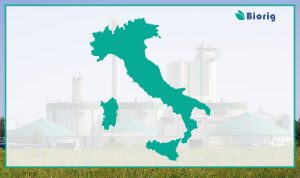
Italy is one of the most dynamic and fastest growing markets in Europe. It has grown from less than 10 plants in 2018 to more than 137 in 2025, with a 315% growth in three years. Its current production is around 9.25 TWh per year, with a clear roadmap to reach 55 TWh by 2030. Italy has strong incentive mechanisms in place, supported by European funds (PNRR). This rapid development responds to the need to reduce a strong dependence on natural gas, which still covers more than 40% of its energy mix.

Spain

Silueta de España

Spain, despite being the country with the third largest biomethane potential in Europe (around 163 TWh per year), shows a still incipient development, with only 15 operational plants. Currently, its production is residual compared to leading countries, although hundreds of projects are estimated to be under development. The lack of incentives and administrative barriers have slowed its growth, despite its enormous potential to cover almost 50% of the national gas demand. Spain is starting to move with new investments and policies, but is still far from exploiting its capacity.

Benefits of Biomethane

The biomethane is a renewable gas that is produced from biogas through a purification or upgrading. This technology is a sustainable soloution with more than 40 years of development in Europe.

Direct injection to the grid

One of the main benefits of biomethane we produce is that, in addition to having an ecological footprint, we also negative in carbon emissionsemissions, it has a composition that is virtually identical to fossil-based natural gas. of fossil origin. This reduces dependence on new infrastructure, as the molecules can be transported through the gas network. already existing.

Sectors

Biomethane has multiple uses in different sectors. This ranges from its use for heating homes, to its use as a fuel in activities with consumption that is difficult to electrifiablesuch as heavy transport or large industry.

Rural employment

Establecemos nuestra sede fiscal en los municipios donde operamos, contribuyendo con el pago de impuestos a las localidades en las que nos instalamos. in additionwe cocommit ourselves to to train the residents of these rural areas to become part of the staff of the plants. plantswhich contributes to boosting the local economy, generating new opportunities opportunities, and to fix the population in areas at risk of of depopulation.

Circular economy

We collaborate to establish a circular economy model in the rural environments where we operate. we are installed at .we set up. We assist in the correct collection of waste, generate a renewable gas and return an EU-approved organic fertilizer amendment to the crops., which is is a real alternative for crop fertilization.

Biorig en España

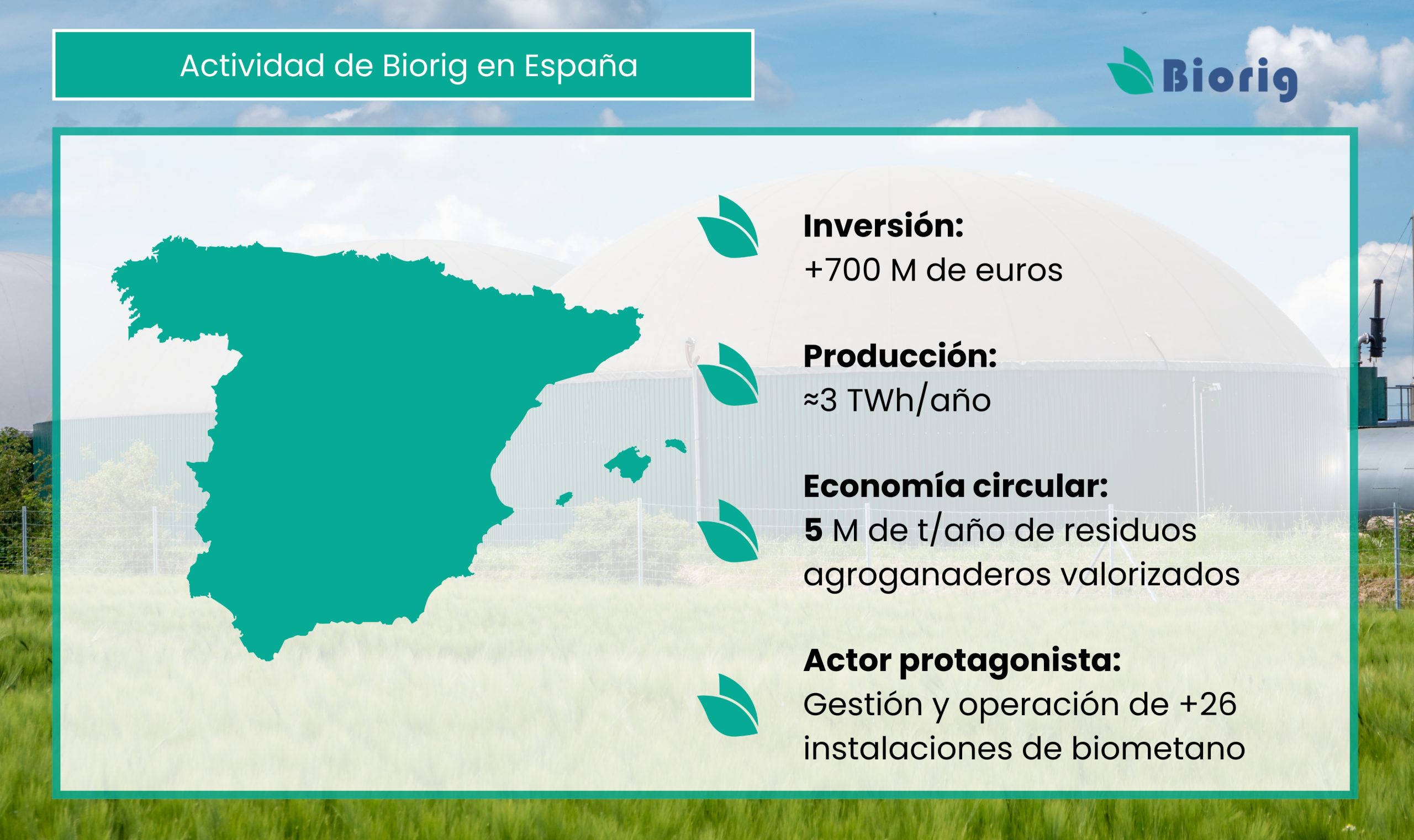
Spain is Biorig’s main market and the core of its current activity. The company is developing more than 26 projects at different stages of development, with an expected production capacity of approximately 3 TWh/year of biomethane, which will make it one of the main producers of this renewable gas in the country.

In addition, Biorig’s facilities will lead the production of biogenic CO₂ with a capacity of 350,000 tons per year, to be accompanied by nearly 5 million tons of CFP 3 certified organic fertilizer generated at its facilities.

Thus, Biorig reinforces its commitment to the circular economy and sustainability in rural environments. Its differential model is based on the exclusive use of agricultural and livestock waste (slurry, manure and crop residues), avoiding urban waste and minimizing odor emissions to ensure a positive impact on the territory.

Biorig in Italy

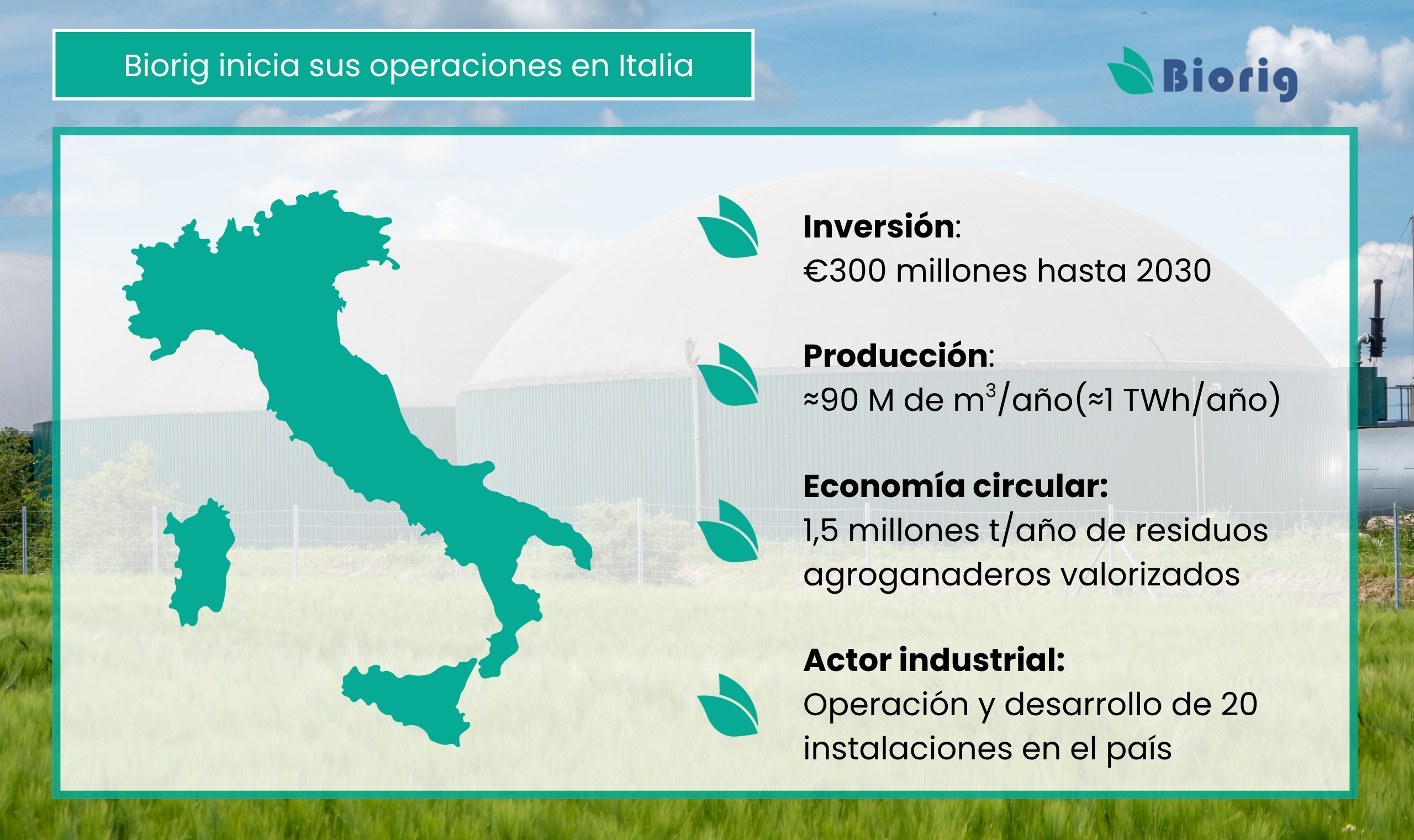
Italy is Biorig’s first major international market. The company will have around 20 biomethane plants in operation by the end of 2030, with an estimated annual production of 1 TWh/year, enough to cover the energy needs of between 360,000 Italian households.

Biorig arrives in Italy backed by Solarig’s more than 15 years of experience in the country, where it has already developed more than 1 GW in solar projects and has a consolidated local team.

Contact

We are close to you

Do you want to contact us, propose a project, learn about our services? You can reach us at any of our offices, by e-mail or telephone.