Biorig boosts biomethane production in Italy with an investment of more than €300M until 2030

Solarig expands its biomethane operations in Italy through Biorig

  • Its objective is to develop and operate a portfolio of more than 20 facilities by 2030 to generate a renewable gas production of 1 TWh/year, equivalent to the energy needs of 360,000 households.
  • With more than 15 years of experience in the development of renewable infrastructures in Italy and more than 1 GW of completed projects, Solarig is now putting its know-how and capabilities at the service of biomethane deployment. The company will combine its own initiatives with the incorporation of projects driven by local actors, contributing to the sustainable growth of the sector.


Madrid, 09-07-25. Biorig, la división de gases renovables de Solarig, anuncia la ampliación de su actividad en el sector del biometano en Italia. La firma prevé una inversión en el país de más de 300 millones de euros hasta 2030 para el desarrollo y operación de más de 20 plantas de biometano que permitirán alcanzar una producción anual de cerca de 1 TWh/año (90 millones de metros cúbicos al año), equivalente al consumo de 360.000 hogares italianos.

Solarig, which has been present in the country for more than 15 years, thus reinforces its commitment to Italy’s energy transition, extending its contribution beyond solar energy and consolidating a firm commitment to renewable gases. For its part, Biorig is expanding its developments internationally for the first time to become one of the main players in the production of biomethane in Europe, with more than 20 projects under development in Spain that will generate around 3 TWh/year of clean energy, to which the projects in Italy have now been added.

Strategic opportunity and energy diversification

“Italy represents a strategic opportunity because of the solidity of its commitment to biomethane: a clear and flexible regulatory framework, a clear concern for organic waste management, and a well-defined vision of the agronomic advantages of biofertilisers. In short, a firm foundation on which to build our experience. We are excited to be able to contribute to the development of this sector with a proven model adapted to the local context. “explained Manuel Alonso, Managing Director of Biorig.

Agnese Rocco, Solarig’s Country Manager in Italy, said: “.Biomethane is an essential pillar to advance in the decarbonisation of non-electrifiable sectors. This investment initiative is part of Solarig’s new Strategic Plan 2025-2028, which is committed to technological diversification as a response to the challenges of the energy transition. ”.

Own development and collaboration with the local fabric

Biorig’s growth strategy is based on its own development of new facilities, as well as on the incorporation of mature initiatives promoted by local players. In this context, the company plans to collaborate with developers and operators who share its technical and environmental vision, and who have projects aligned with national regulatory and environmental objectives.

“Our goal is to become one of the leading biomethane producers in Europe, and to make this activity one of Solarig’s strategic pillars in the coming years, alongside the development of renewable energy projects. To achieve this ambition, Italy is a key country. We have a solid track record as a developer of energy infrastructures, both internationally and in Italy, and we want to use all our experience to drive the growth of a sector that is already showing remarkable dynamism and maturity. “says Manuel Alonso.

Solarig, sustainable energy solutions for society

Solarig develops, finances, builds and operates infrastructure for the energy transition. It currently operates more than 10 GW of photovoltaic plants and has a portfolio of more than 20 GW of energy projects in 12 countries. The company promotes global decarbonisation wherever it operates through renewable energy solutions, green gases and sustainable fuels. Headquartered in Madrid, Spain, it has a strong presence in Europe, Central and South America, Japan and Australia.

Committed to innovation and sustainability, Solarig has a team of over 1,400 professionals. Solarig has been present in Italy for 15 years, during which time important milestones have been achieved, such as the development of more than 1 GW of solar plants thanks to a workforce of more than 100 professionals in the country.

BIORIG, circular economy and energy sustainability

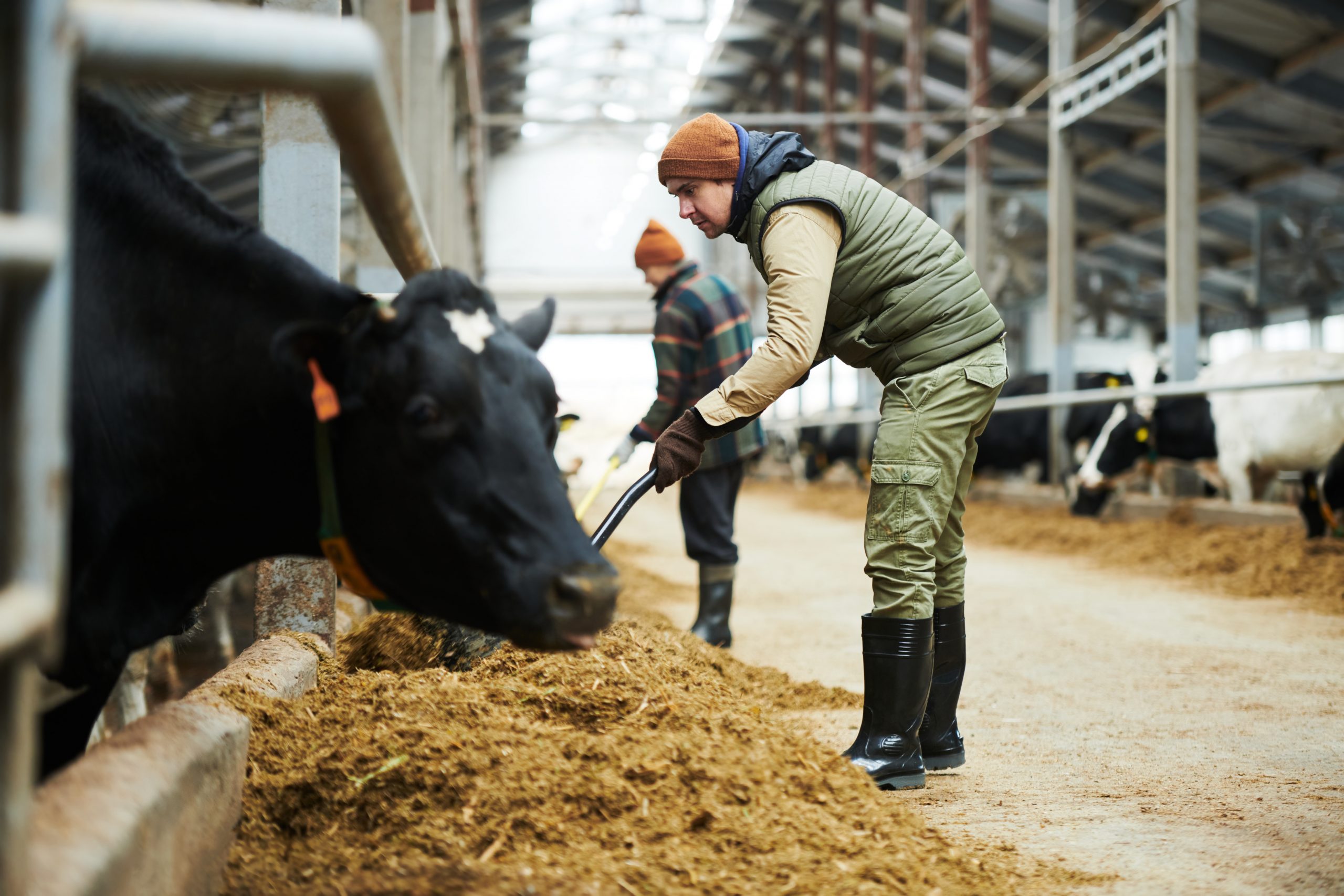
Biorigis Solarig’s biomethane production division. It was created with the aim of providing innovative solutions in the field of renewable gases, such as biomethane. Its activity is focused on the management of organic agro-livestock raw materials for their transformation into renewable gases and to promote the development of projects in the field of energy transition and circular economy.

Biorig is committed to a circular economy model based on the recovery and management of agricultural and livestock raw materials, commitment to the development of local communities, and the promotion of the production of renewable gases to accelerate the energy transition in the places where it operates.

Italy proves that Spain can become a European benchmark for biomethane

Tribune of Diego Azqueta Smith, Director of International Origination of BIORIG, in El Español

Biomethane has established itself as one of the key energy carriers in the European Union. This is no coincidence: it is a locally produced, sustainable energy source that is compatible with existing natural gas infrastructures.

Its mass deployment is no longer an idea for the future, but an institutional priority. The European Union, through the Commission, has set a target of achieving an annual production of 35 bcm of biomethane by 2030 – approximately 10.5% of European consumption.

The reasons for this determined gamble are not only environmental, but also geopolitical: in less than two years, the EU must find an alternative to Russian gas imports, which accounted for around 18% of the continent’s gas purchases in 2024; in line with the plan to completely eliminate energy purchases from Russia by 2027.

Energy security has led Italy to make biomethane a strategic priority.

The destination set by Brussels is clear, and the ball is now in the court of the Member States, which have to build the paths to be followed by the different actors involved in the deployment of biomethane (producers, consumers, the primary sector, local administrations, etc.).

However, this deployment is uneven, and while some countries are following this development in the fast lane, on well-marked and direct roads, others are moving forward on curvy roads with diffuse signage and uneven surfaces.

Untapped potential

Spain has already taken up the European baton through the latest update of the National Integrated Energy and Climate Plan (PNIEC), which sets a target of 20 TWh of biogas by 2030, of which approximately 12 TWh is expected to come from biomethane.

Biomethane is a renewable energy and molecularly identical to fossil natural gas, allowing it to be stored, transported and injected into the current grid.

The Italian government has already started to redirect planned aid from hydrogen to biomethane.

It is a mature technology that offers a viable solution for sectors that are difficult to electrify, such as heavy transport or industry. Moreover, it is produced using “kilometre 0” raw materials, such as organic agricultural and livestock waste – slurry and manure – which solves the challenge of the correct environmental management of waste from the primary sector.

In Spain, the opportunity is enormous. According to Sedigas, we are the third European country with the greatest potential and we have the capacity to generate up to 163 TWh/year, more than half of the national consumption of fossil natural gas.

The Italian case

However, potential does not guarantee success. Italy shows that, with the right stimulus, it can lead the sector in Europe. Despite ranking fifth in Europe in terms of the volume of raw materials available, it has built a functional, scalable and territorially integrated industry from scratch in record time.

Just look at the figures: in 2018, Italy had only seven installations connected to the gas grid. Spain, on the other hand, had just one. By the end of 2024, the leap is clear. Italy has 133 plants in operation, 101 of which were commissioned in the same year. Spain, on the other hand, only had 9 plants in operation.

One of the keys to Italy’s acceleration has been urgency. In 2024, 44.1% of its energy production came from natural gas, much of it still imported from Russia. In contrast, Spain has reduced this dependence to 18.7% thanks to renewables, although it still needs to diversify its energy mix.

Energy security has led Italy to make biomethane a strategic priority.

This has favoured a strong and coherent institutional support framework, including investment grants, volume bonuses and feed-in tariffs, which guarantee a fixed price for a fixed period of time, reducing the financial risk of projects.

Many of these grants are financed by Next Generation EU funds and expire in the first half of 2026. To keep pace, Italy needs new incentives.

The government has already started to redirect planned hydrogen subsidies towards biomethane, adding 640 million euros to the fossil gas substitution effort. But to reach the 5.7 bcm (55 TWh/year) target set in the Italian PNIEC for 2030, it will be necessary to look beyond the short term.

Rural development and the circular economy
In Spain, on the other hand, the focus has been on supply. Current aid, which is scarce and limited in volume, is focused on reducing the cost of building plants, but without articulating a solid demand that would encourage production.

This imbalance could result in energy produced in Spain being exported to countries with better demand conditions, losing an opportunity for reindustrialisation, boosting local development and ecological transition.

To consolidate the sector, Spain needs to move towards a demand-side support scheme that guarantees the viability of projects.

Today, biomethane is more expensive to produce than fossil gas, so it needs incentives to compensate for this difference and optimise its benefits. These go far beyond the decarbonisation of the energy sector, as biomethane also contributes to the generation of a circular economy in agricultural environments, helps bring investment to rural environments and ensures energy sovereignty with a renewable gas made from local inputs.

At Biorig we believe that Spain not only has the potential to lead this transformation, it has the experience, the environmental commitment and the business fabric to make it happen. Italy has shown that it is possible. Now it is Spain’s turn to make biomethane a shared success story between the countryside and industry.

What differentiates biogas from biomethane?

Biogas and biomethane: keys to a sustainable future

Madrid, 06-04-25. The transition to a more sustainable energy model requires renewable energy sources that reduce dependence on fossil fuels. Biogas and biomethane, renewable technologies with more than 40 years of development in Europe, are positioned as key solutions within the circular economy, transforming organic waste into clean and usable energy.

Although both are renewable gases and can be obtained by anaerobic digestion processes, the characteristics and uses of these molecules are different from each other. Biogas is produced by the controlled decomposition in an oxygen-free environment (anaerobic digestion) of organic waste. This gas is composed of 55% methane (CH4) and 45% ‘off-gas’, 98% of which is composed of CO2.

At Biorig we promote the production of biogas from agricultural and livestock waste – slurry, straw and manure – which is purified to obtain two separate streams with biomethane and biogenic CO2, key renewable energies for the decarbonization of the planet.

How is biogas transformed into biomethane?

Más de la mitad del biogás (el 55%) es metano (CH4), por lo que para su separación e inyección a la red de gas se necesita purificar el biogás mediante un proceso llamado upgrading.

Separation of impurities
01 Separation of impurities Residual compounds such as water vapor, hydrogen sulfide and other contaminants are removed from the biogas.
Renewable gas production
02 Renewable gas production Through techniques such as membranes or chemical absorption, the methane concentration is increased and the remaining CO₂ is captured for further treatment.
Biomethane compression and injection
03 Biomethane compression and injection Once purified, the biomethane is compressed for injection into the gas grid or use as a fuel.

Benefits of Biomethane

El biometano es un gas renovable que se produce a partir de biogás mediante un proceso de purificación o ‘upgrading’. Esta tecnología es una solución energética sostenible con más de 40 años de desarrollo en Europa.

Direct injection to the grid

One of the main benefits of biomethane we produce is that, in addition to having an ecological footprint, we also negative in carbon emissionsemissions, it has a composition that is virtually identical to fossil-based natural gas. of fossil origin. This reduces dependence on new infrastructure, as the molecules can be transported through the gas network. already existing.

Sectors

Biomethane has multiple uses in different sectors. This ranges from its use for heating homes, to its use as a fuel in activities with consumption that is difficult to electrifiablesuch as heavy transport or large industry.

Rural employment

We establish our tax headquarters in the municipalities where we operate, contributing with the payment of taxes to the localities where we are located. In addition, we are committed to training the residents of these rural areas to become part of the plants’ workforce, which contributes to boosting the local economy, generating new opportunities, and fixing the population in areas at risk of depopulation.

Circular economy

We collaborate to establish a circular economy model in the rural environments where we operate. we are installed at .we set up. We assist in the correct collection of waste, generate a renewable gas and return an EU-approved organic fertilizer amendment to the crops., which is is a real alternative for crop fertilization.

Energy security

The biomethane plants produce energy with ‘zero kilometer’ and locally produced inputs, which, in addition to contributing to the reduction of greenhouse gas emissions, reduces dependence on fossil natural gas from abroad.

Contact

We are close to you

Do you want to contact us, propose a project, learn about our services? You can reach us at any of our offices, by e-mail or telephone.

Biorig joins the inclusive team of C.D. Numancia de Soria

This agreement reinforces our strong commitment to diversity and inclusion, core values that are part of our company’s DNA.

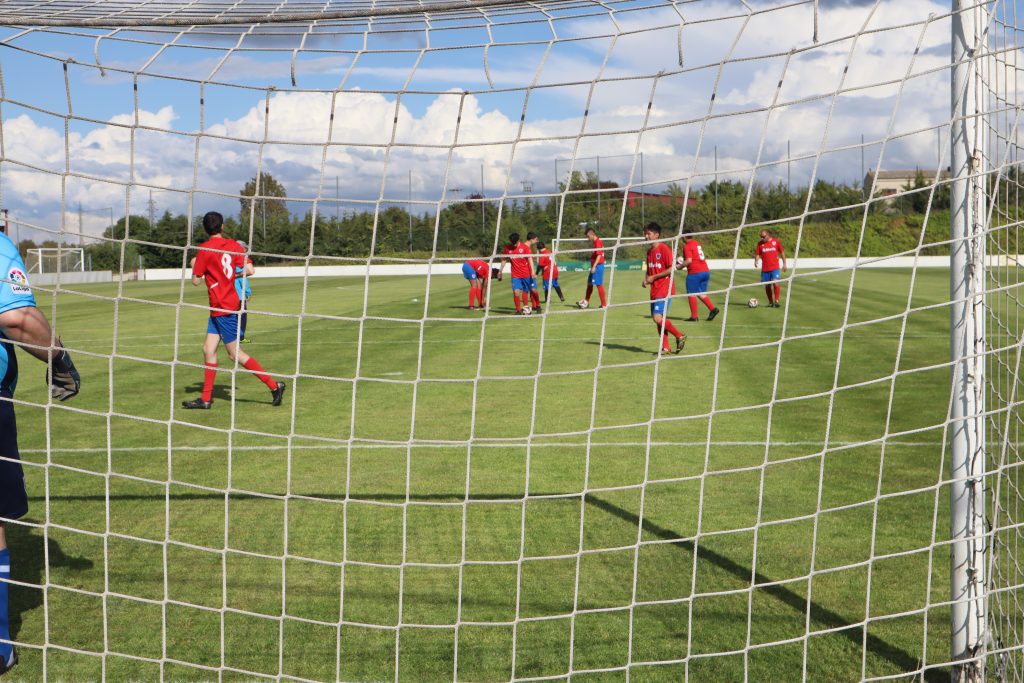
Soria, 26-05-25. At Biorig we are proud to announce our collaboration as official sponsor of the inclusive team of C.D. Numancia de Soria. This agreement reinforces our firm commitment to diversity and inclusion, fundamental values that are part of our company’s DNA.

A fairer, more inclusive sports model


Formed by around 15 players, the C.D. Numancia inclusive team actively participates in inclusive soccer tournaments at national and regional level, promoting a model of sport that is committed to equity, respect and participation of all people, regardless of their abilities.

Recently, the team was proclaimed champion of the Pradoviejo Inclusive Football Tournament, winning 1-0 in a thrilling final against Deportivo Alavés. Throughout the tournament, the Numantinos stood out for their collective effort and competitive spirit, drawing against Eibar (0-0), beating Real Sociedad (1-0) and beating Logroñés (2-1), without defeat.

“The value this team has is immense,” says Carlos Monagas, coach of the inclusive team. “This is totally different from what I have experienced in my years as a soccer player. Among themselves they are very considerate of the help, and we have learned this through training. I’m very happy with this team.

Beyond competition: companionship and values

The players of the inclusive team of C.D. Numancia not only compete, they also represent a philosophy of life. In the tournament ‘The difference makes us equal’, organized by the Real Federación de Castilla y León de Fútbol in Guardo (Palencia), the team finished in a meritorious third position, showing a high level against rivals such as Real Valladolid or C.D. Mirandés.

Francisco Javier Cacho, the team’s defender, sums it up simply: “Not all teams are the same, some only play to win. We play to have fun and be together”. On his role in the ‘Valores Vida x Vida’ tournament, in which they finished undefeated and won the title against Alavés, he adds: “I felt pretty good playing defense, I did pretty well and we were able to win”.

Luz Andrea, the team’s midfielder, also emphasizes the collaborative spirit: “In our team, the most important thing is that we are all together and play as a team. For his part, striker Ali Elkien sums up the soul of the project: “We are all good and we can all play soccer.

Commitment to sustainability and the environment

This sponsorship is also part of our social responsibility policy, linked to the Sustainable Development Goals, particularly SDG 13: Climate Action. In collaboration with C.D. Numancia, we will promote sustainability initiatives both in the ‘Los Pajaritos’ stadium and in the facilities of its sports city. These actions seek to reduce the environmental footprint of sports activities and raise awareness of the importance of caring for the environment.

This alliance with C.D. Numancia Inclusivo encourages us to continue building a fairer, more diverse and sustainable future. Because at Biorig we believe that true progress is measured by the ability to include everyone.

BIORIG, circular economy and energy sustainability

Biorig is Solarig’s biomethane production division. It was created to provide innovative solutions in the area of renewable gases and CO2 capture. Its activity is focused on the management of organic waste for its transformation into gases of renewable origin and to promote the development of projects within the framework of the energy transition and the circular economy.

Is it possible to recycle livestock waste?

A key element for the circular economy

Madrid, 16-05-25. Biomethane is key to decarbonize sectors that are difficult to electrify, and it is also essential to efficiently manage the waste we generate. This Saturday, on the occasion of World Recycling Day, we share some relevant data to understand why it is so important to properly treat agricultural and livestock waste.

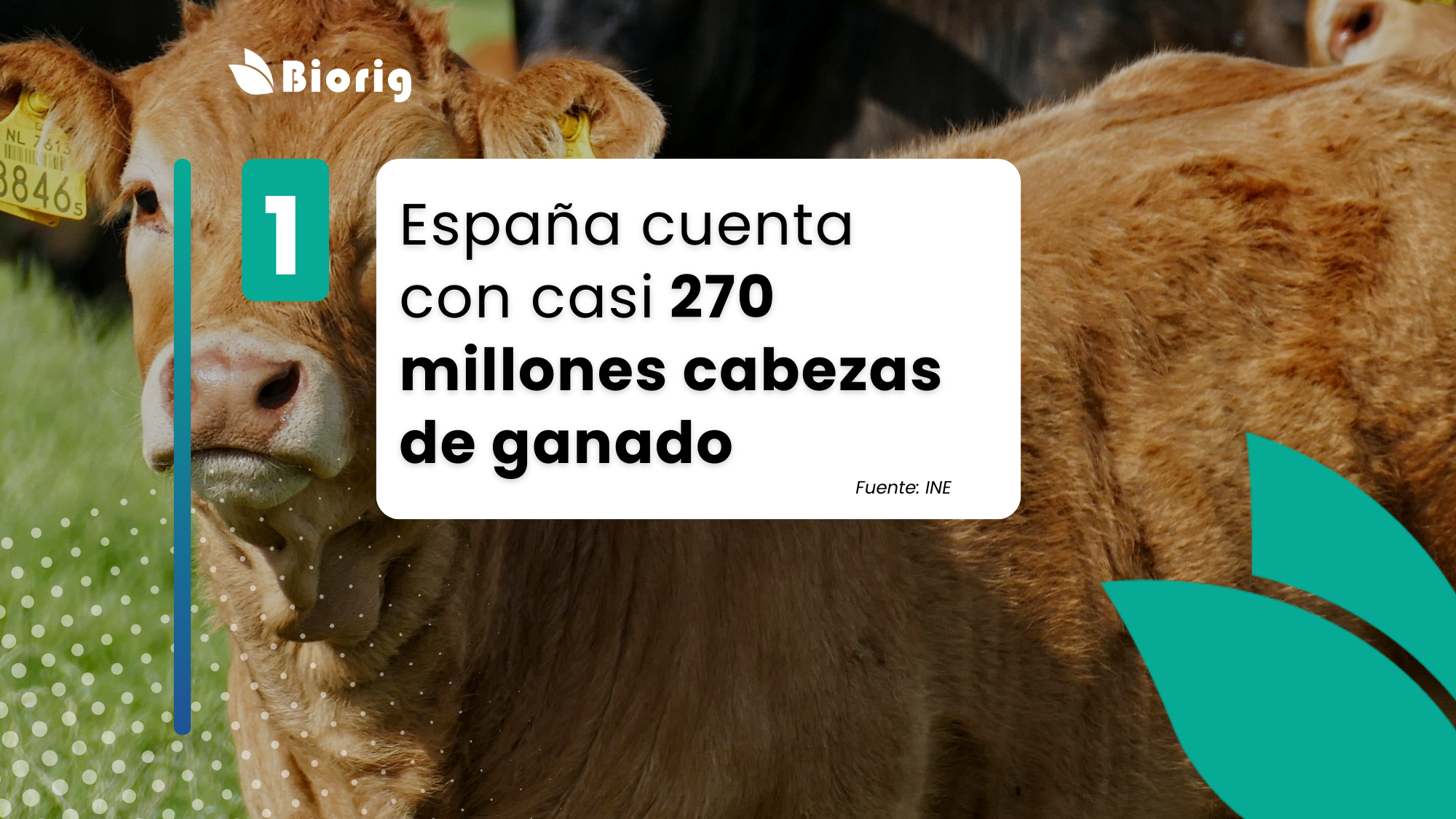
Spain has almost 270 million head of cattle, according to the INE.

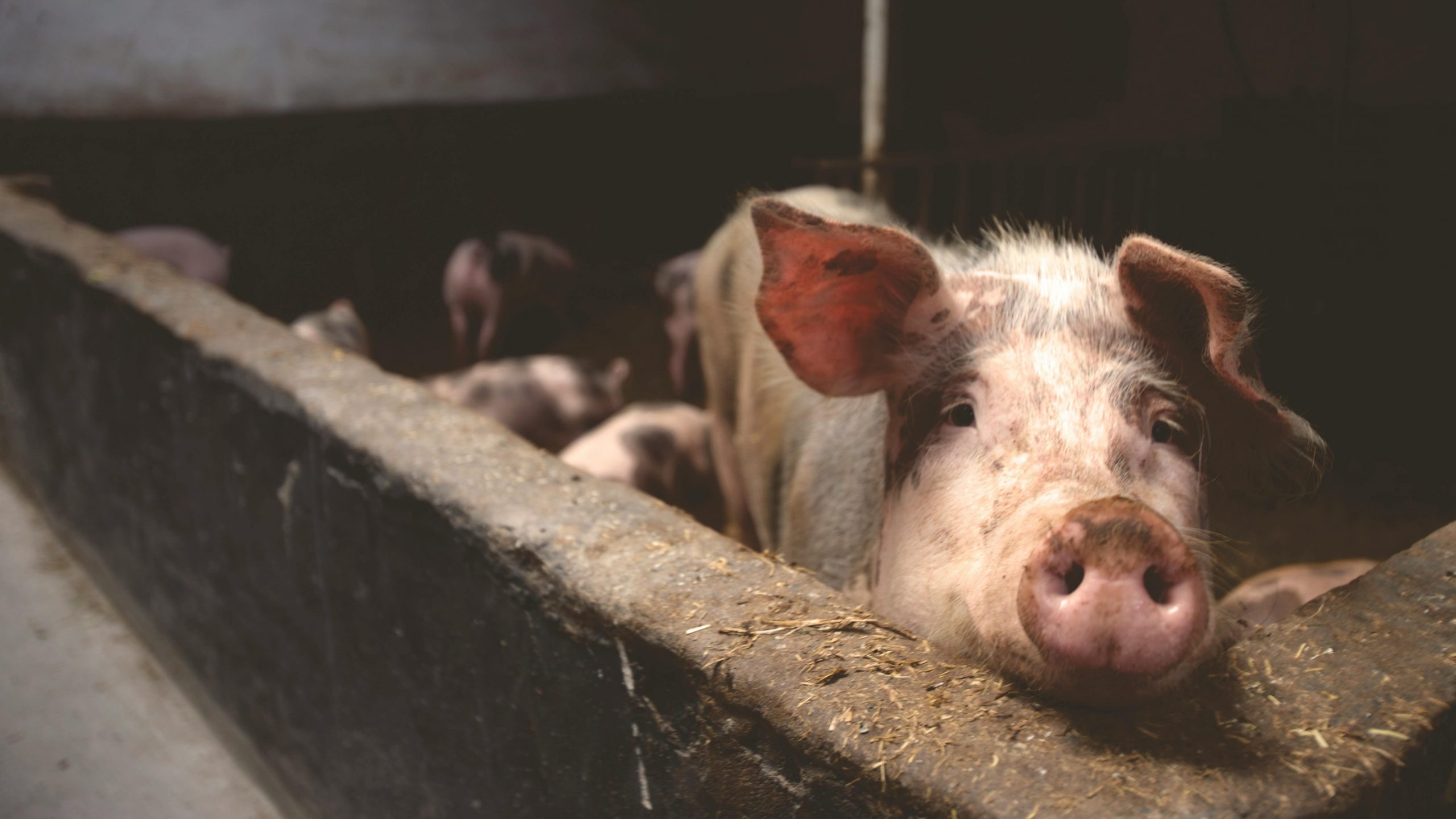
This figure includes poultry, swine, cattle and sheep… each of which produces tons of waste each year. The management of their waste is becoming increasingly complex due to more stringent environmental regulations and the saturation of agricultural areas where it was traditionally applied as fertilizer.
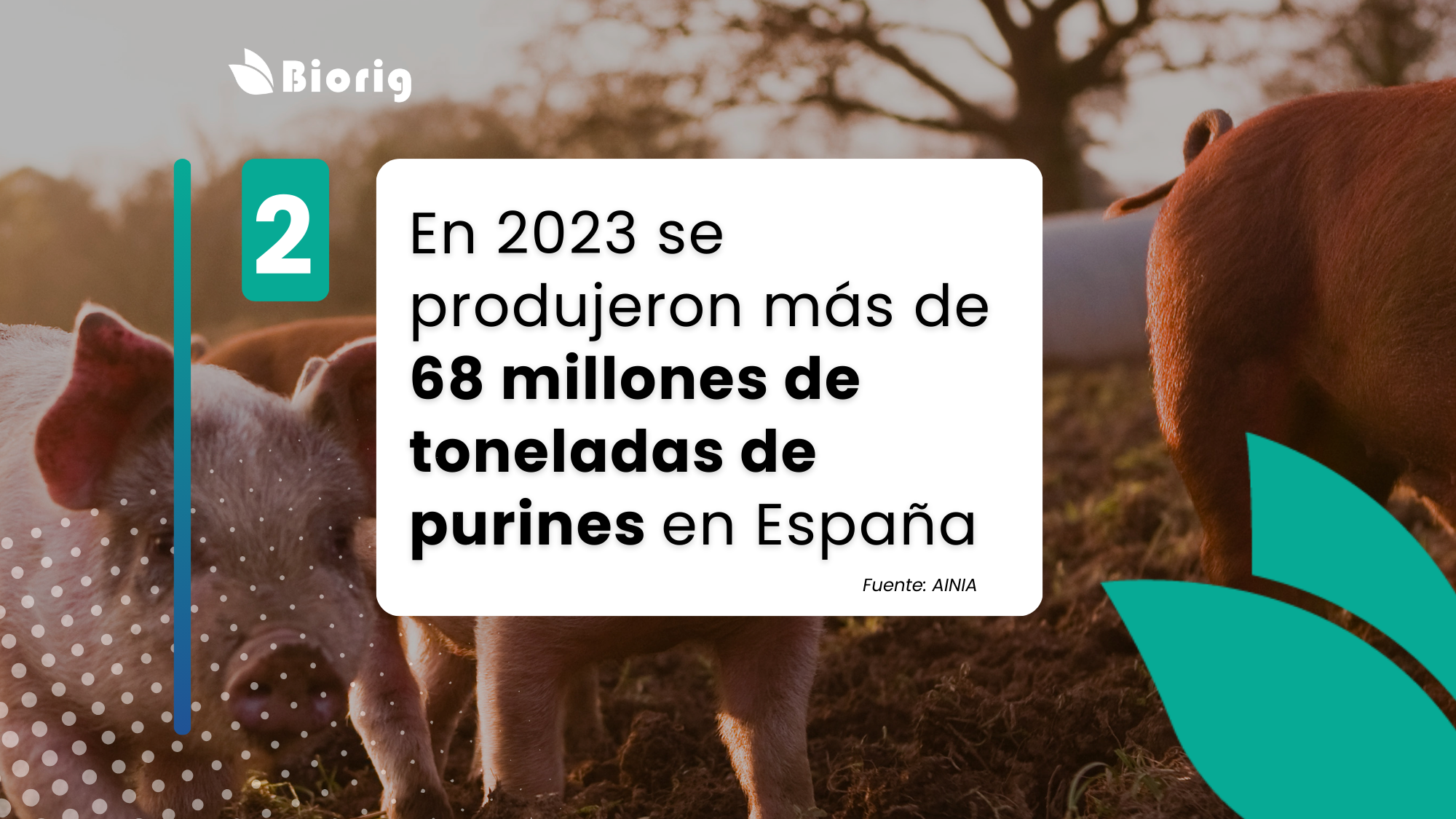
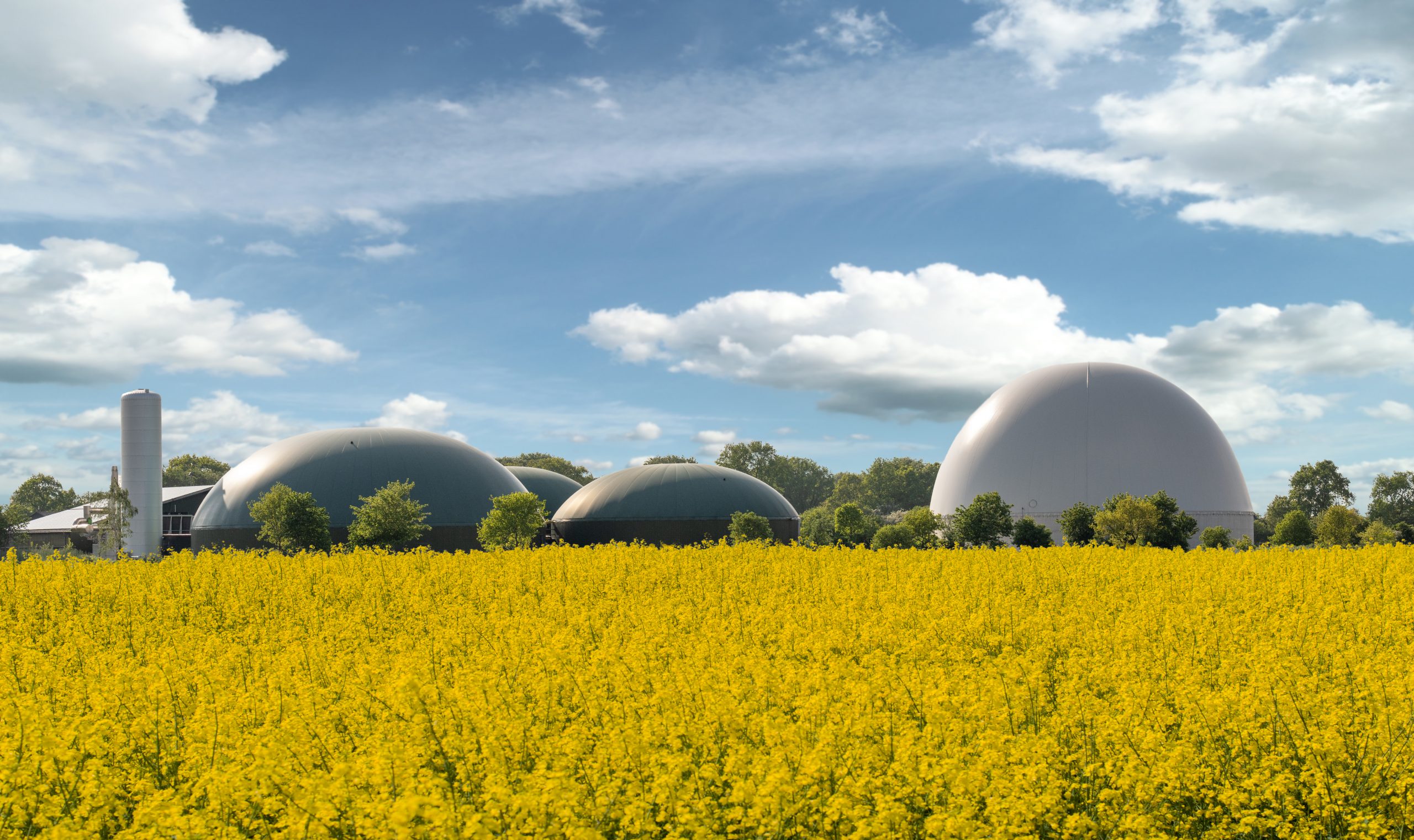
In 2023, more than 68 million tons of slurry were produced in Spain.

Of this amount, 6.9 million cannot be used as fertilizer, due to legal restrictions or lack of available agricultural land, according to AINIA. By 2035, the figure is expected to reach 79 million tons, of which about 10% (7.9 million tons) will not be usable, generating a serious environmental and logistical problem.

Many regions in Spain already face environmental problems resulting from the accumulation of waste.

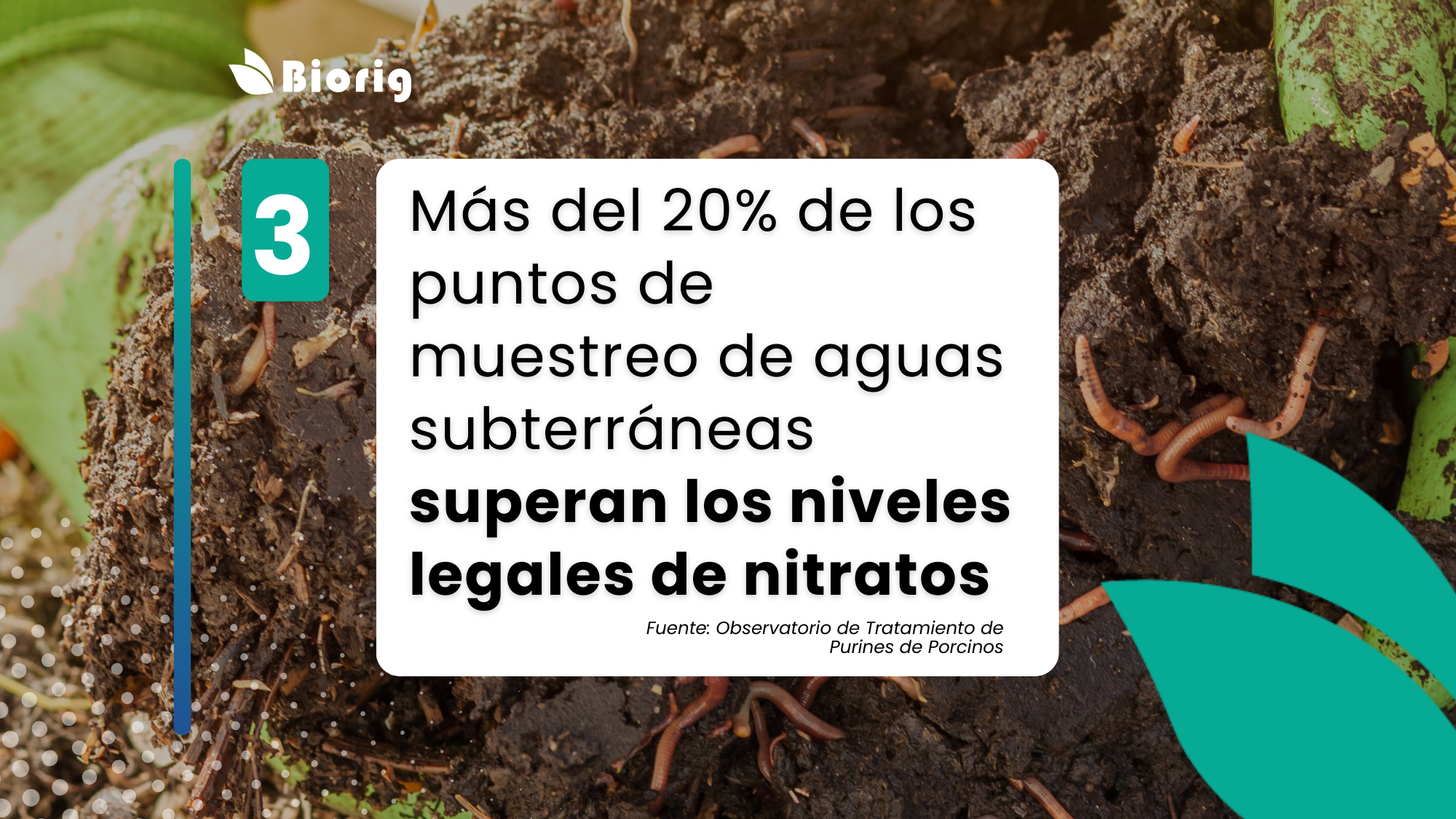
Regions such as Aragón, Castilla-La Mancha and Castilla y León have particularly high levels of nitrate contamination in their soils and groundwater. These regions have a high density of livestock farms and, at the same time, a limited capacity of agricultural soils to absorb them, which means that large volumes of waste cannot be managed locally. More than 20% of groundwater sampling points exceed legal nitrate levels, according to the Pig Slurry Treatment Observatory.

¿Cómo contribuye Biorig a esta transformación?

En Biorig trabajamos con una misión clara: transformar residuos en energía y oportunidad. Our activity is focused on the valorization of agricultural and livestock waste.

Anaerobic digestion technology

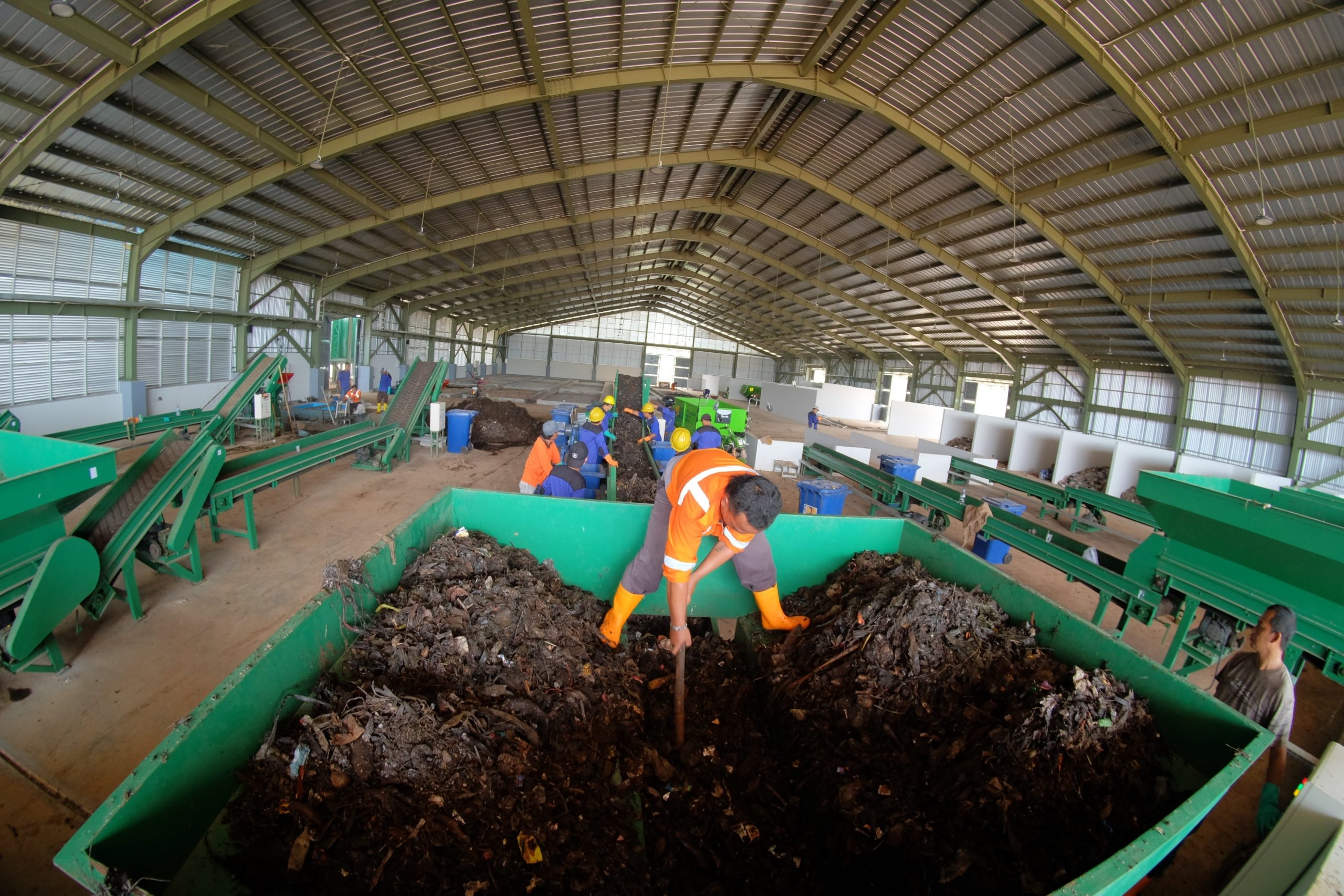
At our facilities we decompose the organic matter of agricultural and livestock waste under controlled conditions to generate biogas, which is subsequently purified and converted into biomethane.

Closing of the agricultural and livestock cycle

We return more stable and sanitized fertilizers to the field and reduce the environmental impact of livestock farms.

 Collaboration with farmers and cooperatives

We provide management solutions that comply with current regulations, add value and reduce costs in the medium term.

Renewable energy generation

We generate energy that replaces fossil fuels, drives the energy transition and enables agricultural and livestock producers to actively participate in the circular economy.

Contact

Estamos cerca de ti

Faced with this challenge, the energy sector has an effective and proven tool: energy recovery through biogas and biomethane plants.

The academy, the agricultural sector and the Junta de Castilla y León endorse the development of biomethane in Zamora

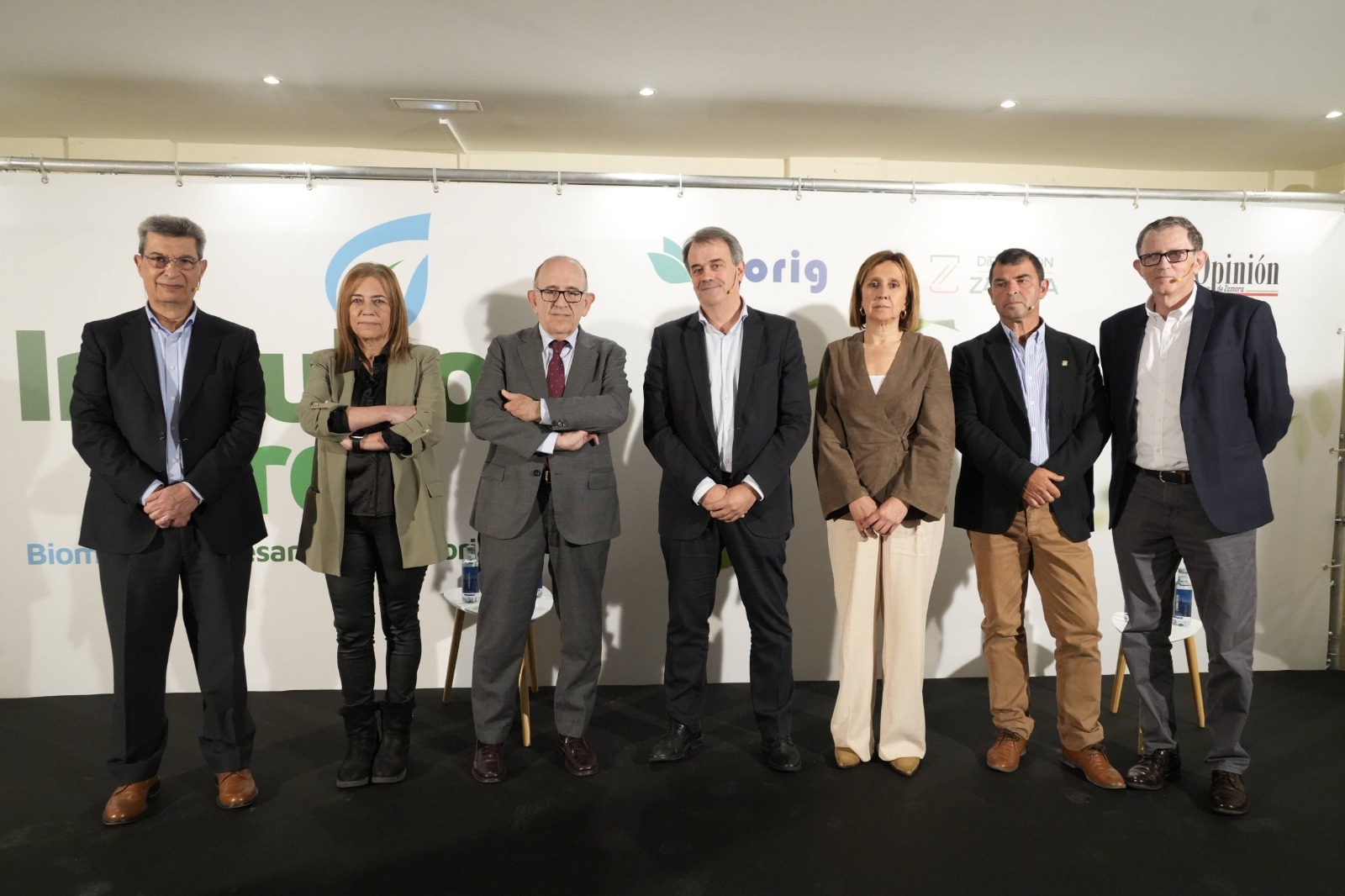
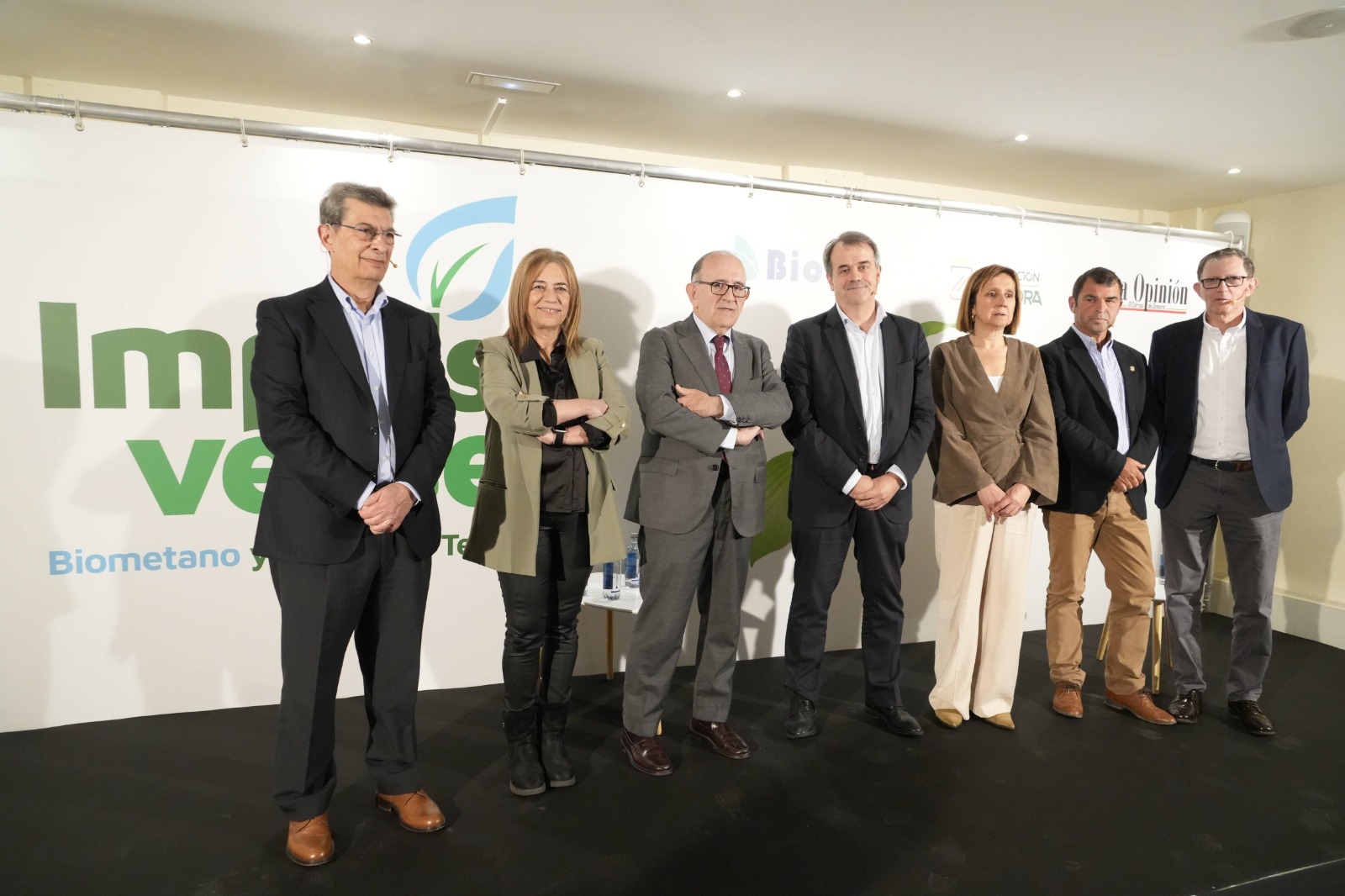
Members of Asaja Zamora, Aebig, the University of León and Biorig discuss the challenges in the deployment of biomethane in a forum of ‘La Opinión – El Correo de Zamora’.

Zamora se consolida como un territorio clave en la transición energética gracias al impulso del biometano. El foro “Impulso verde: biometano y desarrollo territorial”, organizado por La Opinión – El Correo de Zamora con el patrocinio de Biorig y la Diputación de Zamora; reunió el pasado miércoles 7 de abril a actores fundamentales del sector agrario, la comunidad científica y las empresas y asociaciones del sector del biometano para poner de manifiesto la oportunidad que representa el desarrollo del biometano en Zamora y Castilla y León.

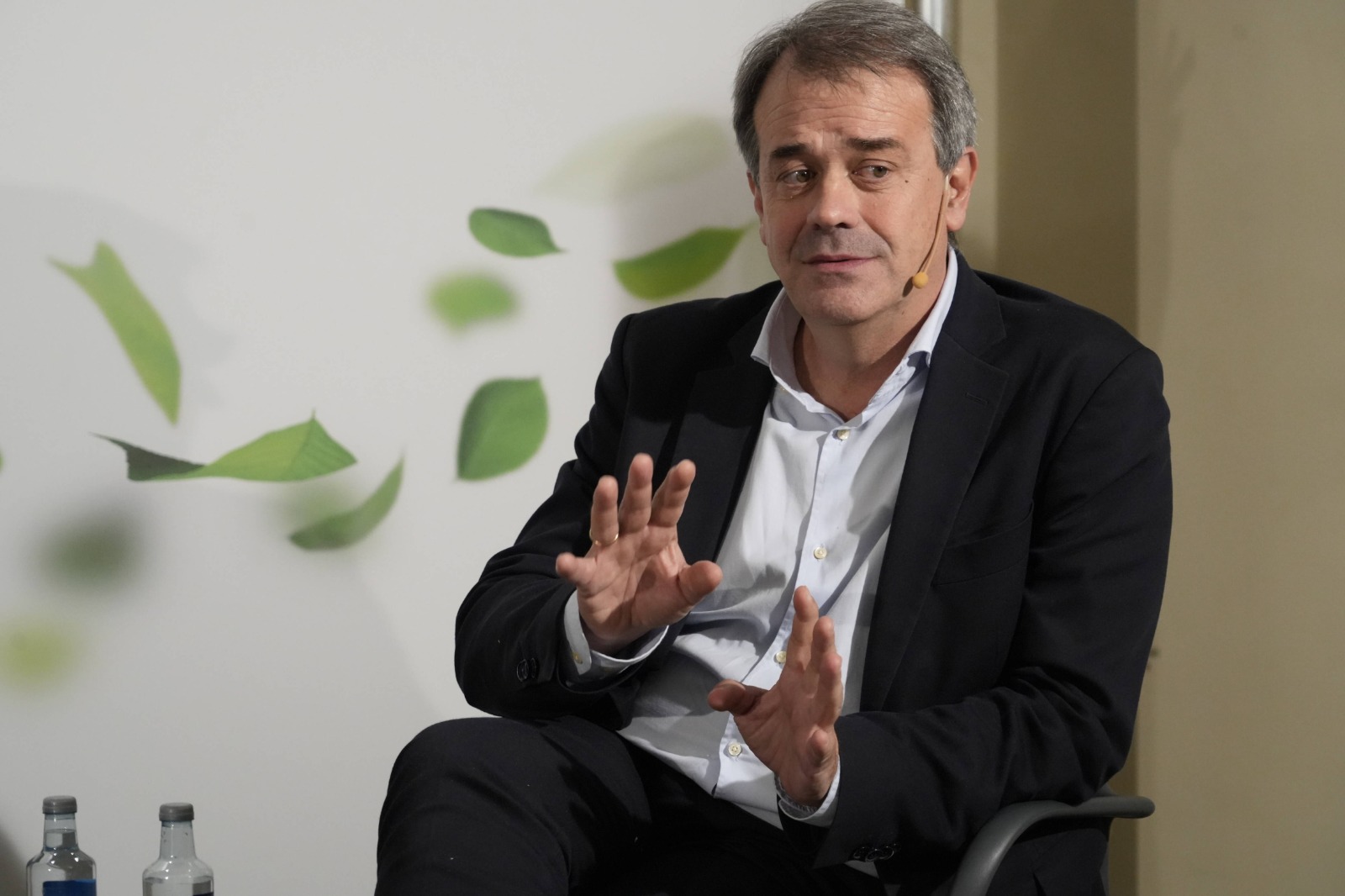
Antonio Medina, presidente de Asaja Zamora; Francisco Repullo, presidente de honor de la Asociación Española del Biogás (Aebig); Antonio Morán, catedrático de la Universidad de León; y Manuel Alonso, director general de Biorig, expusieron sus opiniones sobre esta tecnología tras la intervención de José Manuel Jiménez, director general de Infraestructuras y Sostenibilidad Ambiental, quien defendió que Castilla y León puede sustituir más del 50% del gas natural fósil que se importa del exterior gracias al biometano.

A call to action from the energy sector

Manuel Alonso, CEO of Biorig, conveyed a strong message during his speech, in line with the principles of sustainability and circular economy defended by the company: “We must be aware of the need to manage waste and achieve energy diversification”.

In a context marked by climate urgency and the need for energy autonomy, biomethane is positioned as a clean, efficient alternative capable of generating wealth in the areas that need it most. According to estimates by the Junta de Castilla y León, around 35 million tons of agricultural and livestock waste are produced annually in the region, compared to 1 million tons of urban waste, the management of which must be optimized to comply with increasingly restrictive environmental criteria and the improvement of agricultural soils.

Castilla y León: leadership in renewable energy and biomethane potential
José Manuel Jiménez, general director of Infrastructures and Environmental Sustainability of the Junta de Castilla y León, participated in the conference, highlighting that the community already produces 90% of its electricity from renewable sources. He also pointed out that biomethane would make it possible to replace more than 50% of the fossil natural gas currently consumed, with an estimated investment of 2,500 million euros.

A plural and complementary panel


The forum brought together key representatives of knowledge, production and innovation. The panel discussion, moderated by journalist Verónica de Castro. This multidisciplinary panel discussed the need to create a stable regulatory environment, to foster public confidence and to strengthen the dialogue between developers, administrations and the local population.

Both the public and business sectors stressed the importance of acting seriously, with technical rigor and transparency. The commitment to renewable gases, and in particular biomethane, requires solid projects, well communicated and oriented to generate a positive impact on the territory.

Biorig’s commitment with Zamora
At Biorig we believe in a decentralized energy model and in the need to integrate all actors in the transformation process. Our participation in this forum reinforces the company’s commitment to sustainability, the creation of rural employment and the intelligent valorization of local resources.

The future of energy involves circular, fair and collaborative solutions. In Zamora, this transition has already begun.

BIORIG, circular economy and energy sustainability

Biorig is Solarig’s biomethane production division. It was created to provide innovative solutions in the area of renewable gases and CO2 capture. Its activity is focused on the management of organic waste for its transformation into gases of renewable origin and to promote the development of projects within the framework of the energy transition and the circular economy.

Biorig launches new website!

We developed a new site with an updated visual design and content for www.biorig.energy

Biorig, Solarig’s green gases division, inaugurates its new digital space in biorig.energy, taking another step forward in our evolution as a company and consolidating our position as a reference in the development and operation of biomethane plants.

With a renewed design and improved functionalities, the new website clearly reflects our identity and our commitment to sustainability and innovation. This redesign responds to our desire to offer a simpler, more useful and personalised digital experience, aligned with our identity and values. For its development we have had the collaboration of Prodigioso Volcán, one of the leading web design agencies in Spain, with extensive experience in strategic digital communication projects.

The result is a more modern, intuitive and accessible platform, making it easier for our visitors to access all the information about our projects, solutions and vision for the future.

New features:

  • New visual design that conveys our values of innovation, sustainability and proximity.
  • More intuitive navigation, designed to make it easier for you to find everything you need.
  • Accessibility improvements to ensure an inclusive experience for all users.
  • A space designed to reinforce our commitment to transparency, sharing in a clear and accessible way who we are, what we do and how we contribute to sustainable development.
  • New blog, in which we will publish technical and informative content on different angles of biomethane, as well as offering a detailed view of Biorig’s projects and their social impact in the communities where we operate.

Valorizating biomethane

The new site will offer specific content explaining in detail the operation of biomethane installations, a renewable gas of biological origin with characteristics identical to fossil natural gas. This technology contributes to the implementation of circular economy models and the development of agricultural and livestock farming communities.

Cecilia Carballo, General Manager of Sustainability and Communication at Solarig, said: “This new website is not only a window into our work, but also an invitation to build a more sustainable energy future together. We believe in the need to act transparently and in collaboration with the local communities where we operate, and this website brings us closer to this milestone.”

BIORIG, circular economy and energy sustainability

Biorig is Solarig’s biomethane production division. It was created to provide innovative solutions in the area of renewable gases and CO2 capture. Its activity is focused on the management of organic waste for its transformation into gases of renewable origin and to promote the development of projects within the framework of the energy transition and the circular economy.

Biorig defends the opportunity that biomethane represents in the Energy Forum of El Español – Castilla y León

The company analyzes together with Sedigás, the Junta de Castilla y León and Redexis the deployment of these energy infrastructures in the community.

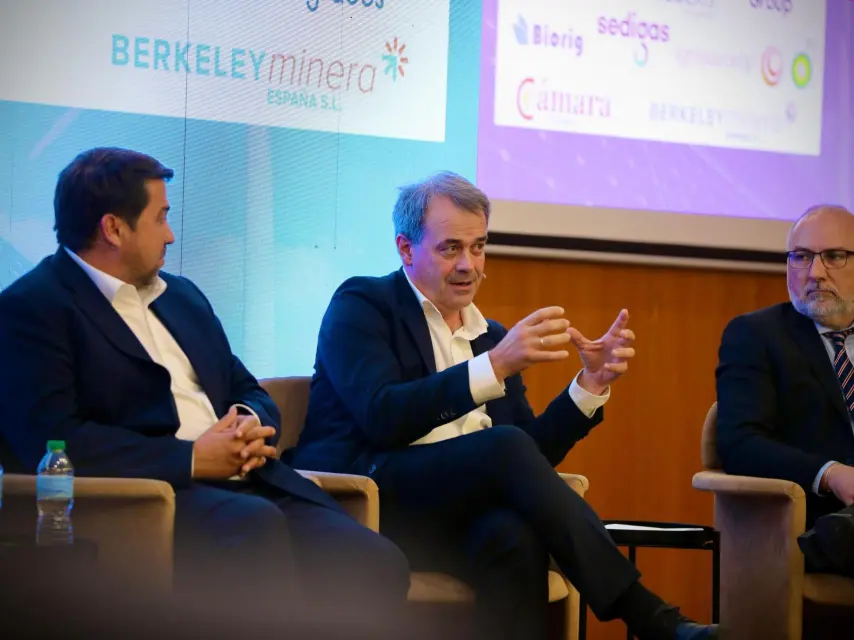
On Thursday, April 10, Biorig participated in the III Energy Forum of El Español Castilla y León, under the title “Clean energy in Castilla y León: a model of success and sustainability”. In this event, the advances and challenges in wind, solar, nuclear, hydrogen and biomethane energy were analyzed, with a focus on the territory and its transformative capacity.

The general manager of Biorig, Manuel Alonso, took part in the round table dedicated to “Biogas and biomethane: the boost of green gases in Castilla y León”, sharing space with José Manuel Jiménez Blázquez, general manager of Infrastructures and Environmental Sustainability of the Junta; Joan Batalla, president of Sedigás; and Federico Medina, director of Redexis central area; in a meeting moderated by the editor of El Español-Castilla y León, Ángel Pisano.

During his speech, Manuel Alonso presented the agro-livestock development model that characterizes Biorig, which promotes more than 20 plants distributed in rural environments aimed at transforming livestock waste into renewable energy, organic fertilizers and biogenic CO₂.

The general manager of Biorig emphasized that the legal requirements and the guarantee requested from biomethane facilities in Spain “are at the highest European standards”.

These facilities prevent agricultural and livestock wastes from ending up dumped in the fields without sanitization, as they have been up to now, so Manuel defended that Castilla y León “cannot afford to let this opportunity slip away”.

In addition, he gave several European examples, such as Denmark or the Veneto region, with population densities 10 times higher than those of Castilla y León and with hundreds of plants in operation. “There is a concern for managing waste in those places and that implies that the development of these plants are integrated into society and are seen as a normal thing,” he pointed out.

BIORIG, circular economy and energy sustainability

Biorig is Solarig’s biomethane production division. It was created to provide innovative solutions in the area of renewable gases and CO2 capture. Its activity is focused on the management of organic waste for its transformation into gases of renewable origin and to promote the development of projects within the framework of the energy transition and the circular economy.

El Día de Soria: Biomethane, an Opportunity for the Growth of a Greener and More Sustainable Economy

We highlight, on the occasion of the International Clean Energy Day, the great opportunity that Soria has thanks to biomethane

By Carlos Aguilar, Director of Renewable Gases at Biorig

On the occasion of the International Clean Energy Day taking place this week, I would like to highlight that the province of Soria has a great opportunity. Biomethane, a gas of renewable origin, is one of the best alternatives to promote a greener and more sustainable economy, encourage job creation, and increase the wealth of the territories. As a sustainable substitute for fossil gas, biomethane contributes to reducing the impact of climate change, boosts energy independence, and improves the management and traceability of agricultural and livestock raw materials. A key aspect is that biomethane facilitates the removal of slurry and manure from the fields, something particularly sensitive in Soria, where 10% of the territory has been declared at risk due to water contamination.

This technology has been implemented for over 40 years, mainly in countries such as France or Germany (with more than 1,000 and nearly 11,000 biogas and biomethane plants, respectively), and is now emerging as a strategic option in Spain. It is important to highlight that this energy source is key to achieving the decarbonisation targets set in the Integrated National Energy and Climate Plan (PNIEC). The aim is to reduce polluting emissions by 32% compared to 1990 levels by 2030.

At the same time, this renewable gas constitutes an essential activity to accelerate the economic growth of Castilla y León. Spain has the potential to develop 163 TWh of biomethane per year, enough to supply 29.5 million households, although the installed capacity currently stands at just 0.315 TWh in 2024, according to the Spanish Gas Association (SEDIGAS) and the GASNAM association. This goal implies increasing the production of renewable gas exponentially. Castilla y León plays a crucial role in this challenge, as it holds the potential to produce 23% of the biomethane in Spain.

From local resources to green energy.

I am convinced that biomethane will improve the energy mix of Castilla y León, but above all, it will drive the sustainable development of the agricultural and livestock sector. The promotion of biomethane contributes to a proper and orderly management of waste, much of which nowadays ends up being dumped in the fields without prior sanitisation. At Biorig, a company with roots in Soria, we develop our facilities with deep respect for communities and the environment.

In this regard, we only recover manure, slurry, and agricultural waste. The use of the most cutting-edge technological solutions, the type of raw materials used, together with the implementation of the most demanding health and safety regulations, ensure that our facilities do not emit odours to the outside. Furthermore, the plants operate under a zero-discharge model following the concept of a circular economy, and zero water consumption, as we use the liquid content of the slurry and have systems for reusing rainwater.

Organic fertilisation of agricultural soils.

The plants we design transform agricultural and livestock raw materials into odourless fertiliser products certified under European Union Regulation 1009/2019, as well as by the Ministry of Agriculture. In this way, the primary sector will benefit from these organic amendments and will have an alternative for fertilising the fields. This verified product undergoes 40 days at 40 degrees, and more than 20 days at temperatures above 50 degrees to ensure its sanitisation and stabilisation before being used in the field.

A more sustainable future for new generations.

To promote a more sustainable future in Soria, it is necessary for new generations to have opportunities. The push for the energy transition through biomethane paves the way for young people in the agricultural and livestock sector, technicians, students, engineers, environmental scientists, or innovative companies committed to technological and sustainable development. Moreover, this includes everything from specialised training in university degrees or master’s programmes, to the creation of new business opportunities focused on the renewable energy and gas sector.

Biomethane can be one of the cornerstones of a new green economy in the 21st century. Its development creates employment, stimulates the local economy, helps tackle the demographic challenge, and ensures a cleaner environment. It is not just an energy alternative; it is a sustainable project for our future.

El Español: Spain, facing the opportunity to replicate the success of renewable energy with green gases

Biomethane is an efficient solution for the correct management of agricultural and livestock wastes.

By Manuel Alonso, General Manager of Biorig.

The European Union has made courageous progress in the energy transition, with wind and solar energy playing a leading role. Spain, in particular, has led the way in the deployment of renewable electricity, with more than 50% of its generation coming from clean sources. However, electrification is not enough to achieve total decarbonization of the economy.

It is in this context that green gases, such as biomethane, are presented as an essential energy source to decarbonize sectors that are difficult to electrify, such as industry and heavy transport. At the European level, biomethane has established itself as a sustainable alternative to natural gas, as it has the capacity to be stored, distributed and used according to demand, i.e. it has the same properties as fossil molecules, but contributes to the decarbonization of the economy.

In countries such as Denmark and Germany, this technology plays a key role in energy supply, representing in some cases up to 20% of the gas consumed. France has more than 700 production plants and Germany leads European production with more than 11,000 biogas and biomethane plants, while Spain has only 11 operational plants.

The European Union has set an ambitious target of reaching an annual production of 35 billion cubic meters of biomethane by 2030 as part of the REPowerEU plan. This represents a five-fold increase in the currently installed capacity, which last year reached 6.4 million cubic meters, according to the European Biogas Association (EBA).

Spain is set to be a key player in achieving these goals. According to SEDIGAS estimates, our country has the capacity to produce 163 TWh per year from renewable gas, enough to cover practically half of the demand for a year, which Enagás estimated at 311.7 TWh last year.

Decarbonization and environmental solution

In addition to its importance in the decarbonization of the economy, biomethane is an efficient solution for the correct management of agricultural and livestock waste. Spain generates millions of tons of slurry, manure and agricultural waste every year, which, if not managed correctly, can be an environmental problem.

The production of biomethane makes it possible to valorize this waste, reducing its impact on soils and groundwater, while helping farmers and livestock farmers to better manage this waste, much of which today ends up deposited in the fields without sanitization.

Anaerobic digestion, the process by which the biogas from which biomethane is obtained is extracted from agro-livestock raw materials, not only produces the green molecule to be injected into the grid, but also generates the so-called digestate. This by-product, once treated, becomes a high quality organic fertilizer, which represents a real alternative to chemical fertilizers and is in line with EU guidelines, as it reduces dependence on imported products.

At Biorig, a company from Castilla y León, we are developing more than 20 biomethane facilities, 10 of which are located in 6 provinces of Castilla y León. We are sure that these plants, besides having a positive impact on the environment, will contribute to create more wealth in the territories, quality employment, economic development and will boost the agricultural and livestock sector.

We design proximity ecosystems where we collect local agricultural and livestock waste, treat it, and produce new sustainable fertilizers for agricultural soils, promoting the circular economy, the traceability of field manure and avoiding the dumping of thousands of tons of unsanitized waste per year.

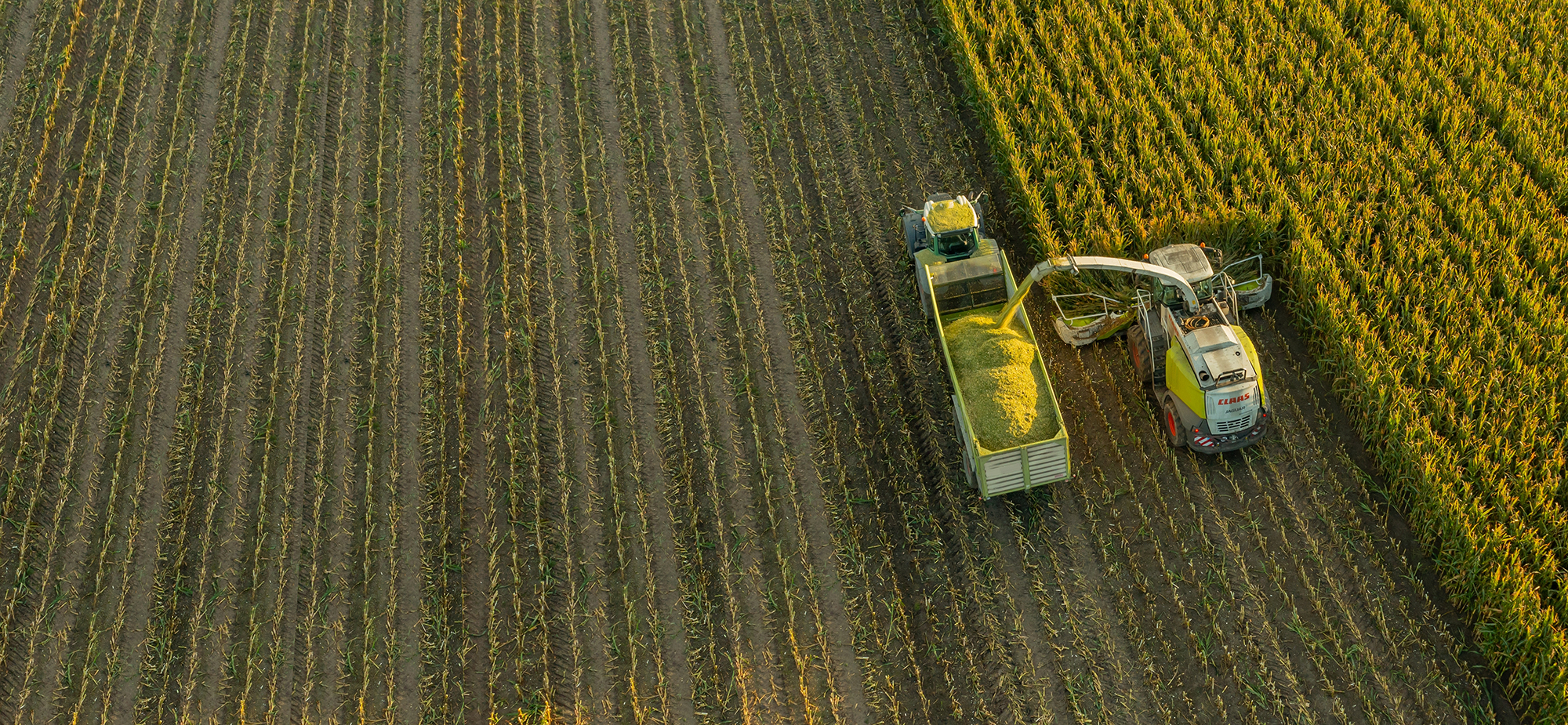
In this regard, we only use agricultural raw materials (slurry, manure and straw, mainly corn stover) from nearby farms, ensuring efficient waste management and minimizing the logistical footprint. This approach allows us to improve traceability and always generate a positive impact on local communities.

The organic fertilizer we produce from digestate is solid, odorless and approved through EU Regulation 2019/1009. Its application in agriculture not only avoids the use of chemicals, but also improves soil structure and maintains its fertility for a longer period of time.

In addition, the use of advanced technologies and compliance with strict environmental regulations ensure that our plants do not emit odors, consume water or generate waste.

A strategic opportunity for Spain

Biomethane is not only a solution to the climate crisis, but also an opportunity for economic and social development. To take advantage of it, it is essential to establish incentives that favor demand, guaranteeing competitive prices compared to fossil gas. It also requires a robust regulatory framework, clear roadmaps to streamline procedures and permits, and to help boost investment in new infrastructure.

Without these measures, we run the risk of biomethane investments migrating to other countries, losing a key tool for our energy transition. The development of renewable electricity in Spain is a success story, and now it is time to repeat the milestone with renewable gases. We have the resources and the know-how to lead this sector; now is the time to take the plunge and turn the opportunity into a reality.