Biorig visits biomethane plants in Germany with residents from Zamora and Navarra located just 100 metres from homes

First-hand insight into the Güstrow and Friedland facilities in northeastern Germany

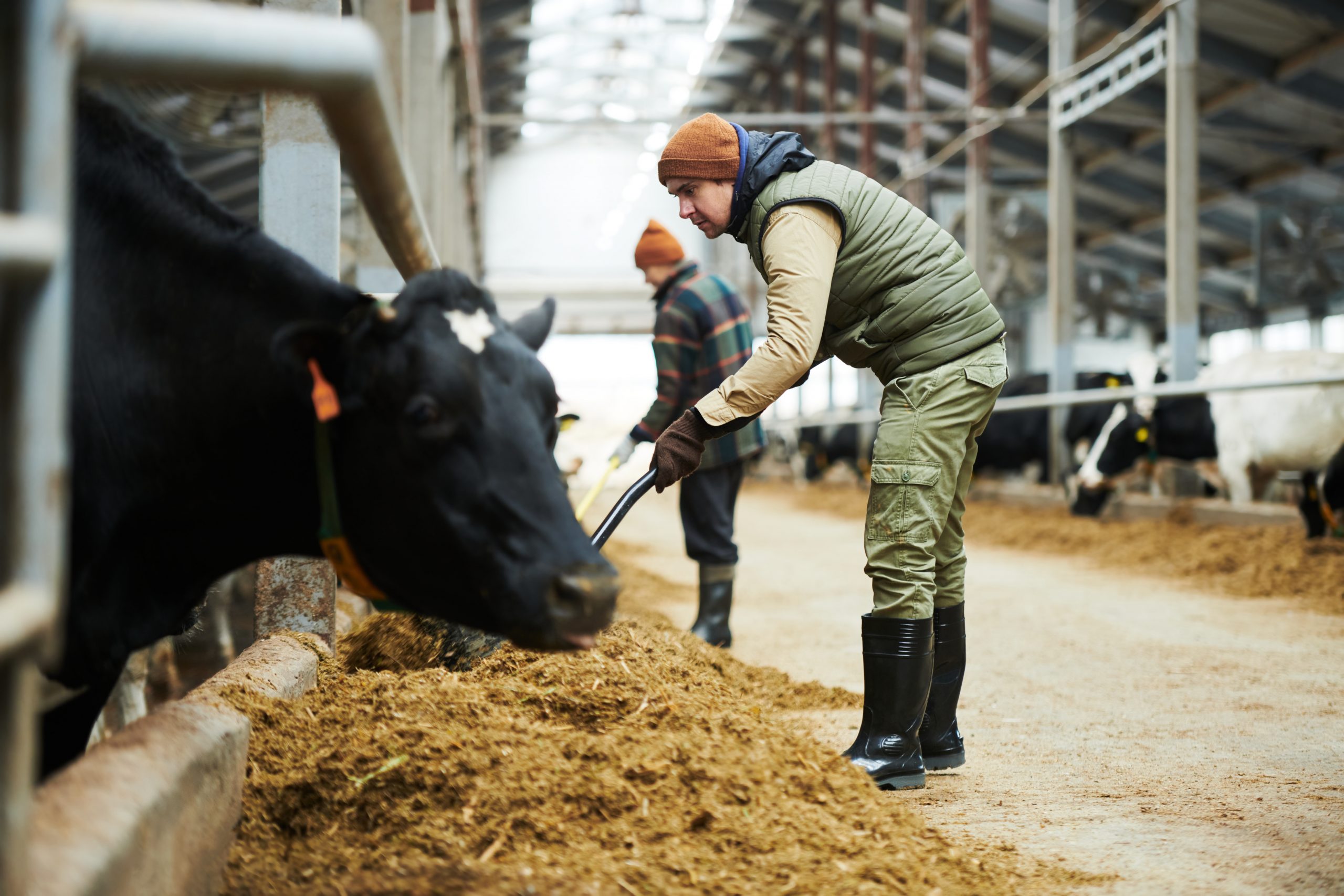
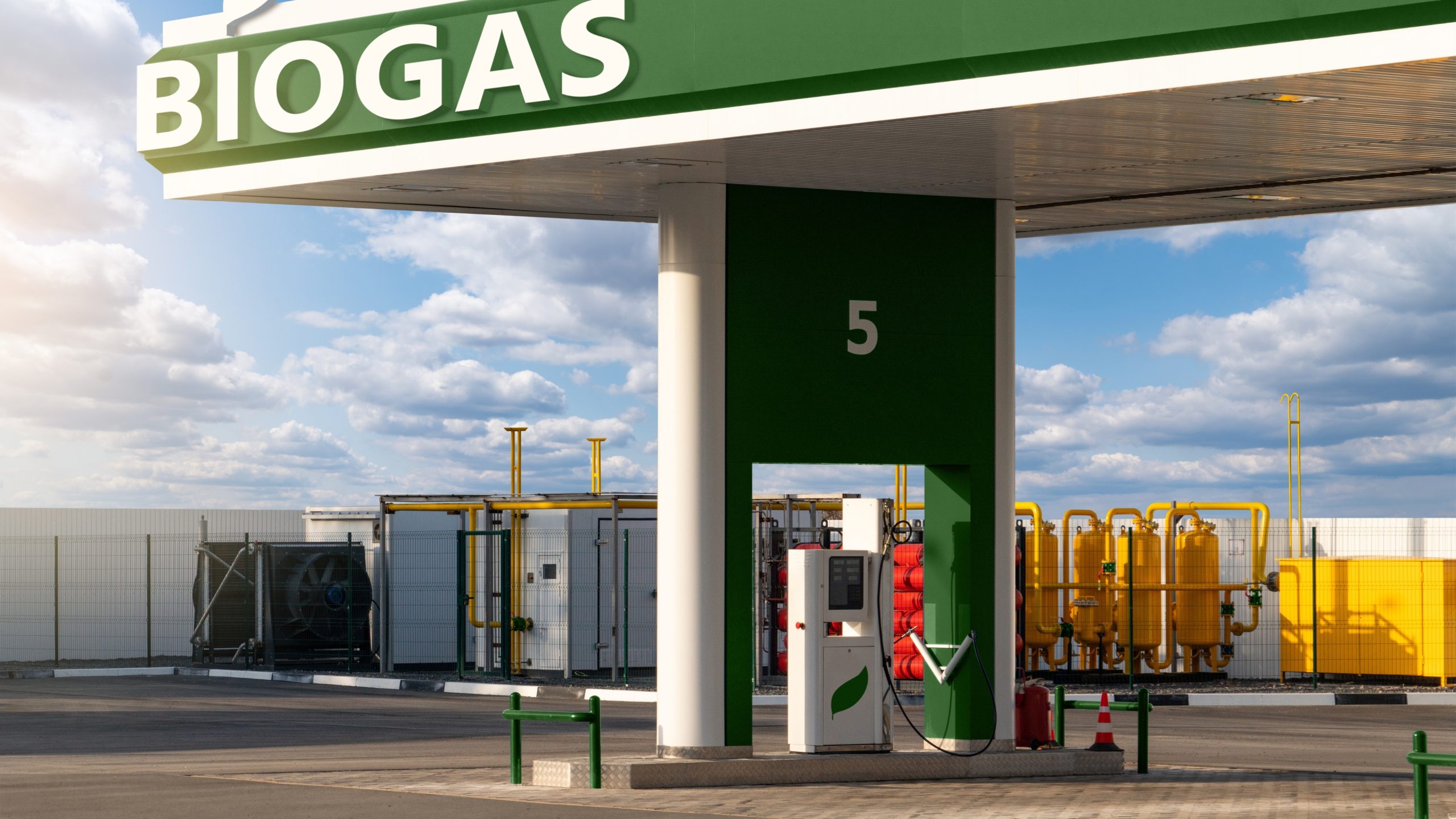
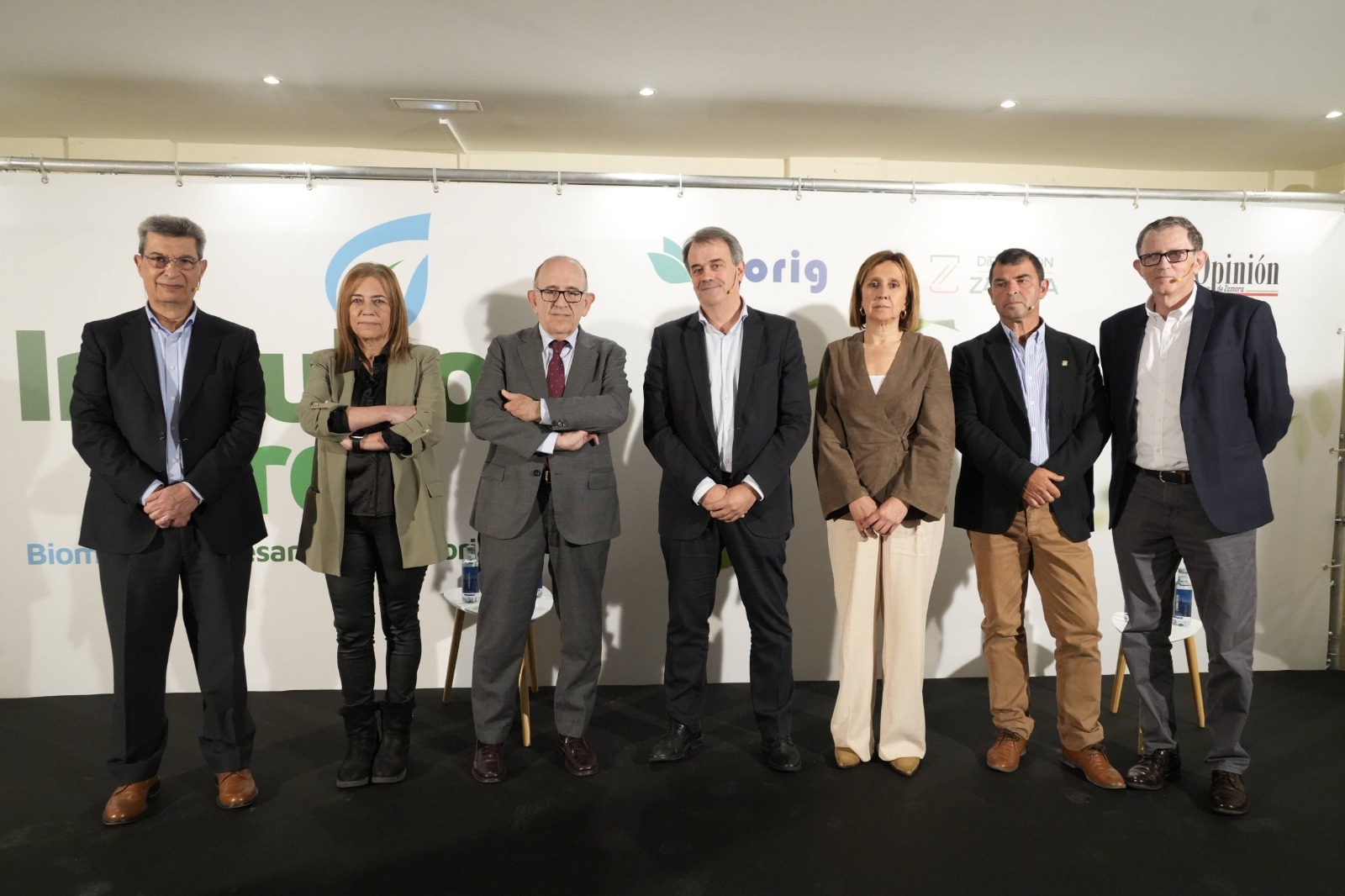
Madrid, 21-01-26. Understanding a technology on paper can never replace seeing it in operation. With this premise in mind, Biorig organised a visit to Germany together with residents and municipal representatives from Zamora and Navarra, with the aim of showing on the ground how some of the most advanced biogas and biomethane plants in Europe operate, how they are integrated into their surroundings and what real impact they have on rural development. The trip made it possible to verify first-hand that these facilities not only coexist with local populations, but also form an active part of a fully consolidated circular economy model.

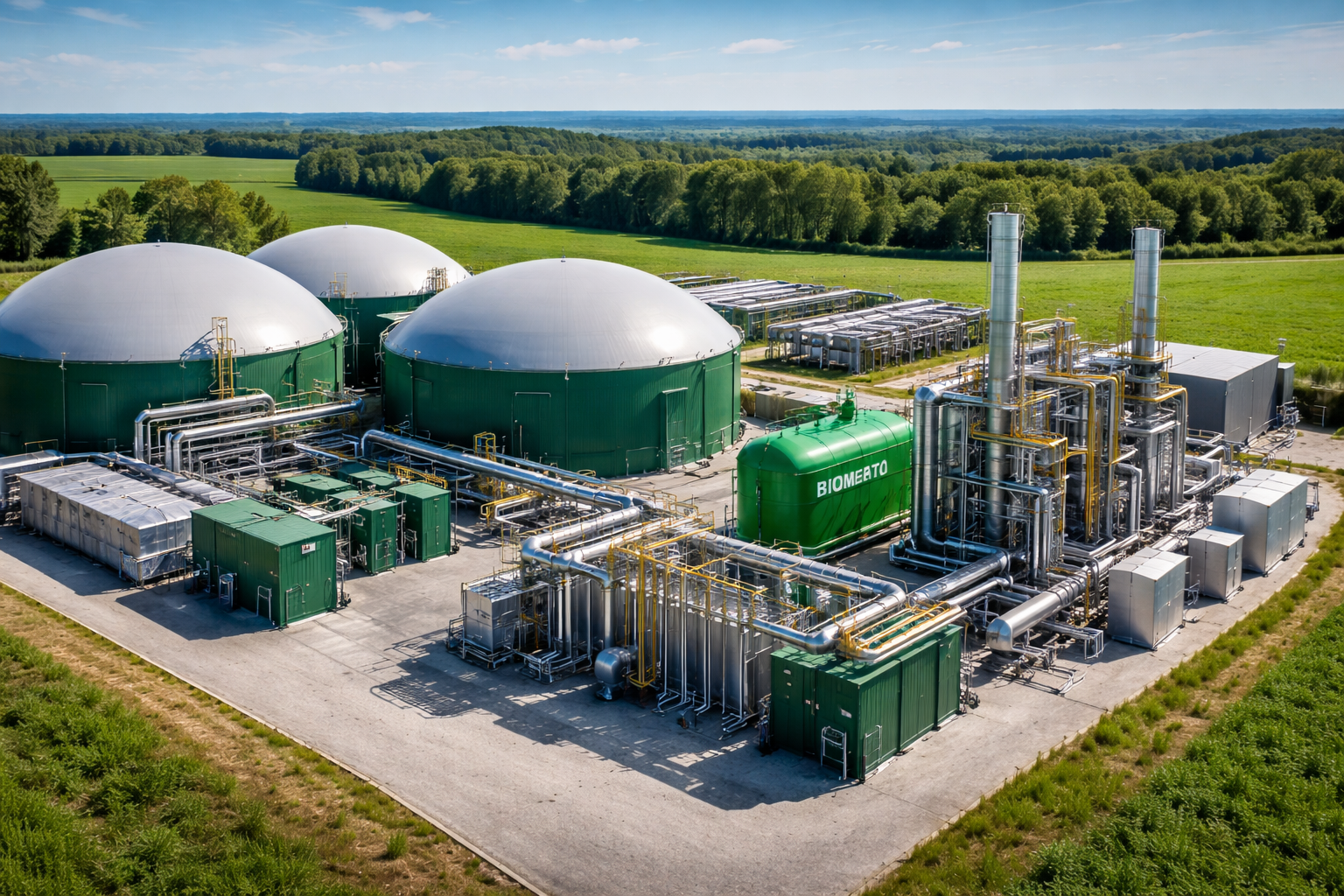
Germany is one of Europe’s leading countries in the deployment of biogas and biomethane, with more than 11,000 biogas plants in operation and over 260 biomethane production facilities. This journey began decades ago and has positioned these infrastructures today as key components of the energy, agricultural and territorial system. In this context, the Spanish delegation visited two emblematic facilities: Güstrow and Friedland, both owned by EnviTec Biogas, recognised for their scale, technology and social integration.

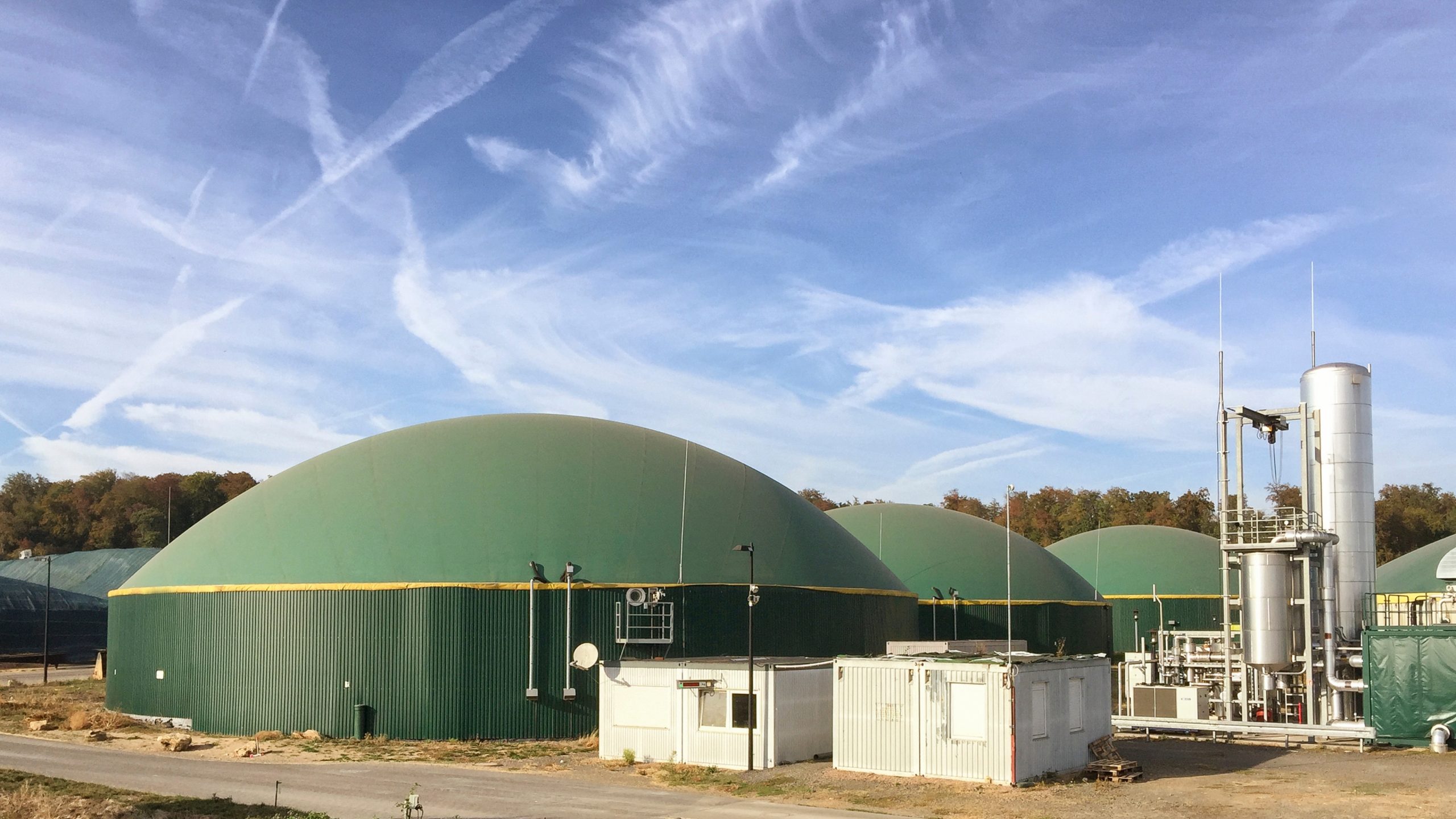
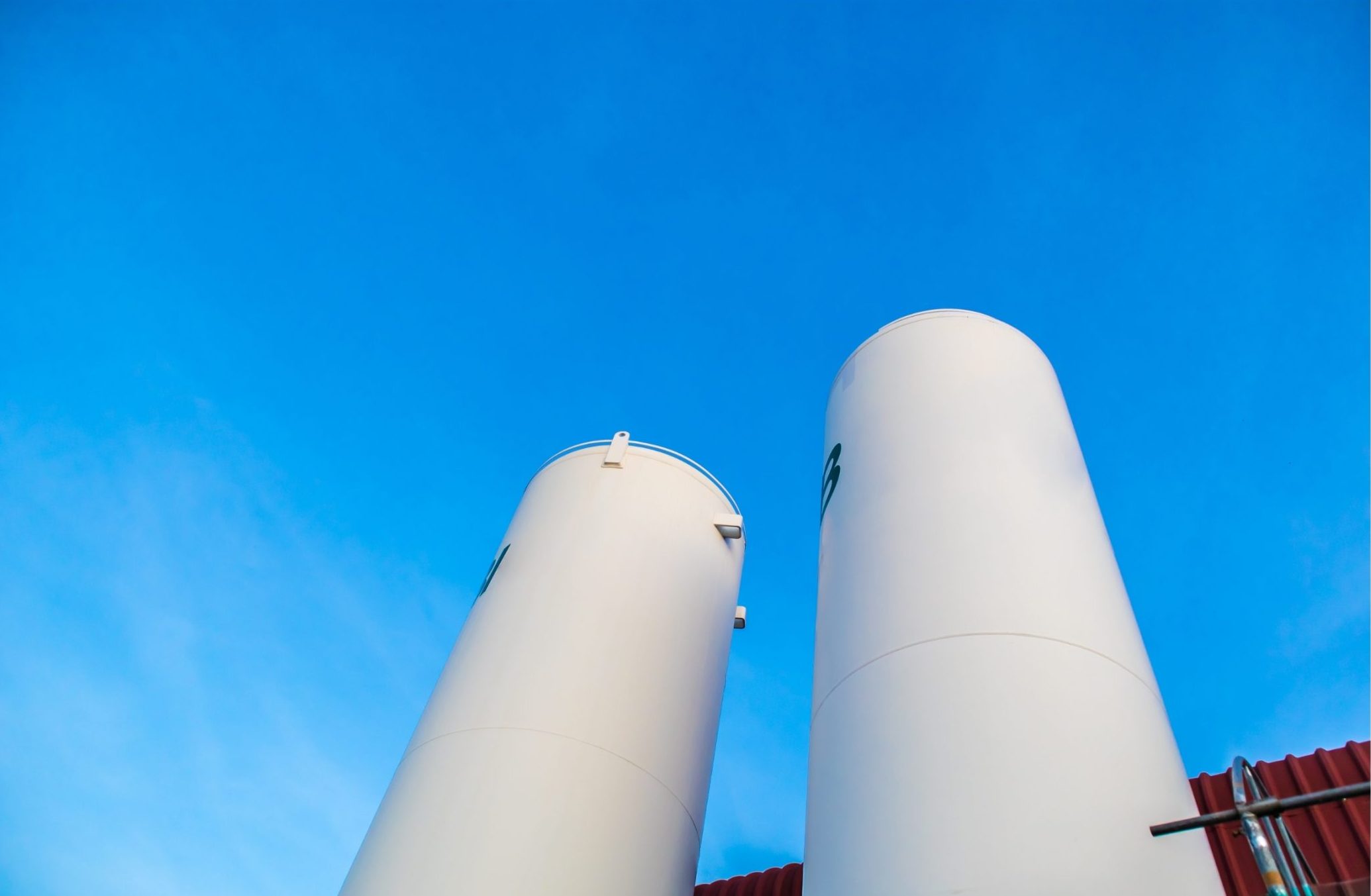
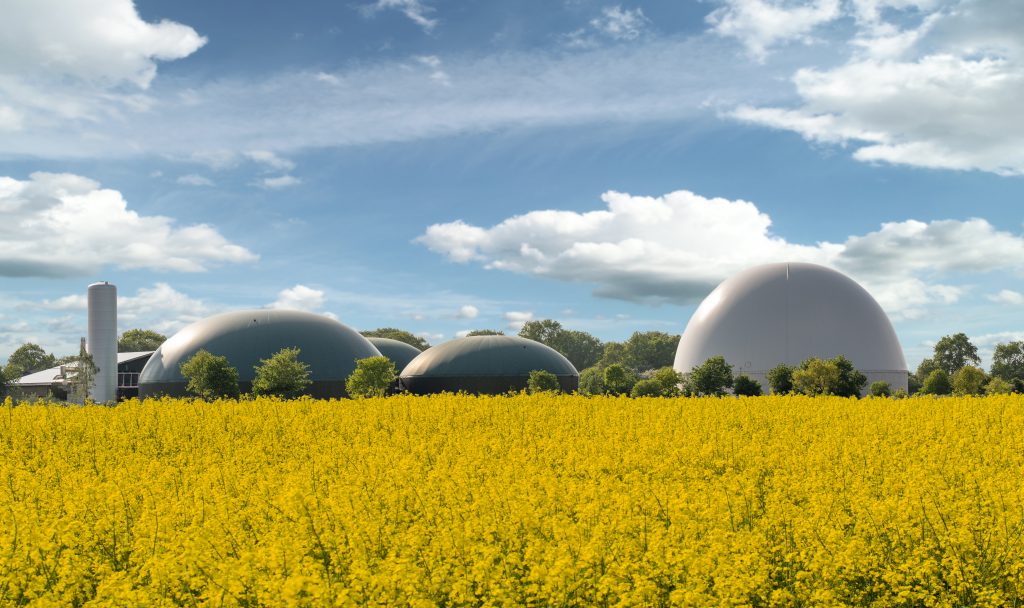
The first stop was Güstrow, in the northeast of the country, one of the largest biomethane plants in Europe. Located less than one kilometre from the urban centre, this facility processes around 290,000 tonnes per year of agricultural and livestock waste — exclusively manure, poultry litter and maize silage — and produces approximately 289 GWh of renewable energy annually. This amount would be sufficient to supply more than 100,000 households, three times the population of the municipality of Güstrow itself.

The plant stands out for its technological diversification. In addition to injecting biomethane into the gas grid, it produces bio-LNG for heavy transport, electricity and heat, as well as up to 18,000 tonnes per year of liquefied biogenic CO₂ of food-grade quality, destined for industrial sectors such as food and chemicals. All of this takes place within a perfectly organised complex, with differentiated circuits, environmental control and an operational design aimed at minimising any impact on the surrounding area.

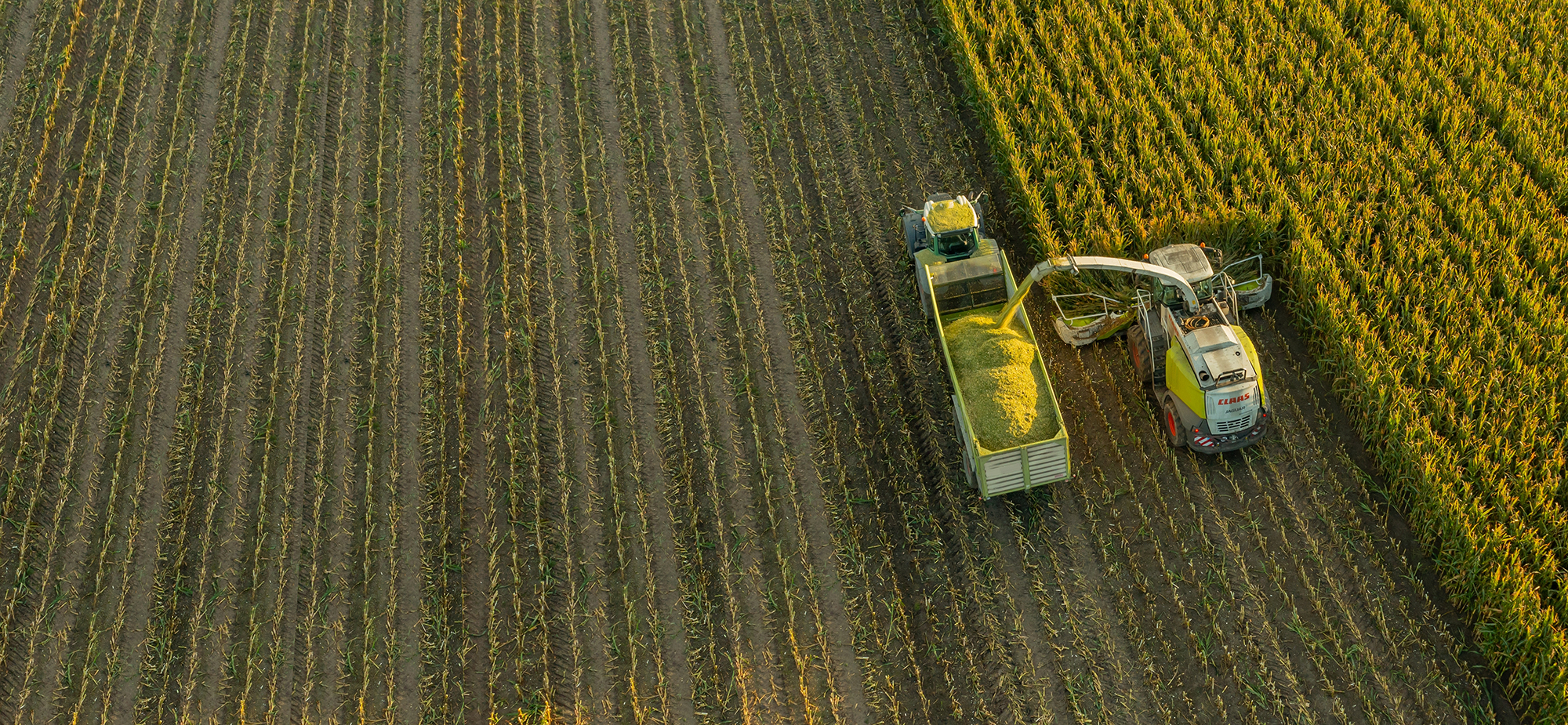
One of the aspects that attracted the most attention during the visit was the management of digestate, the organic fertiliser resulting from the process. This by-product, hygienised, stabilised and odourless, is stored outdoors without causing any nuisance and is subsequently spread over approximately 40,000 hectares of nearby farmland. More than 50 local farmers take part in this circular model, supplying manure and receiving in return a fertiliser with higher agronomic quality and easier assimilation by crops.
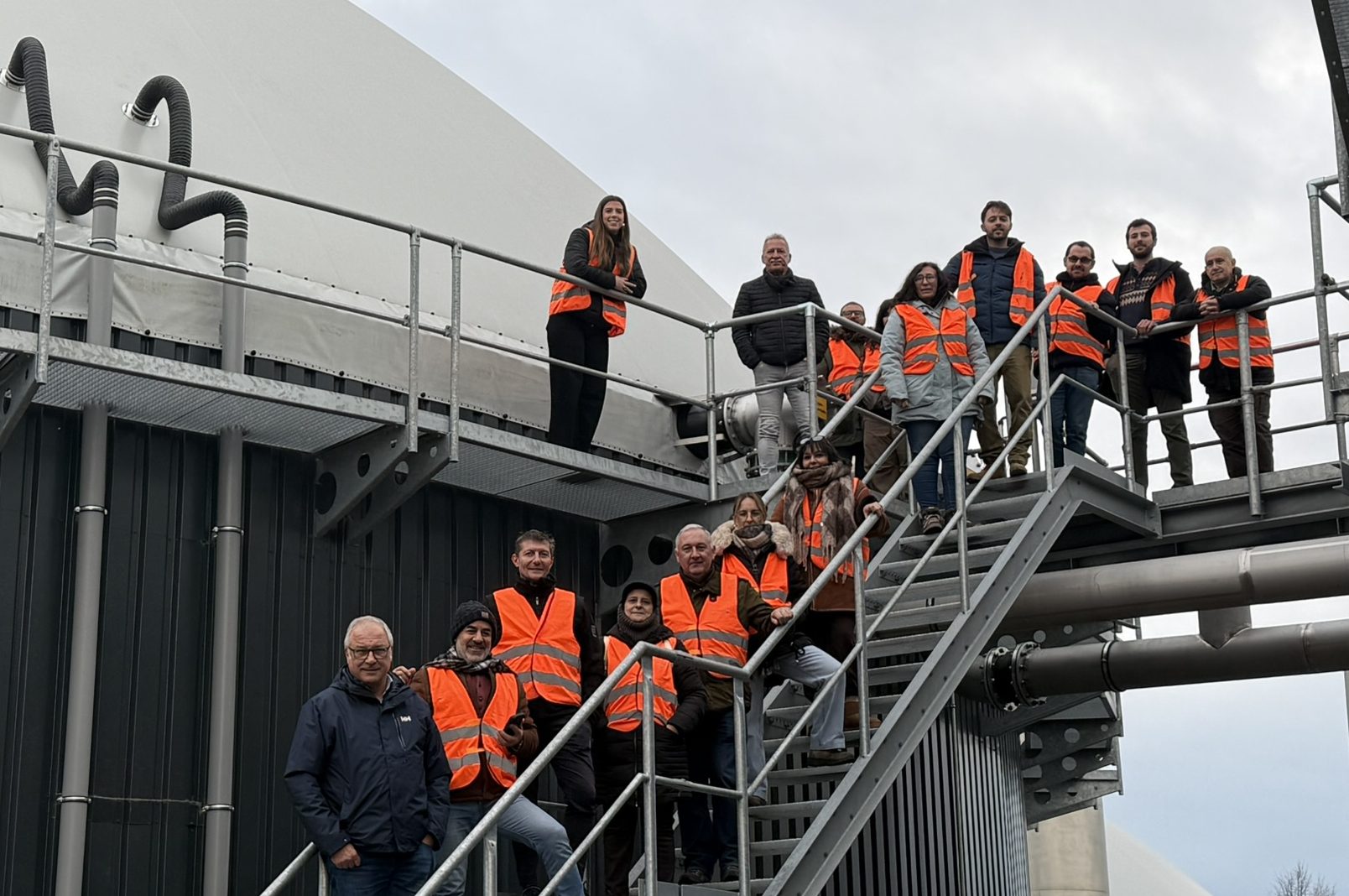
Travel to Germany with Envitec

Friedland: renewable energy just metres from homes
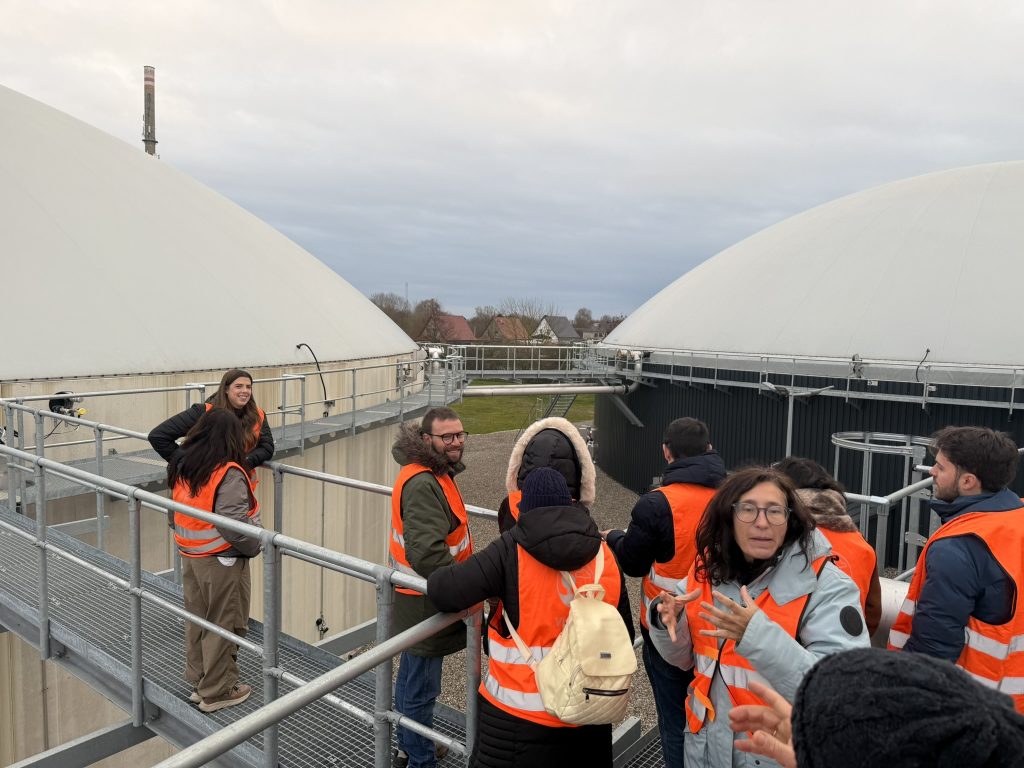
Biomethane housing Germany

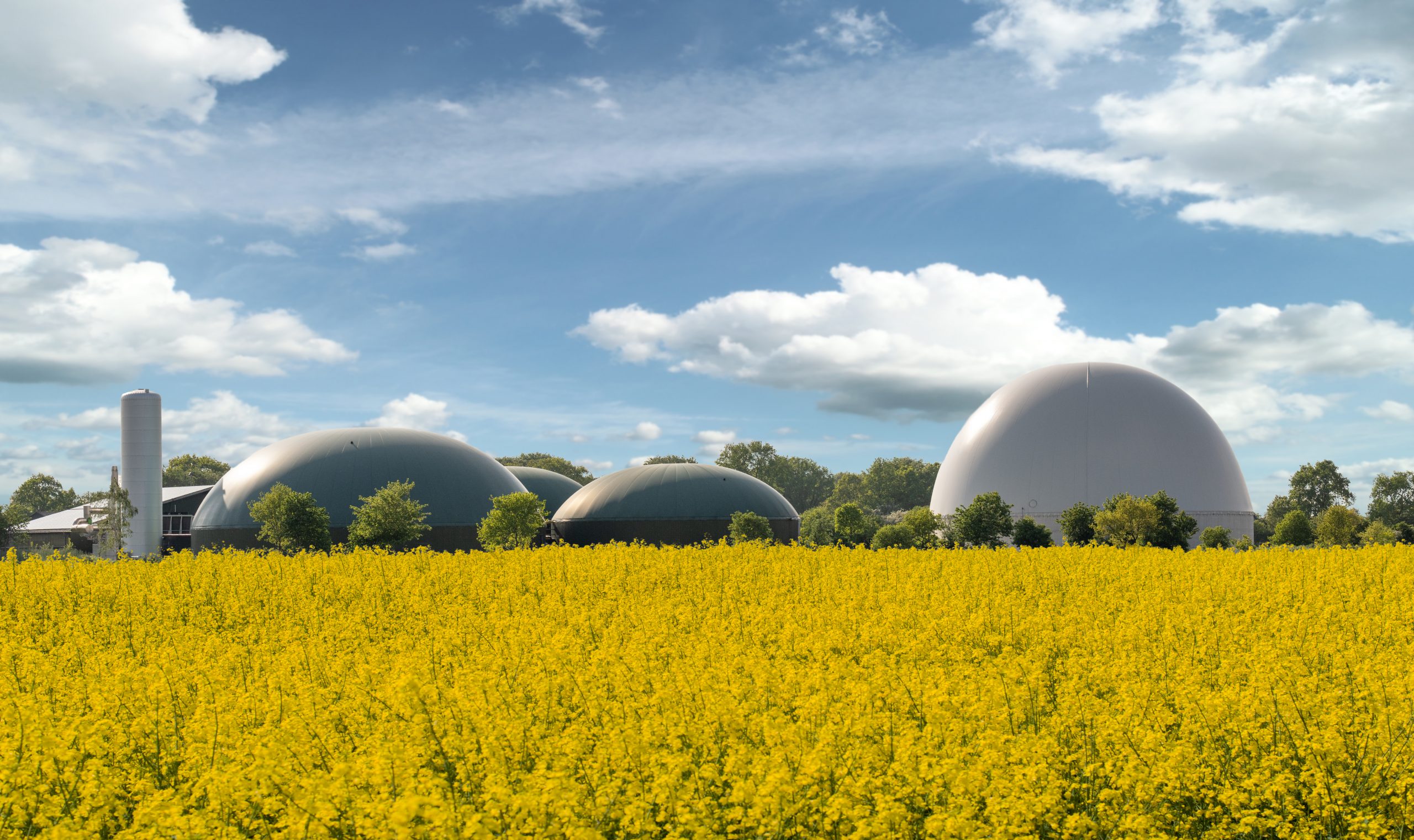
The visit continued in Friedland, a biogas plant that clearly illustrates the coexistence between this type of facility and the urban environment. In this case, the nearest homes are located just 100 metres from the plant. Far from generating opposition, the facility has been operating since 2007 without any significant incidents, supplying the town through a district heating network that uses renewable gas to provide heat directly to households.
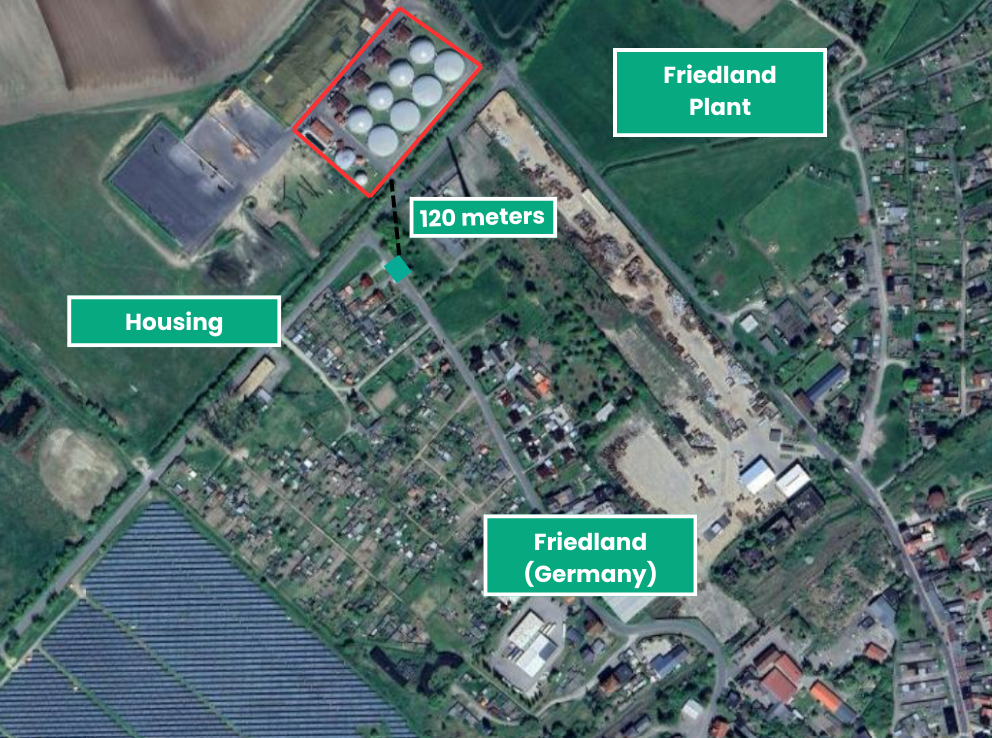
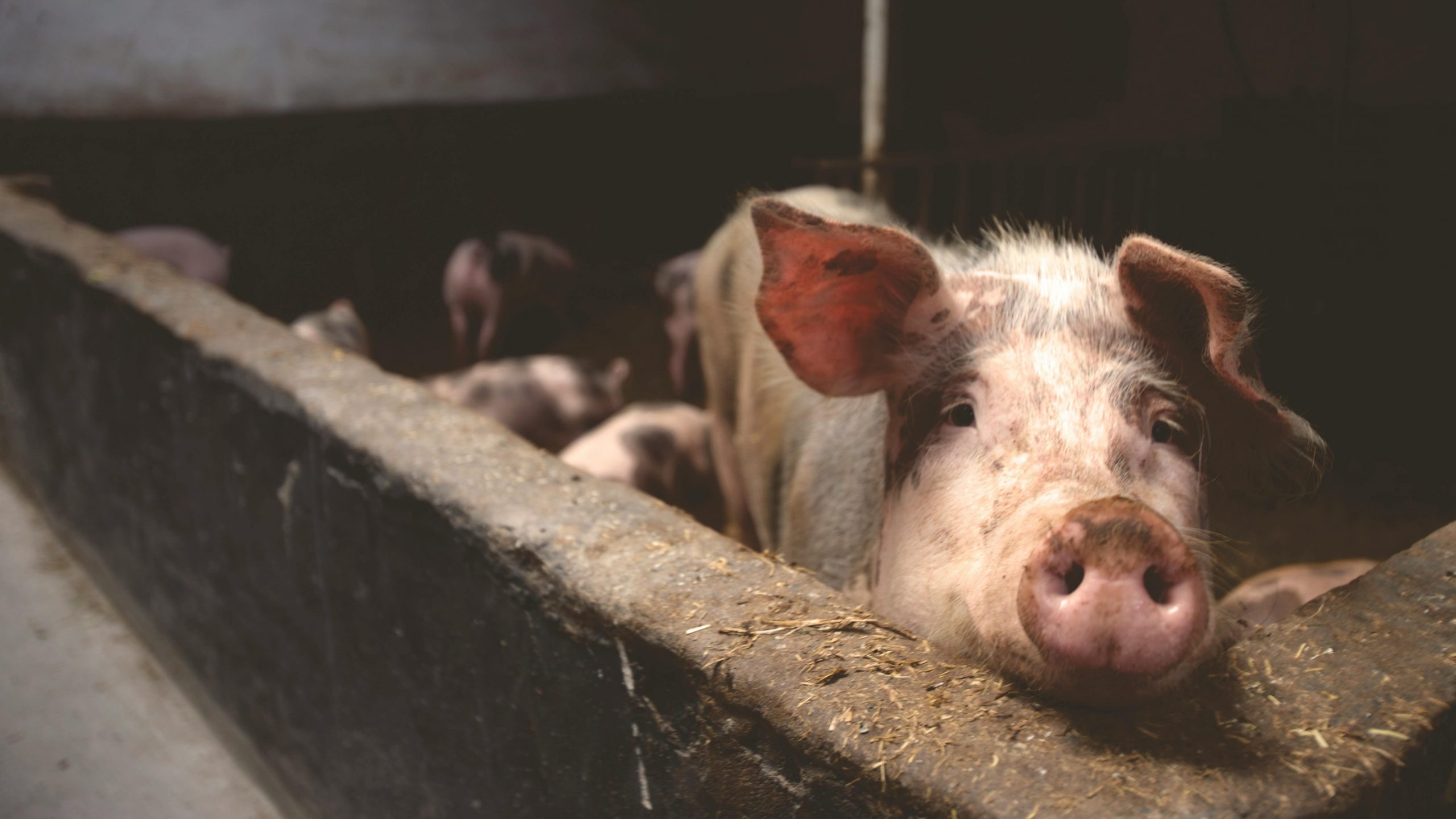
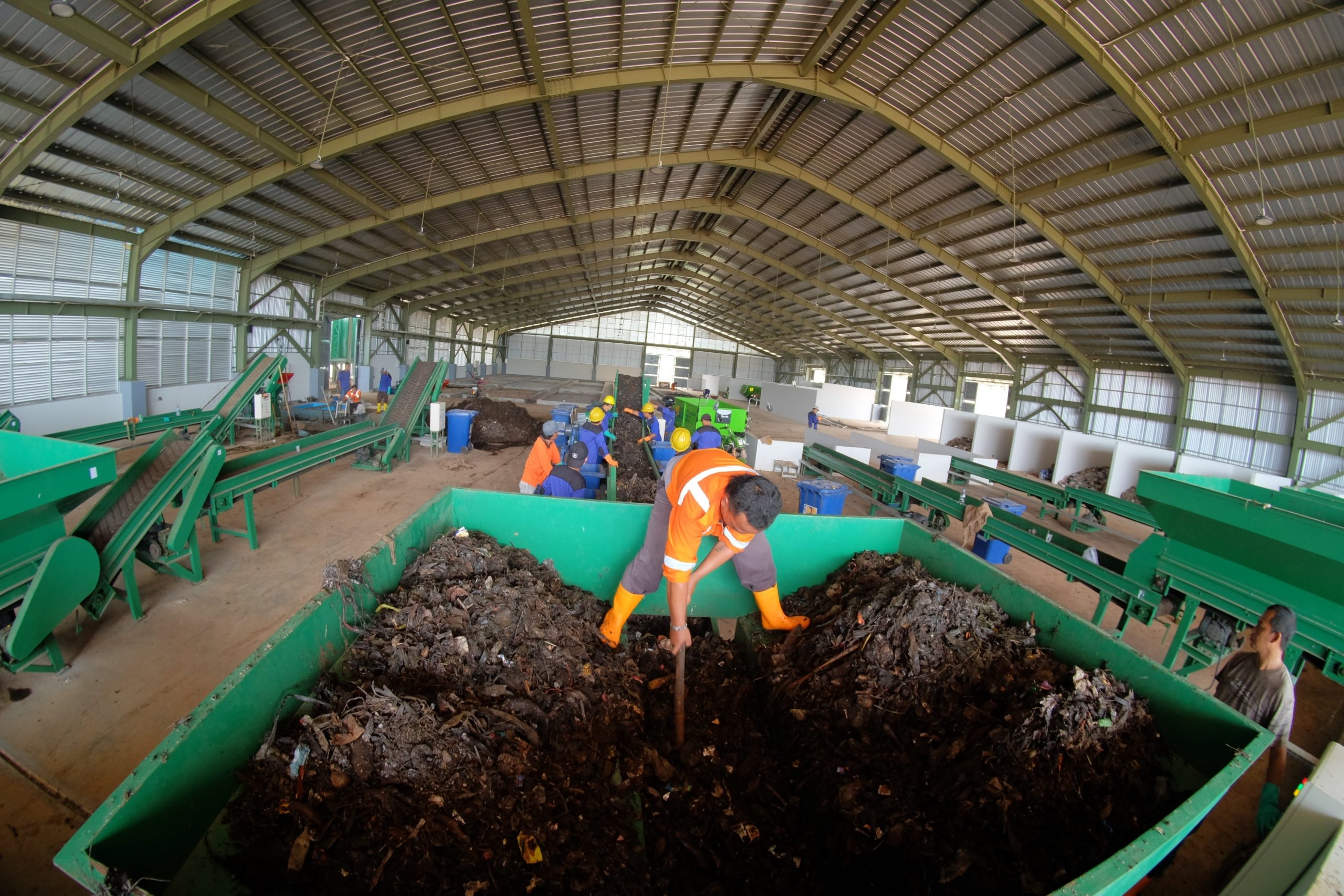
Friedland processes around 145,000 tonnes of manure and slurry annually, a particularly relevant feedstock in the Spanish context. The poultry litter storage building was one of the key points of the visit: fully enclosed and equipped with a powerful biofilter that renews the air every half hour, it allowed visitors to remain inside without perceiving any odour.

This experience was especially revealing for municipal representatives. Pedro González, Mayor of Vezdemarbán (Zamora), summed it up as follows: “I came without prejudice to see the plant, mainly to check what smells there were and what impact it might have. I was very surprised to see that houses are right next to the plant. We are inside the facility and there is absolutely no smell at all; we are just a few metres from the poultry litter storage and there is no odour — everything is properly prepared.”

Mature and standardised technology

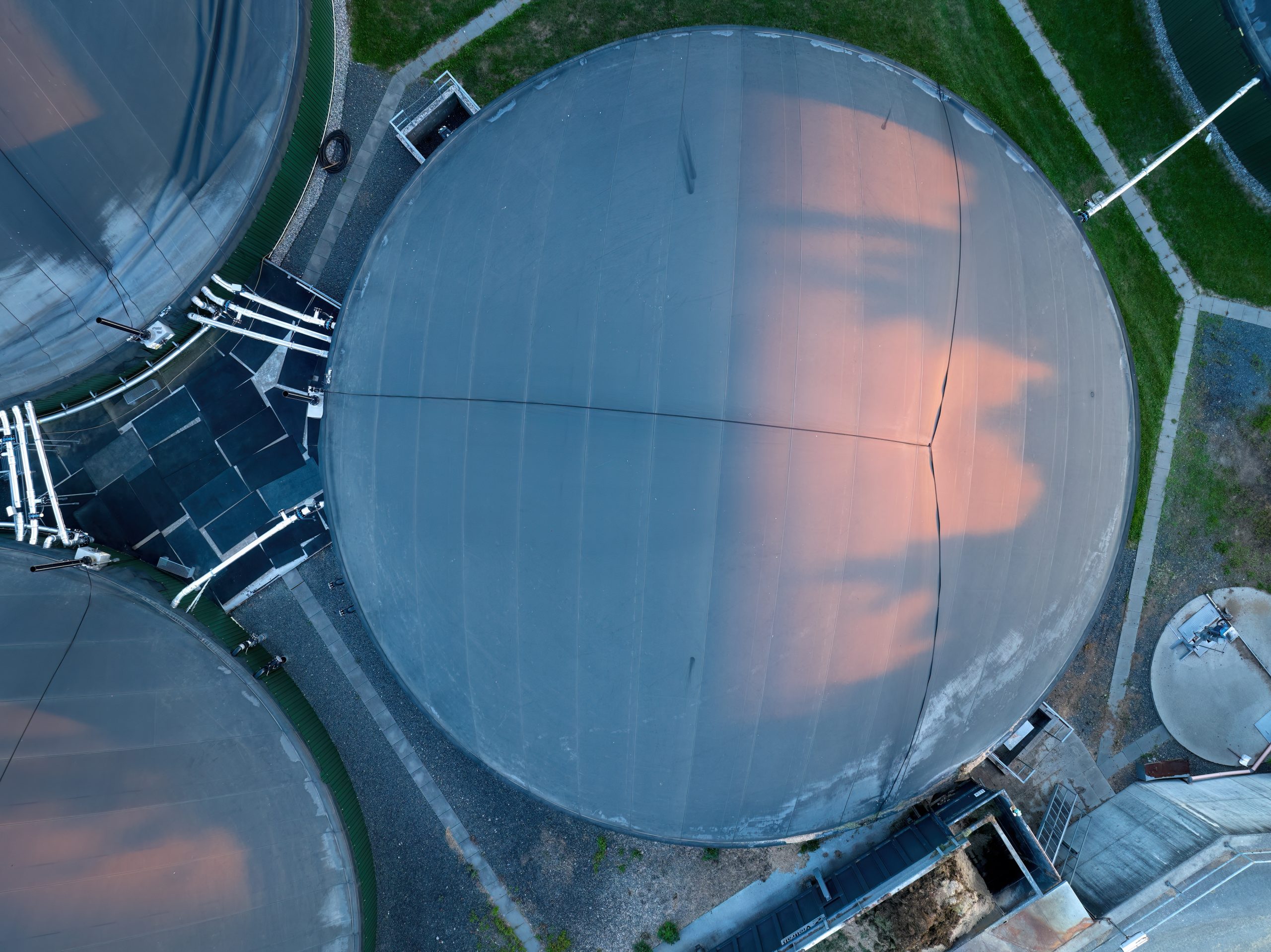
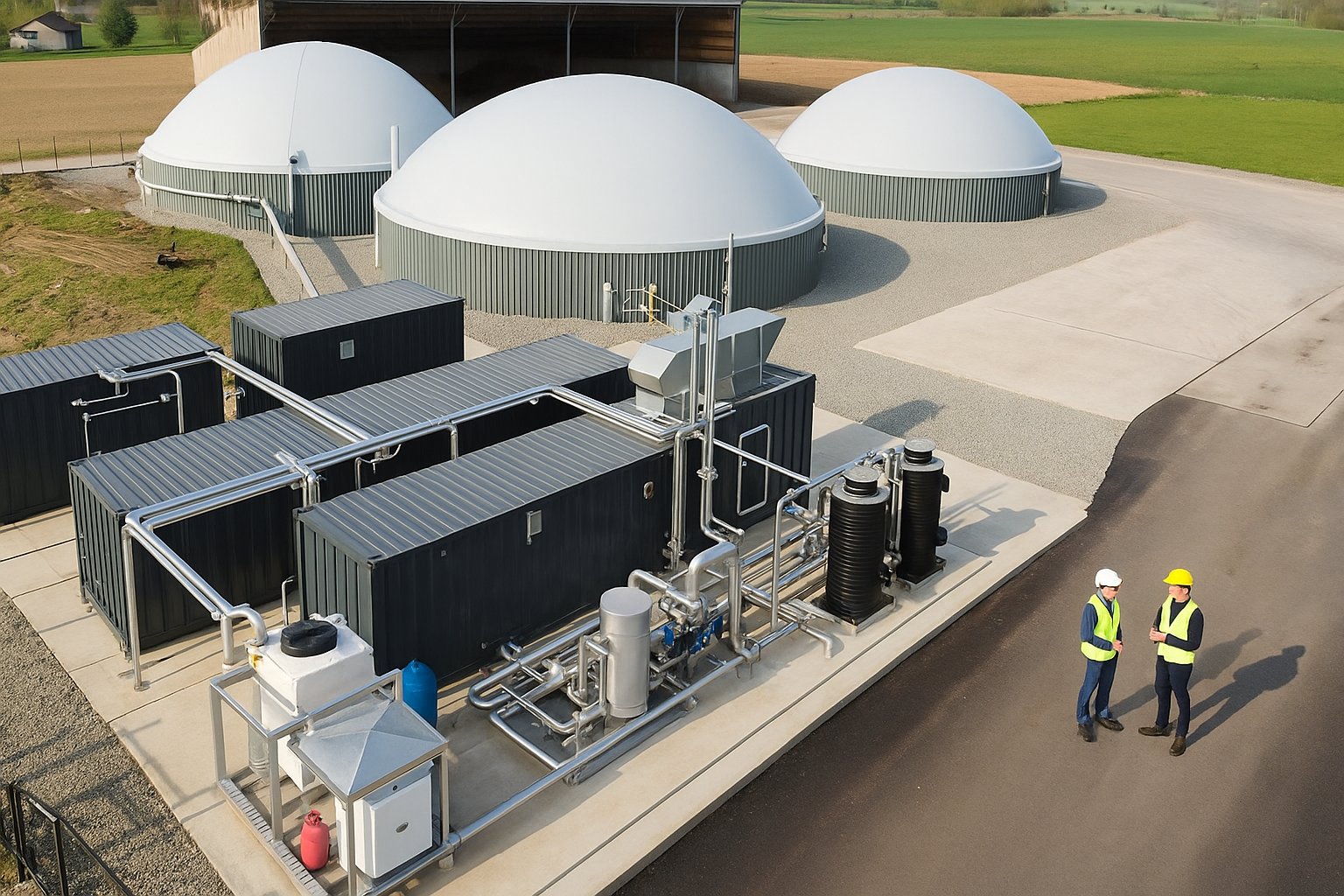
Both facilities provide a clear understanding of the biomethane production process. It begins with the collection of agricultural and livestock waste and its introduction into closed digesters, where anaerobic digestion takes place under controlled conditions, generally mesophilic, at around 40°C. This process, in addition to producing biogas, significantly reduces odour emissions thanks to the degradation of sulphur compounds.

“We are inside the plant and there is absolutely no smell at all.”

The resulting biogas then undergoes a purification or upgrading process, removing CO₂ and impurities to obtain biomethane with natural gas quality. In projects such as those developed by Biorig in Spain, this process is complemented by a thermal treatment of the feedstock, which guarantees full sanitisation of the materials and enables the valorisation of digestate as a fertiliser in accordance with European Regulation 2019/1009.

The feedstocks used in Güstrow and Friedland — manure, poultry litter, slurry and maize silage — are similar to those planned for Biorig’s projects in Spain. At no point are sewage sludge, municipal waste or oils used, further reinforcing the integration of these plants into the local agri-livestock ecosystem.

Perceptions change with experience
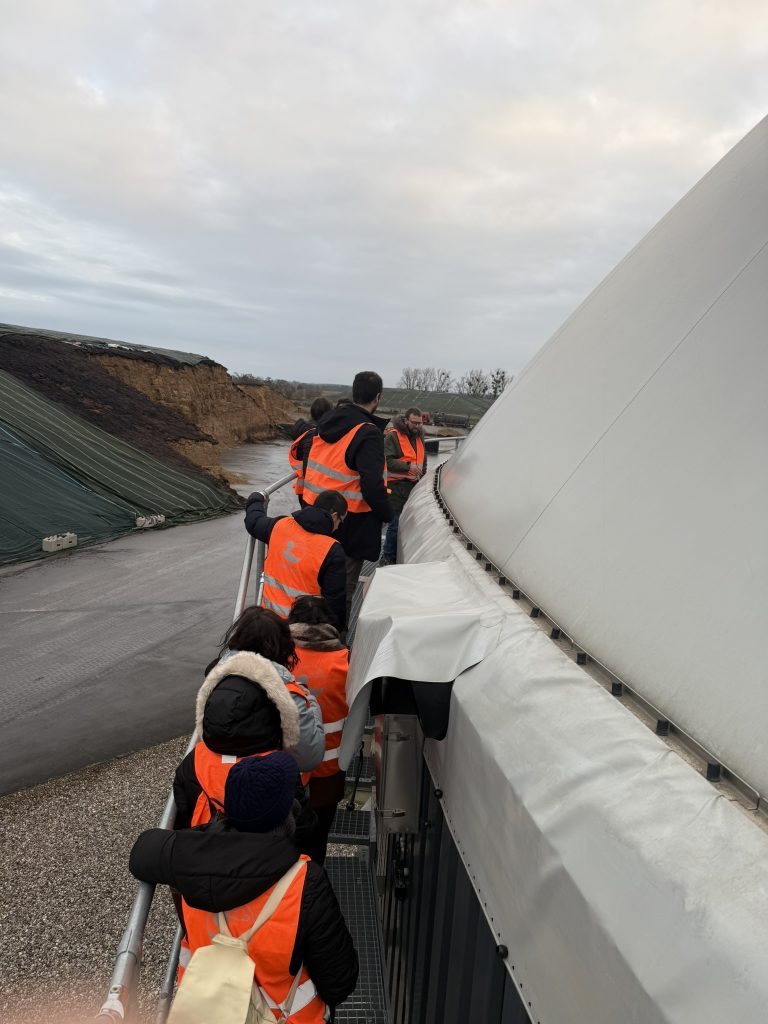
For Itziar Malón, Mayor of Rada (Navarra), the visit was conclusive: “These are very well organised plants, everything is very clean and orderly, each raw material has its own space. We came here to see what technology is used in Germany (…) the plant has been operating since 2007 with zero problems, so I feel reassured.”
Her testimony reflects how direct knowledge and transparency help to dismantle fears and misconceptions.

During the tour, participants were able to confirm that odours are restricted exclusively to very specific waste-handling areas and never extend outside the facilities. They also observed the landscape integration of the plants, their normalisation within the territory and their role as local industries generating skilled employment.

Knowledge and transparency as the basis for development

The visit to Germany forms part of Biorig’s strategy to promote knowledge and transparency among its different stakeholders. Showing real, consolidated and fully operational examples helps to contextualise the projects the company is developing in Spain and to explain, with data and proven experience, how these facilities work.

In regions such as Castilla y León, where Biorig is promoting a development plan for ten biomethane plants, these types of informative initiatives are key to explaining the role of this infrastructure in decarbonisation, the efficient management of agricultural and livestock waste and the strengthening of the primary sector. Germany demonstrates that biomethane is not a future promise, but an industrial reality compatible with everyday life, rural development and long-term sustainability.

Contact

We are close to you

Do you want to contact us, propose a project, learn about our services? You can reach us at any of our offices, by e-mail or telephone.
Anaerobic digestion of livestock waste: soil improvement and biomethane

Antonio Morán Palao, Professor of Chemical, Environmental and Bioprocess Engineering. I4 Institute. University of León

The process reduces organic matter content, odours, and pollution potential.

Experience shows that anaerobic digestion is safe, even in rural areas.

Madrid, 14 January 2026. Biomethane is one of the key energy vectors for achieving the full decarbonisation of the economy in the coming years, despite being a well-established technology with more than 40 years of development across Europe.

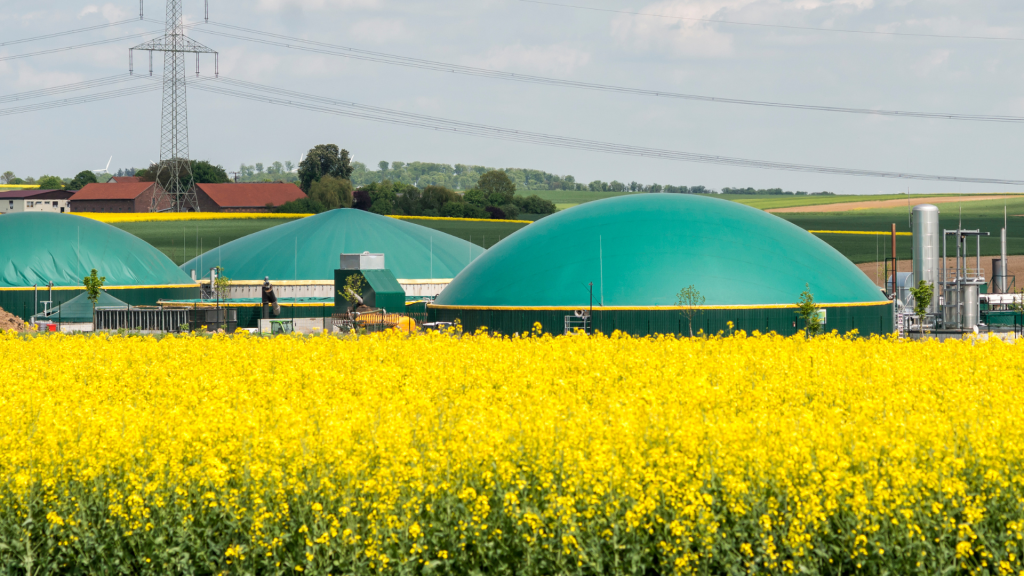
Anaerobic digestion (AD) is a biological process that takes place in the absence of oxygen, in which microbial communities break down organic matter and produce biogas (mainly CH₄ and CO₂) and digestate (solid and liquid fractions). The process is carried out in closed reactors (digesters), which are fed with previously homogenised waste and, where necessary, diluted. Under controlled operating conditions — such as temperature, mixing and other parameters — organic matter is progressively degraded through successive stages until the two final products (biogas and digestate) are generated.

A plant does not generate odours or significant nuisance when it is properly designed and operated.

In agri-livestock systems, and from a waste management perspective, the objective of the process is to reduce organic matter content, odours, pathogen loads and pollution potential, transforming raw waste into a more stable and manageable by-product. In addition, it provides further benefits, such as reducing fugitive methane emissions associated with storage, and enabling the production of biogas that can be used to generate heat, electricity and fuels [1]. Digestate is managed as a valorisable material, typically through agricultural application or subsequent composting, depending on its quality and compliance with applicable waste and fertiliser regulations.

Fundamentals and synergies of co-digestion

Co-digestion, which consists of mixing manure/slurry with agri-food waste (plant residues, dairy by-products, fats, etc.), improves the C/N balance and process stability and increases the amount of methane obtained compared to mono-digestion with manure [2]. Many studies confirm the potential of co-digestion of livestock waste with other agricultural or food industry waste, showing significant increases in biogas production yield under controlled proportions [2], [3].

At the microbiological level, optimising operating parameters (such as temperature, organic loading rate, hydraulic retention time, etc.) helps maintain robust methanogenic communities and mitigates potential inhibitions (for example, ammonia inhibition) [4].

Safe treatment with no local impact. Digestate: organic fertiliser for soil improvement.

One of the most relevant aspects is that anaerobic digestion (AD) plants do not generate odours or significant nuisance when they are properly designed and operated. This is achieved through closed systems for waste reception and digestion, preventing the release of gases; in some cases, air treatment in loading areas can be implemented using biofilters; and through controlled management of the digestate, which is discharged in a stabilised state and without active fermentation. These measures allow the facility to coexist with agricultural activities and nearby populations without health risks or negative impacts. Experience across Europe (including Spain) demonstrates that anaerobic digestion is a well-established and safe practice, even in densely populated rural areas.

There are measures that allow facilities to coexist with agricultural activities and nearby populations without health risks or negative impacts.

The product of anaerobic digestion (digestate) is a nutrient-rich material (N, P, K) containing stabilised organic matter that improves soil structure, water retention and biological activity. Its application helps reduce the use of mineral fertilisers and close nutrient cycles. The European regulatory framework (the Nitrates Directive and the Fertilising Products Regulation – FPR) sets quality requirements, contaminant limits and application practices, enabling the harmonised marketing of digestates as CE-marked products when the relevant conditions are met [5], [6].

From biogas to biomethane: upgrading technologies

Raw biogas contains CO₂, water vapour, and in some cases small amounts of H₂S, as well as trace compounds that limit its direct use; upgrading removes these components to achieve biomethane qualities comparable to natural gas. Commercial technologies include water scrubbing, chemical scrubbing with amines, pressure swing adsorption (PSA) and membrane systems, as well as cryogenic options and biological pathways (hydrogen-based methanation) [10].

For grid injection or use in transport, Europe applies EN 16723-1, which defines quality specifications (for example, limits for CO₂, H₂S, siloxanes and oxygen) and testing methods at the gas network entry point. These standards—also adopted in Spain as UNE-EN 16723-1:2017—ensure safety and compatibility with existing infrastructure [11].

Strategic role of biomethane in the future

Biomethane can play a strategic role in the energy transition as a complement to electrification, particularly in decarbonising uses that are difficult to electrify (medium- and high-temperature industrial heat, certain district heating networks and part of the transport sector). As it is interchangeable with natural gas, it enables the use of existing infrastructure: it can be injected into gas networks and used in boilers, industry and cogeneration with limited modifications.

In addition, biomethane supports the circular economy, transforming manure/slurry, sewage sludge, the organic fraction of waste and agri-industrial by-products into energy, while reducing emissions associated with their management—provided that leakages and the supply chain are properly controlled. It also strengthens energy security, as it is a local and storable resource, particularly relevant in the current context of fully imported natural gas. At EU level, the target is 35 bcm per year by 2030 [12], with 1,678 plants operating by mid-2025, while in Spain the objective is to increase production from ≥10 TWh to 20 TWh by 2030.

Antonio Morán Palao is a Professor of Chemical, Environmental and Bioprocess Engineering at the University of León.

References:

  1. U.S. Environmental Protection Agency (EPA). How Does Anaerobic Digestion Work? (AgSTAR) [Internet]. Last updated: 15 Dec 2025 [cited 22 Dec 2025]. Available from: https://www.epa.gov/agstar/how-does-anaerobic-digestion-work
  2. Frankowski J, Czekała W. Agricultural Plant Residues as Potential Co-Substrates for Biogas Production. Energies. 2023;16(11):4396. doi:10.3390/en16114396. Available from: https://www.mdpi.com/1996-1073/16/11/4396
  3. Sharmin S, Meeroff DE, Ferdinand L, Bloetscher F, Lashaki MJ. Assessing the Effects of Anaerobic Co-Digestion with FOG and Food Waste Residuals on Biogas Production. Journal of Environmental Protection. 2025;16:148–179. doi:10.4236/jep.2025.162008. Available from: https://doi.org/10.4236/jep.2025.162008
  4. Ahlberg-Eliasson K, Westerholm M, Isaksson S, Schnürer A. Anaerobic Digestion of Animal Manure and Influence of Organic Loading Rate and Temperature on Process Performance, Microbiology, and Methane Emission From Digestates. Frontiers in Energy Research. 2021;9:740314. doi:10.3389/fenrg.2021.740314. Available from: https://www.frontiersin.org/journals/energy-research/articles/10.3389/fenrg.2021.740314/full
  5. European Union. Council Directive 91/676/EEC of 12 December 1991 concerning the protection of waters against pollution caused by nitrates from agricultural sources (Nitrates Directive) [Internet]. Available from: https://eur-lex.europa.eu/eli/dir/1991/676/oj/eng
  6. European Compost Network (ECN). Fertilising Products Regulation [Internet]. [cited 22 Dec 2025]. Available from: https://www.compostnetwork.info/policy/from-waste/fertilising-products-regulation/
  7. Decorte M, Papa G, Pasteris M, Sever L, Gaffuri C, Cancian G, et al. Exploring digestate’s contribution to healthy soils. Brussels: European Biogas Association; 2024. Available from: https://www.europeanbiogas.eu/wp-content/uploads/2024/03/Exploring-digestate-contribution-to-health…
  8. Francisco López AF, Lago Rodríguez T, Faraji Abdolmaleki S, Galera Martínez M, Bello Bugallo PM. From Biogas to Biomethane: An In-Depth Review of Upgrading Technologies That Enhance Sustainability and Reduce Greenhouse Gas Emissions. Applied Sciences. 2024;14(6):2342. doi:10.3390/app14062342. Available from: https://www.mdpi.com/2076-3417/14/6/2342
  9. Pesta G, Hansemann E, Bochmann G, Drosg B, Gabauer W. Implementation of anaerobic digestion facilities in the food and beverage industry. IEA Bioenergy Task 37; 2025. Available from: https://www.ieabioenergy.com/wp-content/uploads/2025/03/IEA-Bioenergy-Task-37-Food-and-Beverage_202…
  10. Swinbourn A, et al. Advanced biomethane production: A techno-economic and life-cycle assessment. ChemSusChem. 2024;17:e202400779. doi:10.1002/cssc.202400779. Available from: https://doi.org/10.1002/cssc.202400779
  11. Asociación Española de Normalización (UNE). UNE-EN 16723-1:2017. Gas natural y biometano… Parte 1: Especificaciones para la inyección de biometano en la red de gas natural. Available from: https://www.une.org/encuentra-tu-norma/busca-tu-norma/norma?c=N0058455
  12. European Commission. (2022, May 18). Key documents: REPowerEU. European Commission. Available from: https://commission.europa.eu/publications/key-documents-repowereu_en
Contact

We are close to you

Do you want to contact us, propose a project, learn about our services? You can reach us at any of our offices, by e-mail or telephone.
Biomethane in Europe: a successful industry from Denmark to Italy

An energy vector with more than 40 years of development on the continent

Madrid, 07-21-25. Biomethane is one of the key energy carriers for the complete decarbonization of the economy in the coming years, despite the fact that it is already an established technology with more than 40 years of development throughout Europe.

By the end of 2024, the continent had 1,678 facilities with the capacity to inject this renewable molecule into the gas grid, with countries such as France and Germany reaching 760 and 260, respectively. Despite this development, which, according to estimates by the European Biogas Association (EBA), will continue to maintain a significant momentum in the coming years, its development has been asymmetrical. Some countries, such as Spain, have lagged behind in the deployment of biomethane and only had 15 operational facilities at the end of last year, while others, such as Italy, have made great strides in the development of facilities and have added more than 120 installations in less than 7 years.

European countries are increasingly expanding their efforts to extend the share of biomethane in the energy mix. The European Commission has set a target of producing 35 billion cubic meters (bcm) of biomethane by 2030, the equivalent of 350 TWh; in other words, almost the equivalent of France’s annual natural gas consumption will have to be decarbonized in the EU over the next 5 years to meet the targets set.

Biomethane development success stories

Anaerobic digestion, the process of degrading organic matter in the absence of oxygen to obtain gases, has been well known for millennia. However, it is only relatively recently that it has begun to be used on a commercial scale.

Germany and France

France and GermanyFrance and Germany are the countries with the most biomethane facilities in Europe, with 760 and 260 operating plants, respectively.

  • France

France clearly leads the development of biomethane in Europe in terms of the number of plants: it has more than 760 operational installations in 2025, compared with 675 in 2024 and 477 in 2022, reflecting a 59% growth in three years. This places it at the forefront of the continent in terms of infrastructure, although its average plant size and installed capacity (approximately 16.7 TWh/year or 1.67 bcm/year in 2025) are moderate compared to other countries. The maturity of the sector and the high number of plants show a very advanced development compared to the rest of Europe.


  • Germany

Germany ranks second in Europe by number of plants, with some 260 installations in 2025, a figure that has remained stable since 2022. Its installed capacity is remarkable, around 13.8 TWh/year or 1.38 bcm/year, with plants generally larger than the French and a well-connected grid. Germany developed this sector more than 40 years ago, which gives it a solid technical and regulatory base, although it is currently growing more slowly than emerging markets such as Italy or Spain. Its sector is one of the most robust in terms of total production, but less dynamic in terms of new installations, pending clarity on incentives.

Denmark

Denmark

Denmark stands out for a highly efficient and ambitious model: it already produces nearly 50% of its national gas consumption from biomethane and its commitment to biomethane is remarkable with planned investments of more than 3.14 billion euros and an estimated additional capacity of 10.3 TWh/year by the end of 2030, according to the EBA. Denmark combines relatively large – with an average production of 136 GWh/year or 1,468 Nm³/hour – and modern plants with high integration into the gas grid. This example shows how a small but well-organized country can achieve levels of fossil gas substitution well above the European average.

Poland and Eastern Europe

Silhouettes Eastern Europe

In Poland and Eastern Europe, the biomethane sector is still in its early stages, with a few dozen plants and a reduced production compared to the potential. In Poland, investments of more than €1.09 billion are planned, with an expected capacity growth of 3.1 TWh/year, according to the EBA. This region shows enormous potential due to its abundant biomass and its current dependence on fossil sources such as coal, which makes biomethane a strategic option yet to be exploited.

Italy

Silueta de Italia

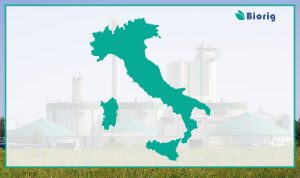
Italy is one of the most dynamic and fastest growing markets in Europe. It has grown from less than 10 plants in 2018 to more than 137 in 2025, with a 315% growth in three years. Its current production is around 9.25 TWh per year, with a clear roadmap to reach 55 TWh by 2030. Italy has strong incentive mechanisms in place, supported by European funds (PNRR). This rapid development responds to the need to reduce a strong dependence on natural gas, which still covers more than 40% of its energy mix.

Spain

Silueta de España

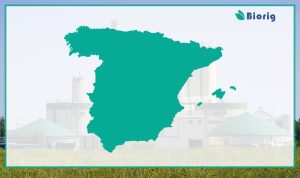
Spain, despite being the country with the third largest biomethane potential in Europe (around 163 TWh per year), shows a still incipient development, with only 15 operational plants. Currently, its production is residual compared to leading countries, although hundreds of projects are estimated to be under development. The lack of incentives and administrative barriers have slowed its growth, despite its enormous potential to cover almost 50% of the national gas demand. Spain is starting to move with new investments and policies, but is still far from exploiting its capacity.

Benefits of Biomethane

The biomethane is a renewable gas that is produced from biogas through a purification or upgrading. This technology is a sustainable soloution with more than 40 years of development in Europe.

Direct injection to the grid

One of the main benefits of biomethane we produce is that, in addition to having an ecological footprint, we also negative in carbon emissionsemissions, it has a composition that is virtually identical to fossil-based natural gas. of fossil origin. This reduces dependence on new infrastructure, as the molecules can be transported through the gas network. already existing.

Sectors

Biomethane has multiple uses in different sectors. This ranges from its use for heating homes, to its use as a fuel in activities with consumption that is difficult to electrifiablesuch as heavy transport or large industry.

Rural employment

Establecemos nuestra sede fiscal en los municipios donde operamos, contribuyendo con el pago de impuestos a las localidades en las que nos instalamos. in additionwe cocommit ourselves to to train the residents of these rural areas to become part of the staff of the plants. plantswhich contributes to boosting the local economy, generating new opportunities opportunities, and to fix the population in areas at risk of of depopulation.

Circular economy

We collaborate to establish a circular economy model in the rural environments where we operate. we are installed at .we set up. We assist in the correct collection of waste, generate a renewable gas and return an EU-approved organic fertilizer amendment to the crops., which is is a real alternative for crop fertilization.

Biorig en España

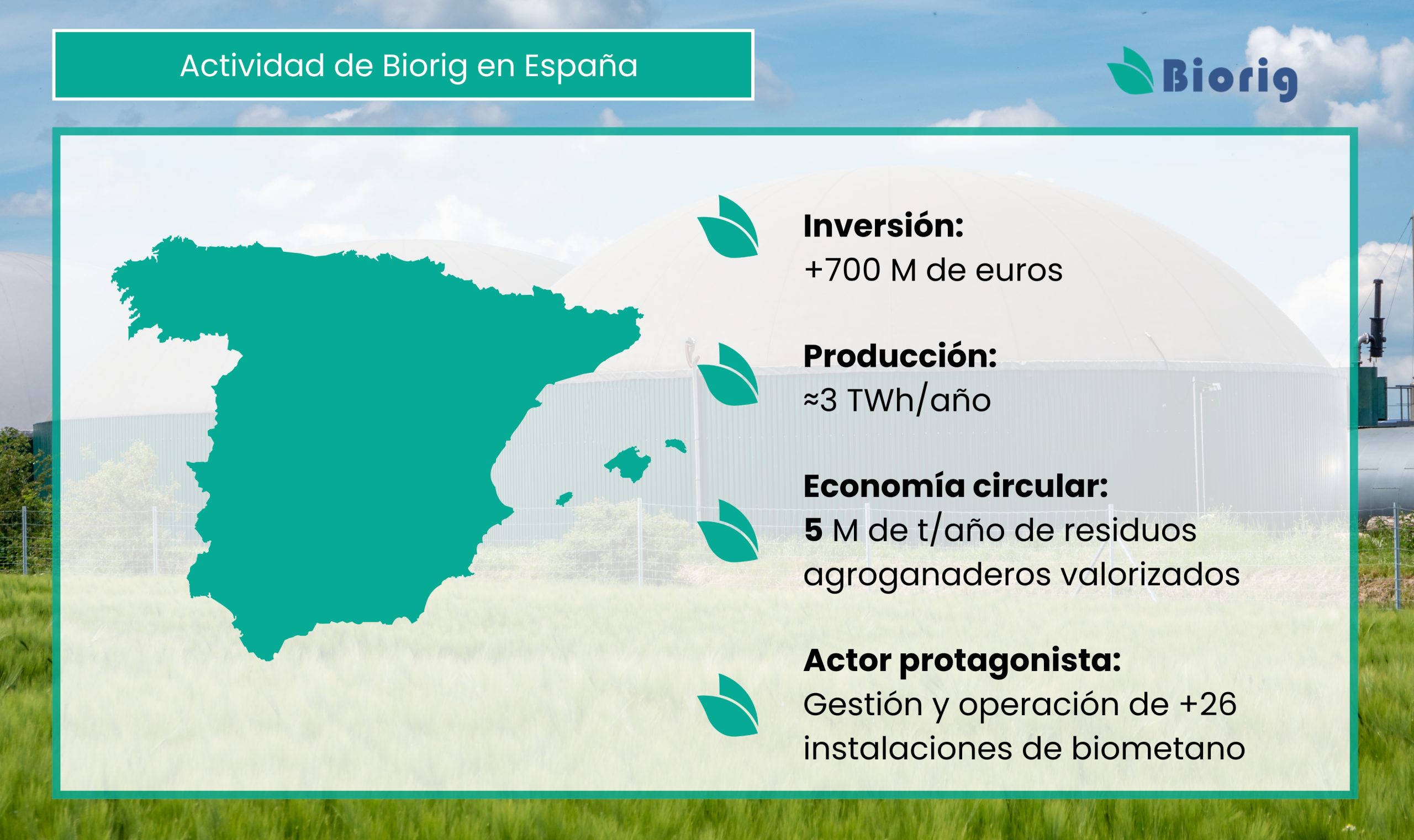
Spain is Biorig’s main market and the core of its current activity. The company is developing more than 26 projects at different stages of development, with an expected production capacity of approximately 3 TWh/year of biomethane, which will make it one of the main producers of this renewable gas in the country.

In addition, Biorig’s facilities will lead the production of biogenic CO₂ with a capacity of 350,000 tons per year, to be accompanied by nearly 5 million tons of CFP 3 certified organic fertilizer generated at its facilities.

Thus, Biorig reinforces its commitment to the circular economy and sustainability in rural environments. Its differential model is based on the exclusive use of agricultural and livestock waste (slurry, manure and crop residues), avoiding urban waste and minimizing odor emissions to ensure a positive impact on the territory.

Biorig in Italy

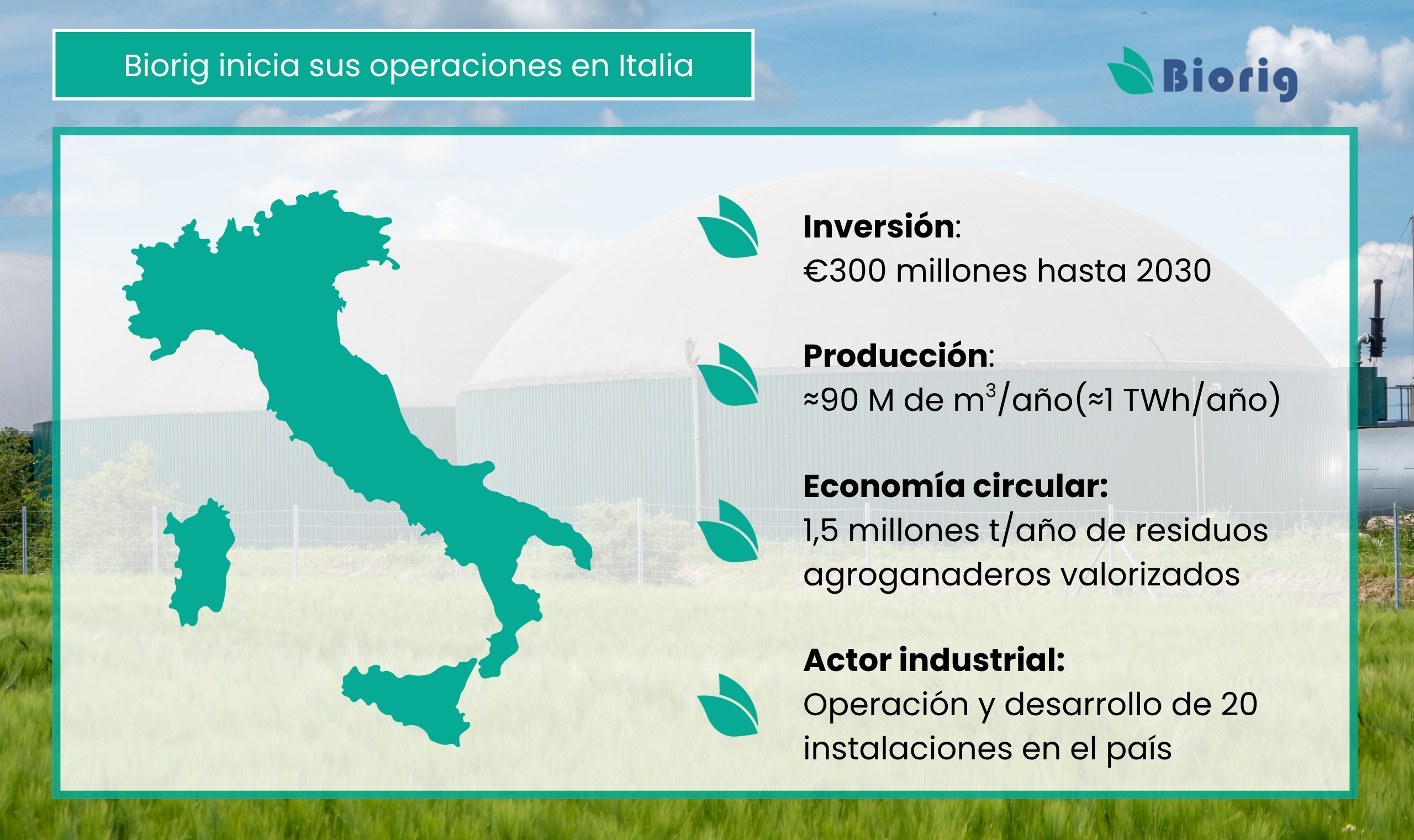
Italy is Biorig’s first major international market. The company will have around 20 biomethane plants in operation by the end of 2030, with an estimated annual production of 1 TWh/year, enough to cover the energy needs of between 360,000 Italian households.

Biorig arrives in Italy backed by Solarig’s more than 15 years of experience in the country, where it has already developed more than 1 GW in solar projects and has a consolidated local team.

Contact

We are close to you

Do you want to contact us, propose a project, learn about our services? You can reach us at any of our offices, by e-mail or telephone.

Italy proves that Spain can become a European benchmark for biomethane

Tribune of Diego Azqueta Smith, Director of International Origination of BIORIG, in El Español

Biomethane has established itself as one of the key energy carriers in the European Union. This is no coincidence: it is a locally produced, sustainable energy source that is compatible with existing natural gas infrastructures.

Its mass deployment is no longer an idea for the future, but an institutional priority. The European Union, through the Commission, has set a target of achieving an annual production of 35 bcm of biomethane by 2030 – approximately 10.5% of European consumption.

The reasons for this determined gamble are not only environmental, but also geopolitical: in less than two years, the EU must find an alternative to Russian gas imports, which accounted for around 18% of the continent’s gas purchases in 2024; in line with the plan to completely eliminate energy purchases from Russia by 2027.

Energy security has led Italy to make biomethane a strategic priority.

The destination set by Brussels is clear, and the ball is now in the court of the Member States, which have to build the paths to be followed by the different actors involved in the deployment of biomethane (producers, consumers, the primary sector, local administrations, etc.).

However, this deployment is uneven, and while some countries are following this development in the fast lane, on well-marked and direct roads, others are moving forward on curvy roads with diffuse signage and uneven surfaces.

Untapped potential

Spain has already taken up the European baton through the latest update of the National Integrated Energy and Climate Plan (PNIEC), which sets a target of 20 TWh of biogas by 2030, of which approximately 12 TWh is expected to come from biomethane.

Biomethane is a renewable energy and molecularly identical to fossil natural gas, allowing it to be stored, transported and injected into the current grid.

The Italian government has already started to redirect planned aid from hydrogen to biomethane.

It is a mature technology that offers a viable solution for sectors that are difficult to electrify, such as heavy transport or industry. Moreover, it is produced using “kilometre 0” raw materials, such as organic agricultural and livestock waste – slurry and manure – which solves the challenge of the correct environmental management of waste from the primary sector.

In Spain, the opportunity is enormous. According to Sedigas, we are the third European country with the greatest potential and we have the capacity to generate up to 163 TWh/year, more than half of the national consumption of fossil natural gas.

The Italian case

However, potential does not guarantee success. Italy shows that, with the right stimulus, it can lead the sector in Europe. Despite ranking fifth in Europe in terms of the volume of raw materials available, it has built a functional, scalable and territorially integrated industry from scratch in record time.

Just look at the figures: in 2018, Italy had only seven installations connected to the gas grid. Spain, on the other hand, had just one. By the end of 2024, the leap is clear. Italy has 133 plants in operation, 101 of which were commissioned in the same year. Spain, on the other hand, only had 9 plants in operation.

One of the keys to Italy’s acceleration has been urgency. In 2024, 44.1% of its energy production came from natural gas, much of it still imported from Russia. In contrast, Spain has reduced this dependence to 18.7% thanks to renewables, although it still needs to diversify its energy mix.

Energy security has led Italy to make biomethane a strategic priority.

This has favoured a strong and coherent institutional support framework, including investment grants, volume bonuses and feed-in tariffs, which guarantee a fixed price for a fixed period of time, reducing the financial risk of projects.

Many of these grants are financed by Next Generation EU funds and expire in the first half of 2026. To keep pace, Italy needs new incentives.

The government has already started to redirect planned hydrogen subsidies towards biomethane, adding 640 million euros to the fossil gas substitution effort. But to reach the 5.7 bcm (55 TWh/year) target set in the Italian PNIEC for 2030, it will be necessary to look beyond the short term.

Rural development and the circular economy
In Spain, on the other hand, the focus has been on supply. Current aid, which is scarce and limited in volume, is focused on reducing the cost of building plants, but without articulating a solid demand that would encourage production.

This imbalance could result in energy produced in Spain being exported to countries with better demand conditions, losing an opportunity for reindustrialisation, boosting local development and ecological transition.

To consolidate the sector, Spain needs to move towards a demand-side support scheme that guarantees the viability of projects.

Today, biomethane is more expensive to produce than fossil gas, so it needs incentives to compensate for this difference and optimise its benefits. These go far beyond the decarbonisation of the energy sector, as biomethane also contributes to the generation of a circular economy in agricultural environments, helps bring investment to rural environments and ensures energy sovereignty with a renewable gas made from local inputs.

At Biorig we believe that Spain not only has the potential to lead this transformation, it has the experience, the environmental commitment and the business fabric to make it happen. Italy has shown that it is possible. Now it is Spain’s turn to make biomethane a shared success story between the countryside and industry.

What differentiates biogas from biomethane?

Biogas and biomethane: keys to a sustainable future

Madrid, 06-04-25. The transition to a more sustainable energy model requires renewable energy sources that reduce dependence on fossil fuels. Biogas and biomethane, renewable technologies with more than 40 years of development in Europe, are positioned as key solutions within the circular economy, transforming organic waste into clean and usable energy.

Although both are renewable gases and can be obtained by anaerobic digestion processes, the characteristics and uses of these molecules are different from each other. Biogas is produced by the controlled decomposition in an oxygen-free environment (anaerobic digestion) of organic waste. This gas is composed of 55% methane (CH4) and 45% ‘off-gas’, 98% of which is composed of CO2.

At Biorig we promote the production of biogas from agricultural and livestock waste – slurry, straw and manure – which is purified to obtain two separate streams with biomethane and biogenic CO2, key renewable energies for the decarbonization of the planet.

How is biogas transformed into biomethane?

Más de la mitad del biogás (el 55%) es metano (CH4), por lo que para su separación e inyección a la red de gas se necesita purificar el biogás mediante un proceso llamado upgrading.

Separation of impurities
01 Separation of impurities Residual compounds such as water vapor, hydrogen sulfide and other contaminants are removed from the biogas.
Renewable gas production
02 Renewable gas production Through techniques such as membranes or chemical absorption, the methane concentration is increased and the remaining CO₂ is captured for further treatment.
Biomethane compression and injection
03 Biomethane compression and injection Once purified, the biomethane is compressed for injection into the gas grid or use as a fuel.

Benefits of Biomethane

El biometano es un gas renovable que se produce a partir de biogás mediante un proceso de purificación o ‘upgrading’. Esta tecnología es una solución energética sostenible con más de 40 años de desarrollo en Europa.

Direct injection to the grid

One of the main benefits of biomethane we produce is that, in addition to having an ecological footprint, we also negative in carbon emissionsemissions, it has a composition that is virtually identical to fossil-based natural gas. of fossil origin. This reduces dependence on new infrastructure, as the molecules can be transported through the gas network. already existing.

Sectors

Biomethane has multiple uses in different sectors. This ranges from its use for heating homes, to its use as a fuel in activities with consumption that is difficult to electrifiablesuch as heavy transport or large industry.

Rural employment

We establish our tax headquarters in the municipalities where we operate, contributing with the payment of taxes to the localities where we are located. In addition, we are committed to training the residents of these rural areas to become part of the plants’ workforce, which contributes to boosting the local economy, generating new opportunities, and fixing the population in areas at risk of depopulation.

Circular economy

We collaborate to establish a circular economy model in the rural environments where we operate. we are installed at .we set up. We assist in the correct collection of waste, generate a renewable gas and return an EU-approved organic fertilizer amendment to the crops., which is is a real alternative for crop fertilization.

Energy security

The biomethane plants produce energy with ‘zero kilometer’ and locally produced inputs, which, in addition to contributing to the reduction of greenhouse gas emissions, reduces dependence on fossil natural gas from abroad.

Contact

We are close to you

Do you want to contact us, propose a project, learn about our services? You can reach us at any of our offices, by e-mail or telephone.

Is it possible to recycle livestock waste?

A key element for the circular economy

Madrid, 16-05-25. Biomethane is key to decarbonize sectors that are difficult to electrify, and it is also essential to efficiently manage the waste we generate. This Saturday, on the occasion of World Recycling Day, we share some relevant data to understand why it is so important to properly treat agricultural and livestock waste.

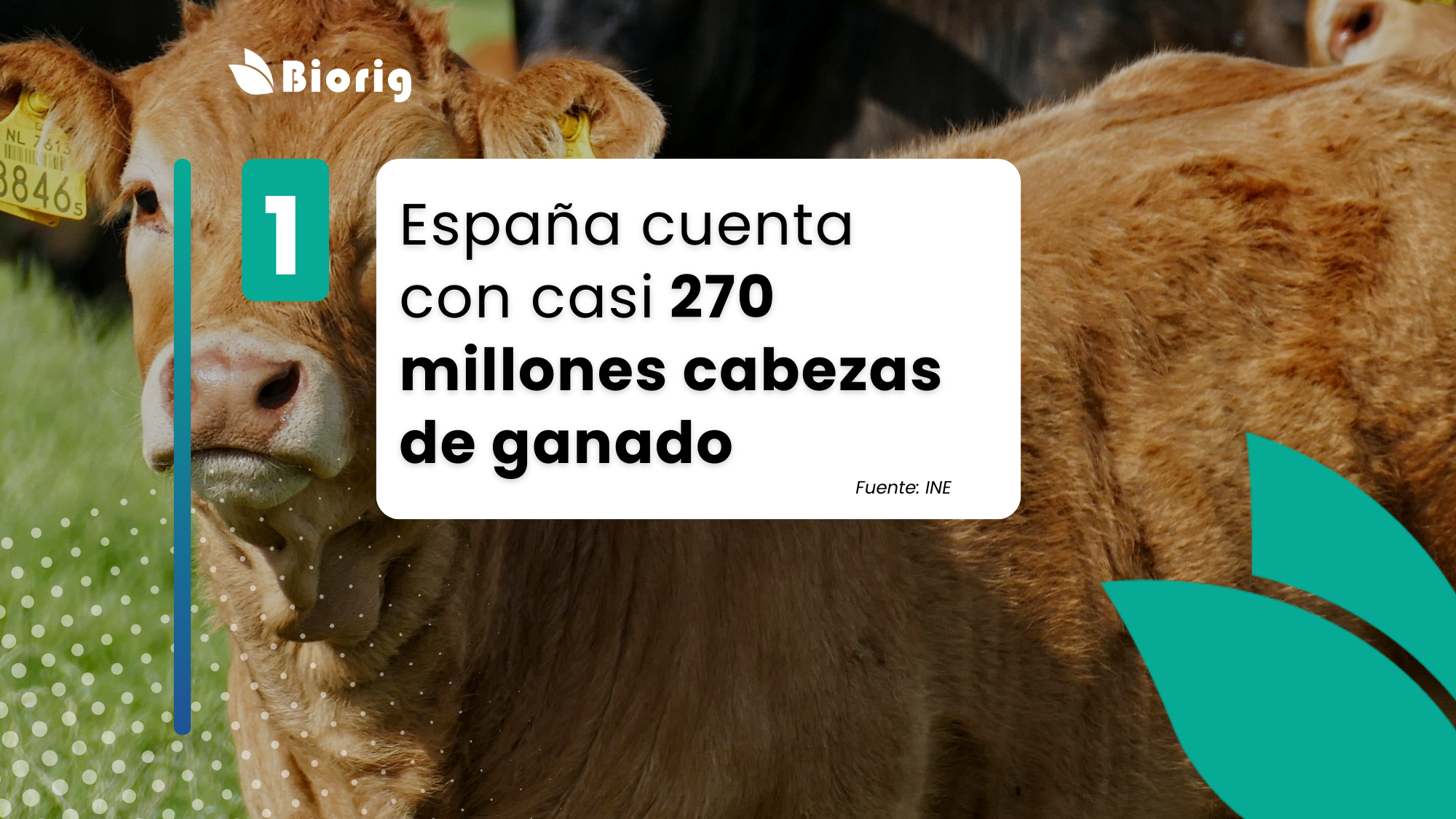
Spain has almost 270 million head of cattle, according to the INE.

This figure includes poultry, swine, cattle and sheep… each of which produces tons of waste each year. The management of their waste is becoming increasingly complex due to more stringent environmental regulations and the saturation of agricultural areas where it was traditionally applied as fertilizer.

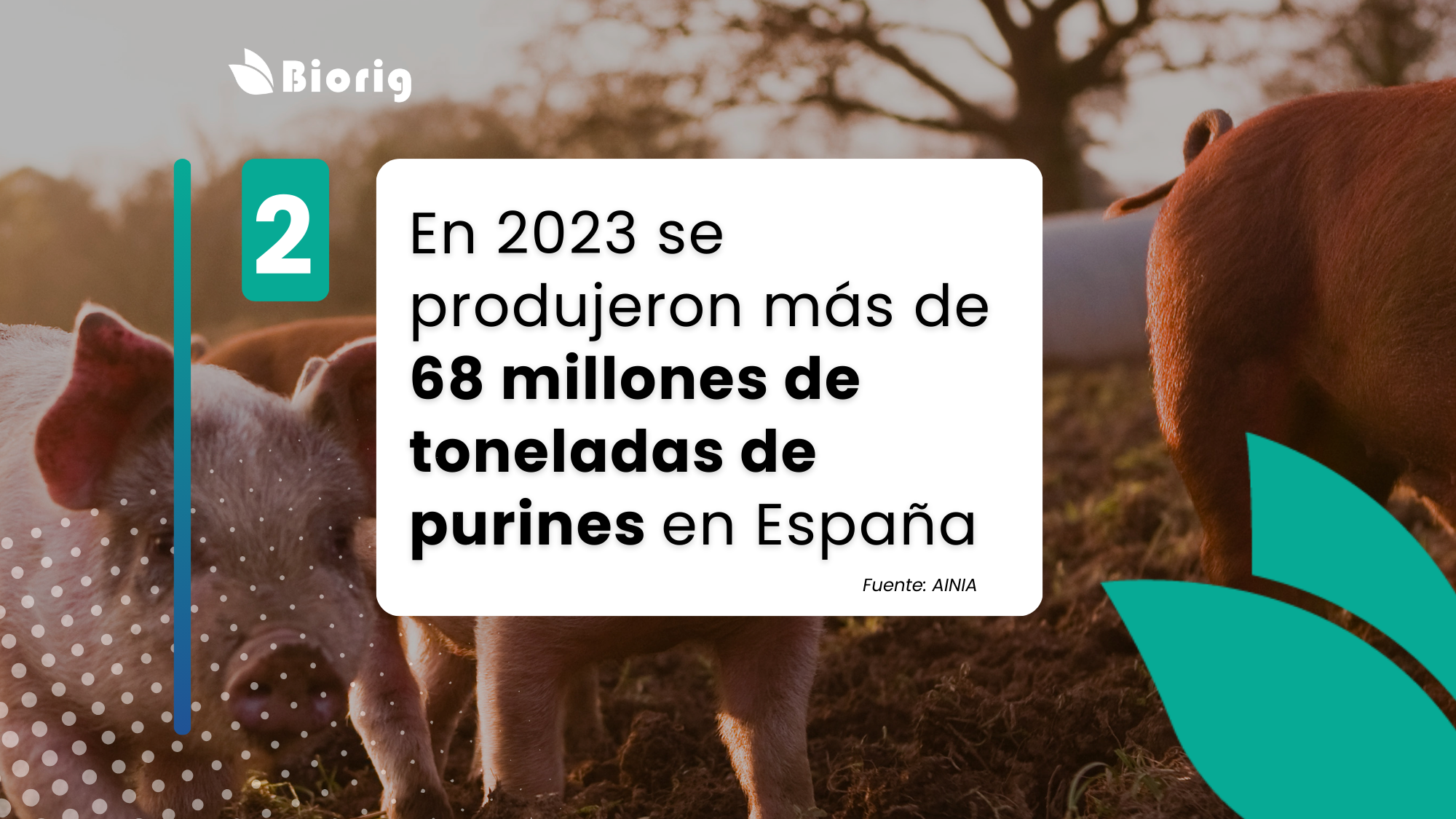
In 2023, more than 68 million tons of slurry were produced in Spain.

Of this amount, 6.9 million cannot be used as fertilizer, due to legal restrictions or lack of available agricultural land, according to AINIA. By 2035, the figure is expected to reach 79 million tons, of which about 10% (7.9 million tons) will not be usable, generating a serious environmental and logistical problem.

Many regions in Spain already face environmental problems resulting from the accumulation of waste.

Regions such as Aragón, Castilla-La Mancha and Castilla y León have particularly high levels of nitrate contamination in their soils and groundwater. These regions have a high density of livestock farms and, at the same time, a limited capacity of agricultural soils to absorb them, which means that large volumes of waste cannot be managed locally. More than 20% of groundwater sampling points exceed legal nitrate levels, according to the Pig Slurry Treatment Observatory.
¿Cómo contribuye Biorig a esta transformación?

En Biorig trabajamos con una misión clara: transformar residuos en energía y oportunidad. Our activity is focused on the valorization of agricultural and livestock waste.
Anaerobic digestion technology

At our facilities we decompose the organic matter of agricultural and livestock waste under controlled conditions to generate biogas, which is subsequently purified and converted into biomethane.

Closing of the agricultural and livestock cycle

We return more stable and sanitized fertilizers to the field and reduce the environmental impact of livestock farms.

 Collaboration with farmers and cooperatives

We provide management solutions that comply with current regulations, add value and reduce costs in the medium term.

Renewable energy generation

We generate energy that replaces fossil fuels, drives the energy transition and enables agricultural and livestock producers to actively participate in the circular economy.

Contact

Estamos cerca de ti

Faced with this challenge, the energy sector has an effective and proven tool: energy recovery through biogas and biomethane plants.

El Día de Soria: Biomethane, an Opportunity for the Growth of a Greener and More Sustainable Economy

We highlight, on the occasion of the International Clean Energy Day, the great opportunity that Soria has thanks to biomethane

By Carlos Aguilar, Director of Renewable Gases at Biorig

On the occasion of the International Clean Energy Day taking place this week, I would like to highlight that the province of Soria has a great opportunity. Biomethane, a gas of renewable origin, is one of the best alternatives to promote a greener and more sustainable economy, encourage job creation, and increase the wealth of the territories. As a sustainable substitute for fossil gas, biomethane contributes to reducing the impact of climate change, boosts energy independence, and improves the management and traceability of agricultural and livestock raw materials. A key aspect is that biomethane facilitates the removal of slurry and manure from the fields, something particularly sensitive in Soria, where 10% of the territory has been declared at risk due to water contamination.

This technology has been implemented for over 40 years, mainly in countries such as France or Germany (with more than 1,000 and nearly 11,000 biogas and biomethane plants, respectively), and is now emerging as a strategic option in Spain. It is important to highlight that this energy source is key to achieving the decarbonisation targets set in the Integrated National Energy and Climate Plan (PNIEC). The aim is to reduce polluting emissions by 32% compared to 1990 levels by 2030.

At the same time, this renewable gas constitutes an essential activity to accelerate the economic growth of Castilla y León. Spain has the potential to develop 163 TWh of biomethane per year, enough to supply 29.5 million households, although the installed capacity currently stands at just 0.315 TWh in 2024, according to the Spanish Gas Association (SEDIGAS) and the GASNAM association. This goal implies increasing the production of renewable gas exponentially. Castilla y León plays a crucial role in this challenge, as it holds the potential to produce 23% of the biomethane in Spain.

From local resources to green energy.

I am convinced that biomethane will improve the energy mix of Castilla y León, but above all, it will drive the sustainable development of the agricultural and livestock sector. The promotion of biomethane contributes to a proper and orderly management of waste, much of which nowadays ends up being dumped in the fields without prior sanitisation. At Biorig, a company with roots in Soria, we develop our facilities with deep respect for communities and the environment.

In this regard, we only recover manure, slurry, and agricultural waste. The use of the most cutting-edge technological solutions, the type of raw materials used, together with the implementation of the most demanding health and safety regulations, ensure that our facilities do not emit odours to the outside. Furthermore, the plants operate under a zero-discharge model following the concept of a circular economy, and zero water consumption, as we use the liquid content of the slurry and have systems for reusing rainwater.

Organic fertilisation of agricultural soils.

The plants we design transform agricultural and livestock raw materials into odourless fertiliser products certified under European Union Regulation 1009/2019, as well as by the Ministry of Agriculture. In this way, the primary sector will benefit from these organic amendments and will have an alternative for fertilising the fields. This verified product undergoes 40 days at 40 degrees, and more than 20 days at temperatures above 50 degrees to ensure its sanitisation and stabilisation before being used in the field.

A more sustainable future for new generations.

To promote a more sustainable future in Soria, it is necessary for new generations to have opportunities. The push for the energy transition through biomethane paves the way for young people in the agricultural and livestock sector, technicians, students, engineers, environmental scientists, or innovative companies committed to technological and sustainable development. Moreover, this includes everything from specialised training in university degrees or master’s programmes, to the creation of new business opportunities focused on the renewable energy and gas sector.

Biomethane can be one of the cornerstones of a new green economy in the 21st century. Its development creates employment, stimulates the local economy, helps tackle the demographic challenge, and ensures a cleaner environment. It is not just an energy alternative; it is a sustainable project for our future.

El Español: Spain, facing the opportunity to replicate the success of renewable energy with green gases

Biomethane is an efficient solution for the correct management of agricultural and livestock wastes.

By Manuel Alonso, General Manager of Biorig.

The European Union has made courageous progress in the energy transition, with wind and solar energy playing a leading role. Spain, in particular, has led the way in the deployment of renewable electricity, with more than 50% of its generation coming from clean sources. However, electrification is not enough to achieve total decarbonization of the economy.

It is in this context that green gases, such as biomethane, are presented as an essential energy source to decarbonize sectors that are difficult to electrify, such as industry and heavy transport. At the European level, biomethane has established itself as a sustainable alternative to natural gas, as it has the capacity to be stored, distributed and used according to demand, i.e. it has the same properties as fossil molecules, but contributes to the decarbonization of the economy.

In countries such as Denmark and Germany, this technology plays a key role in energy supply, representing in some cases up to 20% of the gas consumed. France has more than 700 production plants and Germany leads European production with more than 11,000 biogas and biomethane plants, while Spain has only 11 operational plants.

The European Union has set an ambitious target of reaching an annual production of 35 billion cubic meters of biomethane by 2030 as part of the REPowerEU plan. This represents a five-fold increase in the currently installed capacity, which last year reached 6.4 million cubic meters, according to the European Biogas Association (EBA).

Spain is set to be a key player in achieving these goals. According to SEDIGAS estimates, our country has the capacity to produce 163 TWh per year from renewable gas, enough to cover practically half of the demand for a year, which Enagás estimated at 311.7 TWh last year.

Decarbonization and environmental solution

In addition to its importance in the decarbonization of the economy, biomethane is an efficient solution for the correct management of agricultural and livestock waste. Spain generates millions of tons of slurry, manure and agricultural waste every year, which, if not managed correctly, can be an environmental problem.

The production of biomethane makes it possible to valorize this waste, reducing its impact on soils and groundwater, while helping farmers and livestock farmers to better manage this waste, much of which today ends up deposited in the fields without sanitization.

Anaerobic digestion, the process by which the biogas from which biomethane is obtained is extracted from agro-livestock raw materials, not only produces the green molecule to be injected into the grid, but also generates the so-called digestate. This by-product, once treated, becomes a high quality organic fertilizer, which represents a real alternative to chemical fertilizers and is in line with EU guidelines, as it reduces dependence on imported products.

At Biorig, a company from Castilla y León, we are developing more than 20 biomethane facilities, 10 of which are located in 6 provinces of Castilla y León. We are sure that these plants, besides having a positive impact on the environment, will contribute to create more wealth in the territories, quality employment, economic development and will boost the agricultural and livestock sector.

We design proximity ecosystems where we collect local agricultural and livestock waste, treat it, and produce new sustainable fertilizers for agricultural soils, promoting the circular economy, the traceability of field manure and avoiding the dumping of thousands of tons of unsanitized waste per year.

In this regard, we only use agricultural raw materials (slurry, manure and straw, mainly corn stover) from nearby farms, ensuring efficient waste management and minimizing the logistical footprint. This approach allows us to improve traceability and always generate a positive impact on local communities.

The organic fertilizer we produce from digestate is solid, odorless and approved through EU Regulation 2019/1009. Its application in agriculture not only avoids the use of chemicals, but also improves soil structure and maintains its fertility for a longer period of time.

In addition, the use of advanced technologies and compliance with strict environmental regulations ensure that our plants do not emit odors, consume water or generate waste.

A strategic opportunity for Spain

Biomethane is not only a solution to the climate crisis, but also an opportunity for economic and social development. To take advantage of it, it is essential to establish incentives that favor demand, guaranteeing competitive prices compared to fossil gas. It also requires a robust regulatory framework, clear roadmaps to streamline procedures and permits, and to help boost investment in new infrastructure.

Without these measures, we run the risk of biomethane investments migrating to other countries, losing a key tool for our energy transition. The development of renewable electricity in Spain is a success story, and now it is time to repeat the milestone with renewable gases. We have the resources and the know-how to lead this sector; now is the time to take the plunge and turn the opportunity into a reality.

Cinco Días: Spain Needs Greater Ambition in Biomethane to Accelerate the Energy Transition

A robust regulatory framework, clear roadmaps, and institutional support are needed to enable society to understand the benefits of this technology.

By Cecilia Carballo, Chief Sustainability and Communication Officer at Solarig.

The energy transition in Spain is progressing with determination, but it continues without taking advantage of an essential element for a decarbonised energy mix: biomethane. This gas of organic and renewable origin, similar to fossil-based natural gas as it is easily storable and injectable into the current gas network, has already had more than four decades of development in the EU. In this regard, the 11 plants currently installed in Spain pale in comparison to Germany’s 11,000 biogas and biomethane facilities and France’s more than 700 biomethane plants.

Although Spain is at the bottom in the deployment of this green industry, it has ample capacity to position itself as one of the leading producers in the European Union. This is affirmed by the Spanish Gas Association (Sedigas), which estimates that the country has the capacity to produce 160 TWh per year (that is, we currently have enough raw material to cover around 50% of national natural gas demand with renewable energy).

To take advantage of the opportunity presented to us, Spain needs to deploy a robust roadmap for biomethane that would not only allow us to move towards energy autonomy today, but would also enable us to maintain and improve another strategic sector, such as the primary sector. A key sector to meet the objectives of demographic challenge, job creation, and vital alternatives in many autonomous communities linked to this economic activity.

We are talking about a mature, competitive, and easy-to-implement technology, with tradition and roots in the countries around us. ccording to data from the National Statistics Institute (INE), we generate more than 100 million tonnes of waste per year and, with a significant percentage of it, we can feed this new green sector. Thanks to biomethane plants, we are in a position to provide an efficient response, based on the concept of circular economy, to waste management, one of the major environmental problems in our society. At the same time, biomethane will be able to guarantee a local and secure supply of energy in the form of gas, something that gains special relevance in the current context, with the EU drastically reducing its imports from Russia.

One of the keys to unlocking our potential is to be clear about where we are heading. The Ministry for the Ecological Transition launched its Biogas Roadmap in March 2022, just after the invasion began, with objectives that, although well-intentioned, quickly became outdated with the change in the energy paradigm. More recently, in its latest update in September 2024, the Integrated National Energy and Climate Plan (PNIEC) set the goal of producing 20 TWh of biogas in 2030, of which approximately 12 TWh will correspond to biomethane, according to the Spanish Biogas Association (AEBIG). This would mean that, in the best-case scenario, we will multiply current biomethane production (which in 2024 stood at around 0.315 TWh) by 38, but we will have only taken advantage of 7.5% of the potential Spain holds to generate this renewable gas.

Rome wasn’t built in a day, and the targets set by the PNIEC are perfectly achievable if there is an effort to organise, promote, and facilitate growth, which is expected to be exponential in the coming years and will likely continue in the decades ahead. In this regard, the Ministry for the Ecological Transition and the Demographic Challenge has set out which port we want to reach, but updated roadmaps are still lacking to clarify how we are to get there.

To take advantage of the opportunity presented to us, Spain needs to deploy a robust roadmap for biomethane that would not only allow us to move towards energy autonomy today, but would also enable us to maintain and improve another strategic sector, such as the primary sector. A key sector to meet the objectives of demographic challenge, job creation, and vital alternatives in many autonomous communities linked to this economic activity.

We are talking about a mature, competitive, and easy-to-implement technology, with tradition and roots in the countries around us. ccording to data from the National Statistics Institute (INE), we generate more than 100 million tonnes of waste per year and, with a significant percentage of it, we can feed this new green sector. Thanks to biomethane plants, we are in a position to provide an efficient response, based on the concept of circular economy, to waste management, one of the major environmental problems in our society. At the same time, biomethane will be able to guarantee a local and secure supply of energy in the form of gas, something that gains special relevance in the current context, with the EU drastically reducing its imports from Russia.

One of the keys to unlocking our potential is to be clear about where we are heading. The Ministry for the Ecological Transition launched its Biogas Roadmap in March 2022, just after the invasion began, with objectives that, although well-intentioned, quickly became outdated with the change in the energy paradigm. More recently, in its latest update in September 2024, the Integrated National Energy and Climate Plan (PNIEC) set the goal of producing 20 TWh of biogas in 2030, of which approximately 12 TWh will correspond to biomethane, according to the Spanish Biogas Association (AEBIG). This would mean that, in the best-case scenario, we will multiply current biomethane production (which in 2024 stood at around 0.315 TWh) by 38, but we will have only taken advantage of 7.5% of the potential Spain holds to generate this renewable gas.

Rome wasn’t built in a day, and the targets set by the PNIEC are perfectly achievable if there is an effort to organise, promote, and facilitate growth, which is expected to be exponential in the coming years and will likely continue in the decades ahead. In this regard, the Ministry for the Ecological Transition and the Demographic Challenge has set out which port we want to reach, but updated roadmaps are still lacking to clarify how we are to get there.

A robust regulatory framework

Harmonisation and alignment between regulatory frameworks are needed. For projects to become a reality in an orderly manner and respond to territorial needs and opportunities, it is essential that the different administrations and public bodies design specific plans for the deployment of this green industry. Only with these guidelines will we be able to have homogeneous criteria, ensure that investment reaches where it is most needed, and streamline administrative procedures. Furthermore, for progress to be supported on solid foundations, it would be necessary to add the importance of guiding aid towards demand, establishing incentives for fossil gas consumption to be replaced by biomethane, and the existence of financing lines for these projects.

Countries like Italy, whose dependence on fossil-based natural gas in the energy mix has made the search for energy alternatives imperative, are a good example that with the determined support of the administration, it is possible for a sector like biomethane to flourish. In 2018, the country had 7 operational plants, and within six years it already has 133; of which 101 were connected in 2024, according to the European Biogas Association (EBA).

In addition to the regulatory framework, it is vital that biomethane plans are developed in harmony with the communities in which they are implemented. The significant presence of facilities in agricultural and livestock areas in Spain offers solutions to an already existing economic activity, as it simplifies waste logistics and contributes to territorial cohesion. In this regard, it is relevant to advance in social licence, collaborate with communities, develop employment plans to settle the local population, and commit to being part of the solution to environmental problems, such as groundwater contamination by nitrates. In this way, working closely with the agricultural and livestock production network already located in these areas, it will be possible to build a necessary framework for action that promotes best practices to ensure the integration of biomethane in the territories.

In short, we need a robust regulatory framework, clear roadmaps, and institutional support that enables society to understand the great benefits of a technology that will undoubtedly play a key role in the coming years. We must take advantage of the great potential Spain has to provide a renewable response to sectors that are difficult to electrify, decarbonise energy-intensive industries or residential consumption; as well as to generate quality employment and offer development alternatives in depopulated areas. I trust that we will do so, but it will be easier to seize an opportunity like the one biomethane offers us if society as a whole shares the same direction.

Economic revitalisation and local development

The production of biomethane helps to drive local economic development by creating stable, skilled jobs, improving the dynamism of the agricultural and livestock sector, and enhancing waste management. It has a direct impact on the development of rural communities, where most of the raw materials needed for its production are generated.

The great potential of biomethane

It is estimated that the development of biomethane in Spain could generate more than 62,000 jobs in total.

Green jobs

Our commitment to municipalities is reflected in the creation of local, high-quality, skilled jobs, both direct and indirect.

Values

Biomethane plants, essential infrastructure

Biorig’s facilities are essential and strategic infrastructure for the development of the regions where they are located. We reach solid agreements that reflect the interests of the various stakeholders, promoting sustainability and benefits for all parties.

Energy independence

We work towards the energy independence of the communities in which we operate, both at national and local level, and from the volatile prices of polluting fuels. We promote the local production and use of biomethane, replacing imported fossil natural gas. Sustainable energy sources are key to meeting the European Union’s decarbonisation targets for 2050.

Community health

Our plants form a symbiotic relationship with communities, integrating our projects from development through to operation. Prior to the start of each project, we carry out an environmental impact study to ensure proper implementation in the area, with respect to flora, fauna, and economic and social factors.

Zero discharge and zero water use

Biorig’s facilities are developed under a zero discharge and zero water use concept, making use of rainwater and treated wastewater.

Lower nitrate risk in aquifers

By transforming the resulting waste into controlled organic fertilisers, we facilitate waste planning and reduce the risk of nitrate contamination.

Odour elimination and health

The facilities also incorporate odour elimination technology, addressing odours from the gas, the waste, and the resulting fertiliser.

Improved air quality

We reduce emissions in the areas where our plants are located and improve air quality thanks to better waste management.

Local sourcing

The sourcing of waste is carried out within a maximum radius of 30 to 40 kilometres, ensuring minimal impact on nearby towns.

Agricultural and livestock waste – locally sourced

The plants will not manage municipal solid waste, sludge or agri-industrial waste, among others. We focus on the recovery of current, locally sourced agricultural and livestock waste.