Villardondiego (Zamora)

91 GWh of annual production
35 million in investment
198.000 tons of waste recovered per year
17.000 tons of biogenic CO₂ produced
200.000 tons of organic fertilizer redistributed in the region

About the project

The Villardondiego plant (Zamora), a pioneering facility in the development of biomethane in Spain, will have a production capacity of 91 GWh, equivalent to the consumption of almost 16,000 households. This facility represents an investment of around 35 million euros and will contribute to the municipality’s economic development by creating 100 jobs during the construction phase and 35 direct and indirect jobs during its operation.

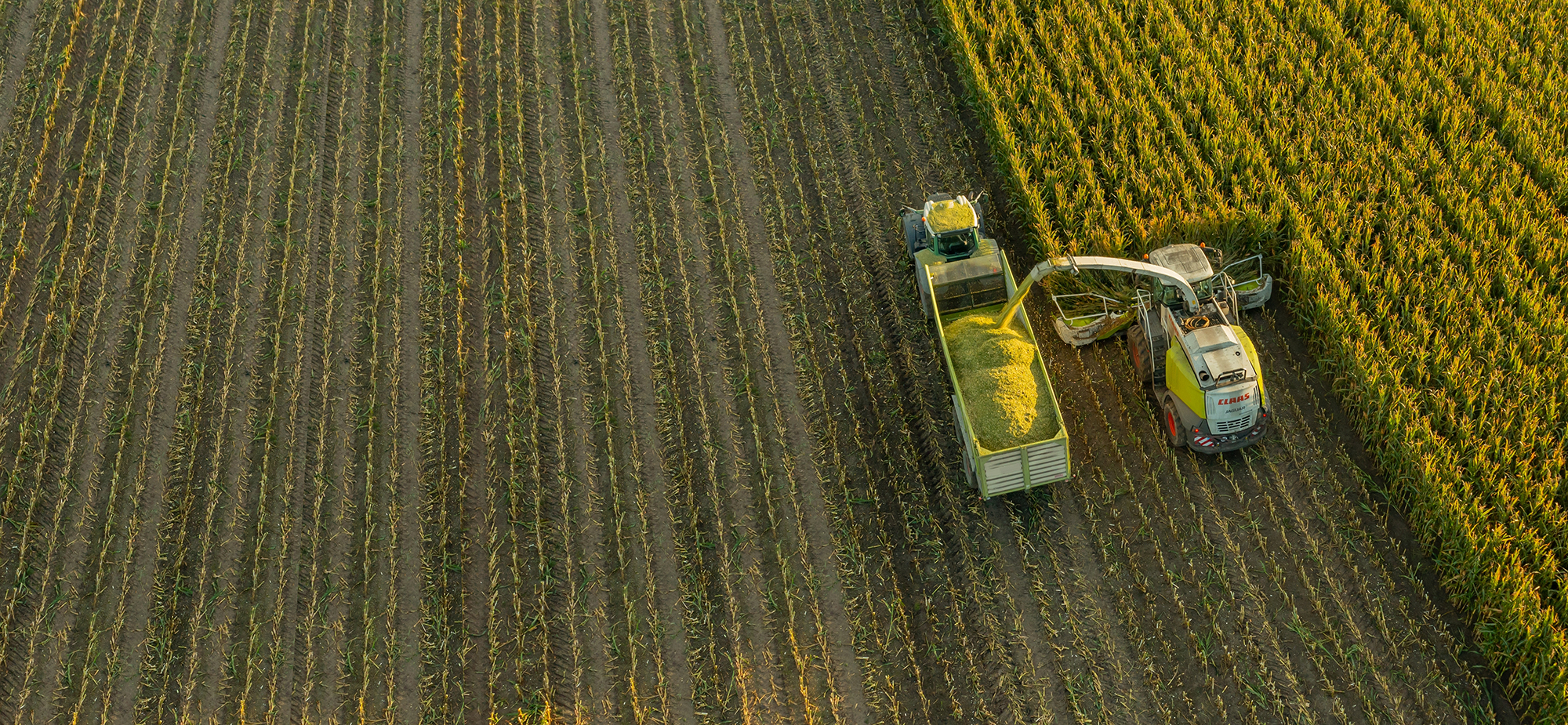
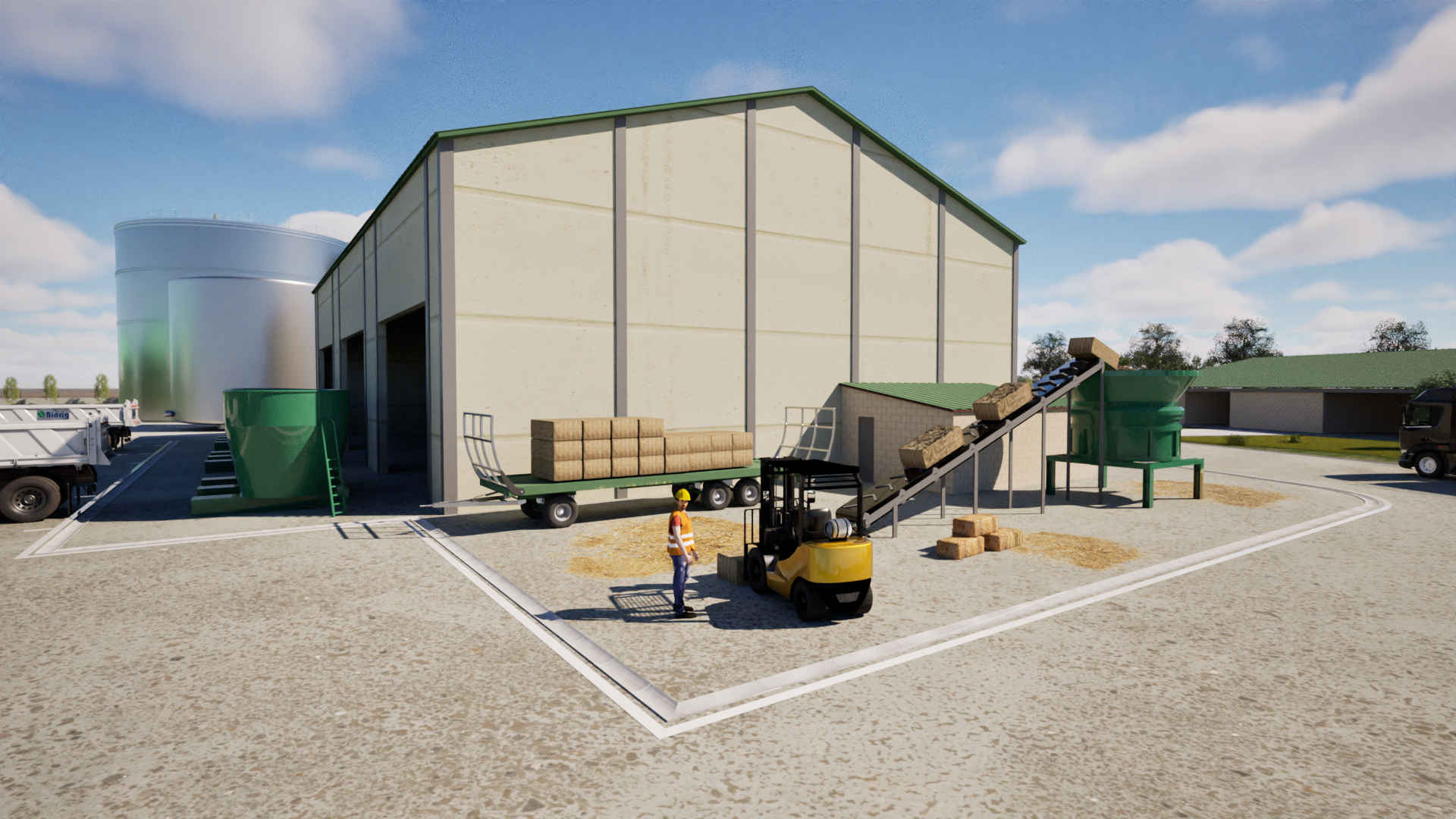
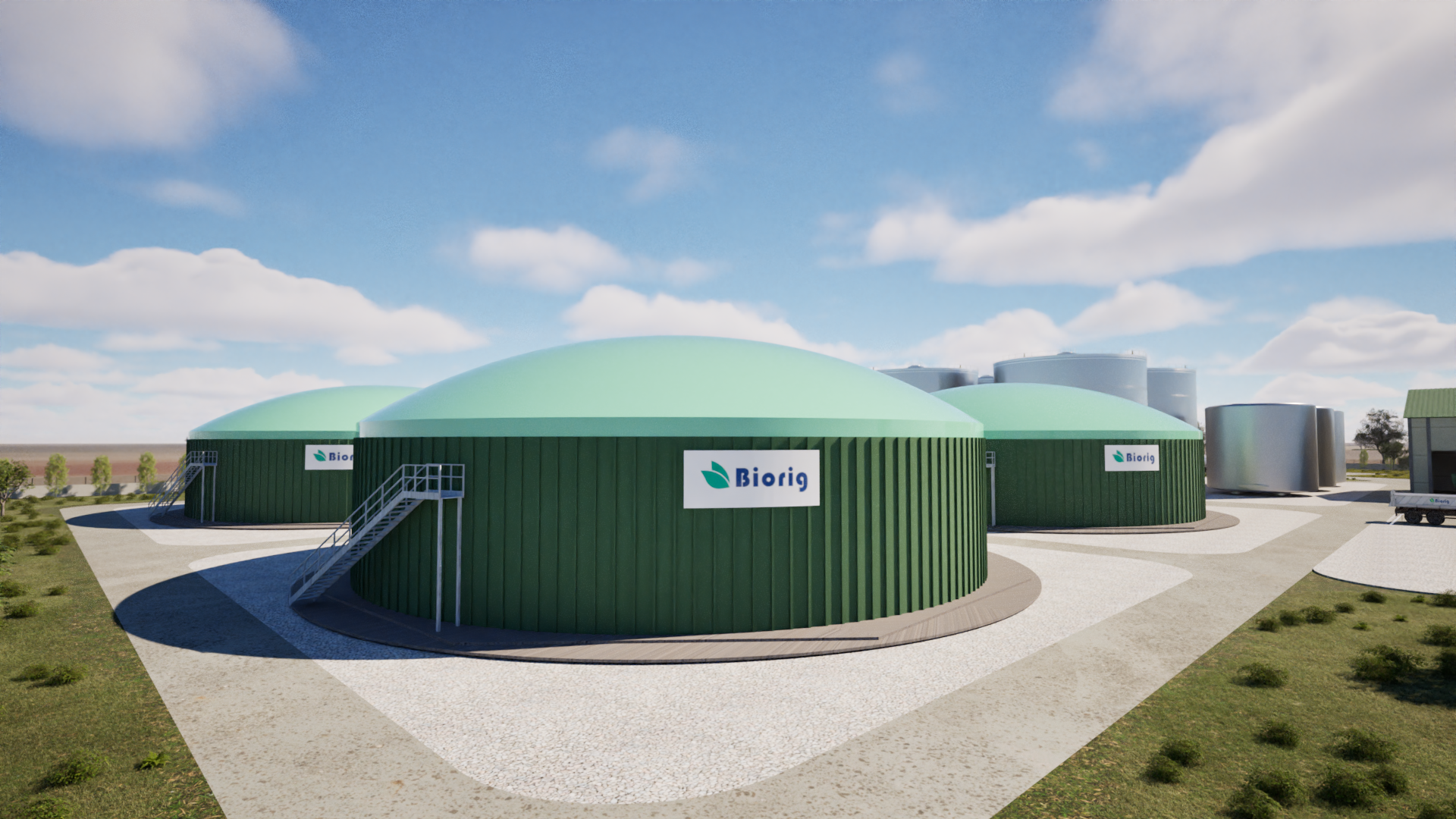
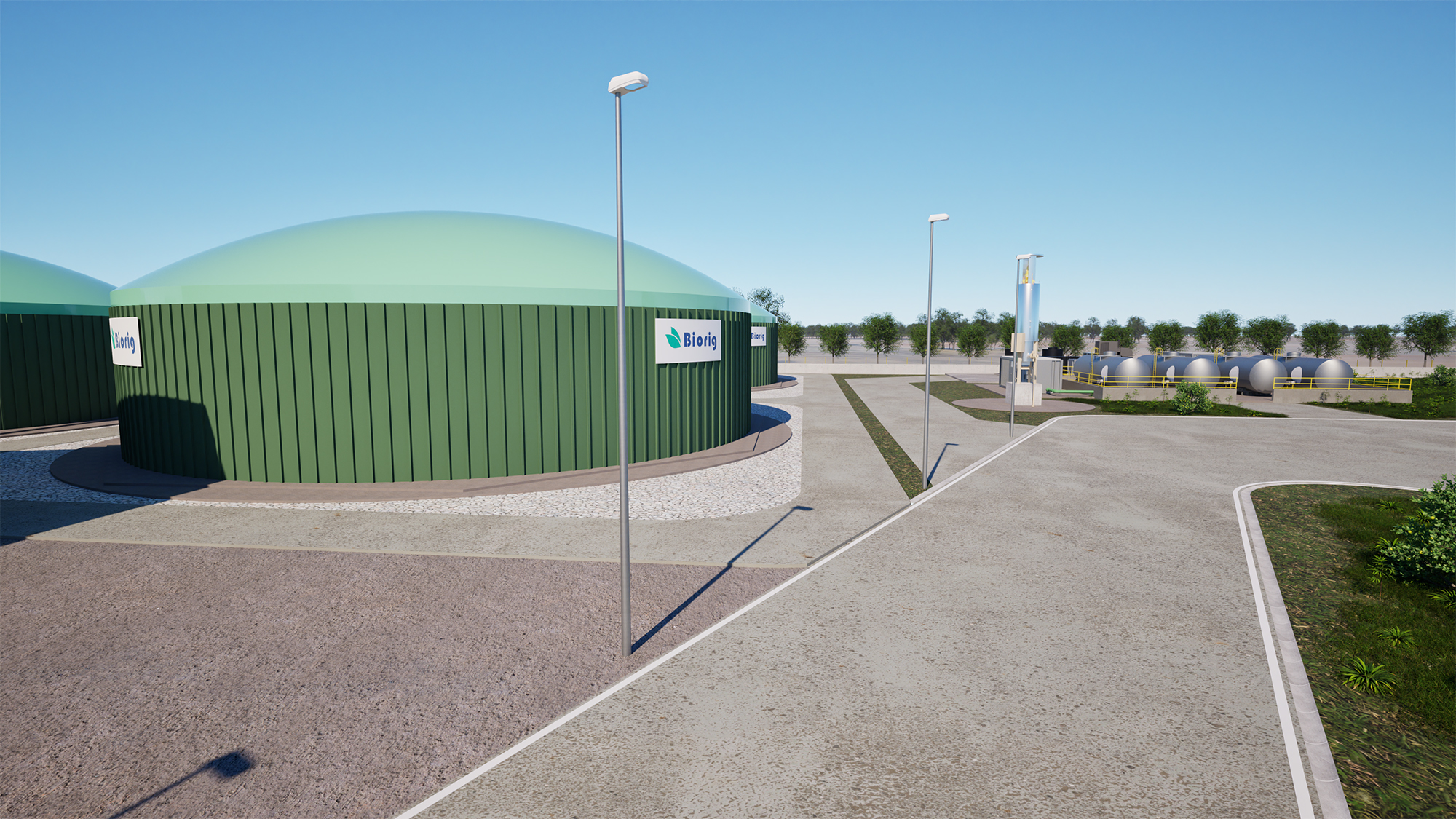
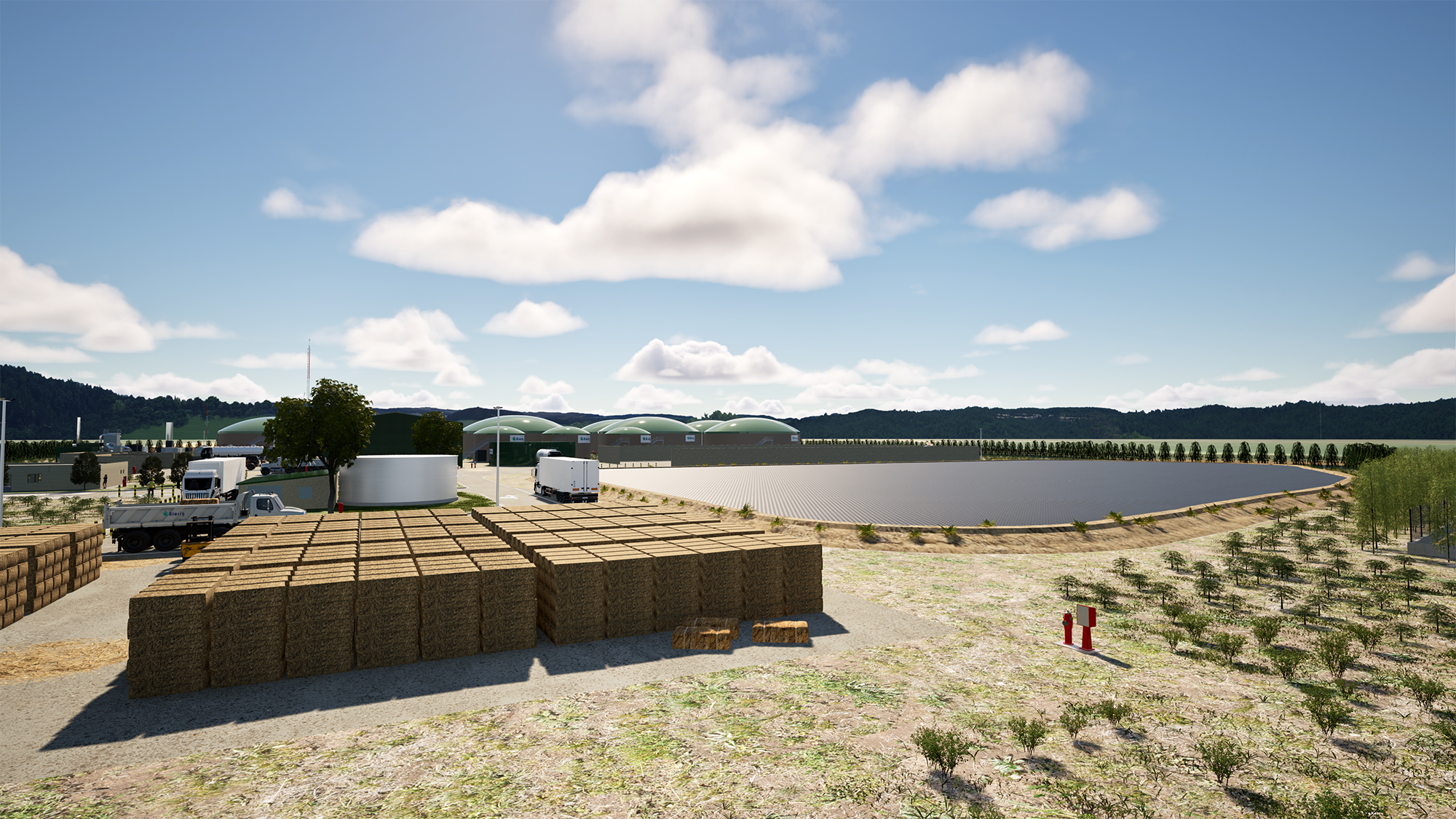
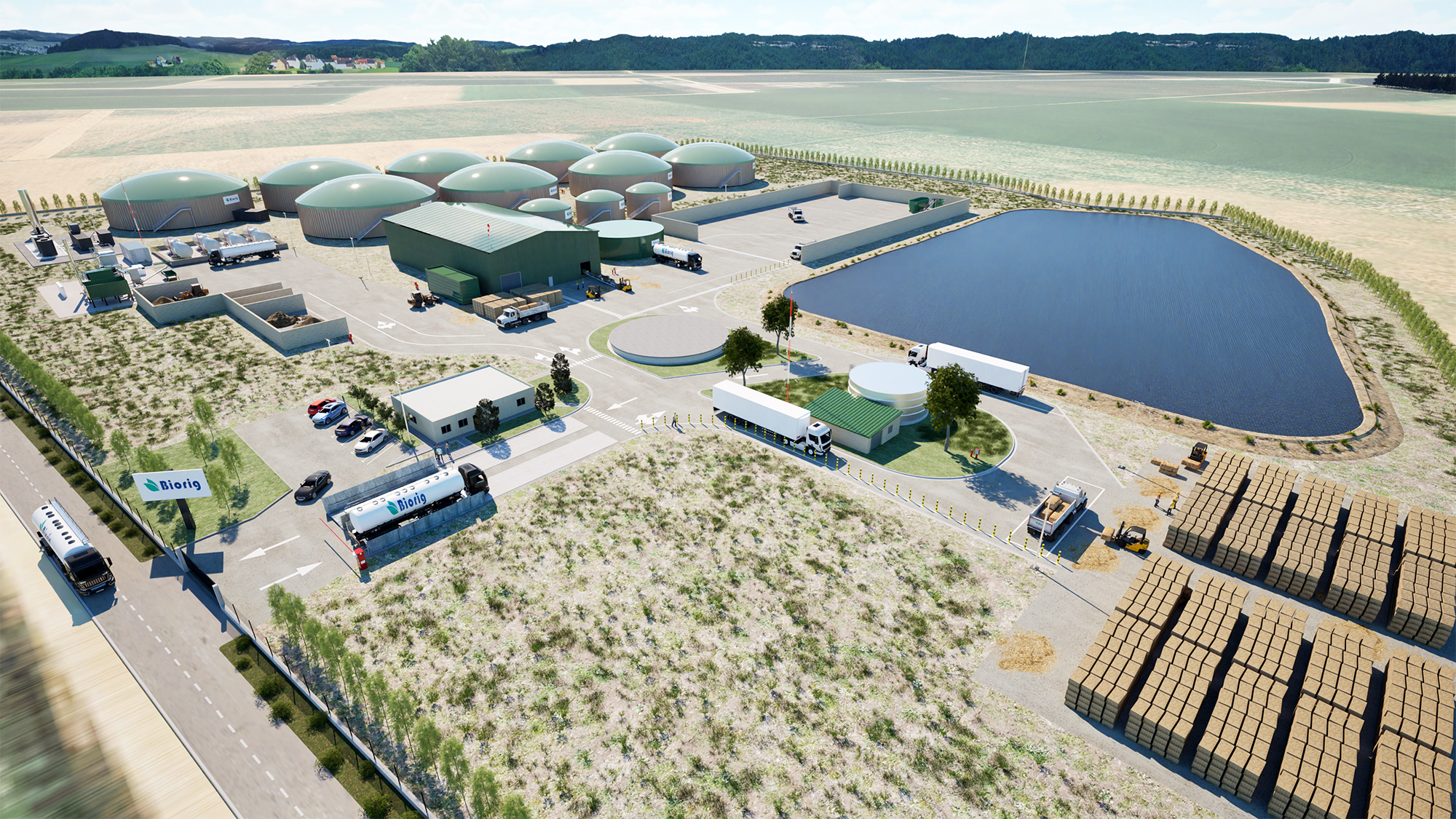
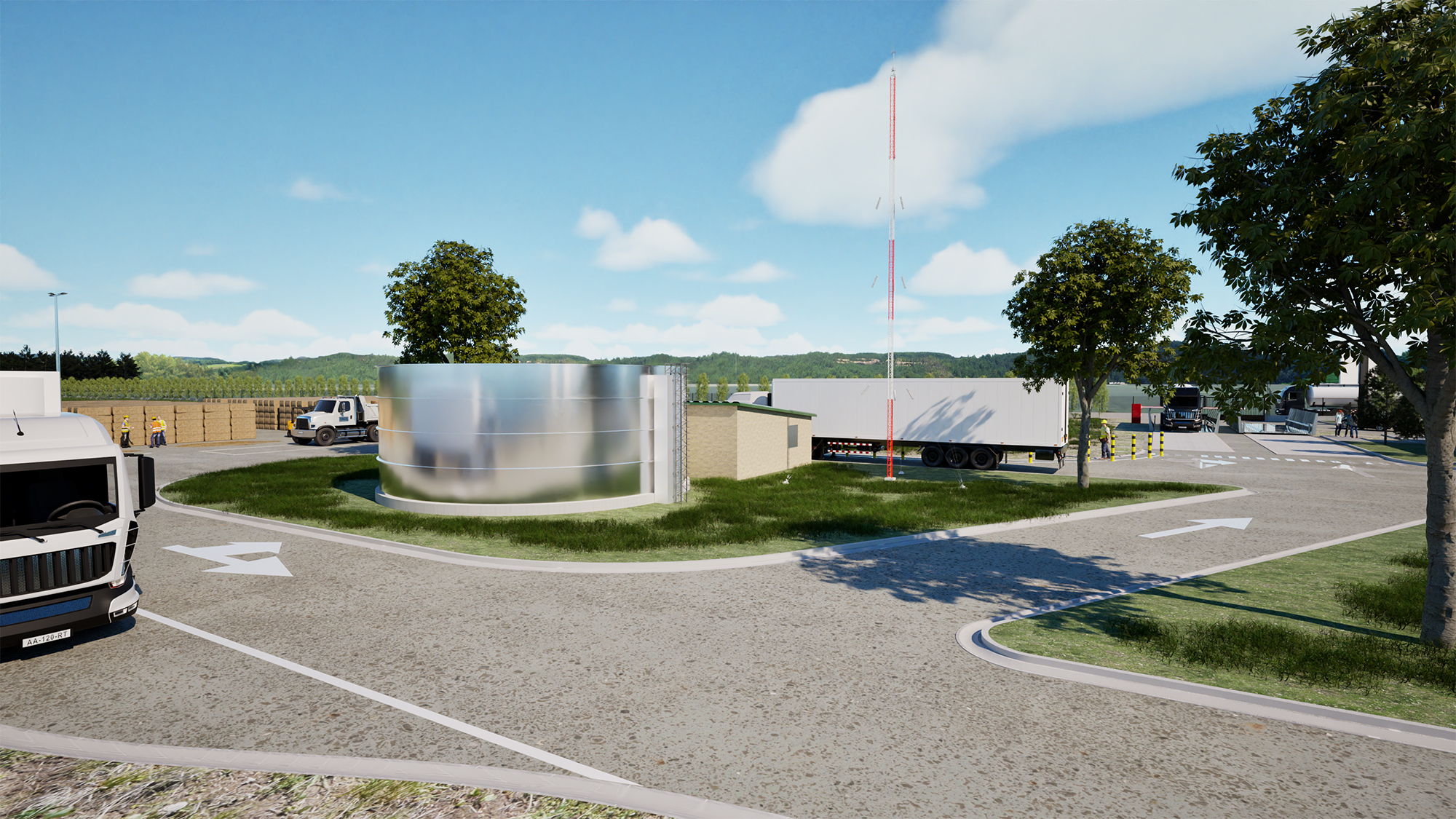
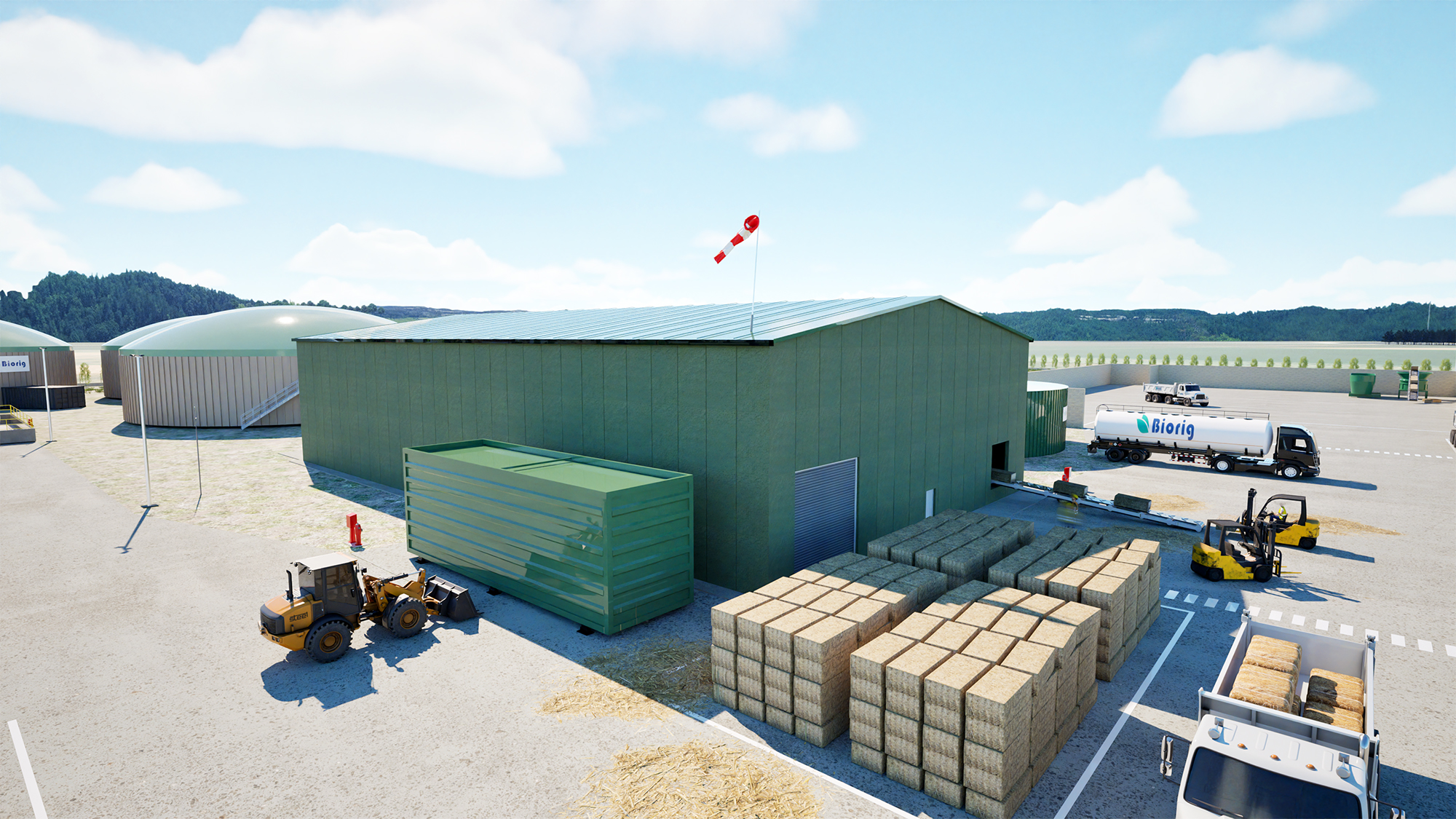
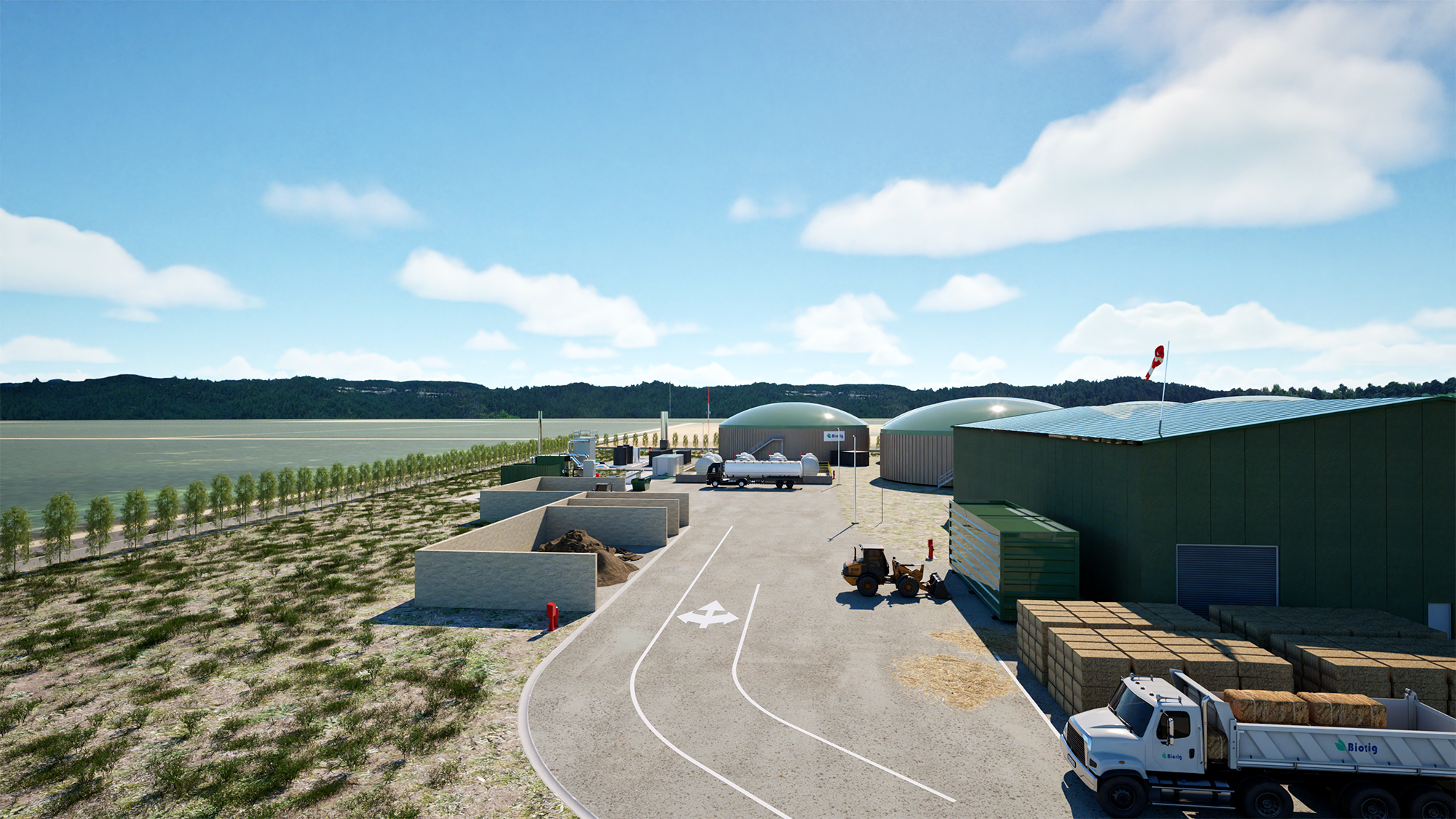
Villardondiego will have eight digester silos: two measuring 34 metres in diameter and 8 metres in height, and six slender digesters measuring 20 metres in diameter and 24.5 metres in height. The facility will process up to 198,000 tonnes of organic waste per year, sourced from the agricultural and livestock sector — including slurry, manure, chicken manure, agricultural surplus and maize stalks — and will return around 200,000 tonnes of CFP 3 organic fertiliser per year to the region’s farming community, certified in accordance with Regulation (EU) 2019/1009.

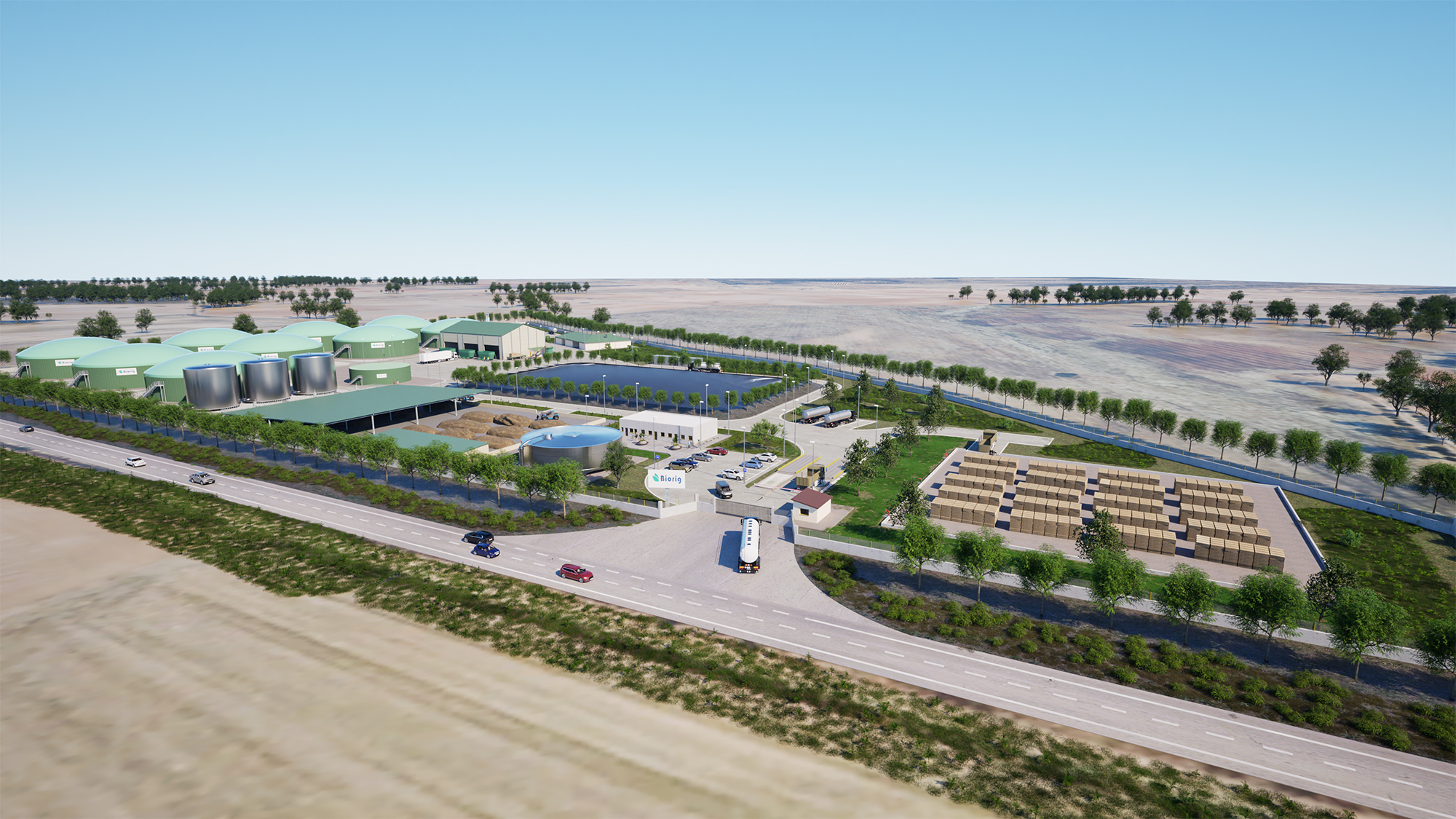
The plant will be waterproofed in the waste treatment areas to prevent spills or leaks; it is equipped with water-reuse systems to minimise the use of external water supplies; and it has odour detection and prevention systems, such as biofilters.

Project Sheet

Key data

Stage: Under developement

Location: Villardondiego (Zamora, Spain)

Site area: 7.8 hectares

Estimated date of commissioning: 2028

Production: 91 GWh/y

BioCO₂ production (tonnes/year): 17,000

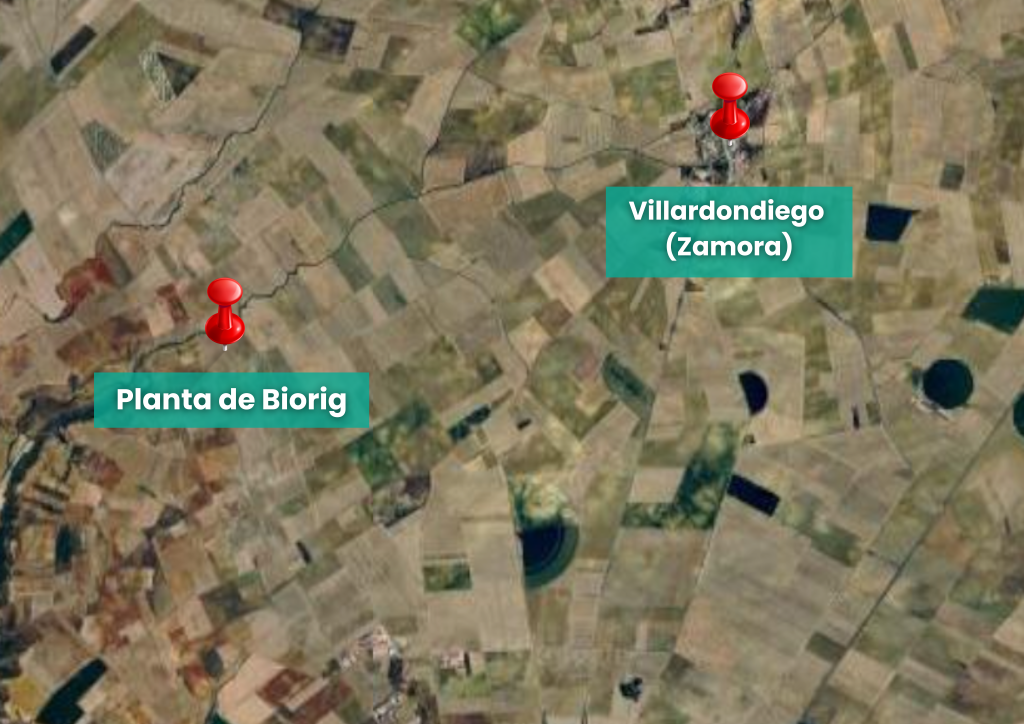
Distance to the town: 3.2 km

Operator: Biorig

Sustainability

At Biorig, in line with our commitment to transparency and positive social impact, we are committed to keeping local residents informed and involving them in the community reinvestment schemes we are implementing at our facilities. To this end, we will establish a ‘Green Dialogue Forum’, which will bring together the local administration, community organisations and neighbourhood groups from the municipalities, and the company itself, to facilitate the exchange of information between the various social stakeholders and Biorig, as well as to decide on the projects to be funded under the community reinvestment scheme that Biorig implements across all its projects.

Click on this link to find out more about Biorig’s social projects.

Access

The plant is situated on plot 589 of industrial estate 1, in Villardondiego (Zamora), with access via various local and regional roads.

Main access roads
:

A-11: The main exit is junction 425; take the ZA-713 northwards for 2.42 km.

ZA-713: This road connects Pozoantiguo with the A-11, providing direct access to the plant area without passing through built-up areas.

Contact

Through this channel, we aim to provide a platform for any complaints from individuals, residents’ associations and businesses who have comments or concerns regarding our projects.
We recognise that everyone has the right to lodge a complaint, and we will ensure that all complaints we receive are handled respectfully, objectively and effectively.
If you have any queries or require further information regarding this project, please contact us via the ‘Contact Us’ page on this website.

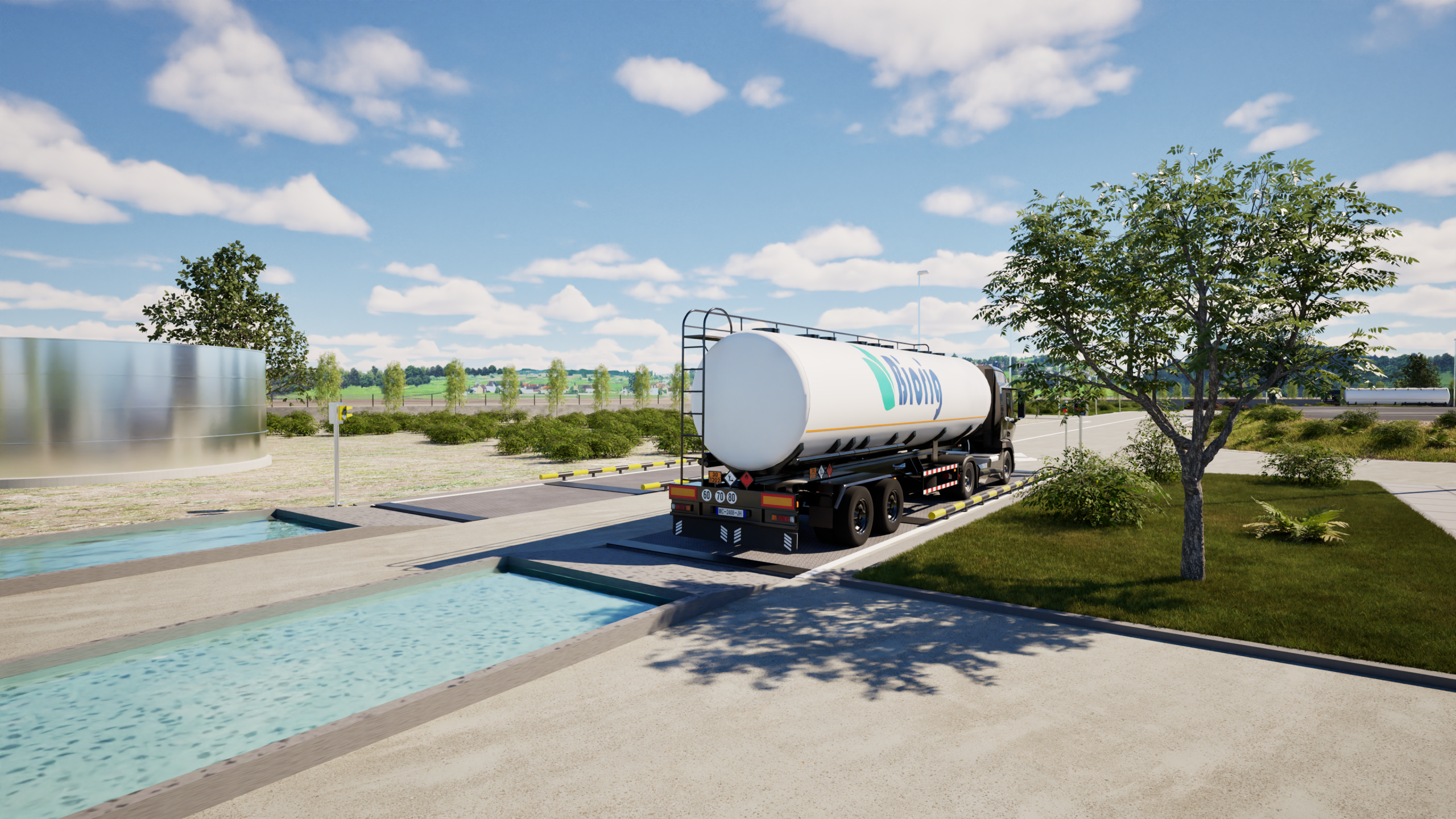
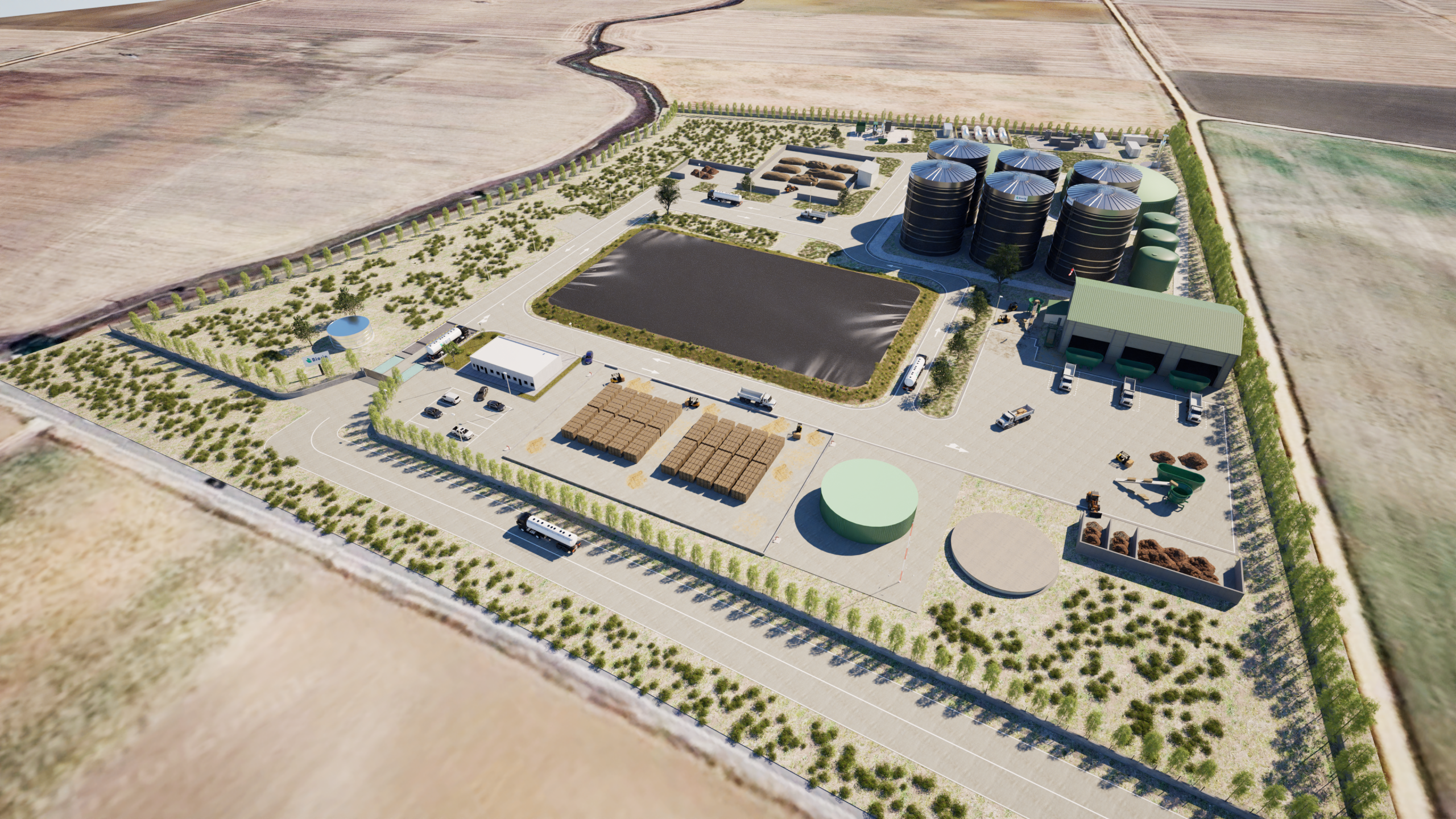
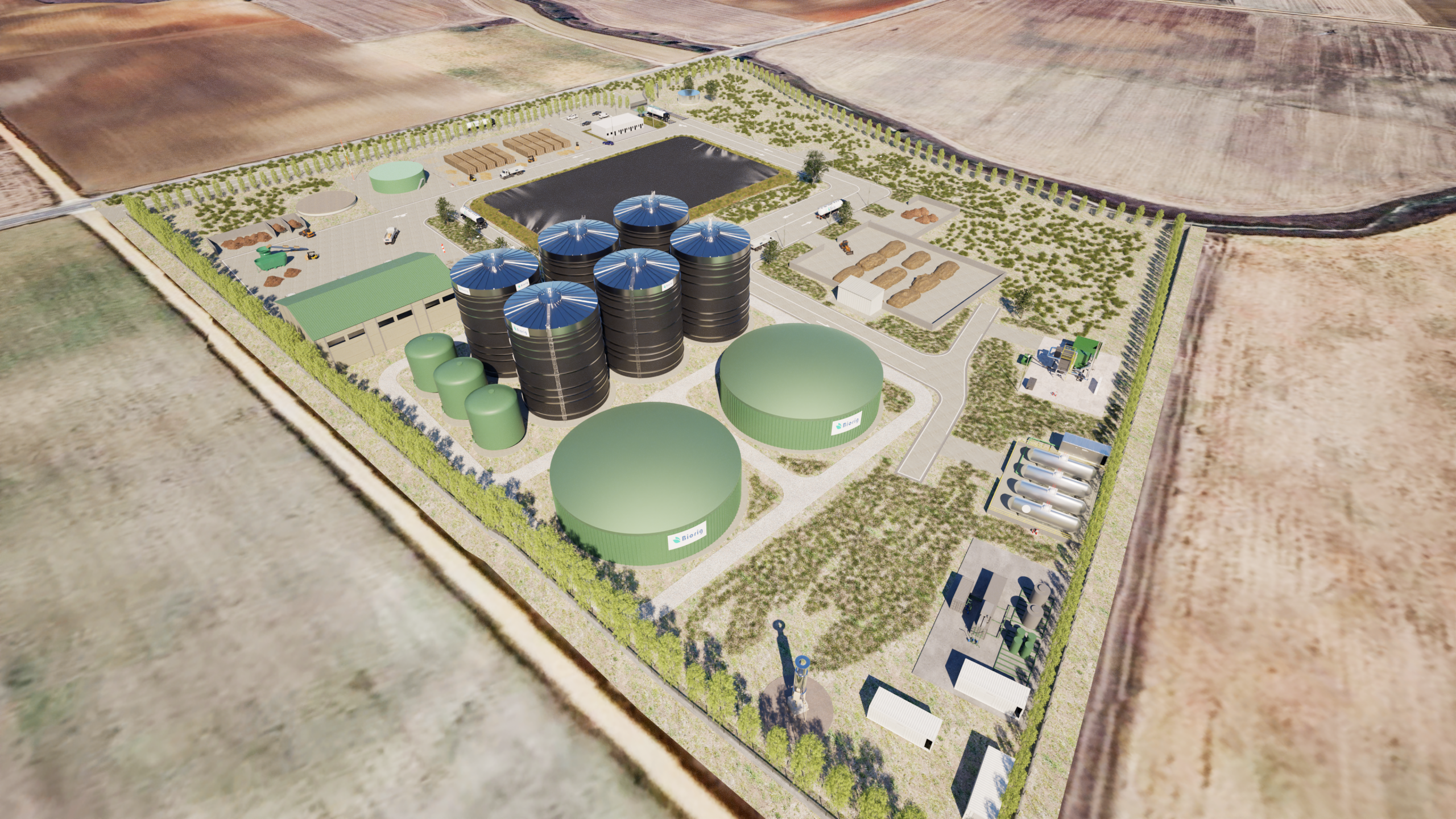
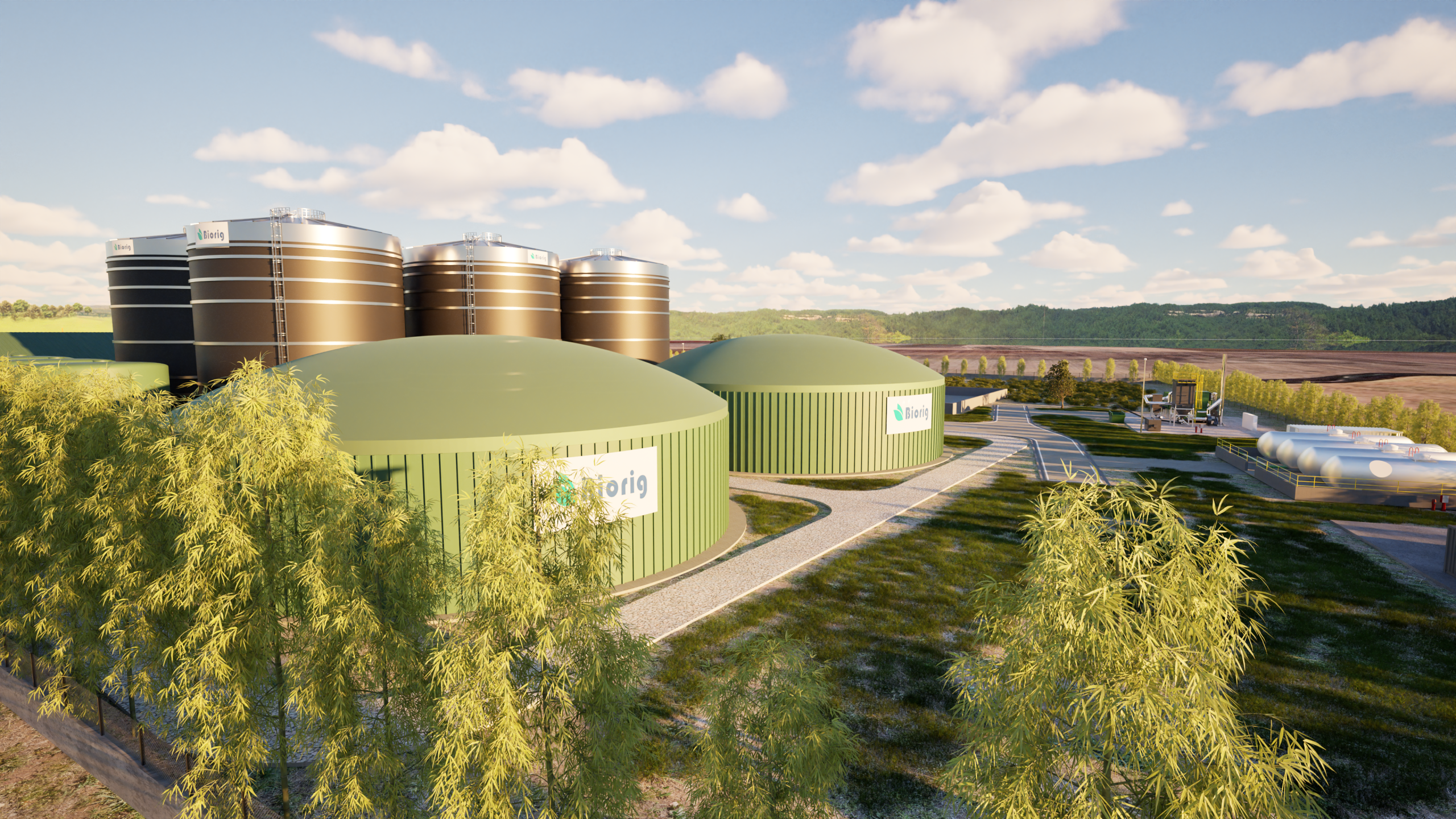
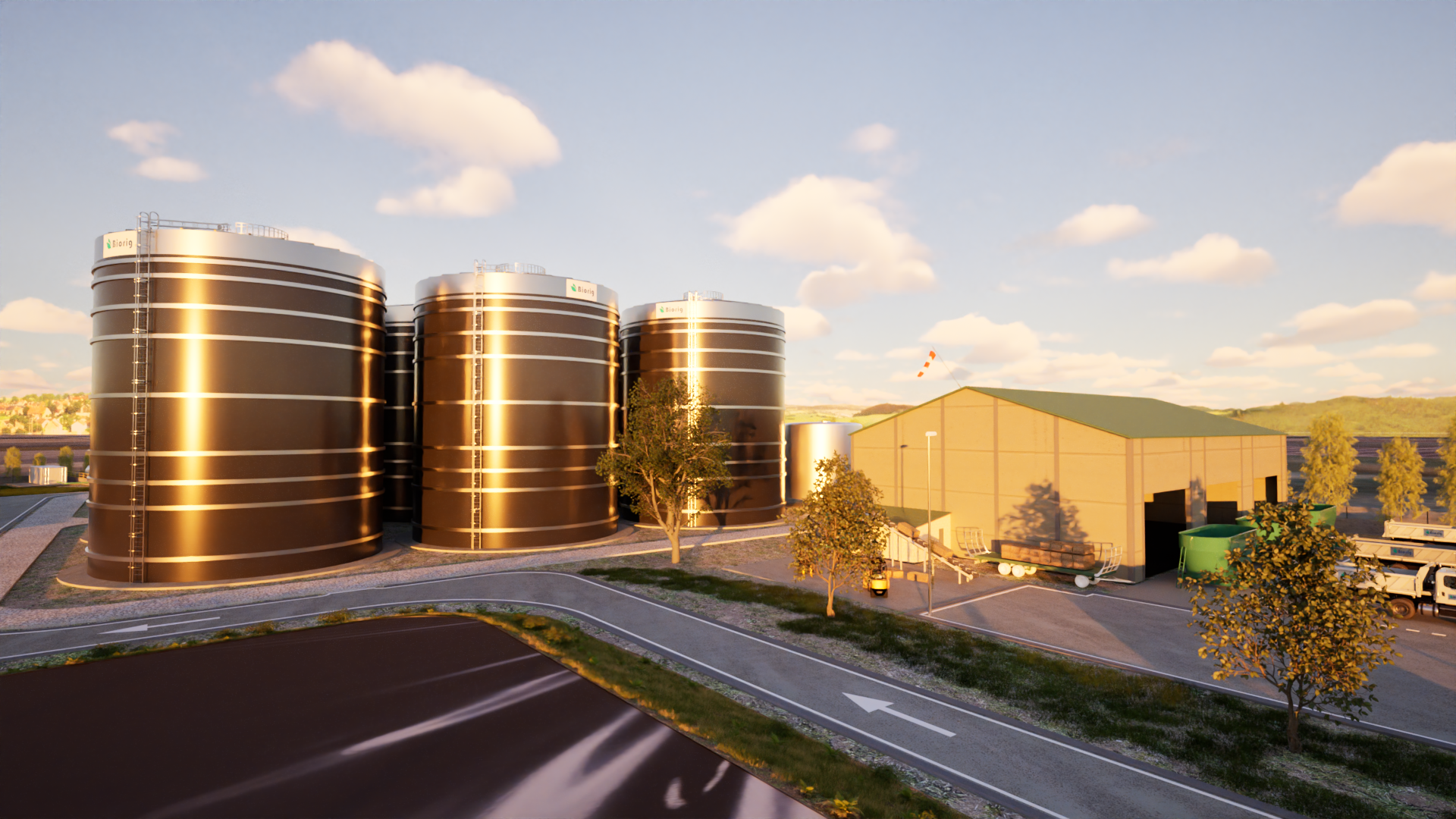
The plant in images

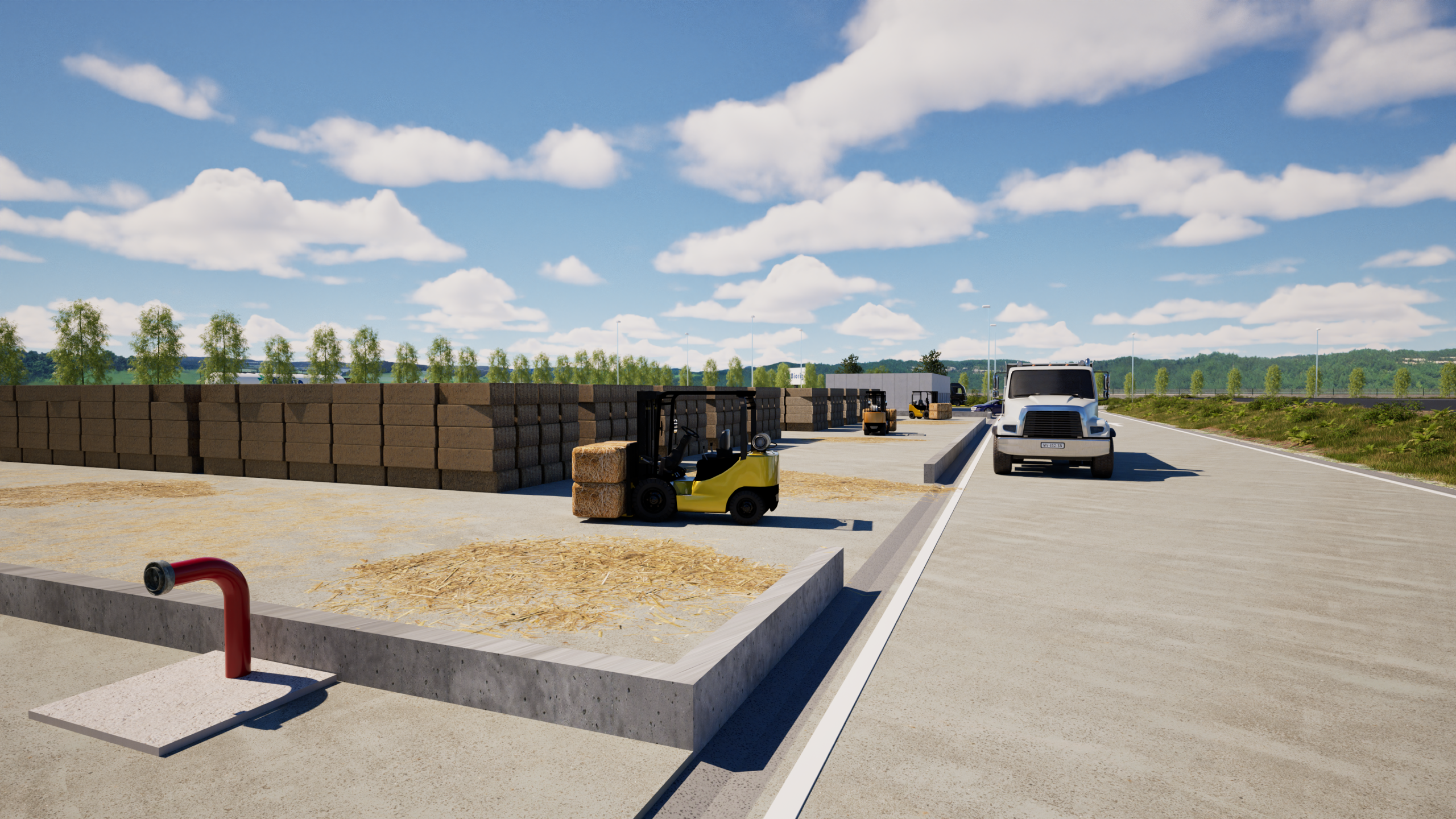
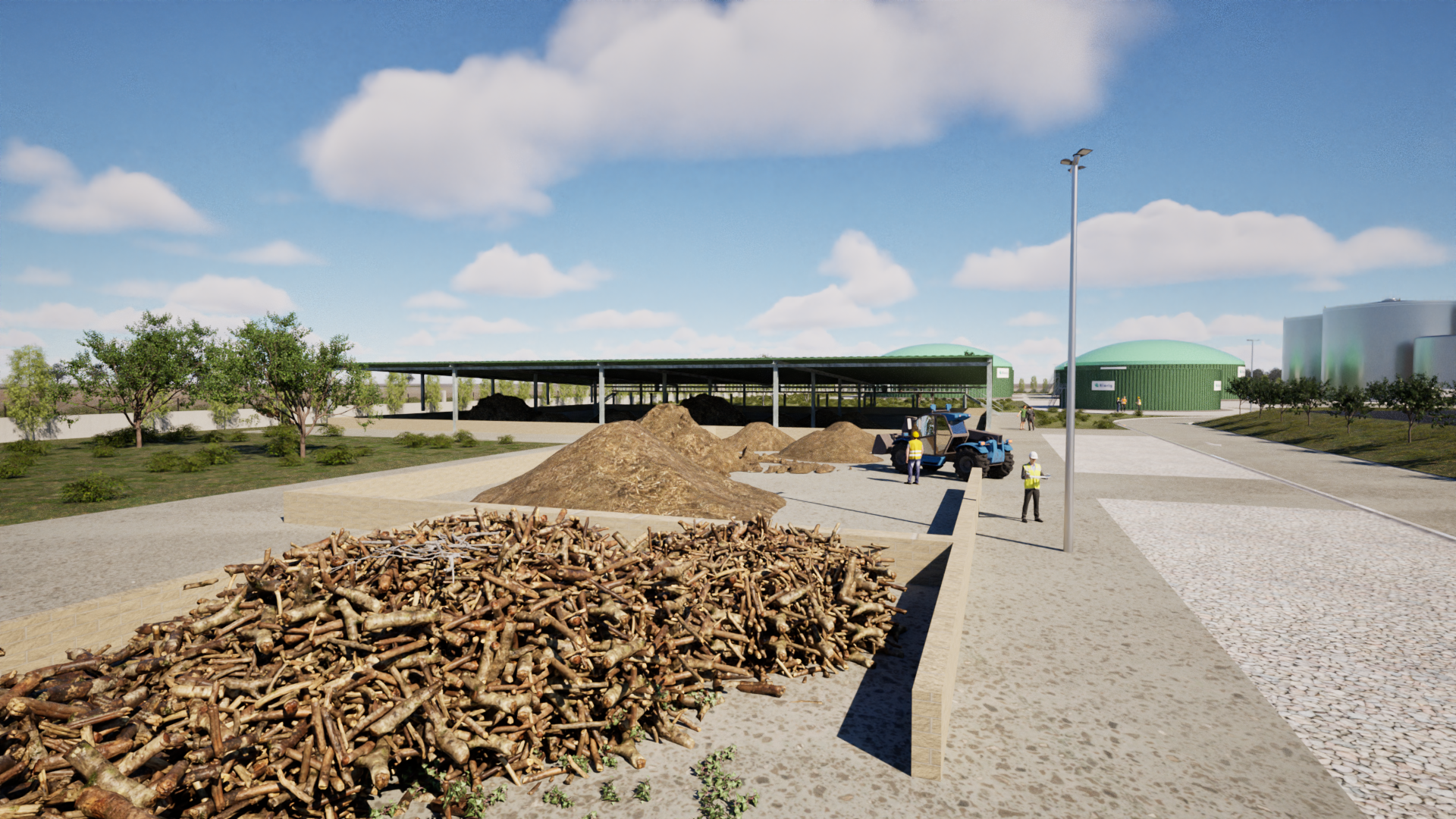
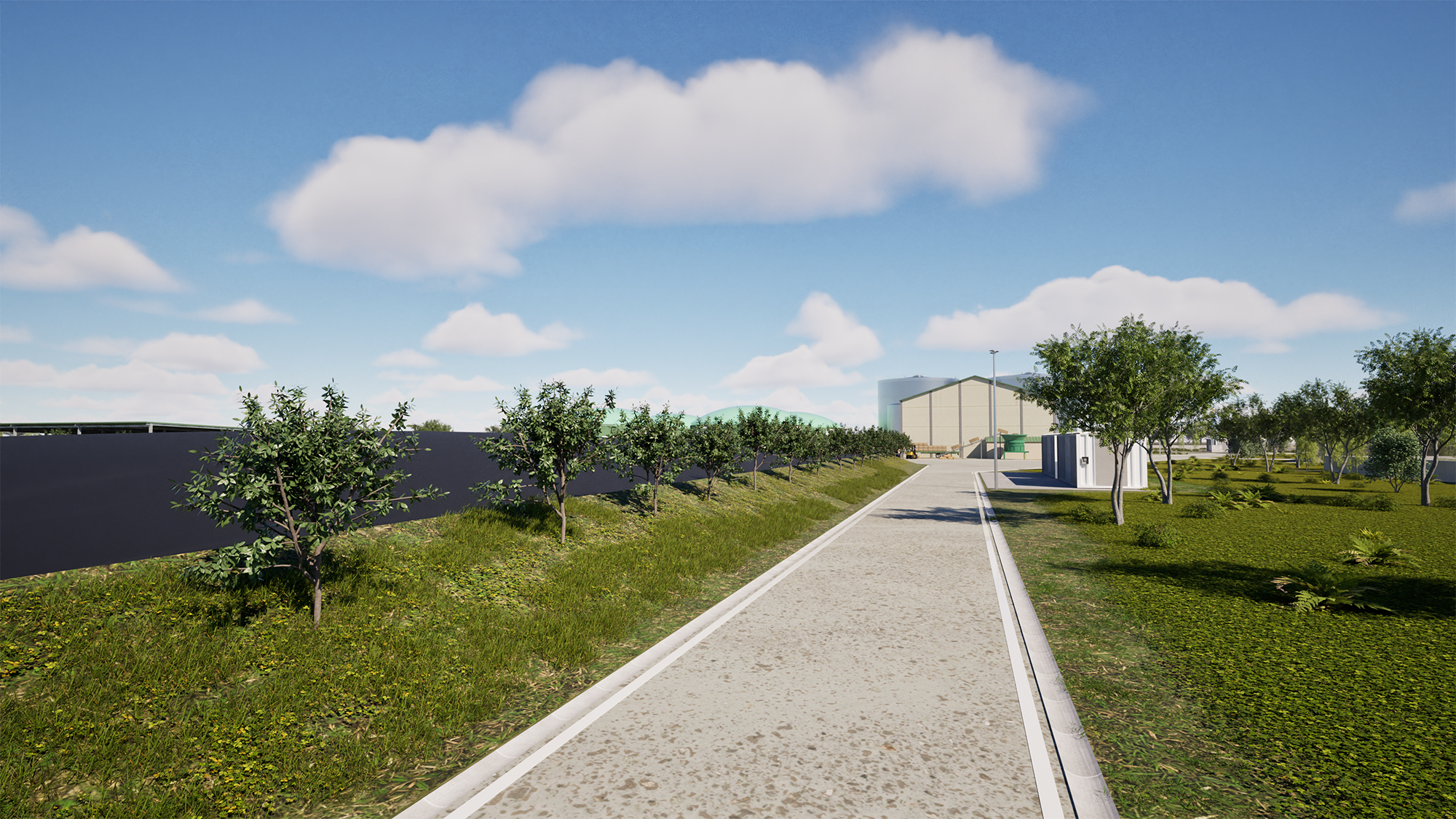
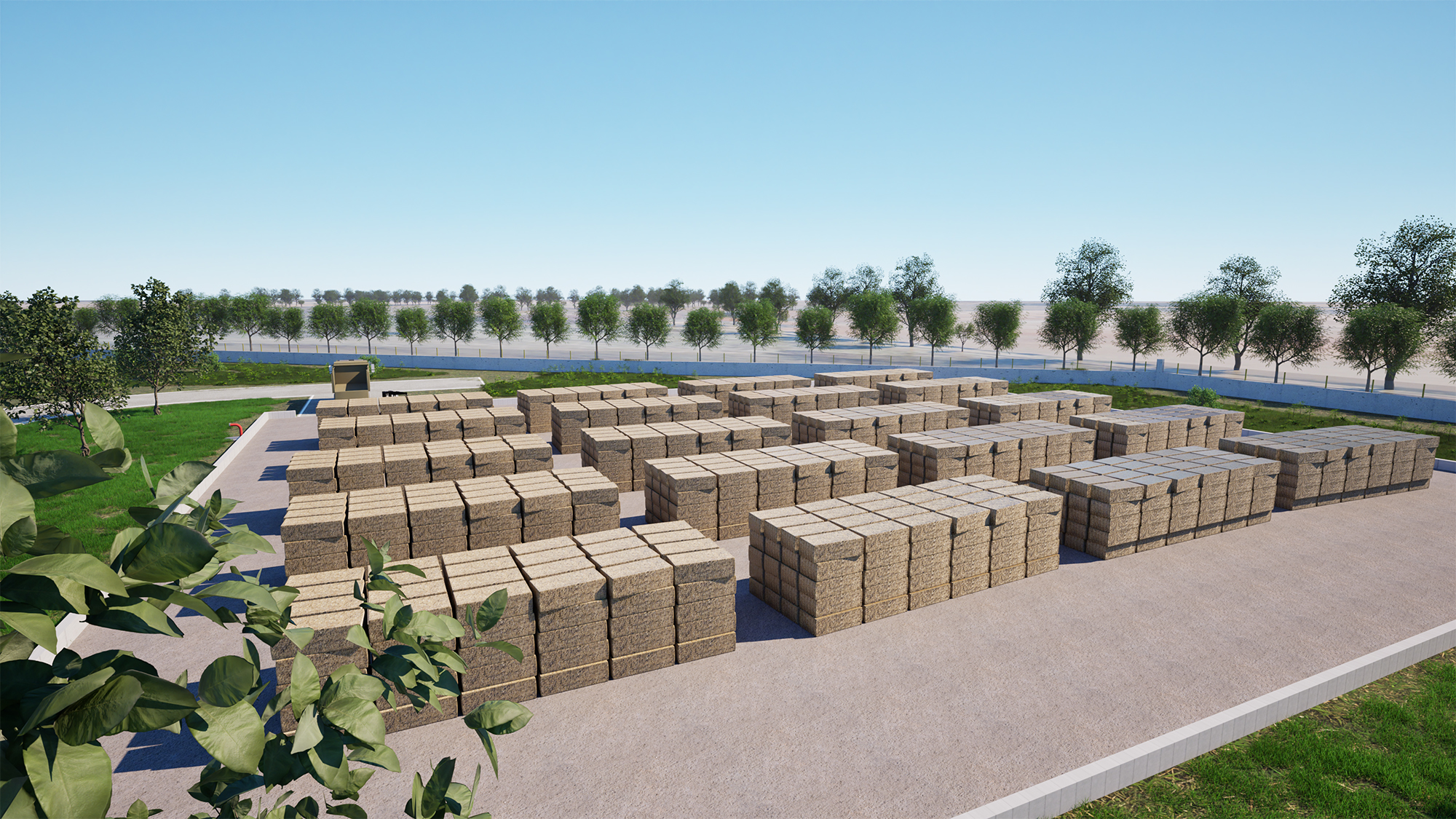
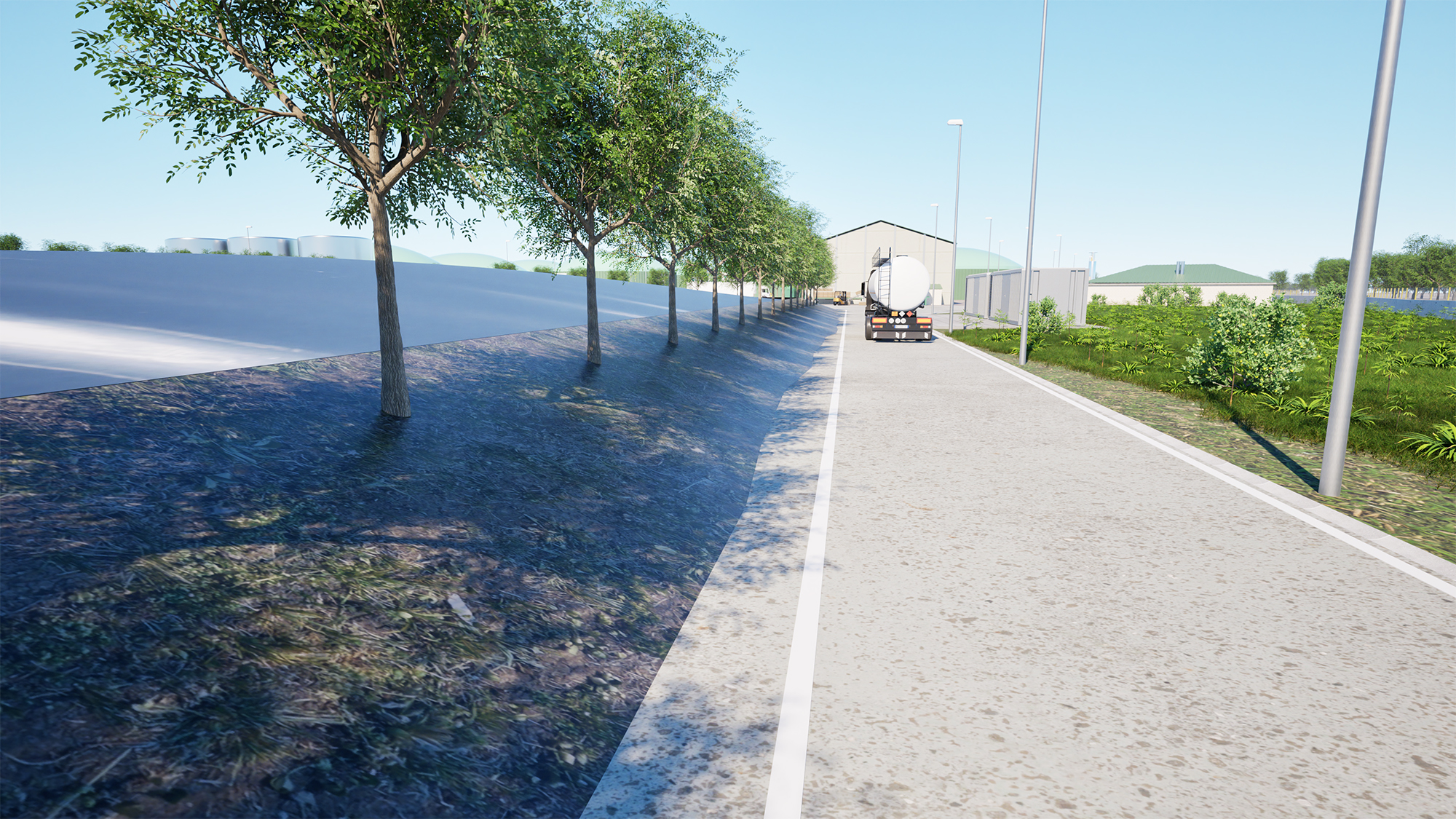
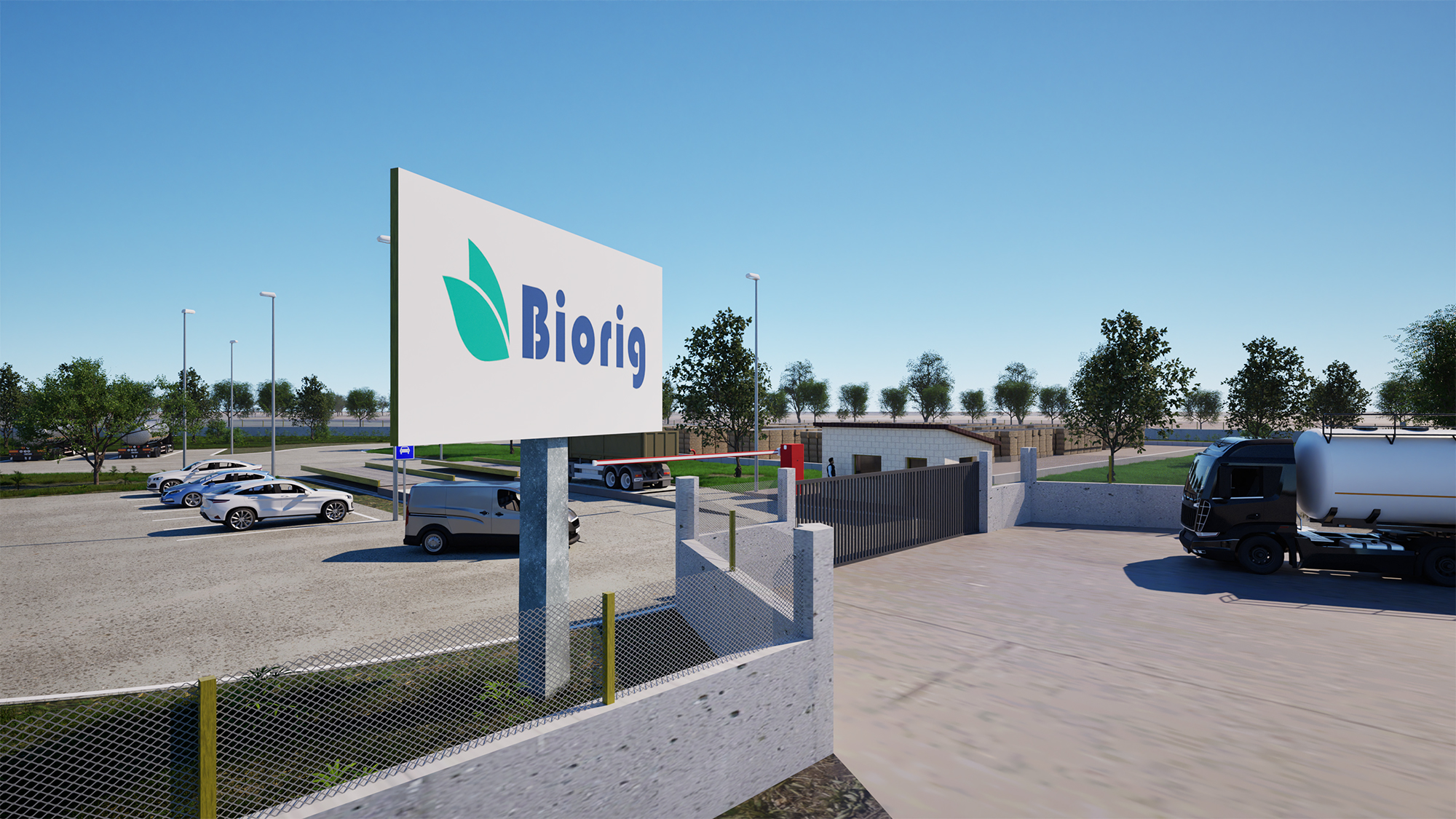
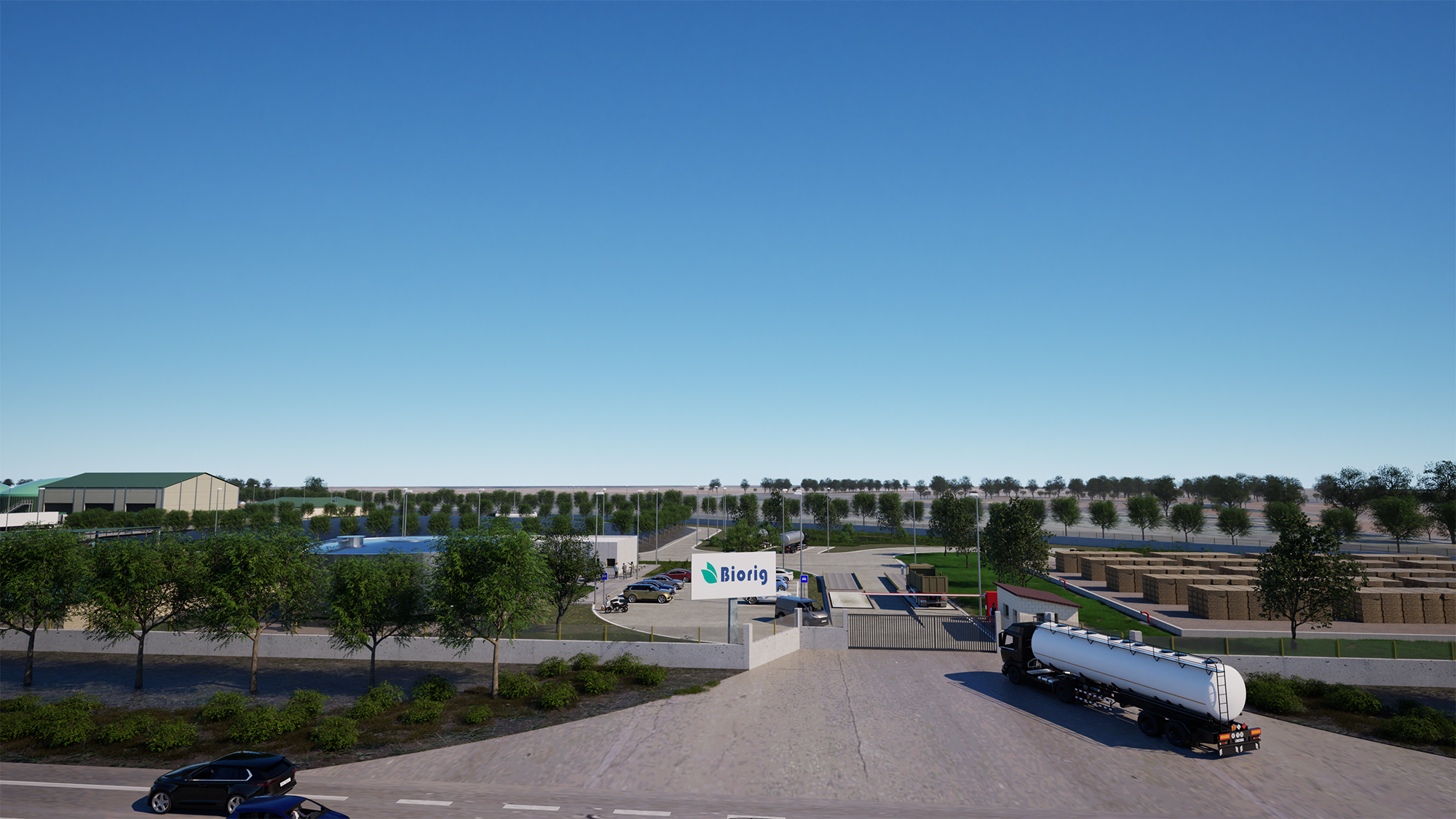
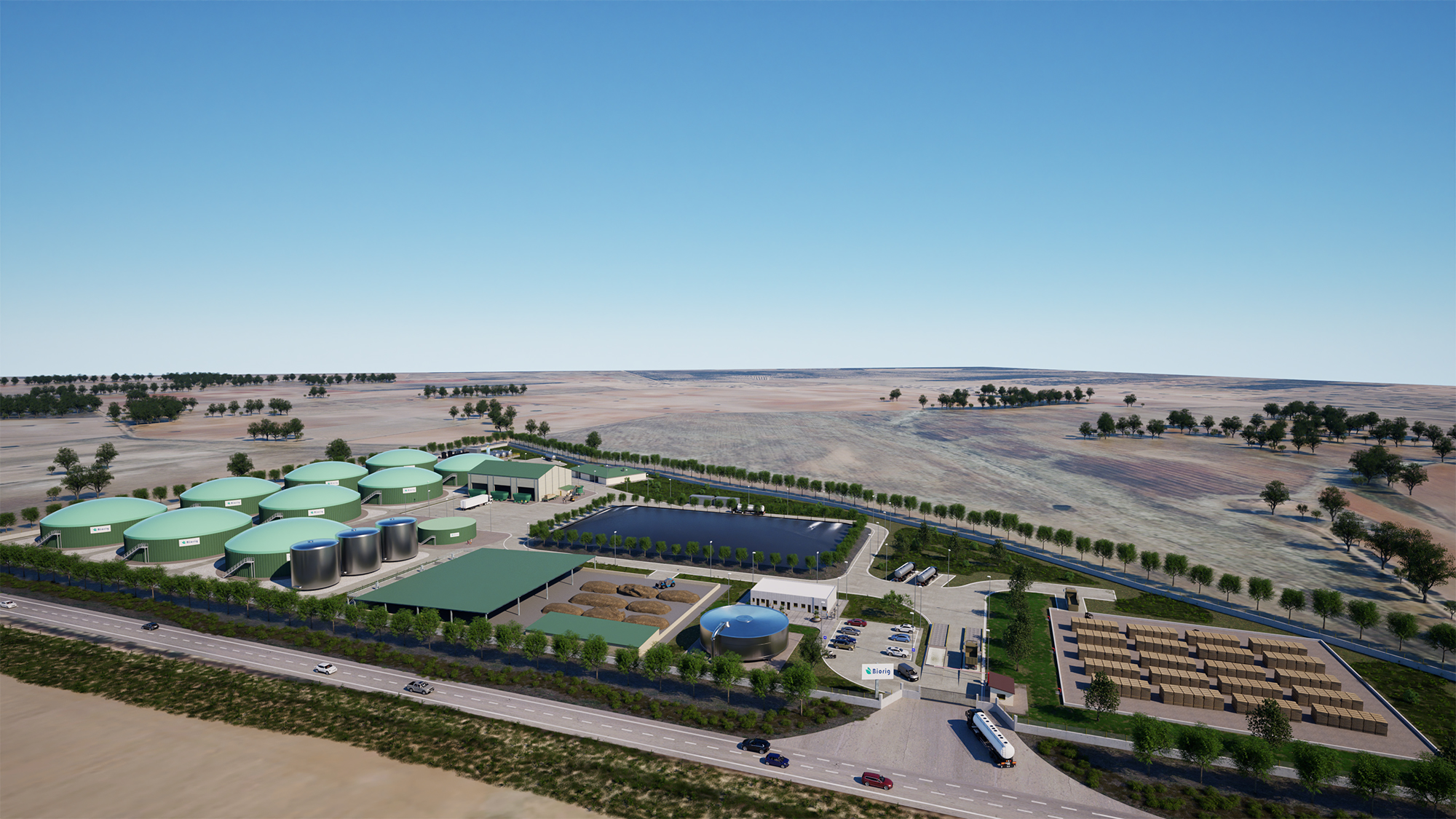
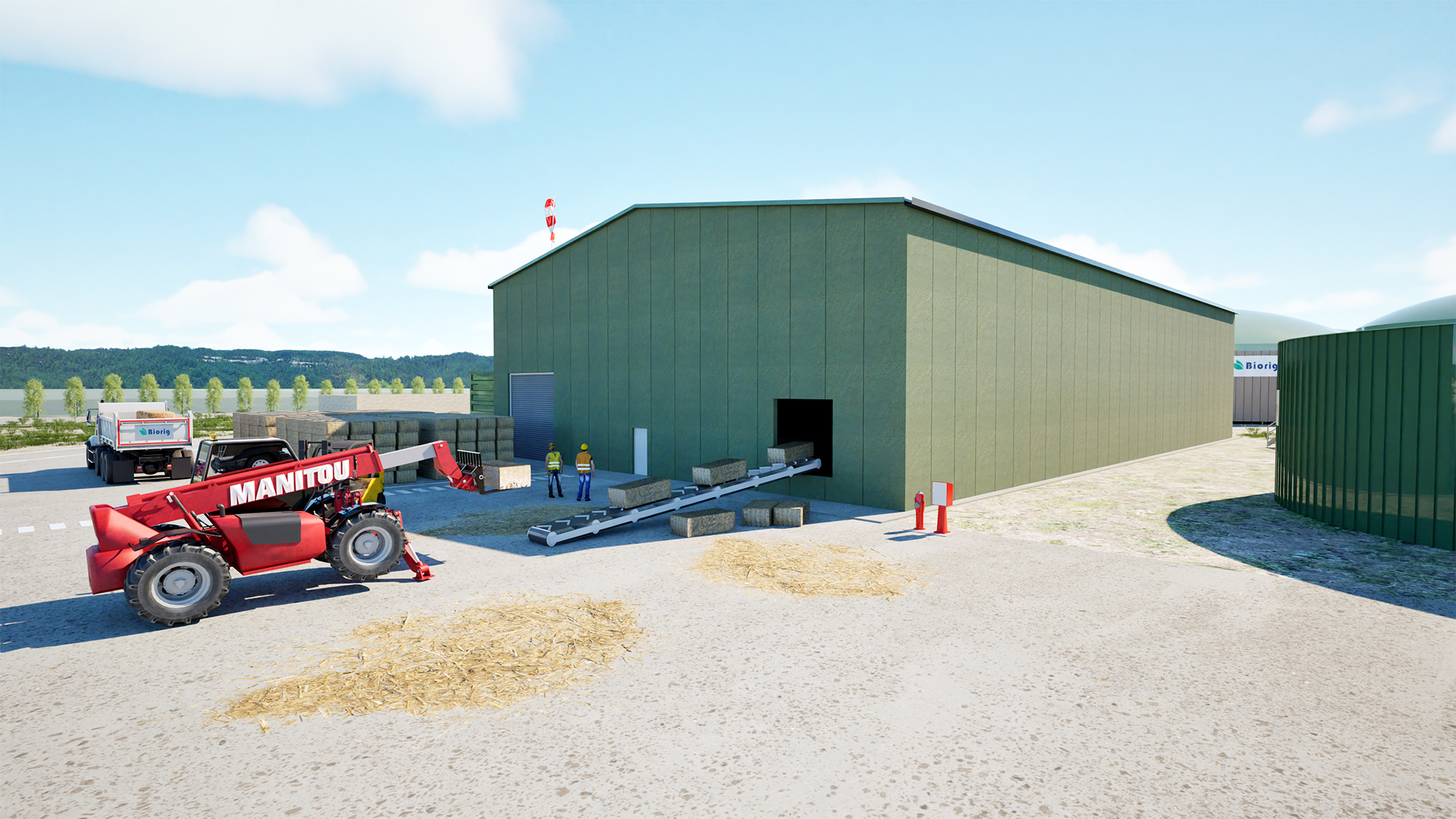
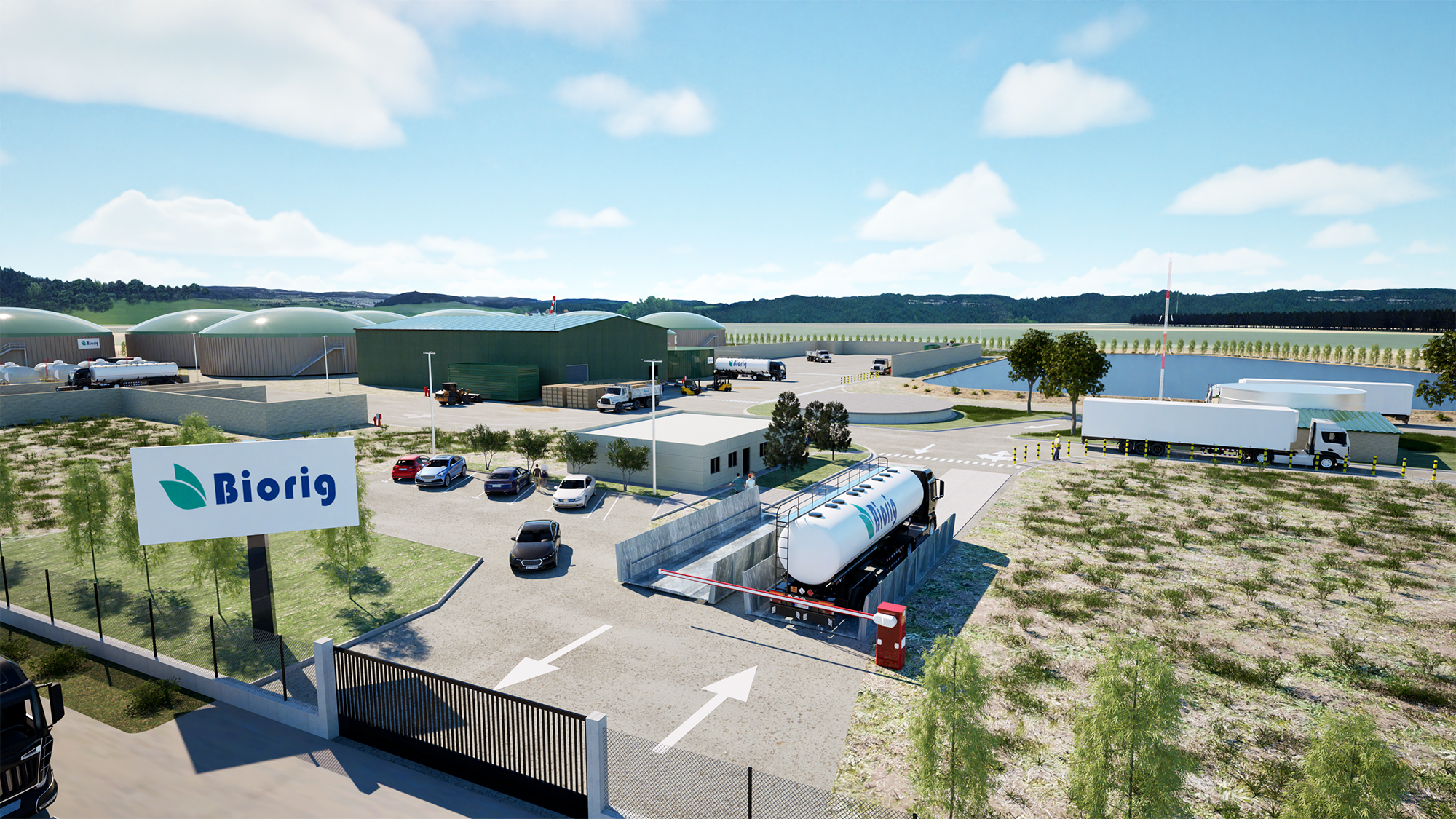
Here you can view the site at Villardondiego (Zamora) from different angles using 3D renderings.
Benefits of Biomethane

The biomethane is a renewable gas that is produced from biogas through upgrading. This technology is a sustainable soloution with more than 40 years of development in Europe.

Inyección directa a la red

One of the main benefits of the biomethane we produce is that, as well as having a negative carbon footprint, its composition is virtually identical to that of fossil-based natural gas. This reduces reliance on new infrastructure, as the molecules can be transported via the existing gas network.

Sectors

Biomethane has a wide range of uses across various sectors. These range from heating homes to its use as a fuel in activities where electrification is difficult to achieve, such as heavy goods transport or large-scale industry.

Rural employement

We establish our tax domicile in the municipalities where we operate, contributing to the tax revenue of the localities in which we set up. Furthermore, we are committed to training local residents in these rural areas to join the workforce at our plants, which helps to boost the local economy, create new opportunities and help retain the population in areas at risk of depopulation.
Circular economy

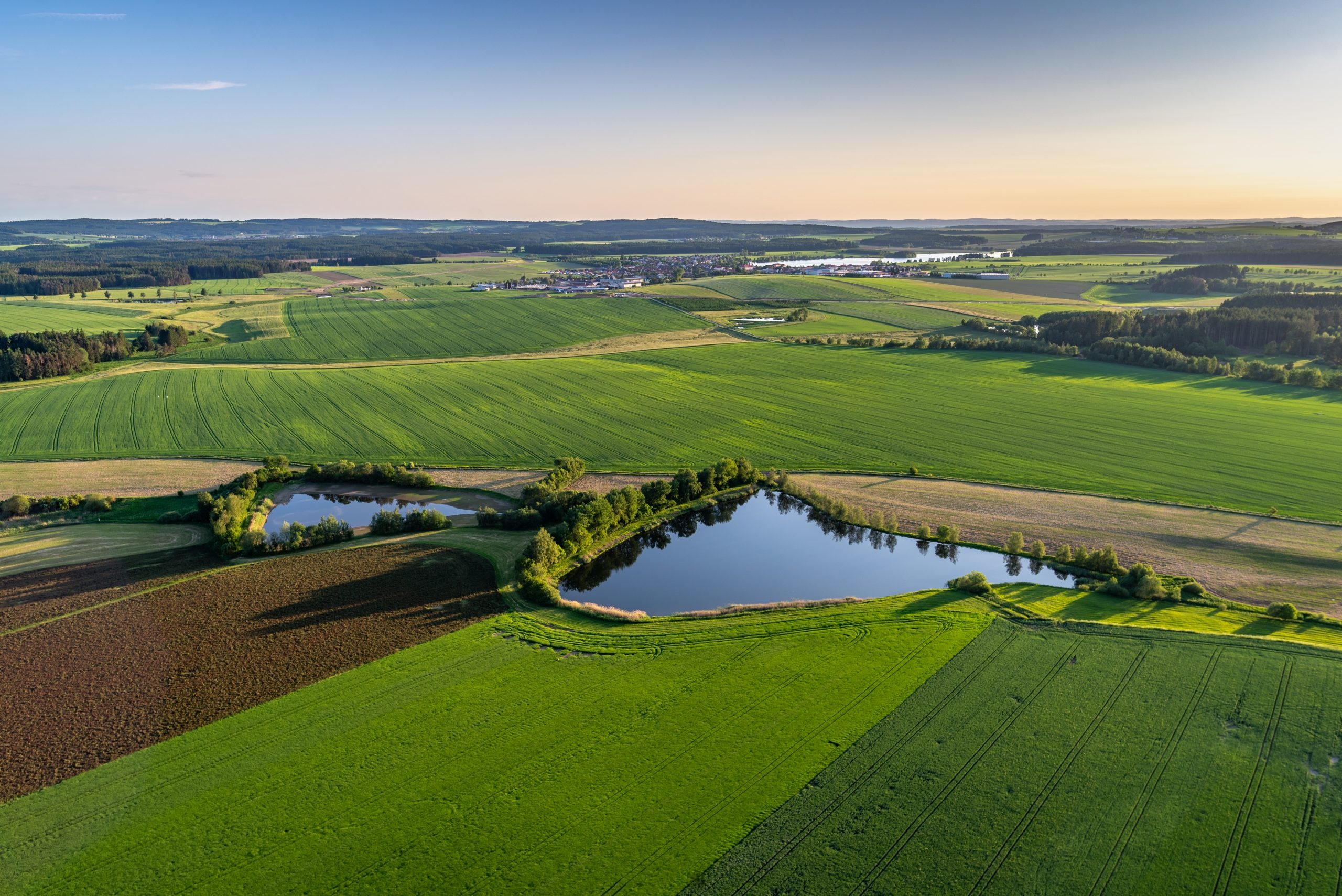
We help to establish a circular economy model in the rural areas where we operate. We facilitate the proper collection of waste, generate renewable gas and return an EU-approved organic fertiliser to the crops, which offers a genuine alternative to conventional fertilisers.

Contact

We are close to you

Do you want to contact us, propose a project, learn about our services? You can reach us at any of our offices, by e-mail or telephone.

San Cebrián de Castro (Zamora)

91 GWh of annual production
36 million in investment
198.000 tons of waste recovered per year
14.600 tons of biogenic CO₂ produced
213.000 tons of organic fertilizer redistributed in the region

About the project

The San Cebrián de Castro plant (Zamora) is a facility that will produce biomethane in Spain. It will generate 91 GWh of biomethane annually, equivalent to the consumption of nearly 16,000 households. This facility involves an investment of approximately €36 million and will contribute to the municipality’s economic development by creating 100 jobs during the construction phase and 35 direct and indirect jobs during operation.

San Cebrián de Castro will be equipped with 8 digesters, each with a diameter of 34 meters, a height of 8 meters, and an effective unit volume of 7,264 m³. The facility will process up to 198,000 tons of agricultural and livestock waste per year (including slurry, straw, and manure), and will return to the local farming community 180,000 tons per year of CFP3 organic fertilizer, certified under EU Regulation 2019/1009.

The plant will be sealed in waste treatment areas to prevent spills or leaks, will include water reuse systems to minimize external water consumption, and will feature odor detection and prevention systems. The project is expected to be operational in 2027.

Project Sheet

Key data

Phase: Under development

Location: San Cebrián de Castro (Zamora)

Area: 7,1 hectares

Estimated start of operations: 2027

Production: 91 GWh/año

BioCO₂ generation(tn/año): 14.667

Operator: Biorig

Sustainability

We are part of the local communities where we operate. For us, it is extremely important to engage in dialogue with and show respect for the people who live and work in the area. This includes transparent communication, creating local jobs, developing business sectors, paying local taxes, as well as contributing investments in community socio-environmental projects. Our projects are sustainable by design, from initial planning through to construction and management.

Access

The planta is located on plots 59,60, and 61 of polygon 1, in San Cebrián de Castro (Zamora), with access via various local and regional roads.


Main access roads:

A-66: This will be the main access route.
Camino de las Carboneras (por el Camino Vereda) heading east for 2.14 km to the plant entrance.

Contact

Through this channel we want to give voice to any complaints from individuals, communities and businesses who have comments or concerns about our projects.

We recognise that anyone has the right to make a complaint and we will ensure that all complaints we receive are handled in a respectful, objective and effective manner.

You can contact us via this email address, contact@biorig.energy.

The plant in images

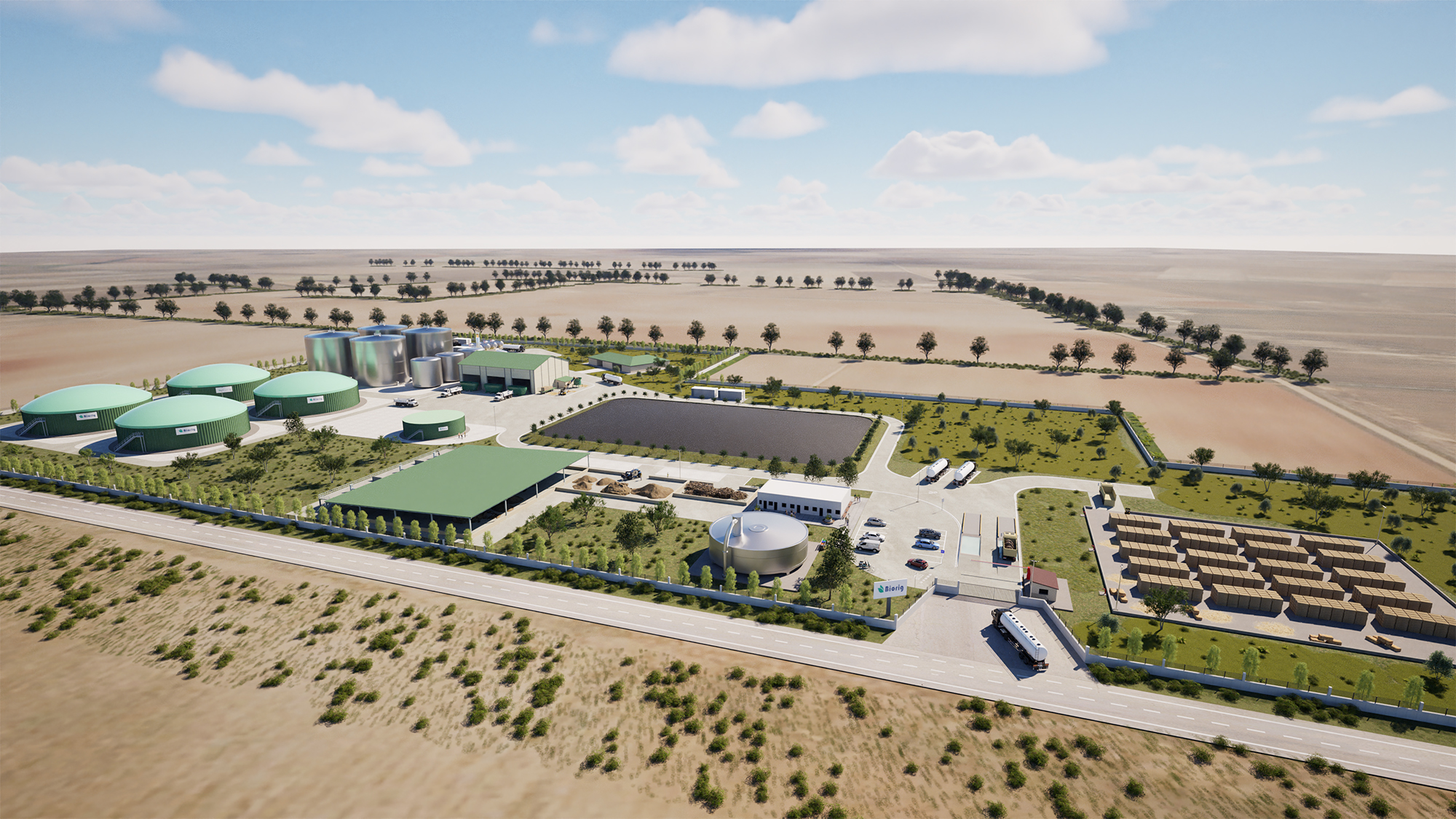
Here you can see the installation of San Cebrián de Castro (Zamora) from different angles through 3D recreations.

Benefits of Biomethane

The biomethane is a renewable gas that is produced from biogas through a purification orupgrading. This technology is a sustainable soloution with more than 40 years of development in Europe.

Direct injection to the grid

One of the main benefits of biomethane we produce is that, in addition to having an ecological footprint, we also negative in carbon emissionsemissions, it has a composition that is virtually identical to fossil-based natural gas. of fossil origin. This reduces dependence on new infrastructure, as the molecules can be transported through the gas network. already existing.

Sectors

Biomethane has multiple uses in different sectors. This ranges from its use for heating homes, to its use as a fuel in activities with consumption that is difficult to electrifiablesuch as heavy transport or large industry.

Rural employment

We establish our our tax headquarters in the municipalities where we operatewe operateWe are taxpayers, contributing with the payment of taxes to the localities in which we operate.the localities in which we we are installedwe set up. in additionwe cocommit ourselves to to train the residents of these rural areas to become part of the staff of the plants. plantswhich contributes to boosting the local economy, generating new opportunities opportunities, and to fix the population in areas at risk of of depopulation.

Circular economy

We collaborate to establish a circular economy model in the rural environments where we operate. we are installed at .we set up. We assist in the correct collection of waste, generate a renewable gas and return an EU-approved organic fertilizer amendment to the crops., which is is a real alternative for crop fertilization.

Contact

We are close to you

Do you want to contact us, propose a project, learn about our services? You can reach us at any of our offices, by e-mail or telephone.
Cubo de Tierra del Vino (Zamora)

90 GWh of annual production
34 million in investment
198.000 tons of waste recovered per year
15.000 tonnes of biogenic CO₂ produced
180.000 tonnes of organic fertiliser redistributed in the region

About the project

El Cubo de Tierra del Vino plant (Zamora), a facility that will produce biomethane in Spain. It will generate 90 GWh of biomethane per year, equivalent to the consumption of almost 16,000 homes. This facility has an investment of around 34 million euros, and will contribute to the economic development of the municipality with the creation of 100 jobs during its construction phase and 35 direct and indirect jobs during its operation.

El Cubo de Tierra del Vino will have 9 digesters, each with a diameter of 35 metres, a height of 8 metres and an effective unit volume of 6,400 m³. This facility will recover a maximum of 198,000 tonnes of agricultural and livestock waste per year (slurry, straw and manure) and will return 180,000 tonnes per year of organic fertiliser CFP3 approved by EU directive 2019/1009 to the agricultural community of the region.

The plant will be waterproofed in the waste treatment areas to prevent spillage or seepage, has water reuse systems to avoid external water consumption and has odour detection and prevention systems. The project is expected to be operational in 2027.

Project sheet

Key Data
  • Phase: Under development
  • Location: El Cubo de la Tierra del Vino (Zamora)
  • Surface: 7,1 hectares
  • Estimated date of entry into operation: 2027
  • Production: 90 GWh/año
  • Generation of bio-CO₂ (tn/year): 15.333
  • Operator: Biorig 
Sustainability

We are part of the local communities where we operate. For us, it is extremely important to engage in dialogue with and show respect for the people who live and work in the area. This includes transparent communication, creating local jobs, developing business sectors, paying local taxes, as well as contributing investments in community socio-environmental projects. Our projects are sustainable by design, from initial planning through to construction and management.

Access

The plant is located on plot 291 of polygon 1, El Cubo de la Tierra del Vino (Zamora), with access from various local and regional roads. 


Main access roads:

  • A-66: This will be the main access road.
  • ZA-602: exit 172, taking the ZA-602 road towards Villamor de los Escuderos (1 km).
  • ZA-611: taking the ZA-611 road towards Cuelgamures (1,42 km) until the access to the plant.
Contact

Through this channel we want to give voice to any complaints from individuals, communities and businesses who have comments or concerns about our projects.     

 We recognise that anyone has the right to make a complaint and we will ensure that all complaints we receive are handled in a respectful, objective and effective manner.  

 You can contact us via this email address, contact@biorig.energy.

The plant in images

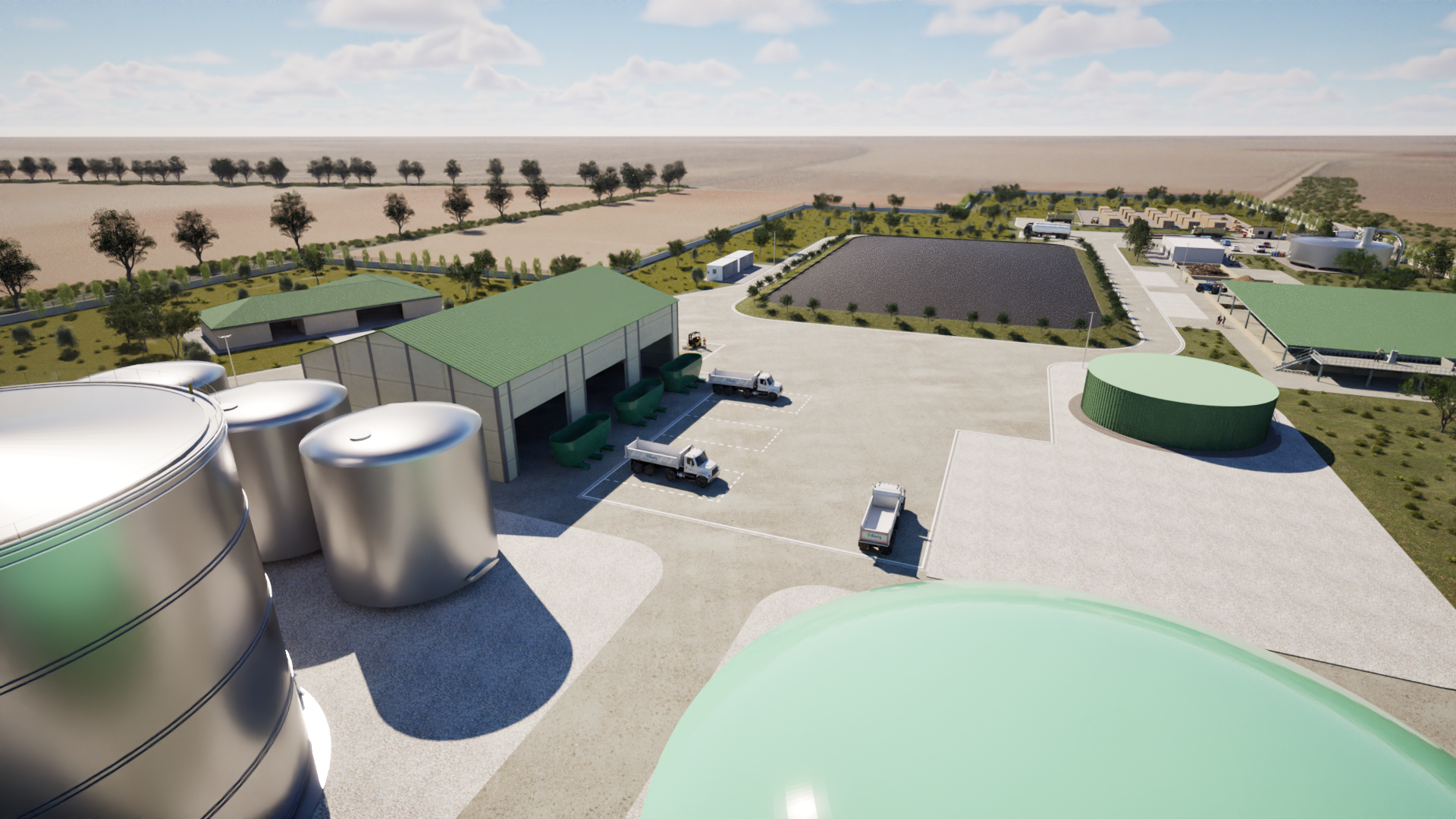
Here you can see the installation of Cubo de Tierra del Vino (Zamora) from different angles through 3D recreations.

Benefits of Biomethane

Biomethane is a renewable gas that is produced from biogas through a purification or upgrading process. This technology is a sustainable energy solution with more than 40 years of development in Europe.

Direct injection into the grid

One of the main benefits of the biomethane we produce is that, in addition to having a negative carbon footprint, it has a composition that is virtually identical to fossil-based natural gas. This reduces dependence on new infrastructure, as the molecules can be transported through the existing gas network.

Sectors

Biomethane has multiple uses in different sectors. This ranges from its use for heating homes to its use as a fuel in activities with consumption that is difficult to electrify, such as heavy transport or large industry.

Rural employment

We establish our tax headquarters in the municipalities where we operate, contributing to the payment of taxes to the localities where we are located. In addition, we are committed to training the residents of these rural areas to form part of the workforce of the plants, which helps to boost the local economy, generate new opportunities and fix the population in areas at risk of depopulation.

Circular economy

We collaborate to establish a circular economy model in the rural environments where we operate. We help in the correct collection of waste, we generate a renewable gas and we return to the crops an organic fertiliser amendment approved by the EU, which is a real alternative for crop fertiliser.

Contact

We are close to you

Do you want to contact us, propose a project, learn about our services? You can reach us at any of our offices, by e-mail or telephone.
San Millán de los Caballeros (León)

119 GWh of annual production
35 million in investment
198.000 tons of waste recovered per year
17.000 tons of biogenic CO₂ produced
180.000 tons of organic fertilizer redistributed in the region

About the proyect

The San Millán de los Caballeros plant (León), a pioneering facility in the development of biomethane in Spain, will have a production capacity of 119 GWh, equivalent to the consumption of almost 21,000 homes. This facility has an investment of around 35 million euros, it will contribute to the economic development of the municipality with the creation of 100 jobs during its construction phase and 35 direct and indirect jobs during its operation.

San Millán de los Caballeros will have 9 digesters, each with a diameter of 35 metres, a height of 8 metres and an effective unit volume of 6,400 m³. This facility will recover a maximum of 198,000 tonnes of agricultural and livestock waste per year (slurry, straw and manure) and will return 211,000 tonnes per year of organic fertiliser CFP3 approved by EU directive 2019/1009 to the agricultural community of the region.

The plant will be waterproofed in the waste treatment areas to prevent spillage or leaks, has water reuse systems to avoid external water consumption and has odour detection and prevention systems. The project is expected to be operational in 2027.

Project sheet

Key data


  • Phase: Ready to Build
  • Location: San Millán de los Caballeros (León)
  • Facility surface : 9,1 hectares
  • Estimated date of entry into operation: 2027
  • Production: 119 GWh
  • Generation of bioCO₂ (tn/year): 16.000
  • Operator: Biorig
Sustainability

We are part of the local communities where we operate. For us, it is extremely important to engage in dialogue with and show respect for the people who live and work in the area. This includes transparent communication, creating local jobs, developing business sectors, paying local taxes, as well as contributing investments in community socio-environmental projects. Our projects are sustainable by design, from initial planning through to construction and management.

Access

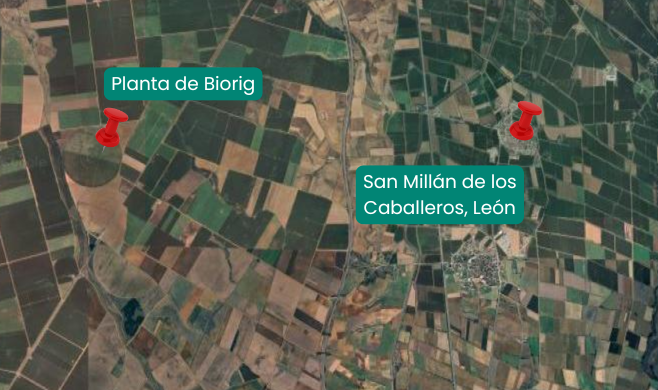
The plant is located on plot 99 of polygon 619, Pajuelo Villa, San Millán de los Caballeros (León), with access from various local and regional roads. 

Main access roads:

LE-413: Connects Laguna de Negrillos with Villamañán, allowing direct access to the plant area.

LE-512: Connects Valencia de Don Juan with San Millán de los Caballeros, facilitating access from the north.

Rural road from San Millán de los Caballeros: Access to the plant is via a road designed for the transit of industrial vehicles, without crossing residential areas.

Contact

Through this channel we want to give voice to any complaints from individuals, communities and businesses who have comments or concerns about our projects.     

 We recognise that anyone has the right to make a complaint and we will ensure that all complaints we receive are handled in a respectful, objective and effective manner.  

 You can contact us via this email address, contact@biorig.energy.

The plant in images

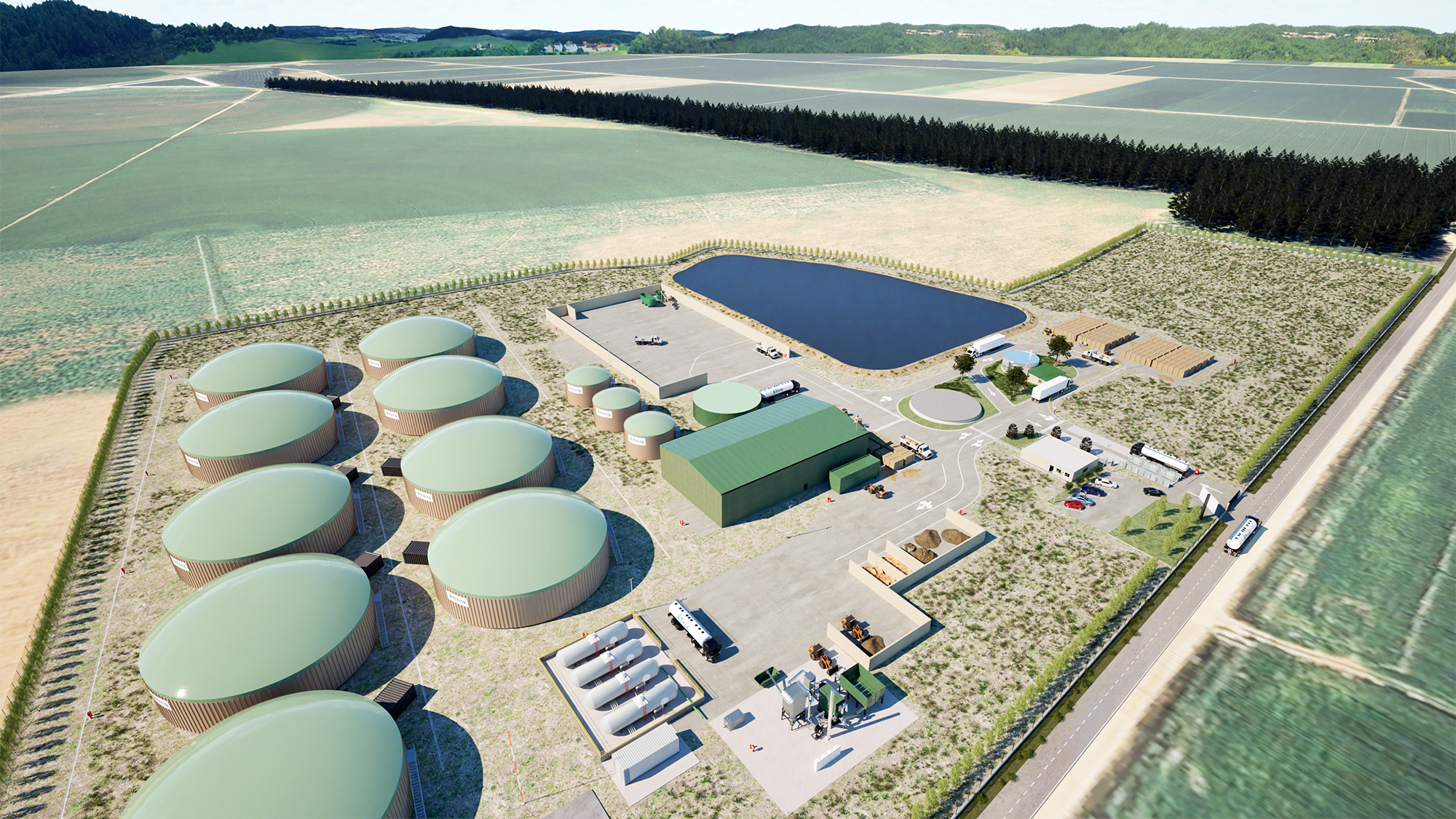
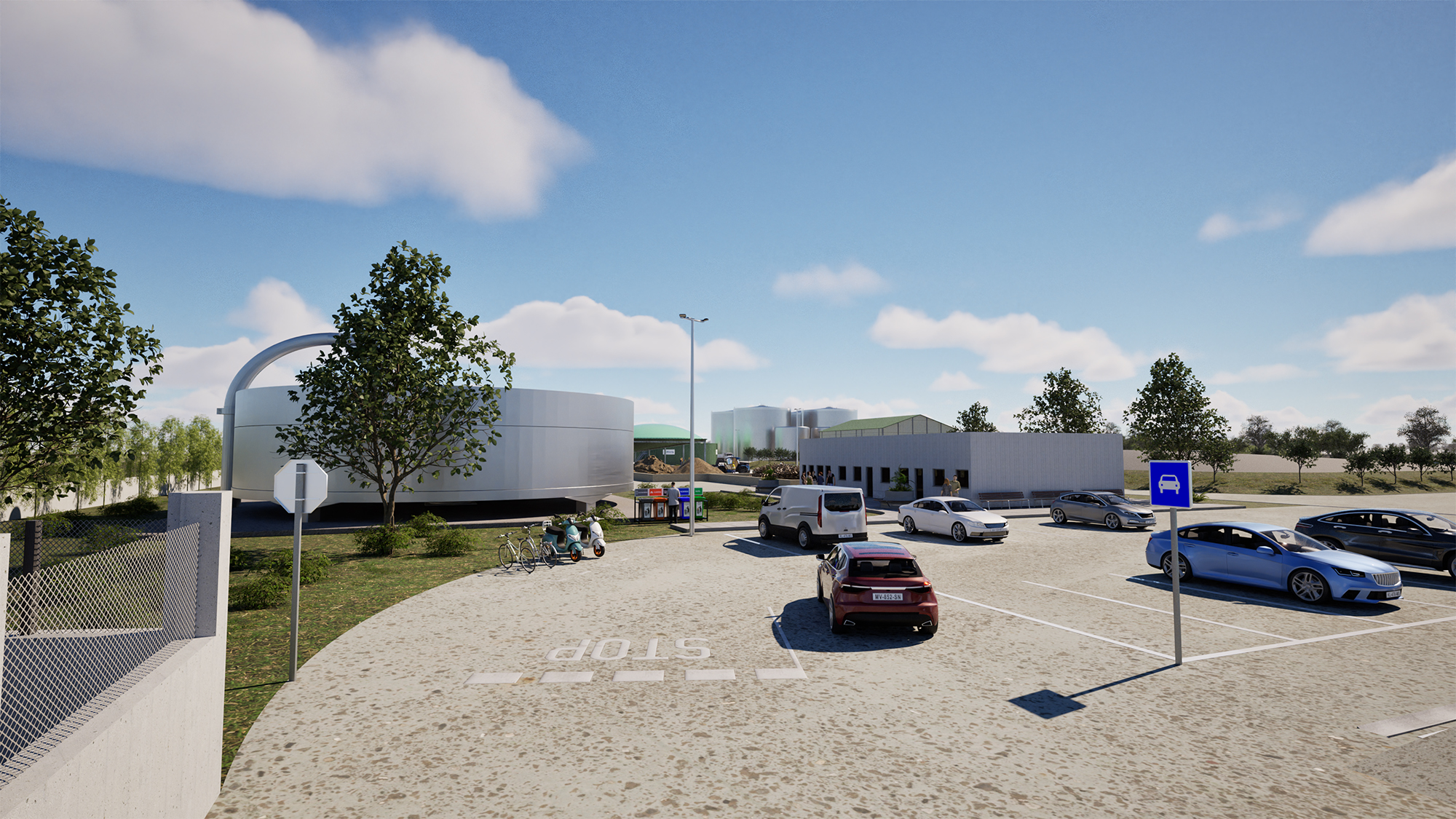
Here you can see the installation of San Millán de los Caballeros (León) from different angles through 3D recreations.

Benefits of Biomethane

Biomethane is a renewable gas that is produced from biogas through a purification or upgrading process. This technology is a sustainable energy solution with more than 40 years of development in Europe.

Direct injection into the grid

One of the main benefits of the biomethane we produce is that, in addition to having a negative carbon footprint, it has a composition that is virtually identical to fossil-based natural gas. This reduces dependence on new infrastructure, as the molecules can be transported through the existing gas network.

Sectors

Biomethane has multiple uses in different sectors. This ranges from its use for heating homes to its use as a fuel in activities with consumption that is difficult to electrify, such as heavy transport or large industry.

Rural employment

We establish our tax headquarters in the municipalities where we operate, contributing to the payment of taxes to the localities where we are located. In addition, we are committed to training the residents of these rural areas to form part of the workforce of the plants, which helps to boost the local economy, generate new opportunities and fix the population in areas at risk of depopulation.

Circular economy

We collaborate to establish a circular economy model in the rural environments where we operate. We help in the correct collection of waste, we generate a renewable gas and we return to the crops an organic fertiliser amendment approved by the EU, which is a real alternative for crop fertiliser.

Contact

We are close to you

Do you want to contact us, propose a project, learn about our services? Find us at any of our offices, by email or telephone.