



The cornerstone of the energy transition
Madrid. 19.05.26. Green energy is the cornerstone of the energy transition and one of the main ways to reduce emissions, improve energy independence and move towards a more sustainable model.
Against a backdrop characterised by the need to decarbonise the economy and reduce dependence on external sources, green energy is emerging as a strategic solution for ensuring a more secure and competitive energy supply that is aligned with European climate targets. Its development makes it possible not only to replace fossil fuels, but also to transform the way in which energy resources are produced, managed and consumed.
An energy model in transition
Green energy is energy generated from natural and renewable sources, that is, resources that are continuously replenished and are not depleted through use.
This type of energy significantly reduces environmental impact, particularly in terms of greenhouse gas emissions, and is emerging as a genuine alternative to the traditional energy system.
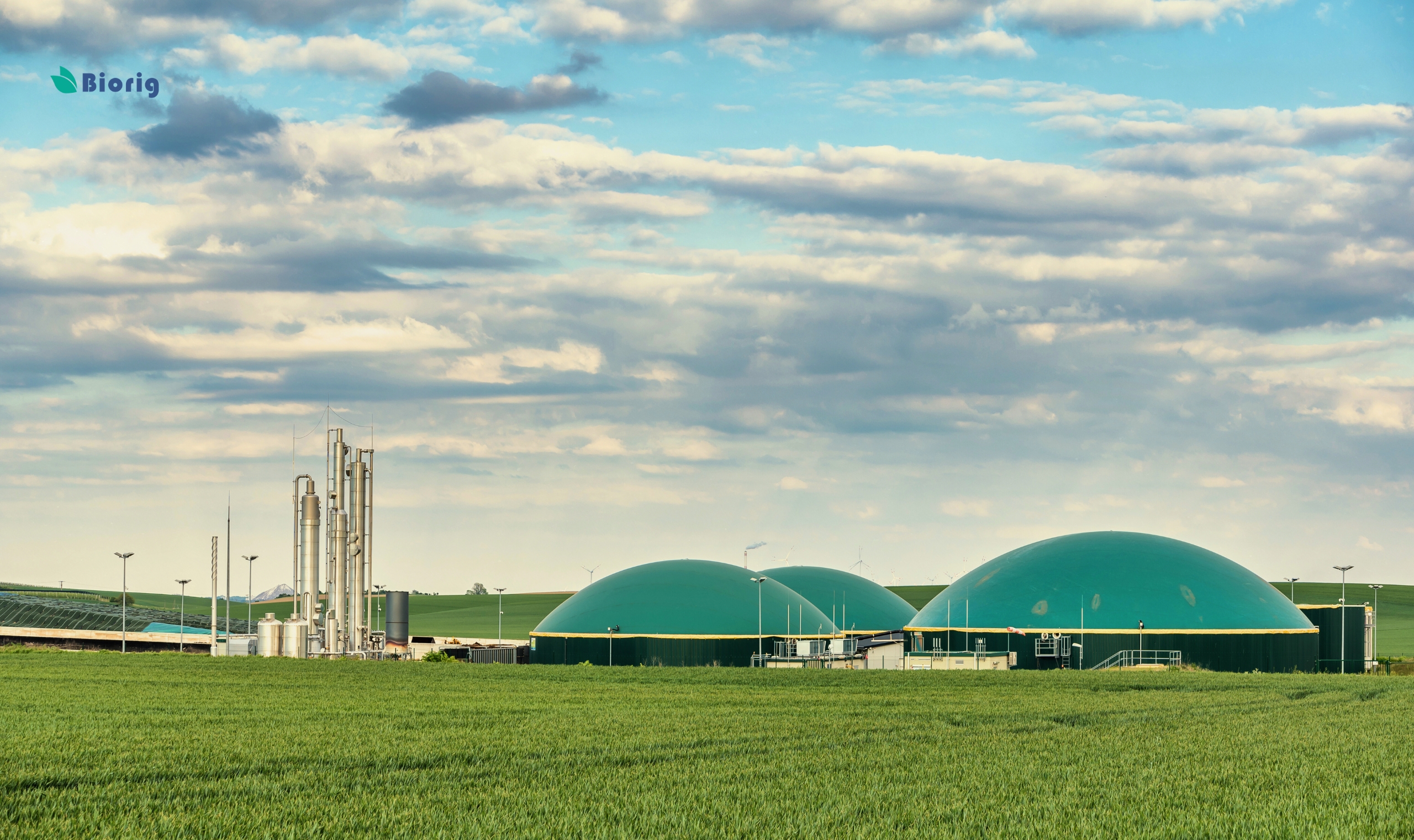
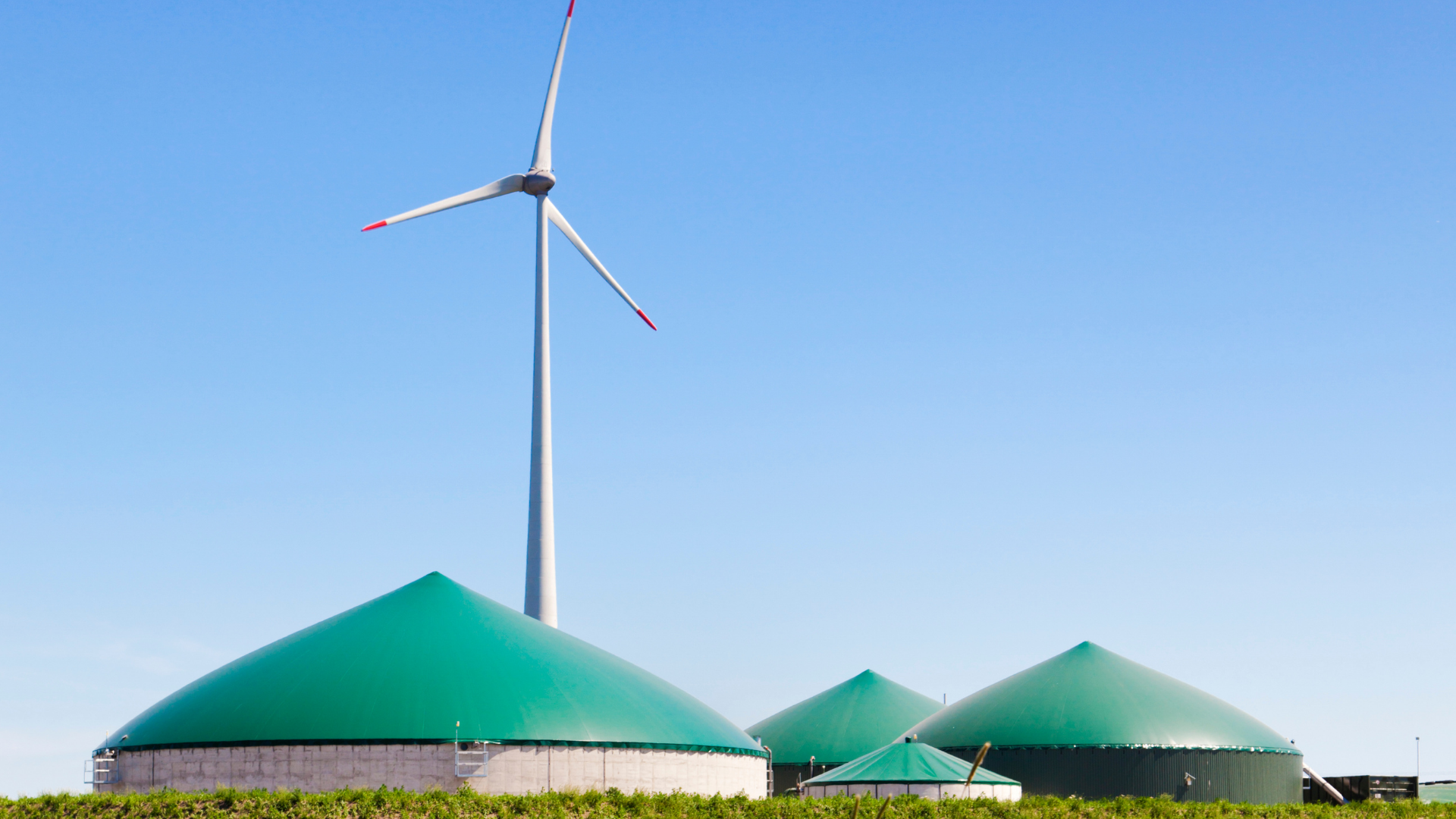
This concept encompasses technologies such as solar, wind and hydro power, as well as solutions based on waste recovery, such as biogas and biomethane.
Why is it becoming increasingly important?
The push for green energy is a response to a number of challenges affecting both the global and local levels. On the one hand, there is the need to reduce emissions and make progress towards decarbonisation targets. On the other, there is the importance of reducing dependence on foreign energy sources and making use of resources available within the country itself.
Added to this is the need to build a more stable energy system, capable of responding to market fluctuations and ensuring long-term supply.