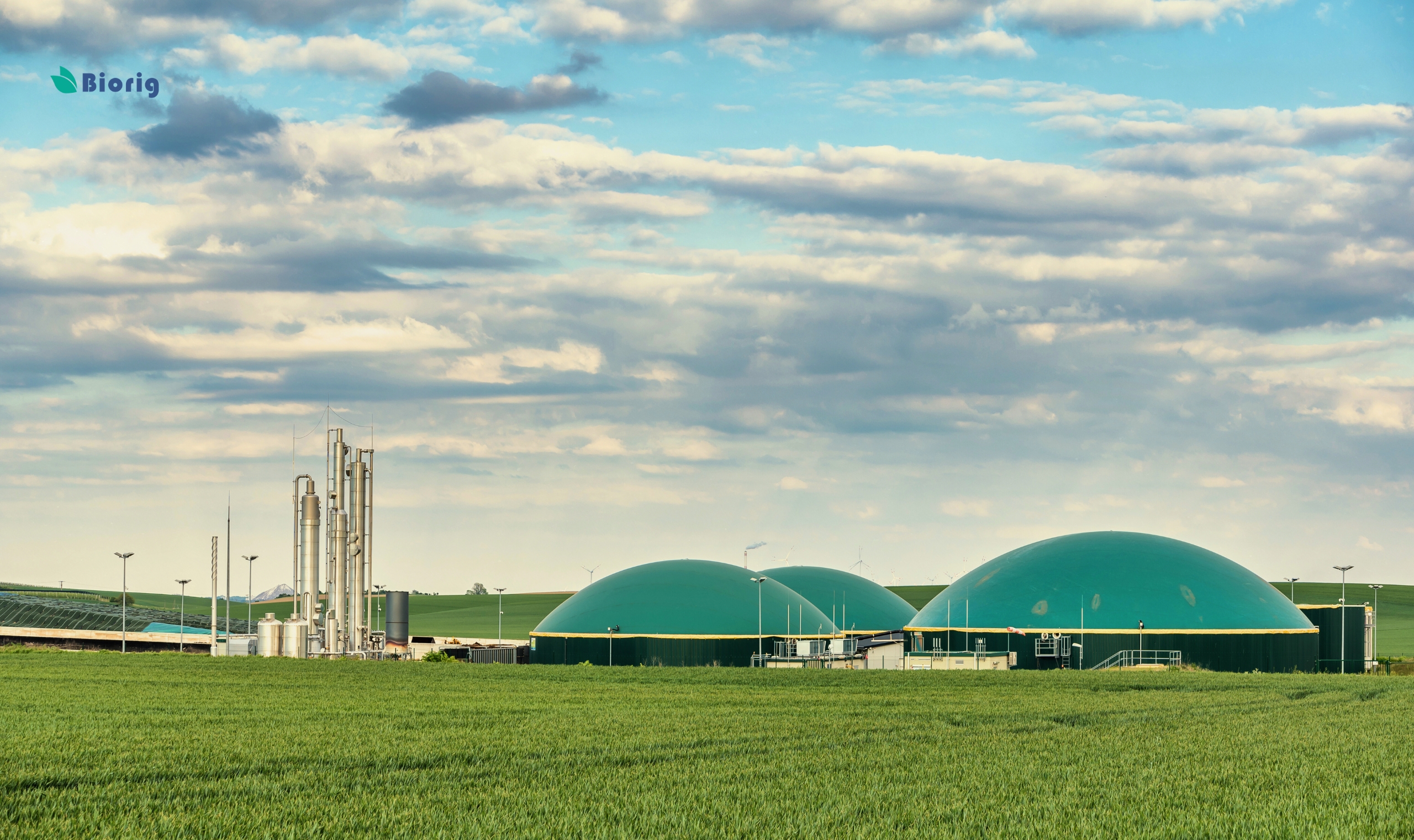



First-hand insight into the Güstrow and Friedland facilities in northeastern Germany
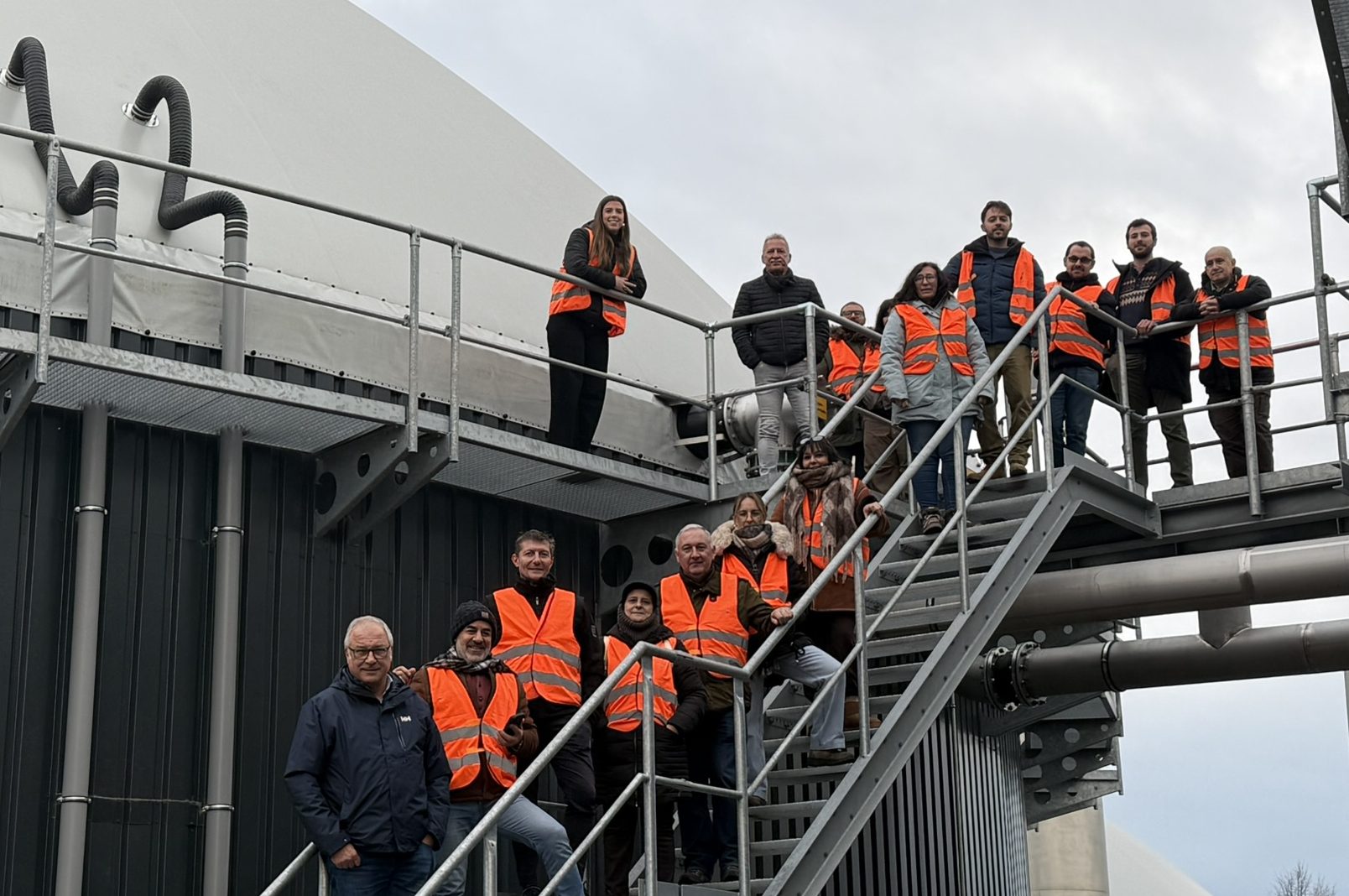
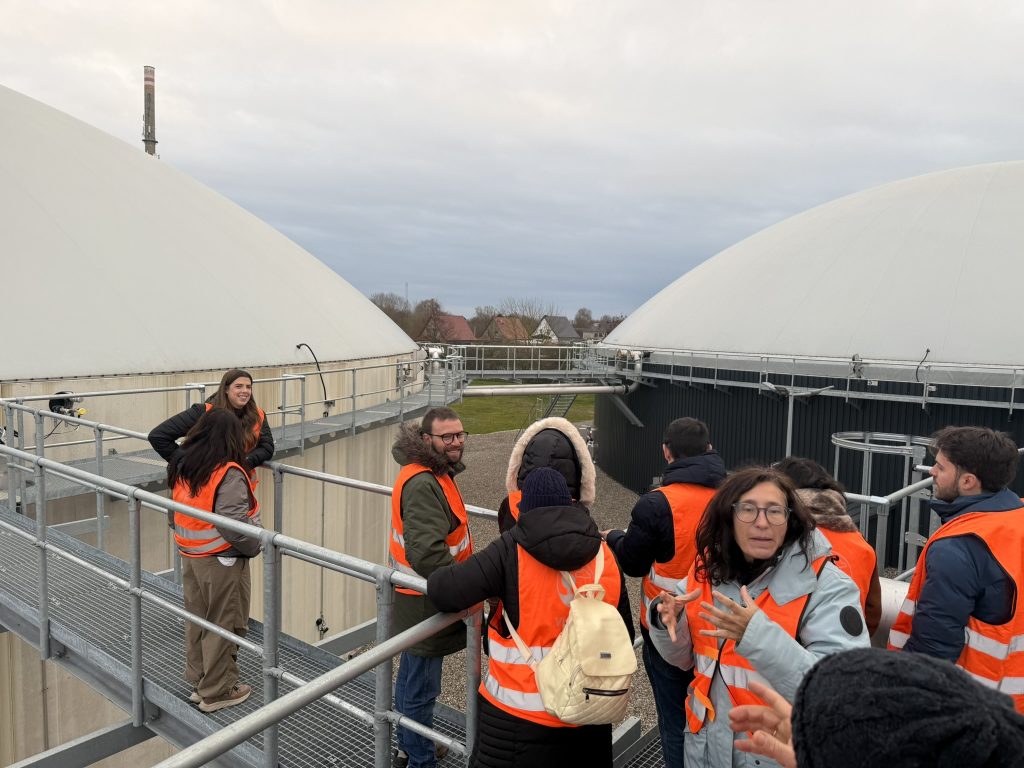
Madrid, 21-01-26. Understanding a technology on paper can never replace seeing it in operation. With this premise in mind, Biorig organised a visit to Germany together with residents and municipal representatives from Zamora and Navarra, with the aim of showing on the ground how some of the most advanced biogas and biomethane plants in Europe operate, how they are integrated into their surroundings and what real impact they have on rural development. The trip made it possible to verify first-hand that these facilities not only coexist with local populations, but also form an active part of a fully consolidated circular economy model.
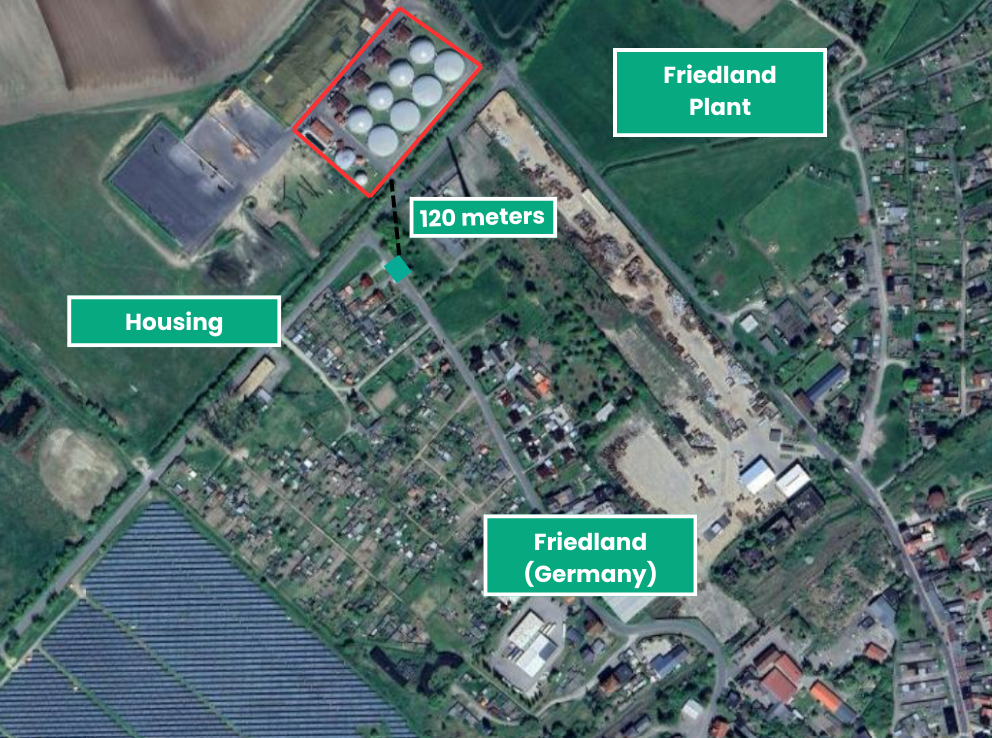
Germany is one of Europe’s leading countries in the deployment of biogas and biomethane, with more than 11,000 biogas plants in operation and over 260 biomethane production facilities. This journey began decades ago and has positioned these infrastructures today as key components of the energy, agricultural and territorial system. In this context, the Spanish delegation visited two emblematic facilities: Güstrow and Friedland, both owned by EnviTec Biogas, recognised for their scale, technology and social integration.

The first stop was Güstrow, in the northeast of the country, one of the largest biomethane plants in Europe. Located less than one kilometre from the urban centre, this facility processes around 290,000 tonnes per year of agricultural and livestock waste — exclusively manure, poultry litter and maize silage — and produces approximately 289 GWh of renewable energy annually. This amount would be sufficient to supply more than 100,000 households, three times the population of the municipality of Güstrow itself.
The plant stands out for its technological diversification. In addition to injecting biomethane into the gas grid, it produces bio-LNG for heavy transport, electricity and heat, as well as up to 18,000 tonnes per year of liquefied biogenic CO₂ of food-grade quality, destined for industrial sectors such as food and chemicals. All of this takes place within a perfectly organised complex, with differentiated circuits, environmental control and an operational design aimed at minimising any impact on the surrounding area.
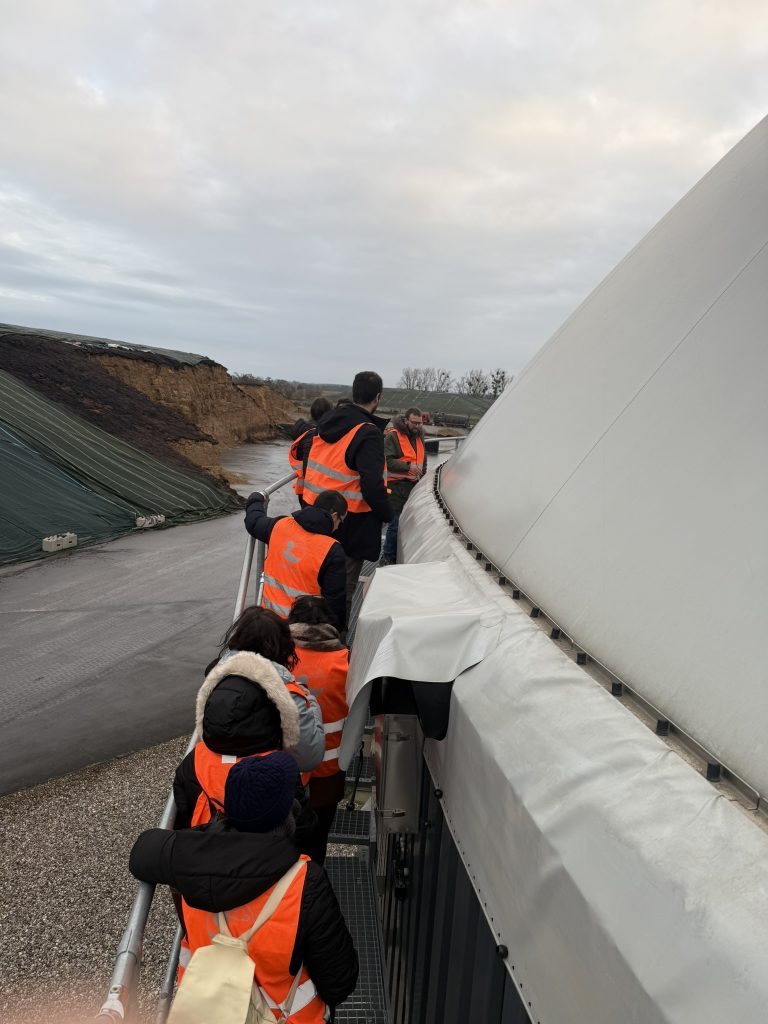
One of the aspects that attracted the most attention during the visit was the management of digestate, the organic fertiliser resulting from the process. This by-product, hygienised, stabilised and odourless, is stored outdoors without causing any nuisance and is subsequently spread over approximately 40,000 hectares of nearby farmland. More than 50 local farmers take part in this circular model, supplying manure and receiving in return a fertiliser with higher agronomic quality and easier assimilation by crops.