



From organic waste to biogas through anaerobic digestion

Madrid, 30 June 2026. Green energy is the cornerstone of the energy transition and one of the main ways to reduce emissions, improve energy independence and move towards a more sustainable model. Against a backdrop characterised by the need to decarbonise the economy and reduce dependence on external sources, generating energy through anaerobic digestion is emerging as a strategic solution to ensure a more secure and competitive energy supply that is aligned with European climate targets.
La digestión anaerobia (o también “digestión anaeróbica”) es un proceso biológico en el que la materia orgánica se descompone en ausencia de oxígeno. Este fenómeno ocurre de forma natural, pero en las plantas de tratamiento se reproduce en condiciones controladas para maximizar su eficiencia. Su desarrollo permite no solo sustituir fuentes fósiles, sino también transformar la forma en la que se producen, gestionan y consumen los recursos energéticos.
How does anaerobic digestion work?
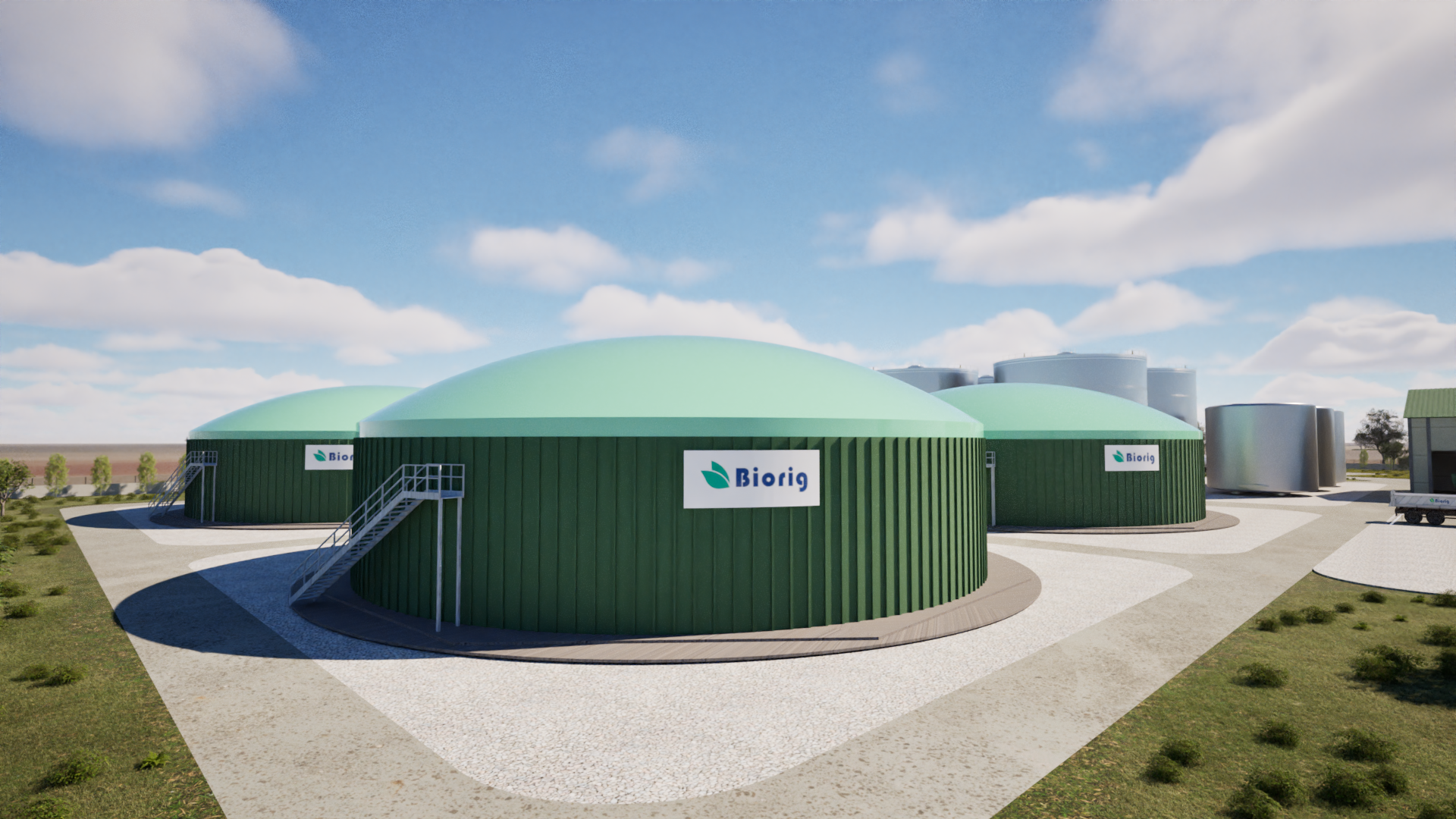
During the anaerobic digestion process, microorganisms convert organic waste into biogas (composed mainly of methane and carbon dioxide) and a by-product known as digestate. Following a purification process, this biogas can be converted into biomethane, a renewable gas with properties equivalent to those of natural gas and suitable for use as an energy source.
In this way, what has traditionally been treated as waste is transformed into a resource. Methane is no longer released into the atmosphere as fugitive emissions but is captured for energy recovery, thereby reducing emissions and improving the system’s efficiency. At the same time, the digestate can be used as an organic fertiliser, helping to improve soil quality and reduce dependence on chemical fertilisers.
Why is this process important?
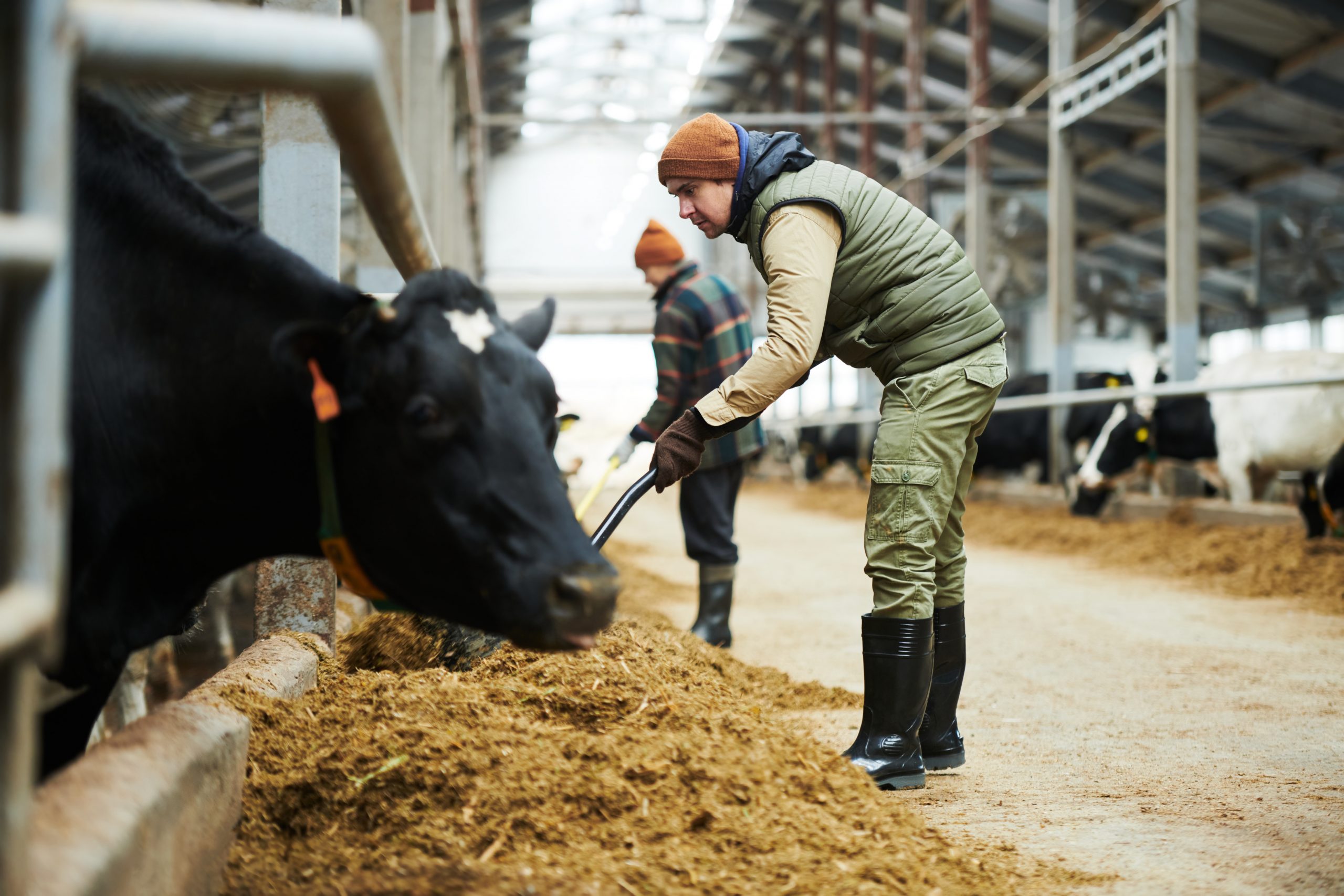
The management of organic waste has become one of the major environmental and production challenges of our time. In sectors such as agriculture and livestock farming, where millions of tonnes of slurry, manure and agricultural waste are generated every year, the problem lies not only in the volume of waste but also in the way it is managed.
When this waste decomposes unchecked, it releases methane into the atmosphere – a gas with a significant impact on the climate. Furthermore, this traditional management approach can lead to odour problems, soil and water pollution, and increasing regulatory pressure on farmers and livestock breeders. In this context, addressing this challenge requires solutions that are effective, practical and sustainable over the long term, such as anaerobic digestion, to optimise the management of this waste.