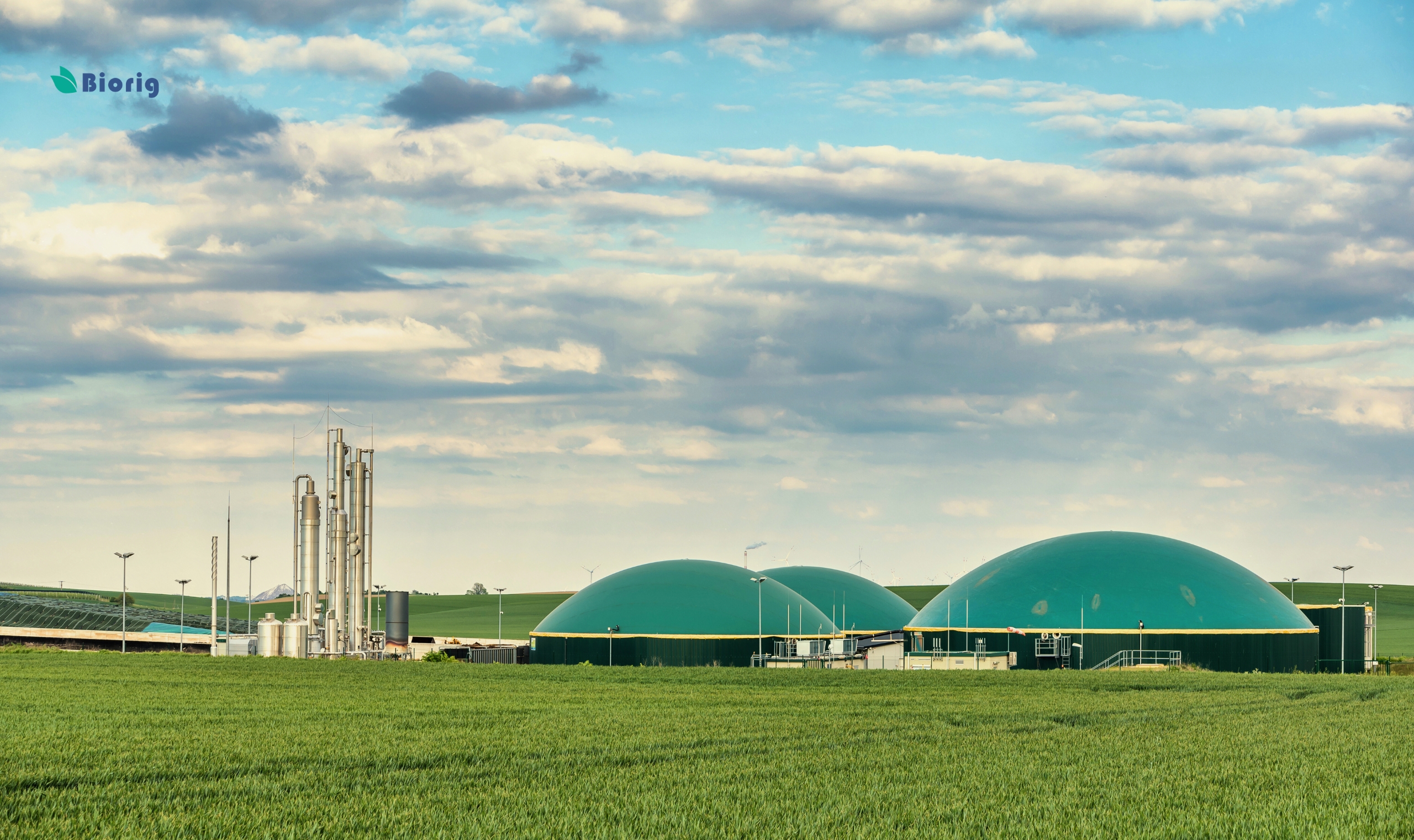

Myths and facts of biomethane: odors, logistics, and rural employment from the perspective of an operational facility

Here’s how a biomethane plant with over 20 years of operational experience works

Madrid. 06.04.26. Biomethane is a renewable energy source produced from organic waste. This technology, which has been in development for over 40 years in other European countries, will have only about 15 operational facilities by early 2025, according to the latest data collected by the European Biogas Association (EBA). Given this reality, information and outreach regarding the technology are vital to unlocking biomethane’s full potential—both from an energy perspective and in terms of waste management and the social and economic development of rural areas.

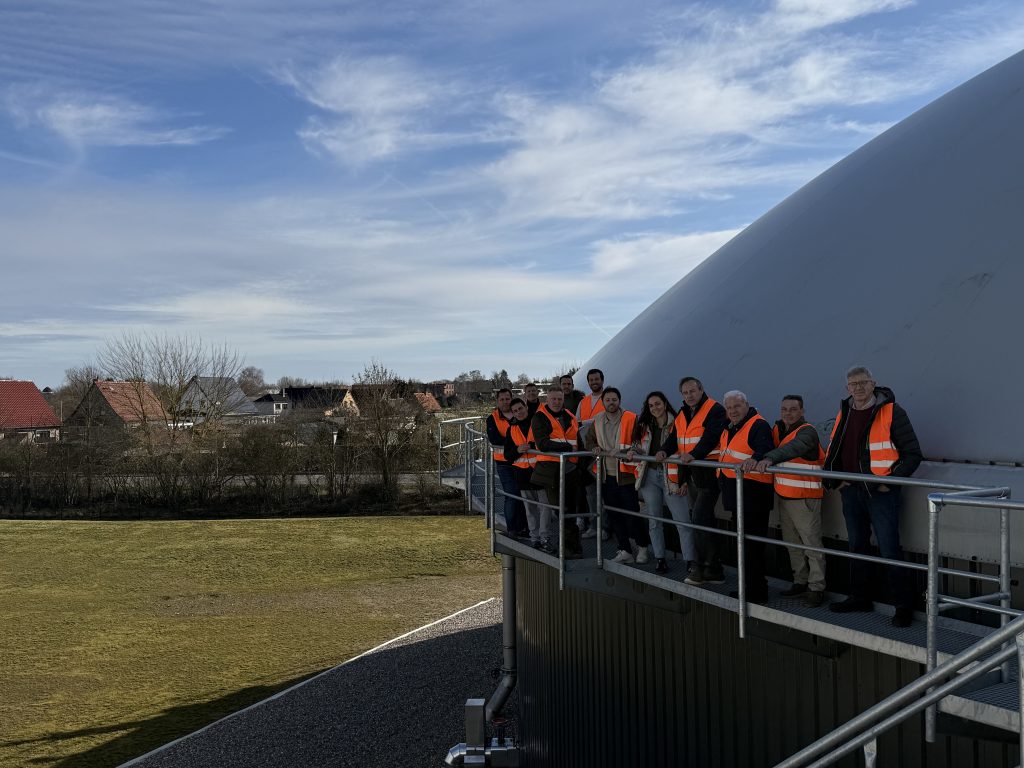
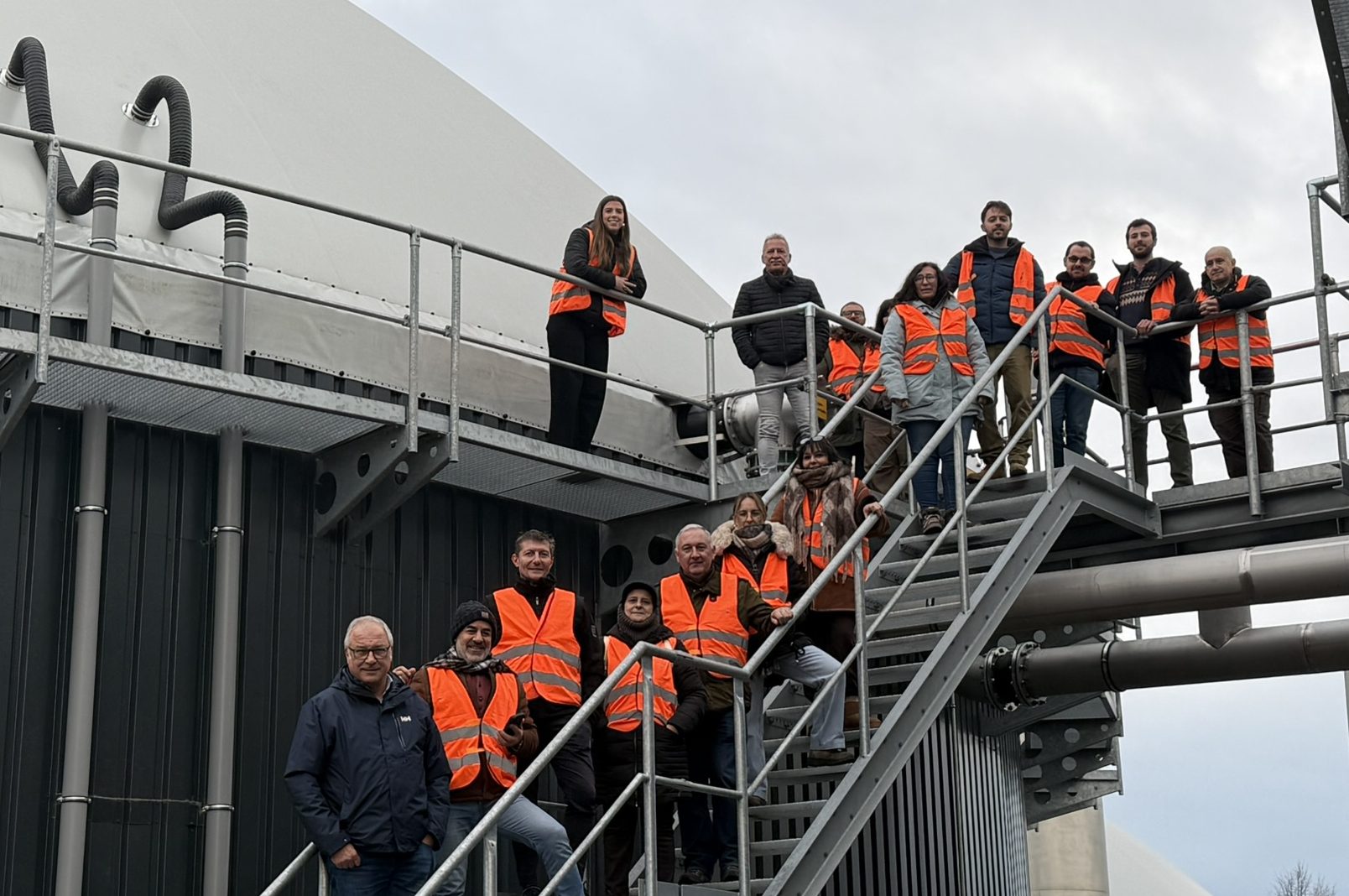
To this end, Biorig organized a trip to Friedland (Germany) with residents of Castellanos de Villiquera (Salamanca) to demonstrate how an operational biomethane plant works and how it integrates into the surrounding environment. The plant, owned by EnviTec Biogás, processes approximately 145,000 tons of exclusively agricultural and livestock waste (slurry, manure, chicken manure, and crop residues). Friedland has been in operation since 2007 and is located just 100 meters from residential areas, coexisting normally with a population of nearly 7,000 residents.

The model is similar to that of Biorig, which recycles raw materials from the primary sector: specifically, slurry, manure, and straw. In this way, the plants operated by the company provide a solution for improving the management of these local waste streams at existing farms; combined with the use of the latest technologies and best available techniques, this ensures that the operation of these facilities does not cause any inconvenience to the nearby population.
Myths and Realities of Biomethane

“Biomethane plants smell”

❌ MYTH: Storage and processing are contained and treated using biofilters. If managed properly, there are no odor emissions to the outside.

“Biomethane can decarbonize natural gas consumption”

✅ FACT: It is equivalent to natural gas and can be injected into the existing network, enabling the decarbonization of industry, transportation, and heating without the need for new infrastructure.

“The proximity to municipalities is problematic”

❌ MYTH: There are plants located just 100 meters from residential areas that are operating normally. The key lies in process management and control.

“The logistics of biomethane cause inconvenience”

❌ MYTH: Waste management already has its own logistics system, which is being replaced by that of biomethane plants. It organizes and optimizes existing flows in the agriculture and livestock sector.

“Plants always handle sludge or hazardous waste”

❌ MYTH: Facilities like Biorig’s process existing, locally sourced agricultural and livestock waste: specifically, slurry, manure, and straw.

“Digestate is liquid and has a strong odor”

❌ MYTH: After spending more than 60 days in the process at high temperatures, the digested material loses the gases that cause odors. It is stable, odorless, and resembles damp soil; in the case of Biorig, it is used as organic fertilizer.

“El biometano genera empleo rural”

✅ FACT: It creates direct and indirect jobs and boosts the local economy. The Friedland plant employs about 20 people in both direct and indirect roles, most of whom are residents of the municipality.

“Plants contaminate aquifers”

❌ MYTH: The facilities are sealed and monitored, allowing for greater control than the current system for managing agricultural and livestock waste. In addition, it regulates the flow of nutrients through waste collection and the delivery of certified organic fertilizers.

Know to Decide

The visit to Germany with residents of Castellanos de Villiquera (Salamanca) is part of Biorig’s strategy to promote understanding and transparency among its various stakeholders. Showcasing real, established, and fully operational examples helps put the company’s projects in Spain into context and explains, using data and proven experience, how these facilities work.

Biorig promotes a circular economy model based on the recovery of agricultural and livestock waste, the production of renewable gas, and the development of the regions where it operates. In regions such as Castile and León, where Biorig is implementing a development plan for ten biomethane plants, these types of outreach initiatives are key to explaining the role of such infrastructure in decarbonization, the efficient management of agricultural and livestock waste, and the strengthening of the primary sector.

Contact

We are close to you

Do you want to contact us, propose a project, learn about our services? You can reach us at any of our offices, by e-mail or telephone.