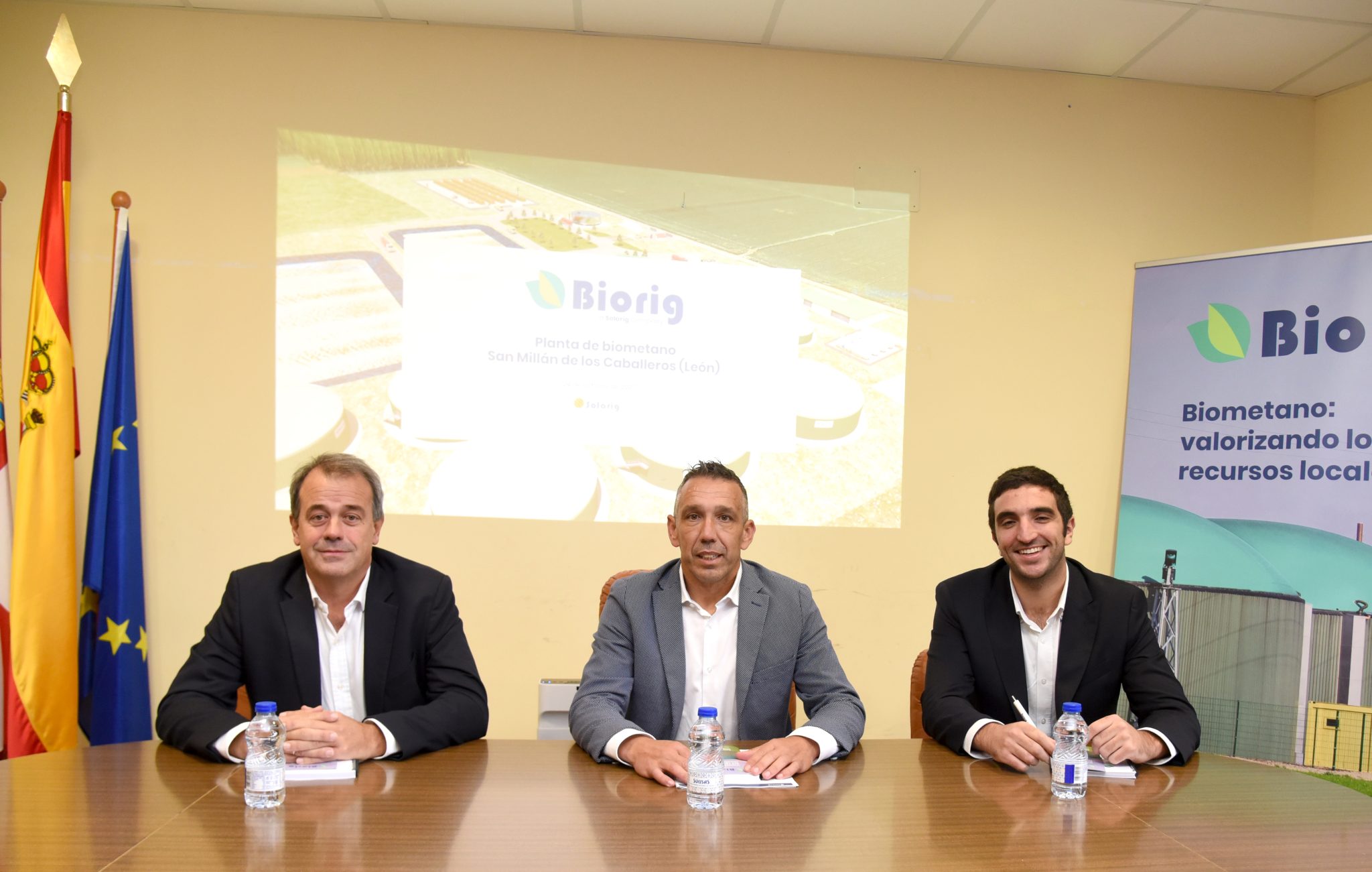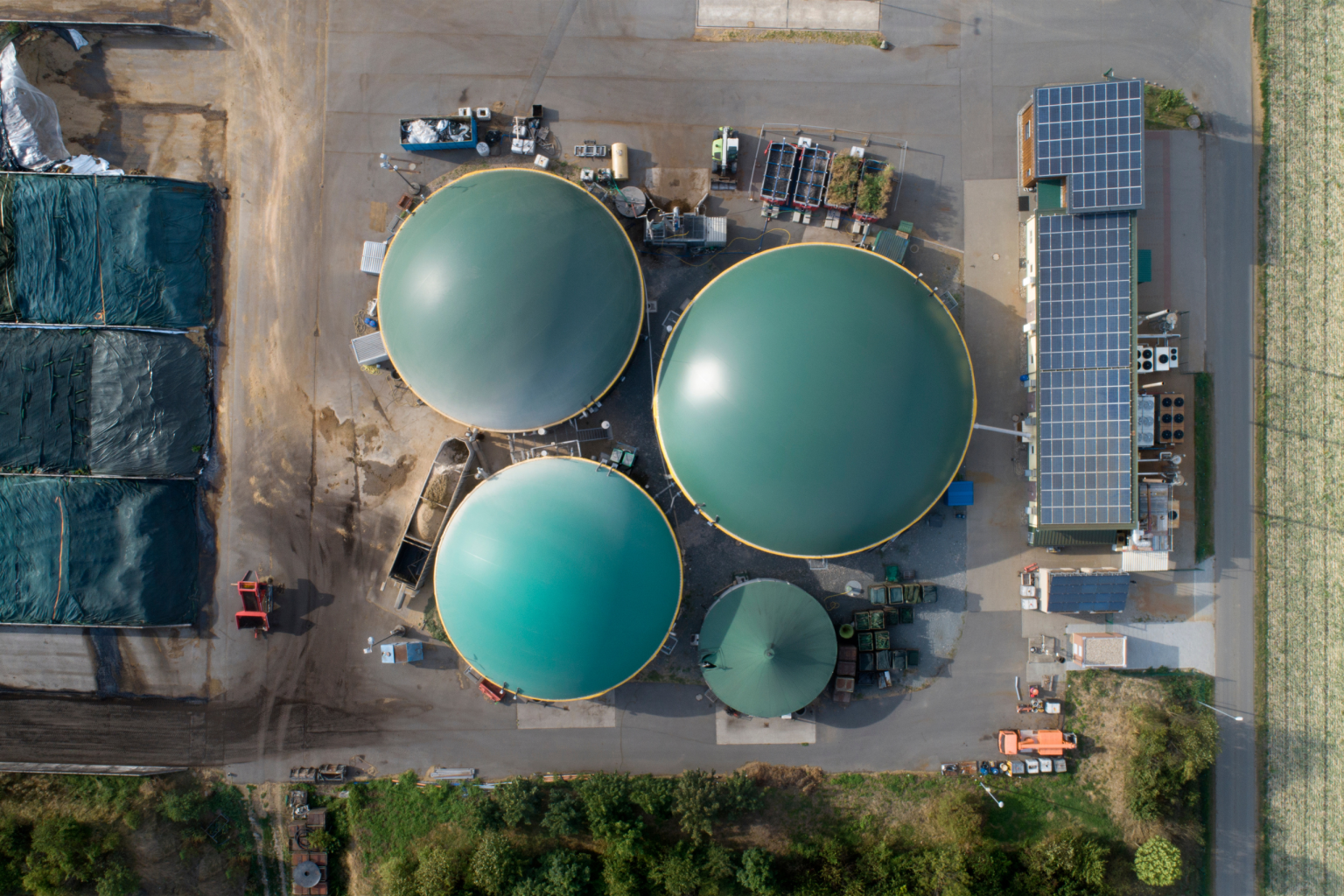



Biorig continues its efforts to raise awareness about the operation of biogas and biomethane plants and their contribution to the energy transition.
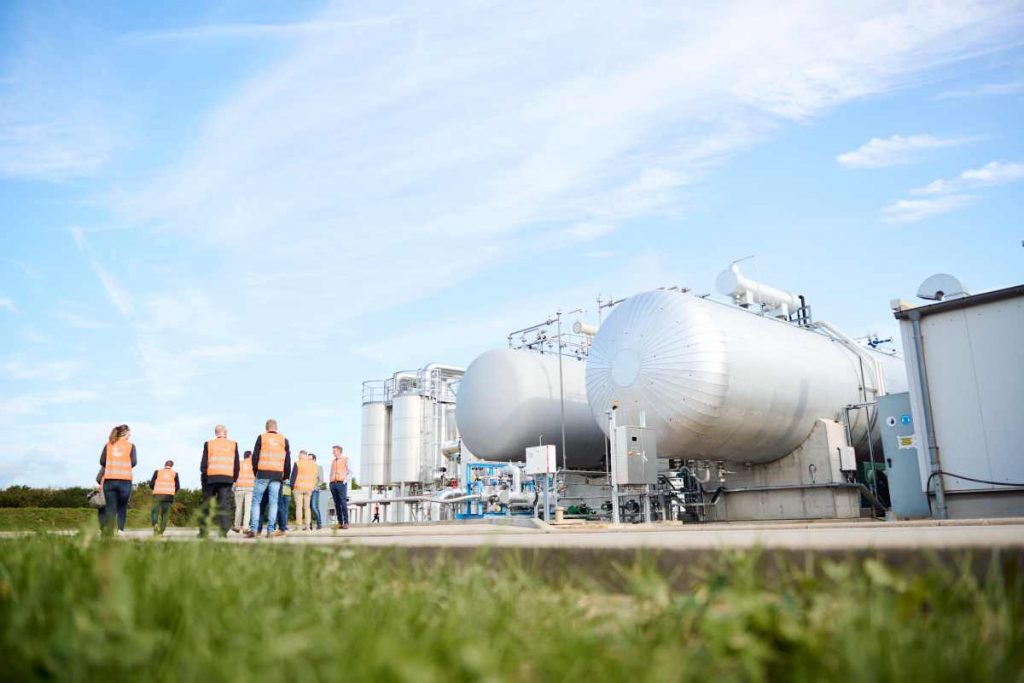
Biorig has recently organised a visit to Germany to offer first-hand insight into the operation of biogas and biomethane plants, the different types of technologies, products and by-products derived from the transformation of agricultural and livestock waste into renewable gases, their surroundings and locations, as well as the benefits they bring to rural areas.
This visit was carried out with various stakeholders from Zamora, specifically from the municipality of El Cubo de Tierra del Vino, where Biorig is currently developing a biomethane production plant.
Germany is one of the leading European countries in the development of biogas and biomethane, and currently has nearly 11,000 plants. Other leading countries in renewable gases include France and Denmark, which are already promoting the use of this technology for the decarbonisation of their economies.
Visit to the Güstrow, Bützow and Friedland facilities
The visit included the biomethane plant located near the city of Güstrow, north of Berlin, one of the major references at the European level. This plant stands out for its production capacity, estimated at around 200 GWh/year (twice the capacity of the one planned in El Cubo de Tierra del Vino), and for its technological diversification: it produces biomethane injected into the gas grid, bio-LNG, electricity and heat, as well as 18,000 tonnes of liquefied CO₂ per year for later use in industries such as the food sector.
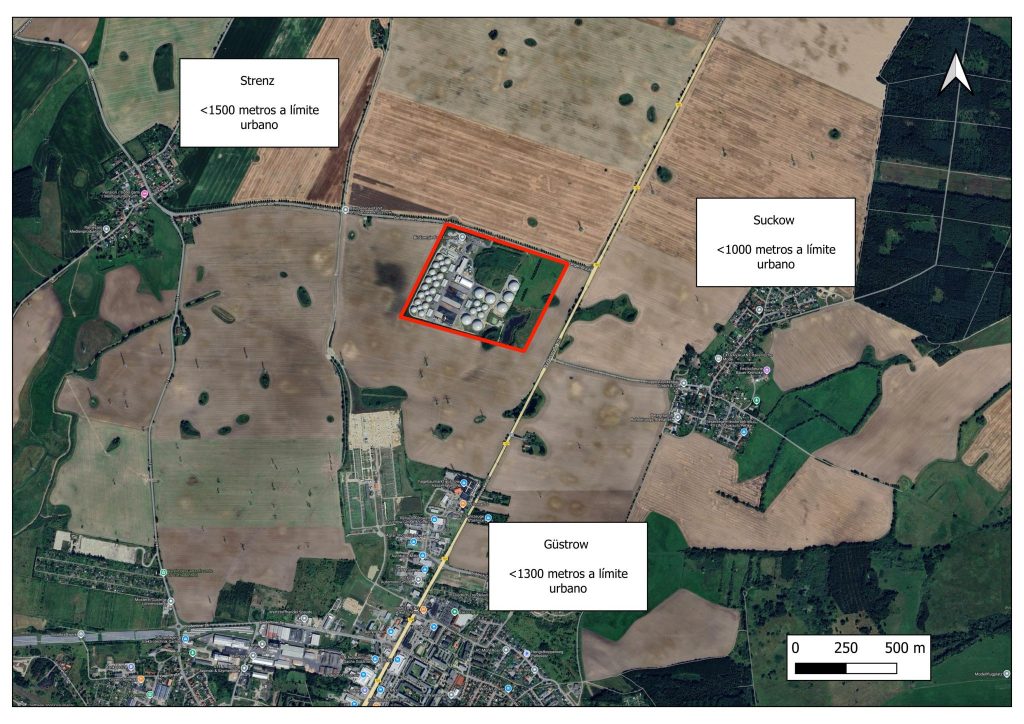
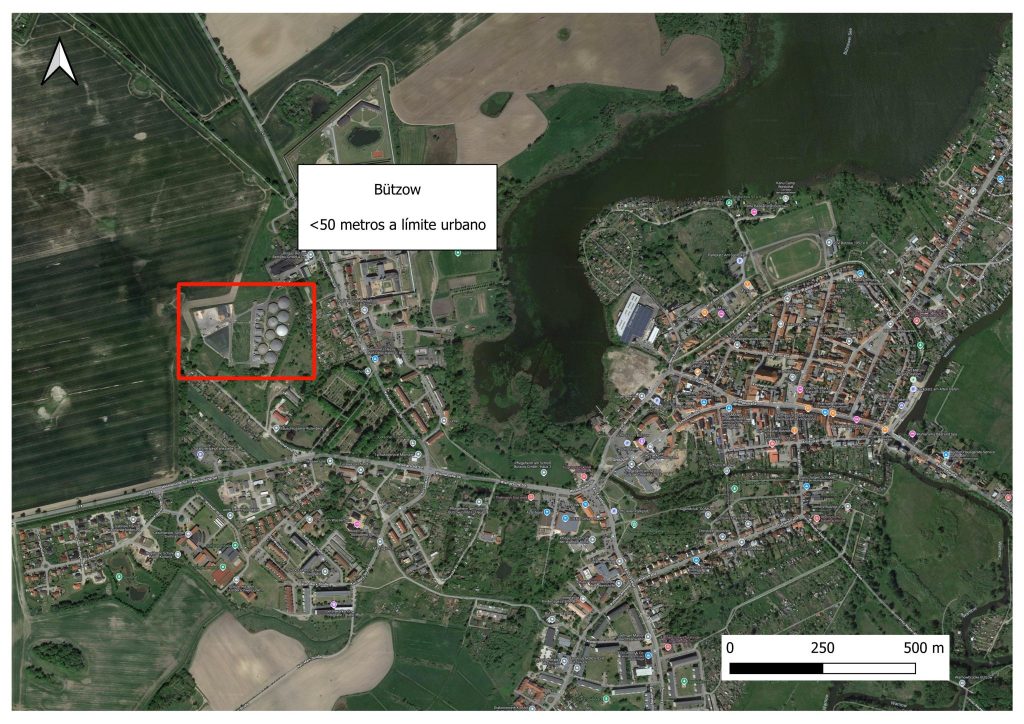
During the journey between facilities, the importance of these plants in Germany could be observed, with over 20 plants identified, most of them large-scale. In addition to the Güstrow facility, the biogas plant in the town of Bützow was visited, with a size similar to the one projected in El Cubo de Tierra del Vino.
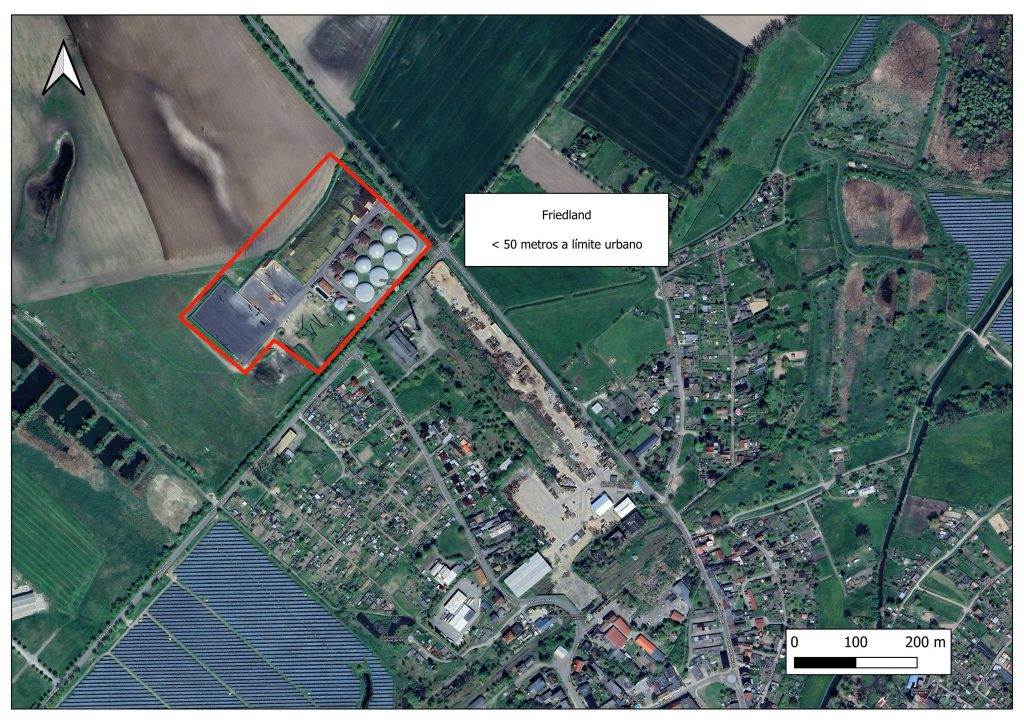
The plant near the municipality of Friedland was also visited, which burns renewable gas (biomethane) to supply the municipality with a heating network in a process known as district heating — a heating system directly distributed through the urban grid. This requires the plant to be close to the town centre, with only 50 metres between the plant and the nearest homes.
The biomethane production process: from waste to green energy
As shown during the visits to the plants in Germany, the production of biomethane starts with the collection and deposition of agricultural and livestock waste and its placement in the digesters, where anaerobic digestion takes place. This process occurs under mesophilic conditions (at 40°C) and, thanks to the gasification of sulphur compounds, significantly reduces any odour from the raw materials.
In the specific case of the El Cubo de Tierra del Vino plant, an additional thermophilic phase lasting more than 20 days at 55°C is included, which ensures the proper hygienisation of the materials and allows their subsequent recovery as a fertiliser product compliant with EU Regulation 2019/1009.
Afterwards, the gas obtained from anaerobic digestion enters the purification (upgrading) process,
converting the biogas into biomethane, ready to be injected into the gas grid.
Agricultural and livestock waste: manure, maize silage, and slurry
All three facilities use only manure, maize silage, and pig slurry, agriculatural and livestock waste similar to those that will be used in El Cubo de Tierra del Vino (mainly manure, slurry, and maize straw). Under no circumstances will Biorig’s plants process sewage sludge, animal carcasses, agri-food waste, municipal waste, or oils.
Slurry is used more frequently in Spain than in Germany, as the latter’s water abundance removes the need for liquid input for proper fermentation in digesters. Nonetheless, the Friedland plant provided a good example of a biogas facility using slurry, handling tens of thousands of cubic metres of pig slurry annually.
The plants are integrated into the local agricultural and livestock ecosystem, fulfilling a function of hygienisation and improvement of slurry and manure, turning them into organic fertilisers. Farmers and livestock breeders provide manure in exchange for the same tonnage of digestate, which is more easily absorbed by crops, and does not generate odour problems during field application. It was also confirmed that the odour from the resulting organic fertiliser is practically non-existent.
Zero odour emissions outside the facilities
Odour is limited exclusively to the areas close to waste storage and not to the entire facility — and certainly not outside the plant.
The visit revealed the large number of biogas and biomethane plants in Germany and their successful integration into local communities as an industry contributing to decarbonisation, proper management of agricultural and livestock waste, development of the primary sector, and creation of skilled local employment.
Knowledge and transparency on biomethane
This visit to various biomethane production plants in Germany aimed to provide and share technical information with real-life examples of how the plants Biorig is devoloping in Spain will operate.
It highlights the key role such facilities play in meeting the country’s energy needs and improving waste management, being fully integrated into rural economies and contributing through employment generation, investment in small towns, and the sustainability of the primary sector.
Specifically in Castilla y León, the company has a development plan for 10 facilities, including the El Cubo de Tierra del Vino (Zamora) plant. This outreach initiative is part of a broader set of actions promoted by Biorig to bring knowledge and transparency to various stakeholders.