



A key element for the circular economy
Madrid, 16-05-25. Biomethane is key to decarbonize sectors that are difficult to electrify, and it is also essential to efficiently manage the waste we generate. This Saturday, on the occasion of World Recycling Day, we share some relevant data to understand why it is so important to properly treat agricultural and livestock waste.
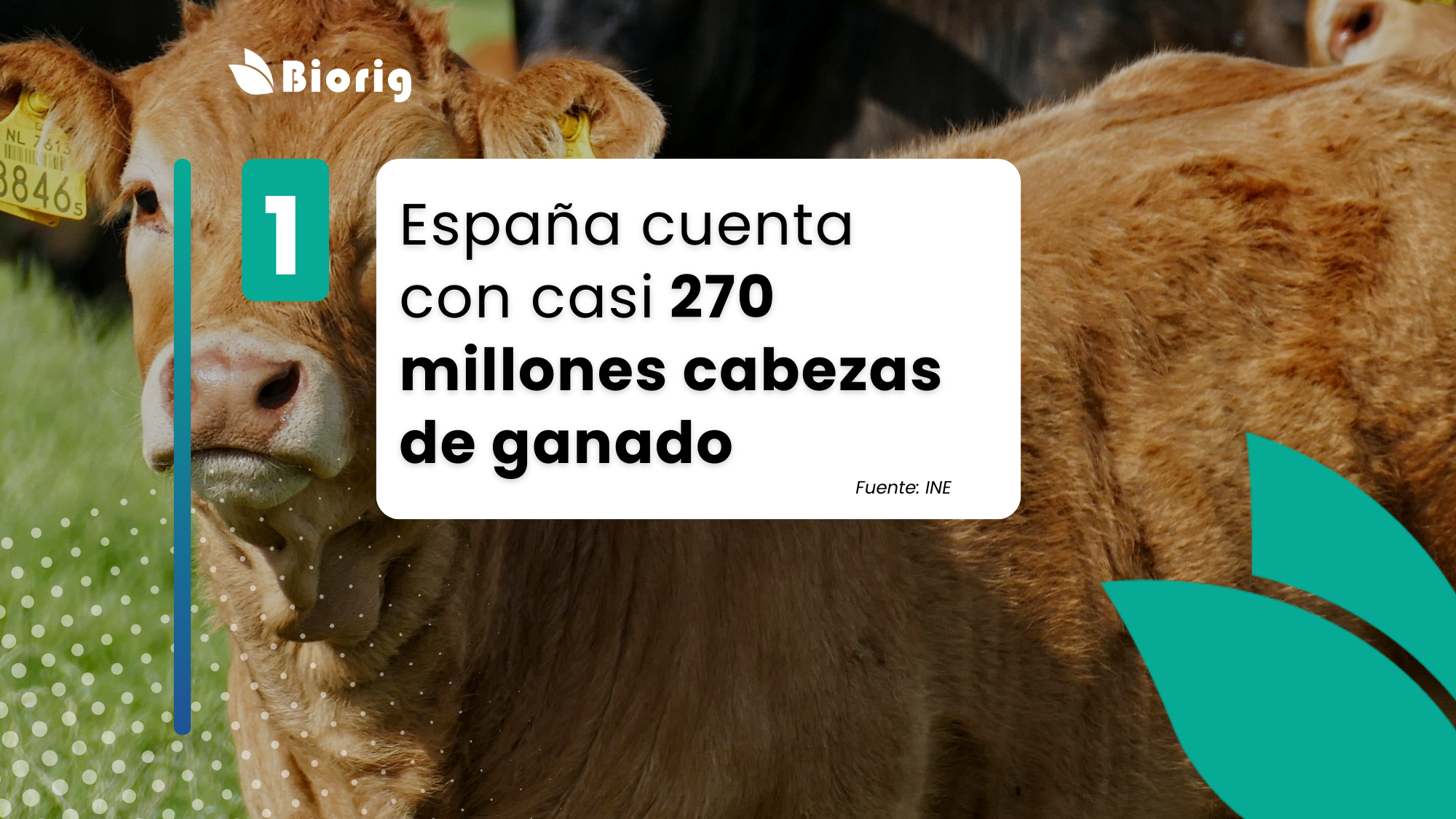
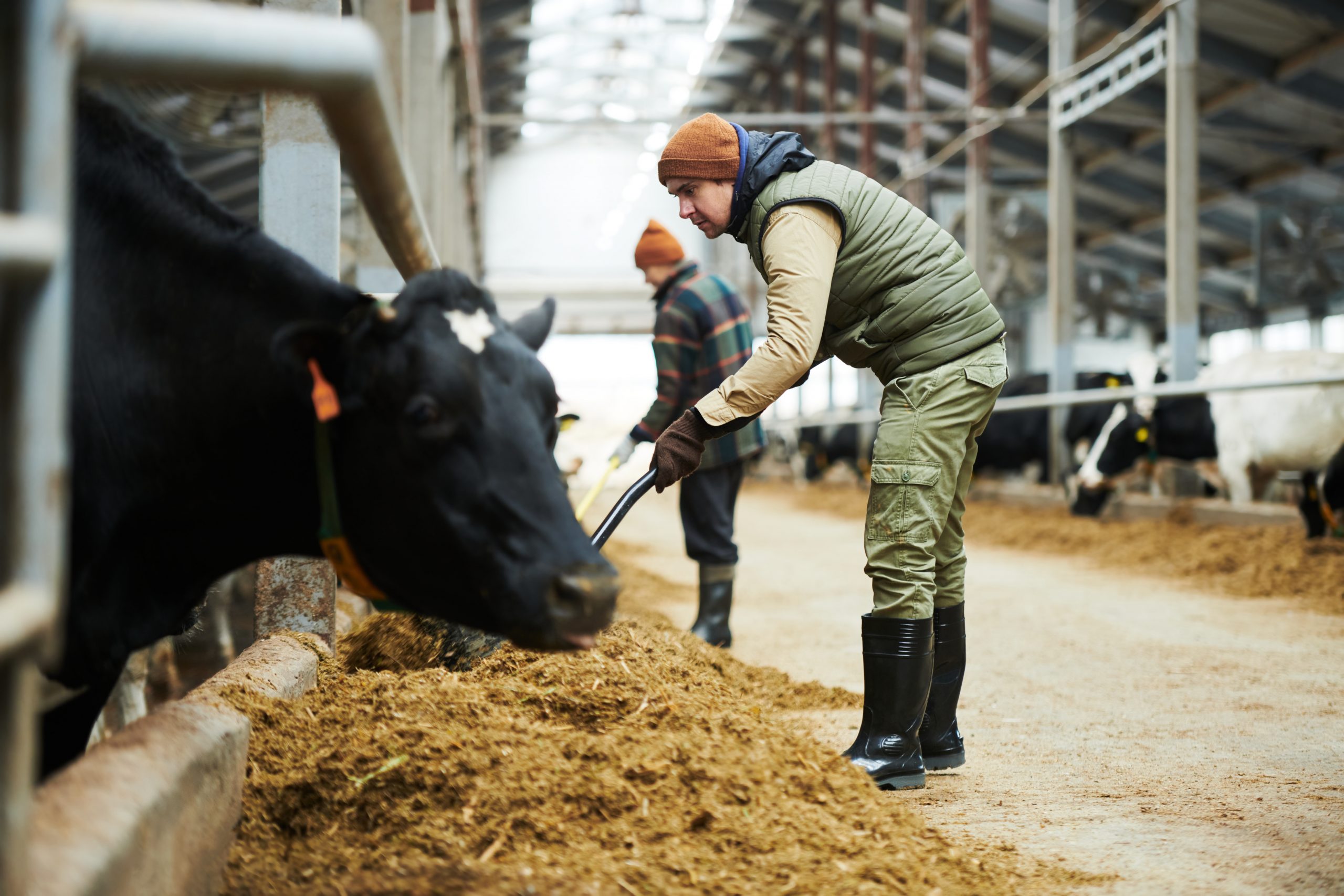
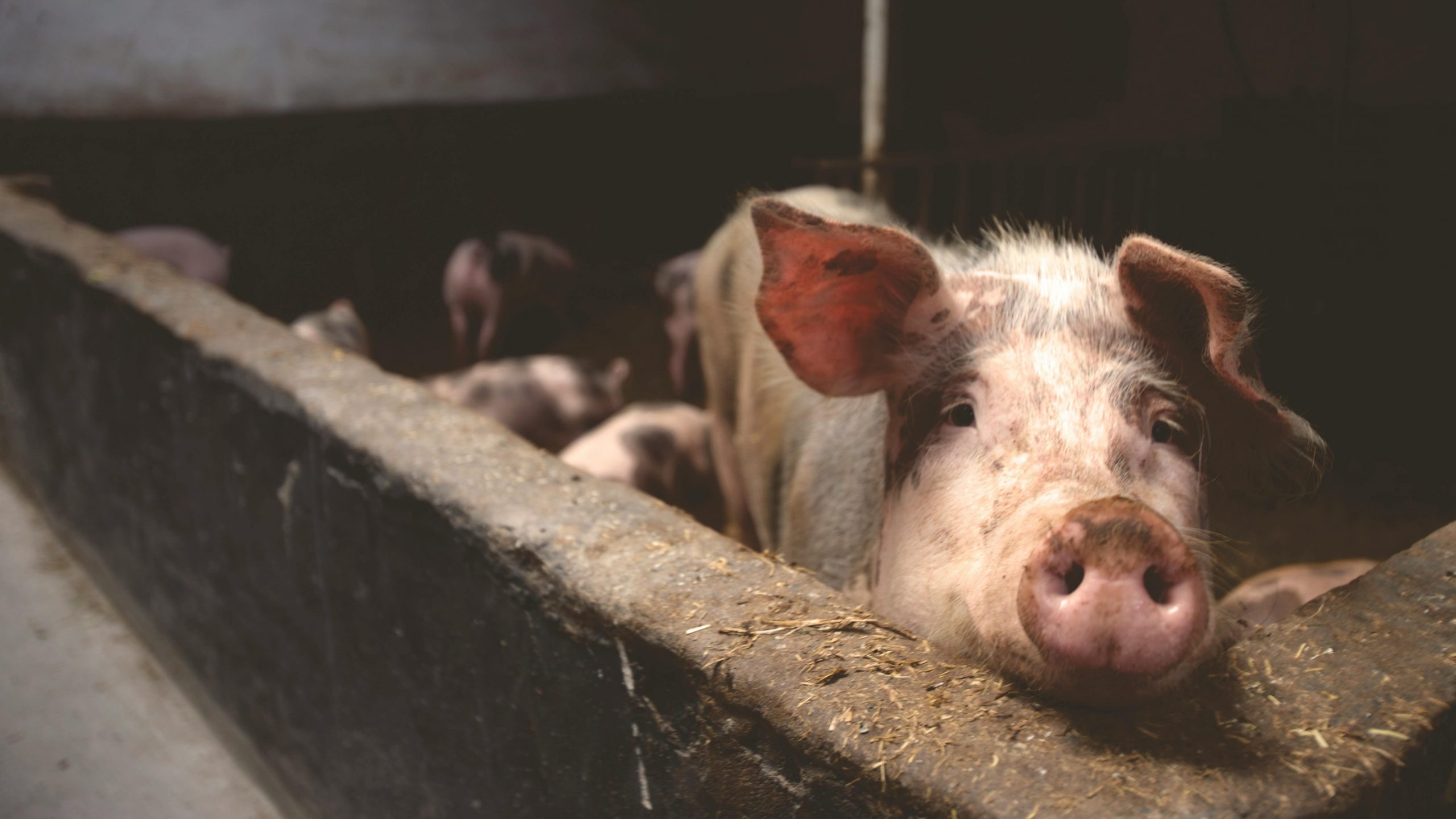
Spain has almost 270 million head of cattle, according to the INE.
This figure includes poultry, swine, cattle and sheep… each of which produces tons of waste each year. The management of their waste is becoming increasingly complex due to more stringent environmental regulations and the saturation of agricultural areas where it was traditionally applied as fertilizer.
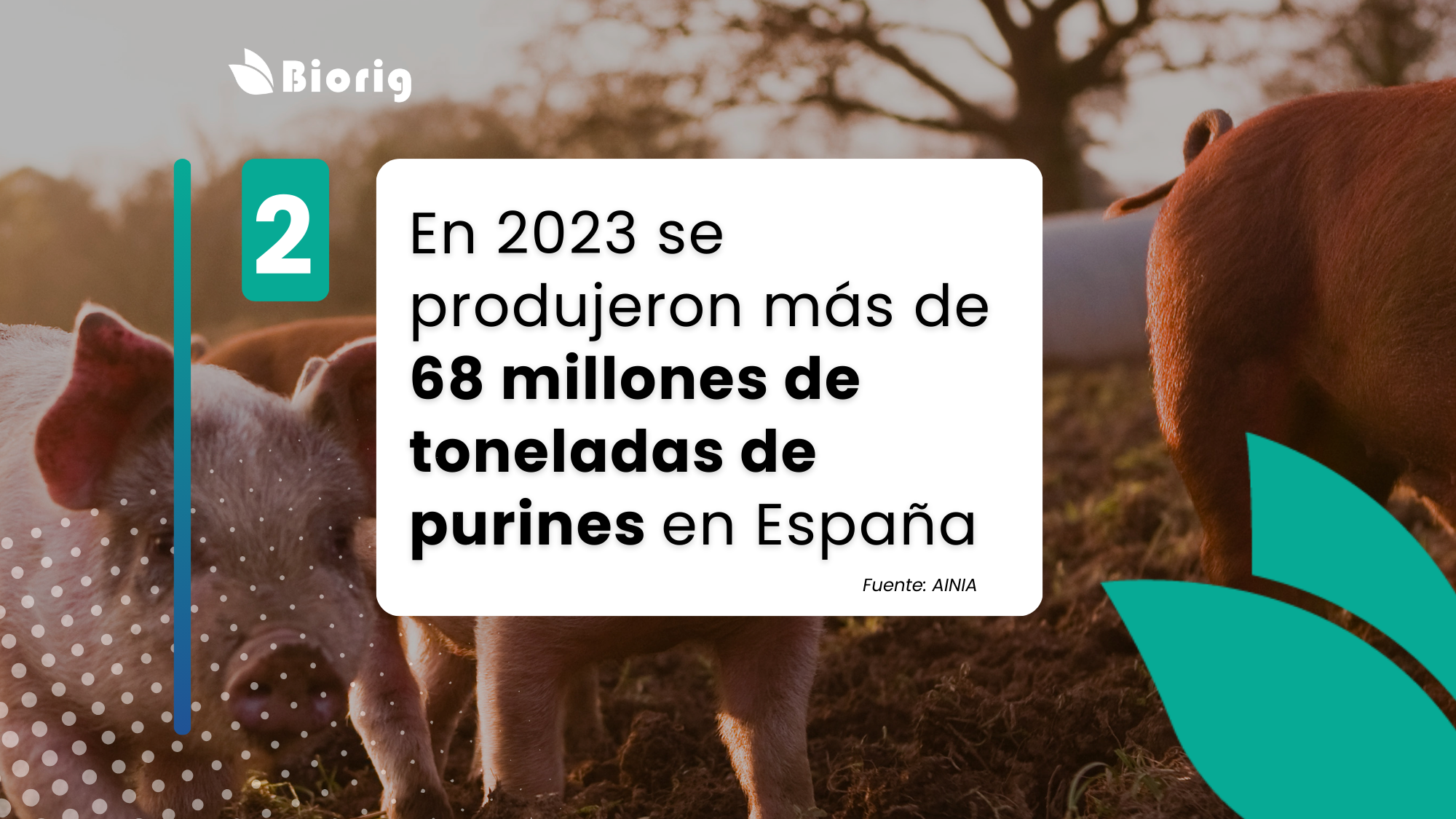
In 2023, more than 68 million tons of slurry were produced in Spain.
Of this amount, 6.9 million cannot be used as fertilizer, due to legal restrictions or lack of available agricultural land, according to AINIA. By 2035, the figure is expected to reach 79 million tons, of which about 10% (7.9 million tons) will not be usable, generating a serious environmental and logistical problem.
Many regions in Spain already face environmental problems resulting from the accumulation of waste.
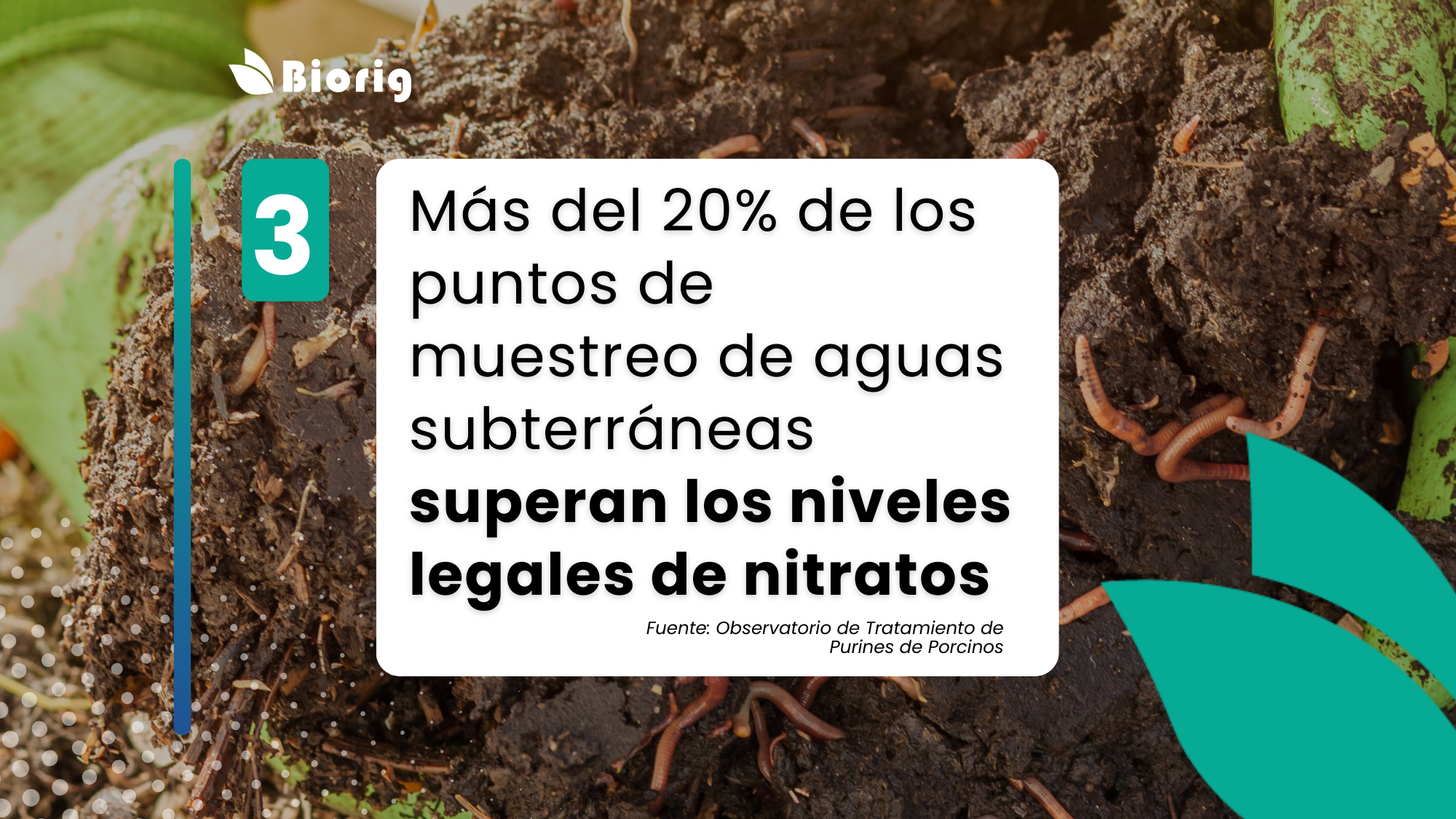
Regions such as Aragón, Castilla-La Mancha and Castilla y León have particularly high levels of nitrate contamination in their soils and groundwater. These regions have a high density of livestock farms and, at the same time, a limited capacity of agricultural soils to absorb them, which means that large volumes of waste cannot be managed locally. More than 20% of groundwater sampling points exceed legal nitrate levels, according to the Pig Slurry Treatment Observatory.