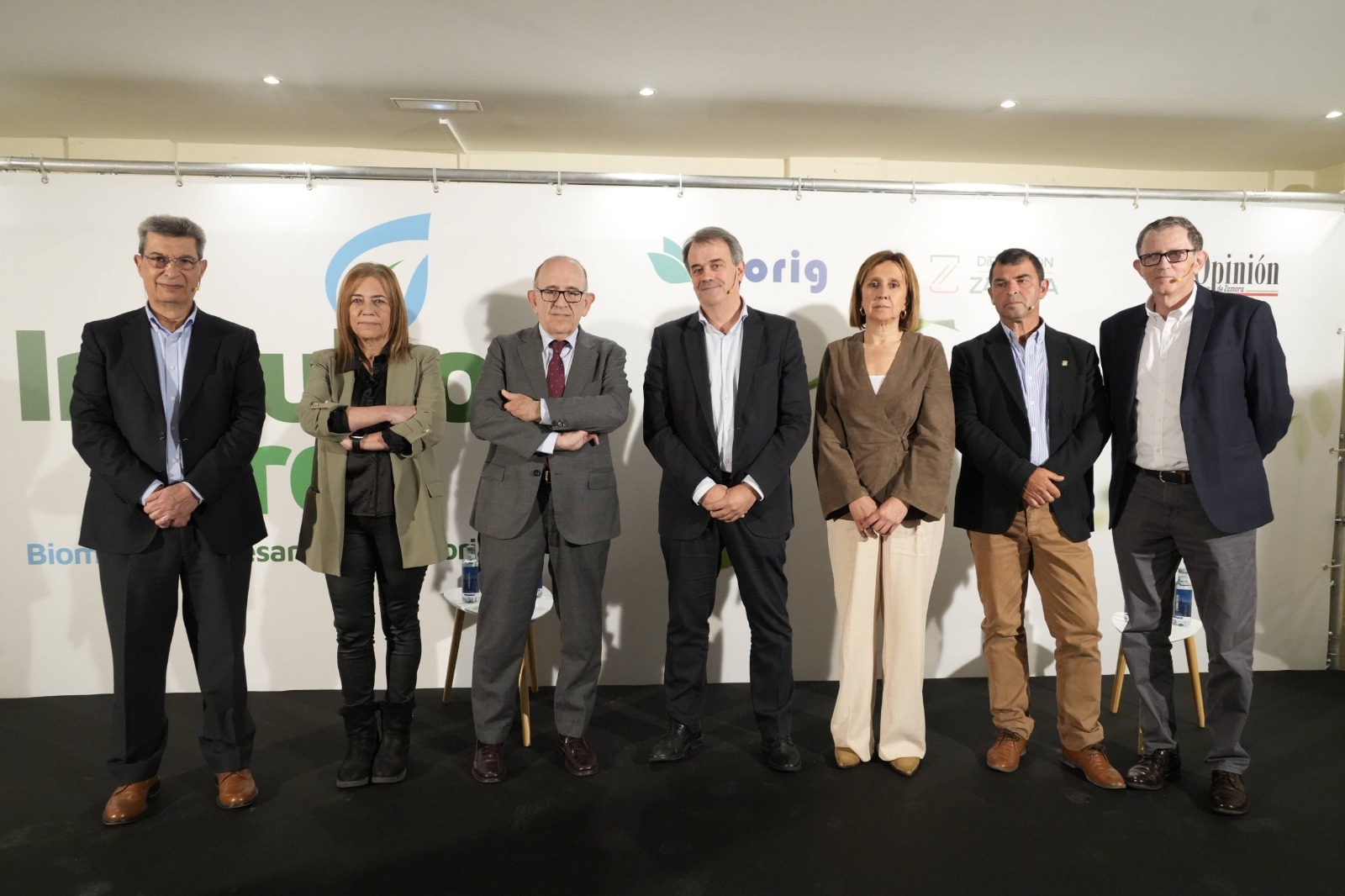




Members of Asaja Zamora, Aebig, the University of León and Biorig discuss the challenges in the deployment of biomethane in a forum of ‘La Opinión – El Correo de Zamora’.
Zamora se consolida como un territorio clave en la transición energética gracias al impulso del biometano. El foro “Impulso verde: biometano y desarrollo territorial”, organizado por La Opinión – El Correo de Zamora con el patrocinio de Biorig y la Diputación de Zamora; reunió el pasado miércoles 7 de abril a actores fundamentales del sector agrario, la comunidad científica y las empresas y asociaciones del sector del biometano para poner de manifiesto la oportunidad que representa el desarrollo del biometano en Zamora y Castilla y León.
Antonio Medina, presidente de Asaja Zamora; Francisco Repullo, presidente de honor de la Asociación Española del Biogás (Aebig); Antonio Morán, catedrático de la Universidad de León; y Manuel Alonso, director general de Biorig, expusieron sus opiniones sobre esta tecnología tras la intervención de José Manuel Jiménez, director general de Infraestructuras y Sostenibilidad Ambiental, quien defendió que Castilla y León puede sustituir más del 50% del gas natural fósil que se importa del exterior gracias al biometano.
A call to action from the energy sector
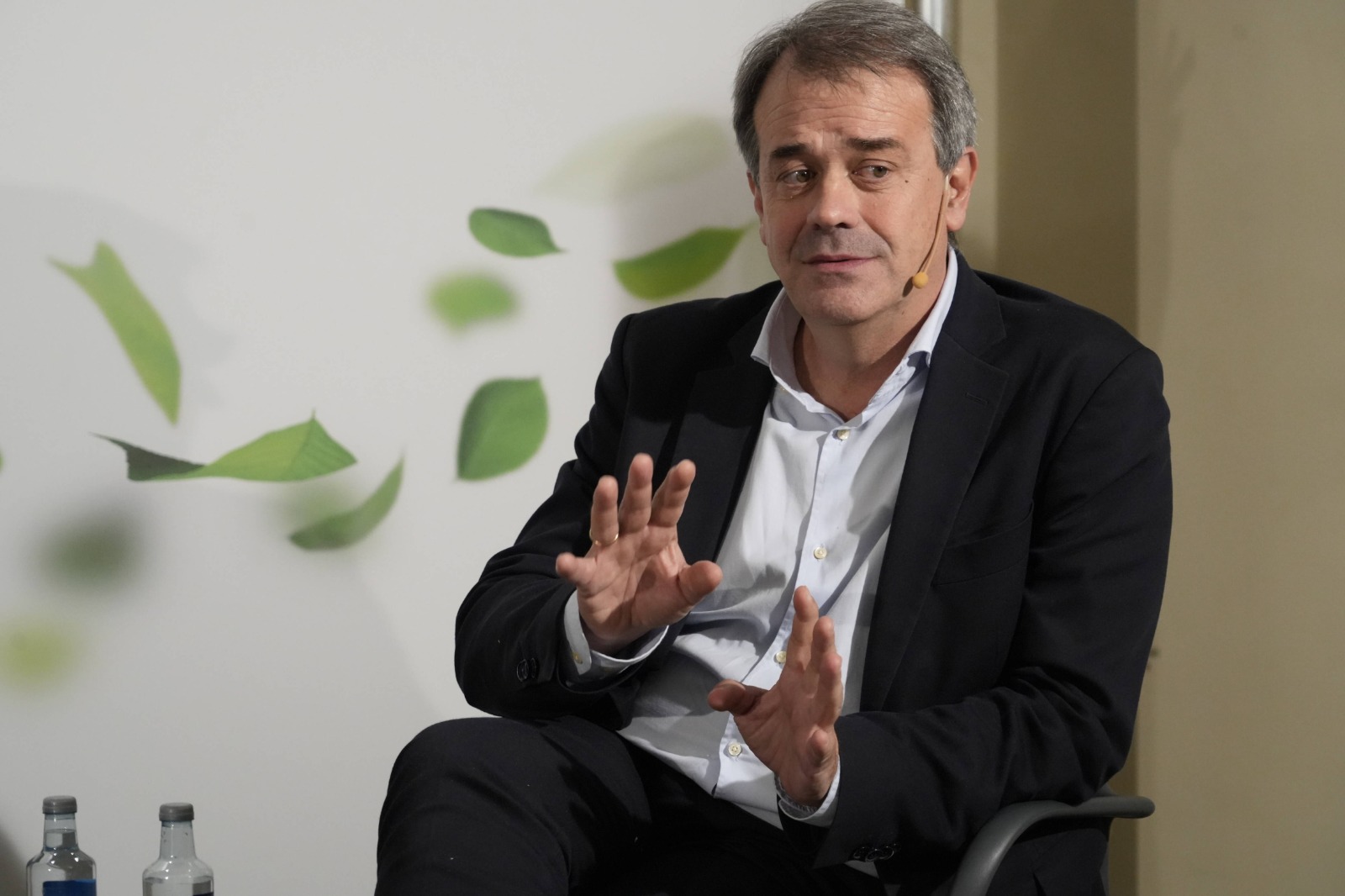
Manuel Alonso, CEO of Biorig, conveyed a strong message during his speech, in line with the principles of sustainability and circular economy defended by the company: “We must be aware of the need to manage waste and achieve energy diversification”.
In a context marked by climate urgency and the need for energy autonomy, biomethane is positioned as a clean, efficient alternative capable of generating wealth in the areas that need it most. According to estimates by the Junta de Castilla y León, around 35 million tons of agricultural and livestock waste are produced annually in the region, compared to 1 million tons of urban waste, the management of which must be optimized to comply with increasingly restrictive environmental criteria and the improvement of agricultural soils.
Castilla y León: leadership in renewable energy and biomethane potential
José Manuel Jiménez, general director of Infrastructures and Environmental Sustainability of the Junta de Castilla y León, participated in the conference, highlighting that the community already produces 90% of its electricity from renewable sources. He also pointed out that biomethane would make it possible to replace more than 50% of the fossil natural gas currently consumed, with an estimated investment of 2,500 million euros.
A plural and complementary panel
The forum brought together key representatives of knowledge, production and innovation. The panel discussion, moderated by journalist Verónica de Castro. This multidisciplinary panel discussed the need to create a stable regulatory environment, to foster public confidence and to strengthen the dialogue between developers, administrations and the local population.
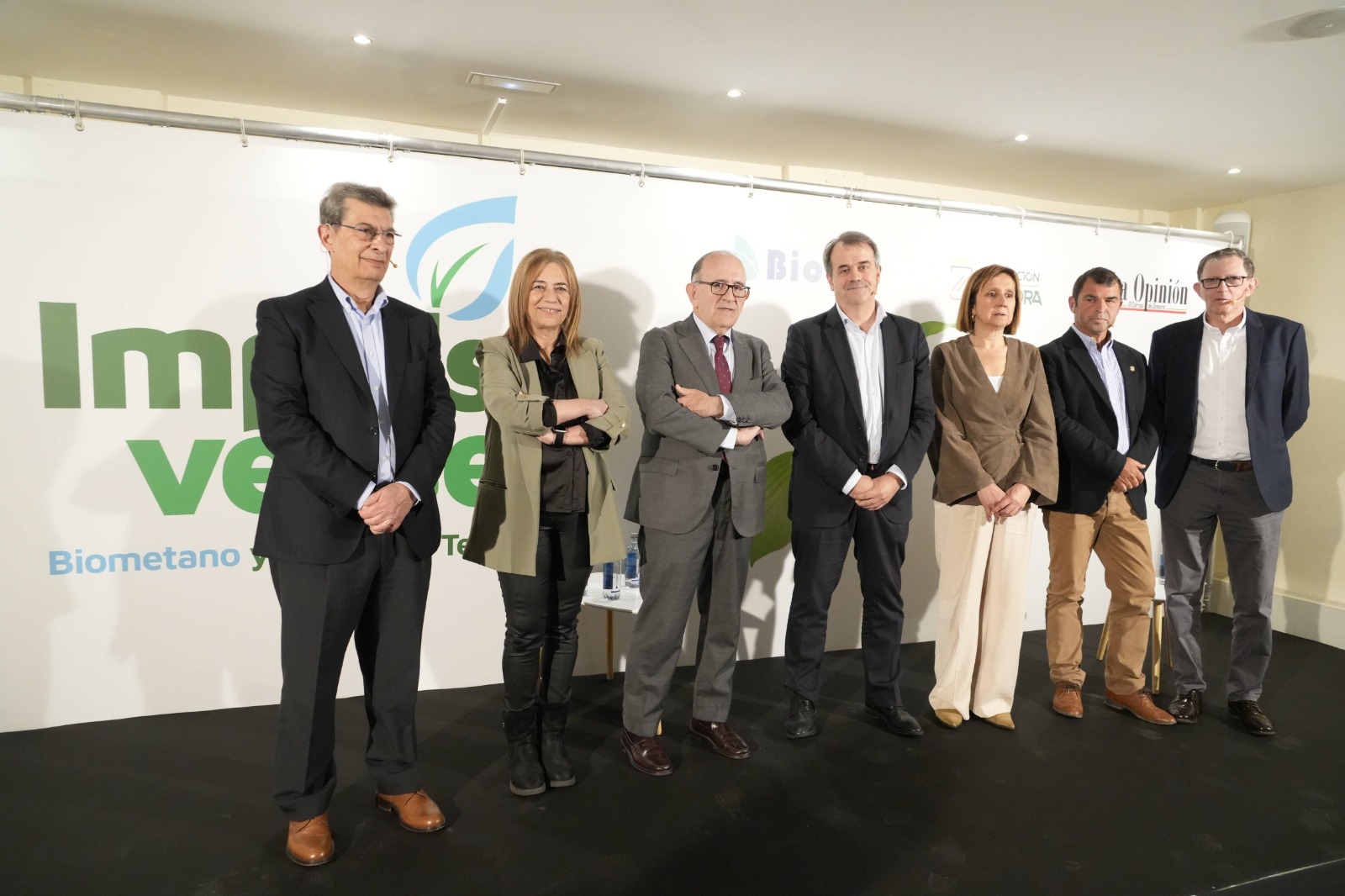
Both the public and business sectors stressed the importance of acting seriously, with technical rigor and transparency. The commitment to renewable gases, and in particular biomethane, requires solid projects, well communicated and oriented to generate a positive impact on the territory.
Biorig’s commitment with Zamora
At Biorig we believe in a decentralized energy model and in the need to integrate all actors in the transformation process. Our participation in this forum reinforces the company’s commitment to sustainability, the creation of rural employment and the intelligent valorization of local resources.
The future of energy involves circular, fair and collaborative solutions. In Zamora, this transition has already begun.
BIORIG, circular economy and energy sustainability
Biorig is Solarig’s biomethane production division. It was created to provide innovative solutions in the area of renewable gases and CO2 capture. Its activity is focused on the management of organic waste for its transformation into gases of renewable origin and to promote the development of projects within the framework of the energy transition and the circular economy.