Valorisation of agro-livestock waste

Transforming challenges into opportunities for the primary sector.

What is waste recovery and how does it contribute to sustainability?

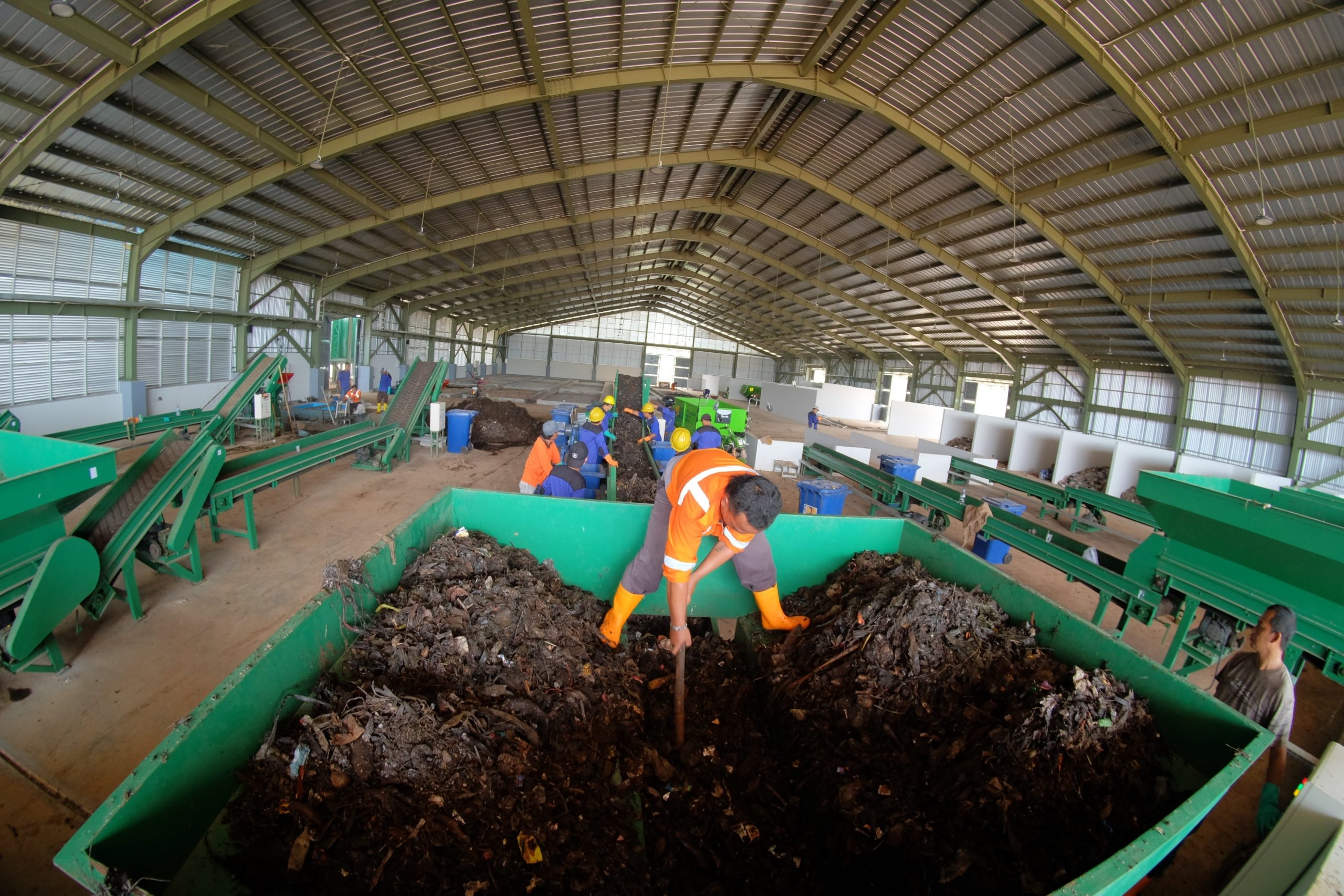
Waste recovery is the set of processes and techniques that allow the extraction of energy, raw materials or valuable products from waste generated by human or animal activity.

This practice reduces the amount of material to be managed and minimises greenhouse gas emissions, contributing significantly to climate change mitigation and optimal use of resources. By transforming waste into new resources, it boosts the circular economy and promotes a more environmentally friendly production model.

Benefits of waste recovery for the environment and the economy

Reducing waste to landfill

By transforming waste into resources, the amount of waste requiring disposal is significantly reduced, relieving pressure on waste management systems. 

Saving and generating energy

Recovering energy from local waste contributes to diversifying energy sources and decreasing dependence on fossil fuels. 

Minimisation of environmental impacts

Recovery reduces the emission of polluting gases and avoids uncontrolled dumping on crops, which mitigates soil and water pollution. All these elements favour a healthier environment around the facilities. 

Boosting the circular economy

The transformation of waste into raw materials or energy drives the development of new economic sectors, promotes innovation and the generation of employment, integrating responsible production and consumption models.

Use in biogas and fertilisation

Within the wide range of techniques, the recovery of organic waste stands out for its double benefit: the generation of biogas and the production of fertilisers.

Biogas production

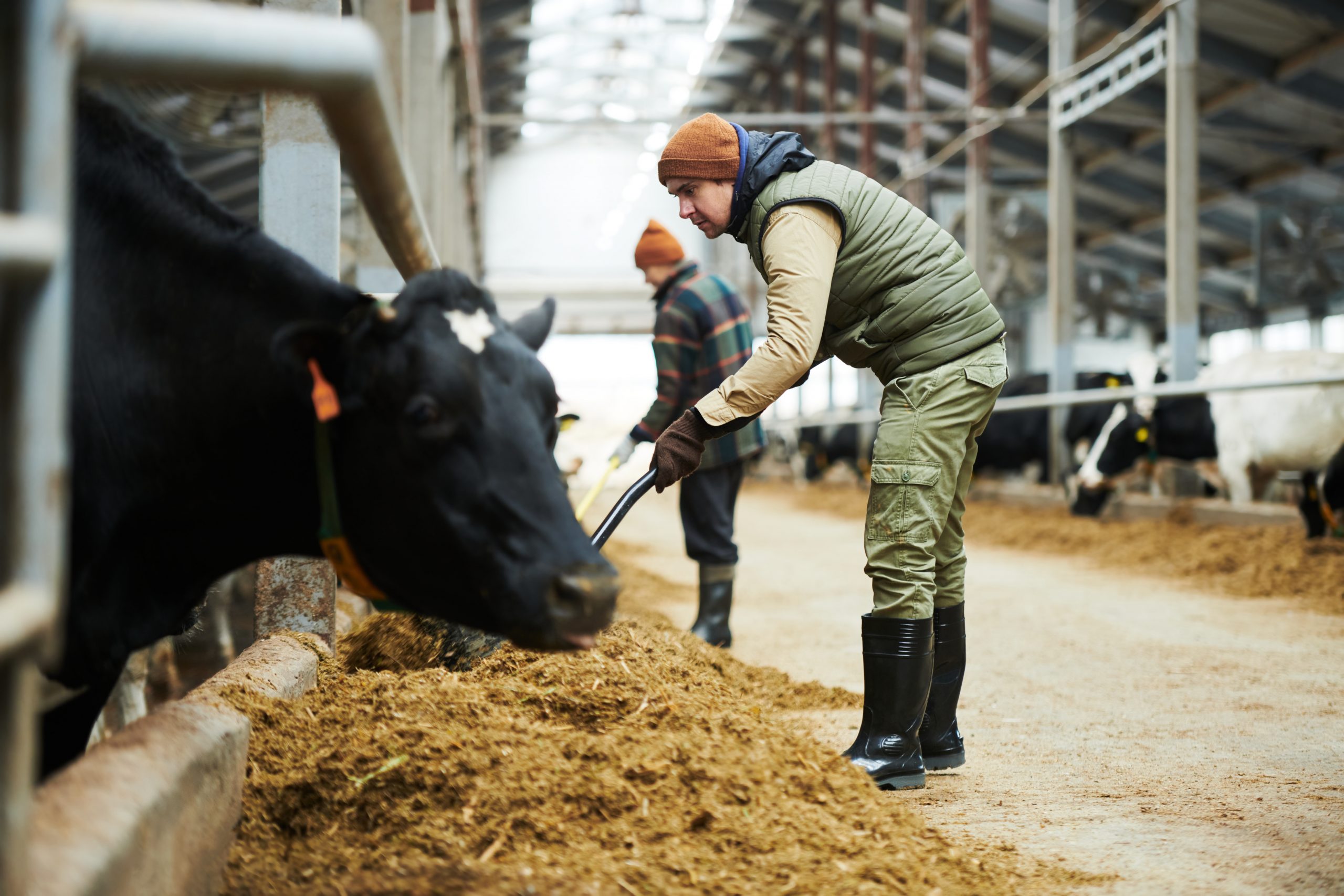
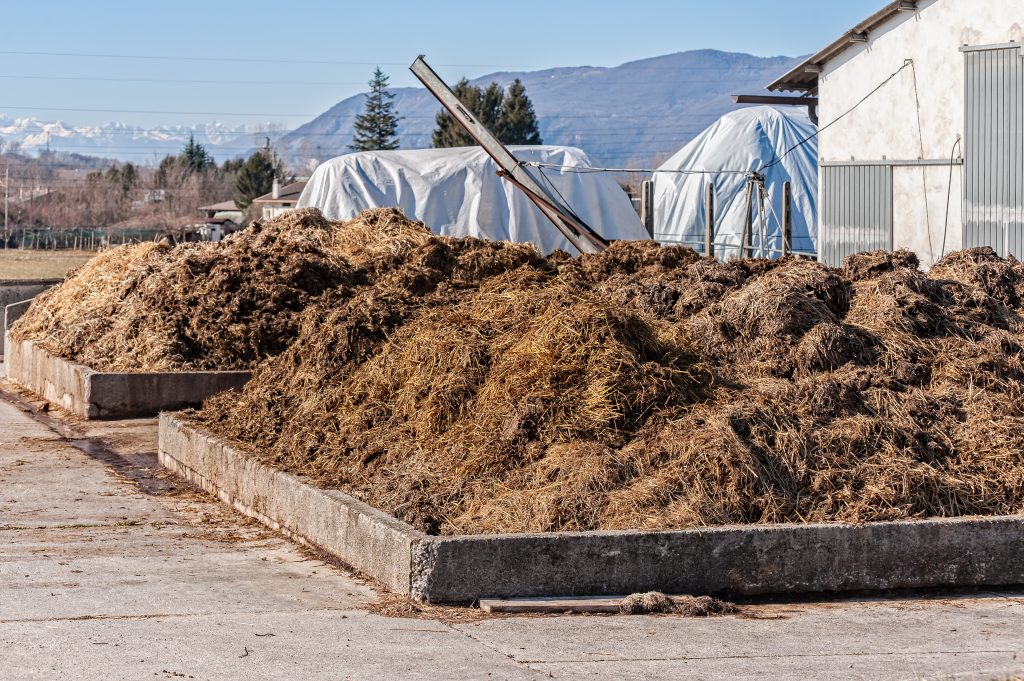
Through anaerobic digestion, organic waste is converted into biogas, mainly composed of methane. This biogas can be purified and transformed into biomethane, a renewable energy source that can be used for the generation of electricity, heat or even as fuel for vehicles. In the case of Biorig, this energy source is obtained through the management of slurry, straw and manure.

Fertiliser production

The digestate resulting from anaerobic digestion is treated in Biorig’s plants to obtain an organic fertiliser certified according to EU directive 2019/1009. During the whole process of biomethane generation, the digestate is treated and sanitised by processes such as thermophilic, where it spends more than 60 days at high temperatures, or mesophilic, which develops at moderate temperatures and allows an efficient and stable sanitisation of the by-product. The result is a high quality natural fertiliser that improves soil structure and fertility, promotes sustainable agricultural practices and reduces dependence on chemical fertilisers.

Closing the loop 

The synergy between the production of biogas and fertilisers closes the organic waste cycle, bringing environmental and economic benefits, and reinforcing the commitment to sustainability.

In conclusion, waste recovery is positioned as an essential tool in the fight against climate change and in the promotion of the circular economy. Current techniques, especially anaerobic digestion for the production of biomethane, allow transforming environmental challenges into opportunities for innovation and economic development. Biorig, committed to excellence in the utilisation of organic waste, continues to drive solutions that integrate technology, sustainability and profitability for a greener and more prosperous future.

Contact

We are close to you

Would you like to contact us, propose a project, find out about our services? Find us at any of our offices, by email or telephone.