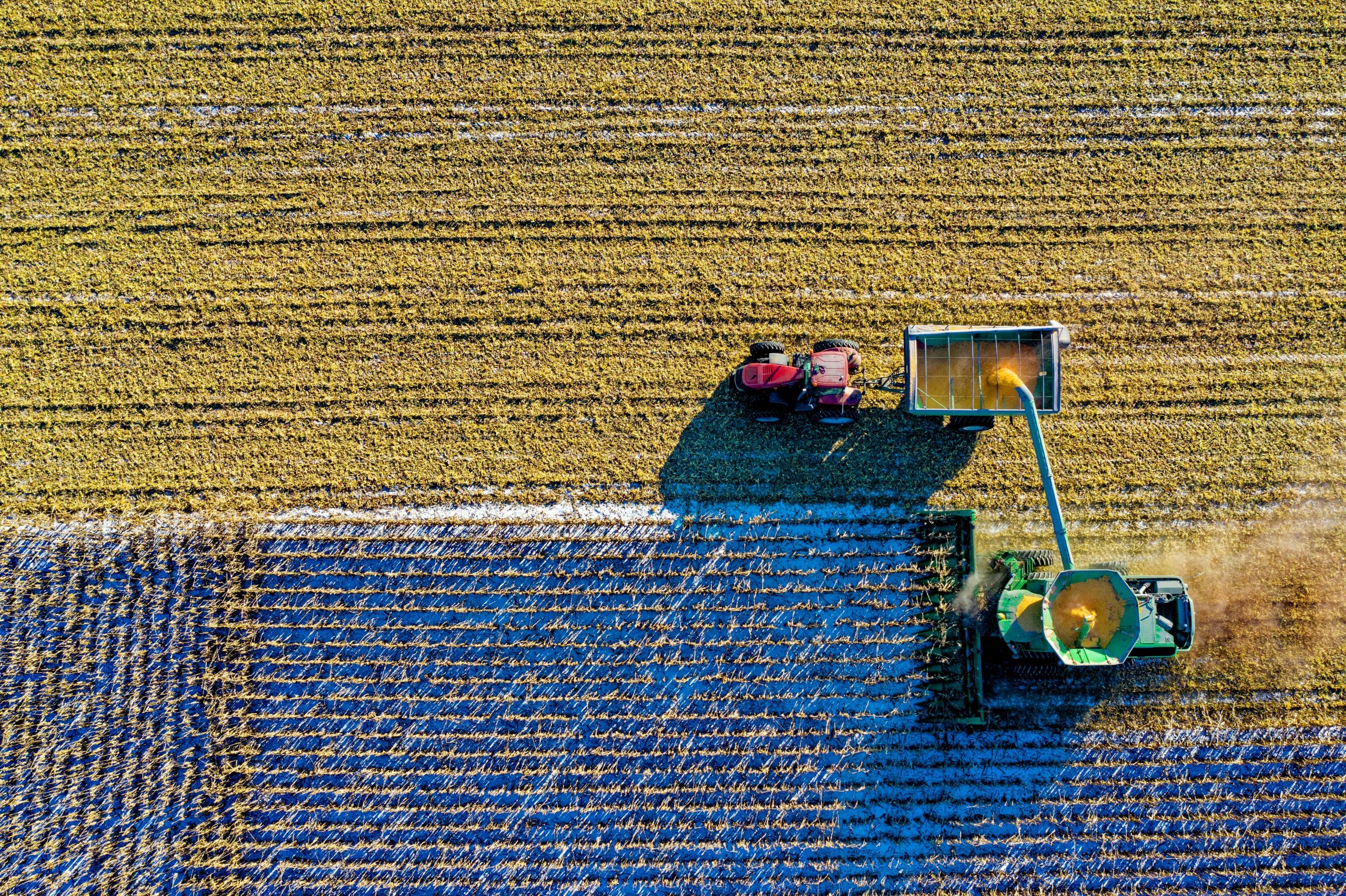
Organic fertiliser

During the biomethane production process we generate an EU-certified organic fertiliser that contributes to the improvement of agricultural soils.

Digestate: A pillar on which to build sustainable agriculture and the circular economy

Organic waste management is a key challenge in the energy transition towards a more sustainable model. In this context, digestate has become a key resource, not only for its potential as an agricultural fertiliser, but also for its role in promoting the circular economy.

Biorig’s biomethane plants allow us to transform waste into renewable energy, a process that generates the so-called digestate, which we produce according to the guidelines of the EU directive 2019/1009 to produce a certified organic fertiliser. In this way, the generation of biomethane contributes to closing the nutrient cycle and reduces the dependency on chemical inputs.

In this way, Biorig will contribute to preserving soil structure and improving soil fertility, as well as to the traceability of fertiliser use on crops through the distribution of this solid, odourless product on plots previously agreed with farmers. 
How is digestate generated in biomethane plants?

Through a process called anaerobic digestion, Biorig’s biomethane plants extract two products from the agricultural and livestock waste with which it works: biogas and digestate.

Biogas

This by-product is purified by a process called upgrading to separate the biomethane that will be injected into the gas grid and the biogenic CO2, which will be captured.

Digestate

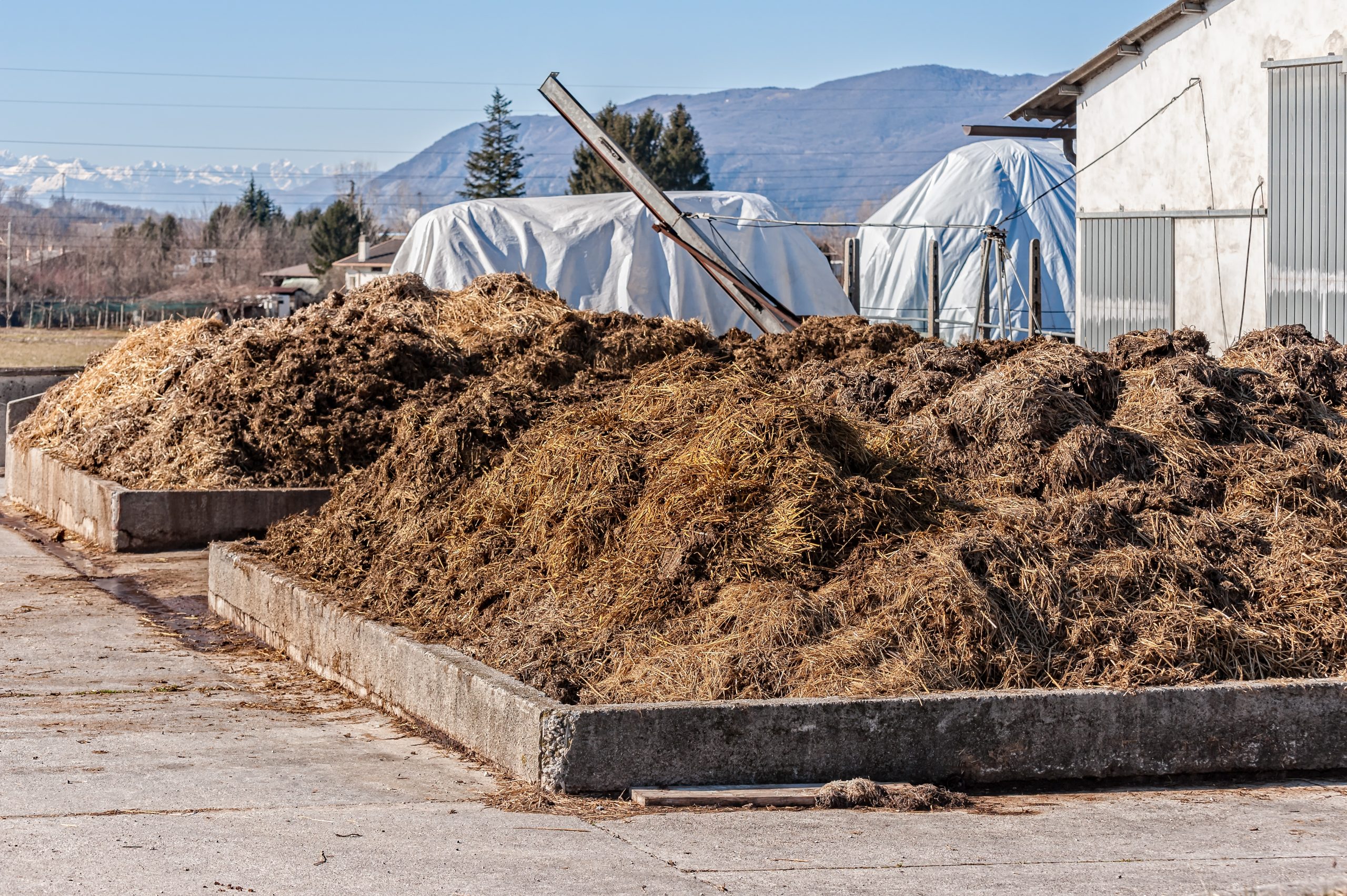
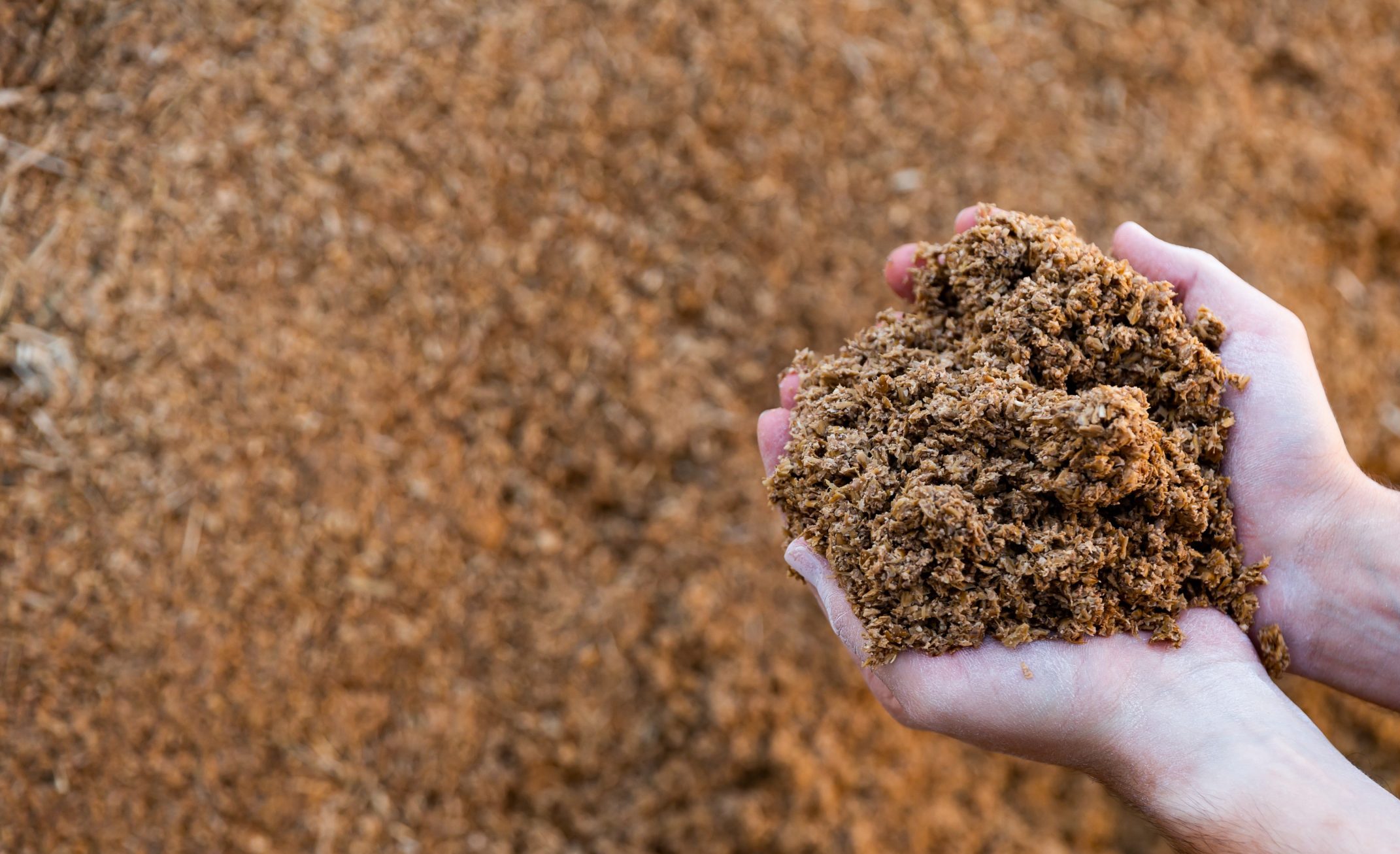
This semi-solid by-product is rich in essential nutrients (nitrogen, phosphorus and potassium) and has great potential in agricultural applications.

Uses and Applications of Digestate

Digestate has multiple applications, especially in agriculture:

Organic fertilize

Provides essential nutrients to crops

Soil amendment

Improves soil structure and fertility

Composting

Can be further processed to stabilize its nutrients and facilitate its application

Use in irrigation systems

In its liquid form, it can be applied through fertigation

How is digestate converted into an EU-approved fertilizer?

With the by-product resulting from anaerobic digestion, Biorig produces a CFP3 fertilizer product that is used on crops in the areas where the raw materials are obtained.

Production and hygienization
01 Production and hygienization Throughout the entire biomethane generation process, the digestate is treated and hygienized through processes such as the thermophilic method, in which it remains at high temperatures for over 60 days; or mesophilic methods, which occur at moderate temperatures and allow for effective and stable hygienization of the by-product.
Traeatment
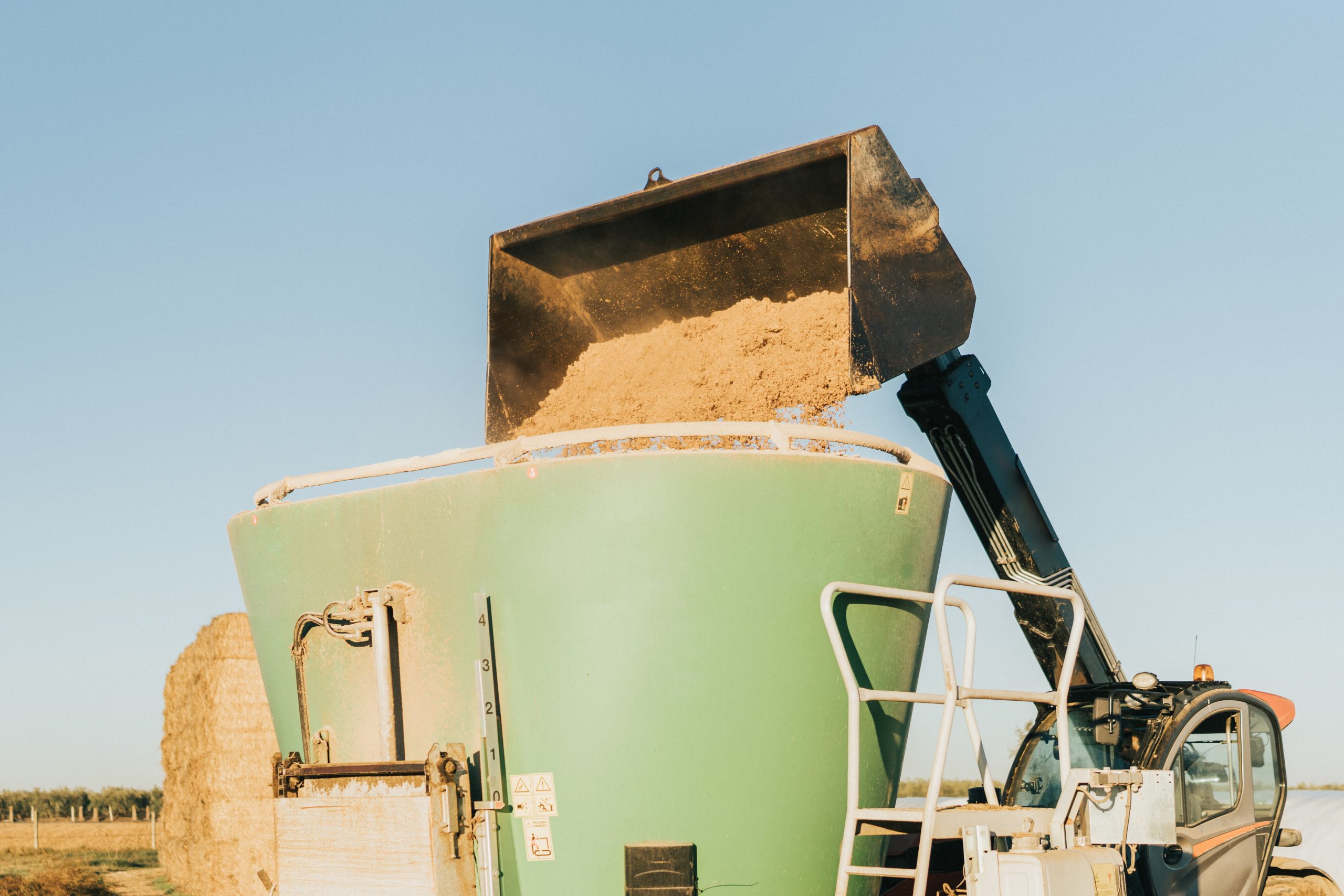
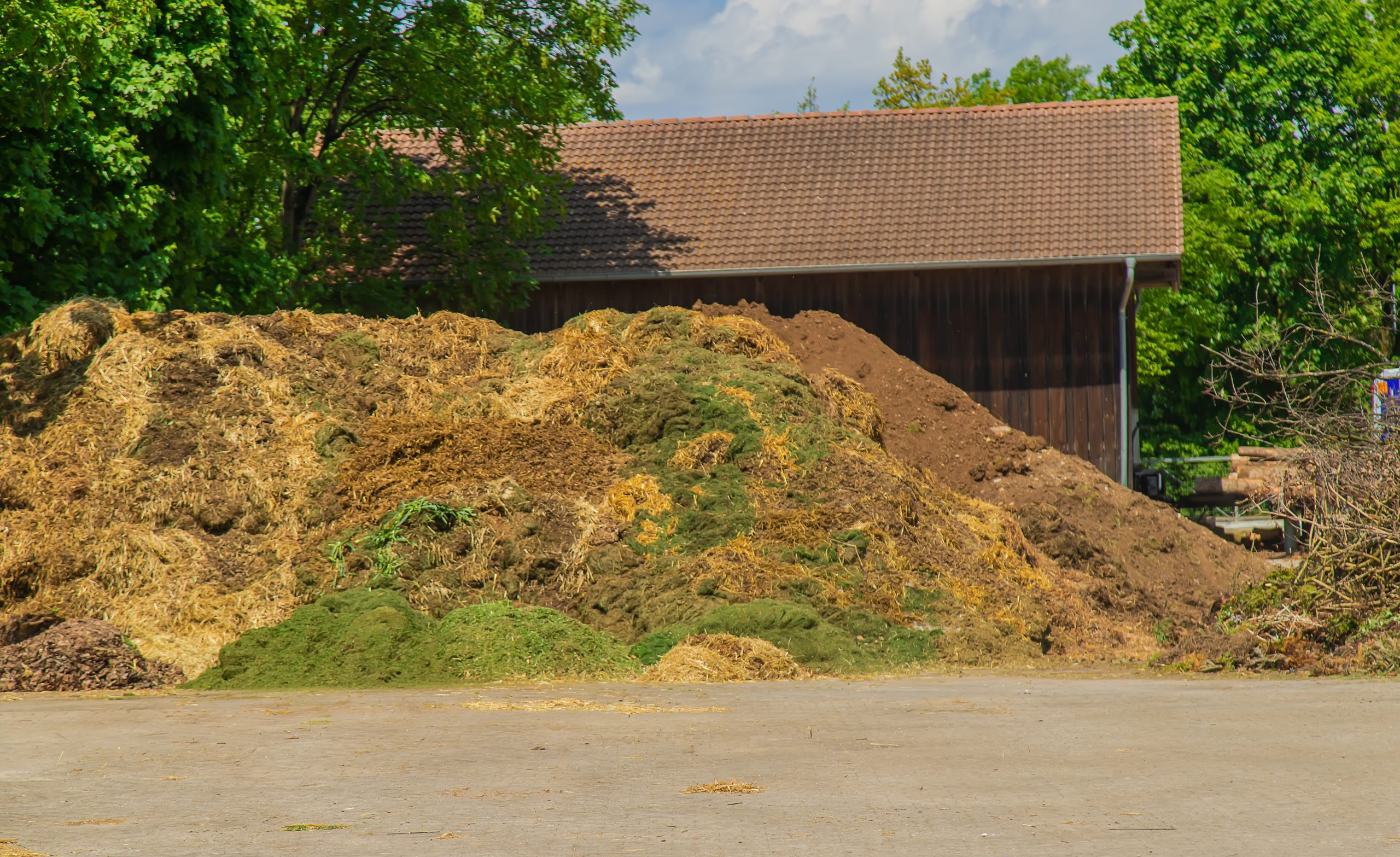
02 Traeatment After spending more than 60 days at high temperatures, the by-product is mixed with pruning residues and other organic materials to achieve sufficient solidity and consistency to be stackable and comply with the standards of EU Directive 2019/1009.
CFP3 organic amendment
03 CFP3 organic amendment In this way, a CFP3 organic fertilizer is obtained that not only prevents slurry and manure from being spread uncontrollably and without prior hygienization on crops, but also possesses agronomic qualities beneficial to the soil.

Benefits of organic fertilization in agriculture

Agricultural soils treated with Biorig’s organic fertilizer show significant improvements:

Contribution of organic matter

Supporting soil microbiota.

Progressive nutrient release

Preventing leaching and loss of fertility.

Greater water retention

Useful in arid or degraded soils.

Partial or total replacement of chemical fertilizers

Reducing costs and environmental footprint.

Biocircular model

Prevents uncontrolled spreading of slurry and manure on crops and provides an EU-certified organic fertilizer for field fertilization.

Organic fertilizers and circular economy

According to the European Union, the circular economy is key to future sustainability, and the use of digestate and its transformation into organic fertilizer fits perfectly into this strategy by turning waste into a valuable agricultural resource.

Closes the nutrient loop

Preventing the loss of organic matter and maintaining soil fertility.

Reduces pollution and carbon footprint

By replacing chemical fertilizers and decreasing both greenhouse gas emissions from decomposing waste and soil pollution.

Boosts the rural bioeconomy

Creating new economic opportunities in the agricultural and livestock sectors.

Contact

We are close to you

Would you like to contact us, propose a project, find out about our services? Find us at any of our offices, by email or telephone.