What is Biomethane?

Biomethane, a key renewable gas for energy transition and independence.

The sustainable alternative to fossil natural gas

Biomethane is a renewable gas produced from biogas through a purification or upgrading process.

Biomethane is one of several types of renewable gas currently available. It is obtained from the decomposition of organic waste (agricultural, livestock, urban or industrial), which is purified and can be injected into the existing natural gas network.

Biomethane is produced from biogas through a purification or upgrading process. This process separates unwanted components from the biogas, such as biogenic carbon dioxide (bioCO₂) which can be captured, hydrogen sulphide (H₂S), water vapour and other impurities, thus increasing the proportion of methane (CH₄) in the resulting gas.

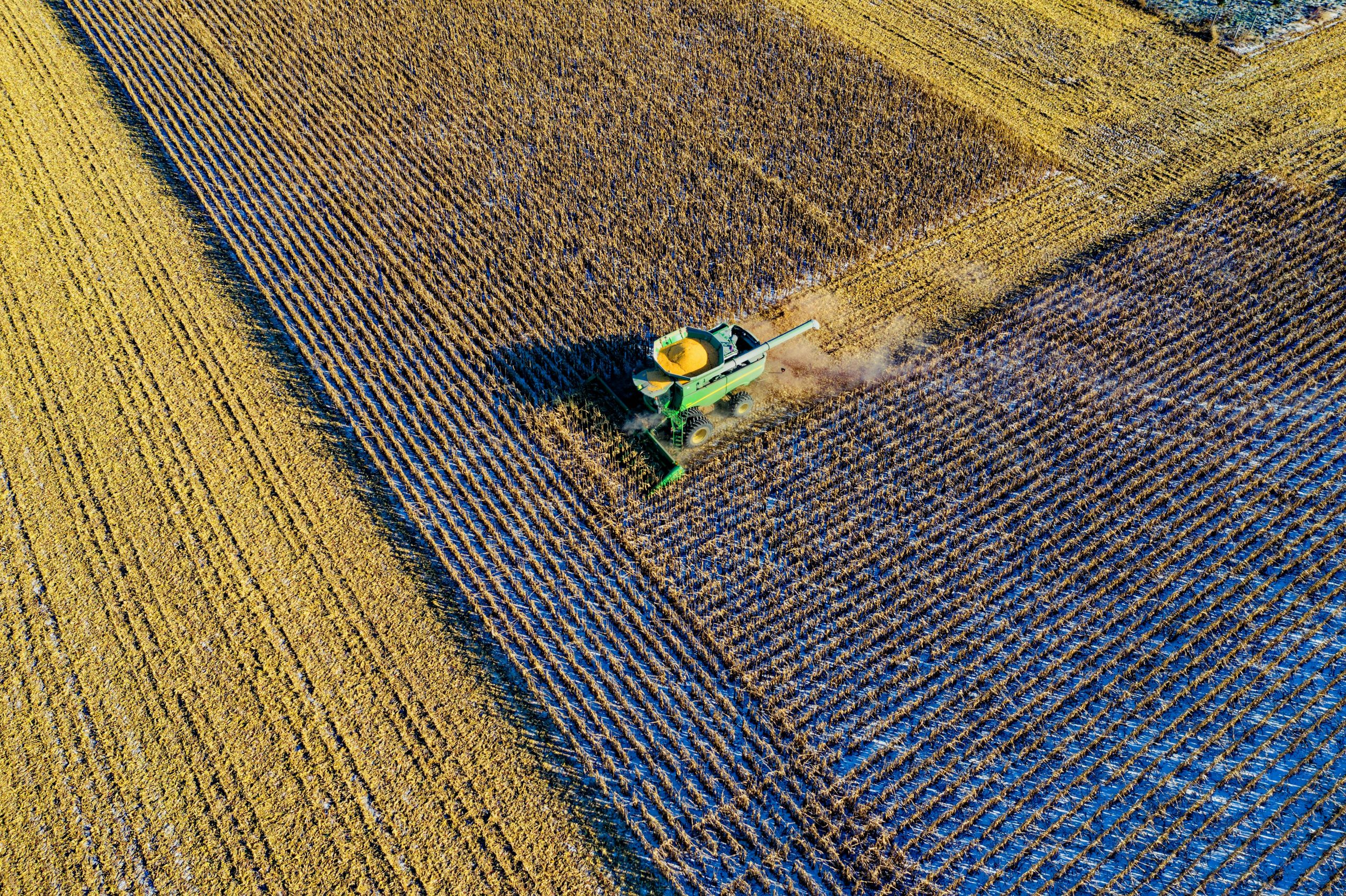
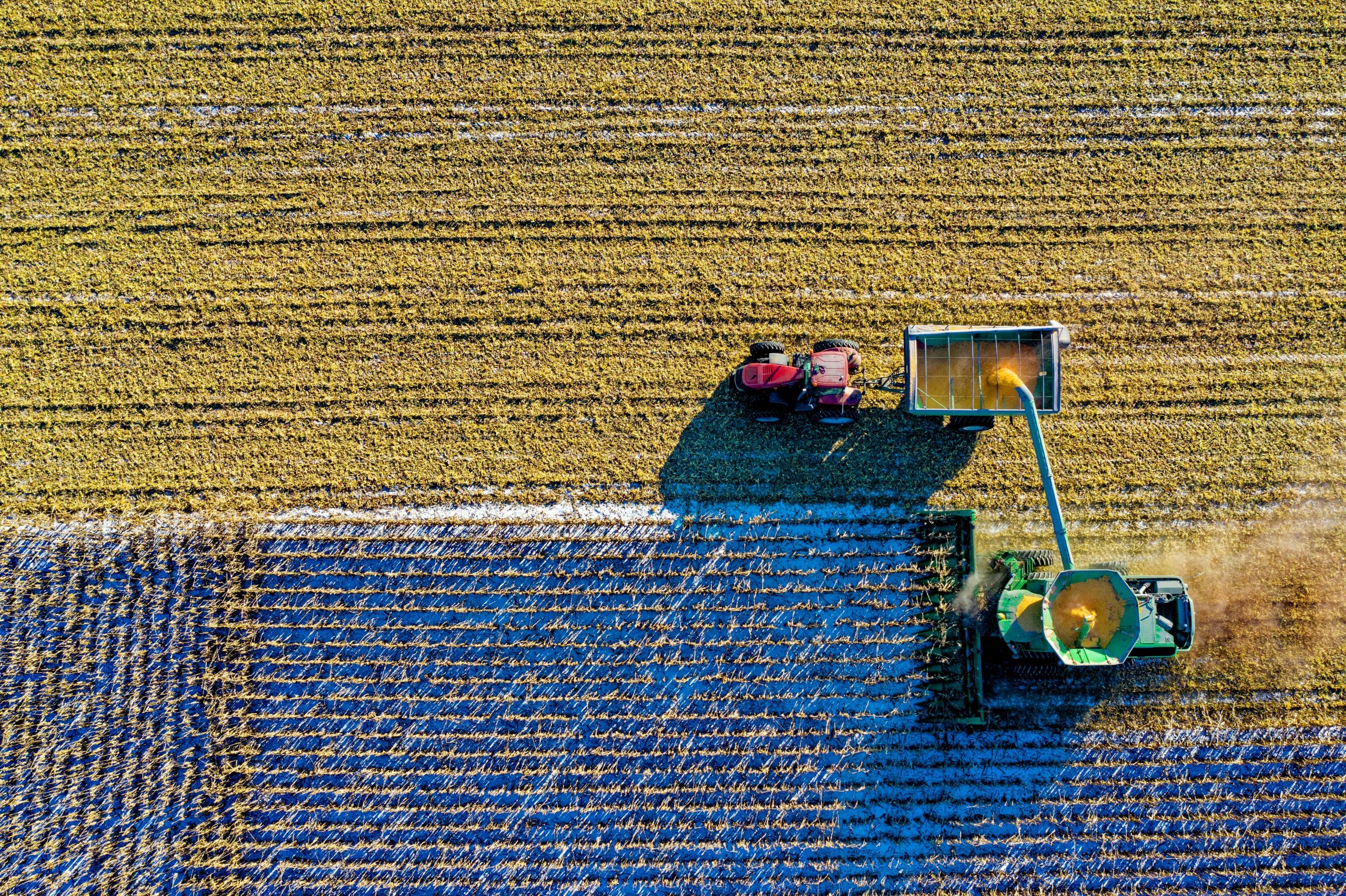
Biogas is obtained from the anaerobic decomposition of organic matter. Biorig focuses on waste generated in livestock and agricultural facilities, such as crop residues or animal manure. Due to the use of these raw materials, our field of action is located in rural environments, where the agricultural and livestock farms that generate the waste from which the biomethane will be produced are located.

Advantages of biomethane

Biomethane is a renewable, local and clean energy that drives the circular economy and is a key solution to decarbonise different strategic sectors. 

Waste management
01 Waste management Contributes to the efficient management of organic waste by recovering it and converting it into sustainable energy and fertilisers.
Emissions reduction
02 Emissions reduction Reduces greenhouse gas emissions by capturing methane, a gas with high global warming potential.
Renewable fuel
03 Renewable fuel Produces a renewable fuel that can be stored and transported using existing natural gas infrastructure.
Circular economy
04 Circular economy Supports the circular economy by transforming waste into useful resources.

Biomethane applications

It is chemically identical to the methane found in natural gas, which increases its potential applications and is key to reducing dependence on fossil fuels.

Injection into the gas grid

Can be injected into the existing natural gas network for distribution and use.

Electricity and heat generation

Used in cogeneration plants to produce electricity and heat efficiently.

Vehicle fuel

It serves as a fuel for vehicles adapted to the use of natural gas, contributing to a more sustainable mobility.

Circular economy

This biomethane production process exemplifies a closed production cycle that minimises environmental impact and maximises the use of resources, contributing significantly to the transition towards more sustainable energy systems and reducing dependence on fossil fuels.  

Contact

We are close to you

Would you like to contact us, propose a project, find out about our services? Find us at any of our offices, by email or telephone.