

From Waste to Energy: How Does Biomethane Help Combat Climate Change?

Biomethane helps combat climate change by converting organic waste into renewable energy, reducing emissions, and replacing fossil gas.

We have a solution

Every October 24, World Climate Change Day reminds us of the importance of reducing greenhouse gas emissions. In addressing this challenge, it is not enough to transform electricity generation; we must also take action on industrial processes, energy consumption, and emissions associated with agricultural and livestock activities.

Given this context, biomethane plays a significant role in the energy transition. Biomethane offers a complementary solution that addresses two environmental challenges at once: the management of organic waste and the replacement of fossil fuels, especially in applications that are difficult to electrify. According to the European Biogas Association (EBA), biomethane production capacity in Europe increased by 17% compared to 2025, reaching 8.2 billion cubic meters annually in 2026.
What does organic waste have to do with climate change?

When we think of the gases responsible for global warming, carbon dioxide (CO₂) is usually the first one that comes to mind. But it is not the only one. Methane (CH₄) is a much more potent greenhouse gas: according to the IPCC, its warming effect is about 28 times greater than that of CO₂ over a 100-year time horizon. It is produced, among other sources, during the decomposition of organic matter in oxygen-deprived conditions, as can occur in certain types of livestock waste storage. Therefore, improving the management of this waste can help reduce its climate impact.

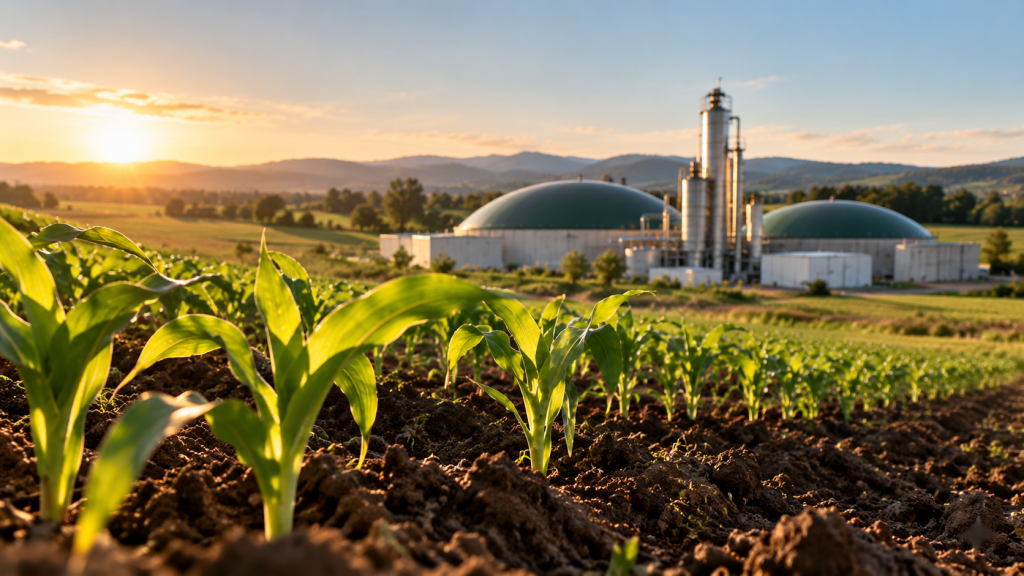
This is where biomethane comes into play: a technology that harnesses organic matter to produce renewable energy through a controlled process called anaerobic digestion. The organic matter is converted into biogas, which is then purified to produce biomethane, a renewable gas with properties equivalent to those of natural gas.

Biomethane and Climate Change: How Does Biomethane Help Reduce Emissions?

Biomethane helps combat climate change by reducing methane emissions from organic waste.

Contribute to energy security

Producing biomethane from local resources makes it possible to diversify supply sources and reduce dependence on imported natural gas, thereby strengthening the energy independence of local regions.

Bringing flexibility to the energy system

Unlike other renewable energy sources whose production depends on weather conditions, biomethane can be stored and used when there is demand. This characteristic helps diversify the energy supply.

Circularity: Efficient Use of Nutrients and Resources.

Recycling digestate allows nutrients to be recovered for use as organic fertilizers, helping to reduce dependence on mineral-based fertilizers and the emissions associated with their production

Utilization of Biogenic CO₂

During biogas purification, biogenic CO₂ is separated and can be recovered and utilized in various industrial applications. Its recovery opens up new opportunities for using resources derived from biomethane production.

Biomethane and the Challenges of Climate Change

Reducing emissions requires transforming various sectors of our economy. Biomethane can contribute to this transition beyond its renewable origin.

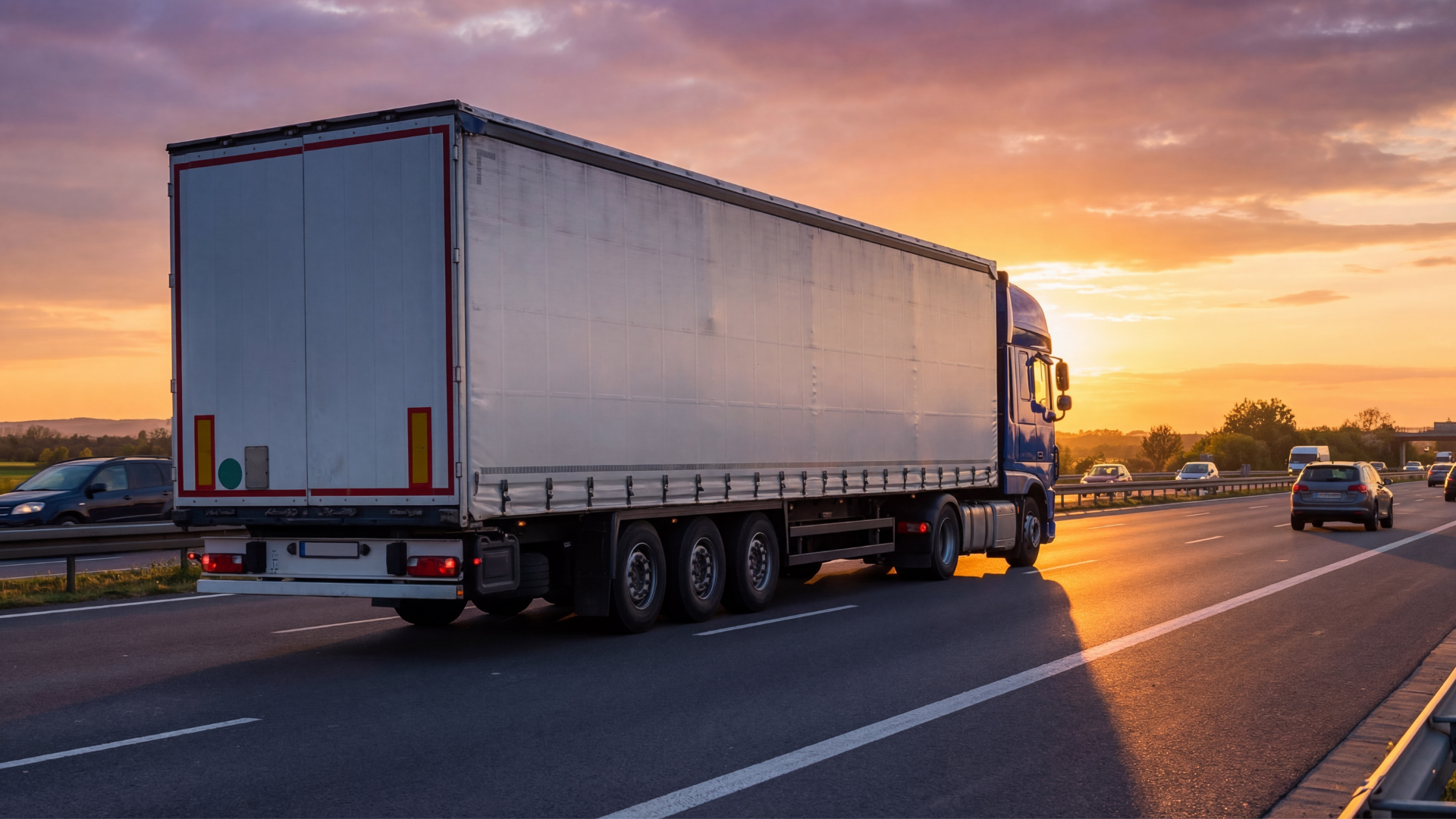
Decarbonizing sectors that are difficult to electrify
01 Decarbonizing sectors that are difficult to electrify Not all activities can easily replace gaseous fuels with electricity. Biomethane offers a renewable alternative for certain industrial processes that require thermal energy.
Leveraging Existing Infrastructure
02 Leveraging Existing Infrastructure Unlike other renewable energy sources whose production depends on weather conditions, biomethane can be stored and used when there is demand. This characteristic helps diversify the energy supply.
Promote local energy production
03 Promote local energy production Biomethane production makes it possible to utilize organic resources available in the region, promoting energy generation models tied to rural areas and reducing dependence on imported fossil fuels.
Promote efficient and controlled decarbonization
04 Promote efficient and controlled decarbonization Biomethane’s impact on the climate depends on how it is produced and managed. Assessing emissions throughout its life cycle, controlling potential methane leaks, and improving energy efficiency are key to maximizing its environmental benefits.